
Why North Carolina Gardeners Should Stop Treating Clover Like A Lawn Weed
Follow us on Google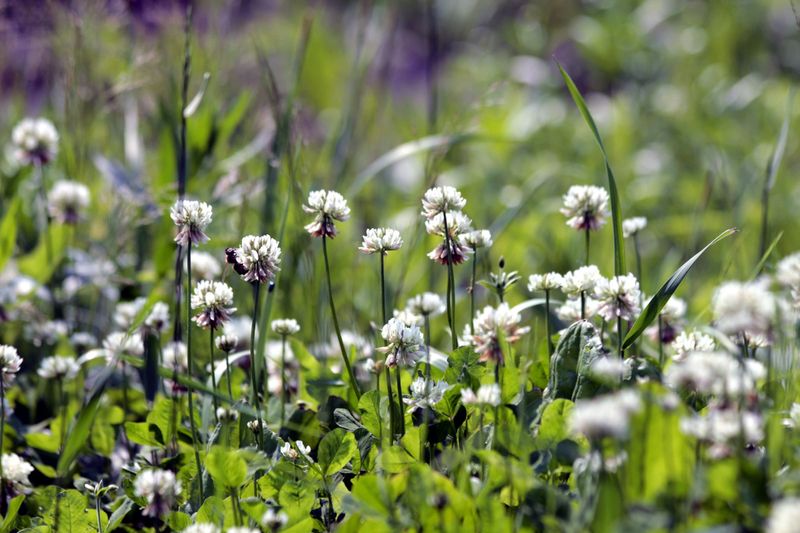
Most North Carolina homeowners have spent years yanking out or spraying the low-growing white-flowered plant creeping through their grass, never stopping to ask whether it actually belongs there. The plant in question is white clover, Trifolium repens, and it turns out the case against it is weaker than most lawn-care habits suggest.
Reconsidering it does not mean letting your yard go wild; it means making a smarter decision about a plant that can pull real weight in a low-input lawn.
What makes white clover worth reconsidering?
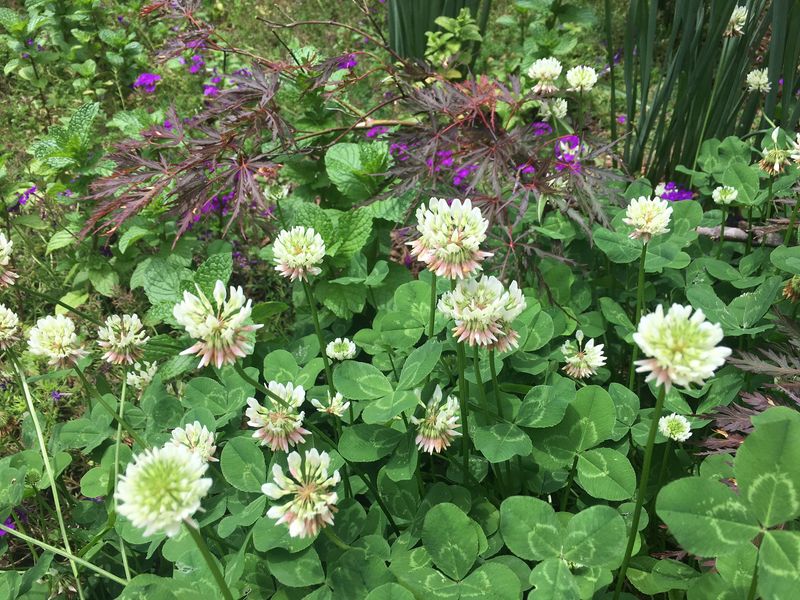
Before making any case for keeping clover in a lawn, it helps to be precise about which plant is actually under discussion. The word “clover” gets applied to dozens of species: red clover, crimson clover, hop clover, sweetclover, and others that differ in height, bloom time, and how they behave in a yard.
This article is specifically about white clover, Trifolium repens, a low-growing perennial that spreads along the ground and produces small white flower heads. Recommending a second look at white clover is not a blanket endorsement of every plant that goes by the clover name.
White clover shows up in North Carolina lawns without being invited, and that uninvited arrival is usually why homeowners reach for a herbicide. NC State Extension’s lawn handbook takes a different view, identifying white clover as a legitimate ground cover option that grows in sun to partial shade, stays relatively low, and tolerates mowing.
Notably, it can establish and persist without added fertilizer, which is not something most grass species can claim.
NC State’s plant profile for Trifolium repens confirms it as a useful pollinator plant, adding another reason to think twice before treating every patch as a problem. When white clover appears in thin or patchy turf, the instinct is to read it as a sign of lawn failure.
A more accurate read is that it moved into a niche where grass was already struggling, and it is doing a reasonable job of holding that space together.
None of this means converting every square foot of a North Carolina yard to a pure clover lawn. White clover has real limitations, including reduced performance under heavy foot traffic, heat stress, and drought.
The honest argument is narrower: stop treating its presence as automatically undesirable, assess where it is actually growing, and let the site conditions guide the decision rather than reflex.
The nitrogen benefit comes with conditions
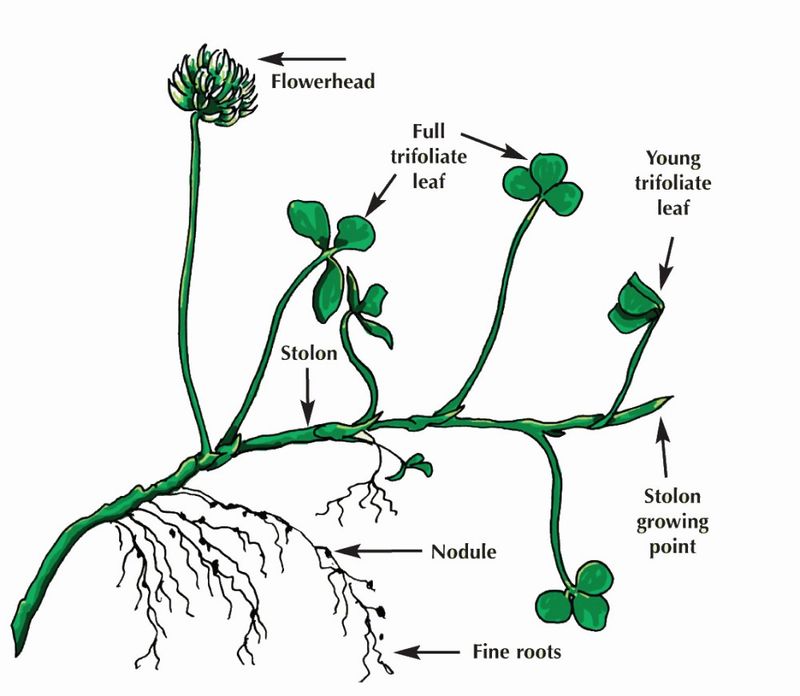
One of the strongest practical arguments for tolerating white clover in a lawn is what it does underground. As a legume, white clover forms a working relationship with soil bacteria called rhizobia, which colonize the plant’s roots and convert atmospheric nitrogen into a form the plant can use.
That process, called nitrogen fixation, means white clover can grow and stay green without pulling nitrogen from the soil the way grass does.
UGA Extension’s forage management guide puts the nitrogen output of a vigorous white clover stand at roughly 100 to 150 pounds per acre annually under favorable conditions. That figure comes from forage production settings, not residential lawns, so treating it as a guaranteed outcome in a suburban yard would be misleading.
What it does illustrate is the scale of what is possible when clover is thriving in suitable soil with adequate moisture and the right bacterial partners.
The benefit to nearby grass does not arrive instantly. Nitrogen does not flow through a direct pipeline between clover roots and grass roots.
Instead, it becomes available gradually as clover leaves, stems, and roots decompose and mineralize into the soil. Mowing and leaving clippings in place speeds that process along.
Research on mixed grass-legume systems supports this slower, indirect transfer as the primary mechanism.
Soil conditions still matter enormously. A clover stand in compacted, poorly drained, or extremely acidic soil will underperform regardless of what the forage research suggests.
Studies on lawn diversity and management reinforce that establishment success depends on pH, phosphorus, potassium, moisture, and stand density working together. Soil testing before seeding or before abandoning clover that is struggling will tell you more than any general estimate.
One more practical note: adding nitrogen fertilizer to encourage grass in a newly mixed area can tip the competition in grass’s favor and push clover out before it gets established, which defeats the purpose.
Pollinator forage, not a native-habitat replacement
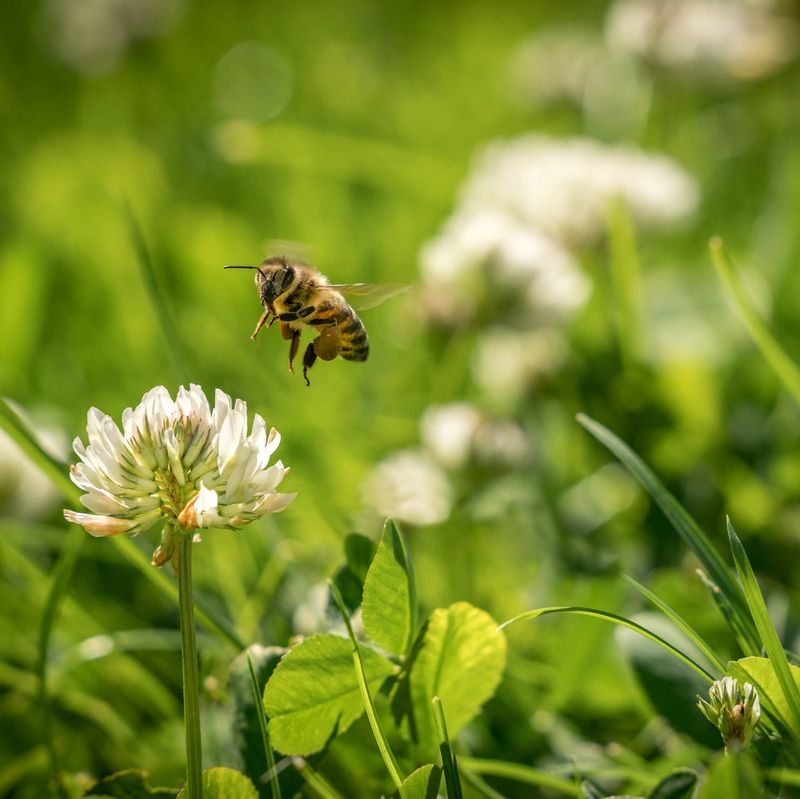
Walk past a patch of blooming white clover on a warm afternoon in North Carolina and you will almost certainly hear it before you see the activity. Honey bees, bumblebees, and a range of smaller native bees work white clover flowers steadily because the blooms are open and accessible, meaning insects do not need a specialized body shape or tongue length to reach the nectar and pollen.
That accessibility is a genuine ecological contribution, even if it comes with a realistic ceiling.
A study of urban and suburban lawns found roughly 50 pollinator species visiting white clover and dandelions, including 37 bee species. That is a meaningful number for a plant most homeowners are actively trying to eliminate.
Urban lawn research has also shown that low-mow and mixed-species lawn areas can support higher pollinator activity than conventionally managed turf, with flowering plants like white clover doing much of the work.
The honest qualifier is that white clover is not native to North America. University of Maryland Extension identifies Dutch white clover as originating in Europe, which places it in the category of naturalized plants rather than ecological restoration tools.
It feeds generalist pollinators well, but it does not provide the specialized relationships that native plants have developed with North Carolina’s native bees, moths, beetles, and other insects over thousands of years.
White clover can coexist productively with native plantings, and there is no conflict between keeping it in low-traffic lawn areas and also adding native plants along borders or in beds. USDA Forest Service research on urban green spaces points toward plant diversity as the driver of broader wildlife support.
Logs, brush piles, rocks, and taller vegetation along yard edges support reptiles, amphibians, and other wildlife that NC State recommends for a wildlife-friendly yard. White clover contributes one useful piece; it cannot substitute for the whole picture.
A mixed lawn puts white clover where it can succeed
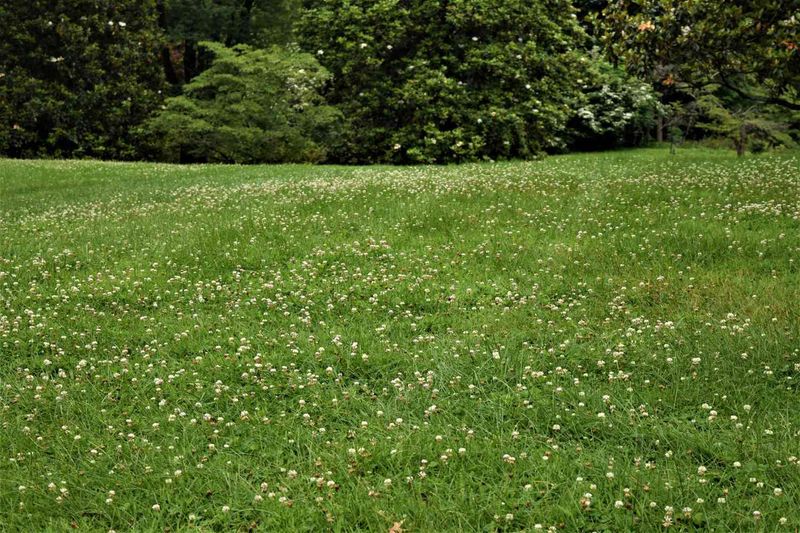
Deciding to stop automatically removing white clover is a different commitment than deciding to replace every inch of turf with it. The most practical approach for North Carolina homeowners is a mixed lawn, where white clover fills roles it is suited for and turf or tougher surfaces handle the zones that need more durability.
NC State’s lawn guidance is direct about the traffic limitation: white clover does not hold up under heavy running and playing. That makes it a poor primary surface for the stretch of yard where kids and dogs are regularly active.
Putting it there and expecting it to perform like turf will lead to bare patches and frustration. The better strategy is to reserve those high-use corridors for grass, zoysiagrass, or another durable surface, and let clover take over where foot traffic is lighter.
Low- to moderate-traffic areas are where white clover earns its keep: along lawn edges, in the transition zone beneath trees where grass thins out, in strips between garden beds, or in patchy spots where turf has never grown well. University of Maryland Extension’s overview of microclover and grass mixtures presents the blended approach as a practical middle path, one that captures the ground-cover and low-input benefits of clover without abandoning turf where it is actually needed.
Before expanding clover into a new area, run through a short checklist: How much direct sun does the spot get? Is drainage reasonable, or does water pool there?
How often do people or pets cross it? What does the soil test show?
Those four questions will predict clover performance better than any general recommendation. Sun to partial shade, decent drainage, light traffic, and a soil pH in the right range add up to a spot where white clover is likely to fill in well and stay put without constant intervention.
How should North Carolina gardeners establish and manage it?
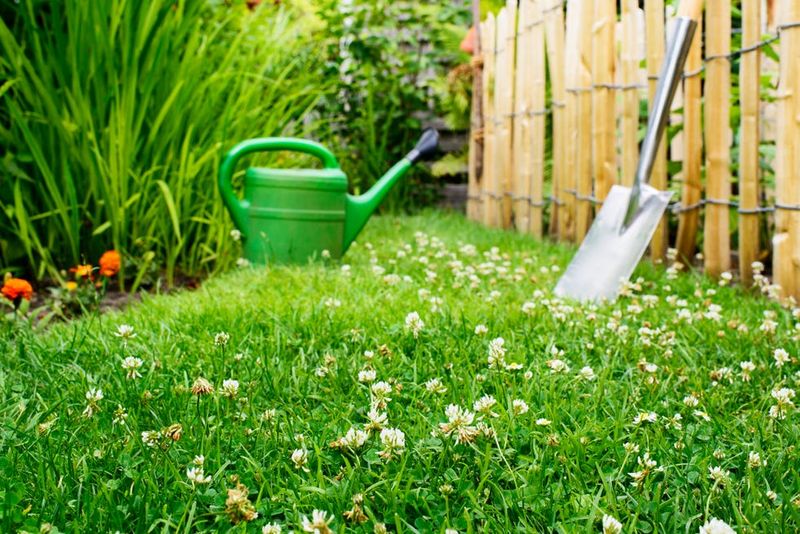
Getting white clover established in a North Carolina lawn does not require elaborate preparation, but a few timing and soil decisions make a real difference. NC State recommends sowing clover in spring once nighttime temperatures are consistently above 40 degrees Fahrenheit, and keeping the soil moist until germination.
Broadcast seeding into thin turf works reasonably well; scarifying or lightly raking the surface first improves seed-to-soil contact. In North Carolina, that spring window typically opens somewhere between late February and early April depending on where you live in the state.
NC State’s planting guide for forage crops also identifies fall and late-winter planting windows for cool-season systems, which may suit homeowners in the Piedmont or Mountains who want to work around the heat of a North Carolina summer. Clover seedlings are vulnerable to drought stress, so timing the seeding to take advantage of reliable rainfall or having irrigation available during the first few weeks is worth planning around.
Once established, white clover’s lower growth habit does reduce how often mowing is necessary compared to tall fescue or other aggressive grasses. That reduction is real, but calling white clover a no-mow plant is an overstatement.
Mowing still serves several purposes: it keeps the patch tidy, prevents rank growth along edges, reduces seed spread into areas where you do not want clover, and, importantly, removes blooms from zones where bee activity near barefoot children is a concern. Extension guidance on clover management notes that performance can decline with sustained heat, drought, heavy shade, or repeated traffic, so “set it and forget it” is not a reliable operating assumption.
Resist the temptation to skip soil testing on the grounds that clover needs no fertilizer. Nitrogen fixation handles one nutrient, but pH, phosphorus, potassium, and drainage still influence whether the stand thrives or struggles.
Adding nitrogen fertilizer to a mixed lawn where you are trying to establish clover can work against you by giving grass a competitive edge before clover gets a foothold. Test first, then amend only what the results actually show is needed.
Family safety still requires ordinary pest precautions

Flowering white clover brings more bees into the yard, and that fact deserves a straightforward acknowledgment rather than a footnote. For most families, a few more bees foraging in a lawn edge or garden border is a non-issue.
For households managing a severe bee-sting allergy, though, encouraging blooms directly in the area where children play barefoot is a different calculation. The practical fix is uncomplicated: mow the play area before peak bloom, which removes the flowers and reduces bee activity in that zone without eliminating clover from the rest of the yard.
UC IPM’s guidance on clovers supports mowing as a tool for managing bloom and bee exposure in high-use areas.
A separate issue that sometimes gets tangled up with clover conversations is tick and mosquito control. White clover does not repel mosquitoes, and it does not keep ticks out of a yard.
Those claims circulate online but they do not reflect what pest-control research actually shows. CDC tick prevention guidance focuses on removing leaf litter, clearing tall grass and brush near the home, mowing regularly, and creating a three-foot wood-chip or gravel barrier between lawn and wooded edges.
Clover does not appear in that list because it does not function as a tick deterrent.
Mosquito reduction follows a similar logic. CDC mosquito control guidance centers on eliminating standing water: empty, scrub, cover, or discard anything that holds water at least once a week.
North Carolina DHHS recommends the same water-management approach alongside repellents and protective clothing as the primary tools for reducing exposure. Swapping grass for clover does not address any of those risk factors.
The good news is that homeowners do not face a binary choice here. Keeping clover in a lawn border or low-traffic zone, mowing the play area before bloom, clearing brush from wooded edges, and emptying birdbaths weekly are all compatible habits.
A yard can have clover where it makes sense and still follow every standard precaution for keeping the family safe from ticks and mosquitoes.
Let white clover earn its place in the yard
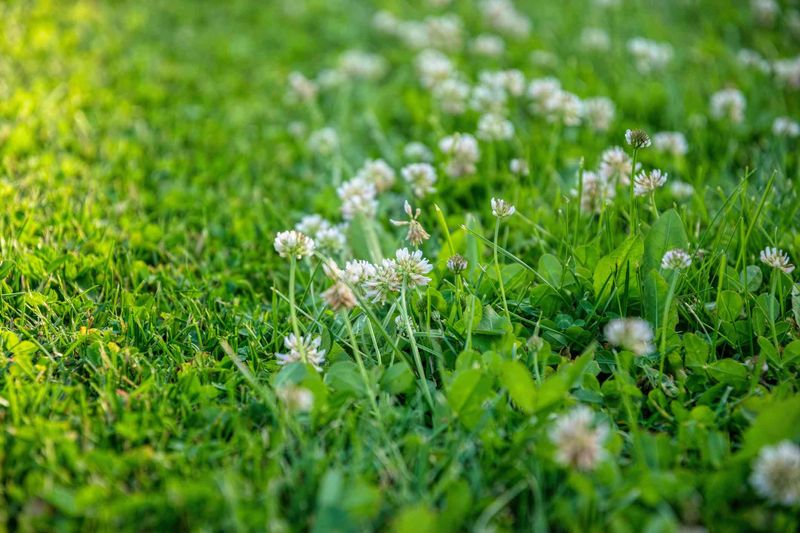
The most useful shift a North Carolina homeowner can make is to stop removing white clover automatically and start asking whether the spot where it is growing is actually a problem. If the answer is that it is filling in a thin, low-traffic area, staying low enough to mow, and feeding pollinators along the way, the case for pulling it is weak.
NC State’s lawn guidance supports that assessment: white clover earns its ground-cover role in the right conditions without demanding fertilizer or constant attention.
Where the yard takes heavy use from children, pets, or regular foot traffic, turf or a more durable surface is the better call. White clover is not a universal replacement, and UGA Extension’s nitrogen and legume research makes clear that its benefits depend on vigorous growth in suitable conditions, not just its presence.
Keep expectations honest and site-specific.
For homeowners who also want to support broader wildlife, the strongest approach pairs clover in appropriate lawn zones with native plants along borders and habitat features like brush piles, rocks, and logs. NC State’s guidance on backyard reptiles and amphibians points toward that kind of layered yard as the one that actually delivers biodiversity.
White clover contributes a useful thread to that fabric without being the whole cloth. A yard that works for the family and holds space for the right wildlife is the goal, and it turns out a little clover in the right places can be part of getting there.