
More Bats Around Your North Carolina Yard Means Fewer Mosquitoes At Dusk
Follow us on Google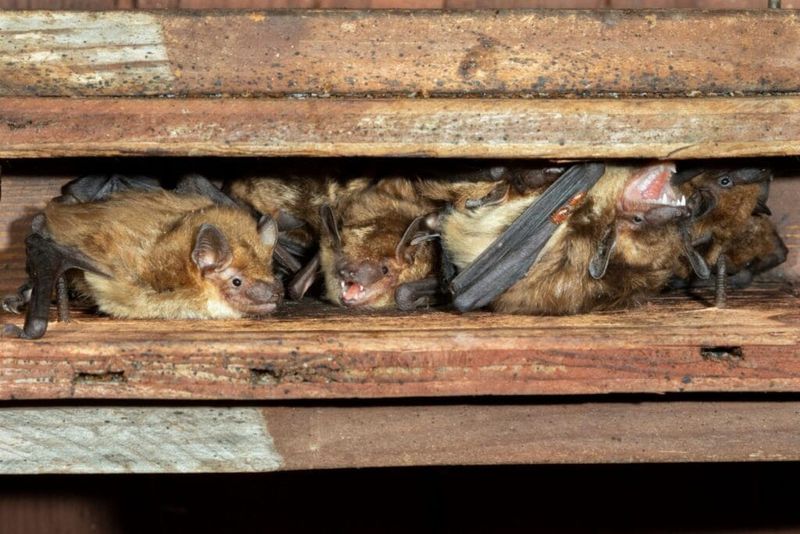
Bats swooping over a North Carolina yard at dusk are one of summer’s most recognizable sights, and many homeowners wonder if those acrobatic fliers are quietly handling the mosquito problem. The short answer is that bats do eat mosquitoes, along with a wide variety of other flying insects, but having more bats nearby has not been shown to reliably cut down on the mosquitoes biting you on the porch.
That distinction matters because it shapes how you use bats as part of a broader, smarter approach to keeping your yard comfortable and wildlife-friendly at the same time.
North Carolina bats offer real wildlife value
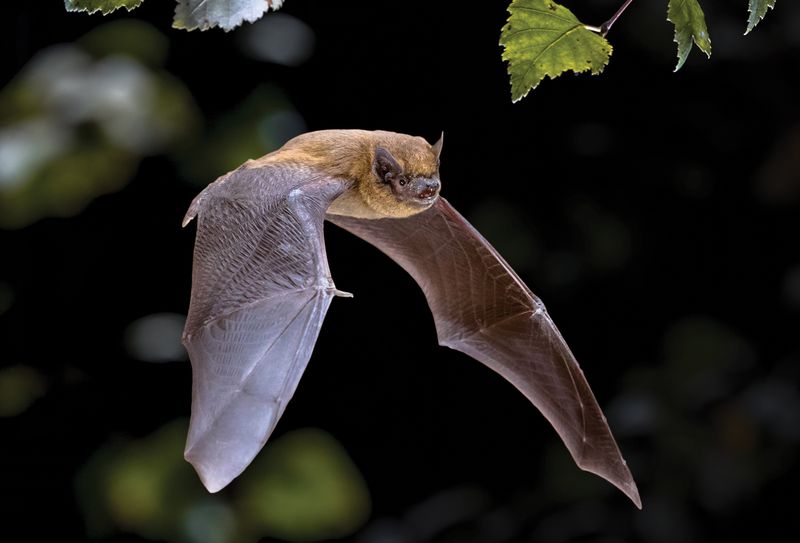
North Carolina is home to 17 bat species, and every single one of them carries nongame-wildlife status under state law. Four species are federally threatened or endangered, and 10 appear on the state’s Species of Greatest Conservation Need list.
That level of legal recognition reflects something real: these animals are woven into the fabric of local ecosystems in ways that go well beyond pest control.
According to NC Wildlife’s bat profile, bats consume large numbers of insects, and nursing females can eat close to their own body weight in insects during a single night. That is a striking figure, and it speaks to how hard bats work as insect predators.
What it does not tell you is which insects they are eating on any given night in your specific yard.
Bats hunt moths, beetles, flies, gnats, and yes, mosquitoes. No single insect group dominates the menu across all species, seasons, and settings.
A bat hunting over your lawn may be chasing a moth that wandered in from a neighboring field, or snapping up midges near a wet ditch, rather than targeting the species of mosquito that bit you on the ankle.
That honest picture does not shrink the value of bats. A yard that supports native bats is richer, more balanced, and more resilient than one without them.
The point is simply that attracting bats is worth doing for conservation and ecological reasons, not because it guarantees a quieter mosquito season. Treat them as the native wildlife they are, give them habitat to thrive, and let the insect-eating benefits come as a welcome bonus rather than a promised outcome.
The research confirms mosquito eating, not yard-level control

Two peer-reviewed studies give the clearest picture of what bats actually eat, and both are worth understanding on their own terms. A study published in the Journal of Mammalogy analyzed guano from little brown and big brown bats in Wisconsin and found mosquito DNA representing 17 taxonomic groups.
That is solid, specific evidence that these bats eat mosquitoes. It is not evidence that a neighborhood with more bats ends up with fewer mosquitoes overall.
A second study, focused on the southeastern United States, looked at Seminole bats, evening bats, and southeastern myotis. Researchers found 17 mosquito species in the diets of those three bat species, including six that carry arboviruses.
The researchers were careful to note that mosquito consumption varied depending on bat traits, habitat type, temperature, time after sunset, and date, and they concluded that the findings were not sufficient to provide specific guidance for reducing mosquito-vector populations.
That last sentence is important. Scientists found the mosquitoes in bat stomachs, but they stopped short of claiming that bats were making a dent in local mosquito numbers.
The gap between “bats eat mosquitoes” and “bats reduce mosquito populations” is real, and it matters for homeowners making decisions about yard management.
University of Florida Extension guidance on bat pest-management services makes the limit explicit: most bats consume relatively small quantities of mosquitoes and are unlikely to control large mosquito populations on their own. Diet analysis confirms feeding behavior.
What it cannot measure is the number of mosquitoes remaining in your yard, the frequency of bites on your porch, or your family’s exposure to mosquito-borne illness.
Why dusk bat activity cannot promise fewer bites

Watching bats arc through the sky above a backyard at dusk can feel like nature doing the work for you. The visual is satisfying, but the connection between what you see in the air and what lands on your arm is looser than it looks.
Three things often get treated as if they mean the same thing: seeing bats overhead, having a bat house in the yard, and hosting a stable nearby colony. Each one is actually a different situation.
A bat flying over your property may be passing through on a longer foraging route. A bat house that went up last spring may still be empty.
A colony roosting in a nearby tree hollow may be hunting insects half a mile away by the time your porch light comes on. None of these scenarios guarantees that the mosquitoes near your chair are being intercepted.
The southeastern U.S. study noted that how much mosquito-eating a bat does depends on bat species, local habitat, temperature, time after sunset, and the time of year. Mosquitoes add their own complexity to the picture.
Different species bite at different times of day, rest in different microhabitats, and breed in very different water sources. The mosquito hovering near your ear at 8 p.m. may belong to a species that rests in dense shrubs during the day and breeds in a clogged gutter three houses away, well outside the foraging path of any bat overhead.
NC State Extension’s bat guidance frames bats as valuable insect predators without promising yard-level pest suppression. That framing holds up: bats are doing real ecological work, but the insects they catch and the mosquitoes biting you may not overlap as neatly as the evening sky makes it seem.
Remove mosquito breeding water every week
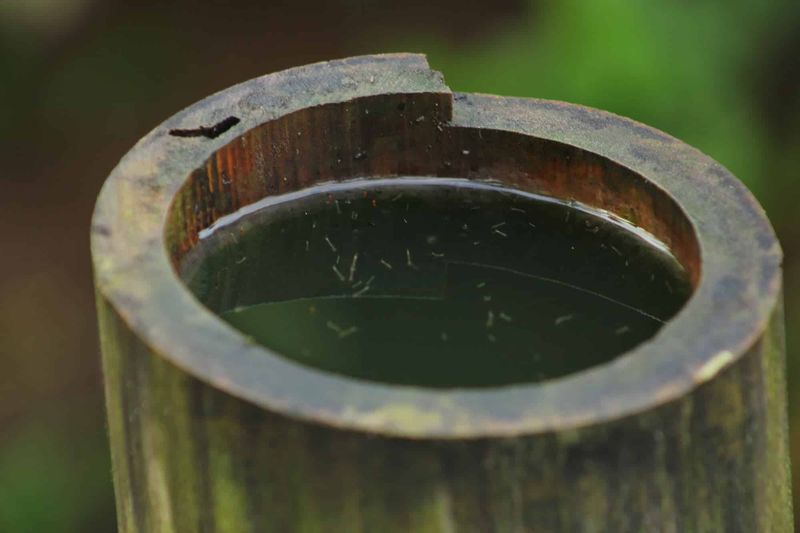
The single most dependable thing a North Carolina homeowner can do about mosquitoes is also the least glamorous: walk the yard once a week and eliminate the standing water where mosquitoes lay eggs. Mosquitoes can complete their aquatic life cycle in less than a week in warm weather, which means a container that filled with rain on Monday can be producing adults by the following weekend.
CDC guidance on home mosquito control recommends emptying and scrubbing, or covering, any container that holds water. That list includes buckets, flower pot saucers, children’s toys, pool covers, tarps, tires, trash containers, and birdbaths.
Scrubbing matters because mosquito eggs can stick to container walls and survive even after water is dumped out. A quick brush with a stiff scrubber removes that residue.
Rain barrels are a smart water-conservation tool but require a tight-fitting lid or fine mesh screen to block egg-laying females. Tree holes present a less obvious challenge: CDC guidance on tree holes explains how to address water-collecting cavities in yard trees when they are accessible and the tree’s health allows it.
Source reduction does not mean draining every pond or dismantling every water feature. NC State Extension’s mosquito-control publication points out that larger bodies of water and maintained features often support natural mosquito predators, including fish and aquatic insects, that help keep populations in check.
The practical targets are small, neglected, unmanaged containers, not the wildlife pond or the neighbor’s decorative fountain that gets cleaned regularly.
This weekly habit works because it attacks the mosquito population at its source, cutting off reproduction before adults ever emerge. No amount of bat activity overhead can match the direct effect of removing the water where the next generation is growing.
Use personal protection when mosquitoes remain active

Source reduction cuts mosquito numbers at the breeding stage, but some mosquitoes will always find a way through. Personal protection fills the gap between the mosquitoes that remain and the bites that actually happen.
Window and door screens in good repair are a first line of defense that often gets overlooked. A single torn screen can let dozens of mosquitoes inside on a warm evening.
Checking screens at the start of mosquito season and patching or replacing damaged ones is a low-cost step with immediate payoff for indoor comfort.
Outdoors, long sleeves and pants reduce exposed skin during peak biting hours, which for many common North Carolina species runs from dusk into the early evening. When full coverage is not practical in summer heat, an EPA-registered repellent applied according to its label directions provides reliable protection.
CDC home mosquito-control guidance recommends repellents containing DEET, picaridin, IR3535, or oil of lemon eucalyptus as active ingredients with demonstrated effectiveness. Label directions specify how often to reapply and how to use the product safely around children.
EPA smart pest-control guidance and EPA’s integrated pest management framework both emphasize combining multiple tools rather than relying on any single approach. Personal protection works alongside source reduction, bat habitat, and responsible landscape management.
None of these layers alone eliminates risk, but together they make evenings outside noticeably more comfortable without turning the yard into a chemical-first environment.
A bat house supports habitat but does not solve mosquitoes
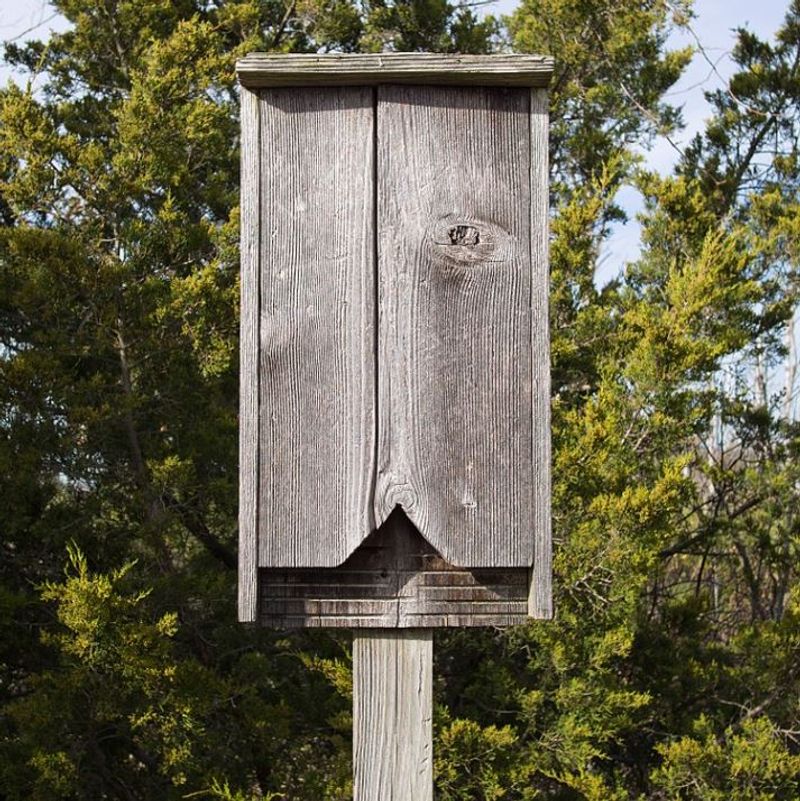
A bat house is a genuine wildlife-habitat tool, and installing one in the right spot can eventually give local bat populations a safe place to roost. Framing it as a mosquito solution, however, sets expectations that the evidence does not support.
NC State Extension’s bat guidance offers specific placement advice for North Carolina yards. Mount the house 10 to 15 feet above the ground on a post or the side of a building, not on a tree.
Overhanging branches give predators like raccoons and rat snakes an easy path to the roost. Position the box near permanent water and insect-rich habitat, since bats need reliable food and water sources within reasonable foraging distance.
Maximize sunlight exposure on the house to keep interior temperatures in the range bats prefer for roosting and raising pups.
Bat Conservation International’s bat-house guidance adds a climate-specific note that applies well to North Carolina’s warm summers: in southern areas, east-facing placement can reduce the risk of overheating by capturing morning sun while avoiding the most intense afternoon heat. Getting that thermal balance right increases the chance that bats will actually move in and stay.
Even with ideal placement, occupancy is not guaranteed. UC IPM’s bat overview notes clearly that bat houses may attract roosting bats, but there is no clear evidence that installing one significantly reduces garden insect problems.
Bats may find the house within a few months, or it may sit empty for up to two years. A bat house offers something real: a roost option that supports native wildlife and contributes to a functioning yard habitat.
That is worth doing. Just do not install it expecting a summer’s worth of mosquito relief to follow.
Protect bats while managing homes and outdoor spaces
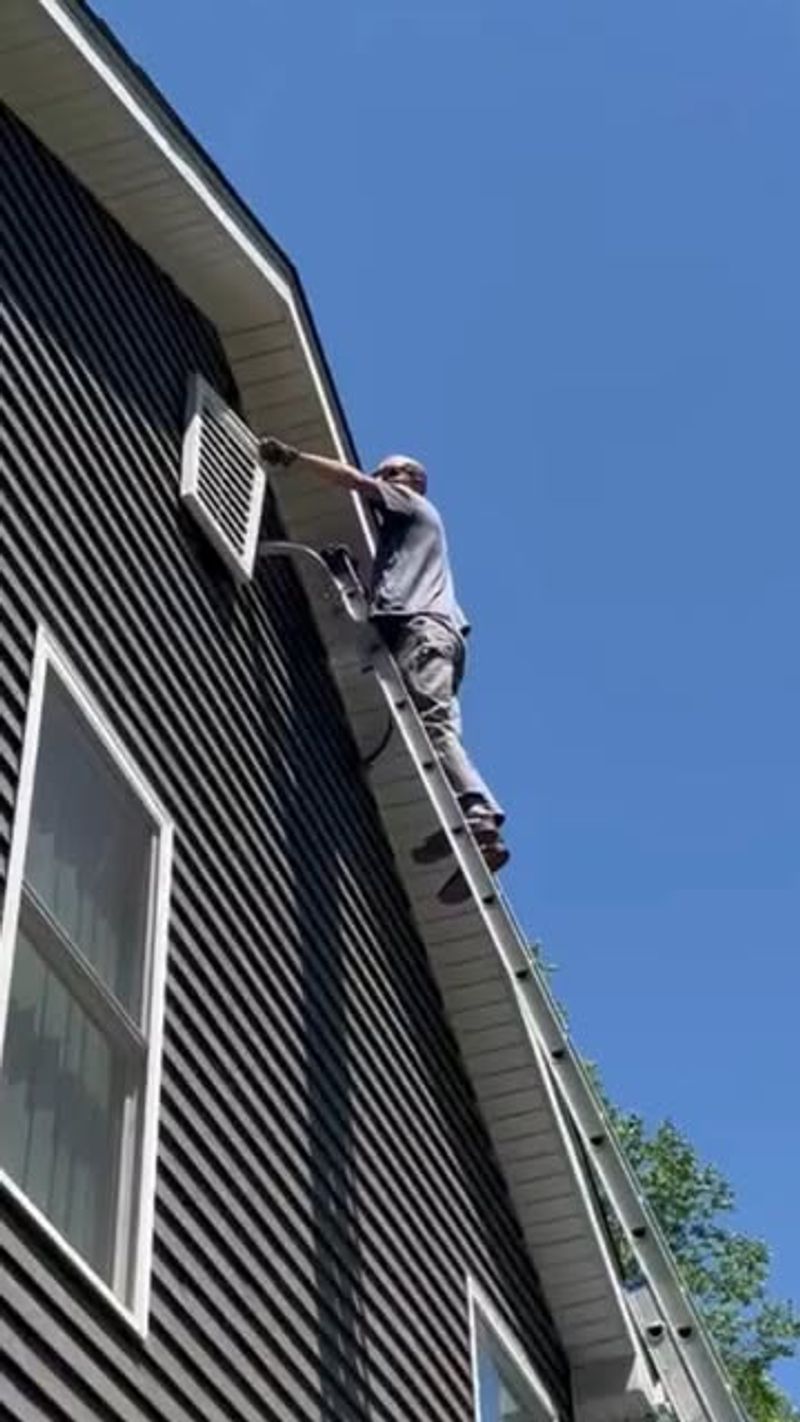
Supporting bats and managing a comfortable home are not competing goals, but they do require some coordination. The most practical starting point is the landscape itself.
Mature trees, standing snags, ponds, marshes, and stream corridors all provide foraging habitat and natural roost sites that bat populations depend on. NC State Extension recommends preserving these features and avoiding insecticides where possible, since broad pesticide use reduces the insect base that bats and other wildlife rely on.
When bats find their way inside a house, the response requires more care than a quick fix. A bat house does not serve as a substitute for proper exclusion.
NC Wildlife’s bat guidance recommends sealing entry points and making permanent repairs to keep bats out of living spaces, but timing matters enormously. From May 1 through July 31, North Carolina restricts bat evictions because flightless pups are present in roosts during that window.
Sealing exits while young bats cannot yet fly traps them inside, which is both inhumane and illegal under the state’s nongame-wildlife protections.
NC Wildlife’s 2025 press release on bat pupping season advises homeowners to inspect and repair rooflines, soffits, fascia boards, and any gaps larger than a quarter-inch before May 1 arrives. Spring is the right window for that work.
If bats are already roosting in a building when the restriction period begins, the safest path is to wait until August, then carry out a proper exclusion using one-way devices and follow up with permanent sealing. For specific exclusion methods and local contacts, NC Wildlife’s guidance is the right resource rather than improvised do-it-yourself approaches.
Handle indoor bat encounters with care
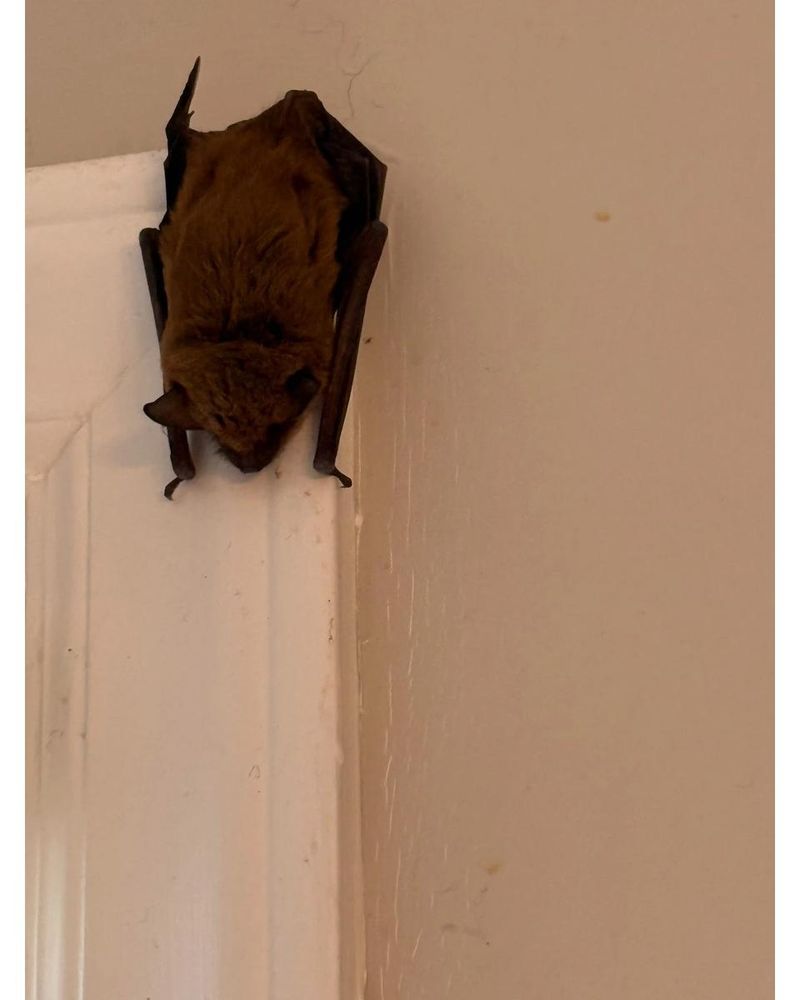
A bat flying outside at dusk is doing exactly what it should be doing. Seeing one hunt over the yard is not a health threat, and there is no reason to treat outdoor bat activity as cause for alarm.
The safety picture changes when a bat ends up inside the house, in a room with sleeping family members, or in a situation where direct contact cannot be ruled out.
NC Department of Public Health’s rabies control guidance identifies the specific scenarios that require action: a bat in a room with a sleeping person, a bat found near a child or pet who cannot reliably report contact, or any situation where skin contact with a bat’s teeth or claws may have occurred. Rabies transmission requires actual contact with saliva or neural tissue, but because bat bites can be very small and easily missed, the conservative approach is to treat uncertain contact as possible exposure.
The right response to a bat indoors is straightforward. Do not attempt to catch or handle the bat.
Close the door to isolate the room, place a towel along the base of the door, and keep people and pets away. Then contact your local animal control office or the county health department.
They can advise on whether the bat should be tested and whether anyone in the household needs a medical evaluation. CDC guidance on bats and rabies reinforces this approach: preserve the bat if possible for testing, but do not handle it with bare hands.
Any bite, scratch, or contact that broke the skin warrants prompt medical or public-health guidance without delay. Getting that conversation started quickly matters, since post-exposure treatment is most effective when begun early.
North Carolina’s bats are worth protecting, and they do contribute to the insect-eating biodiversity that makes a yard feel alive. Reliable mosquito management, though, still comes down to what you do on the ground: remove the water, protect your skin, and give bats a yard worth returning to.
NC Wildlife’s bat resources are a good place to keep learning about both coexistence and safety. The bats will keep showing up at dusk whether or not you do anything, and that, honestly, is one of the better things about a North Carolina summer.