
Why Massachusetts Gardeners Are Watering Earlier In The Morning As Summer Nears
Follow us on Google
Massachusetts gardeners are changing their routines, and the shift is happening before most neighbors are even awake. As summer edges closer, hotter afternoons, quicker evaporation, and stricter water habits are pushing watering schedules earlier.
The payoff is noticeable – healthier leaves, steadier soil moisture, and fewer stress signals by midday. Here is why those early morning minutes are becoming one of the smartest moves in the garden.
Cooler Hours Mean Less Evaporation
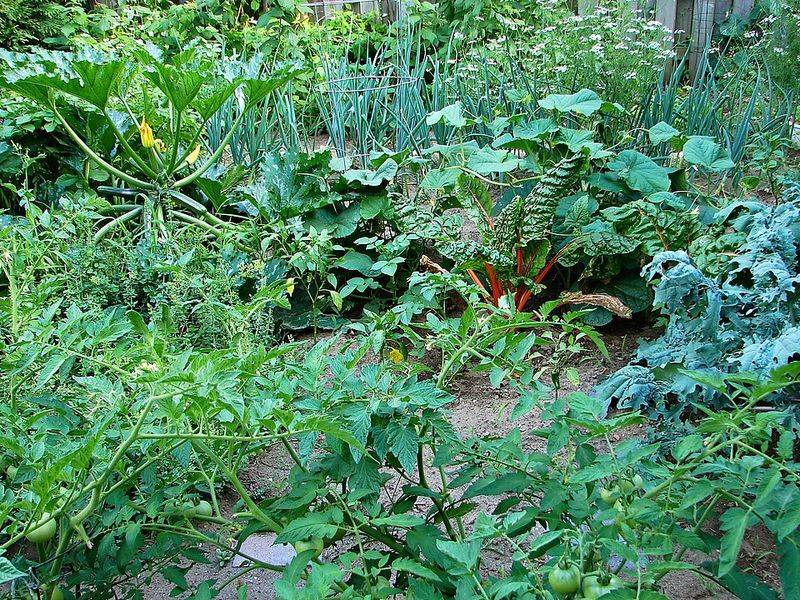
By sunrise, Massachusetts gardens usually get a short window when the air is cooler, the breeze is lighter, and the sun is still low. That combination means more water reaches roots instead of disappearing into warm air.
If you wait until midmorning on a bright June day, shallow rooted herbs and new annuals can miss out before they really get a drink.
Local gardeners are noticing that spring now flips into summer heat faster than it used to. A bed that stayed evenly moist in late May can feel dry by lunchtime once temperatures jump and daylight stretches.
Earlier watering helps bridge that gap, especially in raised beds, containers, and sandy soils common near the coast.
You can test the difference yourself with a trowel and five minutes. Water one section at 6 a.m. and another at 10 a.m., then check soil moisture a few inches down that afternoon.
The earlier section often stays cooler and damp longer, which gives tomatoes, basil, and hydrangeas a steadier start.
That extra efficiency matters when every gallon counts. Getting ahead of evaporation is not about fussiness, it is simply smart timing.
As summer nears, many gardeners are adjusting the clock because the plants clearly respond better.
Leaves Dry Faster And Disease Risk Drops
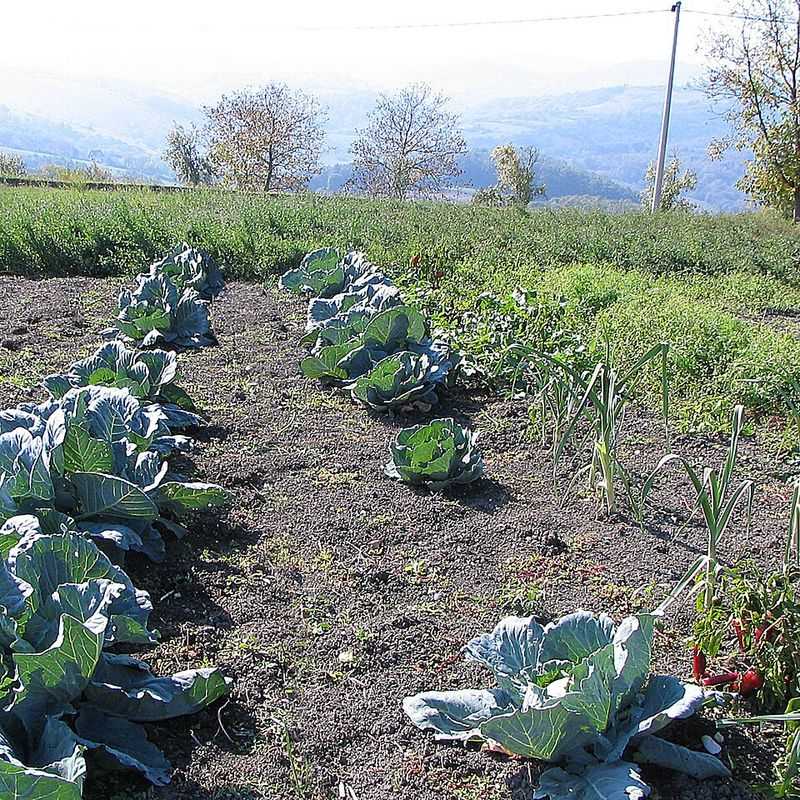
Morning watering gives plants time to use moisture without sitting wet all night, and that matters more than many people realize. In Massachusetts, humid stretches can settle in quickly as June arrives, especially after rainy days or foggy mornings.
Wet leaves that stay damp into evening create a friendlier setup for mildew, blight, and leaf spot than most gardeners want.
Getting water down early helps foliage dry faster once the sun comes up. That is a practical advantage for tomatoes, cucumbers, bee balm, phlox, and zucchini, which can all show disease trouble when air flow is poor and moisture lingers.
A simple shift to sunrise watering often supports cleaner leaves without any extra products.
The method matters too. Aim water at the soil line instead of spraying from above, and you reduce splashback that can move fungal spores onto stems and lower leaves.
If you mulch afterward or already have mulch in place, the soil stays more stable and roots benefit even more.
You do not need a perfect routine to see results. Just moving watering from late afternoon to early morning can lower the amount of leaf wetness hanging around overnight.
For many home gardens, that small habit change becomes an easy form of prevention.
Morning Winds Are Usually Gentler
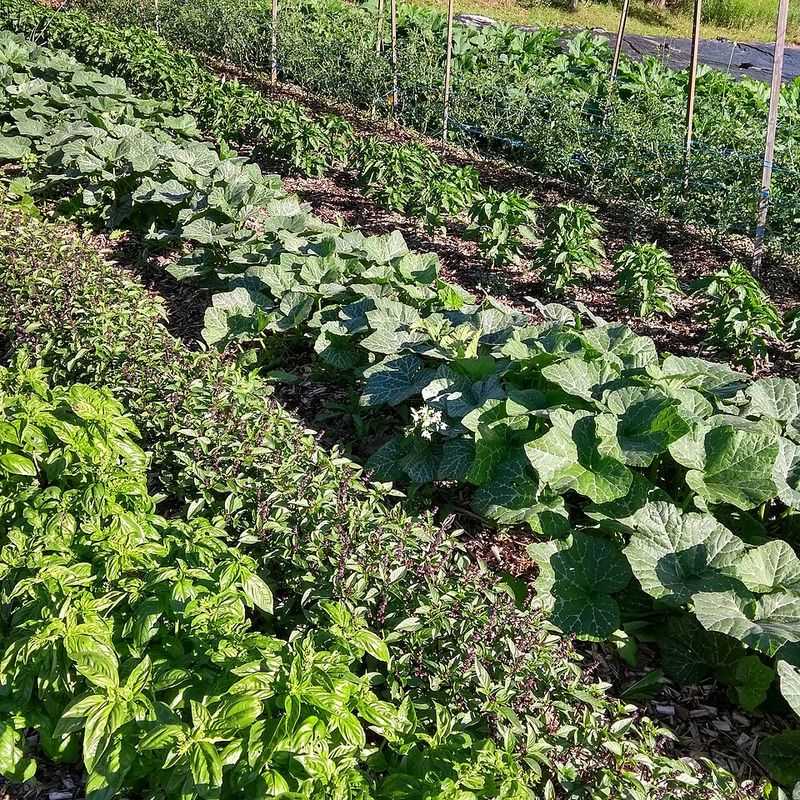
Another reason gardeners are out earlier is simple: the weather usually cooperates more before breakfast. Morning winds tend to be lighter than afternoon gusts, so water lands where you want it instead of drifting onto paths, fences, or patio furniture.
That makes hand watering feel less wasteful and helps sprinklers perform more evenly.
This is especially noticeable in exposed yards, hilltop neighborhoods, and coastal parts of Massachusetts where breezes pick up later in the day. Once wind increases, lightweight spray patterns break apart and dry out quickly before soaking in.
Containers can look wet on top while the root zone stays patchy underneath.
Calmer air also makes it easier to water precisely around seedlings and transplants. You can slow down, direct moisture at the base, and avoid knocking over tender stems or flattening soft lettuce leaves.
That kind of control matters when you are trying to keep new plantings consistent through a warming week.
If you rely on timers, this is one of the easiest advantages to capture. Setting irrigation for the quietest part of the morning improves coverage without adding more minutes.
When summer approaches, better placement means better absorption and fewer dry surprises later that same day.
Soil Absorbs Water Better Before Heat Builds
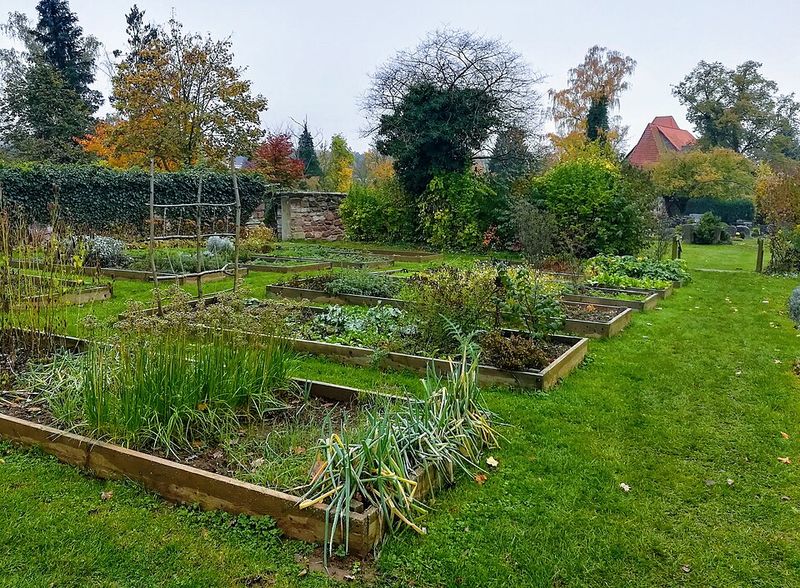
Cool morning soil usually takes in water more evenly than soil that has already been heated for hours. Once the surface gets hot and dry, moisture can run off faster, especially in compacted spots or beds with a crusted top layer.
That means you may use more water later and still end up with less reaching the root zone.
Massachusetts gardeners deal with a wide mix of soils, from sandy coastal plots to heavier inland clay. Both benefit from early watering, just for different reasons.
Sand drains quickly and needs every minute of cooler absorption time, while clay does better when moisture arrives slowly before heat and foot traffic harden the surface.
A morning soak also works nicely with mulch. Shredded leaves, pine bark, or straw hold that moisture in place longer when the soil beneath them is charged up before the day turns bright and breezy.
By afternoon, roots are pulling from a reserve instead of racing against surface dryness.
If you have ever watered at noon and watched puddles form or disappear too fast, you have seen the problem firsthand. Earlier timing helps the ground accept water instead of rejecting it.
That is one reason gardeners are shifting schedules even when rainfall totals seem normal on paper.
Plants Handle Heat Stress More Smoothly
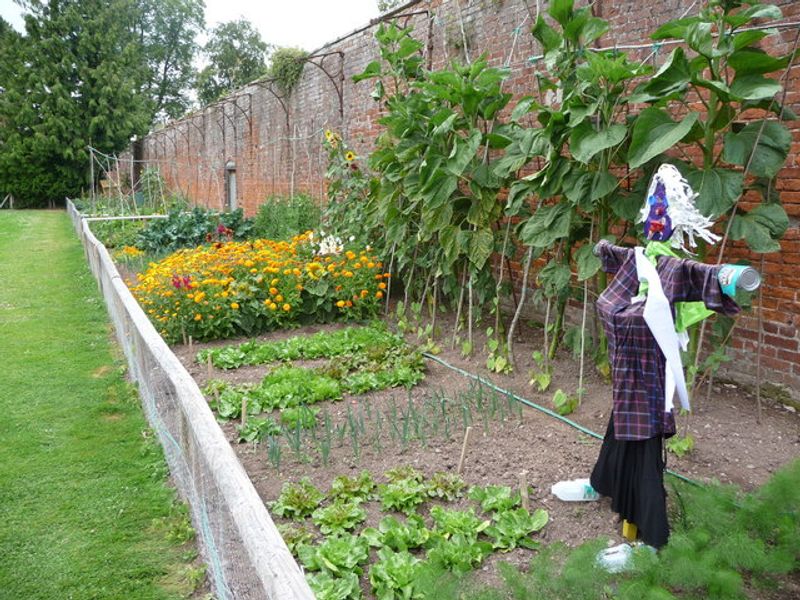
Plants heading into a hot day with adequate moisture are simply better prepared to cope. By early afternoon, leaves lose water through transpiration much faster, and roots need access to moisture before that demand spikes.
Giving them a solid drink in the morning is a bit like sending them out with a full tank instead of hoping they can coast.
This becomes obvious during the first warm stretches of June, when temperatures jump suddenly after mild spring weather. Hydrangeas droop, lettuce sulks, and containers start looking tired by lunch even though they seemed fine the evening before.
Early watering helps reduce that dramatic midday wilt and gives plants a more stable rhythm.
Newly planted shrubs and vegetables benefit the most because their root systems are still limited. A mature peony or established lilac may recover from dry spells with little fuss, but a young tomato or transplanted salvia can stall quickly if moisture swings too sharply.
Consistency is what keeps growth moving instead of pausing under stress.
You may still see some temporary drooping on very hot days, and that is normal. The difference is that plants watered early often rebound faster and keep flowering or fruiting more steadily.
Gardeners notice those small signs, then quietly start setting alarms a little earlier.
Water Rules And Practical Schedules Matter
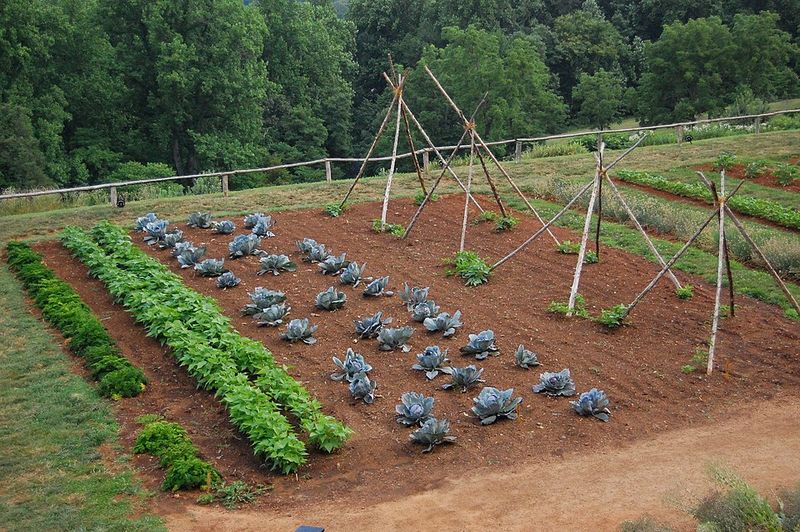
Not every change in garden routine comes from plant science alone. For many Massachusetts households, early watering fits better with real life, local water use rules, and the rush of summer schedules.
If your town encourages conservation or limits irrigation during peak demand, morning becomes the easiest low conflict option.
Watering before work is often more reliable than promising yourself you will do it after dinner. Evening plans change, thunderstorms pop up, and tired gardeners sometimes give beds a quick splash instead of a thorough soak.
A consistent sunrise routine leads to fewer missed days and more even moisture across the week.
There is also a neighborhood level to this. Using less water during hotter daytime hours can reduce waste and ease pressure during periods when everyone is filling pools, washing cars, or running sprinklers.
That may not sound dramatic, but practical habits spread fast once people see healthier gardens with fewer gallons.
Many gardeners now pair early watering with drip hoses, timers, or a simple checklist for containers and new transplants. That keeps the task short and focused instead of turning it into a long weekend chore.
As summer nears, efficiency is becoming just as important as enthusiasm in the backyard.
Containers And Raised Beds Dry Out First
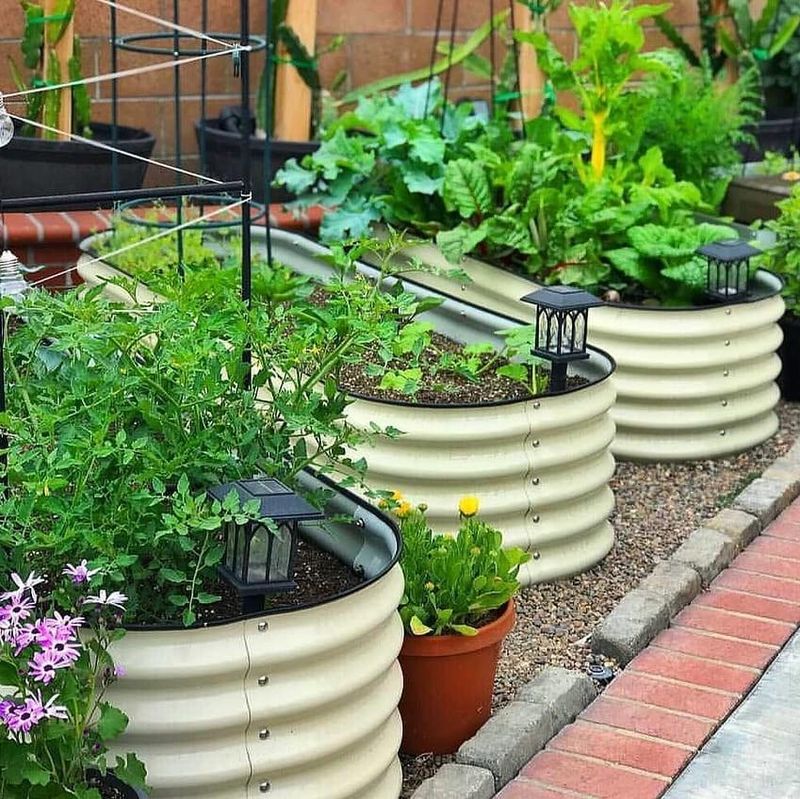
Raised beds and containers are often the first places to show why early watering matters. They warm up faster, drain faster, and lose moisture faster than in ground beds, which means summer stress arrives there first.
In Massachusetts, a breezy sunny day can dry a porch pot or cedar planter surprisingly quickly by late morning.
That is why gardeners who grow herbs, salad greens, tomatoes, and flowers in pots are adjusting their timing sooner than everyone else. A container that gets watered at 7 a.m. can stay productive through a hot afternoon, while one watered hours later may already be fighting wilt.
The smaller the soil volume, the less room there is for error.
Raised beds behave similarly, especially when filled with loose compost rich mixes that drain beautifully in spring but dry fast as heat builds. Mulch helps, but timing still makes a huge difference.
Early watering charges that root zone before the bed starts radiating warmth back into the plants.
If you are wondering where to focus first, start with the fastest drying spots in your yard. Check hanging baskets, deck planters, and sunny raised corners before anything else.
Those areas often explain why the whole garden schedule shifts earlier once summer gets close.
Gardeners Are Responding To More Unpredictable Summers
There is a bigger pattern behind all of this: recent summers have felt less predictable, and gardeners are adapting in real time. Warm spells arrive earlier, dry stretches can appear suddenly, and humidity often hangs around longer than expected.
When the weather becomes harder to read, earlier watering offers a simple way to stay ahead of the uncertainty.
Many people are no longer waiting for obvious drought signs before changing habits. They are noticing subtle clues instead, like faster drying mulch, crispy leaf edges on annuals, or tomato plants that look thirsty by noon after a mild forecast.
Those signals push routines toward dawn because it feels safer and more effective.
The shift is not about panic or perfection. It is about building resilience into everyday care so the garden has a better buffer when forecasts miss, clouds burn off early, or a breezy day turns unexpectedly hot.
A modest change in timing can protect weeks of growth without requiring expensive equipment.
That is why earlier watering keeps catching on across the state. It answers several problems at once, from efficiency to plant health to changing weather patterns.
When a simple routine solves that much, gardeners tend to keep it, and their summer beds usually show the difference.
Roots Get A Longer Recharge Before Afternoon Sun
When watering happens at daybreak, roots get a longer stretch to pull in moisture before the hottest part of the day arrives. That matters in Massachusetts, where late spring can turn into sticky summer heat surprisingly fast.
A deep morning soak gives tomatoes, hydrangeas, and new annuals a steadier reserve to draw from by afternoon.
If you have ever seen plants wilt at three o’clock even after getting water, timing is often part of the story. Early watering helps moisture move downward before sun and heat speed everything up.
The result is not just greener growth, but fewer stress swings from cool dawn to hot late day.
Earlier Routines Make Garden Problems Easier To Catch
Starting the watering routine earlier also gives you a calmer moment to really look at the garden. In the softer light, drooping leaves, chewed stems, and dry pockets stand out before the day gets busy.
Many Massachusetts gardeners end up catching slug damage, hose issues, or thirsty transplants sooner simply because they are outside paying attention.
That small head start can save a lot of frustration once June heat settles in. You can adjust a sprinkler, hand water a missed corner, or notice which beds are drying unevenly.
Earlier mornings do not just deliver water more efficiently, they make the whole garden easier to read.