
How Pennsylvania Gardeners Keep Lettuce Growing Longer Into Warm Weather
Follow us on Google
Spring lettuce in Pennsylvania can look perfect one week and bolt the next. The trick is not fighting heat with hope, but stacking small, smart moves that keep plants cool, steady, and growing.
From variety choice to watering timing, a longer harvest comes from habits that work together. If you want salads past the usual cutoff, these strategies can stretch your season in a very practical way.
Choose Slow-Bolting Varieties
Longer lettuce seasons usually begin before a seed ever hits the soil. If you want harvests that keep going once Pennsylvania days start heating up, variety choice matters more than most people realize.
Fast-bolting leaf types can still taste great, but slower strains buy you precious extra weeks.
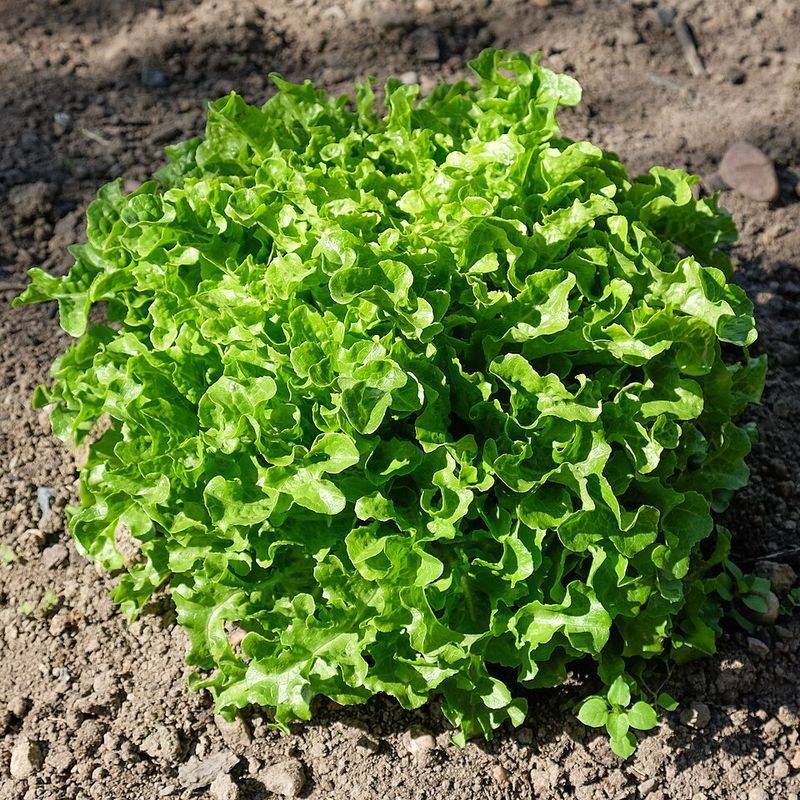
Romaine, Batavian, oakleaf, and some looseleaf selections tend to hold better under rising temperatures than tender butterheads. I like seeing gardeners mix several types in one bed, because weather never reads the catalog description exactly.
If one variety gets bitter early, another often stays sweet enough to keep salads on the table.
Seed packets that mention heat tolerance, bolt resistance, or summer performance deserve your attention. Regional timing matters too, since southeastern Pennsylvania warms much faster than higher elevations or northern counties.
A variety that coasts through May near Erie may struggle by mid month outside Philadelphia.
Planting only one favorite is tempting, but a mixed sowing spreads your risk in a smart way. You end up learning what really performs in your yard, not just in ideal trial gardens.
That simple choice often becomes the reason your lettuce bed still looks useful when neighbors have already pulled theirs out.
Use Afternoon Shade Strategically
Heat itself is only part of the problem for lettuce. Intense afternoon sun pushes leaf temperatures higher, dries the root zone faster, and speeds the hormonal shift toward bolting.
Giving plants relief during the hottest part of the day can stretch harvests noticeably.
You do not need deep shade to make this work. Four to six hours of direct morning sun, followed by filtered light after lunch, is often enough to keep growth steady without making plants weak or floppy.
In many Pennsylvania yards, the east side of tomatoes, peas, or a low trellis becomes a surprisingly useful pocket.
Portable shade cloth works well too, especially during sudden warm spells in May and June. A light fabric in the 30 to 40 percent range usually cools the bed without starving plants of energy.
I like simple hoops or stakes because you can add protection quickly when the forecast jumps ten degrees overnight.
Watch the leaves, not just the thermometer. If lettuce wilts daily despite moist soil, gets bitter fast, or starts shooting upward, it is asking for cooler conditions.
A little planned shade can mean the difference between another three weeks of harvest and a bed that turns tough almost all at once.
Succession Sow Every Two Weeks
A single big planting looks satisfying at first, but it usually peaks all at once. Then warm weather arrives, leaves turn bitter, and the whole patch seems to age overnight.
Staggered sowing keeps young plants coming behind older ones, which is one of the easiest ways to extend useful harvests.
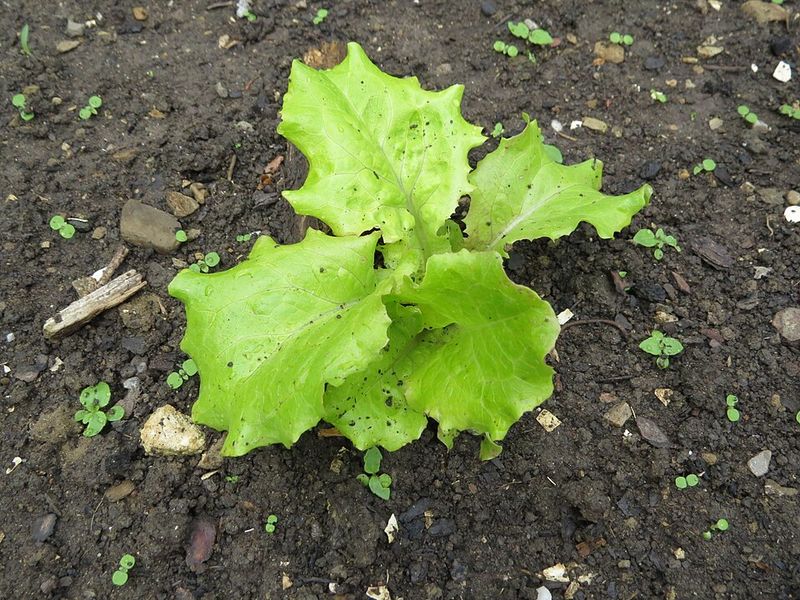
In Pennsylvania, sowing a short row or small block every ten to fourteen days often works better than filling an entire bed in April. Younger lettuce tolerates warming conditions better than overmature plants, so your later sowings can still be productive even if the earliest round starts bolting.
You also avoid the kitchen problem of thirty heads becoming ready in the same week.
Keep each sowing modest and realistic for what you actually eat. A packet can tempt you into planting too much, but smaller waves are easier to water, thin, and protect during weather swings.
Marking each planting date with a tag helps you compare varieties and see which timings hold longest in your yard.
If one round struggles, the next may hit a cooler stretch and perform beautifully. That rhythm matters more than perfection.
Instead of hoping one planting lasts forever, you build a rolling supply that carries you farther into warm weather without a sharp stop.
Mulch to Keep Roots Cool
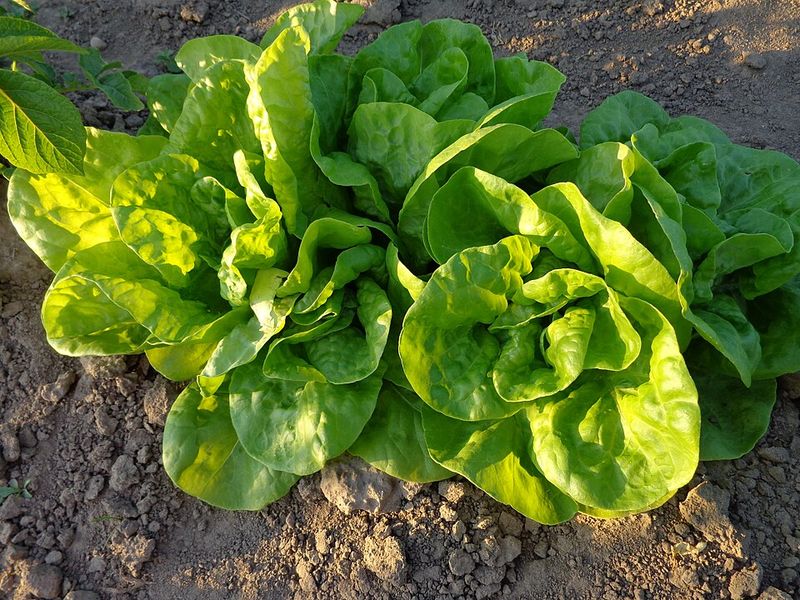
Warm air gets most of the blame, but hot soil pushes lettuce toward stress just as quickly. Bare ground heats fast, loses moisture fast, and creates those dramatic afternoon slumps that make a bed look finished before it really is.
A light mulch helps buffer those swings and keeps roots in a calmer zone.
Clean straw, shredded leaves, or a thin layer of untreated grass clippings can all work if applied carefully. You want enough material to shade the soil, not so much that stems stay soggy or slugs move in like invited guests.
Around Pennsylvania gardens, even an inch or two can make a surprising difference once days start climbing.
Mulch also cuts down on splash from heavy spring storms, which helps keep leaves cleaner and reduces the need for frequent washing. Since moisture stays more even, lettuce is less likely to shift from drought stress to sudden soaking, a pattern that often worsens bitterness.
Consistency is what these plants love most.
I like leaving a small open ring around each crown for airflow. That tiny detail keeps mulch from pressing directly against tender stems while still shading most of the root zone.
If your bed dries out every afternoon, this is one of the simplest fixes with the biggest payoff.
Water Deeply in the Morning
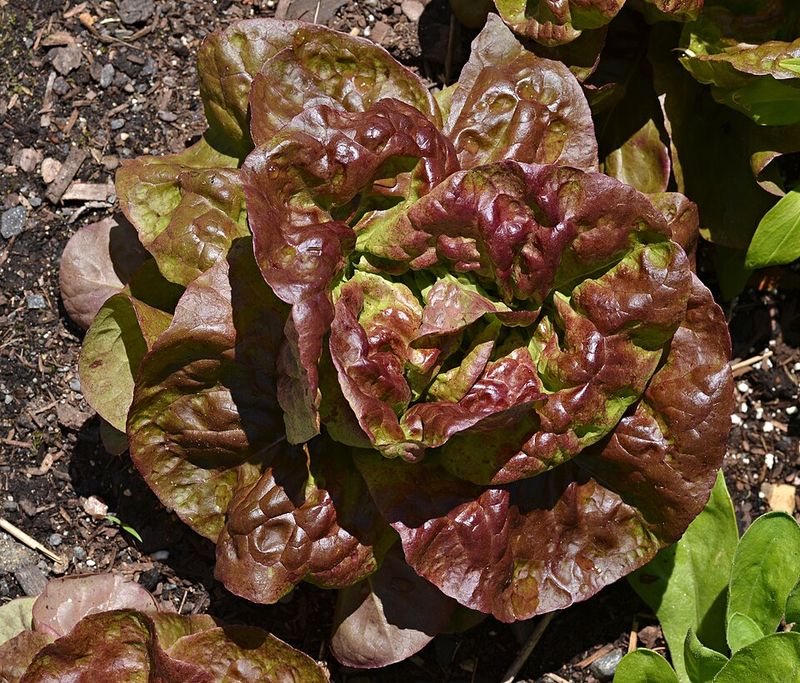
Lettuce handles warmth far better when moisture stays even. Shallow, inconsistent watering encourages roots to linger near the surface, where soil dries quickly and stress builds fast.
Deep morning watering gives plants a full reservoir before afternoon heat arrives and lowers the chance of overnight disease problems.
The goal is not constant sogginess. You want water to move several inches down so roots follow it, creating sturdier plants that do not collapse the moment temperatures spike.
In Pennsylvania’s variable spring weather, that often means watering less often than people expect, but doing it more thoroughly each time.
Morning timing matters because leaves dry earlier and the bed begins the hottest part of the day already supplied. Evening irrigation can be useful in emergencies, but repeated late watering can leave foliage damp for too long, especially in dense plantings.
That raises the odds of rot and leaf spotting when nights stay mild.
Check the soil with your fingers instead of relying on appearance alone. The top half inch may look dry while the root zone below still feels perfect, or the surface may look dark even though it is dusty underneath.
Once you learn that difference, your lettuce usually stays sweeter, crisper, and productive longer.
Thin Plants for Better Airflow
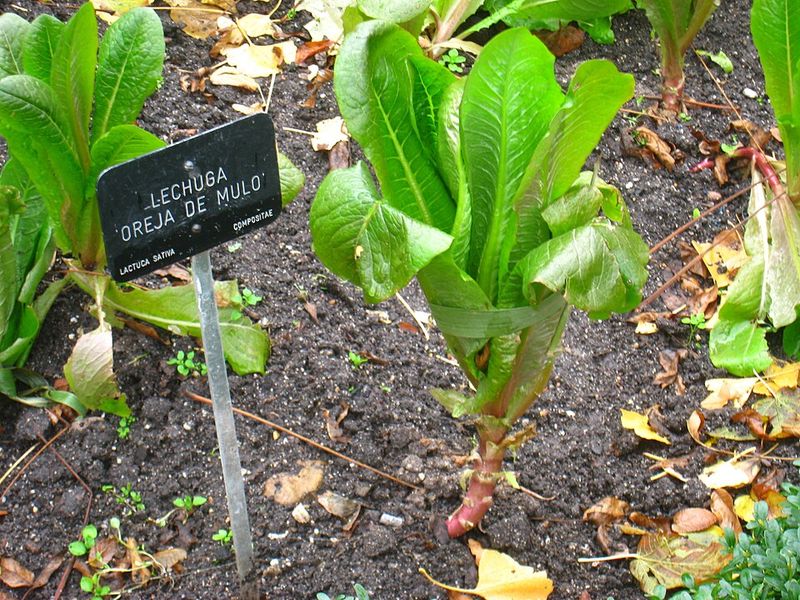
Crowded lettuce may look abundant, but it often runs into trouble sooner as temperatures rise. Plants compete harder for water, airflow drops, and lower leaves stay damp longer after rain or irrigation.
A bed that starts out full can become a stressed tangle right when you want it holding steady.
Proper spacing helps each plant build a better root system and keeps leaves from trapping excess heat against one another. Looseleaf types can be closer, while romaine and heading varieties need room to size up without rubbing shoulders all day.
In Pennsylvania springs that swing from chilly nights to muggy afternoons, that breathing room really matters.
Do not think of thinning as waste. Those small seedlings are tender enough for sandwiches, tacos, and stir fries, so the process gives you an early bonus harvest while protecting the later one.
If you wait too long, roots intertwine and pulling extras disturbs the plants you meant to keep.
I find it helpful to thin in stages instead of forcing a perfect layout immediately. First remove obvious overcrowding, then come back a few days later and widen the spacing again.
That gradual approach feels less harsh, keeps your kitchen supplied, and leaves the remaining lettuce better prepared for the first real stretch of heat.
Harvest Outer Leaves Early and Often
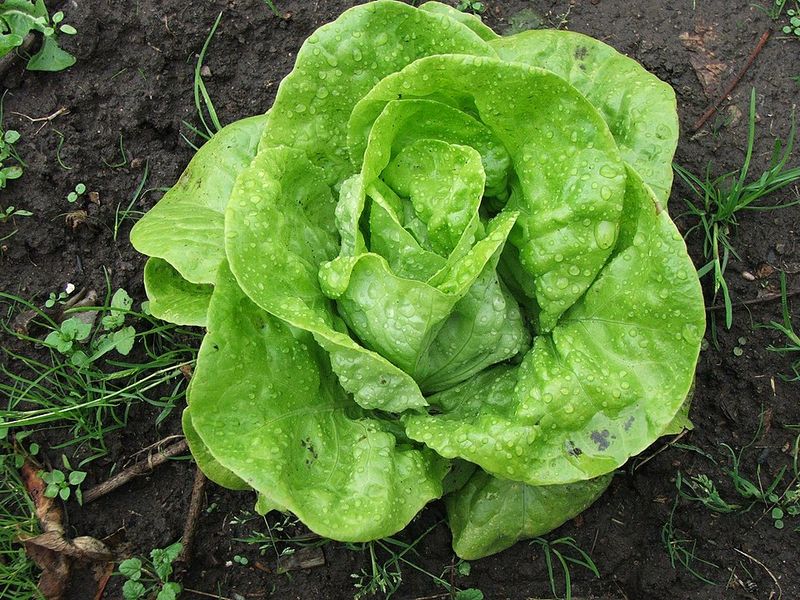
Waiting for every plant to form a perfect full head can shorten your season without you realizing it. Mature lettuce shifts faster toward bitterness and bolting, especially once warm days arrive in Pennsylvania.
Regularly taking outer leaves keeps plants useful while slowing the pressure that comes with overmaturity.
The cut and come again approach works especially well for looseleaf, oakleaf, and many romaine types. You remove the largest outer leaves, leave the center growing, and return again a few days later for another picking.
That keeps your harvest flexible and prevents the bed from hitting one all or nothing moment.
Frequent picking also helps you notice problems sooner. If a plant starts stretching upward, tasting sharp, or forming a thicker stem, you can use it immediately instead of losing it to the compost a week later.
In warm spells, that responsiveness matters more than textbook timing.
Use clean scissors or a knife if leaves are dense, and try harvesting in the cool morning when texture is best. A quick rinse and chill in the fridge brings back extra crispness.
By treating lettuce as an ongoing crop rather than a single finish line, you often keep fresh salads coming far beyond the date you expected.
Feed Lightly, Not Heavily
Lettuce likes steady nutrition, but heavy feeding can backfire when warm weather is near. Too much fast nitrogen pushes soft growth that wilts easily, invites aphids, and can taste less balanced as conditions turn stressful.
A light hand keeps plants growing without forcing them into a lush sprint.
Compost mixed into the bed before planting usually provides a strong foundation. If growth slows or leaves pale, a diluted fish emulsion, seaweed product, or balanced liquid feed can give a gentle boost without overshooting.
The goal is steady momentum, not oversized leaves that collapse by the next hot afternoon.
Pennsylvania soils vary a lot from one yard to the next. Rich garden loam may need very little added fertility, while raised beds filled with bagged mix can lose nutrients faster after frequent watering and spring rains.
Watching plant color and growth rate tells you more than following a fixed feeding calendar.
Apply any supplemental fertilizer to moist soil and avoid splashing concentrated product on the leaves. That simple step reduces burn and helps nutrients move where roots can use them.
When lettuce is fed moderately and consistently, it tends to stay crisp and usable longer than plants pushed too hard early in the season.
Use Raised Beds Wisely
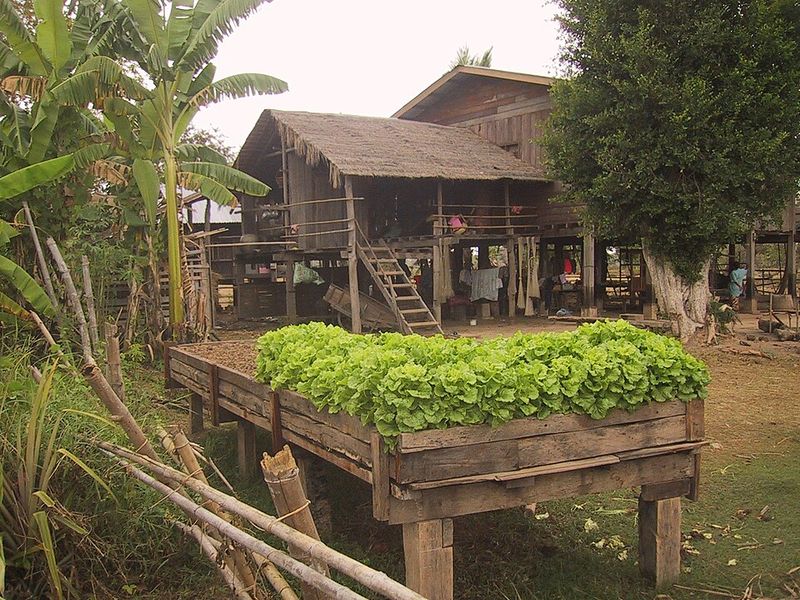
Raised beds make spring planting easy, but they warm and dry faster than in-ground soil. That is helpful in chilly April, yet it can shorten lettuce season once late spring heat arrives.
The bed itself is not the problem, but the way you manage it needs to shift as temperatures climb.
Shallower beds are especially quick to heat up, so mulch and consistent watering become more important there. If your raised bed sits next to reflective siding, a driveway, or dark stone edging, the root zone may be seeing much more warmth than the weather report suggests.
That hidden heat often explains why lettuce bolts early in one spot and not another.
Placement can help. Beds that get morning sun and some afternoon relief tend to hold lettuce longer than those exposed from dawn to dusk.
Taller summer crops nearby can become useful seasonal shade if you plan the layout thoughtfully instead of treating every bed the same.
I also like using wider spacing in raised beds during late spring because airflow and root room disappear fast in warm, fertile soil. If your lettuce usually fades early despite good care, look hard at the site conditions around the bed.
A few adjustments often make raised beds excellent for extended harvests, not just early ones.