
Who Pays When Your Neighbor’s Tree Crashes Into Your Texas Yard After A Storm
Follow us on Google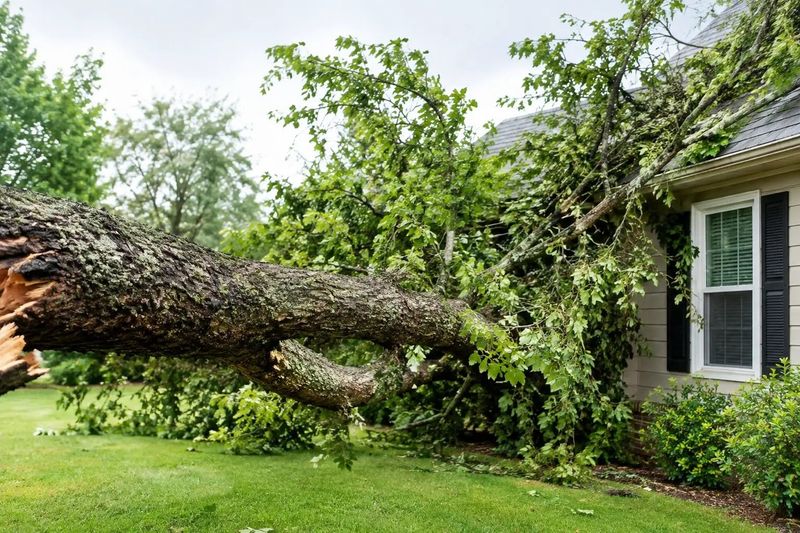
The wind dies down, the sky turns a washed-out gray, and there it is across your fence, a big limb that is not yours. Before you pick up the phone, you need to know that the tree’s address does not decide who pays.
In Texas, the answer depends on why the tree fell and what your insurance policy says. Here is how to sort it out calmly, one step at a time.
The Tree’s Address Does Not Decide Who Pays
Here is the blunt truth. A tree that lands in your yard does not automatically make your neighbor responsible, even though it grew on their side of the fence.
When a healthy tree comes down in high winds, the State Bar of Texas disaster manual says the neighbor is likely not liable. Storms do that sometimes, and the law generally does not blame a person for wind.
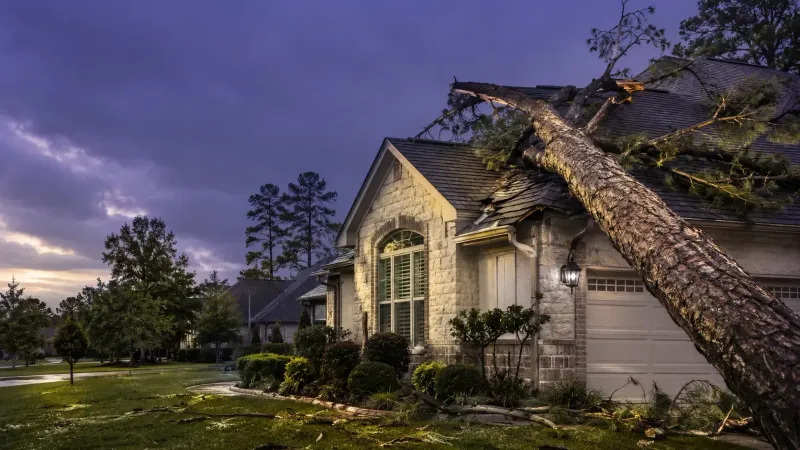
So who steps in first? For damage to your house, your own homeowners policy is often the practical first place to check.
The Texas Department of Insurance notes that many policies cover damage from falling objects, including trees, and that can apply even when the tree belonged to a neighbor. It also says the neighbor’s insurer probably will not pay unless the neighbor was at fault.
Things change if negligence played a part. Picture a tree that was already dead or clearly dangerous, and an owner who ignored it.
In that case, a neighbor may share responsibility, but only if the facts back it up.
Three questions are easy to mix up. Who is legally at fault, what does your policy cover, and who pays to haul the tree away?
Each has its own answer, and none is automatic.
A Known Hazard Can Change the Liability Question
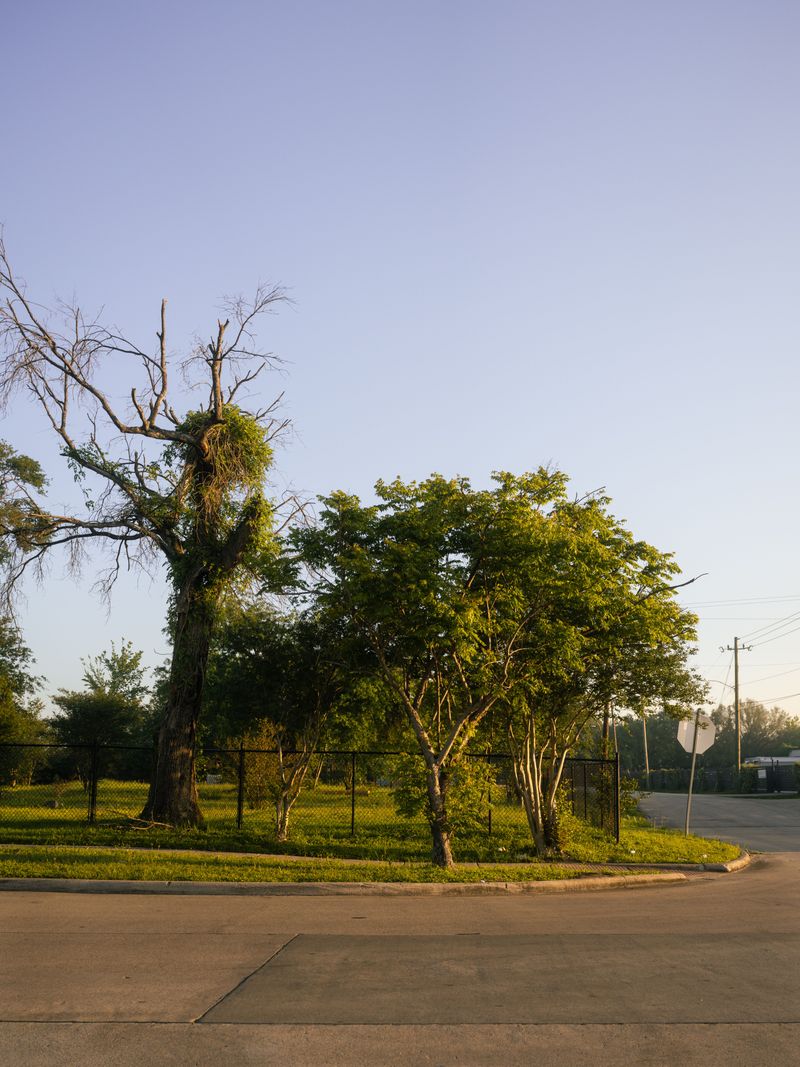
Now for the twist. A tree that was dead, diseased, or leaning badly before the storm is a different story from a healthy one that simply lost to the wind.
The State Bar manual explains that a pre-existing dangerous condition and negligence may change the analysis. It also notes that the old act-of-God defense may not apply when negligence substantially contributed to the damage.
Texas courts look closely at details. In Avery v.
Alexander, a Ninth Court of Appeals case, there were repeated concerns about a deteriorating tree, and the owner said someone would inspect it. The appeals court reversed and remanded.
It did not decide the owner was liable.
That is the lesson. What the owner knew, said, or promised to do may matter, but it does not guarantee anyone recovers money.
Likewise, a dead limb, a letter, or an arborist’s opinion alone does not prove fault. Each is one piece of a bigger picture.
So skip declaring blame over the fence. Instead, write down what you know: when you first noticed the tree, what it looked like, and any conversations you had.
Facts do more for you than accusations.
Your Policy May Pay for Damage, Not Every Removal Cost
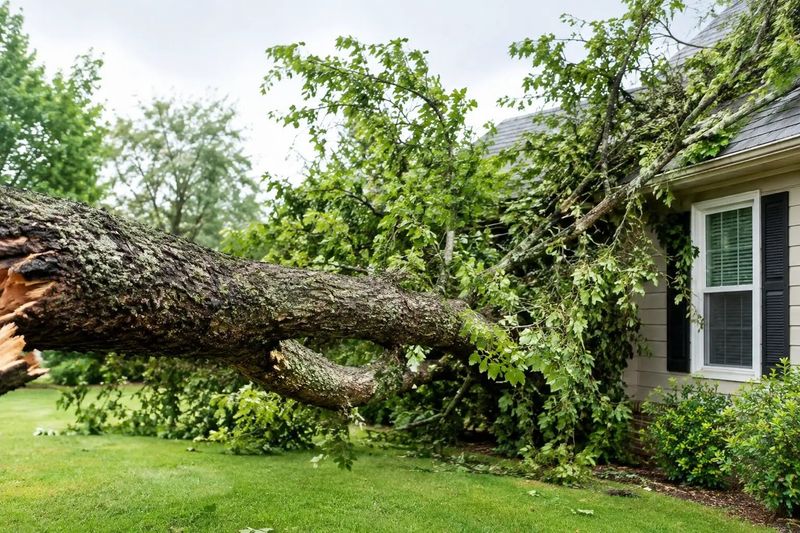
Insurance language trips up a lot of folks. Paying to fix damage and paying to remove a tree are two separate questions.
TDI says many homeowners policies cover damage from falling trees, but you should check your own. Policy language, cause of loss, exclusions, limits, and your deductible all control the result.
Removal is where it gets tricky. Some policies pay to take away a storm-fallen tree when it damages the house or blocks a driveway.
A tree that drops elsewhere in the yard usually is not covered, as the Office of Public Insurance Counsel explains. Fences can be treated differently from the house, so ask about that too.
Not every policy looks alike. The Texas FAIR Plan lists falling trees and limbs among perils its limited coverage does not cover unless an available endorsement changes that.
Along the Gulf Coast, windstorm and hail may need separate coverage, and TDI notes that coverage varies between policy types.
Call your insurer or agent and ask plain questions. What does my policy say about falling trees, tree removal, fences, my deductible, and any limits?
Write down the answers and the date.
A short phone call now can save a surprise later.
Private-Yard Cleanup Often Falls to the Owner
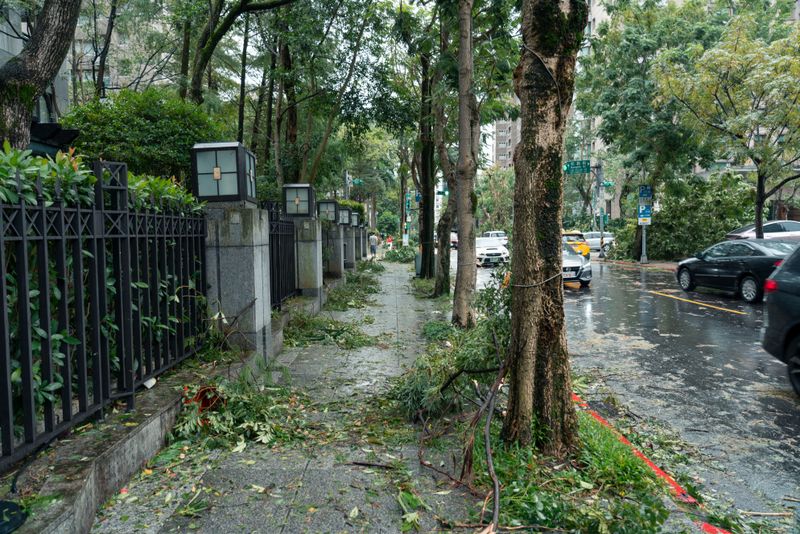
Picture the pile. Branches stacked at the curb, leaves everywhere, and you wondering whether a city truck is coming.
Maybe, maybe not. The State Bar’s disaster guidance says private property owners generally must use their own resources for debris cleanup.
Local officials may offer drop-off sites or curbside collection, but that varies.
So do not count on a pickup. Check your city or county website, social media pages, or call the local public works office for post-storm instructions.
Ordinances and programs differ from town to town, and rules about bundling or sorting limbs may apply.
Keep cleanup costs separate in your mind from repair costs. TDI explains that removal coverage may depend on whether the tree damaged your home or blocked a driveway.
A tree lying in the back lawn may fall outside that.
Check your policy before you hire anyone, and keep every receipt. Whether you end up paying yourself or getting reimbursed, a paper trail helps.
Cleanup is rarely glamorous, but it goes smoother when you know who is likely footing the bill.
Document Damage Before Safe Cleanup Begins
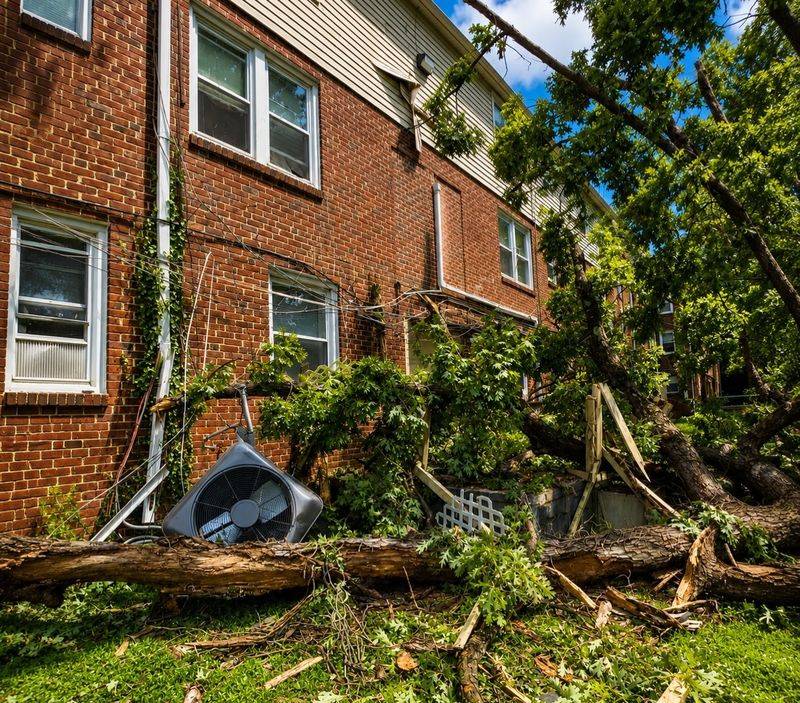
First, stay put and look around. Stay far away from downed utility lines and anything touching them, and keep clear of broken limbs hanging overhead.
OSHA guidance says to treat every downed wire as live.
Once it is safe, take photos and video of the tree and all the damage before anything moves. Wide shots, close-ups, and the spot where the tree came from all help your claim.
Next, report the loss promptly. The Office of Public Insurance Counsel advises making temporary repairs to prevent more damage, such as a tarp over a hole, and keeping receipts.
When feasible, avoid throwing away damaged items or making permanent repairs before an adjuster sees them. TDI’s storm recovery tips point the same way.
Now the firm boundary. Texas A&M Forest Service advises leaving large broken or hanging limbs, climbing, and overhead chainsaw work to an ISA Certified Arborist unless you have strong experience and the right precautions.
A tree under tension can snap without warning. No yard is worth an emergency room visit, so call a qualified, insured pro for the heavy stuff.
Written Notice Helps Before the Next Storm
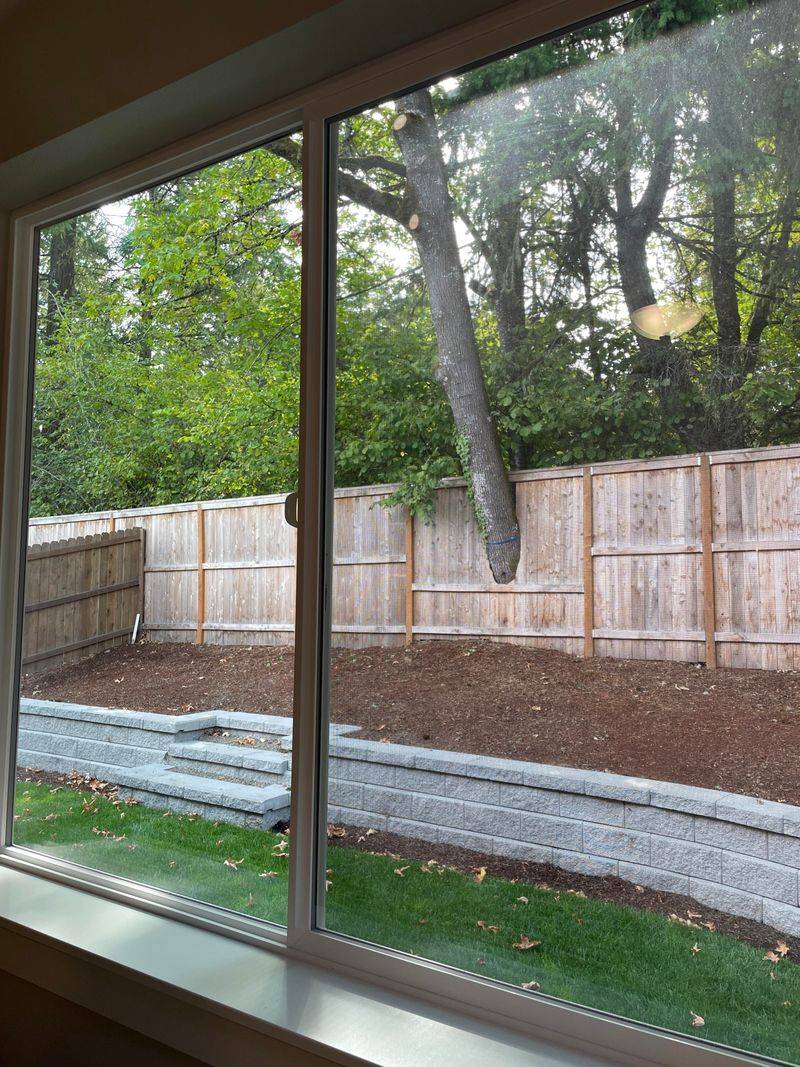
Maybe the storm already passed, or maybe you are looking next door at a tree that makes you nervous. Either way, the next wind is a good reason to act early.
Start by documenting your concern. Take dated photos of dead branches, a leaning trunk, or fungus at the base.
Then notify your neighbor in writing and keep a copy. The State Bar manual recommends this approach, and it suggests contacting local government if the tree may be a hazard.
Keep the tone friendly. A short note saying you are worried and would appreciate a look from a certified arborist is a good start.
Many neighbors are glad to hear it.
Be realistic about limits. A letter does not force anyone to remove a tree, and it does not guarantee that anyone will be held liable later.
It simply records what you raised and when.
The practical lesson holds up all the way through. Record the facts, understand your policy, and never assume who will pay.
A good fence is built on good neighbors, and a calm note beats a shouting match every time.
