
These Popular Foundation Shrubs Just Landed on North Carolina’s Noxious Weed List, and Here’s What Replaces Them
Follow us on Google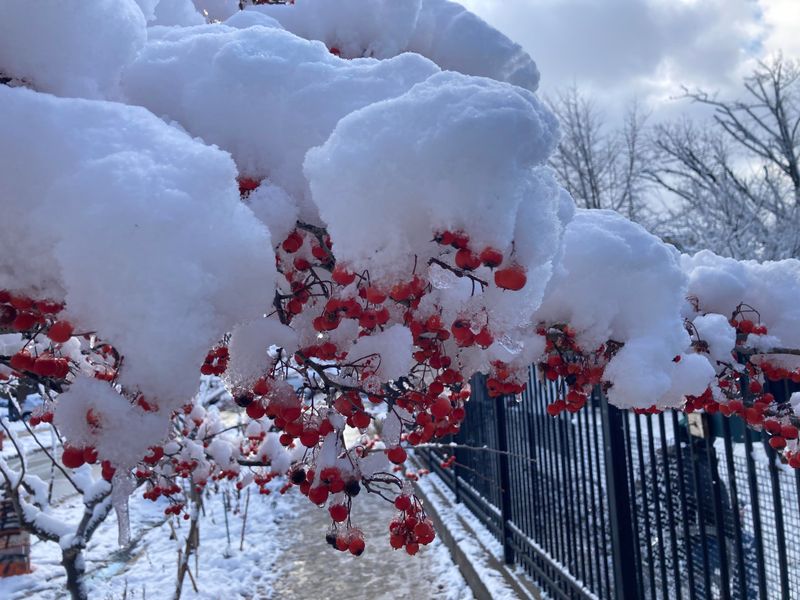
You’re out front on a muggy North Carolina evening, hose in hand, and the shrubs along your foundation look exactly like they have for twenty years. Then you learn several of them now sit on the state’s list of plants considered a severe threat to our woods and wildlife.
That hedge by the porch may be quietly seeding the creek down the road. The good news is that every one has a native stand-in that looks sharp and feeds the birds you actually want around.
1. Why North Carolina Is Flagging Old Favorites Now
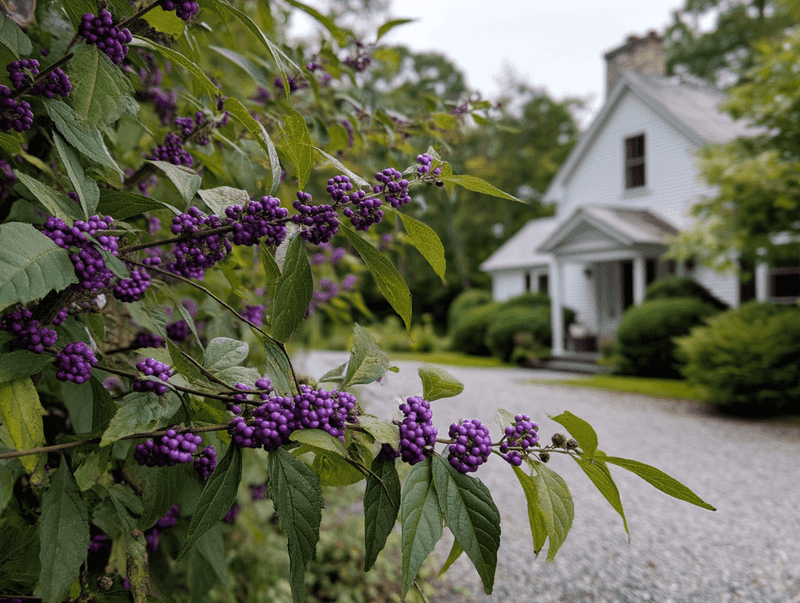
Most of these shrubs were sold for decades because they were tough, cheap, and nearly impossible to kill. That toughness is exactly the problem.
Birds eat the berries, fly off, and drop the seeds miles away in woods and stream banks.
The North Carolina Invasive Plant Council keeps a ranked list of plants that harm natural areas, and its Rank 1 group means severe threat. The list was updated on November 7, 2023, and several common foundation shrubs sit right on it.
NC State Extension also urges homeowners to swap these plants for natives when they can.
Nobody is coming to rip out your hedge, and you are not a bad gardener for having one. But each shrub you replace is one less seed source spilling into the Piedmont woods.
Think of it as one layer of a bigger fix, done one bed at a time, and it genuinely adds up.
2. Chinese Privet Swapped for Carolina Cherry Laurel
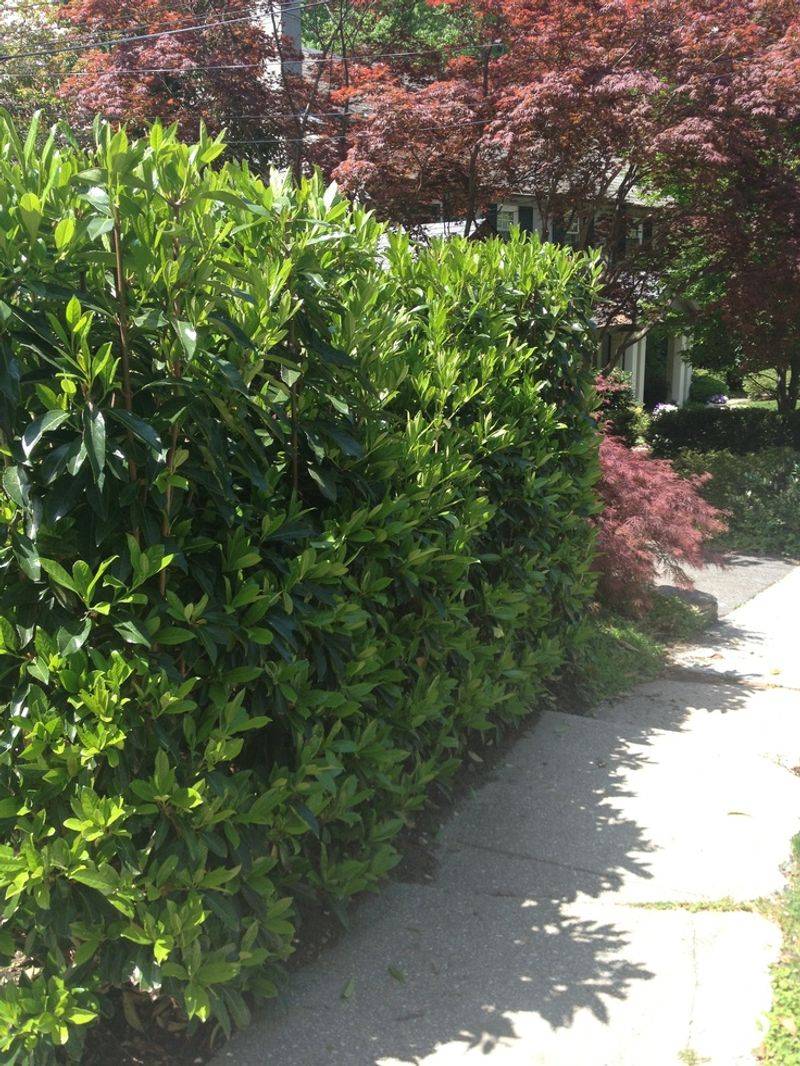
Picture the tall green screen between you and the neighbors. Odds are good it is Chinese privet (Ligustrum sinense), brought to the U.S. around 1852 for exactly that job.
It grows in sun, shade, wet clay, or dry sand, which sounds great until you see it smothering a creek bank.
Here is the sneaky part. Privet spreads by seed and by root suckers, so one hedge can turn into a thicket that shades out native understory plants.
Fewer native plants means fewer caterpillars, and fewer caterpillars means fewer songbirds raising babies near your porch.
Carolina cherry laurel (Prunus caroliniana) gives you evergreen privacy and dark fruit birds use. Space plants about 6 to 8 feet apart for a screen, and plant in fall so roots settle before summer heat.
Cut privet at the base and treat fresh stumps right away, or the suckers return. Your neighbors still will not see your grill, but the wrens will find it.
3. Nandina Berries That Can Harm Cedar Waxwings
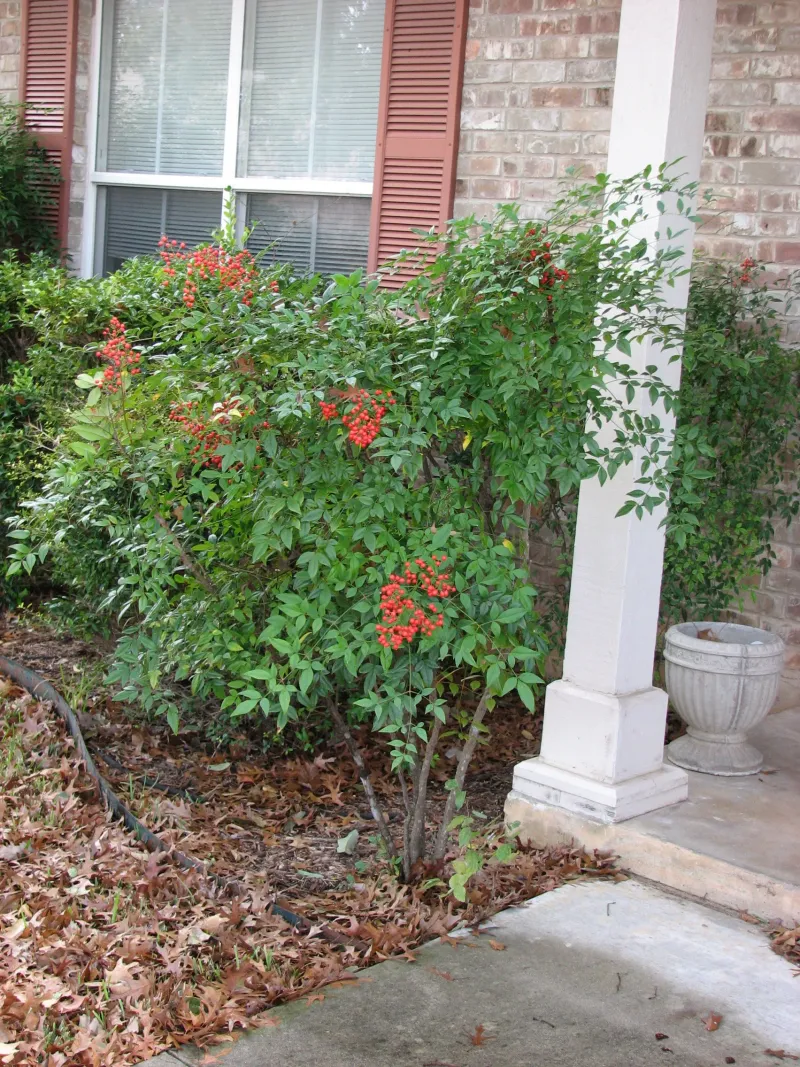
Heavenly bamboo has a dark side. Nandina (Nandina domestica) is in front of countless North Carolina homes for its lacy leaves and red winter berries.
Those berries contain compounds that can release cyanide, and cedar waxwings in the Southeast have died after gorging on them during lean winter weeks.
It also spreads by underground runners and bird-dropped seed. So the pretty clump by your steps is both a risk to the birds you love watching and a seed source for nearby woods.
Yaupon holly (Ilex vomitoria) is the friendly replacement. It handles coastal salt spray, Sandhills sand, and Piedmont clay, and its red berries are safe for birds.
Dwarf forms stay around 3 to 4 feet, perfect under windows. If you are not ready to dig out nandina, at least clip the berry clusters before December.
It is a small chore, and the waxwings will never know how close they came.
4. Japanese Barberry Gives Ticks a Cozy Hideout
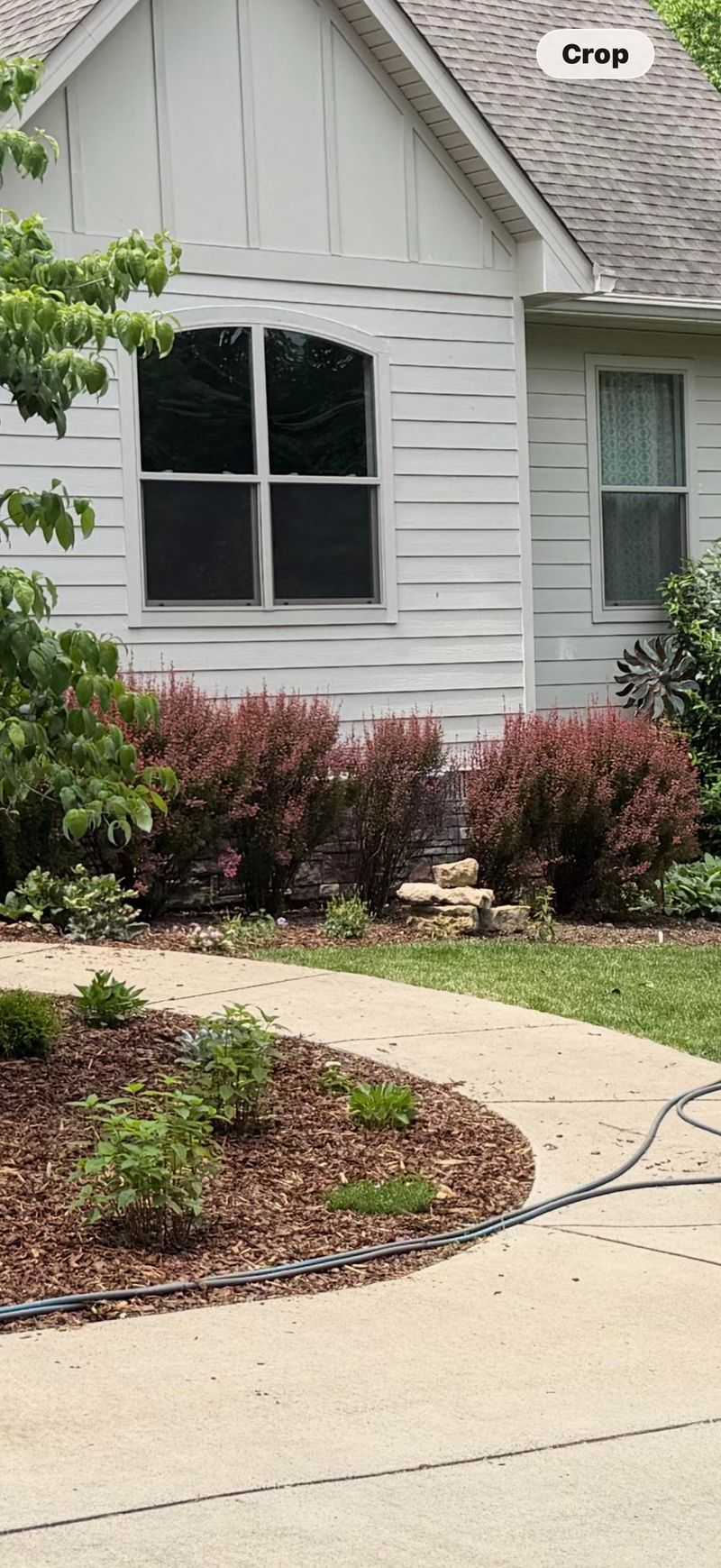
Ticks love barberry. Studies in the Northeast found far more blacklegged ticks, the kind that can carry Lyme disease, in thickets of Japanese barberry (Berberis thunbergii) than in open woods.
The dense, thorny branches hold humid air close to the ground, which is exactly what ticks need to survive.
In the North Carolina mountains, where zones run 6a to 7a, barberry has spread into forest edges. It may also raise soil pH, nudging conditions further in its own favor.
For a family yard with kids and dogs, that is a real reason to rethink it.
Barberry is shallow rooted, so wear thick gloves and dig it out in late fall or early spring. Replace it with inkberry holly (Ilex glabra), an evergreen that tops out near 6 to 8 feet and tolerates soggy spots.
Removing it can reduce tick habitat, though it is not a magic shield. Keep checking ankles after yard work, and enjoy a bed that no longer bites back.
5. Japanese Spiraea Out, Virginia Sweetspire In
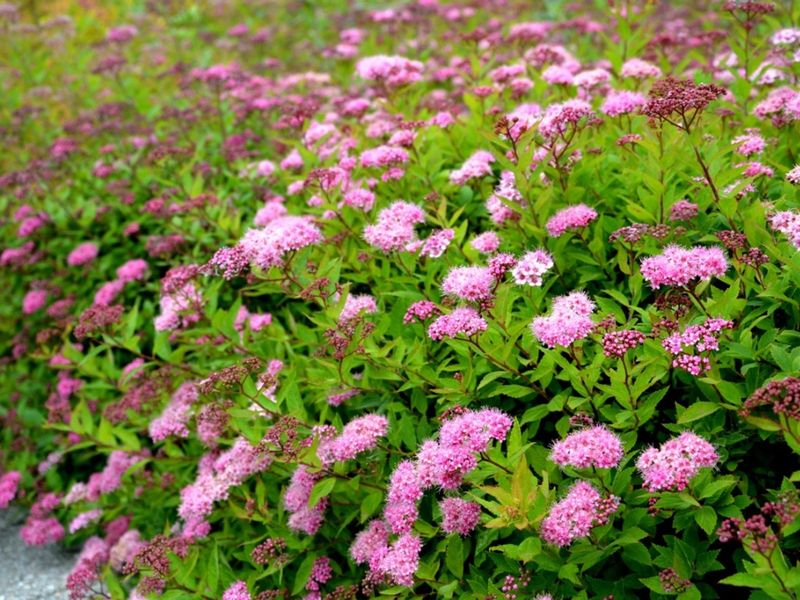
A lot of people assume spiraea is harmless because it stays small. Japanese spiraea (Spiraea japonica), around since 1870, earns its Rank 1 spot by seeding along stream banks, where its tiny seeds wash downstream and can stay alive in soil for years.
The wiry thickets it builds push out native wildflowers in the Piedmont and mountains. Pink blooms are nice, but they come at the cost of plants our native bees evolved with.
Virginia sweetspire (Itea virginica) is the swap that actually wins on looks. You get drooping white flower tails in late spring, then red-purple leaves that hang on into winter.
It grows about 3 to 5 feet tall, likes moist spots, and handles our afternoon summer storms without sulking. Plant it about 4 feet apart and let it fill in.
By the second fall, you will catch yourself admiring the foundation for once.
6. Autumn Olive Quietly Rewrites Your Soil
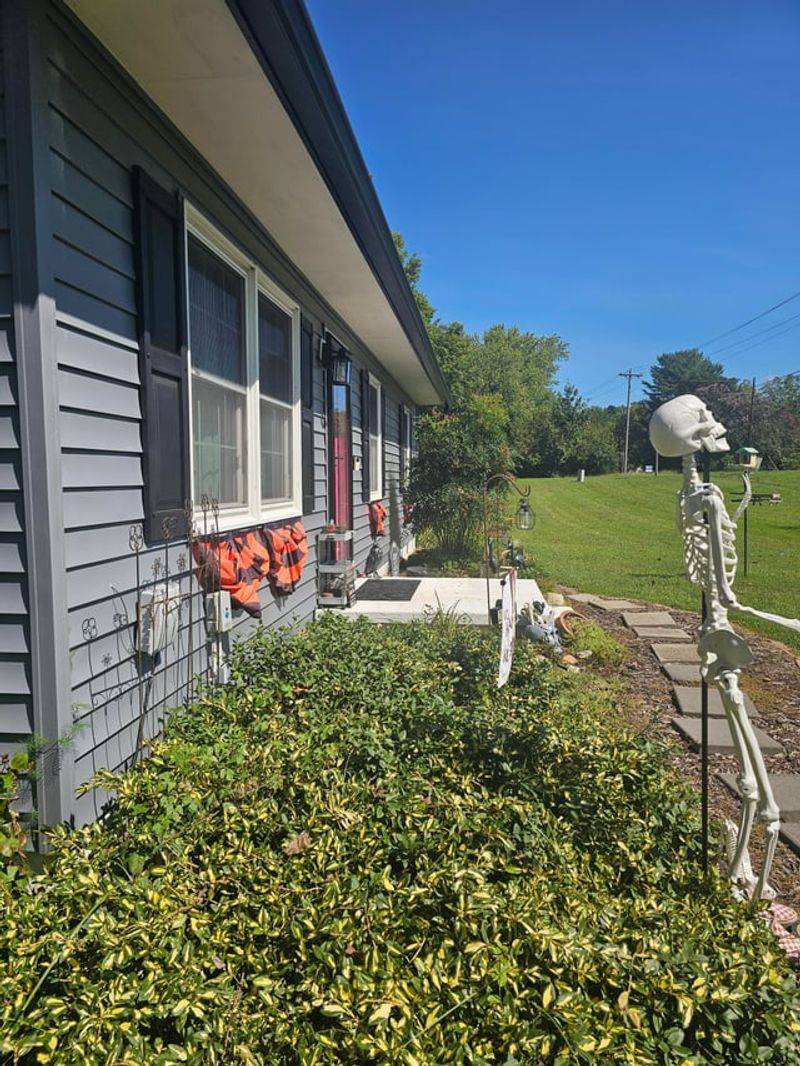
Silvery leaves, speckled red berries, sweet spring scent. Autumn olive (Elaeagnus umbellata) looks innocent on a fencerow, and it was once planted for erosion control.
Then it started fruiting within 3 to 5 years and throwing tens of thousands of seeds per shrub.
It also has a trick most shrubs do not. Its roots add nitrogen to the soil, and that change can favor more weeds and make life harder for native plants even after it is gone.
Pull small seedlings when the ground is soft after rain, roots and all. Bigger shrubs need cutting and stump treatment, since they resprout hard.
Then plant highbush blueberry (Vaccinium corymbosum) for fruit you can share with the mockingbirds, spaced about 5 feet apart. It wants acidic soil, so in sweeter clay, mix in pine bark.
Summer cobbler becomes the payoff.
7. Winterberry Brings Back the Red Without the Guilt
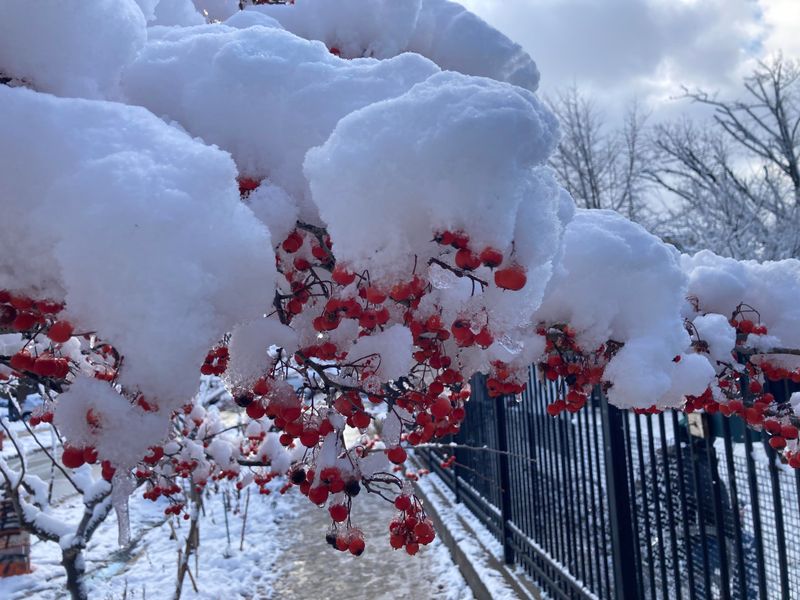
So you pulled the nandina and the barberry, and now the winter beds look bare. Winterberry (Ilex verticillata) fixes that.
It drops its leaves in fall and leaves bare branches loaded with red berries that glow against a gray January sky.
Bluebirds, robins, and mockingbirds strip those berries in late winter when food runs thin, so the show turns into a bird buffet. It thrives in wet, heavy soil, which makes it a smart pick for soggy Piedmont low spots or Coastal Plain yards after hurricane rains.
One catch, and it trips up many gardeners. You need a male plant within about 40 to 50 feet for the females to set fruit.
Plant one male for every 5 to 10 females, and buy them as a matched pair. Get that right, and your front walk becomes the best seat for winter birdwatching on the block.
8. Sweet Pepperbush Makes the Swap Smell Wonderful
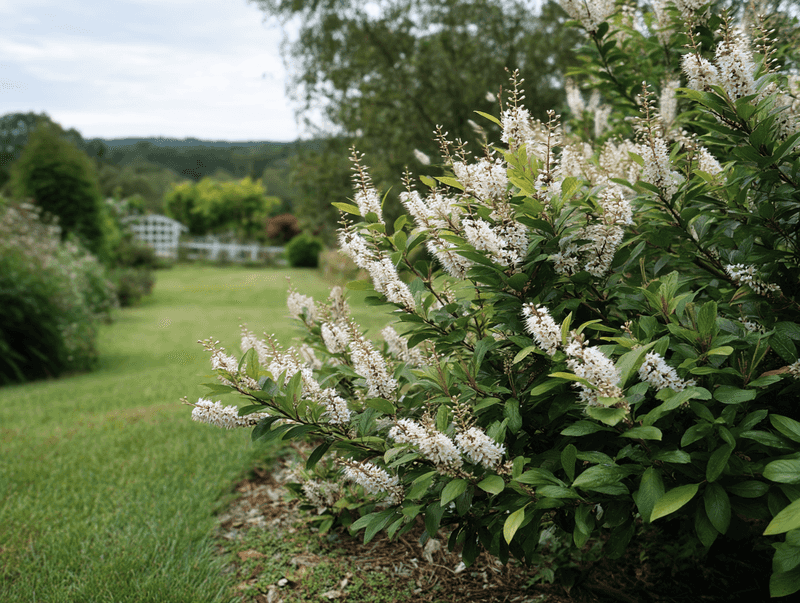
Late July, the air is heavy, and almost nothing is blooming. Then sweet pepperbush (Clethra alnifolia) opens its white spikes, and the whole side yard smells like honey and spice.
Bees and butterflies pile onto it in the dead of summer heat. It handles shade, wet soil, and sandy coastal yards, growing roughly 4 to 6 feet tall, with compact forms near 3 feet for under windows.
Few foundation shrubs give pollinators this much when they need it most.
Plant it in fall, water weekly through its first summer, and mulch 2 to 3 inches deep. It spreads slowly by suckers, so give it room.
Pair it with your new yaupon and sweetspire, and the foundation finally works for your family and the wildlife both. That is a yard you built yourself, and it shows.
