
This North Carolina Yard Shrub Looks Harmless But Causes A Lot More Trouble Than People Expect
Follow us on Google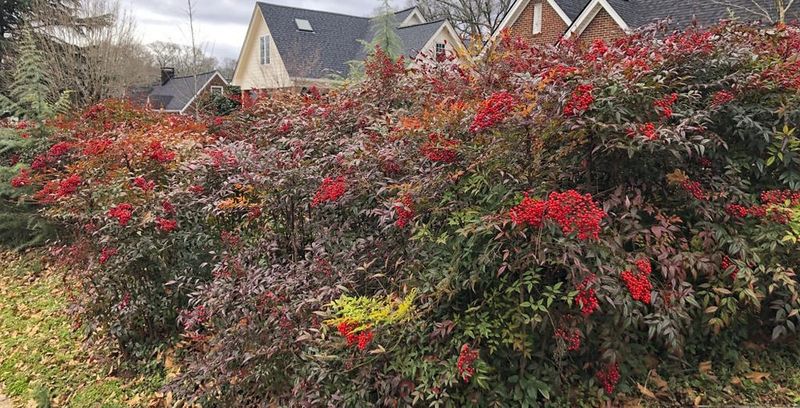
You have probably walked past it a dozen times without a second thought.
That neat, upright shrub with the bright red berries near the porch or fence line looks like something a landscaper put there on purpose, and it probably was.
But heavenly bamboo, also called nandina or Nandina domestica, is causing real problems for North Carolina homeowners who do not know what they are looking at.
Once you understand what those berries can do to pets, birds, and the surrounding landscape, you will want to take a closer look.
The Likely Shrub Is Heavenly Bamboo
Chances are good you have already seen this shrub without knowing its name.
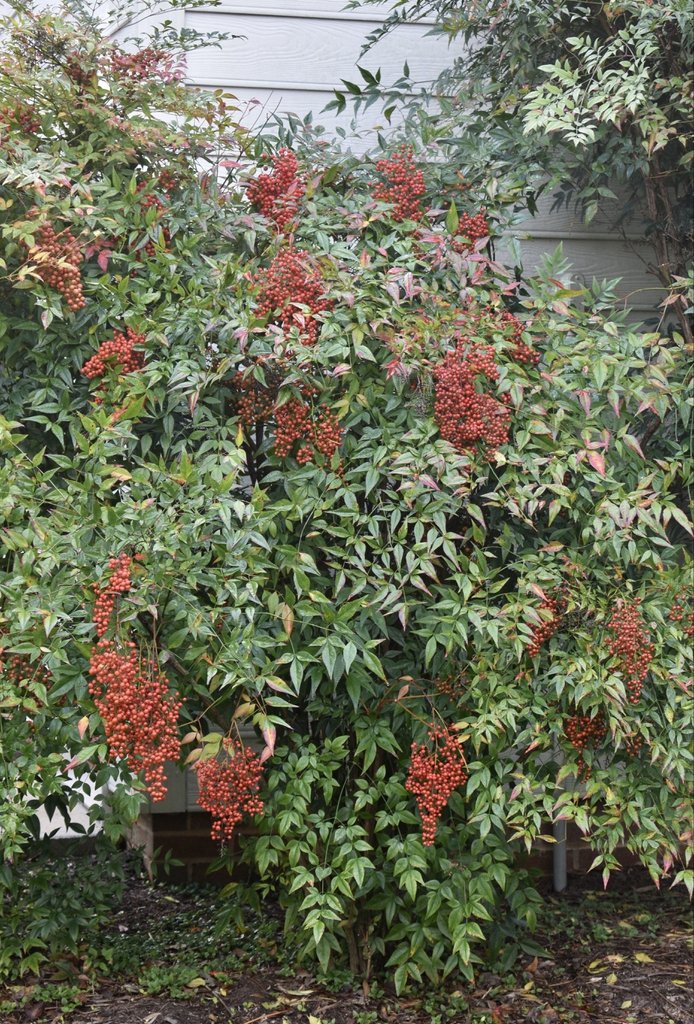
Heavenly bamboo, also called nandina or sacred bamboo, carries the botanical name Nandina domestica, and it is one of the most commonly planted ornamental shrubs across North Carolina.
Landscapers have tucked it beside foundations, mailboxes, and porches for decades because it stays tidy, holds its leaves through winter, and produces those eye-catching clusters of bright red berries that look almost decorative.
Before anything else, know this: nandina is not true bamboo.
It belongs to the barberry family and was introduced from Asia.
The cane-like stems give it a bamboo look, but the plant behaves nothing like the fast-spreading grass most people picture.
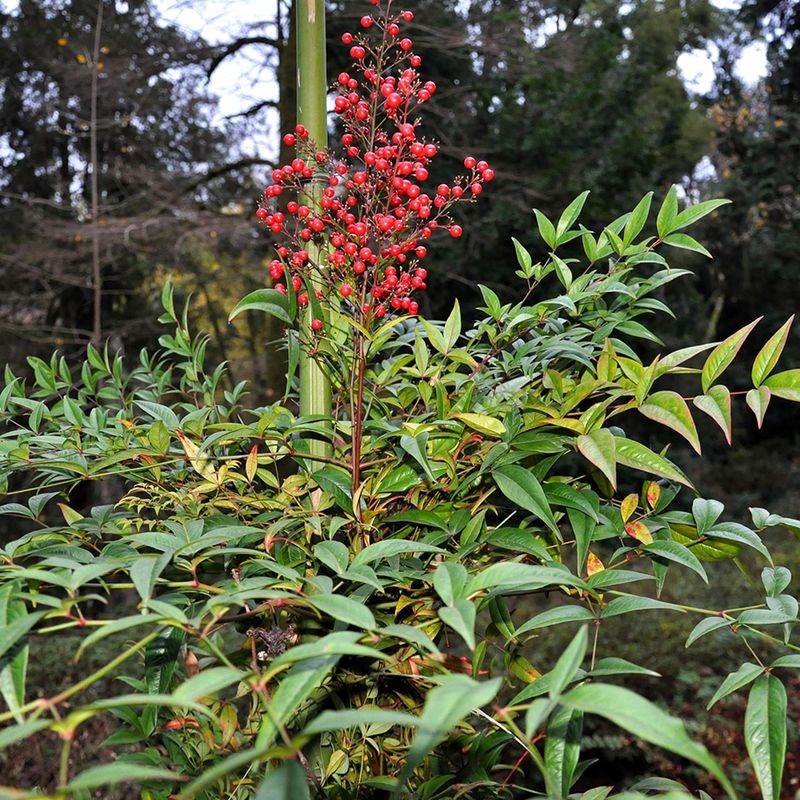
What you are actually looking at is an evergreen shrub that can reach 6 to 8 feet tall, with compound leaves that may stretch 1 to 2 feet long.
New growth often flushes reddish or bronze, and winter cold can turn the foliage a deep burgundy that many homeowners find genuinely attractive.
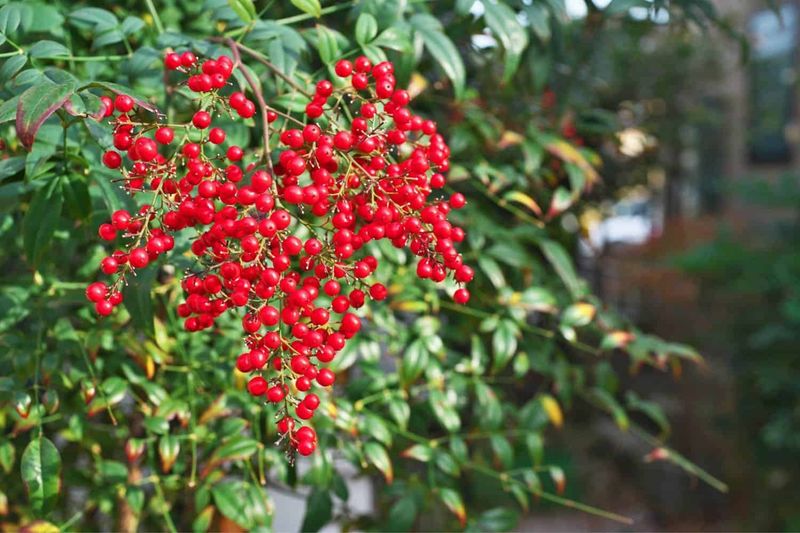
The clearest identification clue is that terminal cluster of bright red berries sitting at the top of each cane, often persisting from fall all the way through February or March.
Combined with the upright stems and reddish leaf color, that berry cluster is your main signal.
NC State Extension’s plant profile for Nandina domestica confirms the identification features and flags the plant as invasive in North Carolina.
If you are not fully certain what you have, photograph the whole shrub, the leaves, the stems, and the berries up close, then reach out to your county Cooperative Extension office before doing anything else.
Red Berries Create Two Separate Problems
Most people assume a backyard shrub either spreads aggressively or causes harm to animals.
With nandina, both concerns show up at once, and that combination is exactly why a plant that looks so tidy deserves a closer look.
The two problems are connected but distinct, and understanding each one separately makes the response a lot clearer.
The first problem is chemical.
All parts of the nandina plant, including the leaves and berries, contain cyanogenic compounds.
Those compounds do not harm anyone through ordinary contact with the plant, but when enough plant material is swallowed and processed in the digestive tract, the body can convert those compounds into cyanide.
Poison Control’s guidance on Nandina domestica describes the human risk as generally low, with mild gastrointestinal symptoms possible but uncommon.
The risk to pets and some wildlife is more serious, and that gets its own section below.
The second problem is ecological.
Those persistent red berries are seeds waiting for a ride, and birds are often the ones providing it.
When a bird eats a berry and flies off, it can deposit the seed far outside your yard.
The NC Forest Service explains that invasive plants can spread beyond cultivation, displace native species, and become difficult nuisances over time.
That does not mean every nandina shrub will immediately overrun the woods behind your house.
Fruit production varies a good deal by cultivar, and behavior differs across the mountains, Piedmont, Sandhills, and Coastal Plain.
But a fruiting plant near a natural area is genuinely worth paying attention to.
Birds Face a Documented Wildlife Risk
Here is where it gets tricky.
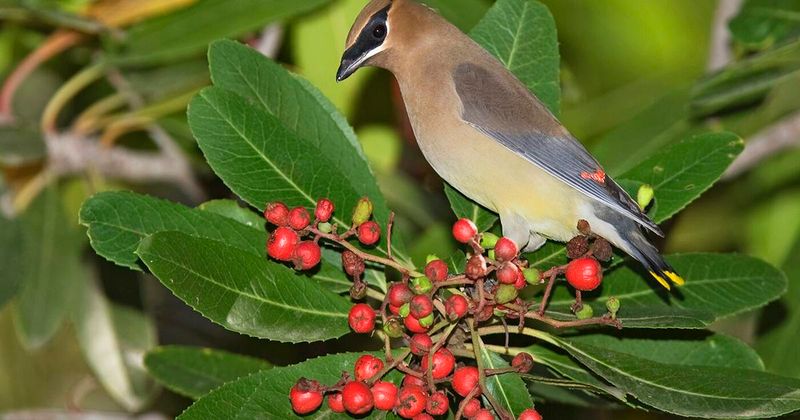
Bird lovers sometimes point to the sight of cedar waxwings crowding a nandina shrub as proof that the plant is wildlife-friendly.
The birds clearly enjoy the berries, and watching a flock of waxwings strip a shrub in an afternoon feels like a good thing.
But the actual science tells a more complicated story.
A peer-reviewed case report documented dozens of cedar waxwings found dead in a Georgia yard in April 2009.
Researchers found nandina berries as the only material in the birds’ digestive tracts, and the findings were consistent with cyanide toxicity.
That published case report represents the strongest documented evidence of nandina’s danger to birds.
Cedar waxwings are particularly vulnerable because they travel in flocks and tend to gorge on whatever food source is available, especially when other winter food is scarce.
A single bird nibbling one berry is not the same situation as a flock consuming large quantities in a short period.
The distinction matters.
This evidence does not mean that every bird visiting every nandina shrub will die, and it does not establish a confirmed annual death toll for North Carolina.
What it does mean is that a fruiting nandina in a yard with heavy bird traffic carries a real, consumption-dependent risk.
Bird attraction is also part of the spreading problem, since birds that eat berries and fly away are doing exactly what the plant needs to reproduce beyond your property line.
NC State’s nandina profile connects seed dispersal by birds directly to the plant’s invasive behavior in North Carolina.
The practical response is straightforward: clearing the berry clusters before they become a winter food source lowers the risk on both counts.
Your Pets Need a Faster Response
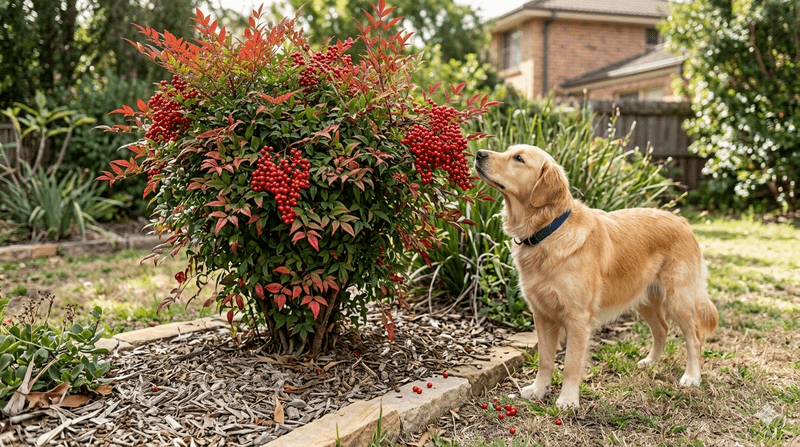
Touching nandina does not poison a person, and it does not poison a dog or cat either.
The cyanogenic compounds in the plant are not absorbed through intact skin, so brushing past the shrub or handling it with bare hands is not the concern.
The danger starts when plant material is actually swallowed and the digestive system begins to process it.
For pets, that distinction matters a great deal, because dogs and cats do not read warning signs.
The ASPCA lists heavenly bamboo as toxic to dogs, cats, and horses, with possible effects including weakness, incoordination, seizures, coma, respiratory failure, and in rare cases death.
Those are serious outcomes, and they are not outcomes you want to wait and watch for.
If your pet has eaten any part of a nandina plant, including the berries, leaves, or stems, contact a veterinarian or animal poison-control service right away.
Do not wait for symptoms to appear before making that call.
The human picture is different but still worth knowing.
Poison Control describes nandina as generally non-toxic to people, with pediatric ingestions typically producing little or no toxicity.
Mild stomach upset is possible.
That said, if a child or adult has eaten unknown berries or plant parts, calling Poison Control at 1-800-222-1222 is always the right move.
The key boundary to keep in mind is this: ordinary contact with the plant is not the hazard.
Eating it is a different matter, and pets face a more serious version of that risk than most adults do.
Clear the Berries Before You Dig
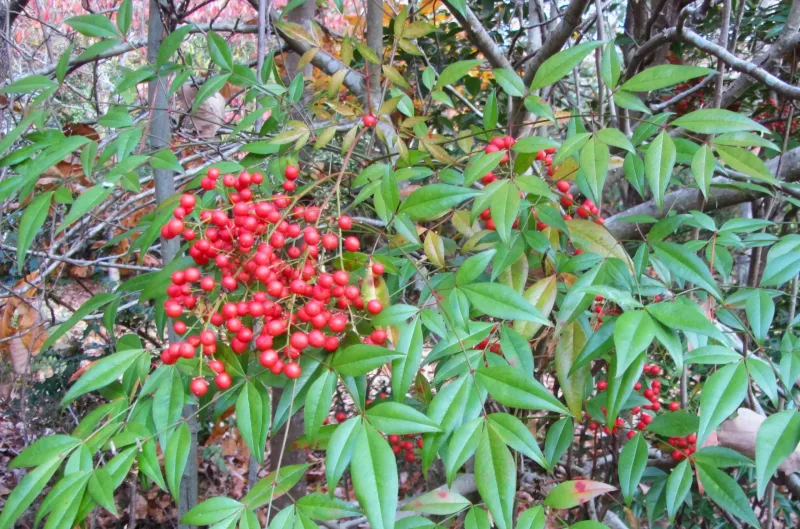
Removal can wait a day or two while you confirm what you have.
Clearing the berries cannot.
If you have a fruiting nandina in your yard right now, the most immediate and practical step is getting those berry clusters out of reach before pets or birds can consume them in quantity.
Pull off the terminal berry clusters by hand or cut them with pruning shears and drop them into a sealed bag for trash disposal.
Then sweep or rake up fallen berries and any broken branches or leaves lying around the base of the shrub.
Poison Control specifically recommends clearing fallen berries, leaves, and broken branches from around the plant to reduce exposure risk.
Wear gardening gloves while you work, not because skin contact causes poisoning, but because gloves are sensible hygiene when you are handling plant material and working close to the soil.
Wash your hands well after finishing, and keep children and pets away from the work area until the cleanup is done.
If you are still not certain the shrub is nandina, take clear photographs of the whole plant, the leaf structure, the stems, and the berry clusters before you start pulling anything off.
Your county Cooperative Extension office can help confirm the identification from good photographs, and NC State’s plant profile gives you a solid visual reference to compare against.
The point is simple: reducing access to the berries lowers the immediate household and wildlife risk while you figure out the longer-term plan.
That is a genuinely useful first move even before you decide whether the shrub stays or goes.
Dig Out the Roots, Then Watch
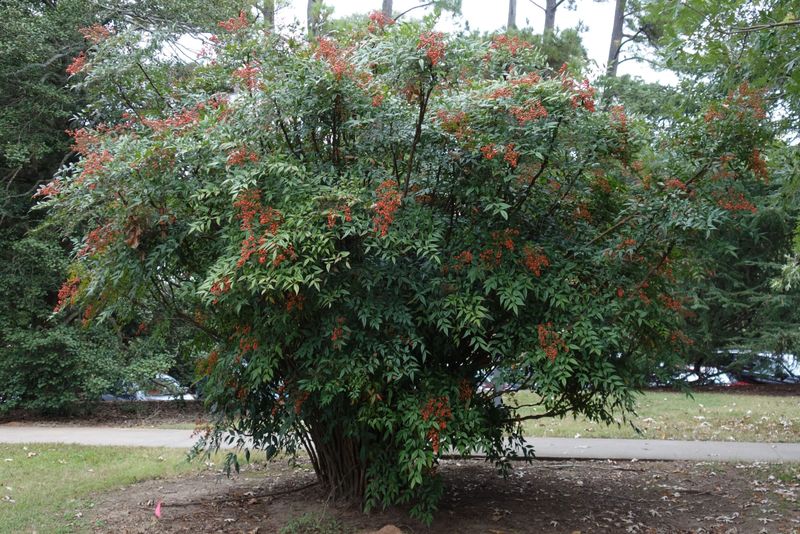
Cutting a nandina to the ground feels satisfying, but it is not the finish line.
Established plants can resprout from roots left in the soil, and a shrub that looks gone in April can push up new canes by July.
The real job is getting the root system out.
For a smaller plant, the City of Raleigh’s invasive species removal guide recommends loosening the root system with a sharp shovel before attempting to pull the plant free.
Work the shovel around the base in a circle, cutting through feeder roots and breaking the soil’s grip on the crown.
Established plants can require substantial force once the roots are loosened, so give yourself room to work and expect a real physical effort, especially in Piedmont red clay.
Once the plant is out, shake off the soil and dispose of the root ball where it cannot reroot.
After removal, mark the spot and check it every 3 to 4 weeks through the growing season.
New sprouts from missed root fragments are common.
Pull or cut them as soon as they appear.
Repeated removal of new growth starves the remaining root system over time.
If the plant is large or deeply established and you are considering herbicide, keep the guidance narrow.
Use only a product with a label that specifically covers your site type and application method.
Follow the current label exactly, protect nearby desirable plants from drift or runoff, and ask your county Extension agent for site-specific advice before applying anything.
NC State Extension’s hand-applied herbicide guidance and the 2024 NC Agricultural Chemicals Manual explain that fresh-cut stump treatments are designed to prevent regrowth, but legal uses and product directions vary by situation.
No improvised recipe replaces reading the label.
Choose a Better Fit for Your Yard
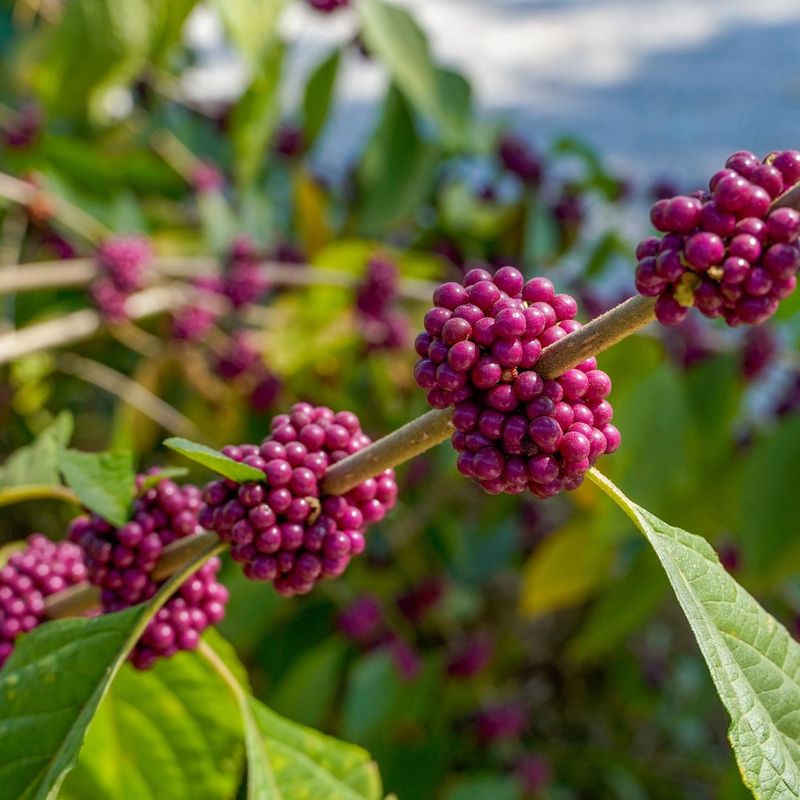
Once the fruiting nandina is out, or once you have decided to work around an existing plant, the next question is what goes in its place.
The good news is that North Carolina offers genuinely attractive options that do not carry the same concerns.
If you want to keep something that looks similar to nandina, NC State identifies two cultivars worth knowing. ‘Fire Power’ is described as sterile or nearly fruitless, and NC State’s profile for Nandina domestica ‘Fire Power’ notes that wild-type heavenly bamboo is considered invasive in the mountains and southern Piedmont, while sterile cultivars are less likely to escape cultivation. ‘Gulf Stream’ is another low-fruiting option.
Even with these cultivars, fruiting potential and escape risk are worth watching, so check the plant’s behavior in your specific yard over time.
Native alternatives give you more ecological upside.
American beautyberry produces vivid purple berries that birds genuinely use without the toxicity concern.
Winterberry holly delivers that same bold red-berry winter look and thrives in moist spots across the Piedmont and Coastal Plain.
Native viburnums offer spring flowers, fall berries, and good wildlife value.
Buttonbush works well in wetter areas and attracts pollinators through summer.
NC State’s nandina profile recommends these natives directly as replacements.
Match whatever you choose to your actual conditions: your region of North Carolina, the light at that spot, soil drainage, moisture availability, and the mature size you can actually accommodate.
A shrub that works beautifully in a moist Coastal Plain yard may struggle in Piedmont red clay or a dry mountain slope.
Your county Extension office can help you narrow the list to what will actually thrive where you are planting it.
Use a Simple Decision Path
Managing nandina does not require a weekend project or a panic response.
A calm, step-by-step approach covers the real concerns without turning a manageable yard task into an ordeal.
Start by confirming what you have.
Photograph the whole shrub, the leaves, the stems, and the berry clusters, then compare against NC State’s Nandina domestica profile or contact your county Cooperative Extension office.
Do not remove an unidentified shrub based on a social-media photograph alone.
Once you have confirmed the plant, clear accessible berry clusters and fallen material from the ground before pets or birds can reach them.
If a pet eats any part of the plant before you get there, call a veterinarian or animal poison-control service right away rather than waiting to see what happens.
For people, Poison Control considers nandina generally non-toxic to humans, but an unknown-plant ingestion still warrants a call.
Then decide what the plant’s future looks like in your yard.
A fruiting nandina near a natural area, a wildlife-heavy yard, or a space where pets and children spend time deserves more attention than its tidy appearance suggests.
A verified non-fruiting cultivar in a contained landscape bed is a different situation.
Not every plant sold under the nandina name carries identical risk.
The NC Forest Service and your local Extension office are the right resources when identification, removal, or replacement decisions feel uncertain.
A familiar shrub that asks for a second look is worth the few minutes it takes to give it one.