
This Native Texas Grass Brings Fireflies Back To Yards That Have Gone Dark
Follow us on Google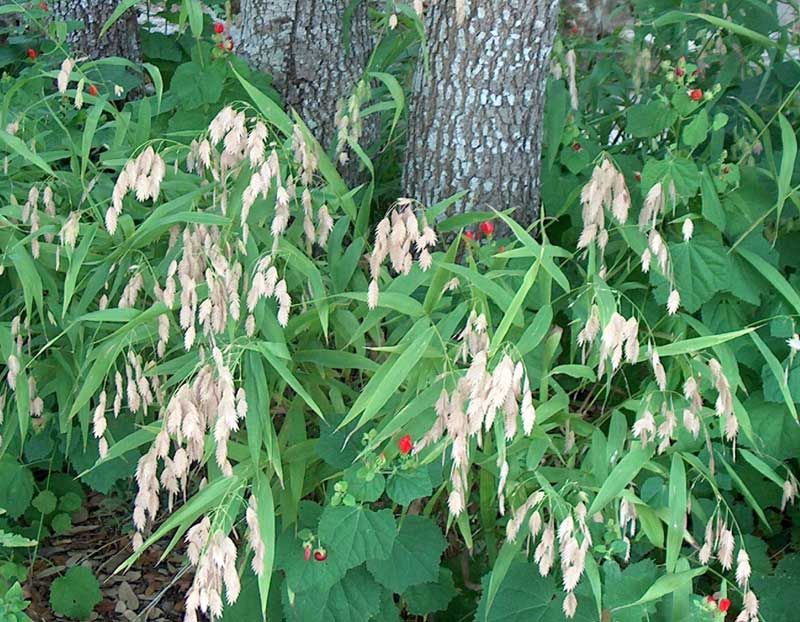
Summer evenings in Texas used to mean fireflies drifting up from the grass while you sat on the porch, and for a lot of yards, that show has quietly gone dark.
One native grass keeps coming up in conversations about firefly habitat, and if you have not heard its name yet, you will by the end of this article.
The honest version of the story is a little more complicated than the headline, and knowing the difference could save you from planting something in the wrong spot or expecting results that no single plant can promise.
A Better Answer Than “Plant This and They’ll Return”
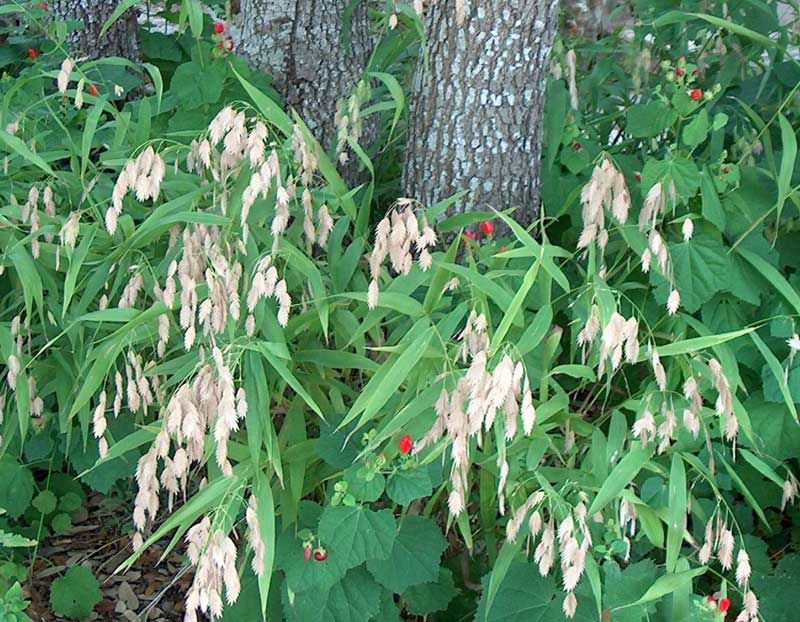
Inland sea oats, known by botanists as Chasmanthium latifolium and sometimes called Indian sea oats or broadleaf uniola, is the Texas-native grass behind the headline.
Firefly Conservation and Research lists inland sea oats among grasses found abundantly in excellent firefly habitat, which is a meaningful association.
But that association is not the same as proof that planting it will bring fireflies back to a yard that has gone dark.
The distinction matters, especially for Texas homeowners who have already lost time and money on plants that promised more than they delivered.
Chasmanthium latifolium is a legitimate native grass with real habitat value, and it belongs in the right yard for the right reasons.
What it cannot do is override a yard that lacks moisture, harbors pesticides, floods with artificial light every night, or sits on shallow caliche with no shade canopy overhead.
A more honest goal is to use inland sea oats as one piece of a larger habitat effort.
The USDA plant guide for Indian sea oats describes a perennial grass native to shaded, wooded, streamside, and bottomland environments, which happens to overlap with conditions that many firefly species also prefer.
That overlap is worth paying attention to.
It just does not guarantee a comeback on its own, and any article or product that tells you otherwise is skipping the harder, more important parts of the story.
Fireflies Depend on More Than a Plant Name
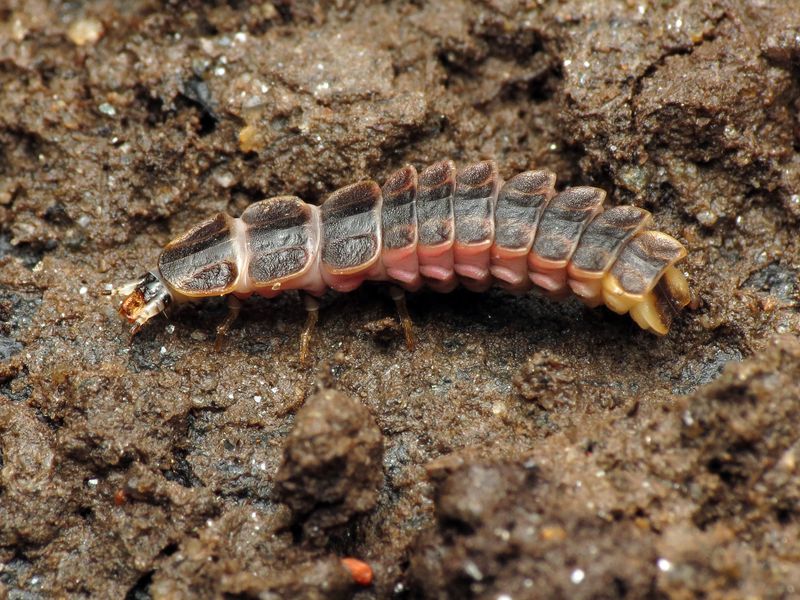
Most people think of fireflies as the blinking adults they chase on a June evening, but that brief light show is actually the shortest chapter in a much longer life.
University of New Hampshire Extension notes that firefly larvae commonly spend roughly one to two years developing in moist soil, leaf litter, decaying wood, and other protected ground-level spots before they ever produce a single flash.
During that long larval stage, they are not sitting still.
They are hunting, feeding on soft-bodied organisms like snails, slugs, and small invertebrates that live in the same moist, sheltered ground cover.
A yard that kills off that prey with broad pesticide applications, or that bakes the soil dry through summer, removes the food supply before a larva ever gets a chance to grow up.
Inland sea oats can contribute vegetation and some ground-cover structure in a suitable moist, shaded site, and Firefly.org includes it among plants associated with quality firefly habitat.
But the grass is not a host plant that fireflies require the way a monarch butterfly requires milkweed.
Firefly species vary in their needs, and most rely on a combination of moist soil, protected ground cover, available prey, darkness, and low disturbance rather than any single named plant.
A 2021 North American firefly assessment published in PLOS One found that moisture is critically important across firefly life stages, and that drought, habitat manipulation, and poor water management can reduce both habitat quality and prey availability.
The grass can support the right conditions, but the conditions themselves have to be there first.
Match Inland Sea Oats to Its Documented Conditions
Before you order a flat of inland sea oats, spend five minutes looking at the spot where you plan to put it.
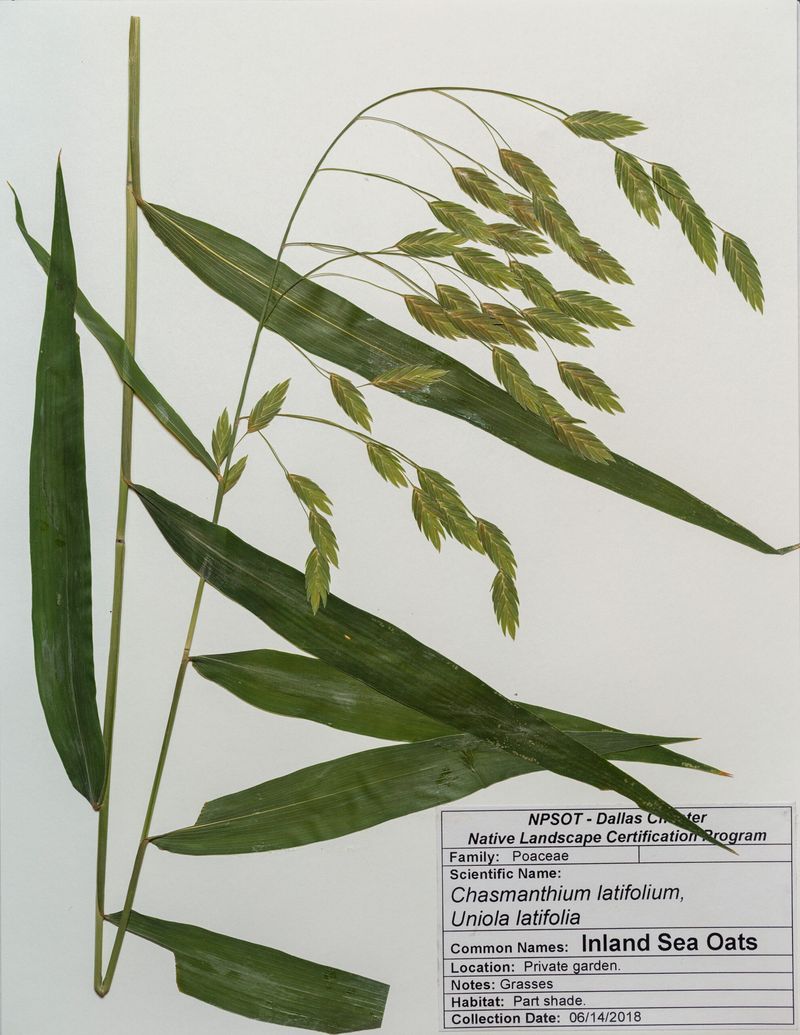
The USDA plant guide for Chasmanthium latifolium describes a perennial native grass that performs best in partial shade, rich or fertile well-drained soil, and sites that hold dependable moisture through the growing season.
Those three requirements are not suggestions.
They are the conditions the plant actually evolved in.
The USDA documents the grass occurring in eastern Texas, the Western Gulf Coast Prairie, river bottoms, and shaded slopes, along with favorable sites in parts of the Edwards Plateau, Rio Grande Plains, and Southern Rolling Plains.
East Texas and the Gulf Coast offer the most naturally compatible conditions, with their acidic sandy soils, tree canopy, and reliable summer humidity.
In North and Central Texas, inland sea oats can work in sheltered, irrigated, or naturally moist pockets, but you have to find those spots deliberately.
In the Hill Country, the Panhandle, and most of West Texas, shallow alkaline soil, intense summer heat, and long dry stretches make this a site-specific plant at best.
If your yard sits on caliche, faces full afternoon sun, or regularly goes weeks without rain and without supplemental water, inland sea oats is not the right fit.
The USDA guide is direct: the species is never naturally found on droughty sites.
A shaded fence line, the north side of a structure, or a low spot that stays cooler and holds moisture longer than the open lawn are the kinds of locations worth evaluating.
Avoid hot, reflective areas near concrete or pavement, where surface temperatures can push well past 100 degrees Fahrenheit on a Texas August afternoon and dry the root zone faster than any grass can handle.
Treat the Planting as Habitat, Not a Display Bed
Here is where a lot of well-meaning gardeners undo their own work.
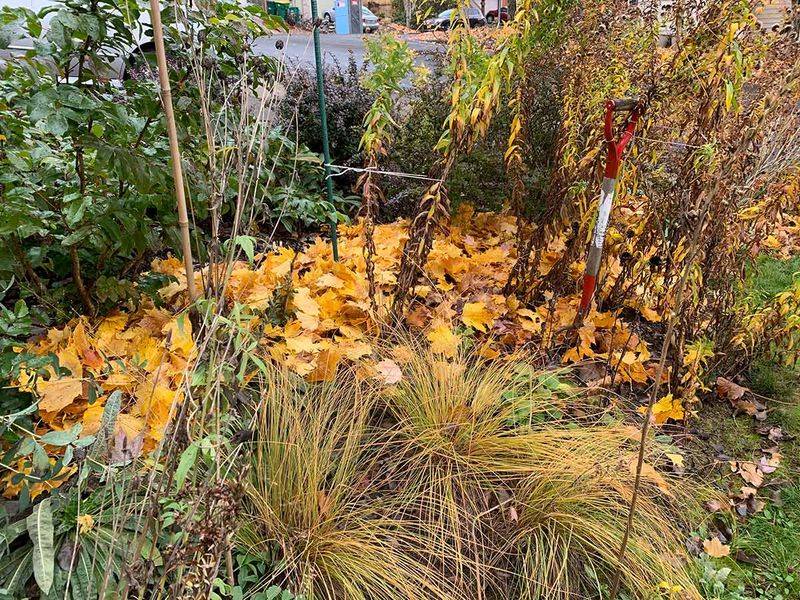
They plant the right grass in a reasonable spot, then rake the area clean every weekend, pile on fresh wood-chip mulch, and wonder why nothing changes.
Oklahoma State University Extension notes that firefly larvae use soil, leaf litter, decaying wood, and protected ground cover during their development, which means a tidy, frequently disturbed bed actively removes the shelter the larvae need.
Inland sea oats is better managed as an unmowed ornamental clump rather than as part of a mowed turf area.
Allow some natural leaves and stems to accumulate around the base of the planting.
You do not need to create a dense mat that smothers everything, but a light layer of natural leaves in a limited, undisturbed zone gives the soil beneath a chance to stay cooler and hold moisture longer than bare ground would.
For the surrounding lawn, reducing disturbance in at least one section of the yard makes a real difference.
University of New Hampshire Extension recommends mowing turf grasses at about 3.5 to 4 inches when possible and removing no more than one-third of the grass blade at any single mowing.
That guidance applies to your lawn turf, not to the inland sea oats clump itself, which is best left uncut so it can arc and seed naturally through the season.
Mowing is one factor in firefly habitat, but it is not the whole story.
Habitat loss, artificial light, pesticide exposure, drought, and broader land-use changes all play recognized roles in firefly declines.
Reducing mowing disturbance in one corner of your yard is a practical, low-cost step, and it genuinely helps, as long as the other pressures are addressed too.
Moisture Matters More Than the Label
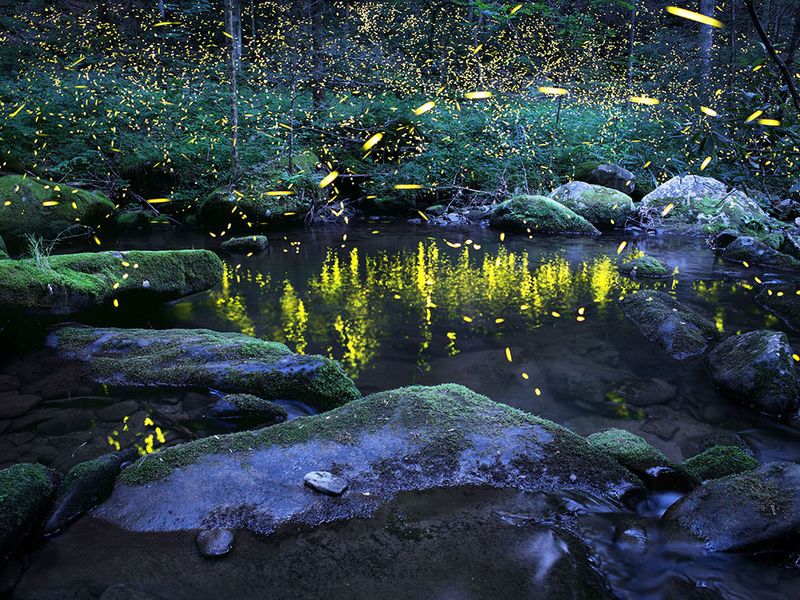
Calling a plant a firefly grass does not make a dry yard wet.
The name on the tag cannot substitute for the soil conditions, shade, and water availability that both the plant and the larvae actually need.
A 2021 PLOS One assessment of North American firefly extinction risk identified moisture as critically important across firefly life stages and found that drought, habitat manipulation, and poor water management can reduce habitat quality and the prey availability that larvae depend on.
For Texas homeowners, that finding has a very practical meaning.
Firefly larvae need moist soil to move through and hunt in.
Their prey, the snails and slugs and soft-bodied invertebrates, also need moist conditions to survive.
A yard that dries to hard-packed clay or cracked caliche through July and August is not going to support that food web no matter what you plant in the corner.
The USDA plant guide reinforces this by describing inland sea oats as a species that is never naturally found on droughty sites.
Before planting, honestly evaluate your site.
Does the spot receive partial shade for a meaningful part of the day?
Does the soil drain well without drying out completely between rains?
Can you commit to supplemental watering during the long dry stretches that hit Central Texas and the Hill Country every summer?
If the answer to any of those questions is uncertain, start by improving the site before buying the plant.
Add organic matter to sandy East Texas soil to help it hold moisture, or find the lowest, shadiest corner of a North Texas yard where water naturally lingers a little longer.
The grass can contribute structure and cover in the right place, but moisture is the environmental factor doing the real work underneath.
Protect the Signals After Dark
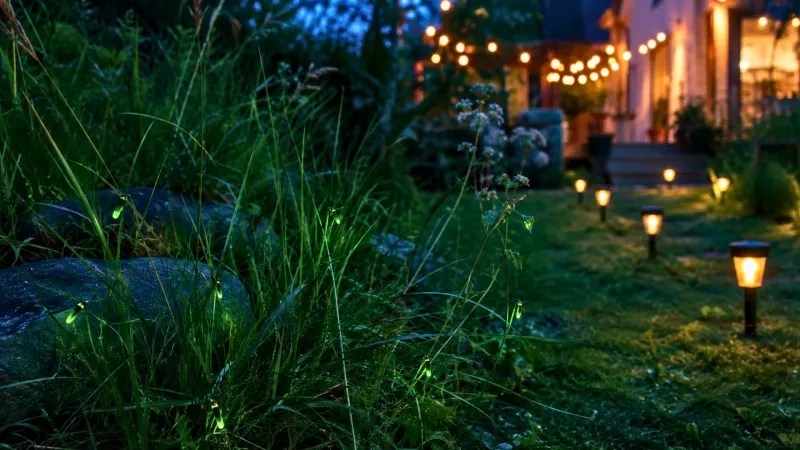
You can do everything right with your planting and still lose the fireflies before they ever flash, if your yard blazes with light from dusk to midnight.
Artificial light disrupts the courtship signals that male and female fireflies use to find each other, and a peer-reviewed experiment published in PLOS One found that light pollution reduced flashing activity in one firefly species by approximately 69.69 percent.
That result applies to one species in controlled conditions, so it should not be generalized to every firefly in every Texas yard, but the direction of the effect is consistent with what researchers have observed more broadly.
The practical fix is straightforward.
Put outdoor lights on timers so they shut off by 9 or 10 p.m. during firefly season.
Use motion sensors instead of leaving security lights burning all night.
Choose the lowest practical brightness for any fixture that genuinely needs to stay on, and consider shielding or directing light downward so it does not wash across the yard.
Warm amber bulbs scatter less than cool white LEDs and are a better choice near a habitat planting.
Pesticides are the other nighttime threat worth taking seriously.
The Xerces Society notes that pesticides pose a recognized threat to firefly populations and their prey, with risks that vary by product, timing, application method, and drift.
A laboratory study found that sublethal clothianidin exposure changed feeding and protective-soil behavior in common eastern North American firefly larvae, suggesting that even indirect pesticide exposure can affect larval development.
Start with nonchemical mosquito reduction: remove any containers holding standing water, fix drainage issues, use window screens, and avoid routine broadcast spraying in or near the habitat area.
If a legally labeled treatment becomes necessary, apply it as targeted and as early in the day as possible to reduce drift and nighttime exposure to fireflies and their prey.
Build a Patient, Site-Specific Firefly Plan
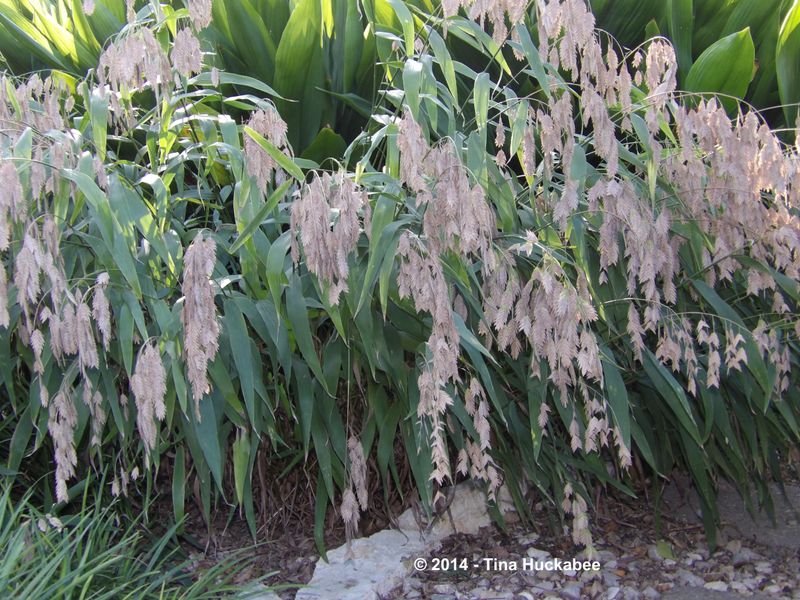
Putting this all together looks less like a weekend project and more like a quiet shift in how you manage one corner of your yard.
Start by evaluating your site honestly.
Inland sea oats belongs where partial shade, fertile well-drained soil, and dependable moisture actually exist, not where you hope they might develop over time.
University of New Hampshire Extension and firefly researchers consistently point to moisture, low disturbance, and reduced chemical exposure as the foundation of any habitat improvement effort.
Once the planting is in, protect a limited area of natural leaves and ground cover around it.
Resist the urge to rake it bare or pile on thick managed mulch.
Keep broad insecticide applications out of the habitat zone, and reduce outdoor lighting after dusk during the months when fireflies are active.
Firefly.org notes that moist soil, leaf litter, stream edges, seasonal wet spots, and humid vegetation can be enough for many species, so a permanent pond is not a universal requirement for a functional habitat area.
Set realistic expectations for timing.
Firefly larvae may remain in that stage for roughly one to two years, and adults can move in from nearby habitat rather than emerging strictly from your yard.
Weather plays a large role in how active fireflies appear in any given summer, so a yard that becomes genuinely more suitable may not produce an obvious increase right away.
Firefly.org and the 2021 PLOS One firefly assessment both frame habitat work as a long-term investment rather than a guaranteed seasonal result.
Inland sea oats can be a genuine part of that investment in the right Texas yard.
The grass supports the broader habitat effort, and that is actually worth doing, even if the fireflies take their time deciding to show up.