
21 Long-Blooming Perennials That Keep Pennsylvania Gardens Colorful For Months
Follow us on Google
A Pennsylvania garden can look bright from late spring into fall if you choose plants that refuse to quit. The trick is not chasing short bursts of color, but building around dependable perennials that flower for weeks and handle the state’s changing weather.
From humid summers to cold winters, these picks earn their space by blooming hard and asking for very little drama. If you want beds, borders, and pollinator patches that stay lively for months, these are the plants worth planting.
Catmint
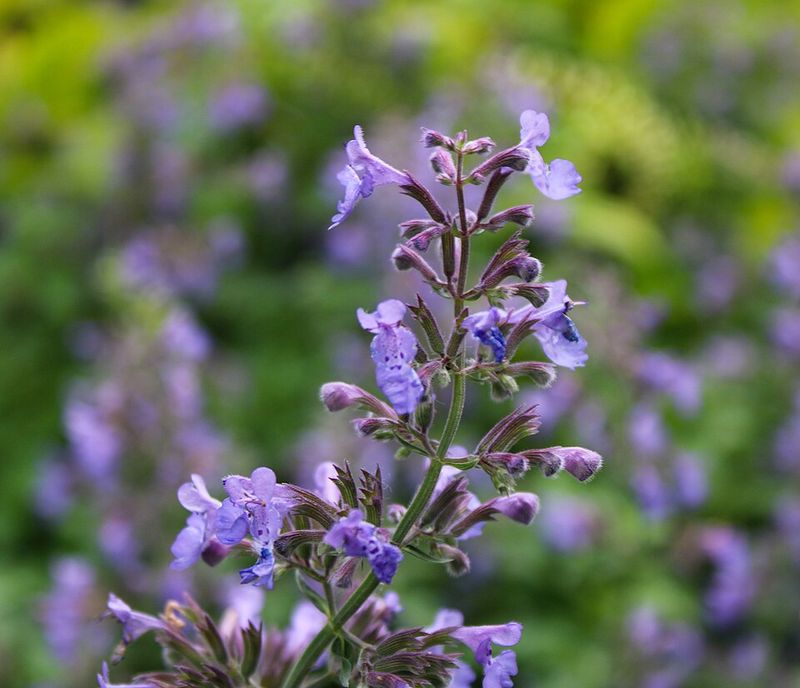
Few perennials earn their keep as easily as catmint, especially in Pennsylvania gardens where heat, humidity, and occasional dry spells can test your patience. This plant starts blooming in late spring and often keeps going into early fall if you shear it back after the first heavy flush.
Soft blue-purple flowers float above fragrant gray-green foliage, giving borders a relaxed look that still feels tidy.
You will get the best show in full sun and well-drained soil, though established clumps handle less-than-perfect conditions surprisingly well. I like placing it along paths, near roses, or at the front of mixed beds where it can spill gently and soften sharper lines.
Deer usually leave it alone, pollinators love it, and the foliage stays attractive even when blooms slow down.
For Pennsylvania gardeners, that combination is hard to beat because it covers so many common problems at once. Cut plants back by about one-third after the first wave, water during prolonged drought, and avoid overly rich soil that causes floppiness.
If you want months of color without constant fussing, this is one of the smartest perennials you can grow.
Purple Coneflower
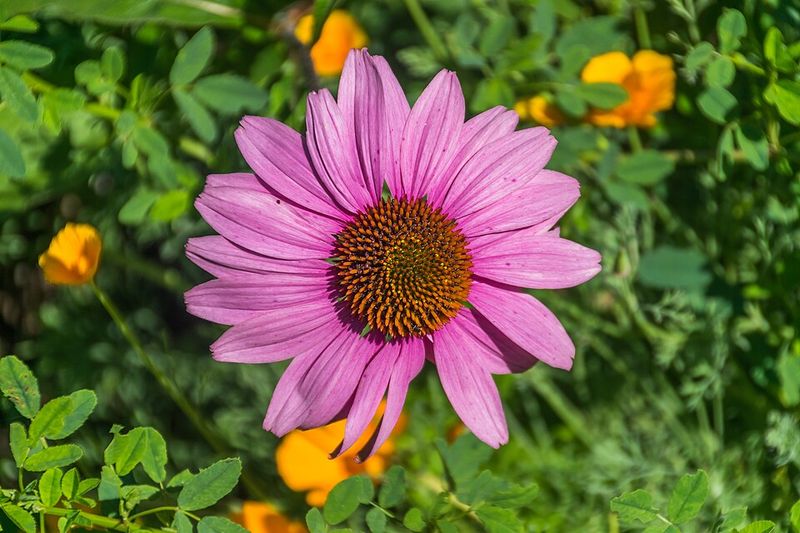
Purple coneflower brings that dependable midsummer color every busy gardener appreciates, and in Pennsylvania it settles in beautifully once roots are established. The blooms begin in early summer and can continue for many weeks, especially if you deadhead some flowers while leaving a few later seedheads for birds.
Their upright form adds structure, so the garden still looks intentional even during hotter stretches.
Full sun gives you the strongest stems and heaviest bloom, though a little afternoon shade is helpful in the warmest parts of the state. I usually suggest planting them in drifts rather than as singles because the color reads better from a distance and pollinators find them faster.
Butterflies flock to the flowers, and goldfinches show up later to pick at the seedheads, which makes the border feel alive well beyond peak bloom.
Good drainage matters more than rich soil, and overwatering does more harm than a little neglect. Every few years, divide crowded clumps or add fresh plants so the patch stays vigorous and full.
If you want a perennial that looks natural, handles Pennsylvania winters, and supports wildlife without becoming messy, coneflower deserves a permanent place.
Tickseed
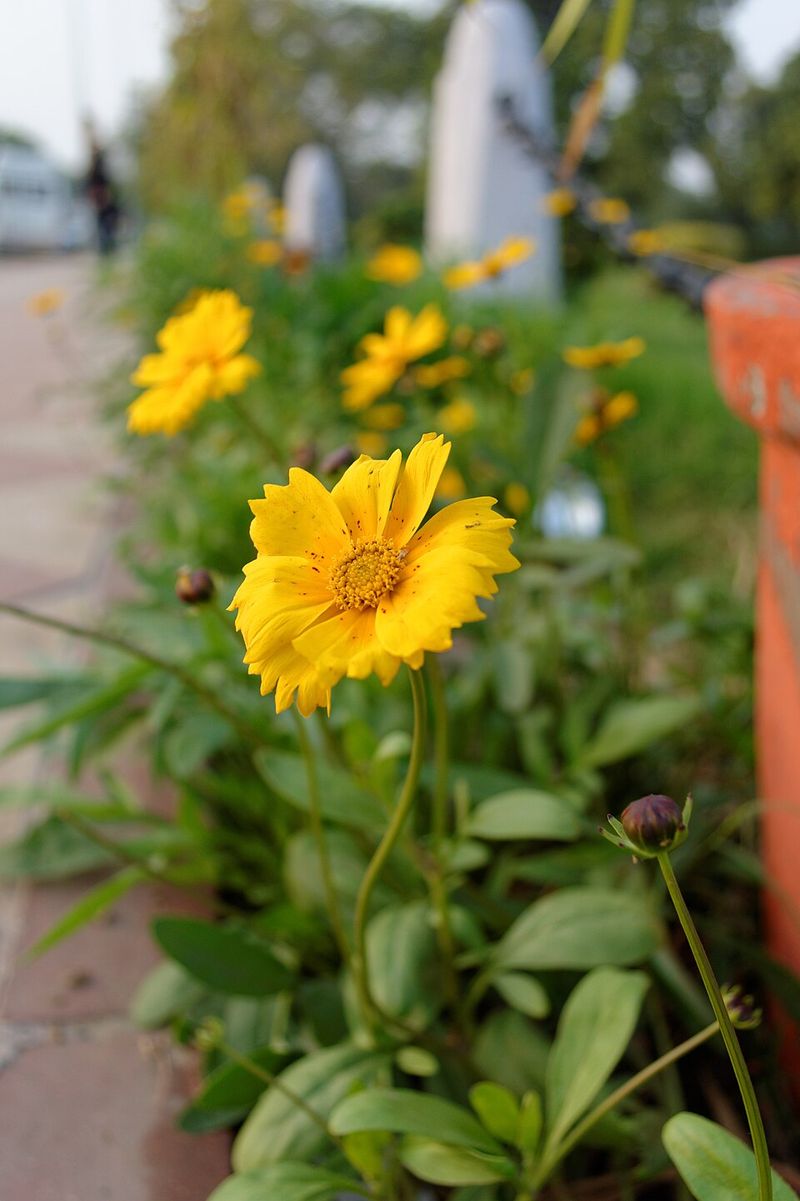
Bright, cheerful color for months is exactly what tickseed offers, and that makes it a favorite in Pennsylvania borders where summer beds can start fading too early. Many modern coreopsis varieties bloom from early summer into fall, covering themselves in yellow, gold, or bicolored flowers that keep the whole planting looking energized.
The fine foliage adds texture even when you are between bloom cycles.
Sun is essential if you want sturdy growth and nonstop flowers, but average soil is usually enough to keep plants happy. I like using tickseed near ornamental grasses, salvia, or purple coneflowers because the yellow tones play nicely against cooler colors and create a bright, balanced mix.
Deadheading helps, though newer varieties are productive enough that even casual gardeners still get a generous display.
Pennsylvania gardeners also appreciate how adaptable this perennial can be, especially in spots that do not get perfect irrigation. Avoid soggy areas in winter, since wet crowns cause more problems than summer heat.
If a plant gets tired by late season, a light trim and watering often encourage fresh growth and another wave of bloom, giving you one of the longest-performing flowers in the garden.
Black-Eyed Susan
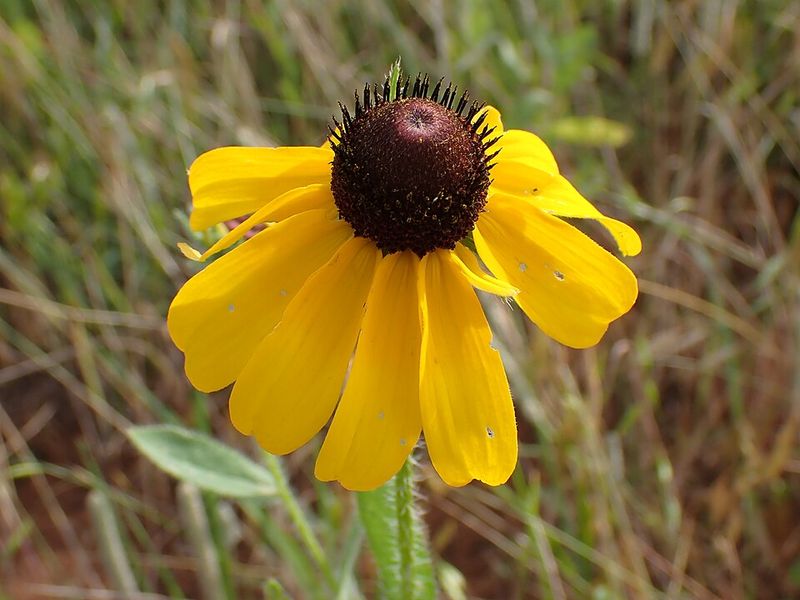
Late summer gardens in Pennsylvania often need a strong second act, and black-eyed Susan steps in right on time with glowing gold petals and dark centers. Blooming usually begins in midsummer and can continue well into fall, especially when plants are deadheaded and given enough sun.
The color reads from across the yard, which is useful when borders start blending together in August.
Full sun keeps plants compact and floriferous, while average garden soil is usually plenty. I like tucking them into mixed beds with asters, sedum, and ornamental grasses because they bridge the gap between peak summer color and the richer tones of autumn.
Pollinators use the flowers heavily, and seedheads can feed birds later if you leave a few standing.
You will get the best performance by spacing plants for airflow, since Pennsylvania humidity can encourage mildew in overcrowded patches. Dividing every few years helps older clumps stay vigorous and prevents the center from thinning.
For gardeners who want a classic native-friendly look with a very long bloom season, this is one of those dependable choices that never feels like a gamble.
Yarrow
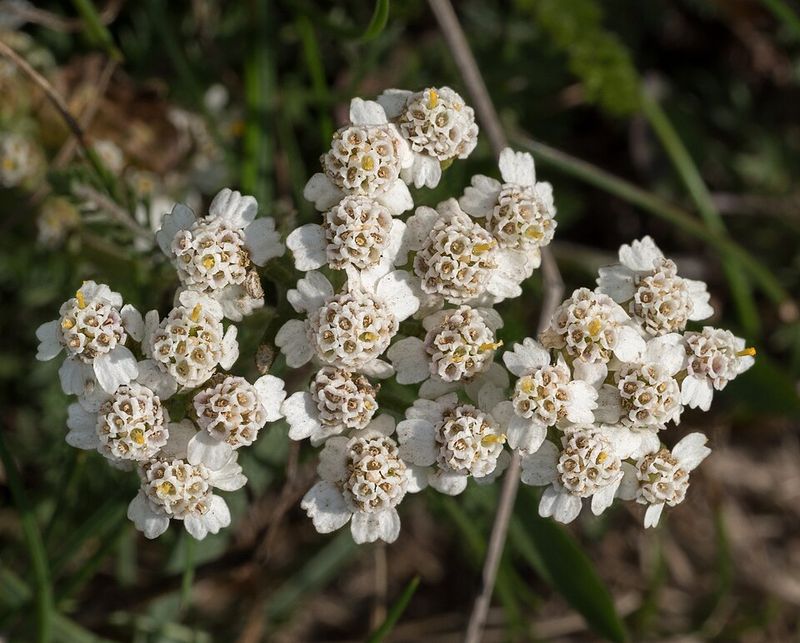
Yarrow has a practical side that really suits Pennsylvania gardens, especially if you are tired of babying plants through summer heat. Flat-topped flower clusters appear in early summer and keep coming for weeks, with colors ranging from classic yellow to soft peach, pink, red, and white.
The ferny foliage also gives beds a finer texture, which helps balance broader leaves nearby.
Dry, sunny spots are where this perennial shines, and it often performs better in lean soil than rich amended beds. I like planting it where irrigation is limited, such as driveway borders or open areas that bake by afternoon, because it still manages to look fresh when fussier plants wilt.
Pollinators work the blooms constantly, and the flower heads are useful for cutting or drying if you enjoy bringing a little garden color indoors.
Deadheading extends the display, though leaving a few faded heads later in the season can add structure. In Pennsylvania’s heavier soils, drainage matters, so avoid locations that stay wet through winter and early spring.
If you want long bloom, drought tolerance, and a plant that fills gaps with almost no complaint, yarrow is one of the easiest ways to keep color moving through summer.
Stella de Oro Daylily
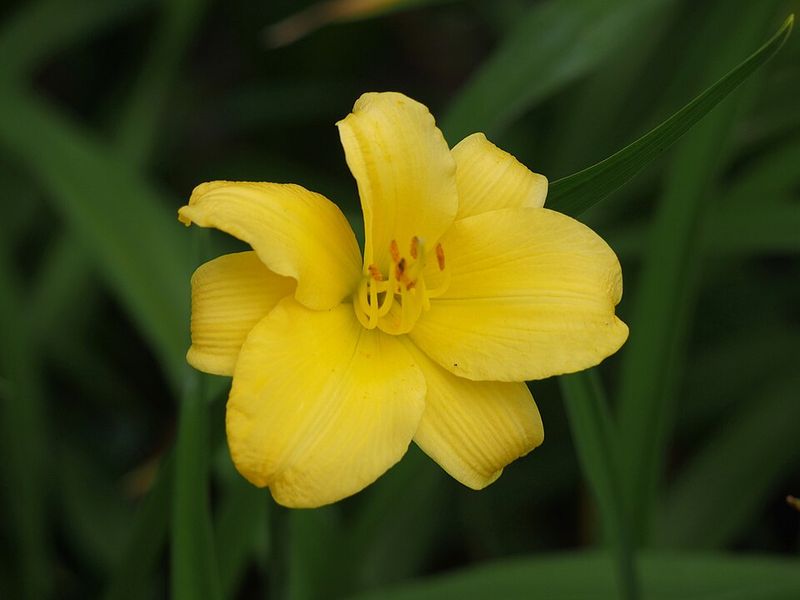
Many daylilies bloom briefly, but Stella de Oro changed expectations by offering repeat flowers over a remarkably long season. In Pennsylvania, you can count on buds opening from late spring or early summer well into late summer, sometimes longer if plants are watered during dry periods.
Compact growth and bright yellow flowers make it especially useful near walkways, foundation beds, and smaller borders.
Sun gives the strongest bloom, though a bit of afternoon shade can help flowers last in hotter inland spots. I usually recommend removing spent blooms every few days because it keeps clumps looking fresh and encourages more buds to take center stage.
The grassy foliage stays neat enough to anchor a planting, and the cheerful color mixes easily with purple salvia, blue catmint, or dark-leaved shrubs.
This perennial also handles Pennsylvania winters without fuss and adapts well to many soil types as long as drainage is decent. Divide congested clumps every few years if flowering starts slowing down or the center looks crowded.
For gardeners who want reliable color without the maintenance demands of more temperamental bloomers, Stella de Oro remains a hardworking classic that still earns its popularity.
Garden Phlox
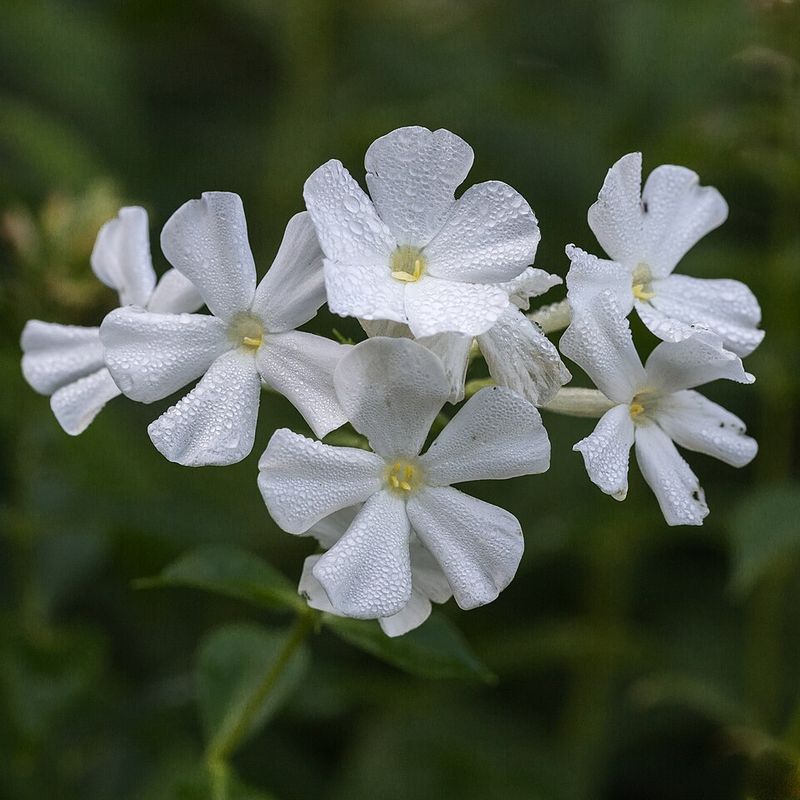
Summer borders feel fuller and more fragrant when garden phlox is in bloom, and the best mildew-resistant varieties can flower for many weeks in Pennsylvania. Large clusters in pink, white, lavender, and red appear from mid to late summer, filling that period when spring excitement is gone but fall color has not arrived yet.
It has a generous look that makes a bed seem established even when surrounding plants are still maturing.
Good airflow is the secret to success in Pennsylvania’s humid summers, so spacing matters just as much as sunlight. I like planting phlox toward the middle or back of a border where it can rise above shorter perennials, with companions like coneflowers, black-eyed Susans, and ornamental grasses hiding lower stems.
Butterflies visit constantly, and many selections carry a pleasant scent that makes evening walks through the garden noticeably better.
Water at the base rather than overhead whenever possible, and remove spent flower clusters to encourage a longer show. Choosing newer cultivars with improved disease resistance saves a lot of frustration, especially in gardens that struggled with powdery mildew before.
If you want a classic perennial that gives height, fragrance, and weeks of color during high summer, garden phlox is still a standout choice.
Shasta Daisy
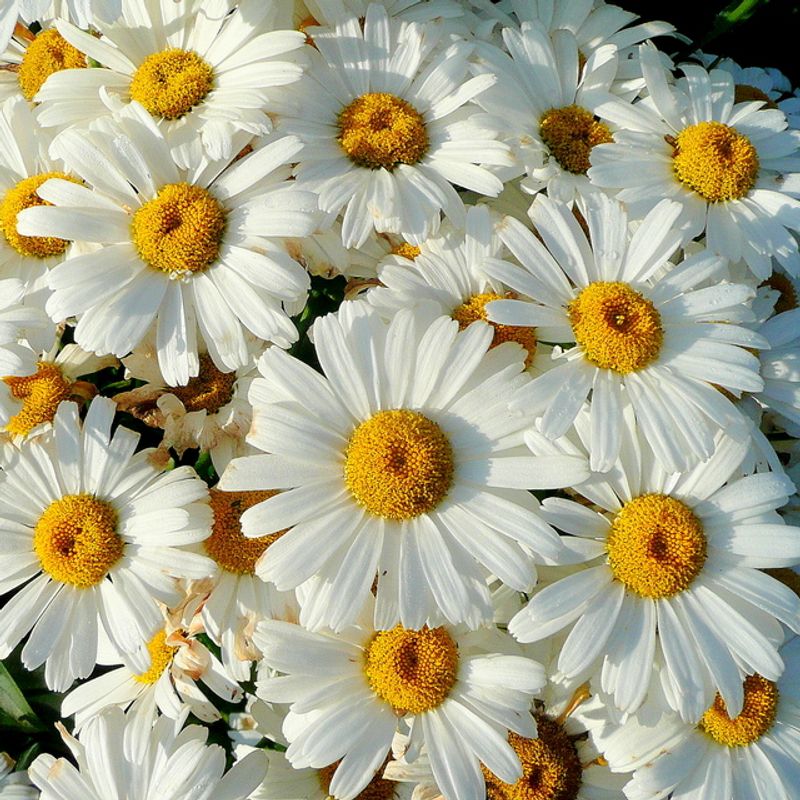
Crisp white flowers with sunny yellow centers have a way of cooling down a hot-looking summer border, and Shasta daisy does exactly that. Blooming usually starts in early to midsummer and can continue for weeks, especially if you cut spent flowers before seed sets heavily.
The upright stems and simple flower form make it easy to pair with almost any color palette.
Full sun is the main requirement, along with soil that drains well enough to prevent crown rot in winter. I like using Shasta daisy as a visual reset among stronger colors like red bee balm or orange blanket flower because the white petals give your eye a place to rest.
The blooms are also excellent for cutting, so one clump can brighten both the garden and your kitchen table.
In Pennsylvania, heavy wet soil can shorten its lifespan, so raised beds or improved drainage help a lot. Dividing plants every couple of years keeps them dense and prevents flowering from declining in the middle of the clump.
If your garden needs a long-blooming perennial that feels cheerful, clean, and easy to style with other favorites, Shasta daisy is one of the most versatile choices you can grow.
Russian Sage
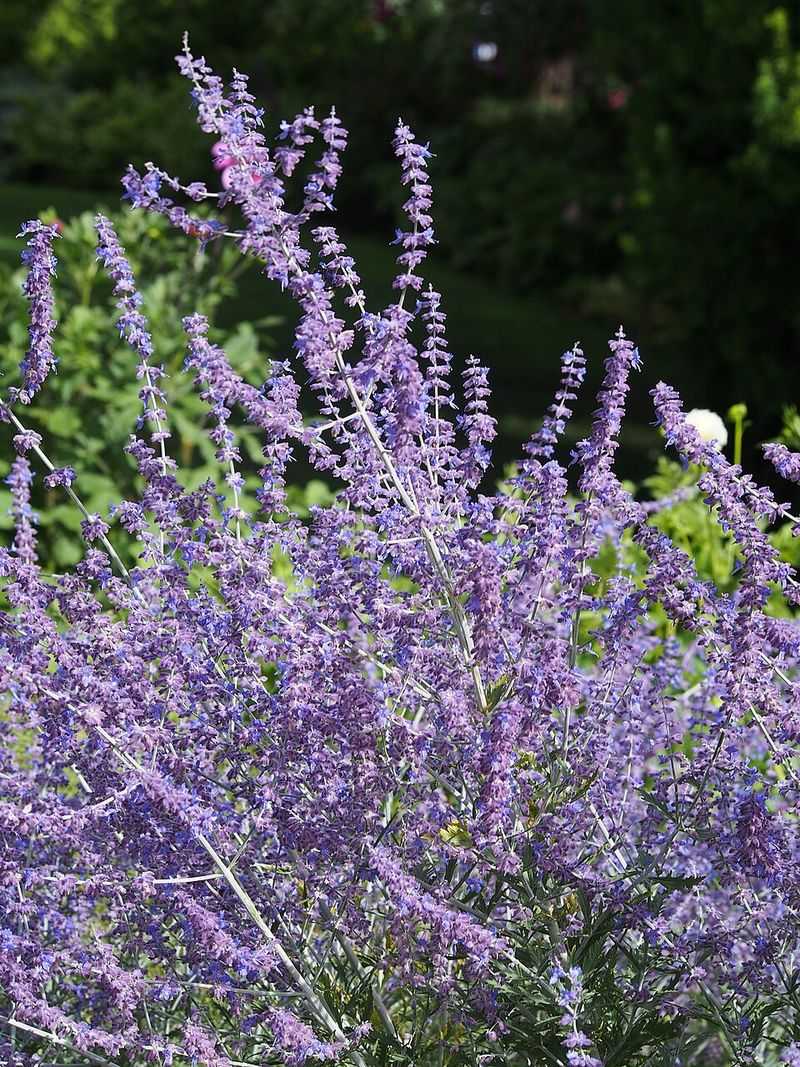
When summer turns hot and dry, Russian sage often looks better rather than worse, which is one reason Pennsylvania gardeners keep coming back to it. Clouds of lavender-blue flowers appear in midsummer and often continue into fall, hovering above silvery foliage that stays attractive for months.
The airy habit also adds movement, making a border feel lighter and more dynamic.
Dry, sunny locations are ideal, and this perennial appreciates soil that is not overly rich. I like placing it behind shorter mounding plants so the tall stems can rise through the planting and create that hazy ribbon of color people notice from the street.
Bees absolutely cover the flowers, and deer usually pass it by thanks to the aromatic foliage.
Drainage is important in Pennsylvania winters, so avoid spots where snowmelt and rain collect around the crown. Wait until spring to cut stems back, since the branching structure adds winter interest and helps protect the plant.
If you want something that blooms for a long stretch, tolerates heat, and keeps your border from feeling heavy in late summer, Russian sage is a remarkably dependable pick.
Blanket Flower
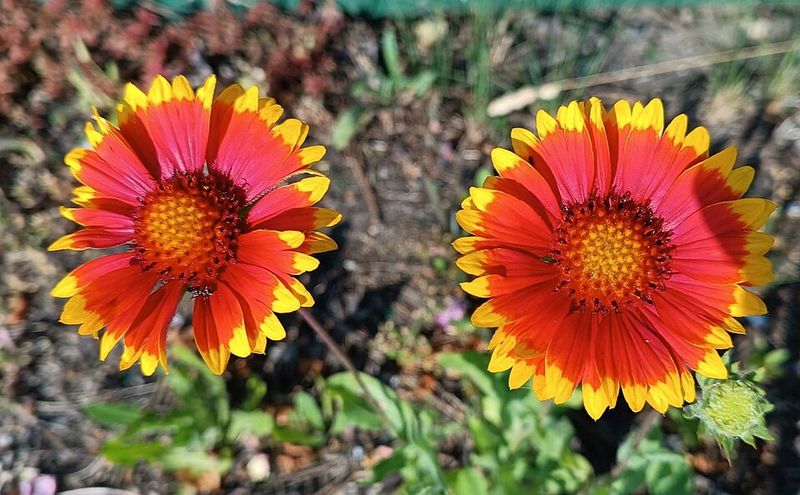
Blanket flower brings hot color to the garden without asking for much in return, and that is a pretty appealing trade in Pennsylvania summers. The red, orange, and yellow blooms begin in early summer and often continue until frost if plants are happy and regularly deadheaded.
Their daisy-like shape works especially well in sunny beds that need energy later in the season.
Lean soil and full sun suit this perennial best, which makes it useful in places where richer garden favorites tend to flop or fade. I often suggest it for front borders, mailbox beds, or dry patches near hardscaping because it thrives where reflected heat can be intense.
Bees and butterflies stop by frequently, and the warm tones pair beautifully with blue salvia or silver foliage.
In Pennsylvania, winter wet is a bigger issue than summer drought, so do not tuck it into dense, soggy ground. Short-lived plants can still reseed lightly or be replaced easily because they bloom so generously while they are in their prime.
If you want bold color from a perennial that laughs at heat and keeps flowering when many others take a break, blanket flower is a strong contender.
Hardy Geranium
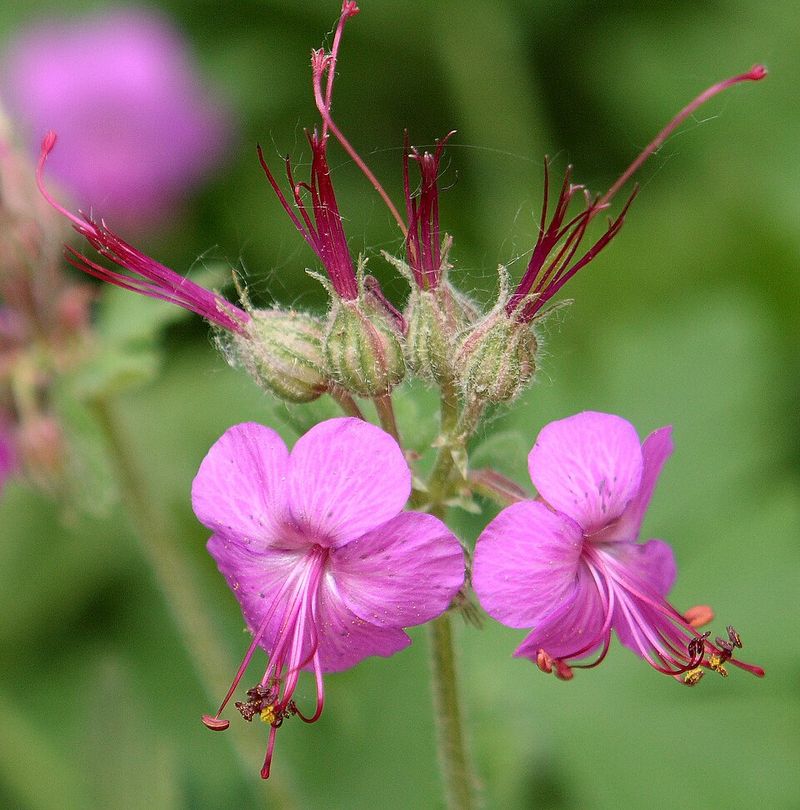
Hardy geranium is one of those quietly excellent perennials that fills gaps, suppresses weeds, and flowers longer than many gardeners expect. Depending on the variety, blooms can start in late spring and continue through summer, especially if plants are lightly trimmed after the first strong flush.
The mounded habit makes it useful at the front of borders where you need a soft edge rather than a stiff line.
Morning sun with some afternoon shade is often ideal in Pennsylvania, though several varieties handle full sun if soil moisture stays even. I like weaving cranesbill between roses, salvia, or daylilies because it covers bare stems and creates a fuller, more finished planting.
The leaves also stay attractive for much of the season, which matters when you are trying to keep a bed looking good between peak bloom periods.
A quick haircut after flowering can spark fresh foliage and often another round of blossoms. Most types are easygoing about soil as long as it is not waterlogged in winter, and established clumps need very little pampering.
If you want a perennial that works hard in the background while still contributing months of color, hardy geranium is one of the smartest fillers you can choose.
Speedwell
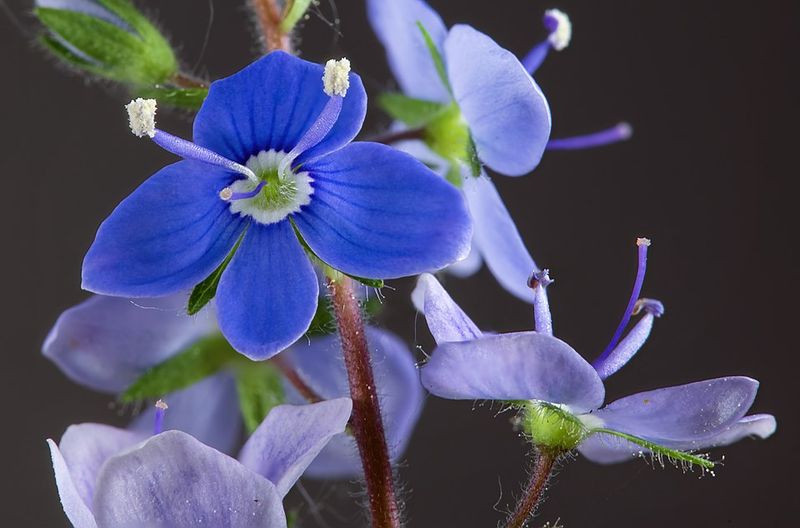
Speedwell gives you that neat, upright spike of color that helps a mixed border feel organized without looking stiff. In Pennsylvania gardens, many Veronica varieties bloom from early summer onward and produce extra flowers if you remove spent spikes promptly.
The intense blue, violet, pink, or white tones stand out especially well against broader foliage and looser, mounding plants.
Sun and well-drained soil are the basics, and shorter selections are particularly useful in smaller suburban gardens where oversized perennials can overwhelm a bed. I like planting speedwell with coreopsis, catmint, and Shasta daisies because the contrast in flower shape creates a more layered, intentional composition.
Pollinators visit readily, and the tidy habit makes it easier to maintain a crisp look along paths or patios.
Pennsylvania humidity means spacing should not be ignored, especially in richer soil where growth gets dense. If stems finish looking tired, cut the whole plant back lightly and give it a drink to encourage fresh growth and rebloom.
For gardeners who want strong color, a manageable footprint, and a perennial that keeps producing with just a little attention, speedwell is an easy, rewarding choice.
Bee Balm
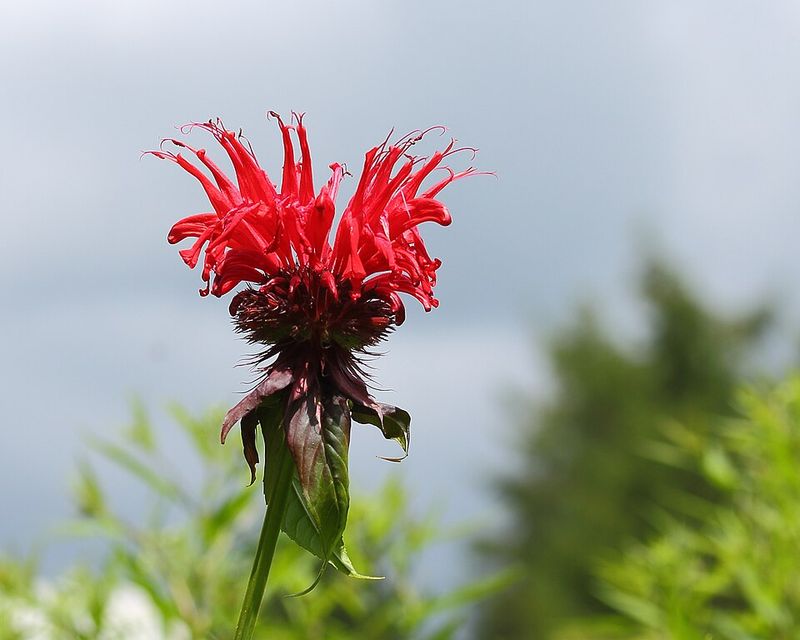
Few perennials create as much movement and wildlife activity as bee balm when it comes into bloom. In Pennsylvania, this native-friendly plant flowers through much of summer, drawing bees, butterflies, and hummingbirds with shaggy blooms in red, pink, purple, or white.
It brings a lively, informal energy that works especially well in pollinator gardens and mixed borders.
Moist but well-drained soil and full to partial sun give the best results, though good airflow is essential in humid areas. I usually place it where the garden can be enjoyed up close because the constant visitor traffic is half the reason to grow it.
Newer mildew-resistant cultivars are worth seeking out, especially if older kinds have frustrated you with spotted or tired-looking foliage by midsummer.
Deadheading extends flowering, and dividing every few years keeps clumps vigorous and prevents them from wandering too aggressively. In Pennsylvania’s richer soils, it can spread steadily, so give it room or pair it with equally confident neighbors.
If your goal is months of bold color plus nonstop pollinator action, bee balm offers a kind of summer excitement that few other perennials can match.
Scabiosa
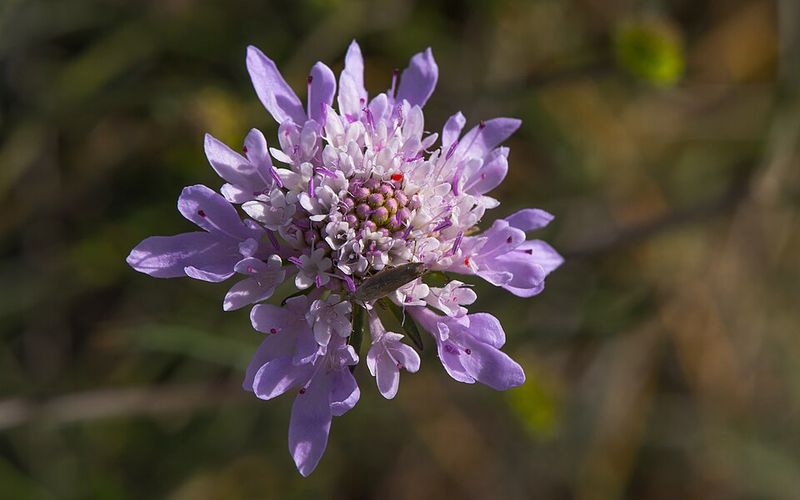
Scabiosa is a great choice when you want a perennial that keeps producing delicate-looking flowers far longer than its airy appearance suggests. Often called pincushion flower, it blooms from late spring into fall in favorable conditions, sending up waves of lavender, blue, pink, or white blossoms above compact foliage.
The flowers are small enough to feel refined but plentiful enough to make a real impact.
Full sun and sharp drainage matter most, particularly in Pennsylvania areas with heavier clay or wet winters. I like using scabiosa near paths, patio containers, or front borders where you can appreciate the details up close and snip flowers for small indoor arrangements.
Butterflies visit often, and regular deadheading keeps the plant in production instead of letting it coast too soon.
Because the stems are not bulky, this perennial slips nicely between roses, salvias, and lower grasses without crowding them. A little mulch helps moderate soil moisture, but avoid piling it over the crown where excess wet can cause trouble.
If you want long bloom from a plant that feels graceful rather than loud, scabiosa brings months of color in a very easy-to-place package.
Gaura
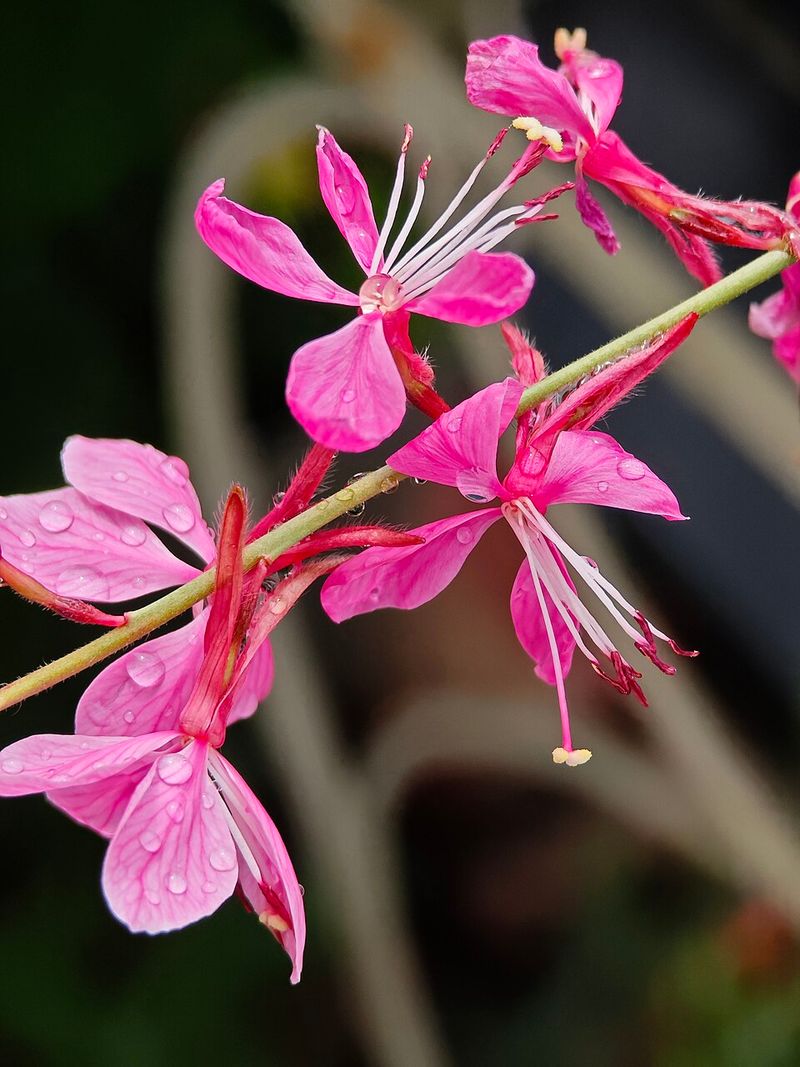
Gaura brings a floating, almost weightless quality to a garden, and that movement is especially welcome during the still heat of midsummer. The butterfly-like blooms open over a very long period, often from early summer into fall, creating a constant haze of white or pink on wiry stems.
It never looks heavy, so it is perfect for softening denser plantings.
Sun and excellent drainage are essential, particularly in Pennsylvania where winter wet can be harder on this perennial than summer drought. I like weaving gaura through bold companions like coneflowers, black-eyed Susans, or dark-leaved heucheras because the airy bloom habit keeps the whole border from feeling too solid.
Once established, it handles dry spells well and rarely asks for much attention.
A hard trim is not usually necessary during peak season, but removing tired stems can freshen the plant and encourage more bloom. In colder pockets of the state, good siting matters, so avoid low areas where freeze-thaw cycles are roughest.
If your garden needs a long-blooming perennial that adds motion, lightness, and a more natural look without turning unruly, gaura is a beautiful solution.
Autumn Joy Sedum
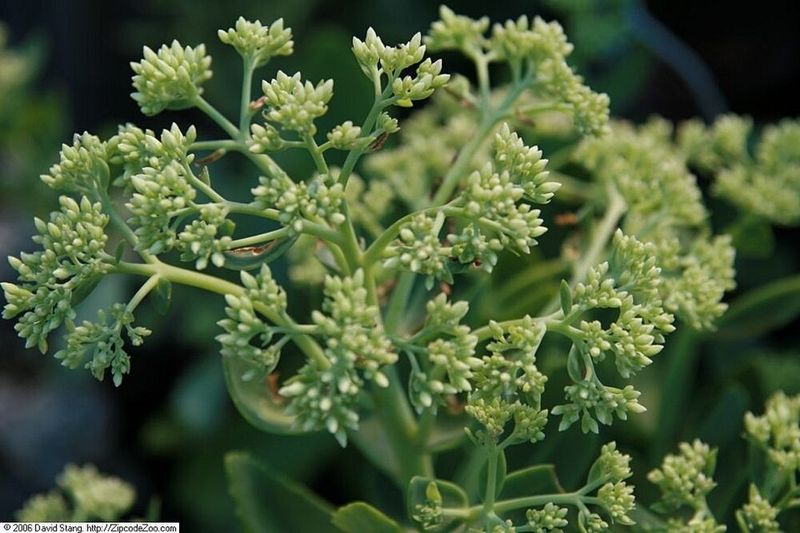
Autumn Joy sedum earns its place by looking good long before flowers open and then carrying color deep into fall. Fleshy blue-green foliage forms neat mounds through spring and summer, followed by flat clusters that shift from pale pink to rosy red and finally rich copper.
That gradual color change gives Pennsylvania gardens a long decorative window instead of a single short performance.
Full sun and well-drained soil are the keys, and this plant is especially useful in spots that dry out quickly. I like pairing it with ornamental grasses, asters, and black-eyed Susans because it starts as a quiet backdrop and then takes over visually just as earlier bloomers begin to fade.
Bees crowd the flowers in late summer, and the dried seedheads keep their shape well into winter.
Too much shade causes floppier growth, so choose an open location if possible. In richer soil, a simple spring pinch can keep stems shorter and sturdier, though many gardeners skip it and still get a solid display.
If you want a perennial that bridges summer and autumn with almost no maintenance, Autumn Joy sedum is one of the most reliable investments you can make.
Japanese Anemone
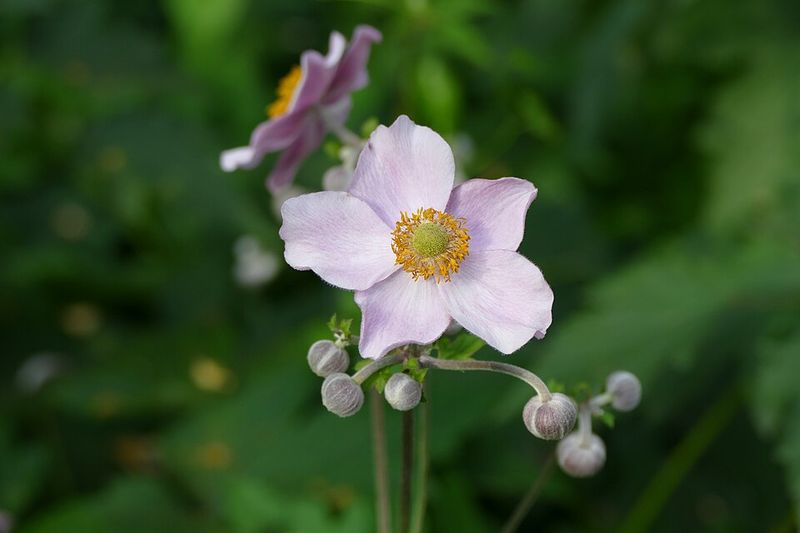
By late summer, many borders need something fresh, and Japanese anemone arrives at exactly the right moment. Graceful pink or white flowers rise on tall stems and continue into fall, bringing a lighter, more refined look than the bold tones of midsummer perennials.
In Pennsylvania gardens, that late-season bloom can make the difference between a border that feels finished and one that looks tired.
Part shade is often ideal, especially in warmer inland locations, though morning sun helps flowering stay abundant. I like planting it where the flowers can catch low autumn light, such as near patios, fences, or the back of mixed borders with hostas and hardy geraniums at the base.
Once established, the clumps expand steadily and create a lovely colony effect without a lot of maintenance.
Moist, well-drained soil gives the best performance, and a mulch layer helps conserve moisture through summer. In Pennsylvania’s colder zones, a sheltered site can help young plants settle in more reliably over winter.
If you are trying to extend color beyond the usual summer peak and want a perennial that feels elegant rather than flashy, Japanese anemone is a beautiful way to keep the garden alive into autumn.
Aster
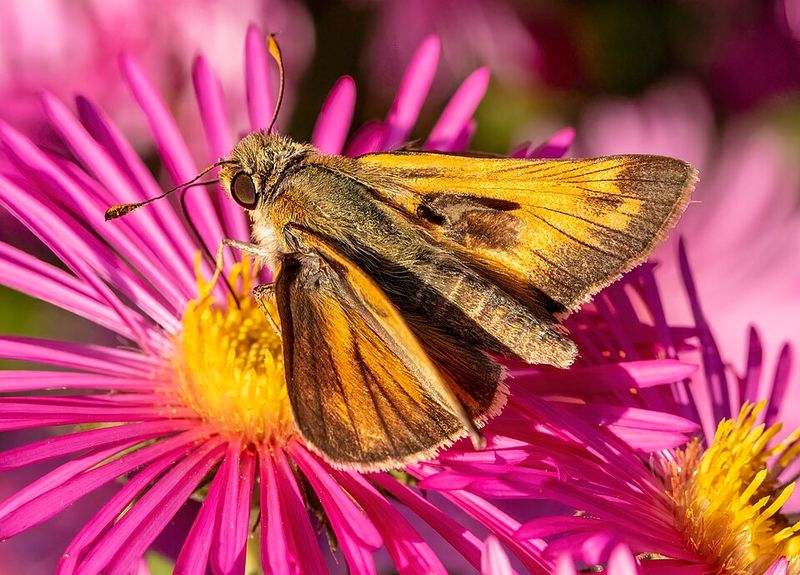
Asters are the kind of plants that make autumn gardens feel intentional instead of leftover. Their daisy-like flowers open in late summer and keep going into fall, covering plants in purple, blue, pink, or white right when many earlier perennials have already slowed down.
In Pennsylvania, that timing is especially valuable because it lines up with cooler nights and a second burst of garden energy.
Sun is best for the heaviest bloom, though some afternoon shade is fine in hotter areas. I like mixing asters with sedum, ornamental grasses, and black-eyed Susans because the combination captures that classic late-season look without seeming too busy.
Pollinators depend on them heavily, so a patch of asters adds real ecological value while still looking like a deliberate design choice.
Pinching stems once or twice before midsummer keeps plants shorter, fuller, and less likely to flop. Good spacing matters in Pennsylvania humidity, particularly with older varieties that can get dense by late season.
If your goal is to keep flower beds colorful after Labor Day and support bees at the same time, asters are among the most rewarding long-blooming perennials you can plant.
Dianthus
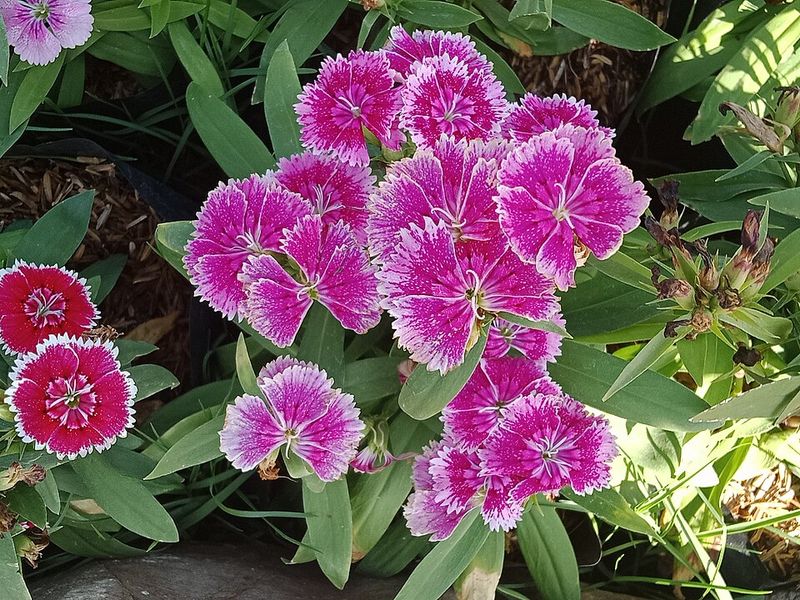
Dianthus brings neat foliage, spicy fragrance, and a surprisingly long bloom window to Pennsylvania gardens, especially when you choose modern repeat-flowering varieties. The fringed flowers in pink, rose, white, or red often begin in late spring and continue on and off through summer with regular deadheading.
Blue-green leaves form tidy mats that stay attractive even when the plant is between flushes.
Excellent drainage is the real priority here, because crown rot is a bigger risk than cold in many Pennsylvania gardens. I like using dianthus along path edges, in rock gardens, or near seating areas where the fragrance can be noticed instead of wasted.
The compact size also makes it useful for small-space gardeners who still want dependable perennial color without a sprawling habit.
A light trim after the first major bloom encourages a cleaner look and often another round of flowers. Avoid thick mulch over the crown, and give plants plenty of sun so foliage stays dense rather than open and floppy.
If you want a perennial that reads crisp, colorful, and polished for months, dianthus is one of the easiest ways to add a steady edge of bloom.
Threadleaf Coreopsis
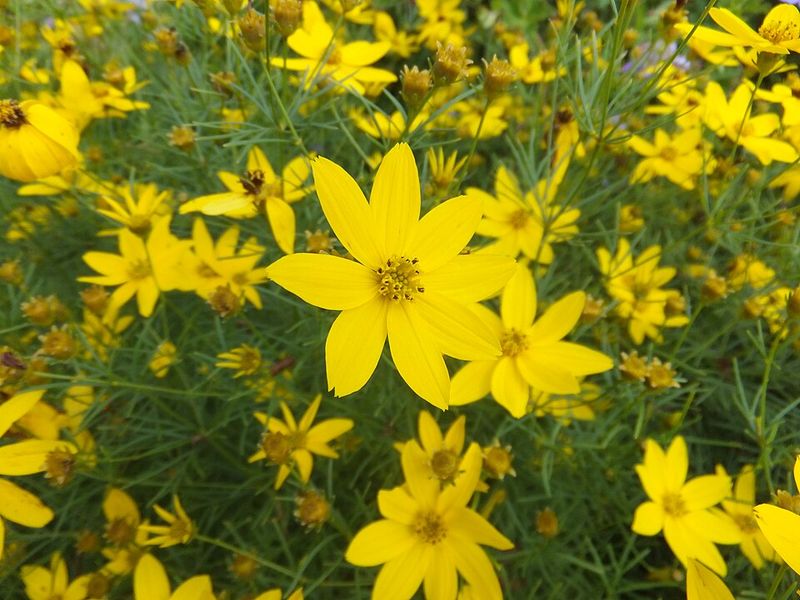
Threadleaf coreopsis offers a softer, airier look than many bold summer flowers, but its bloom power is anything but delicate. Fine foliage creates a feathery mound, then bright yellow flowers appear for weeks and often months, especially if plants are sheared lightly after the first flush.
In Pennsylvania gardens, it is excellent for keeping borders lively without adding visual heaviness.
Full sun gives the strongest flowering, and average to lean soil usually produces the best habit. I like placing it near purple coneflower, salvia, or low shrubs because the airy texture acts like a visual bridge between stronger shapes.
It also works well in informal plantings where you want a long season of color that still feels relaxed and natural.
If the plant starts looking worn in midsummer, cut it back by about one-third and water it deeply once or twice. That simple reset often brings fresh foliage and another round of bloom that carries well into late season.
For gardeners who want a perennial with a gentle texture, cheerful color, and a reliable repeat performance in Pennsylvania conditions, threadleaf coreopsis is a really smart addition.
Lavender
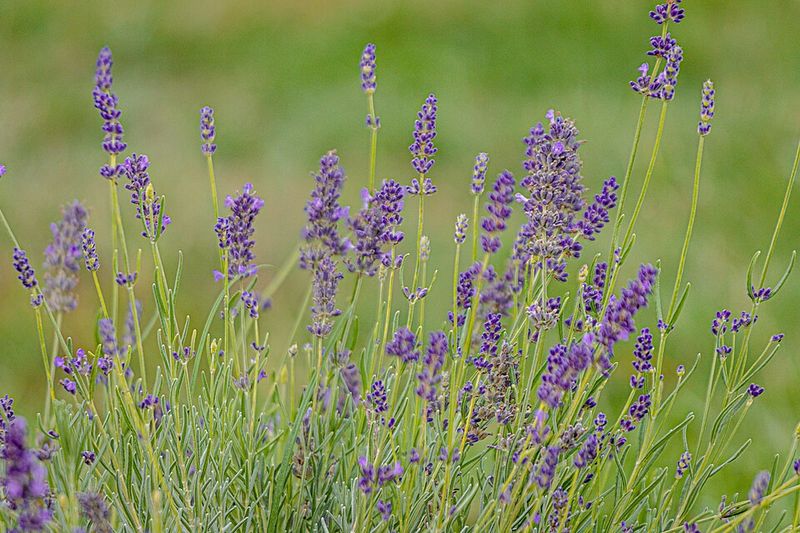
Lavender can be a little particular in Pennsylvania, but when you give it the right spot, the payoff lasts well beyond its first bloom. Flowers appear in early summer, and many varieties offer a second lighter flush if you trim plants promptly after flowering.
Even when blooms are finished, the silver foliage and fragrance keep contributing to the garden for months.
Drainage is everything here, so raised beds, sandy soil, or gravelly slopes are far better than heavy, damp ground. I like planting lavender near walkways, patios, or sunny entrances where brushing past releases that clean scent you instantly notice.
Bees work the flowers constantly, and the upright purple spikes pair beautifully with roses, catmint, and other cottage-style favorites.
Winter survival improves when crowns stay dry, so skip heavy mulching and avoid overwatering once plants are established. In colder parts of Pennsylvania, choose hardy varieties like ‘Munstead’ or ‘Hidcote’ and give them a protected, sunny location.
If you are willing to match the plant to the site instead of forcing it into a wet bed, lavender rewards you with elegant color and fragrance over a long season.