
This Grass That Looks Harmless Is Quietly Choking Out Pennsylvania’s Woodland Wildflowers
Follow us on Google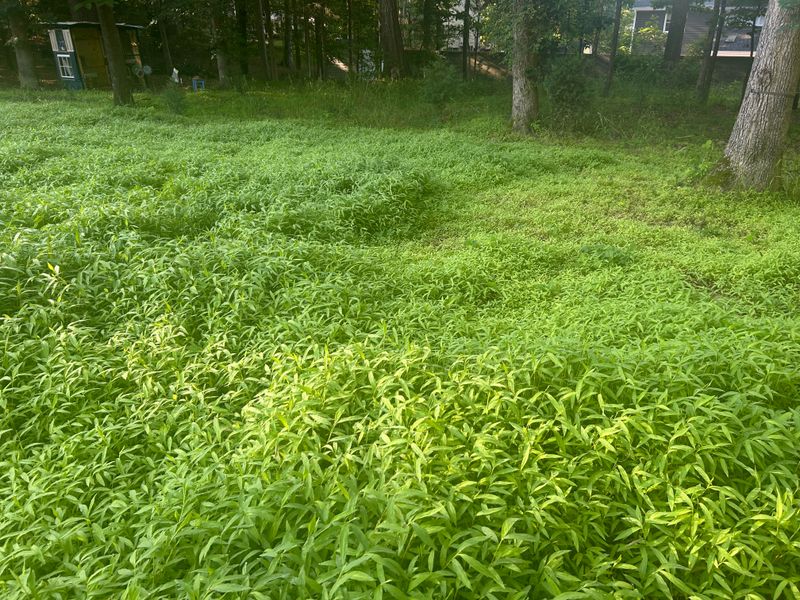
You walk the shady edge of your Pennsylvania yard on a damp August morning and notice a soft, pale-green carpet where trilliums and ferns used to be. That innocent-looking grass is probably Japanese stiltgrass, and dense patches of it can crowd out native plants.
It spreads quietly, and it does not look like much until it has taken over. Here is how to spot it, slow it down, and stop it before it sets seed.
Look for the Silvery Stripe
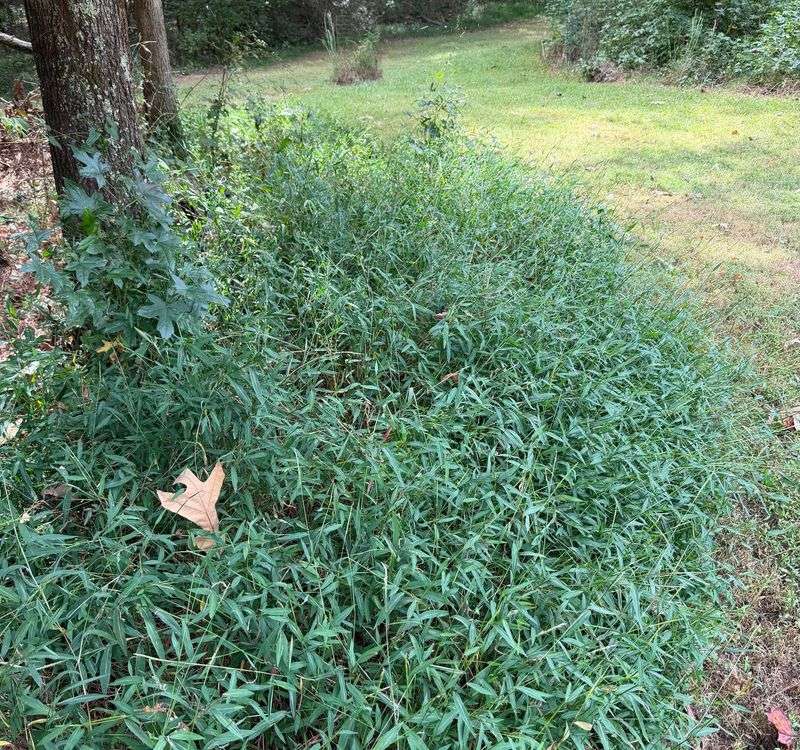
Picture a sprawling mat of thin, pale-green blades creeping along a shady path. It looks like ordinary lawn grass, which is exactly how it gets away with so much.
The giveaway is a silvery stripe of shiny hairs running down the middle of each leaf. Tilt a blade toward the light and the stripe flashes.
Pennsylvania DCNR describes narrow leaves, sprawling stems, and plants that reach roughly 1 to 3 feet tall, with flower spikes showing up in September.
Here is where it gets tricky. Native Virginia cutgrass, Leersia virginica, is a look-alike, but it lacks the silvery stripe.
Pennsylvania iMapInvasives points out this difference, so it is worth checking before you pull anything.
So do not yank every grass that seems similar. Check several plants, look at the stripe in good light, and notice the sprawling habit.
Do not rely on one feature or one season, since flower spikes only appear late in the year.
If you are still unsure, snap a photo and ask your county Extension office. Knowing what you have is the first win.
How Dense Patches Affect Woodland Plants
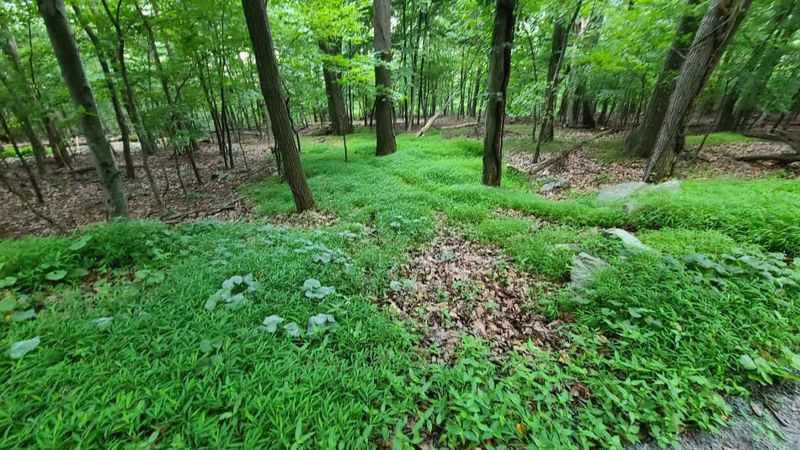
Many people assume a grass this soft could not hurt anything. Yet it thrives in shady, moist woods and disturbed edges, the same places native wildflowers and tree seedlings need.
Once a patch gets thick, it can reduce light reaching the ground and compete with native plants for space. Think of it as a green blanket pulled over the forest floor.
One field study in Tennessee, summarized in a USDA Forest Service research record, found that greater stiltgrass cover went along with fewer native woody seedlings and less variety among them. That is a finding about tree and shrub seedlings in one forest, not a proven loss of wildflowers everywhere.
Results differ from site to site. A 2024 field experiment also looked at how stiltgrass affects resident plant diversity, and the takeaway is that it can change understory communities rather than wipe them out uniformly.
Pennsylvania DCNR lists it among the state’s invasive plants.
For your yard, the practical meaning is simple. If you have a wooded edge with native plants you love, a growing stiltgrass patch is worth acting on early.
How It Spreads Around a Property
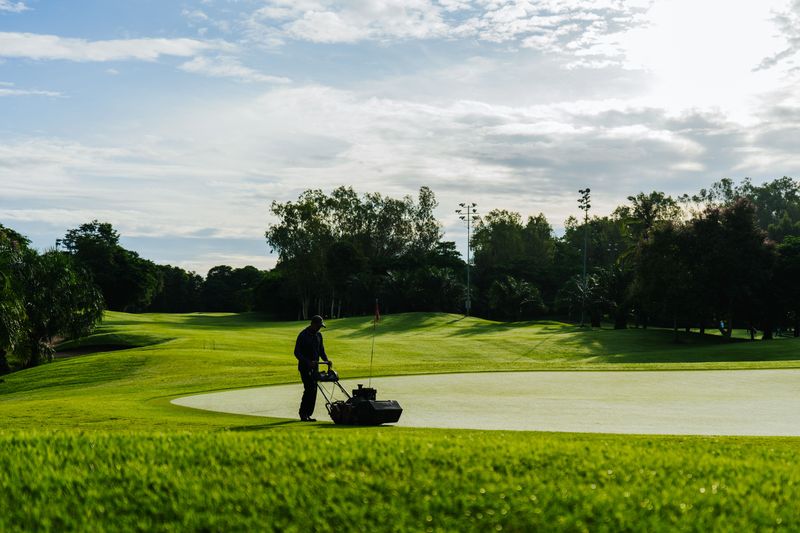
Stiltgrass has a sneaky travel plan, and you may be part of it. Seeds can ride in water, in mud stuck to your boots, and on mowers or other equipment.
Penn State Extension reports that a plant may produce up to 1,000 seeds in a year. Treat that as an estimate, not a promise for every plant, but it shows why one missed patch can matter.
Seed is the main route, but not the only one. Pennsylvania iMapInvasives notes that stems can also root at their nodes, the little joints along the stem.
Penn State’s lawn guidance describes similar creeping growth.
So the fix is mostly about habits. After working in an infested patch, brush off your shoes, check treads and cuffs, and clean mowers or trimmers before moving to a clean area.
Also avoid carrying soil or pulled plants into spots that are still stiltgrass-free. Bag the pulled material instead of tossing it at the edge of the woods.
A two-minute boot check at the end of a job can protect the rest of your yard.
When to Pull a Small Patch
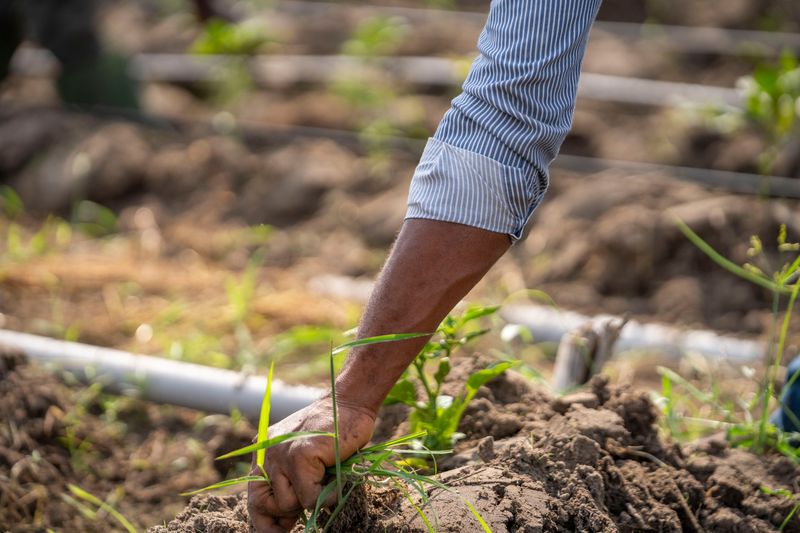
Good news for small patches: the roots are shallow, so hand-pulling genuinely works. The tricky part is timing, because the advice varies with the setting.
For a few plants in a lawn, Penn State’s lawn guidance says you can pull them after they emerge in spring. For broader areas, Penn State’s management advice suggests delaying mechanical work until June to avoid triggering another flush of seedlings, then finishing before seedheads emerge.
Pennsylvania DCNR recommends late-summer removal when plants are just about to flower. Treat that as a general guide, not a guarantee.
NC State Extension cautions that some flowers may produce seed before they are visible.
So do not wait for flower spikes to show up. Look at your site and the plant stage, confirm what you have, and remove it as early as practicable.
Pull when the soil is moist, get the whole plant, and bag it. There is no single statewide date, and that is okay.
Use Mowing to Limit Seed Production
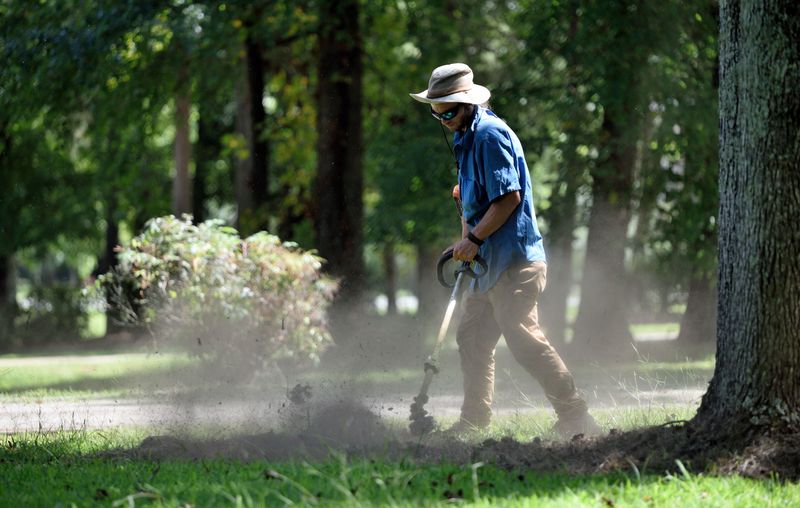
A lawn mower can be a real ally, as long as you match the method to the place.
In lawns, Penn State recommends frequent mowing to prevent seedheads from forming. If seedheads are present, bag the clippings so you are not scattering seed across the yard.
Outside the lawn, things change. According to Penn State’s broader guidance, mowing can leave stem nodes behind that regrow.
Cutting at ground level with a string trimmer may work better in those spots.
Either way, these are ways to reduce seed production, not a one-season cure. Expect to cut again as new growth appears, and keep an eye on the patch through the growing season.
Clean the mower or trimmer before you move on to a clean area. Otherwise your tools can become the delivery truck.
Think of mowing as one layer of your plan, paired with careful pulling and follow-up checks.
Choose Herbicides for the Site
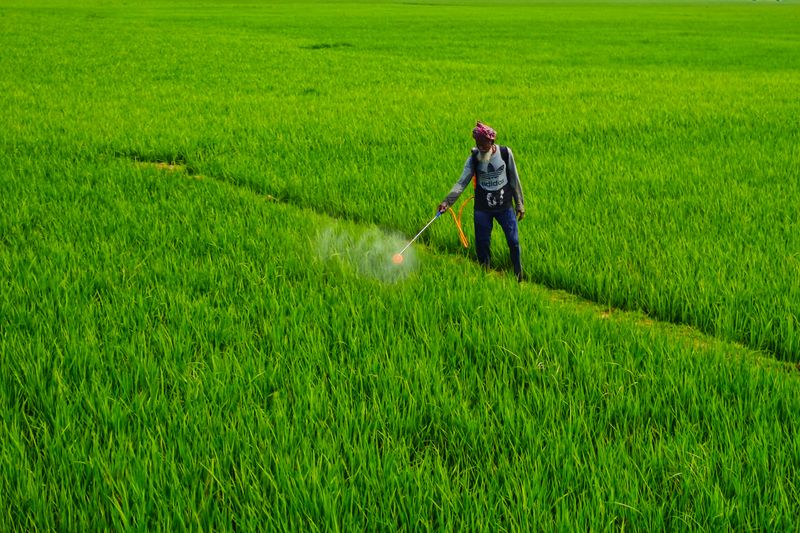
Reaching for a sprayer feels like the quick fix. It is better treated as a careful option for certain sites, not the default.
Penn State Extension lists herbicide options for different settings and stresses that the product label matters, including whether the product is approved for the site you are treating.
Some herbicides are nonselective, meaning they can harm desirable plants along with the stiltgrass. UConn Extension echoes the need for care, and Pennsylvania DCNR covers control options for the state.
Wetland areas require products labeled for wetland use.
Do not copy rates or directions meant for a forest, roadside, pasture, or other non-home setting. A yard is a different job.
Follow the current product label, and call your local Extension office when you are unsure. Avoid spraying near desirable grasses, wetlands, or water.
A herbicide may need repeating, just like pulling and mowing. Used with care, it is one tool in the toolbox.
Check the Area Again Next Season
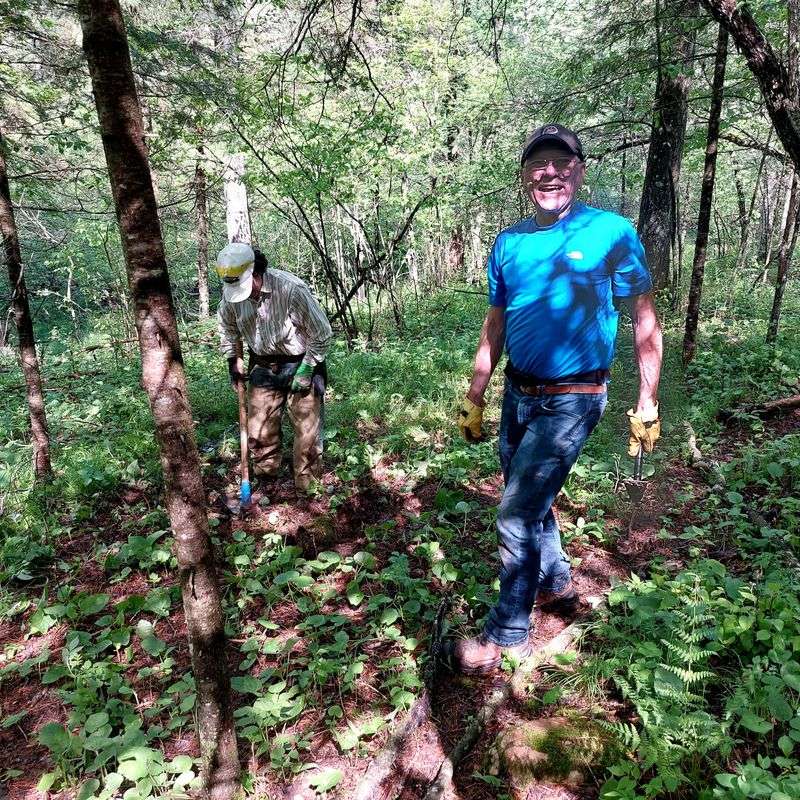
Here is the honest part: one good season rarely finishes the job. Seeds already in the soil can sprout later, so a cleared patch still deserves a second look.
Sources do not agree on how long seeds last. Penn State says up to five years, while UConn Extension and others report five or more.
An Illinois assessment summarizes studies reporting shorter persistence in some conditions.
So skip the fixed timeline. Walk the area each season, pull new confirmed plants before they make seed, and keep cleaning your shoes and equipment.
NC State Extension likewise calls for repeated follow-up.
Mark your calendar for a quick check in late spring and again in summer. Small, steady visits beat one big push.
Repeated attention can genuinely shrink a patch and protect the native plants beside it. Stiltgrass is patient, but you can be patient too.
