
Michigan Property Owners Should Think Twice Before Cutting These 10 Trees
Follow us on Google
That tree in your yard may be doing far more work than you realize. In Michigan, certain species support wildlife, protect soil, cool your home, and can even boost property value in ways a quick removal never will.
Before you call for a chainsaw, it pays to look at what you might lose. A little patience now could save you money, shade, and regret later.
White Oak
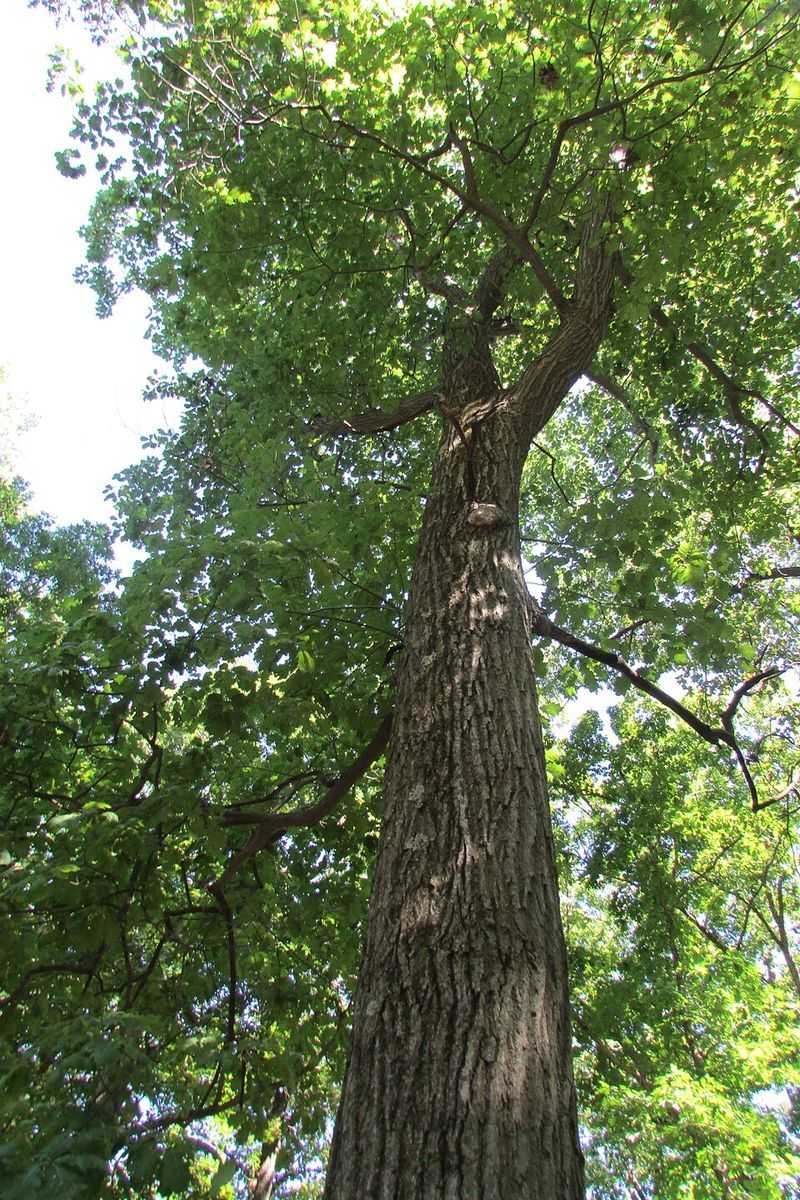
A mature white oak can take generations to become what it is, which is why cutting one deserves a serious pause. Around Michigan homes, these trees provide deep shade, strong curb appeal, and a level of character that younger plantings simply cannot replace.
You are not just removing a trunk and branches – you may be erasing a century of growth.
Wildlife value is another big reason to slow down. Acorns feed deer, turkeys, squirrels, and countless other animals, while the canopy supports caterpillars and songbirds that rely on native oaks for food and shelter.
If your yard feels lively in fall, there is a good chance this tree is doing much of that work.
There is also the money side. Large oaks can raise property desirability, lower cooling costs, and add visual balance that buyers notice immediately, even if they cannot explain why the lot feels established and comfortable.
Replacing that effect with a small ornamental tree usually takes decades.
If limbs worry you, start with an arborist instead of a removal crew. Pruning, cabling, and health testing often solve the real problem, especially after storms or during home improvement projects.
A thoughtful assessment can show you that keeping the tree is the smarter move.
Sugar Maple
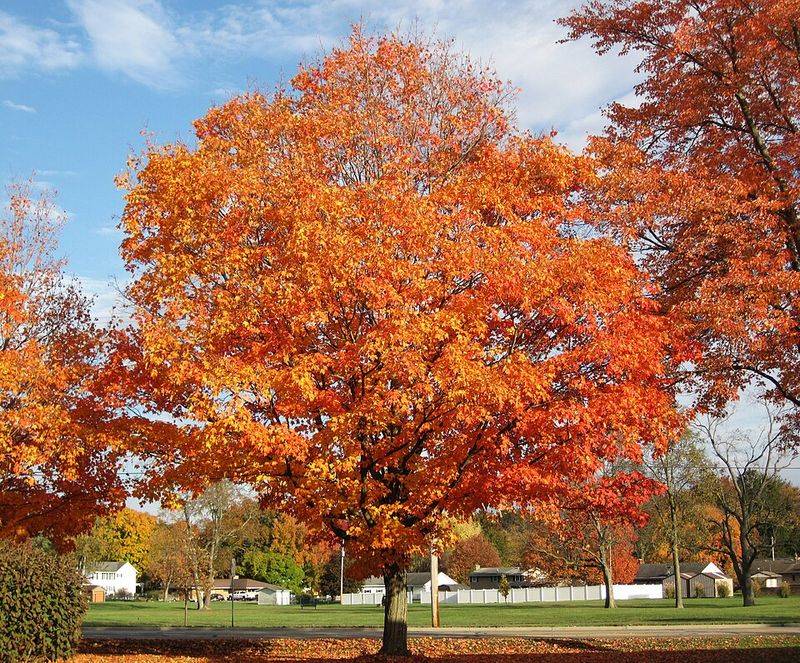
Few trees define a Michigan yard quite like a sugar maple, and that familiarity can make people underestimate its value. A healthy specimen offers dense summer shade, stunning fall color, and a stately shape that frames a house beautifully from the street.
Once it is gone, the emptiness tends to feel bigger than expected.
These trees also work hard for your comfort. Broad leaves cool patios, reduce afternoon heat on siding and windows, and soften wind exposure around open lawns.
You might notice the difference on your utility bill only after removal, when sun starts hammering the house and yard.
Roots are often blamed for problems that have other causes, so it helps to verify concerns before making an irreversible cut. Surface roots near old sidewalks or driveways can sometimes be managed with selective repairs, mulching, or path adjustments rather than full removal.
An arborist can tell you if the tree is truly dangerous or just inconvenient.
There is also the emotional and neighborhood piece. Kids remember climbing maples, neighbors look forward to their color every October, and established trees give older Michigan blocks their identity.
If safety is not urgent, careful pruning and monitoring usually make more sense than removing one of the landscape’s biggest assets.
Eastern White Pine
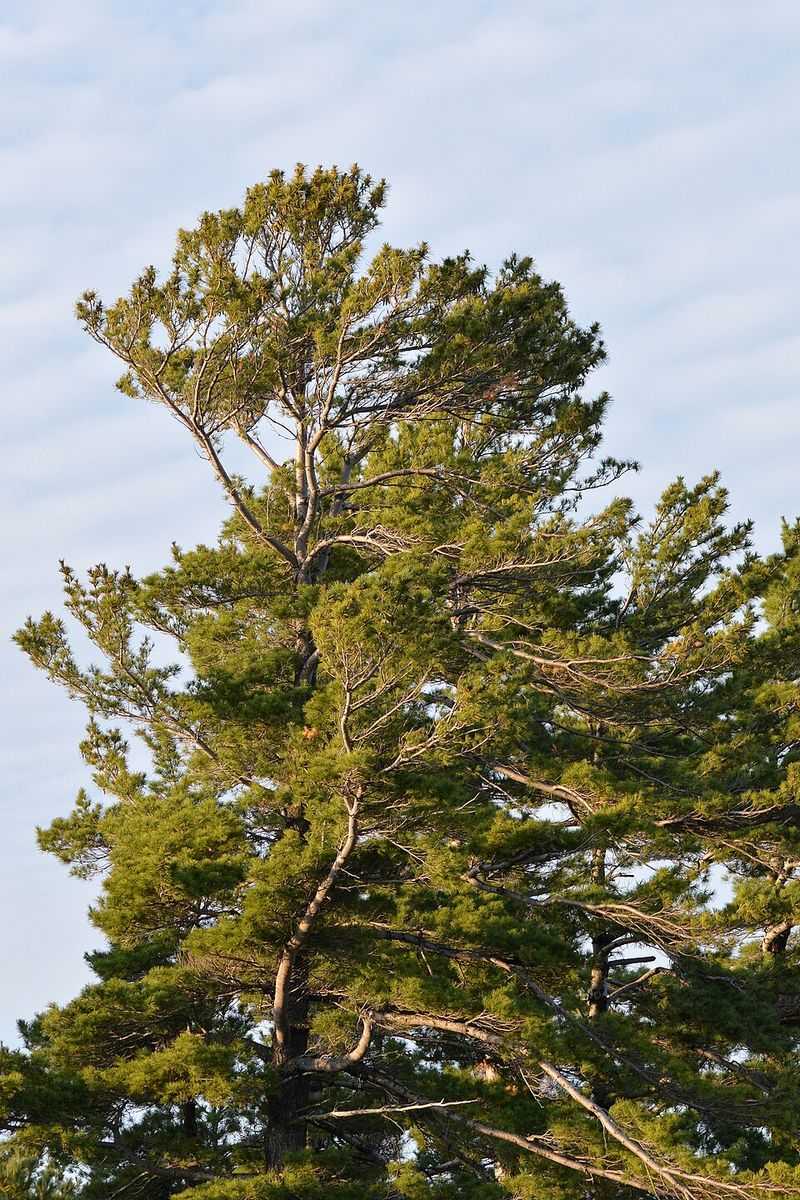
When an eastern white pine starts dropping needles or swaying in the wind, homeowners sometimes assume it should come down. That reaction is understandable, but these towering evergreens are among the most important and recognizable trees in Michigan.
Their height, year-round screening, and soft texture bring a sense of maturity that younger evergreens rarely match.
Privacy is one of the biggest benefits you lose. A row of white pines can block traffic noise, winter wind, and direct views into your yard far better than a fence, especially on larger lots or lake properties.
Once removed, rebuilding that natural wall takes many years and usually a lot of money.
They also serve wildlife through every season. Birds shelter in the branches during storms, and the canopy gives cover to species that struggle in more open suburban landscapes.
Even in winter, when deciduous trees offer little protection, these pines keep your property feeling alive and buffered.
If you are worried about storm breakage, the answer may be selective thinning or structural evaluation, not total removal. White pines can shed interior needles naturally, and some movement in wind is completely normal.
Before you cut a tree that anchors the entire landscape, get a professional opinion on its actual condition.
American Beech
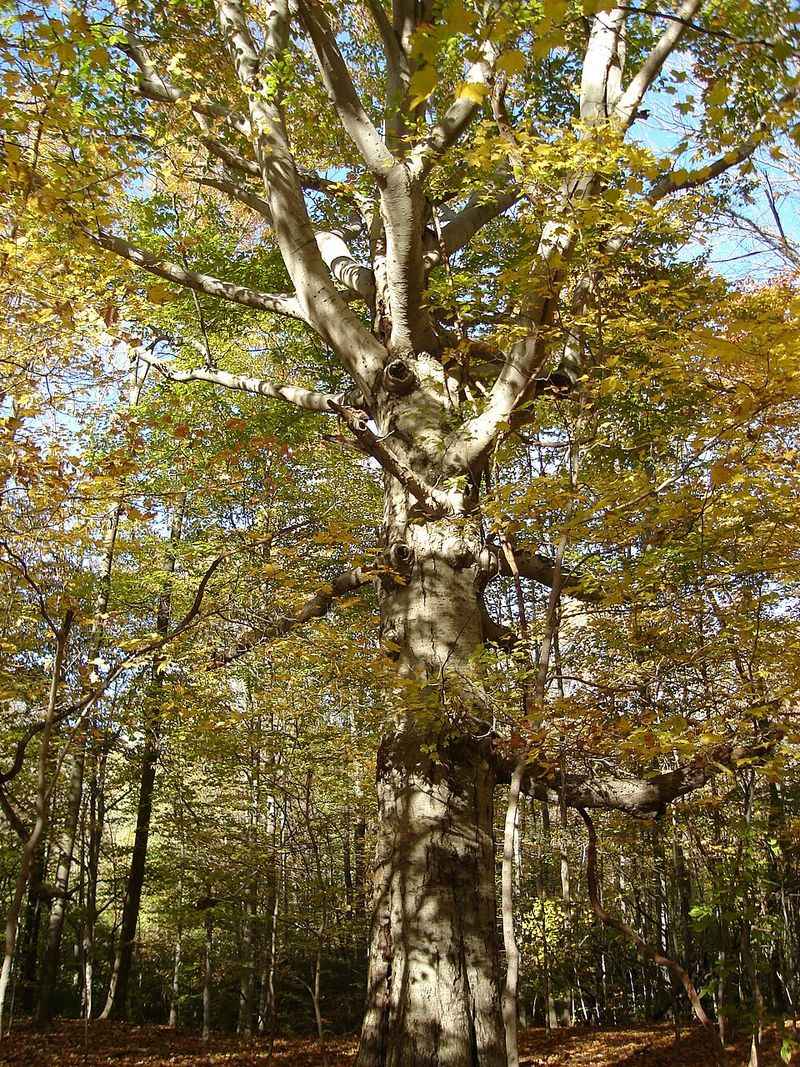
Smooth gray bark and a broad elegant canopy make American beech one of those trees people miss only after it disappears. On Michigan properties near woods or older neighborhoods, it often creates a calm, cool backdrop that smaller trees cannot imitate.
Cutting one can change the entire feel of the site almost overnight.
Beech trees are especially valuable for wildlife. Their nuts feed birds and mammals, and even dead or aging sections may support insects and cavity nesting species that help keep the local ecosystem functioning.
What looks messy to you can be critical habitat to everything from woodpeckers to squirrels.
There is a practical reason to wait too. Beeches can send up root sprouts and form connected colonies, so removing one stem may not be the simple solution it appears to be.
If disease or decline is involved, a trained arborist can help you understand whether treatment, monitoring, or staged management is more realistic than immediate cutting.
Another concern is bark damage. Because the bark is thin and sensitive, beech trees often decline after repeated carving, mower hits, or soil disturbance around the roots, yet those issues can sometimes be corrected before the tree is lost.
If yours still has strong structure, protecting it now may preserve a remarkable asset for years.
Eastern Hemlock
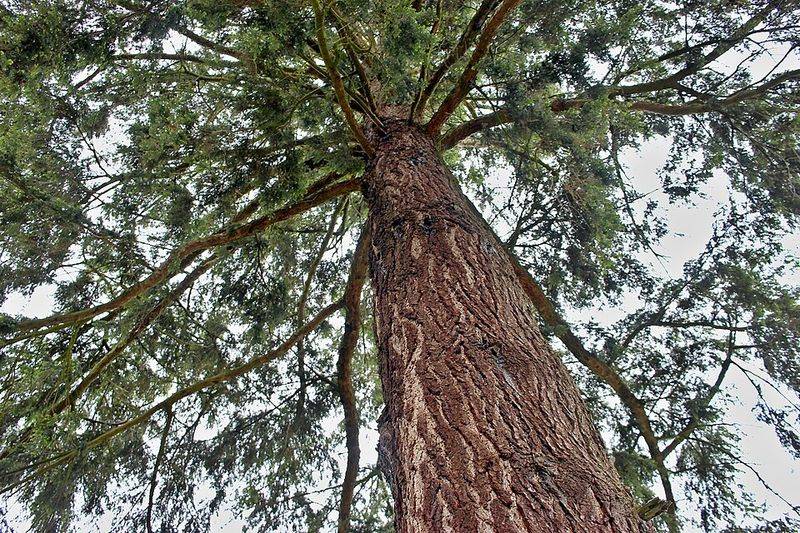
An eastern hemlock brings a quiet kind of beauty that is easy to overlook until someone suggests removing it. The fine evergreen needles, layered branches, and deep shade create a cool woodland character that many Michigan properties cannot recreate with faster growing substitutes.
If your yard feels peaceful and sheltered, this tree may be a major reason why.
Hemlocks are especially useful in sensitive spots. They stabilize slopes, protect stream edges, and maintain cooler conditions for nearby plantings that struggle in exposed sun.
On larger lots, they can also screen neighboring structures without looking stiff or artificial the way some hedge plantings do.
Because hemlocks can be affected by pests and drought stress, owners sometimes panic at the first sign of thinning. That is exactly when expert guidance matters most.
Some issues are treatable, and early care can preserve a tree that would otherwise be removed unnecessarily.
Think about replacement time before making a final call. A young evergreen from a nursery might look decent on day one, but it will not reproduce the height, texture, habitat value, or cooling effect of a mature hemlock for a very long time.
If safety is manageable, preservation often delivers far more long-term value than removal.
Black Walnut
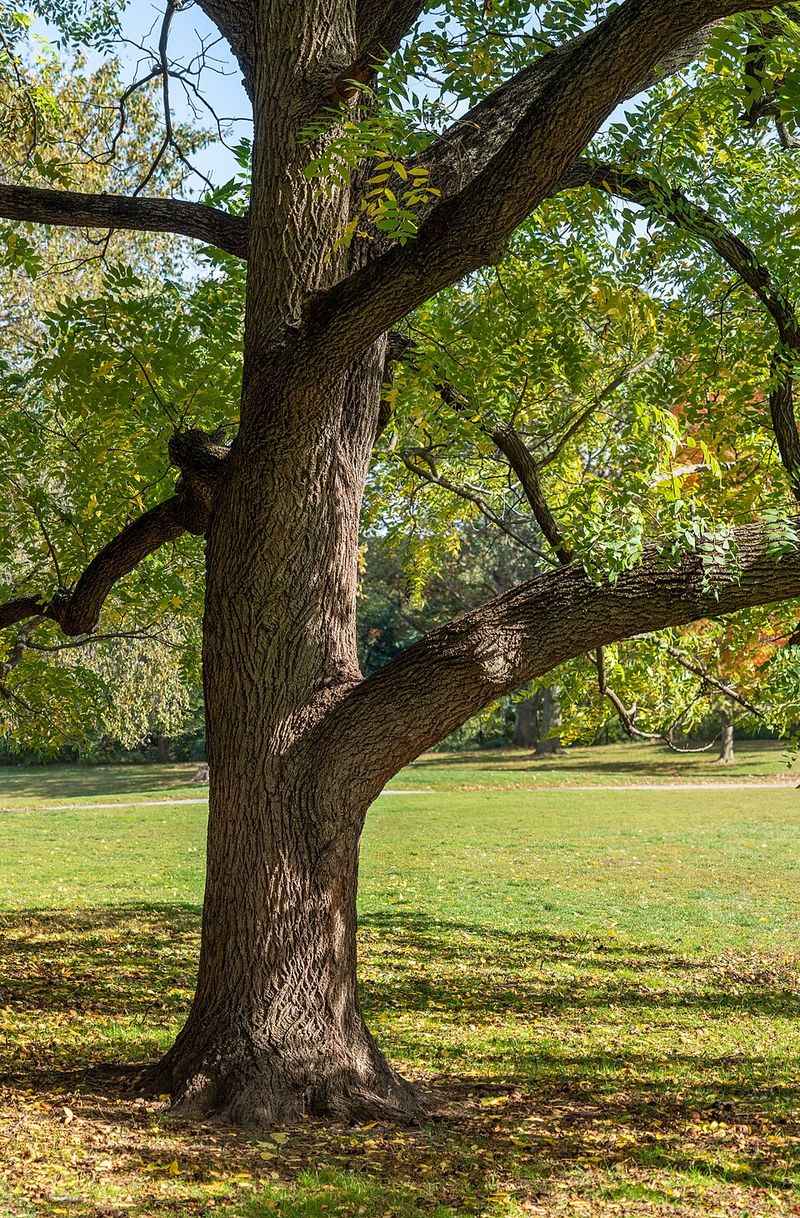
A black walnut can be frustrating if you are tired of fallen nuts, stained hands, or plants that dislike growing nearby. Still, cutting one too quickly can mean losing a highly valuable hardwood tree with strong shade benefits and serious landscape presence.
In Michigan, a mature walnut often contributes more to a property’s long-term worth than owners first assume.
The timber value alone can make hasty removal a mistake. Depending on size, form, and condition, walnut wood is prized for furniture and specialty uses, which means a healthy tree may deserve appraisal before anyone starts cutting.
A poor removal decision can leave money on the table and reduce the overall appeal of the lot.
There are workable ways to manage nuisance issues. Seasonal cleanup, selective pruning, and thoughtful planting choices around the root zone can reduce many common complaints without sacrificing the tree itself.
Plenty of homeowners live happily with black walnut once they stop expecting it to behave like a small ornamental.
It is also worth thinking about shade and summer comfort. Large walnut canopies help cool open yards and west-facing walls, especially on properties with limited tree cover elsewhere.
If the tree is structurally sound, management usually makes more sense than removal just because the nuts are annoying for a few weeks each year.
Northern Red Oak
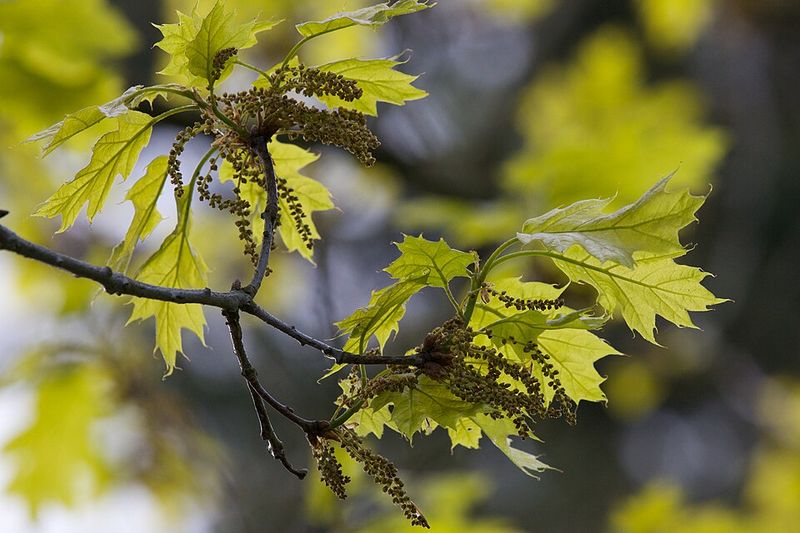
Cutting a northern red oak is one of those decisions that can look practical in the moment and expensive later. These trees grow into impressive shade providers, hold strong visual weight in a landscape, and support an extraordinary amount of wildlife across Michigan neighborhoods and rural lots.
When one anchors your yard, it is usually doing more than you think.
Oak wilt is part of the conversation here, and that is exactly why timing matters. Improper pruning or cutting during risky periods can attract beetles and increase disease spread, which may threaten other nearby oaks on your property or even in the neighborhood.
If removal becomes necessary, the work should follow best practices, not weekend impulse.
Healthy red oaks also give you practical returns. They cool roofs and lawns, slow runoff during heavy rain, and create a strong sense of permanence that younger trees need decades to match.
Buyers often notice mature oaks immediately because they make a yard feel established and worth caring for.
When branches overhang a driveway or roof, targeted pruning is often enough. Many owners jump straight to total removal because it sounds simpler, but a certified arborist can separate manageable maintenance from genuine hazard.
Preserving a mature red oak usually protects both your comfort now and your property value later.
Paper Birch
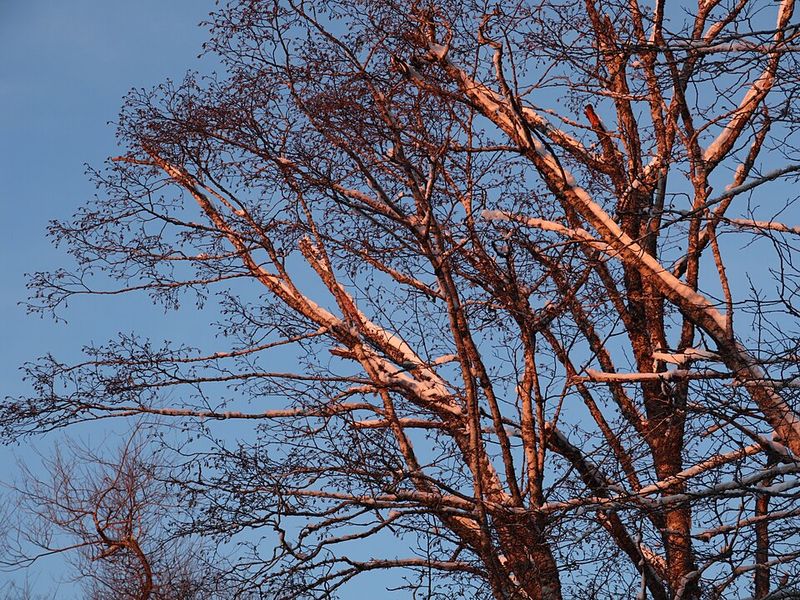
Paper birch often gets treated like a disposable decorative tree, but on the right Michigan property it adds brightness and texture that few species can match. The white bark stands out in every season, especially against snow or darker evergreens, and that contrast gives a yard a distinctly northern character.
Once it is gone, the landscape can feel flatter and far less memorable.
These trees do have challenges. Birch can struggle with heat, drought, compacted soil, and insect pressure, especially in exposed sites, which is why owners sometimes assume decline means immediate removal.
In reality, mulch, watering adjustments, root zone protection, and careful pruning can sometimes improve health enough to buy many more good years.
Aesthetics are not the only reason to pause. Smaller native birds use birch for cover, and the tree helps diversify your planting mix in ways that matter for resilience and seasonal interest.
A yard filled with only a few common species becomes more vulnerable over time.
If yours is thinning, ask what caused the stress before cutting. Construction damage, reflected heat from pavement, and buried roots are common culprits that can be addressed or at least understood.
Even when replacement is eventually needed, taking time to plan preserves options and keeps you from removing a signature tree too soon.
American Sycamore
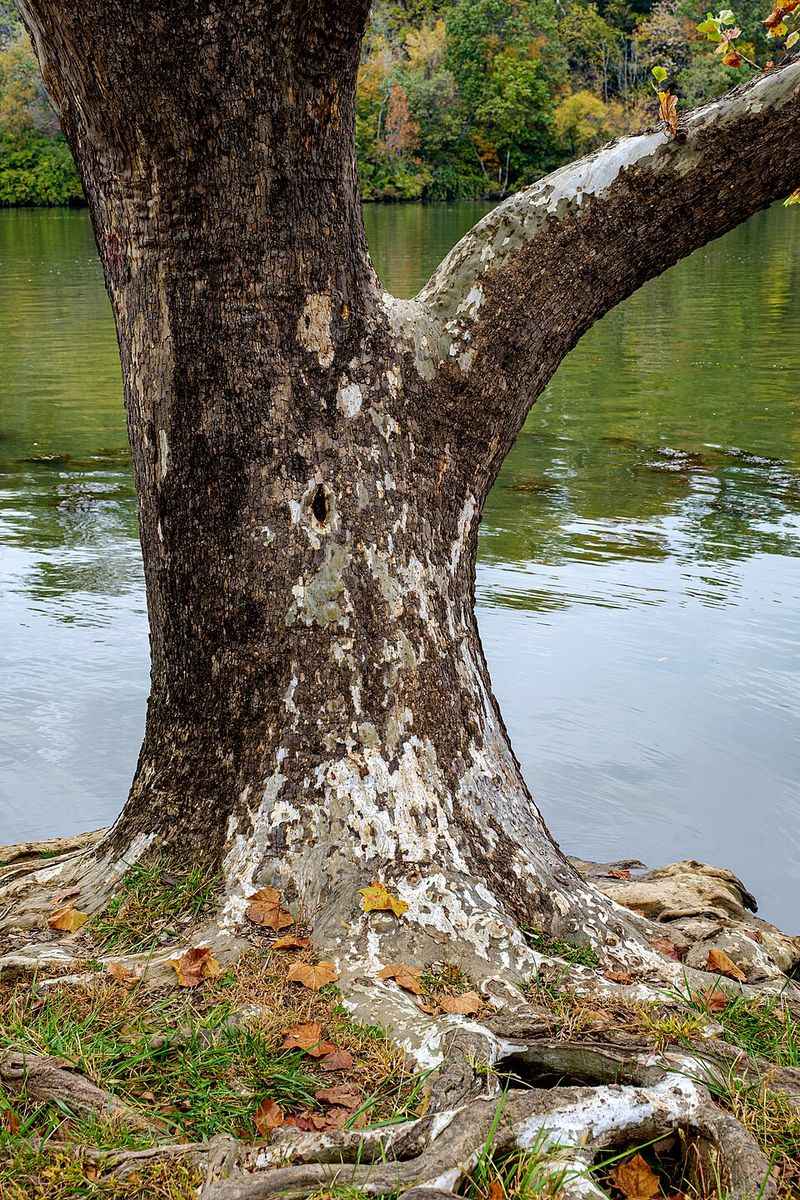
An American sycamore has a bold presence that can make any property feel established, especially near water, low areas, or large open yards. The mottled bark, huge trunk, and wide crown create a dramatic focal point that younger trees simply cannot fake.
Before removing one, it is worth asking if the real issue is mess or true structural risk.
Yes, sycamores can drop bark, twigs, and sizable leaves, and that cleanup can test your patience. Yet those inconveniences often come with major benefits, including fast shade, strong summer cooling, and serious stormwater help on sites that stay wet after heavy rain.
On some Michigan lots, that root system is quietly doing important stabilization work.
Mature sycamores also support wildlife and visual identity. Their cavities and branching structure provide habitat opportunities, while the tree itself becomes a landmark that helps define the property.
Remove it, and the yard may suddenly feel exposed, hotter, and less distinctive.
If canker, anthracnose, or branch loss has you worried, get a professional assessment first. Some problems are manageable, and others require strategic pruning rather than a full takedown.
Because sycamores grow so large, replacing their function takes a very long time, which makes thoughtful evaluation far smarter than rushing into removal.
Tulip Tree
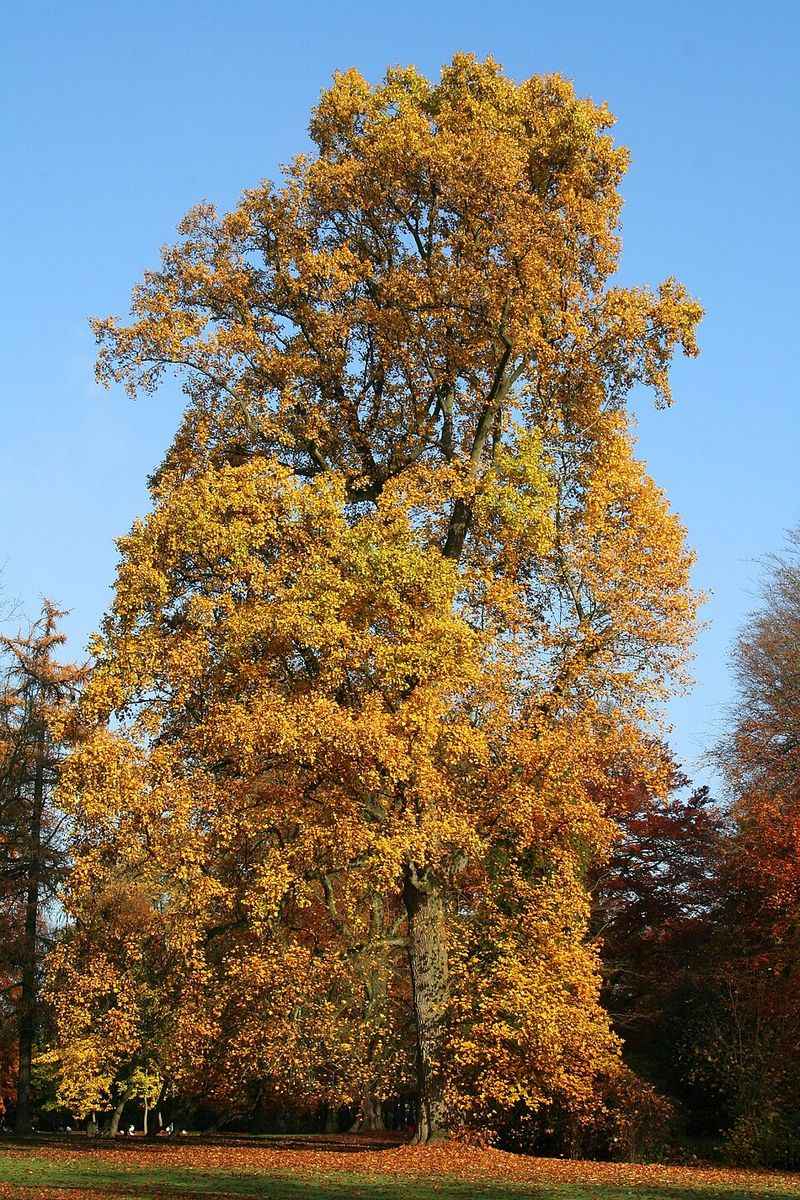
A mature tulip tree can look so tall and clean-lined that people forget how rare and valuable that form is in a residential setting. On suitable Michigan sites, it offers fast growth when young, generous shade later, and unusual flowers that add seasonal interest most shade trees never provide.
Taking one down can remove both comfort and character in a single day.
Because branches often begin high, homeowners sometimes think the tree is less important than a lower spreading maple or oak. The opposite can be true.
Its canopy still cools the yard, filters harsh light, and creates vertical beauty that balances a house, especially on larger suburban lots.
Tulip trees also tend to become conversation pieces. Visitors notice the leaf shape, pollinators appreciate the flowers, and the trunk can develop an impressive straight stature that adds a refined look to the landscape.
If your property feels stately without seeming heavy, this tree may be doing that work quietly.
Concerns about storm damage or leaf drop are worth checking, but not every concern justifies removal. Site conditions, past pruning, and root health all influence how well a tree performs.
Before making a final decision, have an arborist evaluate structure and vigor so you do not lose a mature specimen that still has decades of value ahead.