
These North Carolina Perennials Bloom Five Months Straight And Never Need Dividing
Follow us on Google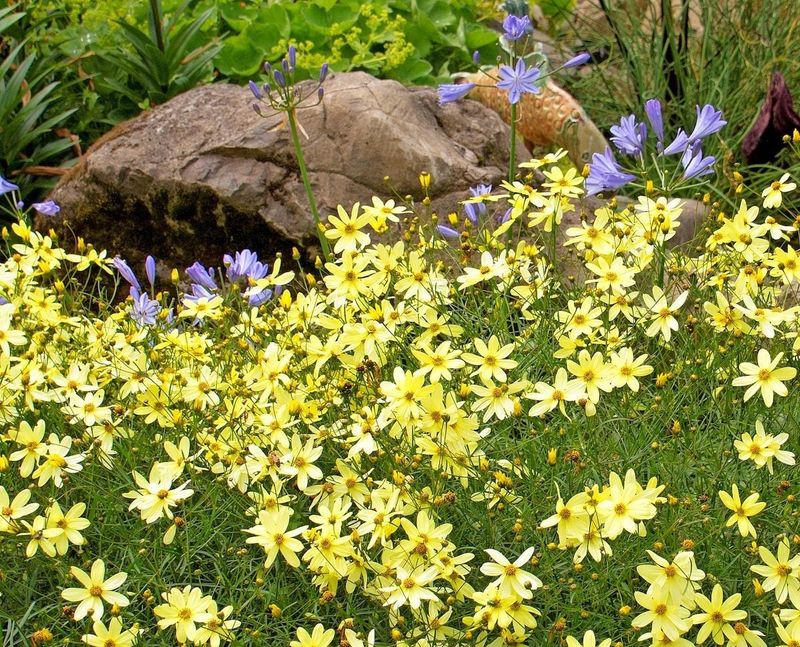
You drag your patio chair into the shade, wiping your brow while another North Carolina summer bakes the yard. You love the long evenings, but you are tired of staring at bare spots where flowers quit weeks ago.
There is one plant that keeps the color coming from June clear into fall, and it does not ask you to dig it up every couse of years. Let me tell you about the quiet hero that earns its keep in our tricky climate.
1. This Perennial Actually Blooms From Early Summer Straight Into Fall
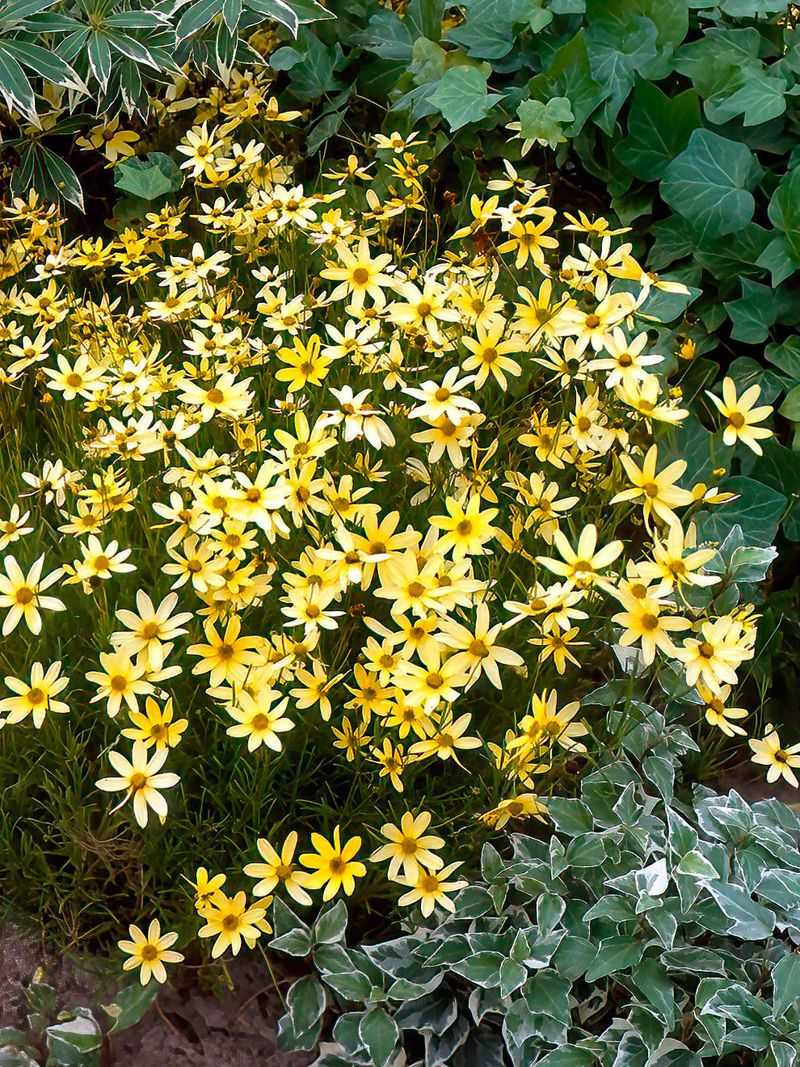
Picture your garden overflowing with soft, sunshine-yellow blooms from early June, through the dog days, and holding strong past the first light frost in late October. That is the everyday reality of Coreopsis verticillata ‘Moonbeam’, often called Threadleaf Coreopsis.
Most perennials give you a burst and then just sit there, coasting on foliage while you wait for a second act that never comes. ‘Moonbeam’ runs the whole marathon instead. It keeps pushing out delicate, daisy-like flowers for roughly five months, which is a long stretch for any single plant in our heat.
Many Piedmont gardeners plant it near the porch steps for exactly this reason. You get color right where you sit with your sweet tea, not off in some far corner you only visit with a hose.
Here is the part that surprises folks. The plant does not slow down when August turns muggy and storms roll in most afternoons.
It keeps the show going through the sticky weeks when zinnias flop and other blooms fade.
So if you have been craving a steady display instead of a two-week flash, this is the workhorse that delivers.
2. You Can Genuinely Skip Dividing This Workhorse
Most perennials come with a hidden chore built in. Every two or three years you dig them up, split the root ball, and replant the pieces, or they crowd themselves into a tired, floppy mess.
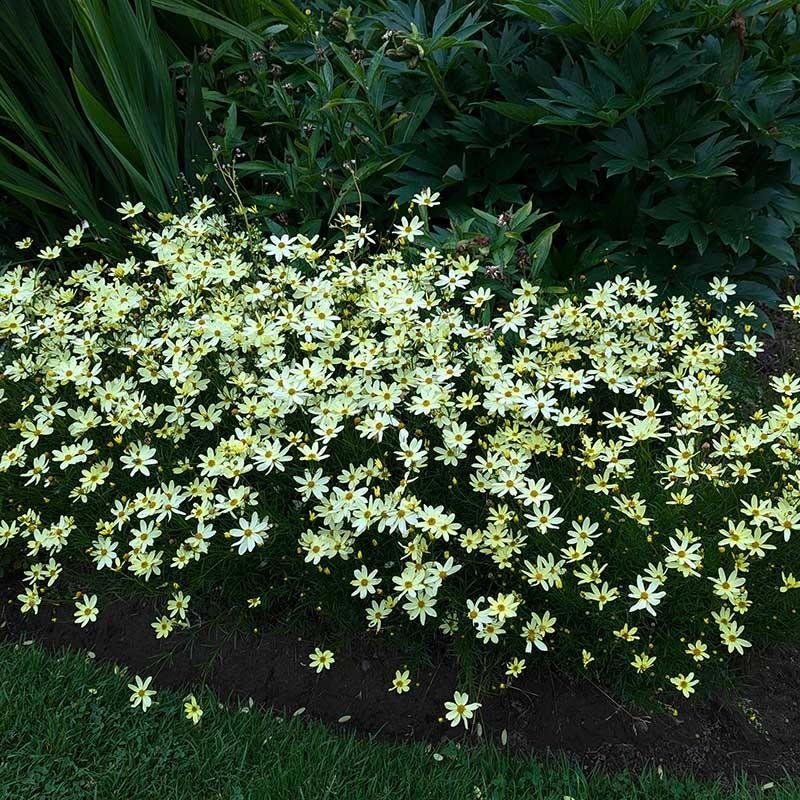
Coreopsis verticillata ‘Moonbeam’ mostly skips that whole ritual. It grows as a neat, clump-forming plant, and while it spreads slowly by underground stems that gardeners call rhizomes, it is not the kind of bully that takes over your bed by fall.
Here is where it gets easy. If your clump starts looking a little thin after three or four years, you can divide it to freshen it up.
But that is a choice, not an order. Plenty of gardeners leave theirs untouched for far longer and get a fuller plant for it.
Think of what that saves you. No wrestling a stubborn root ball out of Piedmont red clay in the spring drizzle, no aching back, no guilt when you let a season slide.
The plant puts its energy into flowers instead of sprawling. That is the trade you actually want.
3. This Plant Thrives In North Carolina’s Tricky Conditions
Our weather can behave like a scheming antagonist. It swings from muggy, ninety-degree afternoons to surprise winter cold snaps that catch tender plants off guard.
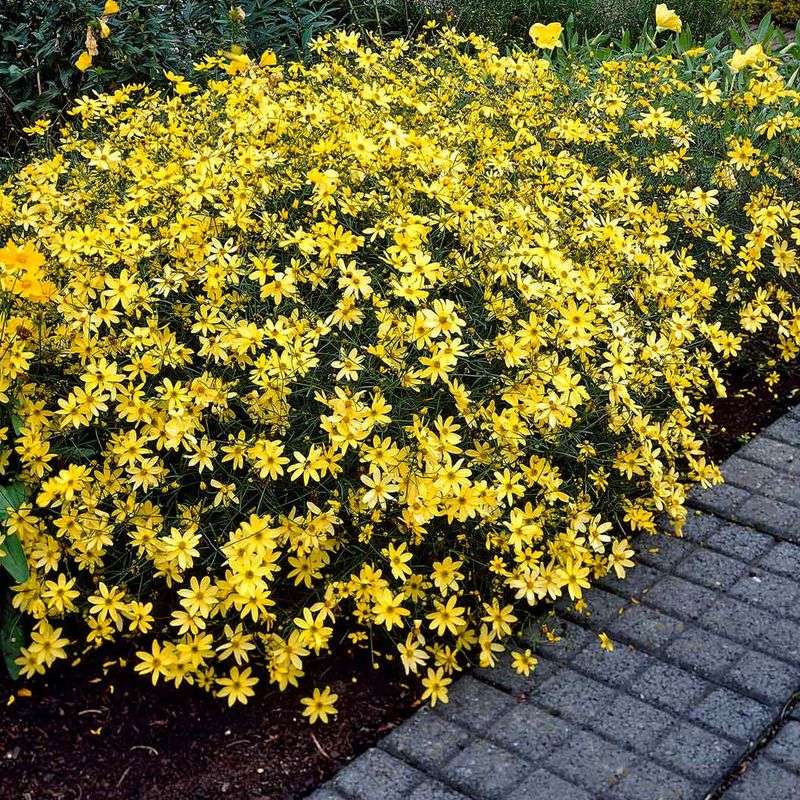
‘Moonbeam’ shrugs most of it off. It is reliably hardy across USDA Zones 3 through 9, which covers the whole state, from the cooler mountains at Zone 6a to 7a down to the warm Coastal Plain at Zone 8a to 8b.
It genuinely likes our heat and humidity, sailing through sticky July stretches while other plants droop and sulk.
It asks for very little in return. Give it full sun, meaning at least six hours of direct light a day, and it rewards you with a flood of flowers.
Soil is where a lot of us worry, and here the news is good. Whether you fight dense red clay in the Piedmont or loose sandy soil out on the Coastal Plain, this plant adapts.
It even tolerates poor, rocky ground where fussier flowers would give up.
The one rule that matters is drainage. Do not park it in a low spot that stays soggy after a storm, because wet feet is the fastest way to lose it.
NC State Extension recommends well-drained sites for this species, and that advice holds true in every corner of the state.
4. Simple Care Keeps The Blooms Coming For Months
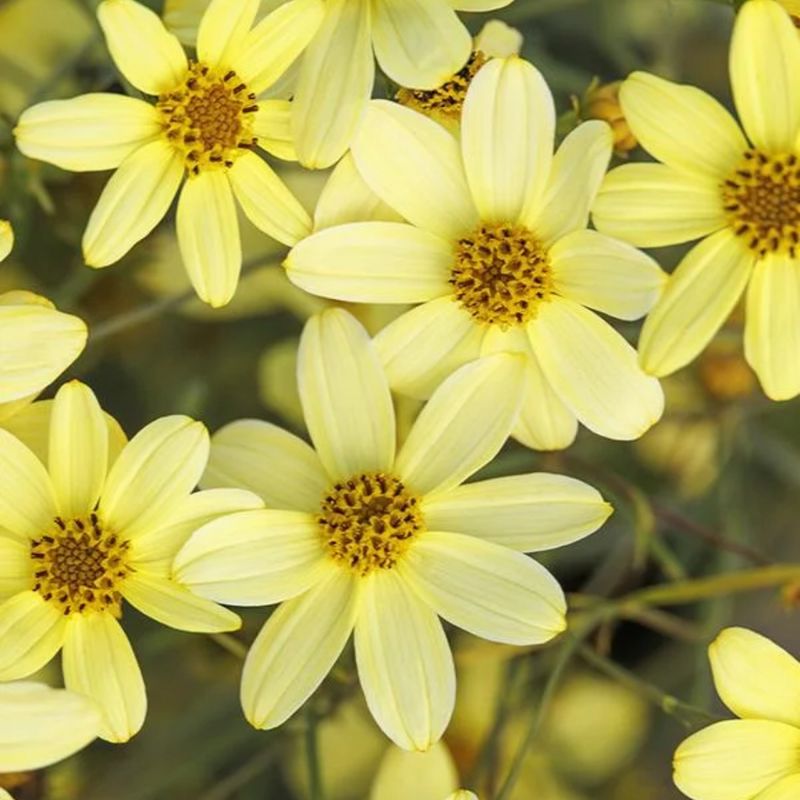
You might expect a plant that blooms this long to demand constant fussing. It does not.
Once established, ‘Moonbeam’ is remarkably drought-tolerant, so you are not chained to the hose through a dry July.
Give new plantings regular water for the first season until roots settle in. After that, aim for about one inch of water per week only during a real drought, and let the rain handle the rest.
The secret to the endless show is a small trick many gardeners already use. It is called deadheading, which just means snipping off the faded flowers.
When you clip the spent blooms, the plant gets the message to make more instead of pouring energy into seeds.
You do not have to be surgical about it. A quick snip above the first set of leaves works fine, and when flowering slows in mid-summer, a light shearing of the whole clump triggers a fresh flush that carries into fall.
That is maybe ten minutes with the snips on a Saturday morning. For weeks of extra color, that is a genuine bargain.
5. Feeding It Sparingly Prevents Floppy Growth
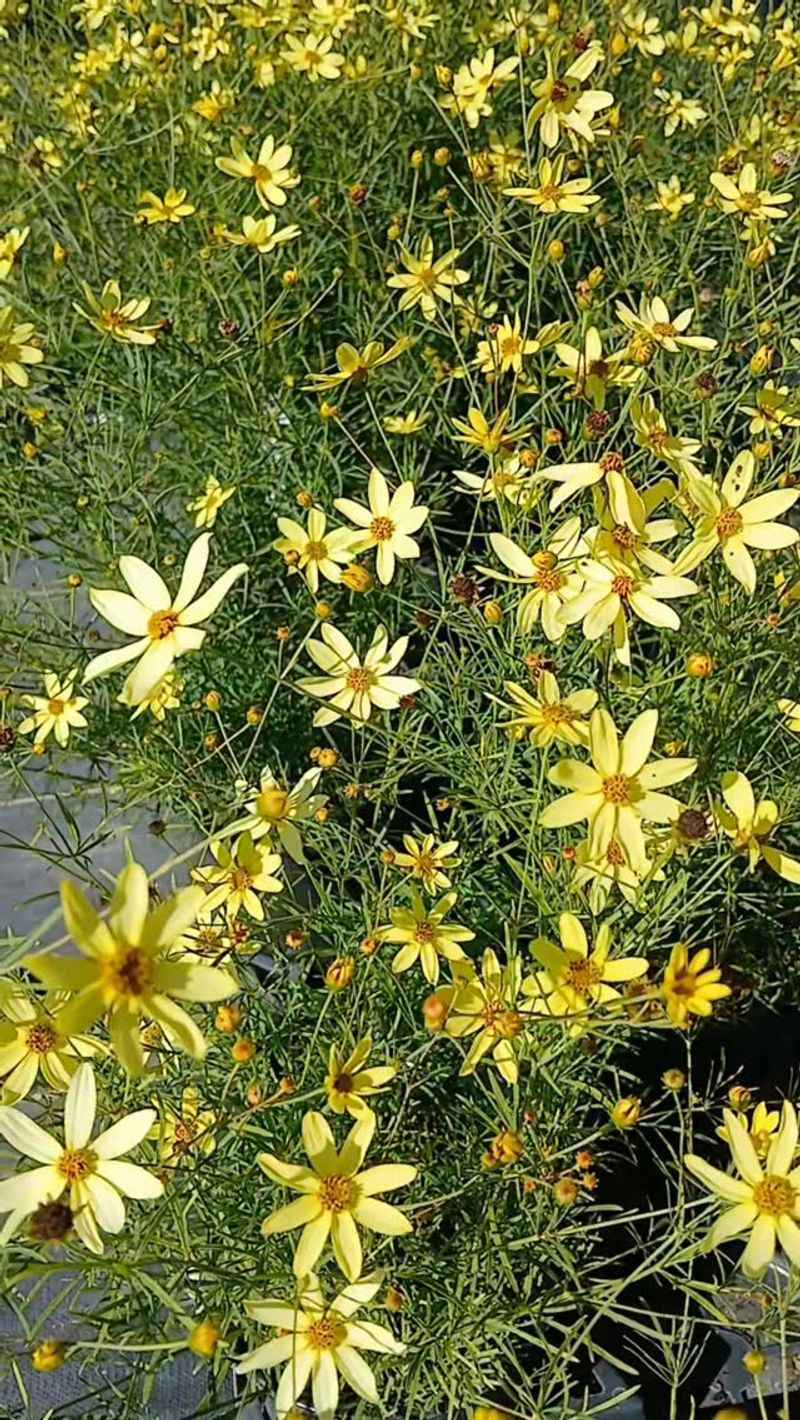
Most of us want to spoil our plants. A scoop of fertilizer here, a rich blanket of compost there, because more food surely means more flowers.
With this one, that instinct backfires.
‘Moonbeam’ thrives on lean living. Pour on too much fertilizer, especially the kind heavy in nitrogen, and you get a burst of floppy leaves at the expense of blooms.
The plant loses its tidy, upright shape and sprawls open in the middle.
The fix is almost lazy. A light application of a balanced, slow-release fertilizer in early spring as new growth appears is plenty, if you feed it at all.
Got decent soil already? A simple side-dressing of compost may be all it ever needs.
The goal is just enough to keep it going, not a feast that ruins the shape.
Fewer trips to the garden center, less money spent, and a plant that stands up straight. Skipping the extra feeding is one of those rare moments where doing less genuinely gets you more.
6. A Natural Friend To Your Backyard Wildlife
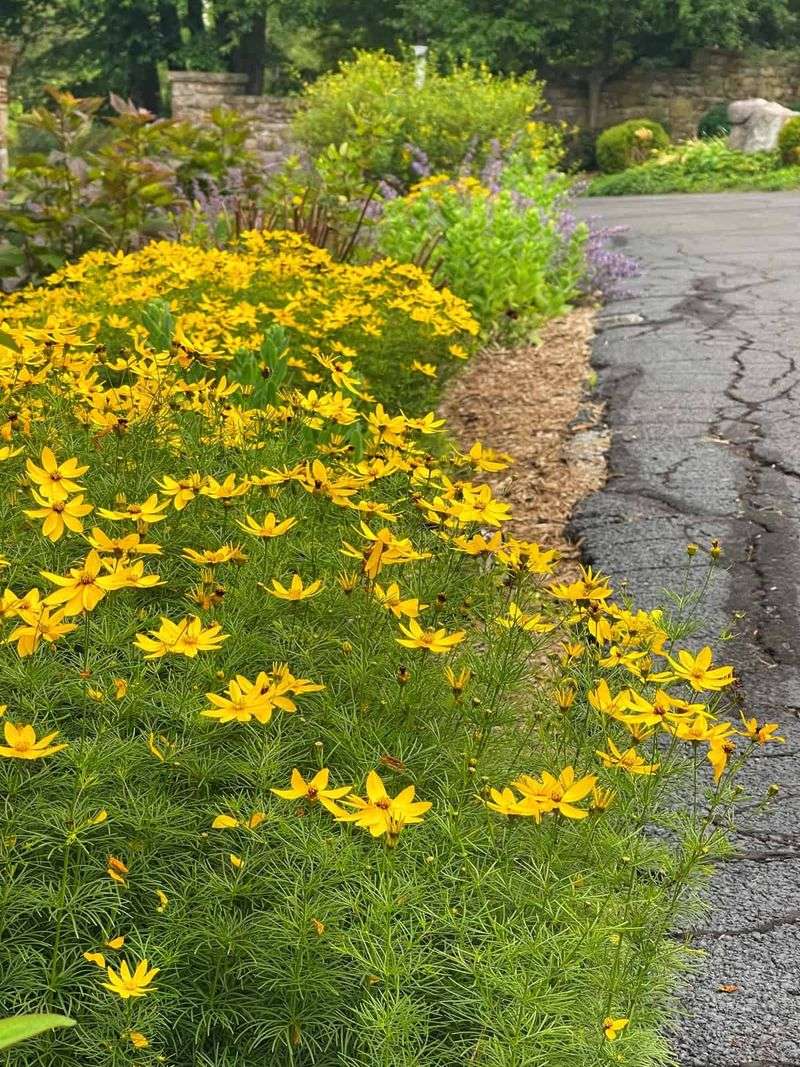
Beyond the looks and the easy care, this plant pulls its weight for the living side of your yard. Those cheerful yellow flowers draw native bees and butterflies all season, the busy little workers that keep a North Carolina garden humming.
Imagine an evening on the porch, sweet tea sweating in your hand, watching a swallowtail drift from bloom to bloom. That is the kind of moment that makes a yard feel alive instead of just tidy.
The payoff stretches into the cold months too. Leave some spent flower heads standing in late fall and they turn into a seed buffet for songbirds, especially goldfinches that love to perch and pick at the tiny seeds.
There is a household bonus most gardeners appreciate. ‘Moonbeam’ tends to be left alone by deer and rabbits, the four-legged antagonists that mow down so many other perennials overnight.
So you protect your color and welcome the wildlife you actually want. That is the balance a lot of us are after, fewer garden raids and more fireflies, bees, and finches sharing the space.
7. Where To Plant Your Moonbeam For Maximum Impact
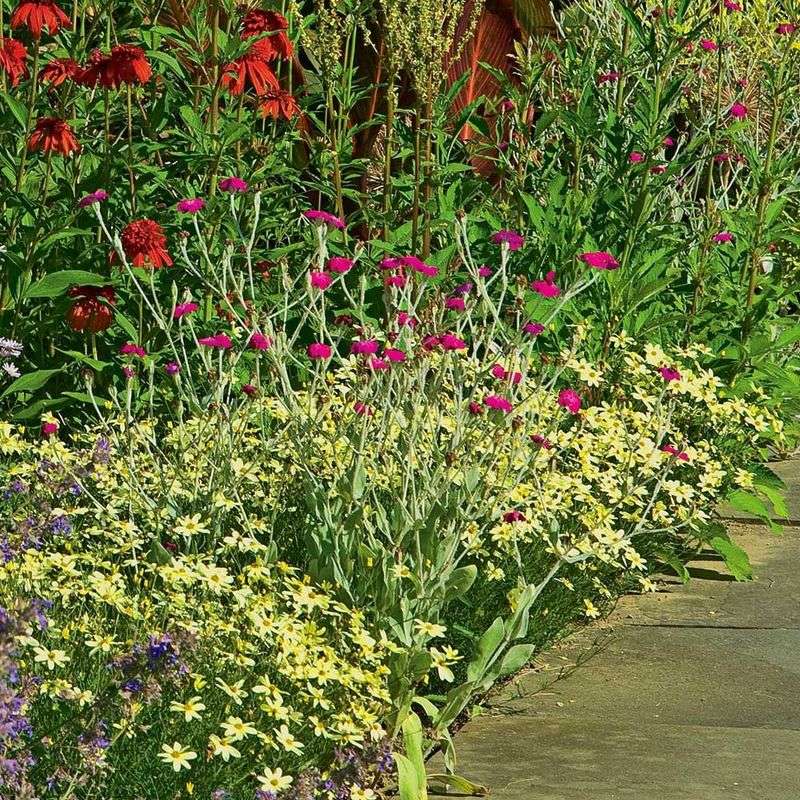
At a modest 12 to 18 inches tall and spreading roughly 12 to 24 inches wide, ‘Moonbeam’ fits almost anywhere with sun. Its fine, needle-like foliage gives an airy, delicate texture that sets off broader-leaved neighbors nicely.
Plant a group of them for a golden drift that reads from across the yard, or thread a few through a mixed border where the yellow weaves between other plants. It also settles happily into a container, bringing steady cheer right up onto the patio.
For real punch, pair it with a contrasting color. Purple coneflower, or Echinacea purpurea, is a natural match, and the deep blue of salvia makes the yellow snap even brighter.
Because its habit is so light, it never crowds or shades out its companions. That makes it a rare team player in a crowded bed.
Cottage garden, formal border, or one sunny corner you have been ignoring, this plant fills the gap with color that lasts. And once it is in the ground, it mostly just gets on with the job, leaving you free to pull the patio chair back into the shade and enjoy the view.
8. Why This Plant Keeps Its Promise Year After Year
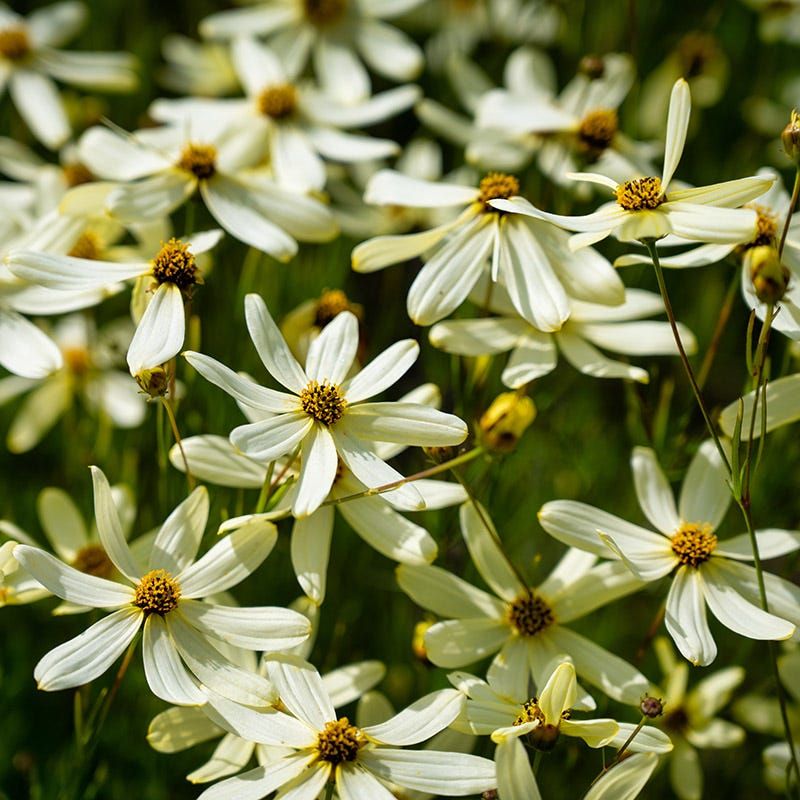
Plenty of plants get sold on a flashy tag and quietly let you down by the second summer. ‘Moonbeam’ has been a landscape staple for decades precisely because it does the opposite.
It was named Perennial Plant of the Year back in 1992, and gardeners have leaned on it ever since for one simple reason. It shows up, blooms hard, and does not create work.
Run through what you are getting. Five months of flowers, hardiness across every North Carolina zone, resistance to deer and rabbits, and freedom from the dividing chore that haunts most perennial beds.
Is it a magic solution to every garden trouble? No. It still needs sun, decent drainage, and a quick shearing mid-season to stay at its best.
But those asks are small next to what it hands back.
So the next time you eye an empty spot where something gave up in July, remember there is a proven fix. Tuck in a ‘Moonbeam’, give it a sunny home, and let it carry the color while you take the credit.