
These Are The Signs Your Georgia Garden Soil Needs Help Before Summer Dry Season
Follow us on Google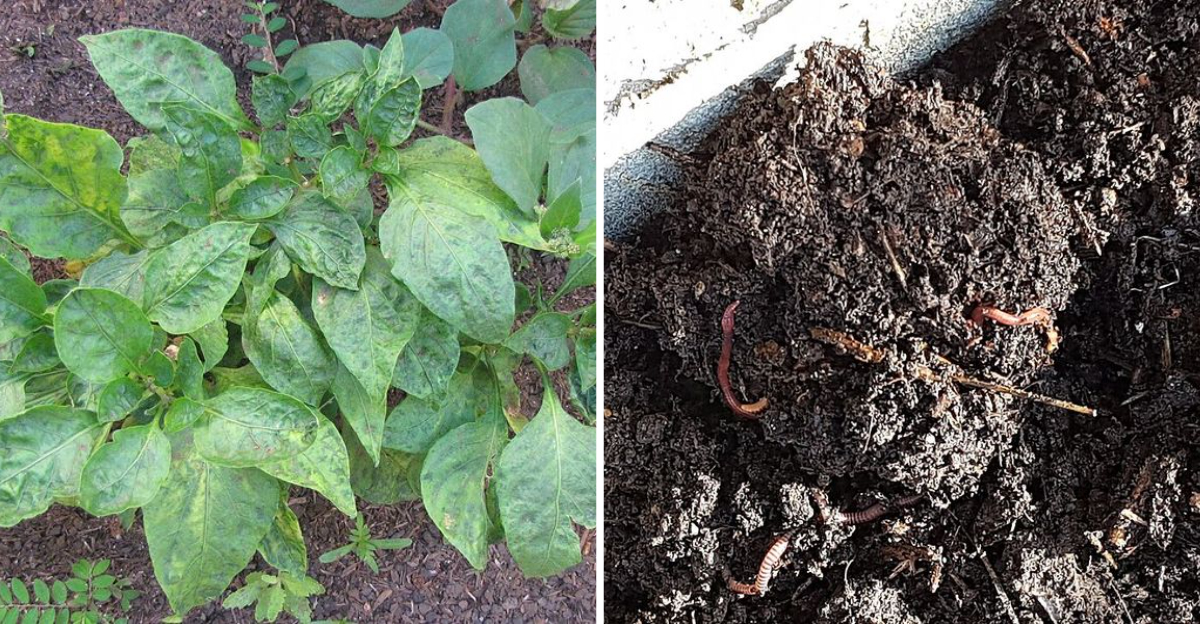
Georgia gardens can look fine in spring and still struggle badly once summer heat settles in. The problem often starts below the surface, where compacted clay, low organic matter, or nutrient imbalance quietly weaken everything you plant.
If you catch the warning signs early, you can fix the soil before dry weather turns small issues into crop loss. Here are the clues that tell you your garden bed needs attention right now.
Soil Cracks Open Quickly
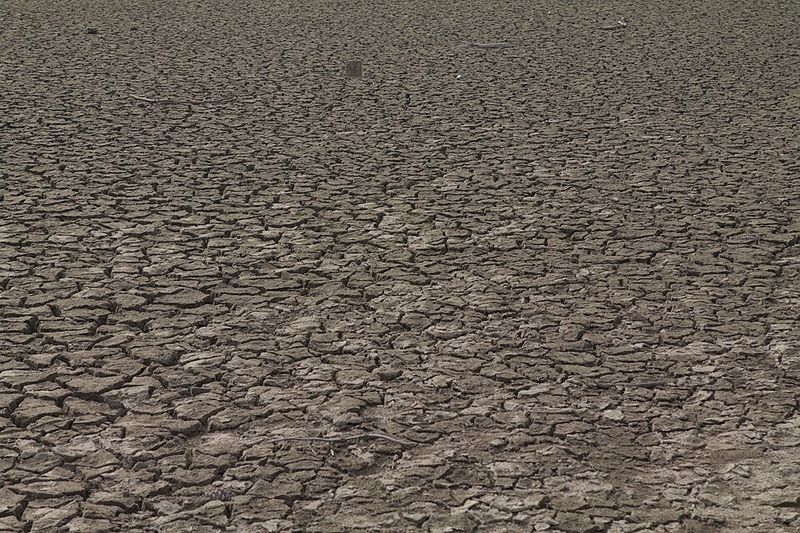
Seeing wide cracks form only a day or two after the soil dries is a strong warning sign. That pattern usually means the ground has too much clay and too little organic matter to hold moisture evenly.
In Georgia, beds can swing from muddy to brick hard fast, leaving roots stressed before summer officially begins.
A few hairline cracks are normal during hot spells, but deep gaps around seedlings are different. Moisture is escaping too quickly from the surface, and the soil structure is shrinking as it dries.
Tiny feeder roots get exposed to heat, and newly transplanted vegetables often stall even when you think they were watered well.
The fix starts with feeding the soil, not just the plants. Add two to three inches of compost, chopped leaves, or aged manure and work it into the top several inches.
Then cover the bed with mulch so the surface stays cooler, irrigation lasts longer, and those dramatic cracks become far less likely when Georgia’s summer dry season settles in.
Plants Wilt By Noon
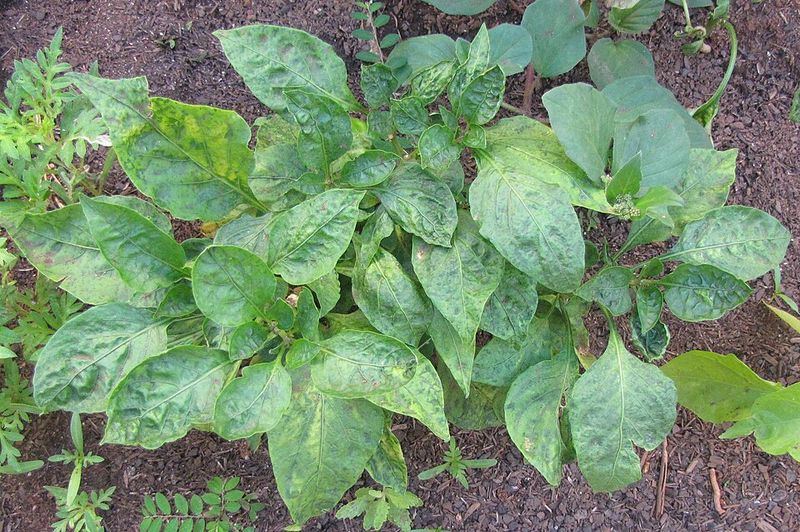
When plants droop hard by noon and recover only after sunset, the soil may be failing them long before the weather gets brutal. Fast wilting can point to shallow roots, compaction, poor organic matter, or a crusted surface that sheds water.
In Georgia gardens, that combination often shows up in late spring, right before drought stress becomes constant.
Check how deeply water is actually soaking in. If the top inch gets wet but the soil below stays dry and dense, roots are trapped near the surface where heat hits hardest.
Tomatoes, cucumbers, beans, and hydrangeas will all complain quickly when their root zone cannot access steady moisture.
A simple change in watering habits can reveal a lot. Water slowly in the morning, then dig a small inspection hole nearby to see if moisture reached six inches down.
If it did not, add compost, reduce cultivation, and apply mulch so irrigation penetrates better, stays available longer, and helps your plants hold themselves together when afternoon temperatures start pushing the limits.
Leaves Look Pale And Growth Stalls
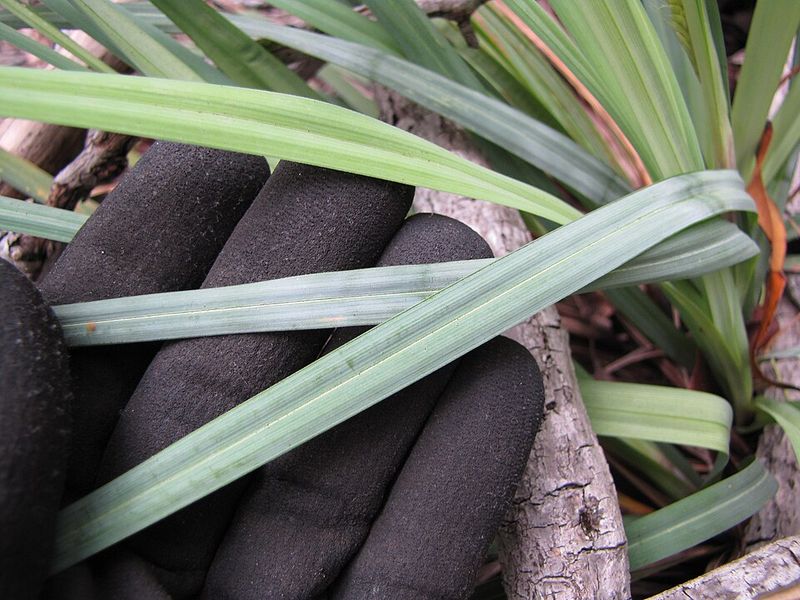
Slow growth paired with washed-out leaves often gets blamed on bad seedlings, but the soil is usually the real issue. Georgia soil can tie up nutrients when pH drifts off target or organic matter runs low.
Plants may sit there alive but unimpressive, unable to pull what they need even when fertilizer was added earlier.
Yellowing between leaf veins, tiny new leaves, and weak stems all suggest the root zone is not functioning well. Sometimes the nutrients are present but locked away because the soil is too acidic, too compacted, or chronically wet and then dry.
That pattern is common in older garden beds that have been planted hard without much compost returned.
The best next step is a soil test through your county extension office instead of guessing with random products. Once you know the pH and nutrient levels, you can correct the real shortage instead of piling on fertilizer.
Compost, balanced amendments, and steadier moisture will usually wake plants up faster than another handful of feed tossed onto tired, stressed ground.
You Rarely See Earthworms
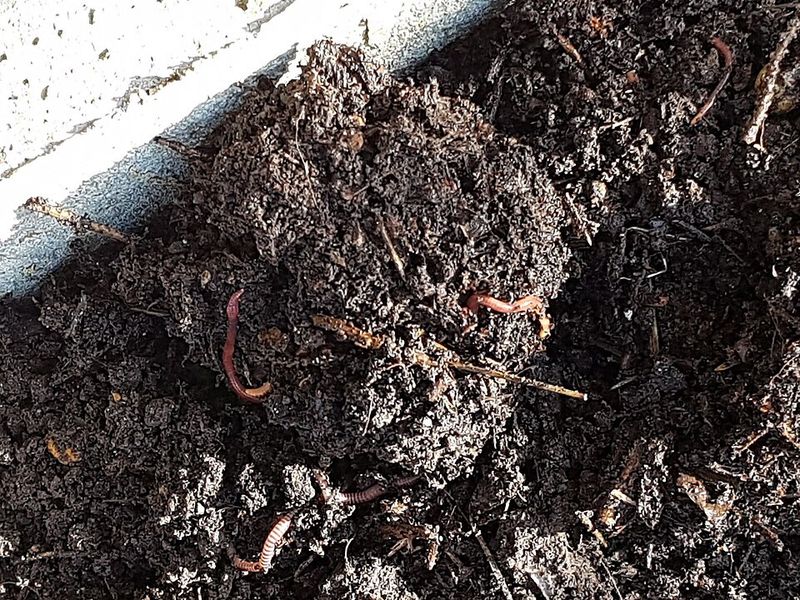
Healthy garden soil usually shows some life when you pull back mulch or dig a small hole. If you almost never see earthworms, the bed may be too compacted, too dry, too low in organic matter, or too disturbed to support them well.
In Georgia, worm populations can drop quickly in exposed clay that swings between soggy and baked.
Earthworms are not the only measure of soil quality, but they are a practical clue most gardeners can check without tools. Their tunnels improve air flow, help water move downward, and leave castings that support better plant growth.
When the soil stays lifeless, roots often struggle for the same reasons the worms do.
You can encourage more activity by feeding the soil consistently instead of relying only on bagged fertilizer. Add compost, keep beds mulched, avoid tilling when possible, and water deeply enough that the root zone does not become hostile every afternoon.
Over time, more worms usually means better structure, easier digging, and a garden that can handle Georgia’s dry summer stretch with less constant intervention from you.
Mulch Breaks Down Too Slowly
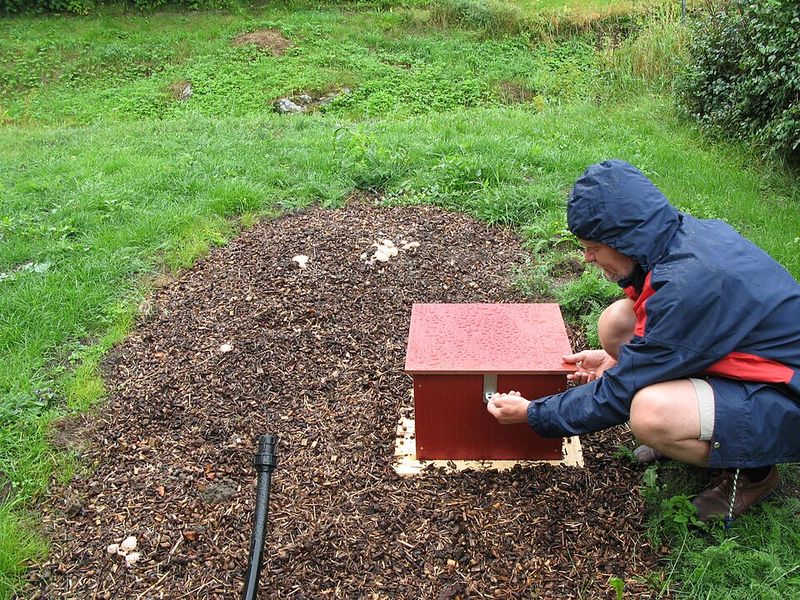
Mulch that seems to sit there unchanged for months can tell you something useful about the soil underneath. Decomposition slows when microbial activity is weak, often because the ground is compacted, starved of organic matter, too dry, or chemically imbalanced.
In a healthy Georgia garden bed, mulch should gradually knit into the soil instead of acting like a separate layer.
Pay attention if last season’s leaves or straw still look almost exactly the same by late spring. That usually means the soil food web is not active enough to cycle nutrients efficiently.
Plants may still grow, but they often need more babysitting because the bed is not doing much natural work on its own.
Improving this takes steady inputs rather than a single quick fix. Mix finished compost into the top few inches, keep mulch at a moderate depth, and water consistently enough to support microbial life without creating soggy conditions.
If a soil test also shows pH problems, correcting that can make decomposition speed up, nutrient release improve, and your bed become much more resilient before summer heat starts draining moisture every day.
Red Clay Turns Sticky Then Brick Hard
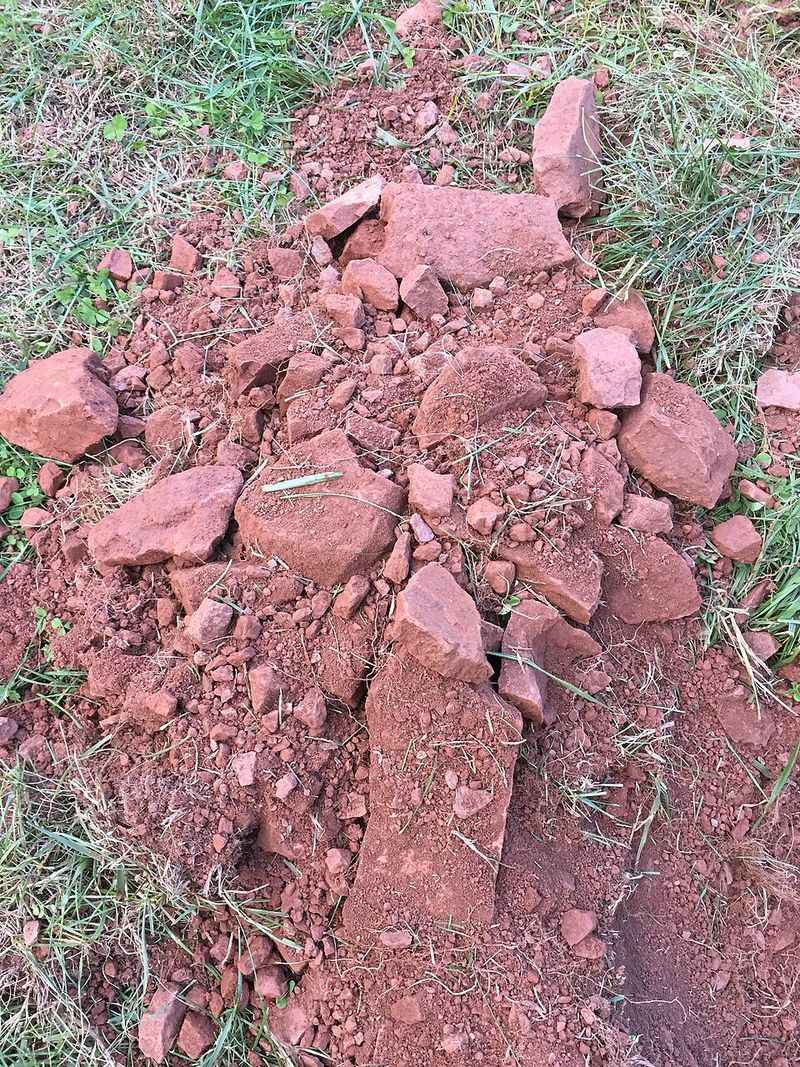
Anyone gardening in Georgia knows red clay can be a challenge, but extreme swings are a sign the soil needs help. If it clings to tools when wet and turns rock hard when dry, the structure lacks the organic matter that softens those edges.
Roots end up fighting through mud one week and a wall the next.
This pattern matters most before the summer dry season because hard soil blocks deep rooting. Plants become dependent on frequent shallow watering, which only worsens surface stress and encourages weaker root systems.
You may also notice that transplant holes fill with water, then later dry into solid pockets that squeeze developing roots.
The goal is to build aggregation slowly, not force instant perfection. Work in compost, pine bark soil conditioner, or aged leaf mold over repeated seasons, and avoid digging clay when it is very wet.
Keeping beds mulched year round and adding organic matter after each crop cycle helps red clay act more like productive garden soil and less like a material that belongs in a pottery studio.
Weeds Reveal An Imbalance
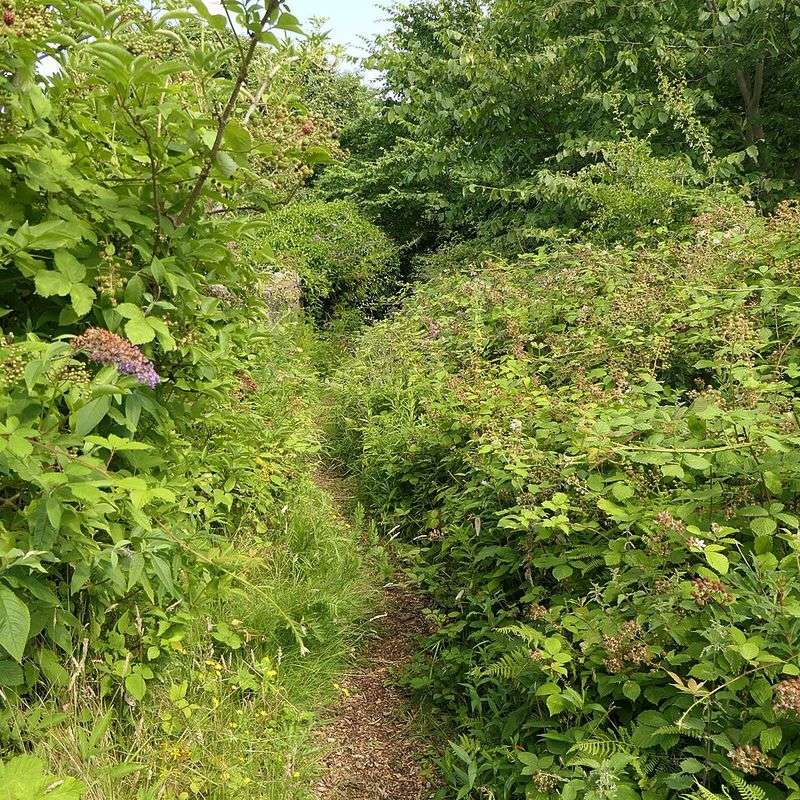
Some weeds are excellent messengers if you pay attention to where they show up. Heavy patches of plantain, nutsedge, crabgrass, or sorrel can hint at compaction, drainage trouble, low fertility, or pH issues in different parts of the garden.
The weeds are not diagnosing everything perfectly, but they often point you toward a soil problem worth checking.
For example, plantain commonly appears in tight ground that gets walked on, while sorrel can thrive where acidity runs high. Nutsedge often loves wet, poorly drained spots that stay stubbornly slick after rain.
When the same weed keeps returning to one bed, that pattern matters more than pulling it again and hoping the problem disappears.
Use those patches like a map rather than a personal insult from the yard. Compare weed-heavy zones with healthier areas, then test drainage, texture, and pH to see what is different below the surface.
Once you improve the soil with aeration, compost, better irrigation, or proper amendments, the weeds usually lose some advantage because your crops are finally growing in conditions that favor them instead.
Fruit Problems Keep Showing Up
When tomatoes get blossom end rot, peppers stay undersized, or squash aborts fruit early, the first reaction is often to buy more fertilizer. Sometimes the issue is not a lack of nutrients but inconsistent moisture and stressed soil that cannot deliver them reliably.
Georgia heat exposes that weakness fast, especially in beds with poor structure.
Calcium problems are a classic example. The mineral may already be in the soil, yet roots cannot take it up well if watering swings wildly or the root zone is compacted and shallow.
Plants then produce frustrating symptoms that look like feeding problems, even though the deeper issue is poor soil function.
Start by checking how evenly the bed stays moist over several days, not just right after watering. Add compost to improve water holding capacity, mulch heavily, and keep irrigation steady so roots can access nutrients without interruption.
If a soil test suggests pH or calcium adjustments, make those carefully, but remember that stable moisture and better structure often solve more fruiting issues than another quick dose of fertilizer.