
These Are The Only Roses That Genuinely Thrive Through A Full Texas Summer
Follow us on Google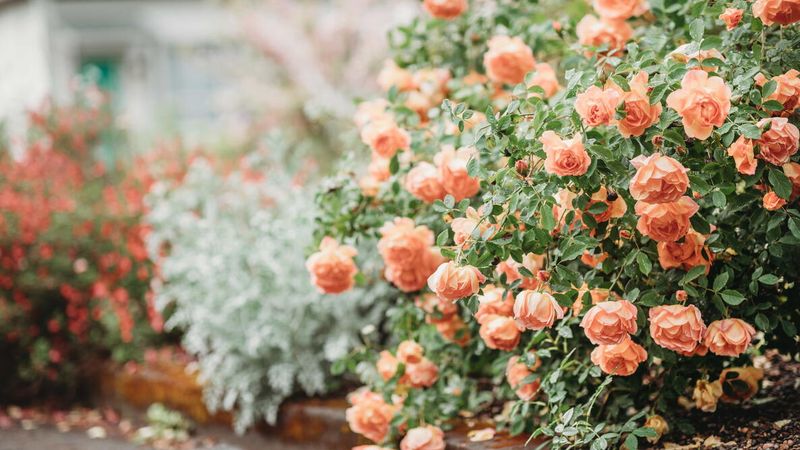
You step outside before breakfast and the patio already feels warm, the concrete holding last night’s heat under your bare feet.
Your roses hang there, half-crisp, and you wonder if any of them will make it to Labor Day.
Here is the good news.
Some roses genuinely laugh at a full Texas summer, blooming from March through November while the hybrid teas melt away.
The trick is picking the tough ones, then giving them a smart start, a deep drink, and a little cover against the sneaky pests that show up in July.
1. The Only Roses That Truly Laugh At Texas Heat
Most of us learn the hard way that a rose that dazzles in a garden center does not always survive our summer.
The battle-tested winners are the Earth-Kind roses, a select group crowned by the Texas A&M AgriLife Extension Service after years of trials with almost no spray, no coddling, and very little water.
That designation is not a marketing sticker.
To earn it, a rose has to prove strong pest tolerance and steady landscape performance across our sticky blackland clay and the fast-draining sands of East Texas alike.
So when you buy one, you are buying a survivor.
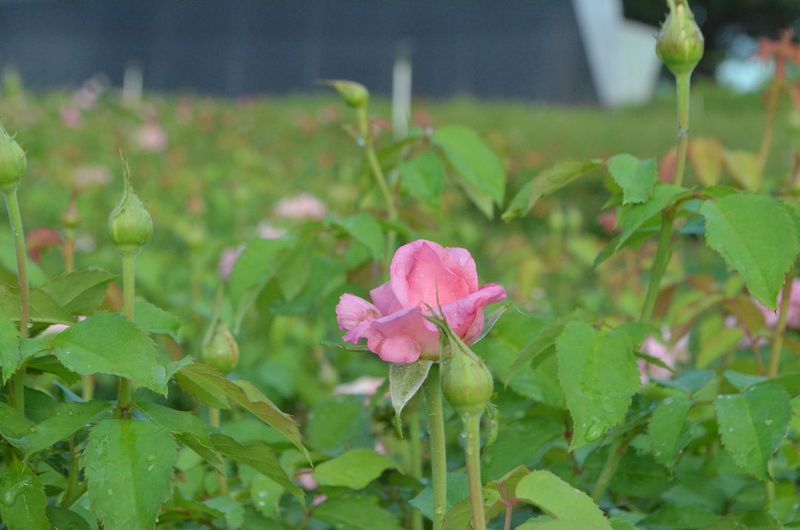
Start with Belinda’s Dream (Rosa ‘Belinda’s Dream’), a soft clear-pink bloomer that keeps going for roughly eight months, usually March through November.
It grows about 5 to 6 feet tall and 4 to 5 feet wide, so give it room to be a statement.
Then there is the original Knock Out (Rosa ‘Radrazz’), the rose that reset everyone’s expectations.
Its cherry-red single blooms almost never quit, it shrugs off black spot, and it handles drought once its roots settle in.
Figure about 4 feet tall and wide at maturity.
Plant one of these and the difference is immediate.
Your roses stop being a chore you dread in August and start being the thing you actually show off at the cookout.
2. Beyond The Labels: Antique Beauties That Endure
Sometimes the oldest wisdom wins.
Many antique or old garden roses have survived generations of Texas summers with nobody babying them, passed hand to hand across fence lines and cemetery plots.
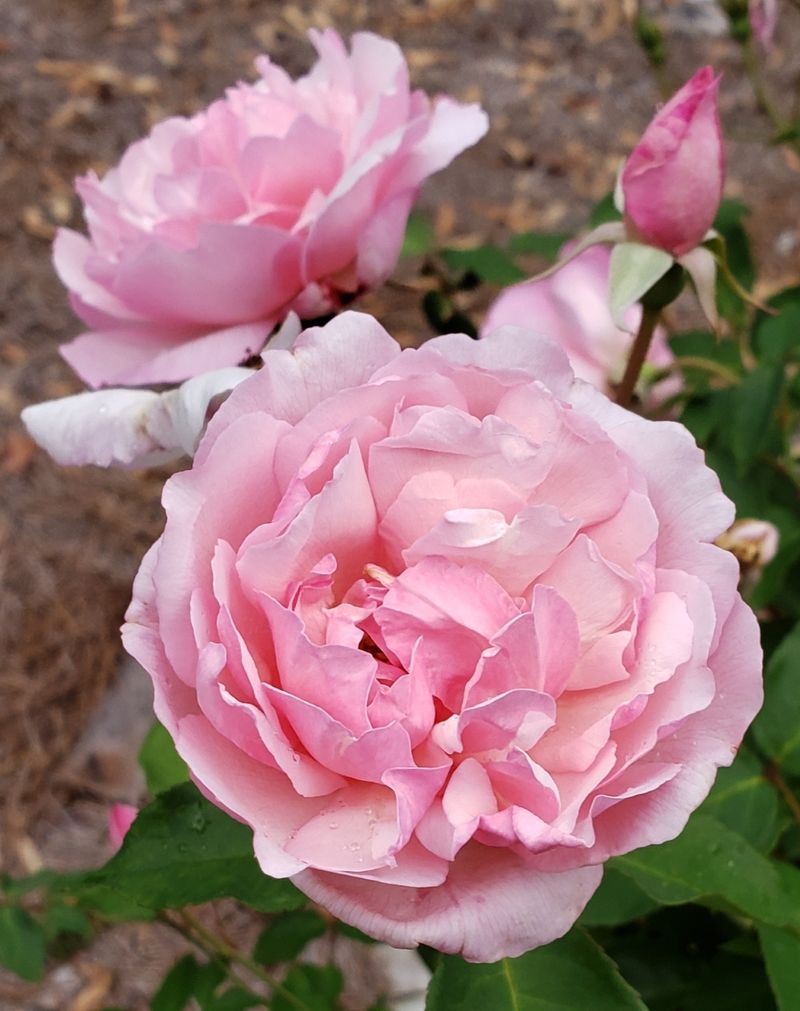
Take Duchess de Brabant (Rosa ‘Duchess de Brabant’), a tea rose with cupped pink blooms that keeps flowering while the neighbor’s fancy hybrids wilt by noon.
For a warm glow, Lady Hillingdon (Rosa ‘Lady Hillingdon’) pushes out apricot-gold flowers like it was born under the Central Texas sun.
Perle d’Or (Rosa ‘Perle d’Or’), the peach-toned China rose whose name means pearl of gold, blooms from spring well into fall and tolerates hot, dry weather plus the alkaline clay that frustrates so many Hill Country gardeners.
Caldwell Pink (Rosa ‘Caldwell Pink’) is another quiet workhorse, growing about 4 feet tall and wide with lilac-pink double flowers that run from spring until frost.
These roses carry a fragrance modern varieties often trade away for looks, and they ask almost nothing in return.
Plant one and you are not just filling a bed, you are keeping a little piece of living history alive in your own yard.
3. Give Them A Good Start With Site And Soil
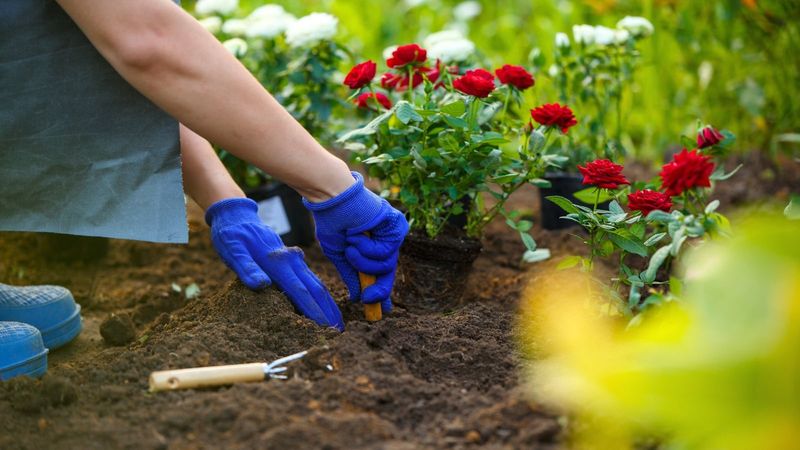
Even the toughest rose needs a fair shot, and where you dig the hole matters more than the price on the tag.
Roses are sun-worshippers that want at least 6 hours of direct light a day, which also dries the morning dew off their leaves and quietly starves fungal disease.
Here is where it gets tricky.
Texas soil is not one thing.
If you garden in North or Central Texas over that dense blackland clay, work in 4 to 6 inches of good compost, and add gypsum at about 4 pounds per 100 square feet to loosen the stubborn stuff so water can actually drain.
Out in the Hill Country or West Texas, where shallow alkaline soil and caliche fight back, a raised bed is your best friend.
Build it at least 12 inches deep, though 24 inches is ideal, and no less than 24 inches wide, then fill it with a compost-rich mix.
East Texas gardeners on acidic sandy soil should pile in organic matter so that quick-draining ground holds moisture instead of letting it run through.
Space your bushes 4 to 6 feet apart for airflow.
Get the start right and you spend the rest of summer enjoying the blooms, not nursing a sick plant.
4. The Deep Drink That Beats A Dry July
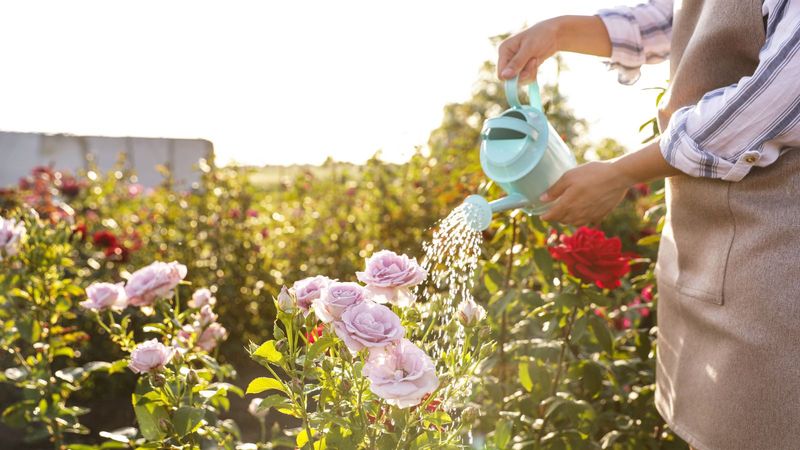
Summer in Texas means a serious relationship with your hose, but the how matters more than the how much.
A quick daily sprinkle feels caring, yet it trains roots to stay near the surface where the heat cooks them first.
Established bushes generally want 1 to 2 inches of water per week, adjusted for your soil and how brutal the week turns.
The move is deep and infrequent.
Stick a finger in the soil an inch or two down, and if it comes out dry, it is time.
Water at the base, letting it soak 12 to 18 inches deep so roots chase it downward and grow tough.
Keep the leaves dry, especially in the evening, because wet foliage is an open door for disease.
Early morning watering lets any splash dry off fast.
During the worst stretches, when the thermometer sits between 95 and 105 degrees, you might water every day or two, but always check the soil first.
Then lay down a 2 to 3 inch layer of shredded bark or pine-needle mulch.
That mulch works like a silent partner, cutting moisture loss and keeping roots cooler.
Do this and your roses ride out the dry spell while your water bill stays reasonable.
5. Fend Off The Sneaky Six-Legged Spider Mites
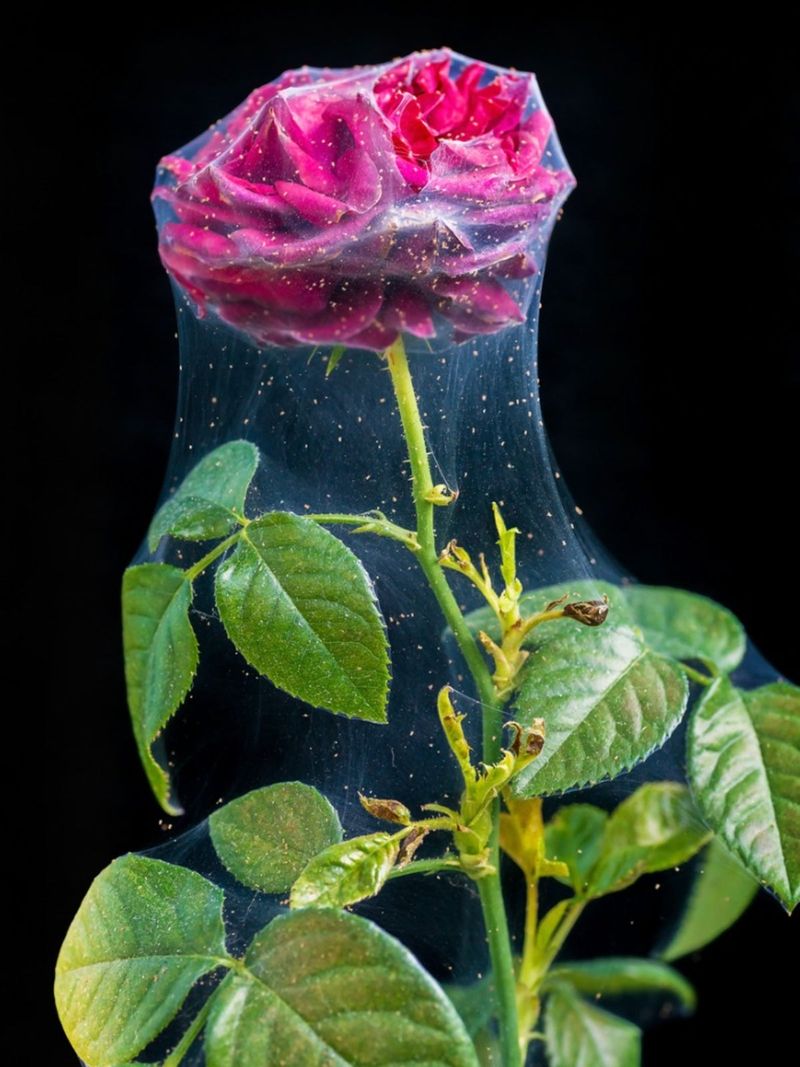
Just when the roses settle into summer, a nearly invisible antagonist moves in.
Spider mites love hot, dry, dusty weather, and they zero in on any plant already stressed by drought.
Spider mites have a trick.
They pierce the leaf and drink the sap, leaving a faint yellow stippling that bronzes the whole leaf, and if the population explodes you will spot fine webbing tucked between stems.
It is easy to miss until the bush looks half dead.
But mites hate water.
Your first and cheapest defense is a strong hose blast aimed at the undersides of the leaves where they hide.
Do it every 2 to 3 days for at least a week to knock them loose and wreck their dusty little habitat.
For stubborn cases, insecticidal soap every 5 to 7 days or neem oil every 7 to 10 days can reduce the population, though never spray in the direct heat of the sun.
And sweep up fallen leaves and debris, because that clutter is where the next generation waits out the season.
None of this is a magic solution, it is one layer of keeping plants unstressed and clean.
Stay a step ahead and you send those tiny invaders packing.
6. Beat Black Spot Before It Strips The Leaves
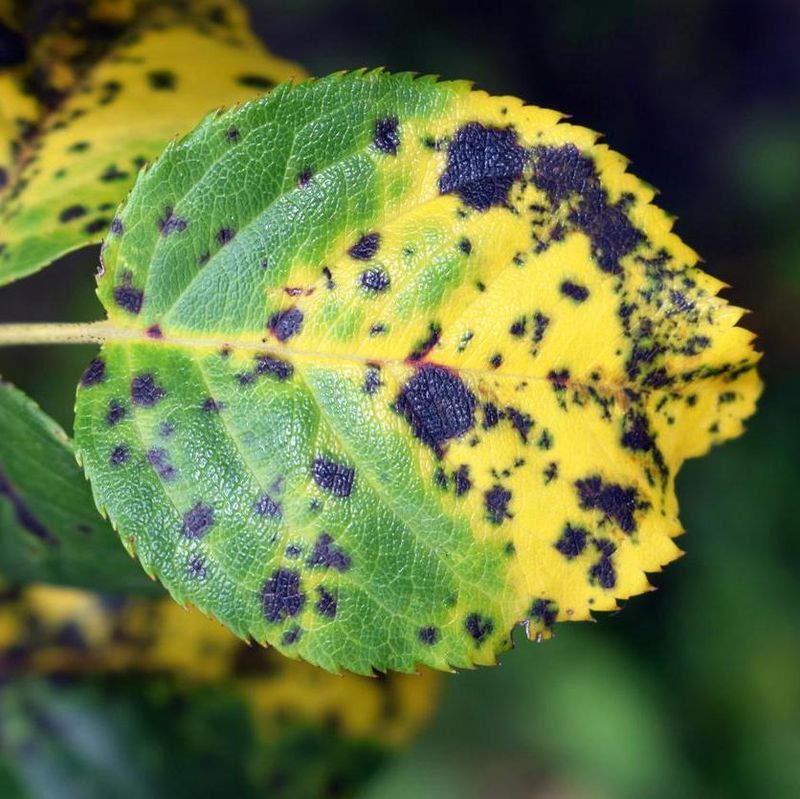
The most persistent villain in a Texas rose bed, especially across humid East Texas and the Gulf Coast, is black spot.
The fungus, Diplocarpon rosae, prints dark circular spots with feathery edges on the leaves, then yellows them and drops them fast.
Repeated defoliation is the real danger, because a bush stripped of its leaves has no way to feed itself and slides downhill.
The fungus needs leaf surfaces to stay wet for about 7 hours in warm, humid air to get going.
Your strongest move happens at the nursery.
Choose resistant varieties like the Earth-Kind roses already mentioned, which were picked partly for shrugging this disease off.
After that, water at the soil line, never overhead, so you do not splash spores onto clean leaves.
Do the watering in the morning so any accidental wetting dries well before dark.
Give the bushes their 4 to 6 feet of spacing so air moves through and foliage dries quickly.
Then keep raking up fallen leaves and prune out any infected canes, since that is where the fungus overwinters and reloads for next spring.
Summer heat slows black spot down, but the spores wait.
Stay tidy and consistent, and your roses keep their leaves through the long haul.
7. Feed Your Summer Bloomers With A Light Hand
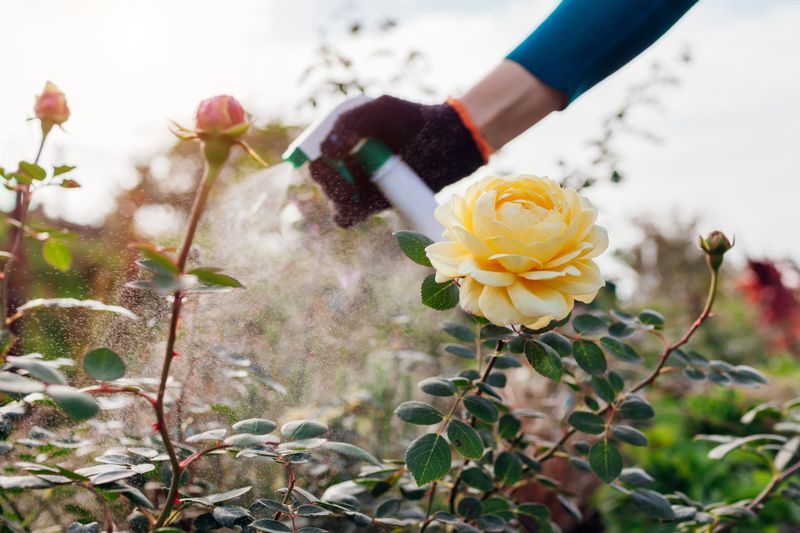
Your roses work overtime in July, pushing bloom after bloom while everything else naps, and they appreciate a little fuel for the effort.
Gardeners call roses heavy feeders, which just means steady nutrition keeps the flowers coming.
But feeding in extreme heat takes finesse.
During the main growing season, plan to feed every 4 to 6 weeks with an organic rose food or a water-soluble option.
When you use a granular fertilizer, scatter it around the base, keep it off the stem, then water it in well so it reaches the roots without burning them.
Skip fertilizing during the absolute peak of a triple-digit afternoon, because that only piles stress on a plant already fighting the sun.
As late summer eases toward fall, taper off so your roses harden for cooler weather instead of throwing tender growth an early frost can nip.
One quiet tip for Central Texas gardeners.
Our soils often carry excess phosphorus, which can block the plant from taking up iron and other micronutrients, so a simple soil test through your county Extension office saves guesswork and money.
Time the feeding right and your bushes roll straight from the summer grind into a big, showy fall flush, the kind that makes you a little proud every time you walk out the door.