
The Night Hunters Eight Florida Natives Recruit To Clear Rats, Roaches, And Mosquitoes
Follow us on Google
You step onto the patio after breakfast, and the air already feels heavy with Florida humidity.
A lone mosquito drifts past, then another, promising a buzzing evening ahead.
You work hard on your backyard, and it should be a place to relax, not a battleground against rats, roaches, and mosquitoes.
The good news is you can recruit eight native night hunters to work the graveyard shift for free.
1. Barn Owls Master The Night Hunt
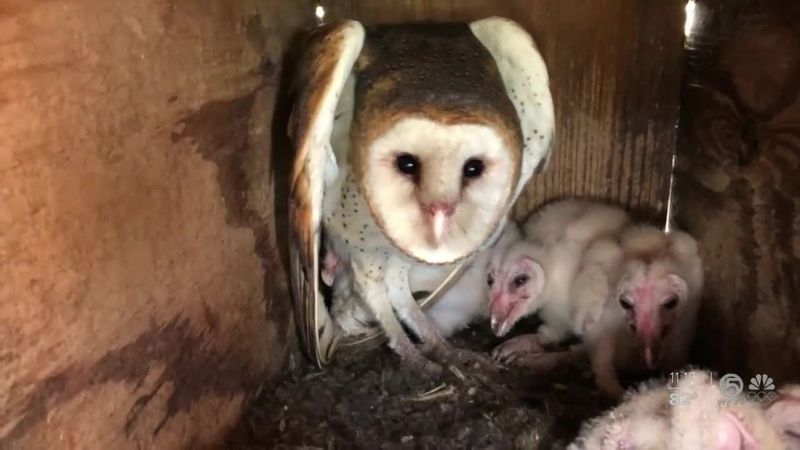
Picture a silent shadow gliding across your yard after sunset, its heart-shaped face turning like a satellite dish.
That is the Barn Owl (Tyto alba), one of the best rodent controllers Florida offers.
A single owl can eat several rats or mice in one night.
Here is where it gets useful.
Barn Owls love open fields and suburban edges, and they do not build their own nests.
They rely on cavities, which means a nest box is your invitation.
Mount an owl box at least 12 feet off the ground, though 15 to 20 feet works even better, on a sturdy pole or building.
Face the opening east or south, away from the prevailing wind, and toss in a few handfuls of wood chips inside.
Barn Owls guard territory, so space boxes at least 100 to 200 yards apart if you have the room.
You can put boxes up any time of year.
But late fall and winter give owls time to find them before nesting begins in late winter.
Once a pair moves in, your rat problem quietly shrinks while you sleep.
2. Eastern Screech-Owls Bring Tiny Terror To Pests
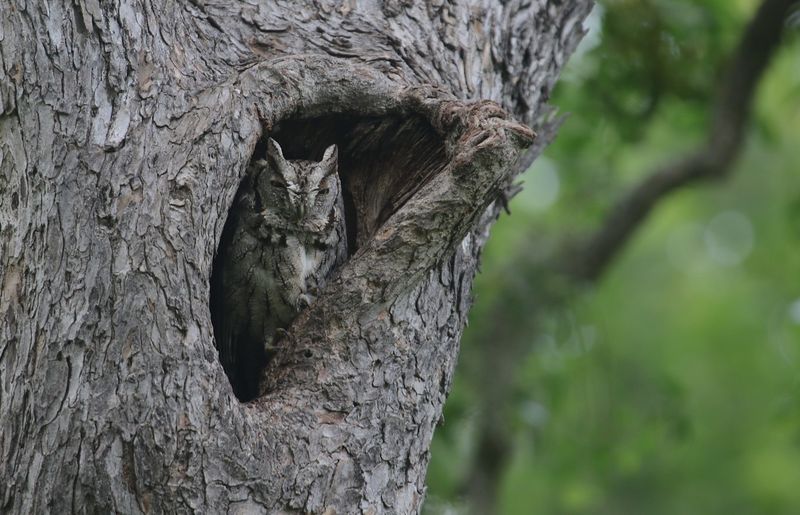
Do not let the size fool you.
The Eastern Screech-Owl (Megascops asio) stands only 6 to 10 inches tall, yet it hunts like a pint-sized wolf.
These little owls, in gray or reddish-brown, live across Florida from the Panhandle through Central Florida.
They are opportunists with big appetites.
Roaches, beetles, moths, small rodents, and even the occasional frog all end up on the menu after dark.
And they settle happily into neighborhoods with mature trees.
Attracting them is genuinely simple.
Screech-owls are cavity nesters and readily accept a box with a 3-inch entrance hole, mounted 10 to 30 feet high on a tree trunk or post.
Face the hole south or east and keep a clear flight path in front.
Add a thin layer of wood chips to the bottom, and space boxes about 100 feet apart if you want more than one pair.
Planting native live oaks (Quercus virginiana) or leaving sabal palm (Sabal palmetto) fronds unpruned gives them natural roosts too.
Small hunter, big results.
3. Big Brown Bats Patrol The Night Skies
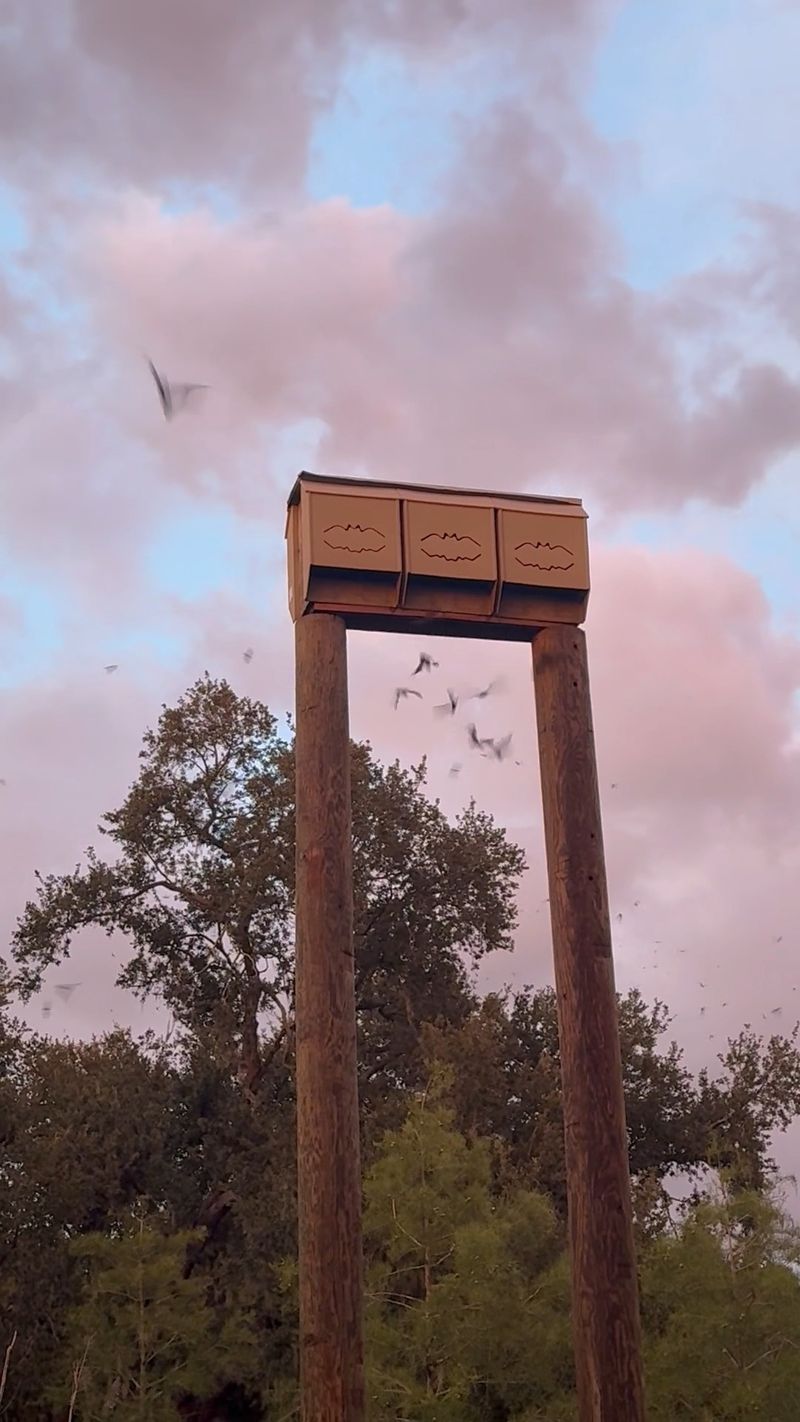
Bats spook some folks, but they are your strongest allies against mosquitoes in the Florida night sky.
The Big Brown Bat (Eptesicus fuscus) ranges from the Panhandle to Central Florida and feasts on night-flying insects.
A single bat can vacuum up hundreds of mosquitoes in an hour.
These bats leave their roosts at dusk and slip back home by dawn.
To recruit them, a well-built bat house does the heavy lifting.
Mount the house on a pole or building, never a tree, at least 12 feet up, with 15 to 20 feet being ideal.
Face it south or southeast so it soaks up six to eight hours of direct sun, holding the inside between 80 and 100 degrees Fahrenheit.
In North Florida, dark brown paint absorbs heat.
In the intense South Florida sun, lighter gray keeps things from cooking.
Keep the house watertight but add a half-inch vent for airflow, and place it within a quarter-mile of water, even a pool.
Install it in winter so bats find it before maternity season from April to August.
4. Evening Bats Deliver Silent Mosquito Solutions
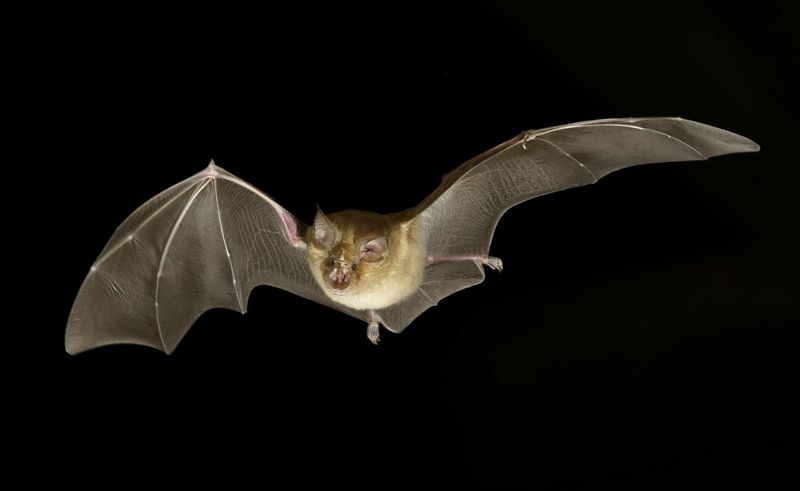
Another native worth courting is the Evening Bat (Nycticeius humeralis), found across Florida except the Keys.
Smaller than its cousin, it emerges just after sunset and flies low and slow, snatching beetles, moths, and mosquitoes from the air.
Fun fact for over-the-fence bragging.
The Evening Bat is the second most common species to move into Florida bat houses, right behind the Brazilian free-tailed bat.
The setup mirrors what the big browns want.
Mount the house 10 to 20 feet high on a freestanding pole or building wall, facing south or southeast for maximum sun.
Choose a house with chambers at least 14 inches wide and 2 feet tall, with roughened interior walls so tiny feet can grip.
Place it along a forest edge but out of direct tree shade, giving them cover and open sky.
Skip the pesticides, which harm bats and wipe out the insects they eat.
Instead, plant native firebush (Hamelia patens) or American beautyberry (Callicarpa americana) to keep their dinner buzzing nearby.
5. Southern Toads Are Ground-Level Pest Patrol
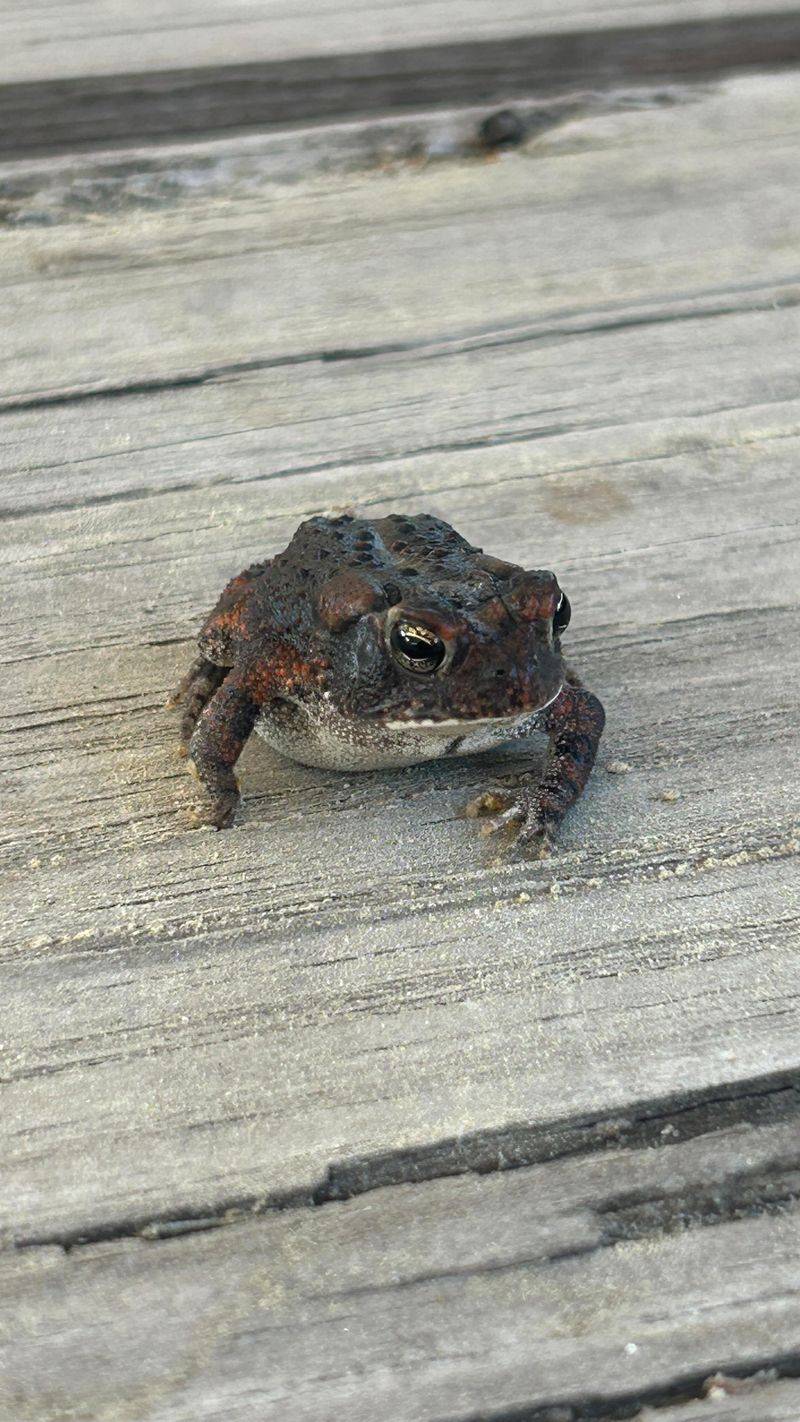
You will spot the Southern Toad (Anaxyrus terrestris) hopping across the yard after a rain shower, or camped under the porch light on a warm night.
These native amphibians are ground-level warriors against roaches and other crawlers.
They work the graveyard shift, gobbling beetles, slugs, snails, roaches, and mosquitoes.
One toad can eat close to 10,000 insects over three months, and roughly 88 percent are pests.
They thrive in Central and North Florida, where their thin skin needs steady moisture.
To keep them around, build a damp, shady, safe habitat at ground level.
Toads do not live in water, but they dry out fast without it.
Leave leaf litter and loose soil for daytime burrowing, and add low native groundcover like frog fruit (Phyla nodiflora).
An overturned ceramic pot with a chipped opening makes a genuinely perfect toad abode.
Set a shallow, clean water source nearby, like a sunken plant saucer with a gentle slope.
Above all, avoid chemicals, since their permeable skin absorbs poisons quickly.
These humble hoppers earn their keep without a sound.
6. Green Tree Frogs Leap For Flying Pests
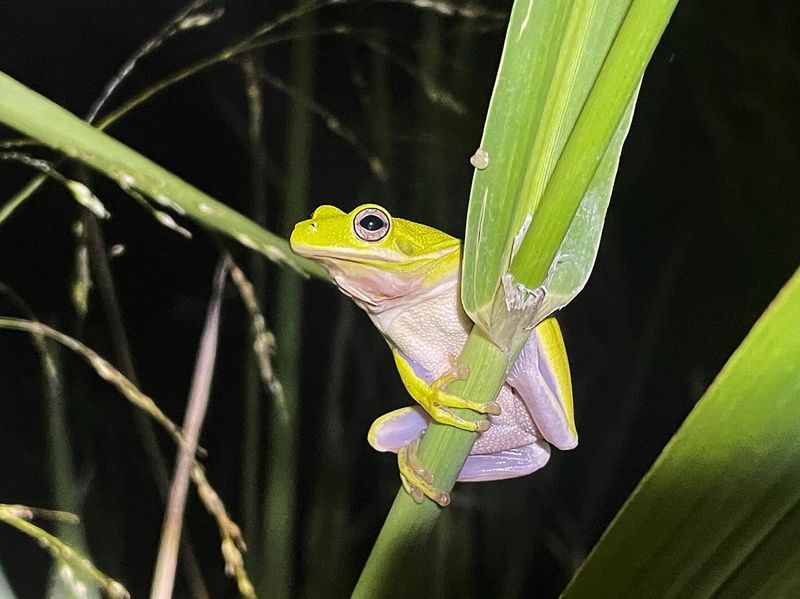
The nighttime chorus of chirps and quacks in a humid Florida yard often belongs to the Green Tree Frog (Hyla cinerea).
Bright green with sticky toe pads, these climbers scale shrubs, trees, and even the side of your house.
You will find them statewide, all the way down to the Keys.
They are drawn to outdoor lights, where flying insects gather thick.
There they gorge on mosquitoes, moths, and beetles all evening long.
To recruit them, offer moist daytime hideouts near water.
Broad-leaved natives like string lilies (Crinum americanum) or canna lilies (Canna flaccida) hold moisture and give cover.
You can also sink 2 to 3-foot sections of PVC pipe upright into the ground, which makes surprisingly good frog perches.
A shallow container pond or a birdbath supplies drinking and breeding water.
Position an outdoor light to draw insects, and these acrobatic hunters will treat your porch like a buffet.
Not a magic solution on its own, but one satisfying layer of your mosquito defense.
7. Gray Rat Snakes Offer Rodent Removal
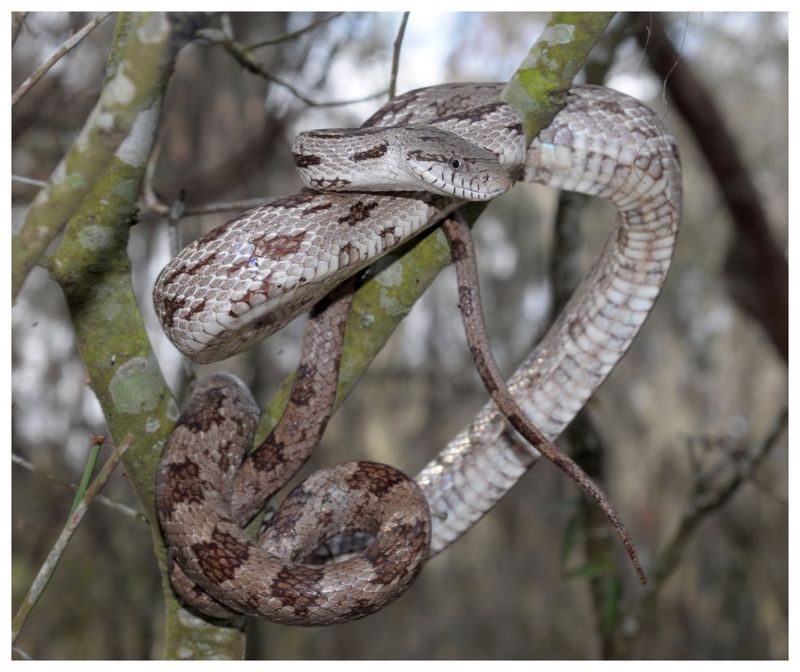
A snake in the yard startles plenty of people, so here is the myth worth busting.
The Gray Rat Snake (Pantherophis spiloides) is non-venomous and one of the best rodent controllers a Florida homeowner could ask for.
Common in forested and suburban areas from the Panhandle to South Florida, this skilled climber hunts rats and mice with quiet patience.
In the peak summer heat it often turns nocturnal, chasing rodents under cover of darkness and even into attics.
Encouraging one is mostly about habitat and stepping back.
They need spots to hide, hunt, and warm up.
Build brush piles or rock piles in a quiet corner, and leave a fallen log or unraked leaf litter in a naturalized area.
The most important move is refusing rodenticides.
Those poisons pass up the food chain and can kill the very snakes and owls doing your pest control for free.
Let this quiet predator patrol, and your rodent numbers drop without you lifting a finger.
8. Virginia Opossums Clean Up Nighttime Messes
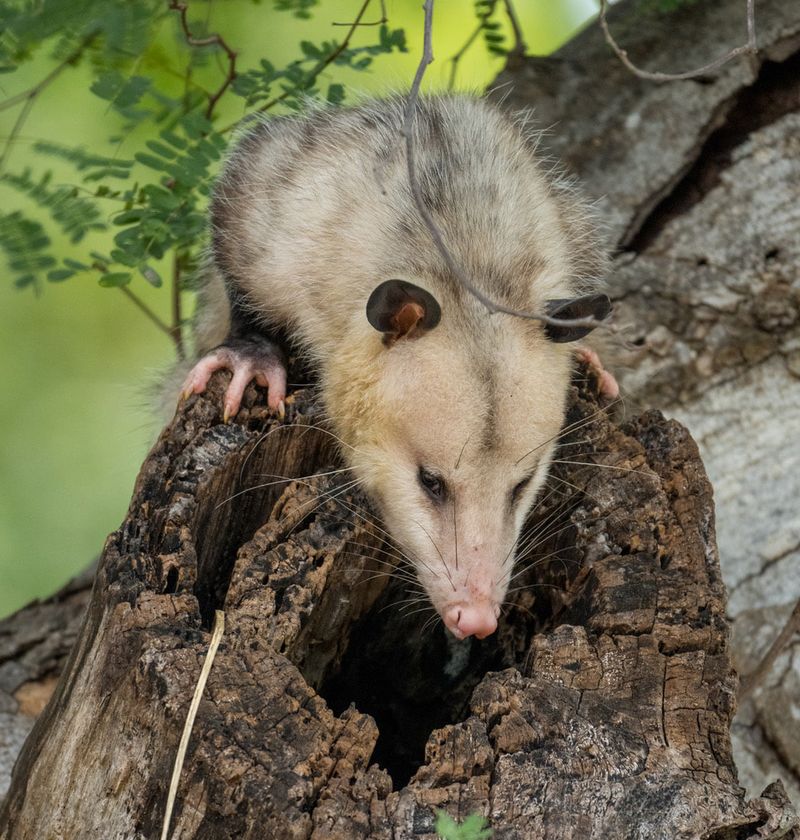
Florida’s only native marsupial, the Virginia Opossum (Didelphis virginiana), is easily the most misunderstood helper on this list.
Found statewide from coastal dunes to city neighborhoods, it is an opportunistic omnivore that eats roaches, slugs, snails, fallen fruit, and small rodents.
Here is the part that wins people over.
Opossums devour thousands of ticks each season, making them unlikely partners against tick-borne illness.
Recruiting them means offering shelter and water while managing temptation.
They favor wooded cover near water, so undisturbed shrubs, brush piles, or a hollow log give them a safe daytime den.
Their appetite cuts both ways, though.
Pet food left outside and loose garbage turn a useful patroller into a nightly scavenger.
Secure your cans tightly and bring pet bowls in after dark.
Plant native saw palmetto (Serenoa repens) or Simpson’s stopper (Myrcianthes fragrans) for food and cover, and this gentle marsupial will quietly tidy up the pests you would rather never meet.
UF/IFAS Extension notes these natives support a healthier backyard balance, and that is the whole point.
You built a yard worth defending, and now eight quiet allies stand the watch for you.