
The Wildflower You Almost Picked On A Pennsylvania Hike Is Actually Protected By Law
Follow us on Google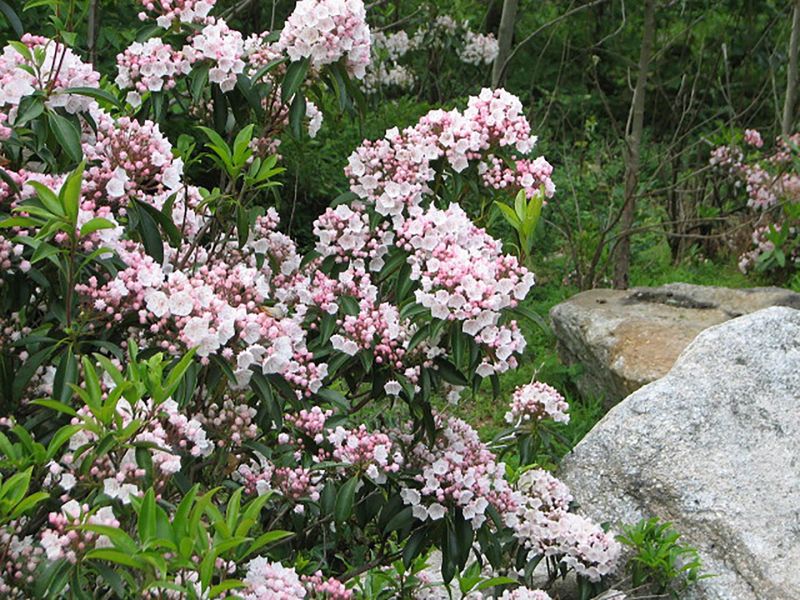
Picture yourself on a rocky Pennsylvania hillside in late May, the forest smelling of damp soil and pine, when a cluster of pale pink blooms catches your eye.
Your hand moves toward it before your brain catches up.
That flowering shrub is mountain laurel, Pennsylvania’s state flower, and depending on exactly where you are standing, picking it could cost you a real fine.
The rules are more specific than the headline suggests, and understanding them takes about three minutes.
Meet Pennsylvania’s Mountain Laurel
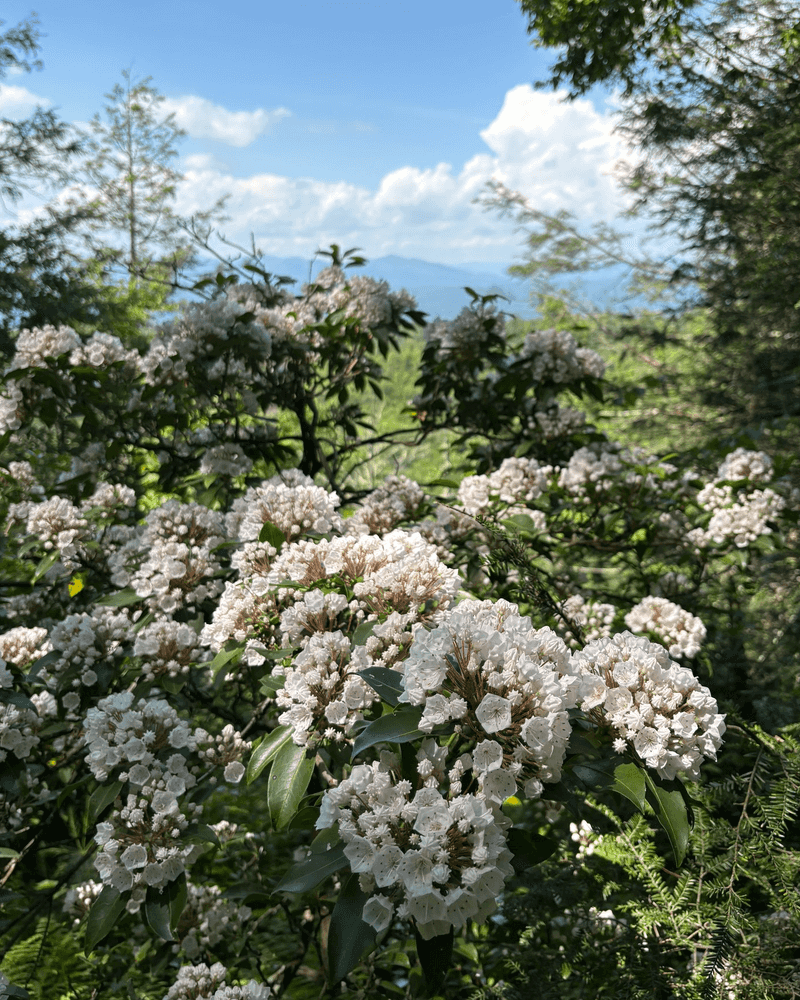
Mountain laurel, Kalmia latifolia, is one of those plants that stops hikers mid-stride.
It grows as a flowering shrub, not a delicate wildflower, and it can reach anywhere from 4 to 10 feet tall depending on the site.
Pennsylvania DCNR describes it as especially common on rocky hilltops, wooded hillsides, and in upland forests and mountainous areas across the state.
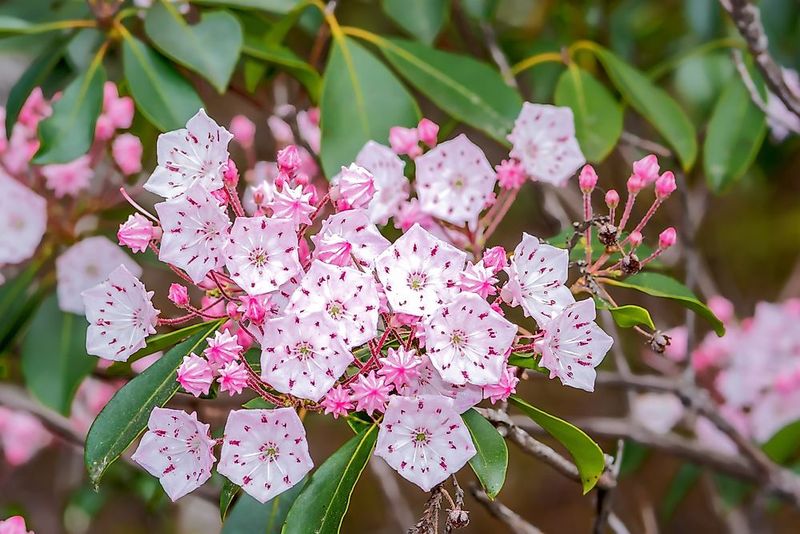
The flowers are pink to white, arranged in dense rounded clusters, and each individual blossom carries distinctive geometric markings on the inside.
The leaves are leathery, glossy, and deep green year-round, giving the plant an evergreen quality that makes it recognizable even when it is not blooming.
That evergreen habit means you can learn to spot mountain laurel on any season’s hike, not just in spring.
Bloom time runs mainly from late May into June, though elevation and local conditions shift that window a bit.
Higher elevations in the Poconos or the Laurel Highlands tend to peak a week or two later than lower sites in the central valleys.
If you round a bend on a trail in that window and see a shrub smothered in pale blossoms, mountain laurel is a reasonable first guess.
The temptation to reach out and snap off a stem is genuinely understandable.
The blooms are beautiful, they photograph well, and the shrub looks like it has plenty to spare.
But before your fingers close around a branch, the question of where you are standing matters more than you might expect.
The State Flower Designation Is Not a Ban
Here is where a lot of hikers get the story wrong.
Pennsylvania officially adopted mountain laurel as its state flower on May 5, 1933, under Act 107 of the Pennsylvania General Assembly.
That designation is ceremonial.
It celebrates the plant’s beauty and its connection to Pennsylvania’s landscape, but it does not create a legal shield around every mountain laurel shrub in the commonwealth.
Pennsylvania DCNR is direct on this point, calling the belief that state-flower status automatically protects the plant a persistent myth.
The designation does not prohibit cultivation, possession, or propagation.
A nursery can grow and sell mountain laurel, a homeowner can plant it in the yard, and a landowner can prune it without running afoul of the law simply because the plant carries the state-flower title.
So where does the actual legal protection come from?
Two separate sources, and they are worth keeping straight.
The first is the set of land-management regulations that govern Pennsylvania state parks and state forests.
Those rules apply to nearly every plant on that land, common or rare, state flower or not.
The second is Pennsylvania’s native-wild-plant classification system, which restricts conduct involving specific species that have been formally listed as endangered, threatened, rare, or vulnerable.
Mountain laurel’s legal story, then, is not about its honorary title.
It is about where the plant grows and whether it carries an applicable protected classification.
Those two questions will give you a clearer answer than the ceremonial designation ever could, and they are what the next sections work through.
State Park And Forest Rules Protect Wild Plants
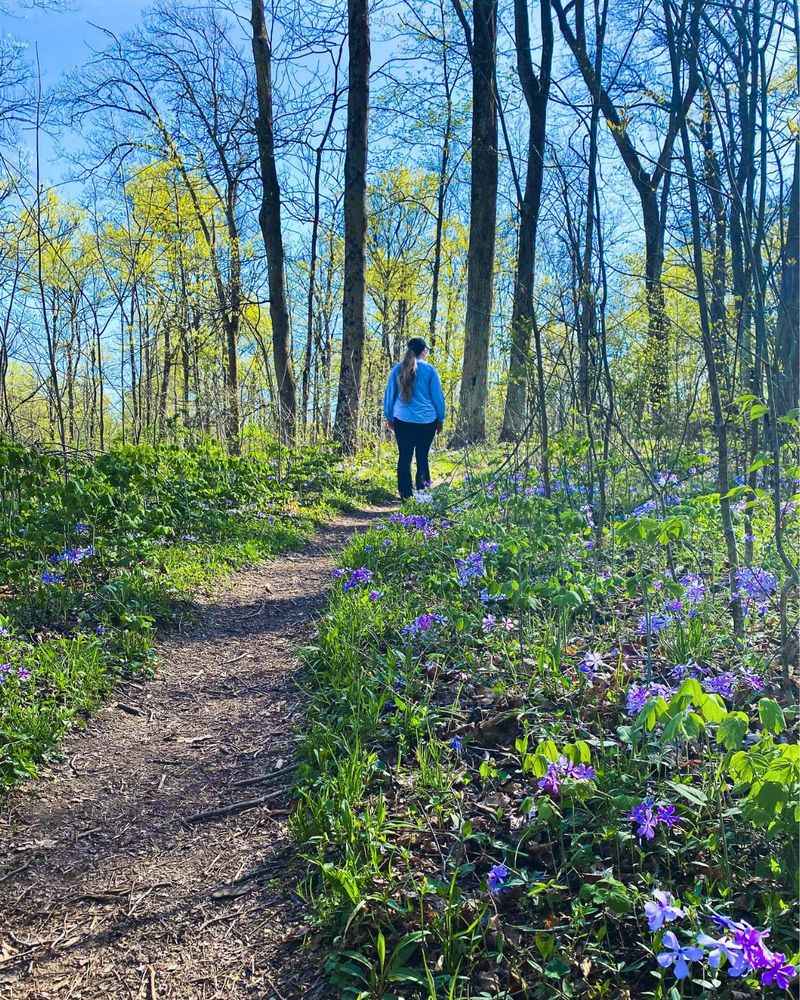
The clearest rule for most Pennsylvania hikers is this: on state park and state forest land, you generally cannot cut, pick, dig, damage, or remove living or dead plants without written permission from the Department.
That rule covers mountain laurel, but it also covers the fern beside the trail, the moss on the rock, and the branch that fell last winter.
Pennsylvania Code Section 45.32 sets out those prohibitions for state-managed land, and the protection flows from the land classification, not from any individual plant’s status.
On state forest land specifically, Title 17, Section 21.115 spells out a narrow personal-use exception that allows reasonable gathering of edible wild plants for personal or family consumption.
Ramps, wild berries, and certain mushrooms fall into that category.
Mountain laurel flowers do not.
Picking an ornamental bloom to take home, tucking a branch into your pack, or snapping off a stem for a vase is not covered by the edible-plants exception.
State park rules follow a similar pattern.
Title 17, Section 11.211 permits reasonable personal-use collection of edible fruits, nuts, berries, and fungi in state parks.
Flowers and ornamental branches are not on that list.
Written Department permission is the only path to lawfully removing plants outside those narrow exceptions.
The practical takeaway is straightforward.
If you are hiking a Pennsylvania state park or state forest trail and you spot mountain laurel in bloom, the land-management rules already tell you to leave it alone.
The protection is not symbolic.
It is the same regulation that applies to every other plant sharing that hillside with the shrub.
Chapter 45 Adds Species-Based Protections
Land-management rules cover state parks and state forests as a whole.
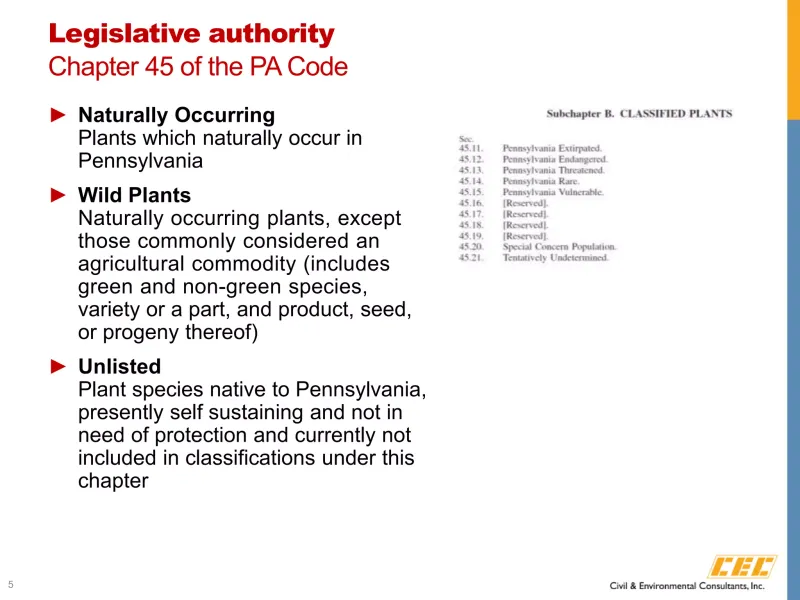
Pennsylvania’s Chapter 45, Conservation of Pennsylvania Native Wild Plants, does something different.
It creates a species-by-species classification system that assigns individual native plants to categories: endangered, threatened, rare, or vulnerable.
Each category carries its own set of restrictions.
For plants listed as endangered or threatened under Chapter 45, the law prohibits a wide range of conduct including picking, taking, possessing, destroying, mutilating, removing, collecting, or transplanting.
Vulnerable plants face narrower restrictions, but they are still regulated.
The point of the system is to give extra protection to native plants that face real population pressure, not to create a blanket rule that treats every common shrub the same as a plant on the edge of local extinction.
Mountain laurel is a widespread native shrub in Pennsylvania.
The sources available here do not establish it as generally endangered, threatened, rare, or vulnerable statewide.
That means Chapter 45’s per-plant penalty language does not automatically apply every time a hiker snaps off a mountain laurel flower.
The regulation allows a fine of up to $100 for each protected wild plant taken or destroyed, and up to $100 for other violations of the act or chapter, but that per-plant language is tied to plants that actually carry a Chapter 45 classification.
What this means for a hiker on a state park trail is that the land-management rules from the previous section are the primary legal basis for leaving mountain laurel alone.
Chapter 45 adds a second, species-specific layer that applies to formally classified plants.
If you encounter a plant with an orange or red tag marking it as protected, or if you are unsure of a plant’s status, treating it as off-limits is the right call.
Checking Pennsylvania’s Native Plant Classification list through DCNR before a hike in a botanically sensitive area is a genuinely useful habit.
Check Who Manages The Land
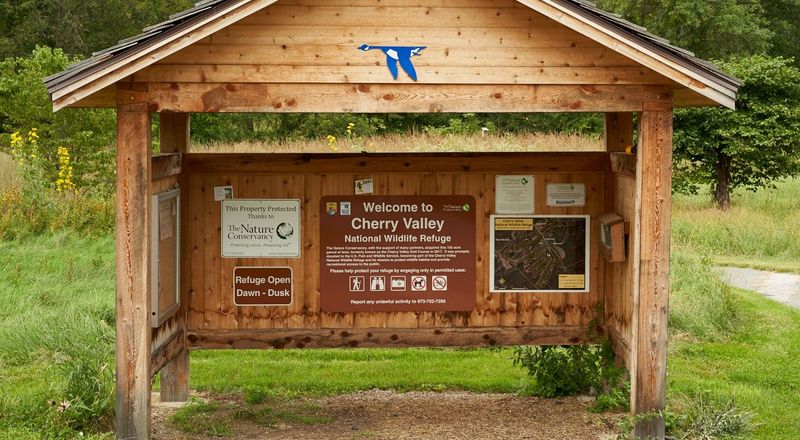
No single rule covers every Pennsylvania hike, and assuming otherwise is how hikers end up confused.
The property manager matters more than any general statement about mountain laurel or state flowers.
State parks and state forests follow the DCNR rules described above.
But Pennsylvania’s trail network crosses many other types of land, and each type operates under its own legal framework.
Private property is a straightforward case.
A landowner can grow, prune, propagate, and cultivate mountain laurel without any conflict with state-flower law, because the ceremonial designation creates no restriction on private cultivation.
If you want to remove a plant from private land, you need the landowner’s permission, and that permission has nothing to do with mountain laurel’s state-flower status.
Federal land is a separate situation entirely.
At Delaware Water Gap National Recreation Area, for example, federal rules prohibit removing flowers, mushrooms, fossils, and rocks from the park.
That rule applies regardless of the plant’s state-level status.
Other federal land managers, including the U.S.
Forest Service and the Army Corps of Engineers, maintain their own regulations, so Delaware Water Gap is a specific example rather than a universal standard.
Game lands, municipal parks, private nature preserves, and trail corridors maintained by land trusts or volunteer organizations each follow their own posted rules.
The practical process is simple enough to become a habit.
Before you collect anything on a trail, identify who manages that land.
Read any posted regulations at the trailhead.
If the rule is unclear and you genuinely want to know, contact the land manager before the hike rather than after.
That three-step check takes less time than filling out a violation form.
Photograph The Bloom And Leave It Growing
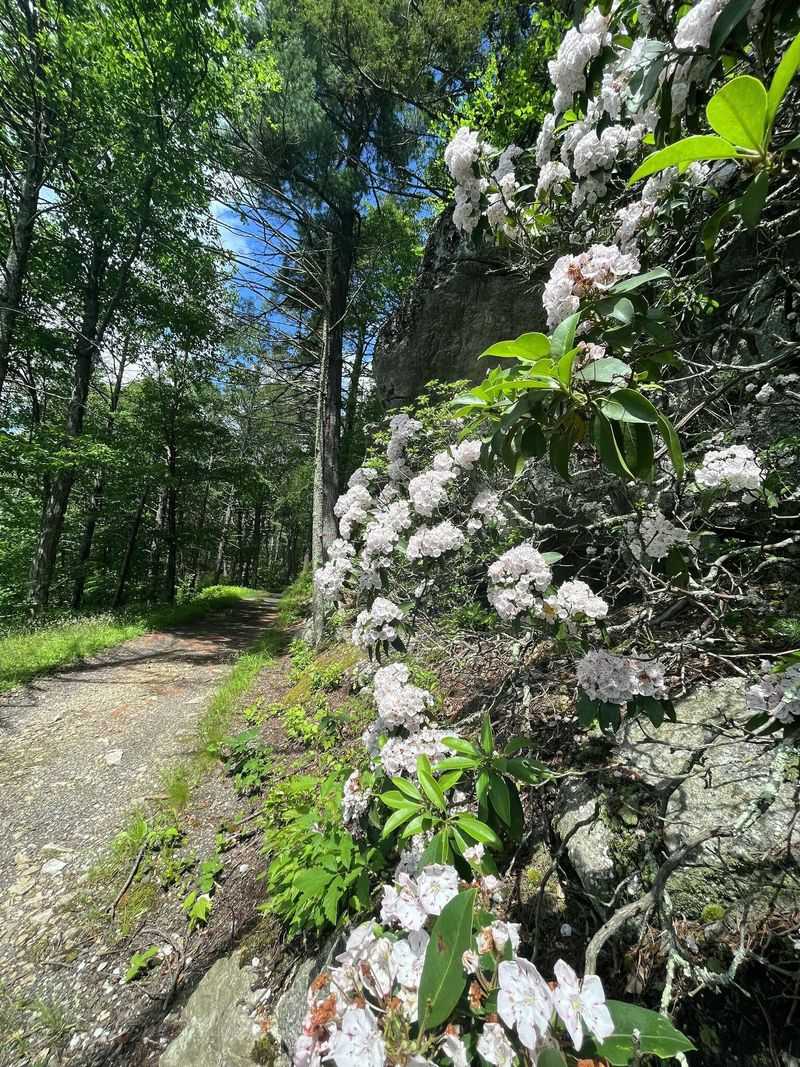
Your phone camera is genuinely the right tool here.
Pennsylvania DCNR specifically advises taking pictures rather than picking flowers, noting that removing flowers can prevent seed production and may harm plants with very small populations.
A single established mountain laurel shrub is not going to die because one hiker snapped off a blossom, but cumulative picking across a season, across a popular trail, adds up.
Seed production disappears when the flowers do.
The responsible routine on the trail is three steps.
Look closely at the flower clusters, the geometric markings inside each blossom, and the way the leathery leaves catch the light.
Take photographs from multiple angles, including a shot that shows the full shrub in its habitat.
Then leave the flowers, branches, roots, and surrounding soil completely undisturbed.
There is also a health reason to keep your distance from clipped material.
Forest Service research confirms that mountain laurel’s leaves, buds, flowers, and fruits contain poisonous compounds that can be lethal to livestock and dangerous to humans.
Do not taste the flowers, brew them into tea, or use clipped stems as edible garnishes.
The plant is beautiful to look at and genuinely harmful to ingest.
Keeping the shrub intact also protects the habitat around it.
Mountain laurel roots hold soil on steep rocky slopes, and the dense canopy the plant creates shelters other understory species.
When you photograph it and walk on, you leave that whole system working the way it should, and you carry a better image home than a wilting branch would have given you anyway.
Choose Nursery-Propagated Plants For Home
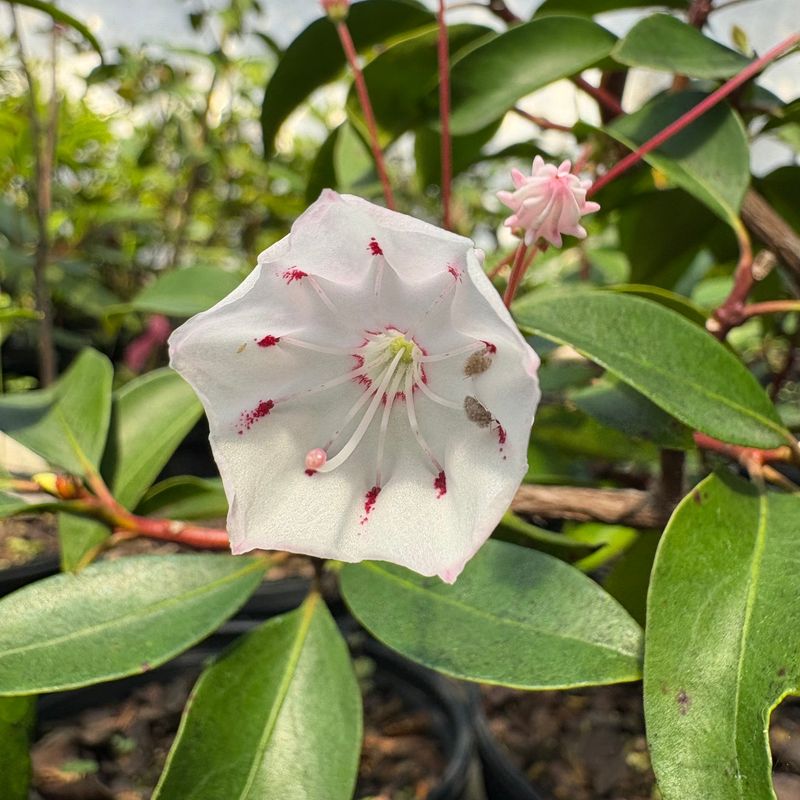
If mountain laurel caught your eye on the trail and you want it in your yard, the right move is to buy a nursery-propagated plant from a reputable local nursery.
Pennsylvania DCNR advises buying nursery-propagated native plants and warns against removing plants from the wild, because wild-collected specimens often fail after transplanting and collecting depletes natural populations.
Digging a plant from a trail, taking cuttings, collecting seed, or attempting to transplant a roadside specimen are all approaches that tend to produce a dead shrub and a smaller wild population.
Nursery stock gives you a plant that is already adapted to container life and ready to establish in a prepared bed.
For placement, official DCNR guidance describes mountain laurel as suited to cool, moist, well-drained soil.
The shrub can tolerate full sun or deep shade, but flowering improves noticeably with more light.
A spot that gets 4 to 6 hours of direct sun and stays reasonably moist through summer is a solid starting point.
Before you plant, assess your actual yard.
Heavy clay soil, compacted ground, drought-prone slopes, and poorly drained low spots can all cause problems for mountain laurel over time.
Southeastern Pennsylvania yards with dense clay and Philadelphia-area urban heat pockets require more site preparation than a naturally moist, shaded hillside in the northern tier or the Poconos.
The plant is not a universal fit for every Pennsylvania yard, and honest site evaluation before purchase saves money and frustration.
Mountain laurel grown from nursery stock and placed in a well-matched site will bloom reliably each May and June for decades.
The trail version and the yard version are the same species.
The difference is that one belongs to the forest, and the other is yours to tend, and that distinction is worth keeping clear.