
The Weeks After Your Last Fig Is Picked Quietly Decide How Loaded Next Summer’s Branches Get
Follow us on Google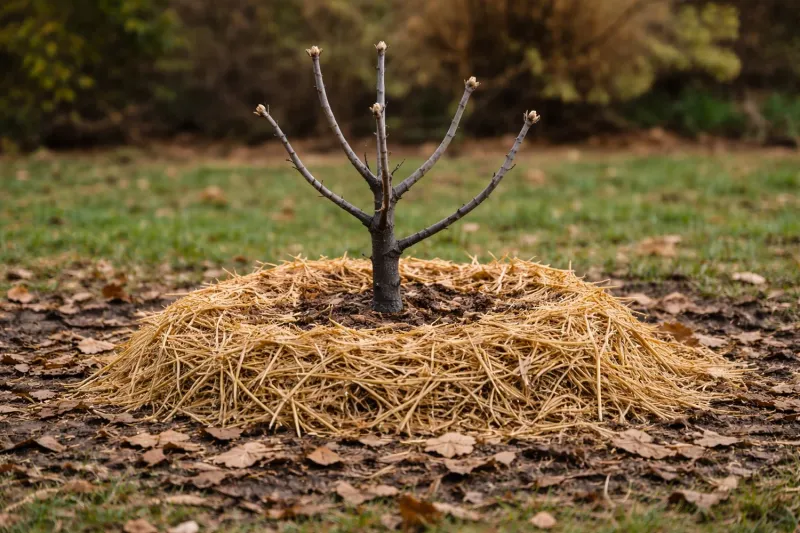
It’s a cool September evening, the bowl on your counter holds the last six figs, and the tree out back smells like warm honey and dry leaves. You’d think the work is done until next spring.
It isn’t. The next few weeks quietly set up how many figs your branches carry next summer, and the steps are simpler than you’d guess.
1. Tiny Figlets Already Hold Next Summer’s First Crop
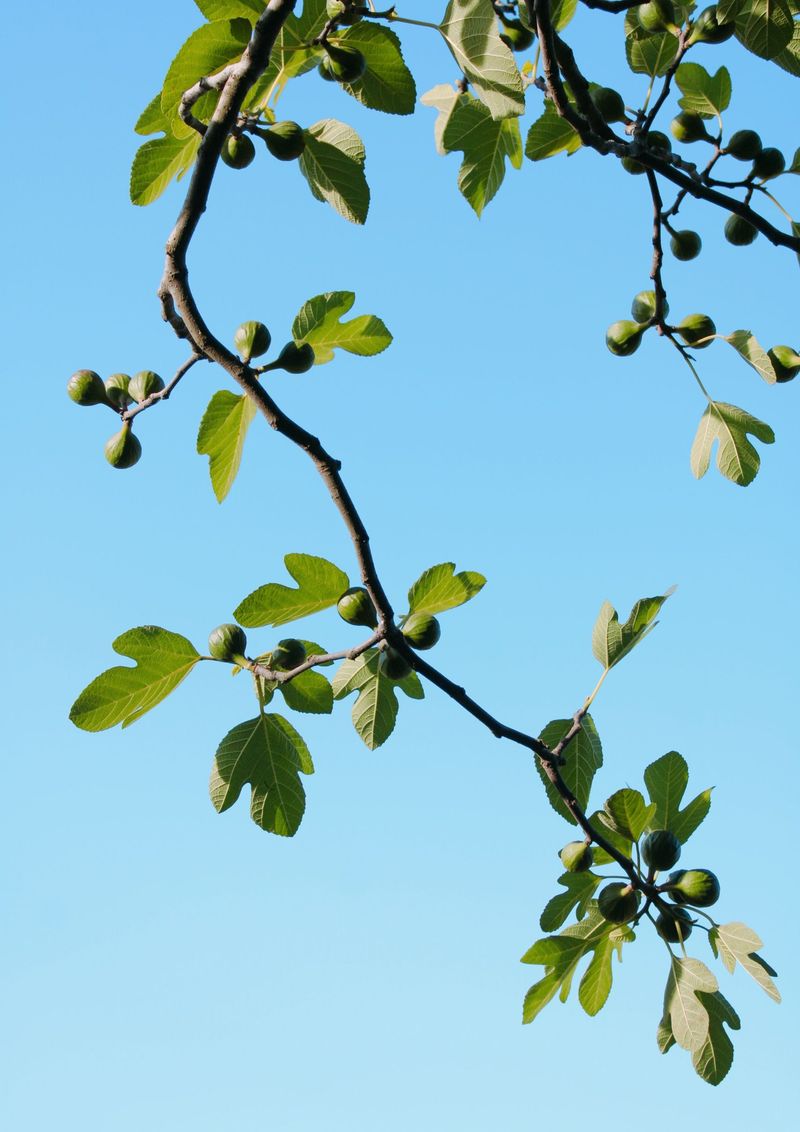
Look closely at the tips of your fig branches in early fall. You may spot small green bumps about the size of a pea, tucked where the leaves meet the stem.
Those are not leftovers. They are embryo figs for the breba crop, the early harvest that grows on last year’s wood.
Your fig tree, Ficus carica, often makes two crops a year, and the second, or main crop, grows on fresh shoots that appear next spring.
Think of those figlets as passengers waiting out winter in a bus shelter. If the branch survives, they ride into June or July as your first figs.
If the branch is cut off or frozen, they never arrive.
So the main job right now is protection, not production. Every choice you make after harvest either keeps those passengers safe or tosses them out.
Snap a quick photo of a few branch tips now, it helps you remember which wood carries next year’s early crop when pruning season arrives.
In cooler parts of the country, from Pennsylvania to the Pacific Northwest, the breba crop can matter more than the main crop. Main-crop figs sometimes run out of warm days before ripening, so those overwintering figlets become your best bet.
2. Unripe Figs Left Hanging Steal Energy From Next Year
Here is a myth worth dropping. Many gardeners leave every green fig on the tree, hoping a warm October will finish them off.
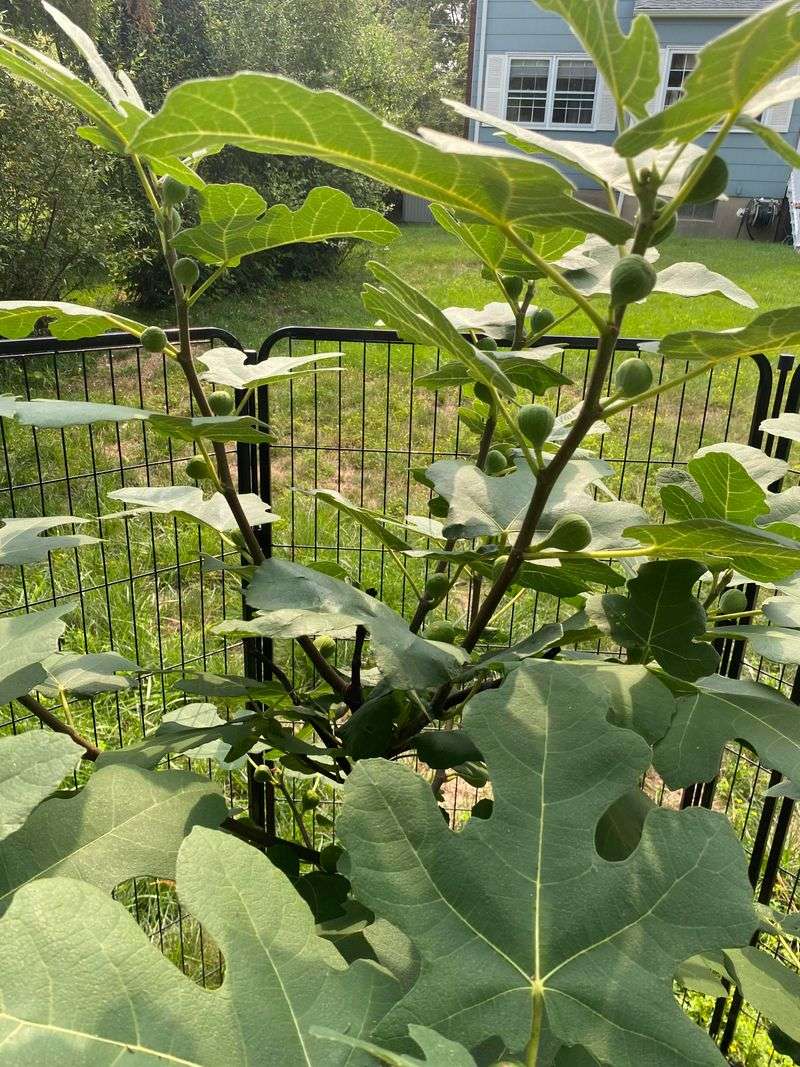
In most of the country, figs larger than a pea in late August will not ripen before cold weather. They just sit there like guests who missed the last train, still eating from the kitchen.
Each of those hard figs pulls sugar and water the tree could be sending toward its tiny breba buds and its roots. Gardening sources commonly recommend removing unripe figs bigger than pea-sized in late August or early fall.
The action is easy. Walk the tree with a bucket, pinch off the firm green figs larger than a marble, and leave the pea-sized ones at the branch tips alone.
It takes about 15 minutes on a small tree.
Gulf Coast and Southern California growers with long, warm falls can wait a few weeks longer, since late figs there sometimes do ripen. Watch your local forecast and trust what your season actually allows.
The payoff is a tree heading into winter with its energy saved for the crop that counts.
3. Nitrogen Fertilizer In Fall Sets Soft Growth Up To Freeze
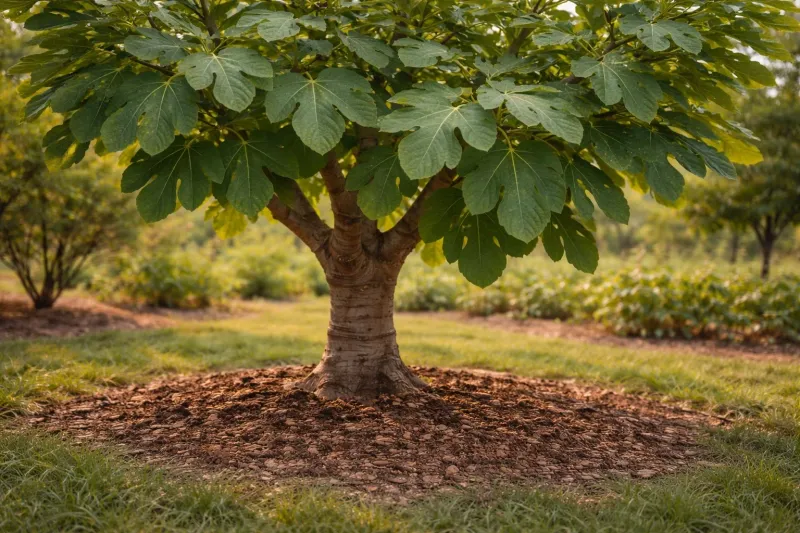
A bag of lawn fertilizer sitting in the garage feels like a kindness to toss around the fig. It is not.
High-nitrogen feed tells the tree to push out fresh, tender shoots. In fall, those shoots never toughen before frost, so a cold night at 25 to 27 degrees Fahrenheit can blacken them and invite rot into the branch.
Picture sending a kid outside in January wearing a T-shirt. The new growth simply is not dressed for the weather.
Instead, let the tree coast. Most established figs only need fertilizer if their branches grew less than one foot last year or their leaves look pale.
When they do, a balanced 8-8-8 or 10-10-10 at about one-third pound per foot of tree height goes on in late winter, mid-spring, and mid-summer, not after harvest.
If you want to do something in fall, a thin layer of compost or a root-friendly amendment like bone meal supports the soil without pushing leaves. It is one quiet layer of help, not a cure for a weak tree.
But skipping that fall nitrogen may genuinely save more branches than anything else on this list.
4. Cutting Back The Watering Tells Your Tree To Rest
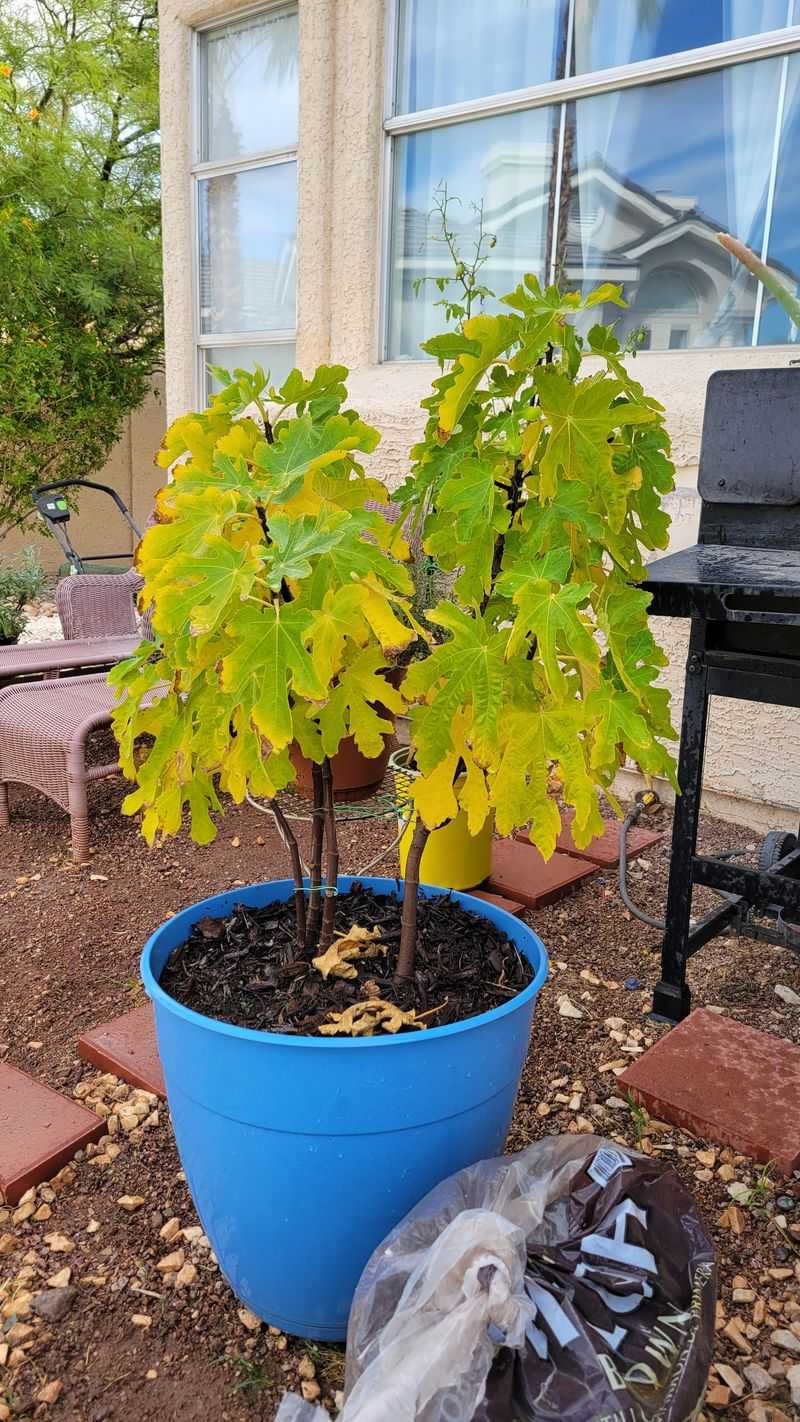
By late September, many Mid-Atlantic gardeners notice their fig still looks lush and green, even as maples start turning. That lingering green can be a warning sign.
Steady summer watering keeps the tree in growing mode. Shorter days and less water are the cues that tell it to slow down and harden its wood, a process gardeners call hardening off, where soft tissue firms up for cold.
Start stretching the time between waterings as nights cool. Established in-ground figs usually need deep watering only every one to two weeks during the season, and in late fall they often need nothing unless the weather turns unusually dry.
Container figs are a different story. Their small soil volume dries fast, so check with a finger 2 inches down.
Water only when it feels dry, and aim for soil that stays cool and barely moist, never soggy, since wet roots in cold soil can rot.
Your water bill drops a little too. More importantly, your fig gets the message that the party is over and it is time to sleep, which makes its branches far tougher when the first freeze rolls through.
5. Hard Pruning Right After Harvest Can Erase Breba Figs
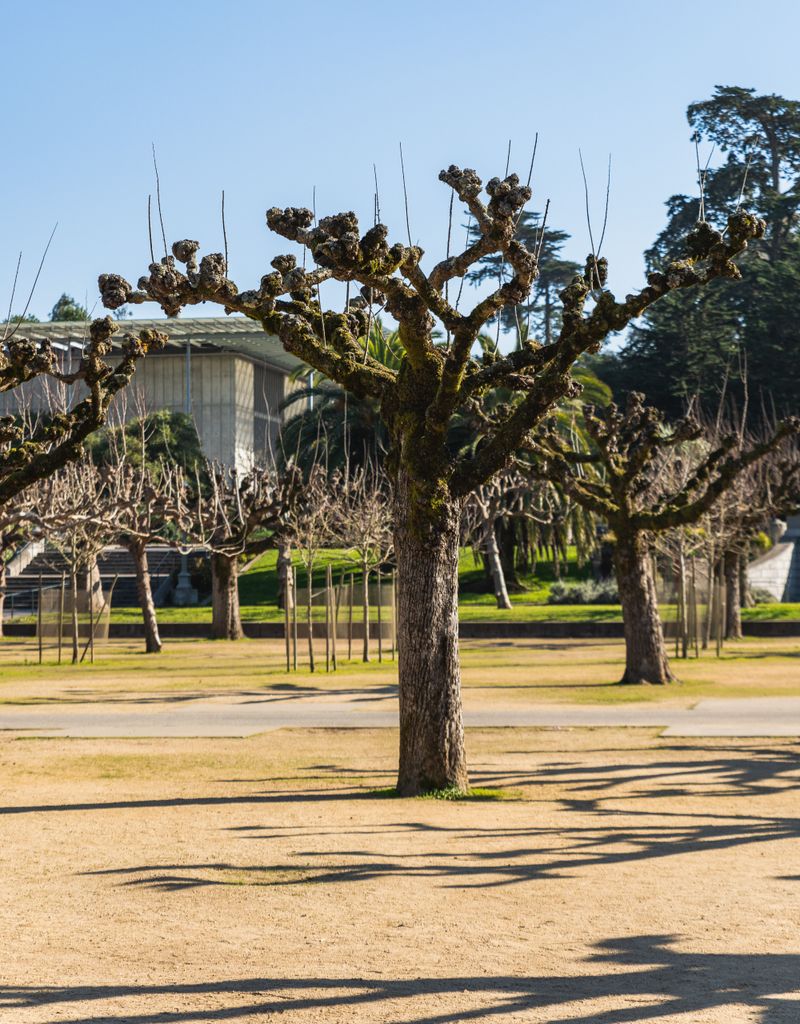
Fall cleanup feels productive. The shears come out, the tree gets a haircut, and the yard looks tidy for the holidays.
But every branch tip you remove may carry next summer’s breba figs. Heavy fall pruning can wipe out that early crop before it starts.
In mild-winter areas like coastal California, some growers do prune lightly right after the main harvest, yet they still cut with the breba wood in mind.
For most of the country, the better window is dormancy, roughly November through March on a dry, frost-free day. Skip spring pruning, when sap flow is high and cuts can weaken the tree.
Keep your cuts focused. Remove dead, diseased, or crossing branches, plus limbs growing inward or downward, since those get little light and tend to make small fruit.
Pull suckers sprouting from the base, because they compete for energy like extra mouths at dinner.
Here is the useful trade-off. Each cut can trigger three to four new limbs, and those new shoots carry the main crop.
So prune lightly for breba figs, a bit more for main-crop figs, and choose based on which crop your climate actually ripens.
6. Thick Mulch After A Hard Frost Guards The Roots
The first hard frost usually arrives overnight. You step out with coffee, and the fig’s big leaves hang limp and dark like wet paper bags.
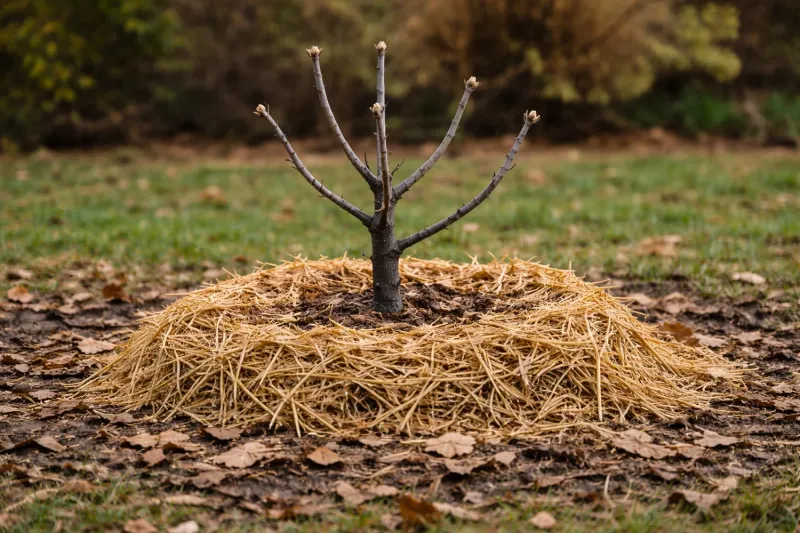
That is your signal. Strip off any remaining leaves and unripe figs, then pile mulch around the base 6 to 12 inches deep, using shredded leaves or straw.
Keep a little gap right against the trunk so moisture does not sit on the bark.
Roots survive cold better than branches do, but a thick mulch blanket buys them extra margin. In USDA Zone 7, where figs can freeze to the ground at 20 degrees Fahrenheit or lower, mounding loose soil or mulch 1 to 2 feet up the trunk in late fall can protect the lower wood.
Fully dormant figs generally handle 15 to 20 degrees Fahrenheit without severe damage, while young trees can suffer winter kill around 18 to 22 degrees. Below 15 degrees, injury gets serious.
Mulch will not save every branch in a brutal winter. Still, it keeps the root system alive, and a fig with healthy roots can push new shoots and a main crop even if its top dies back.
7. Wrapping Your Fig Keeps Zone 6 And 7 Branches Alive

Drive through older neighborhoods in Philadelphia or New Jersey in winter and you may see odd burlap bundles topped with buckets. Those are fig trees, and the families wrapping them are protecting next summer’s breba crop.
Wrapping makes sense in Zones 6 and 7, where open winters can kill exposed branches. Penn State Extension notes that figs in these colder areas often need some winter protection to survive and fruit reliably.
Start after leaf drop. Prune the branches to a manageable height, tie them together gently, and wrap them in burlap or another breathable fabric.
Avoid plastic touching the wood, since it traps moisture and invites disease.
Then circle the tree with cardboard and loosely fill the space with dry straw. Cap it with a tarp or upturned bucket to shed rain, but leave the bottom open for airflow.
The whole thing works like a winter coat with a hood, warm but still breathing.
Hardier varieties like ‘Chicago Hardy’ can handle stems near 10 degrees Fahrenheit and roots near minus 20, often regrowing from the base after dieback. Even so, a wrapped tree saves the old wood, and old wood is where those early figs live.
8. Potted Figs Rest Best In A Cold, Quiet Garage
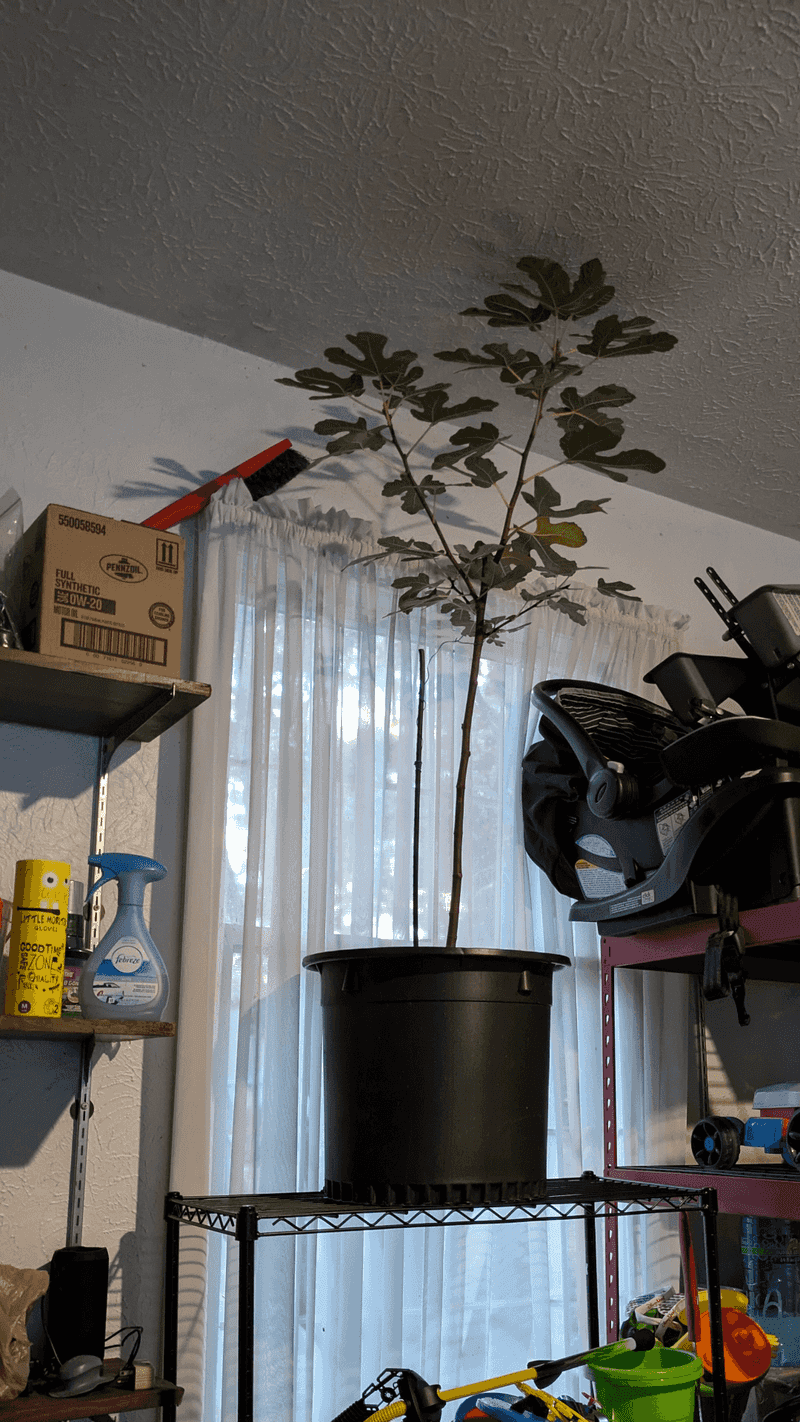
Surprising fact: your fig actually needs cold. Most varieties require at least 100 chilling hours, time spent at cool dormant temperatures, before they fruit well.
That is why bringing a potted fig into a warm living room backfires. For Zone 5 and colder, or small trees in Zone 6, the safer move is an unheated garage, shed, or cool basement after the first hard frost.
Light is not required. The dormant tree is basically hibernating, like a bear that does not care whether the cave has windows.
Water about once a month, just enough to keep the roots from drying out completely, and never let the pot sit wet.
Pot size matters for next year too. Young trees of one to two years do well in 3 to 5 gallon pots, while older trees prefer 10 to 15 gallons or more.
Repotting every three years into a container about 2 inches wider keeps roots from choking.
Come spring, roll the pot back into full sun once frost danger passes in your area. The branch tips you protected all winter will wake up first, and those little figlets you spotted back in September can finally ripen into a summer bowl worth sharing on the porch.
