
The Underrated Pennsylvania Native Groundcover That Can Help Suppress Weeds in Your Shady Bed After It Fills In
Follow us on Google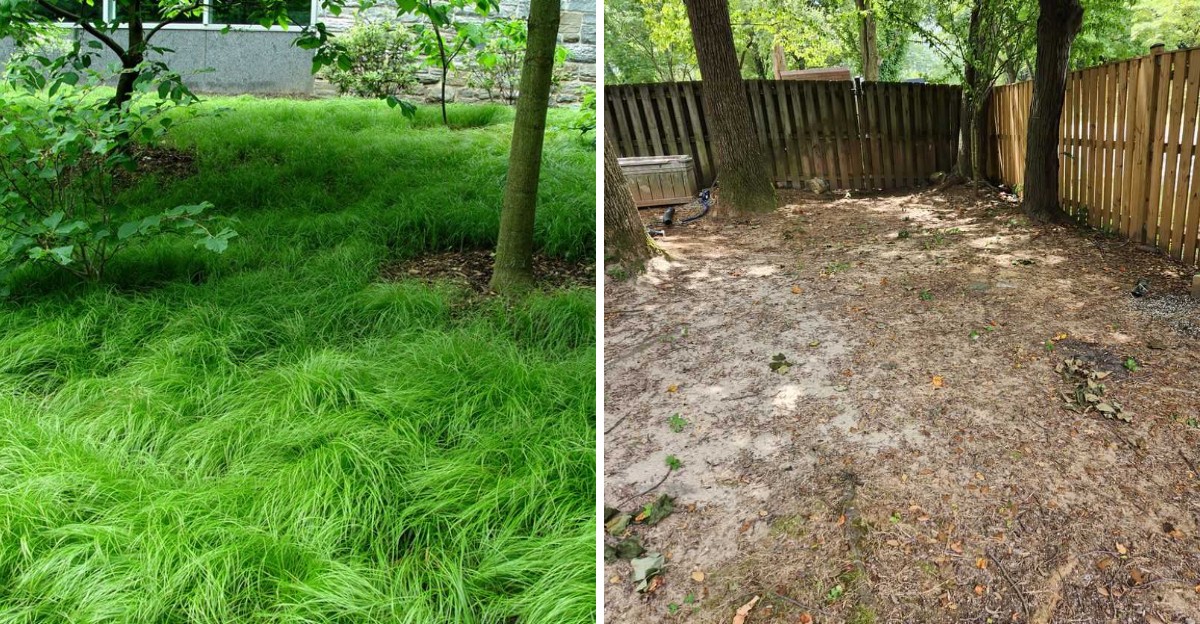
You walk out to the shady corner under the maple on a damp May morning and find bare soil with weeds already poking through. It’s the spot where nothing seems to stay put.
Pennsylvania sedge, a low native plant with soft, grasslike leaves, may be the quiet fix. Once it fills in, it can help shade the soil and reduce weeds, though it won’t end weeding for good.
Meet Pennsylvania Sedge
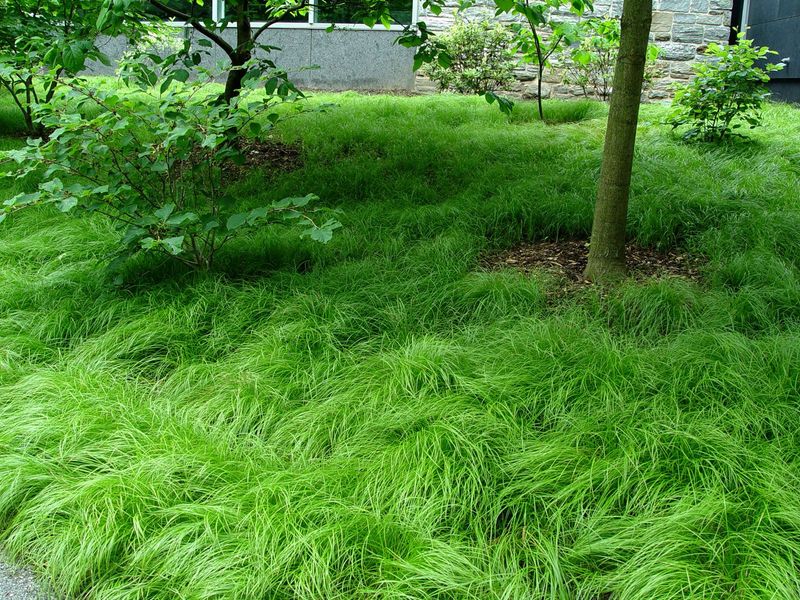
Picture a soft, low tuft of fine green leaves, the kind you might mistake for a lawn that never needs mowing. That is Pennsylvania sedge (Carex pensylvanica), and it is not a true grass at all.
It is a sedge, a plant family with grasslike leaves but different stems and roots.
It is a native plant, and the USDA Forest Service records it as native in Pennsylvania. Penn State Extension also lists it among the native sedges suited to shady areas, so it is not some odd import trying its luck.
In a groundcover planting, it stays quite low, about 8 inches tall according to Mt. Cuba Center.
Here is the part that surprises people. Its flowers are small and wind-pollinated, so do not expect a show.
The value is in the leaves, which are semi-evergreen and can look tidy for much of the year.
So how does a plant like this help with weeds? Bare soil is an open invitation.
When sedge spreads and fills in, it shades the ground and leaves less room for seedlings to get started.
That is a possibility, not a promise. It does not work instantly, and it will not behave the same in every yard.
Think of it as a patient helper that may cut down on weeding over a few seasons, and the next sections show how to give it a fair shot.
Check Shade and Drainage Before Planting

Some gardeners buy the plant first and ask questions later. With this one, a quick look at your bed saves a lot of trouble.
Pennsylvania sedge fits part shade to shade, and it likes dry-to-medium soil that drains well, as Mt. Cuba Center describes it.
Penn State Extension specifically points to it for shady areas, which is good news for that dim spot under the maple. But shade is only half the story.
Drainage is the other half.
Wet ground is where this plant struggles. A plant sheet from the Wisconsin Arboretum cautions that it does not grow well in wet soils.
If water pools after a summer thunderstorm and sits for a day or more, pick a different groundcover.
A simple test helps. Dig a hole about 12 inches deep, fill it with water, and see whether it drains within a few hours.
If it is still full the next morning, your bed is probably too soggy.
Clay needs a careful word. The USDA Forest Service notes the sedge occurs on well-drained sites, including some clay soils.
That does not mean it will thrive in any heavy clay, so drainage still decides the outcome.
Know your spot first, and you will not be pulling out failed plants next spring.
Rhizomes Spread, but Coverage Takes Time
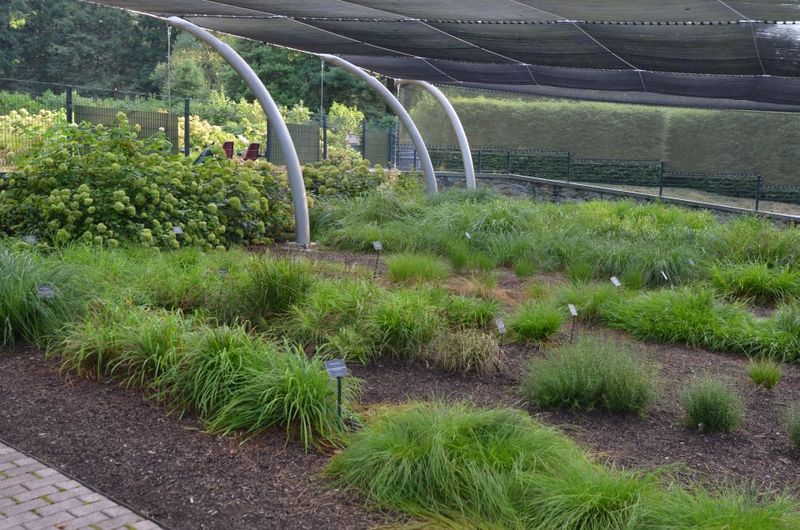
Underneath the leaves, the real work happens out of sight. Pennsylvania sedge spreads by rhizomes, which are stems that grow sideways just below the soil surface.
Each one can send up new shoots a little farther from the original clump.
Above ground, the look is low and soft. Mt.
Cuba Center describes the plant as about 8 inches tall in a groundcover planting, and the USDA Forest Service lists the leaves as 4 to 18 inches long. Leaf length is not the same as how wide the patch gets, and neither tells you how long it takes to fill a bed.
Now the timing. In a Mt.
Cuba Center trial, one division covered about 4 to 5 feet in diameter over four years. That is a solid result.
But University of Maryland Extension describes the rhizome spread as slow. Both can be true.
Different soil, light, moisture, and comparison plants can change what slow or fast looks like.
So treat these as observations from other gardens, not a guarantee for yours. A bed with dry shade and tree roots may fill in more slowly than a bed with kinder conditions.
Plan on patience. The first year or two may look sparse, and that is normal for a plant building its network underground.
Prepare the Bed and Choose Spacing
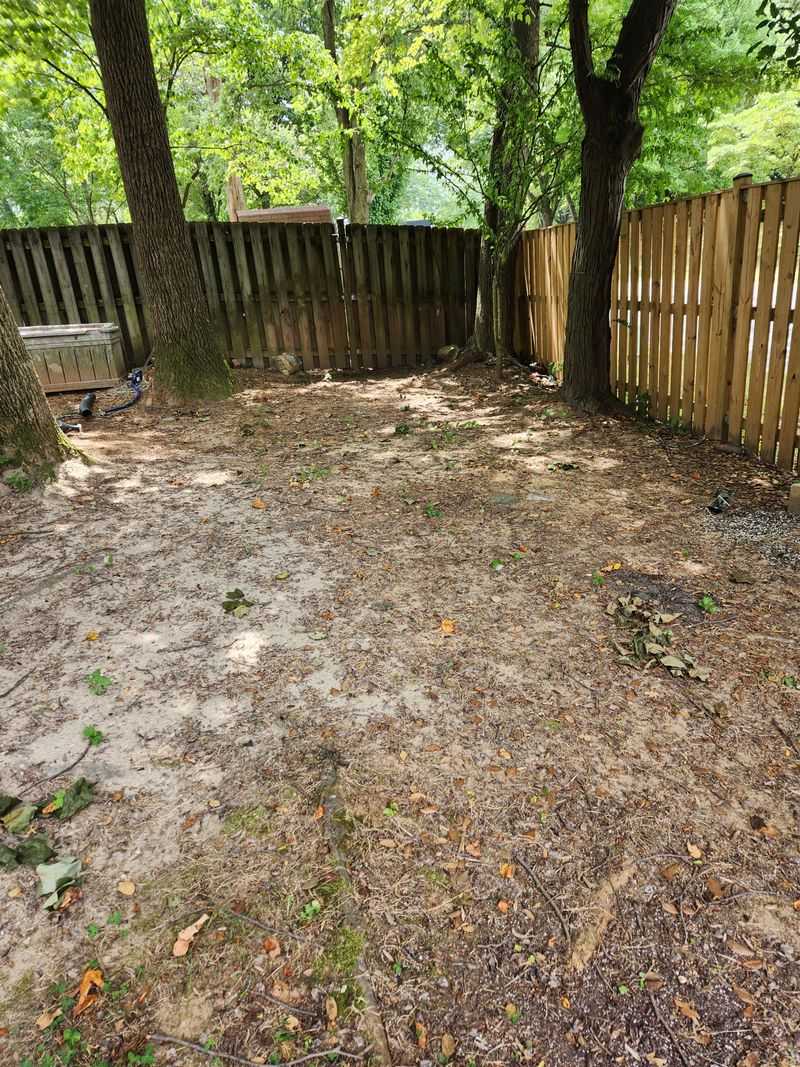
Planting on top of a lawn patch is how many good groundcovers get off to a rough start. Grass and weeds will happily creep right back through young plants.
So the first job is clearing.
Penn State Extension offers general groundcover advice, and it recommends removing existing grass and weeds before planting. It also suggests planting most groundcovers in spring or fall, then adding at least 2 inches of mulch afterward to help suppress weeds.
That is general groundcover guidance, not a rule written only for this sedge.
Pull or dig out roots, not just the tops. Persistent weeds left behind can keep coming back, and a small sedge plug has little chance against them.
Spacing is where people want a magic number. There is not one.
A Wisconsin Arboretum plant sheet suggests 1 to 2 feet apart, and that is one published option, not a Pennsylvania-wide rule.
Closer spacing can close gaps sooner, but it takes more plants and more money. Wider spacing costs less and takes longer.
Pick the approach that fits your budget and patience.
Mulch between plants, keep it a bit back from the crowns, and you have set the stage. The sedge can take it from there.
Water and Watch During Establishment
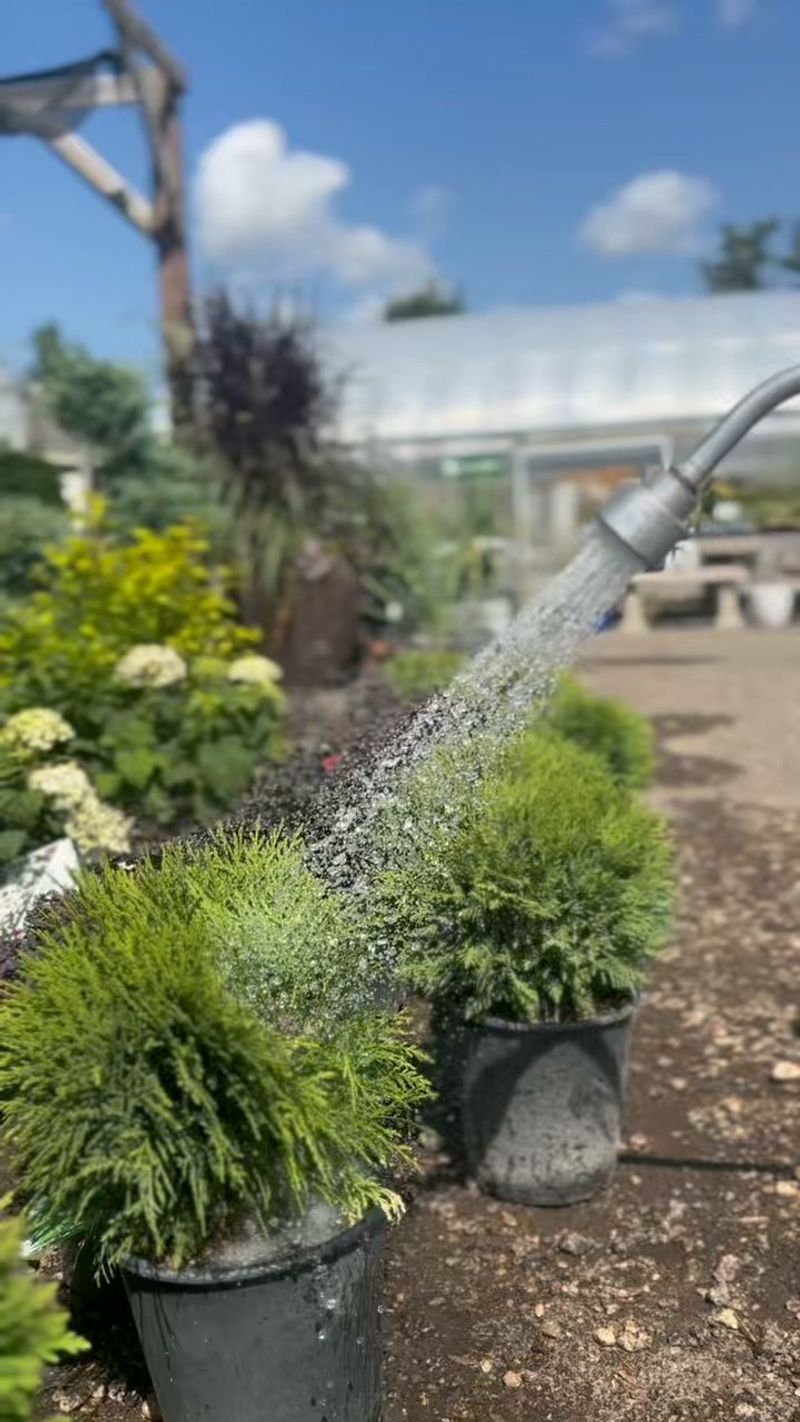
New plants are a bit like houseguests who will not ask for a glass of water. You have to notice.
In shade, the soil can look fine on top while staying dry a few inches down.
Tree roots make it trickier. A maple or oak can drink up a surprising share of the rain, even during a wet-looking week.
And summer dry spells can arrive between heavy downpours.
Here is a simple habit. University of Maryland Extension advises checking the soil a few inches down during dry weather, especially where tree roots compete for water.
If it feels mostly dry, water.
Push a finger or a trowel in about 2 to 3 inches and feel what is there. Damp and cool means wait.
Dry and crumbly means it is time for a slow soak.
Keep in mind that this is general groundcover guidance, not a watering plan written for Pennsylvania sedge alone. Your own soil, shade, and weather will shape how often you need to check.
While you are there, look for gaps and early weeds. Catching a seedling now takes a quick tug, not a wrestling match later.
A few minutes of checking in the first season is cheap insurance for a planting that will be doing the work for you.
Expect Fewer Weeds, Not a Weed-Free Bed
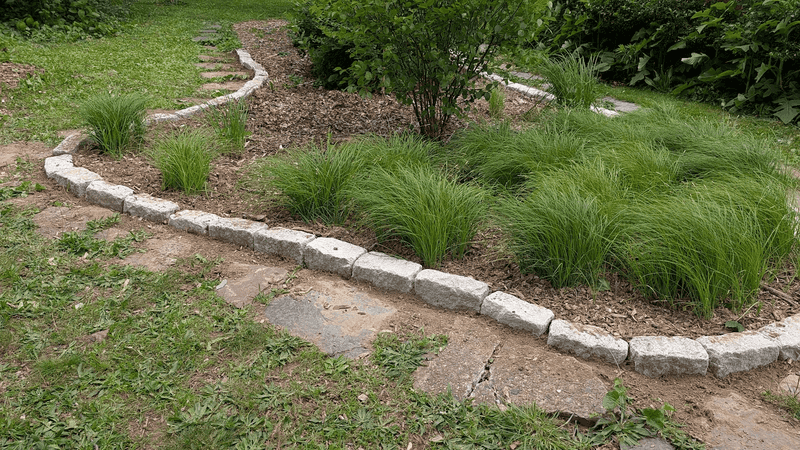
Let us be straight with each other. A filled-in sedge bed can mean less bare soil, and less bare soil can mean fewer weeds.
It does not mean the end of weeding.
Mt. Cuba Center says the sedge can help suppress weeds among taller perennials.
Its trial plantings showed good coverage, but that was in one setting. Your yard may differ in light, soil, and moisture.
Older patches are not immune either. The Lady Bird Johnson Wildflower Center notes that older sedge patches can be invaded by other plants.
A thinning spot can become an open door.
So make a habit of it. Walk the bed every couple of weeks in spring and early summer, and look for gaps where soil shows.
Pull weeds while they are small, and remember that Penn State Extension also supports clearing weeds before planting and mulching afterward.
Where gaps linger, you can tuck in another division or plug and let the rhizomes meet in the middle. That slowly builds a tighter weave.
The sedge reduces exposed soil, and you keep the watching. Together, that is a pretty good partnership for a shady corner.
