
The Tiny Hunters Already In Your Garden Keep Pest Problems Smaller
Follow us on Google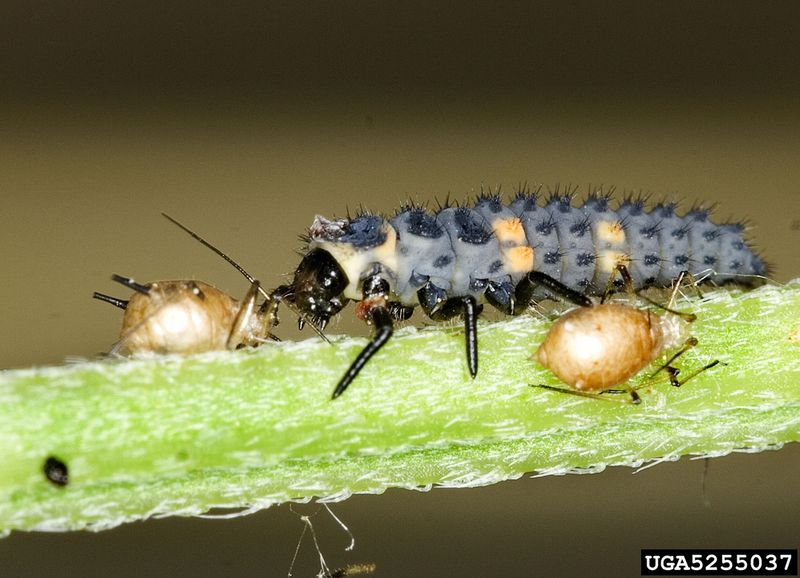
At 7 a.m., the bean leaves can look fine until you flip one over and spot a crowd of sap-sucking pests at breakfast.
The good news is that your yard may already have a cleanup crew working the stems, soil, and flowers before the damage gets out of hand.
Once you know who these tiny hunters are and what helps them stay, pest problems usually feel smaller and far less mysterious.
You do not need a perfect garden, just a friendlier one.
1. Ladybugs Patrol Fast When Aphids Explode
By the time curled leaves catch your eye, aphids have often been feeding for days.
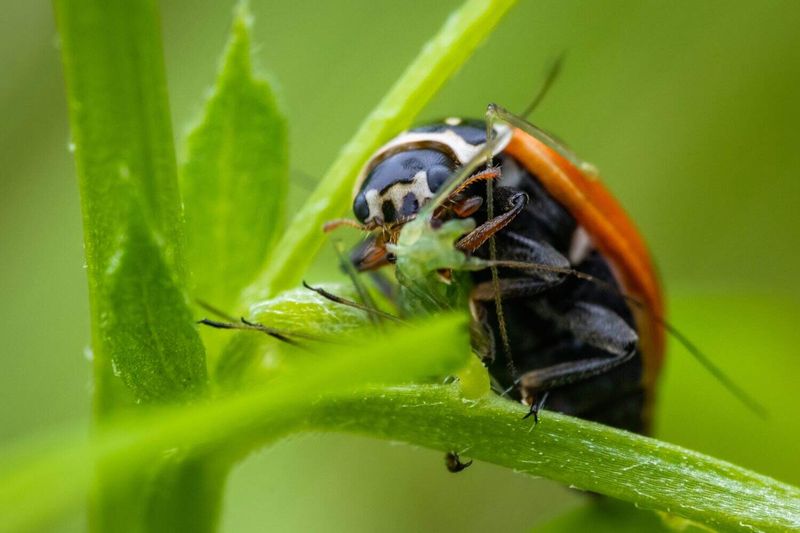
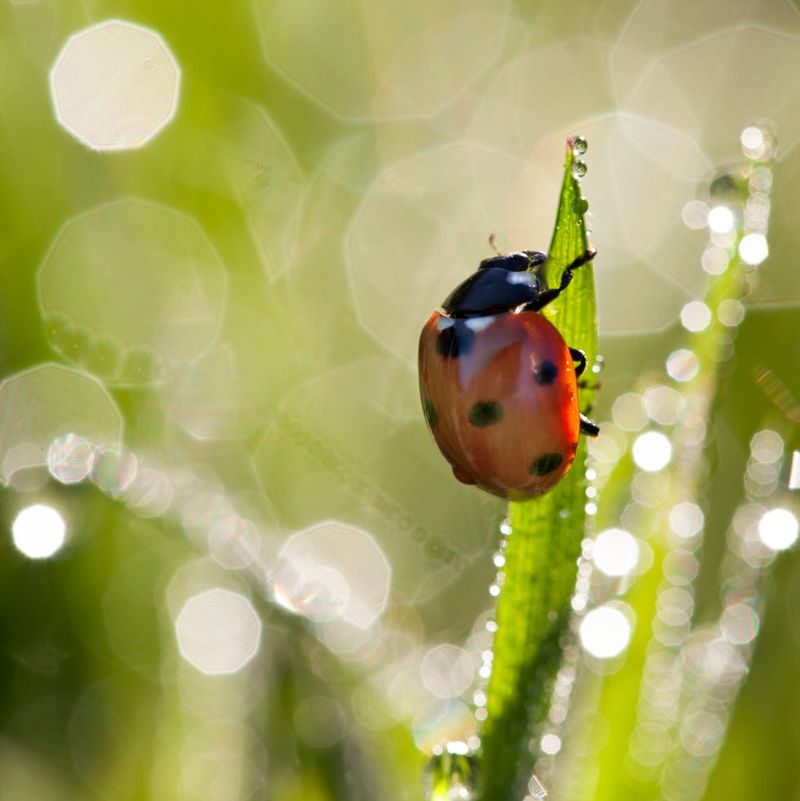
That is when ladybugs, family Coccinellidae, can change the mood of the whole bed, because both the shiny adults and the odd-looking larvae are hunters.
An adult ladybug can eat up to 50 aphids in a day.
The larva, which looks like a tiny alligator with orange marks, is even more useful and may consume about 400 aphids before it pupates.
Many gardeners miss the best worker because it does not look cute yet.
Females place clusters of 5 to 50 yellow eggs on leaf undersides near prey.
Depending on temperature, eggs hatch in 3 to 10 days, larvae feed for about 2.5 to 4 weeks, and the pupal stage lasts 1 to 2 weeks.
That quick schedule matters in spring, when pest numbers can jump almost overnight.
Your part is simple.
Leave a few aphids in the first flare-up so predators have a reason to stay, grow dill or sweet alyssum nearby, and skip broad sprays on windy evenings.
If you buy ladybugs, store them at 35 to 45 degrees Fahrenheit and release them at dusk after lightly misting plants, but know that bought insects often fly away, so habitat usually works better.
What else actually helps is pairing them with nectar plants and resisting the urge to make every leaf spotless.
2. Lacewing Larvae Do The Messy Work
Not every hero in the garden arrives dressed for the part.
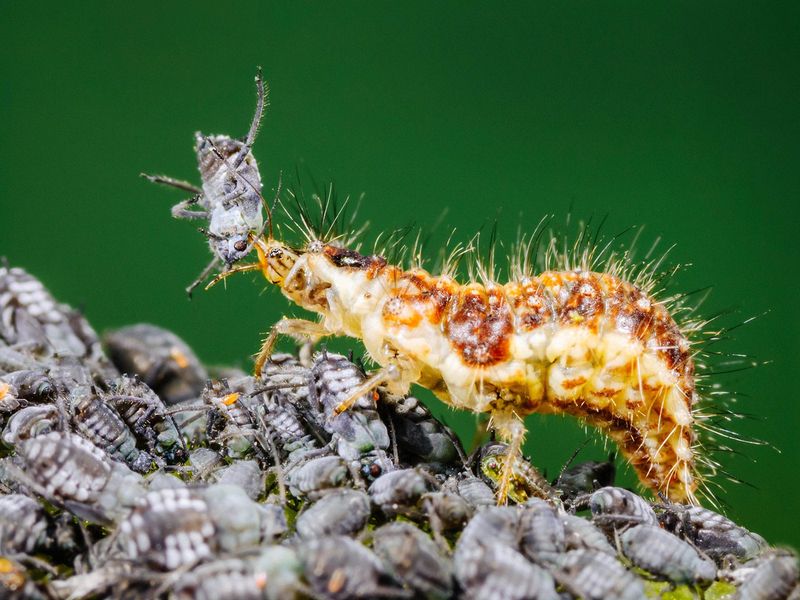
Green lacewings, especially Chrysoperla carnea and Chrysoperla rufilabris, spend their adult days looking delicate and almost fragile, yet their young are called aphid lions for a reason.
Lacewing eggs hang one by one on thin stalks about 3/8 inch long, like little flags above the leaf surface.
That odd design helps protect the eggs from predators and from hungry siblings.
Once hatched in 2 to 10 days, the larvae hunt hard for 2 to 4 weeks, grabbing aphids, thrips, whiteflies, spider mites, mealybugs, and even pest eggs.
In warm weather, the full life cycle can run only 4 to 6 weeks.
Adults measure about 1/2 to 3/4 inch long, and unlike the larvae, they mostly need nectar, pollen, and honeydew for fuel.
That is why a bed with flowers and pests together often supports better control than a neat bed with no bloom at all.
Set them up for success by planting small, open flowers such as coriander, cosmos, and yarrow, then letting a few herbs bolt instead of cutting everything back.
University extension advice often points to reduced insecticide use as the biggest favor you can do for lacewings, because contact sprays wipe out the hunters you were counting on.
Think of the larvae as tiny pliers with appetites, and your main job is not to evict them.
3. Hoverflies Outsmart You And The Pests
Many people swat first and look second when a striped insect hangs in the air over the tomatoes.
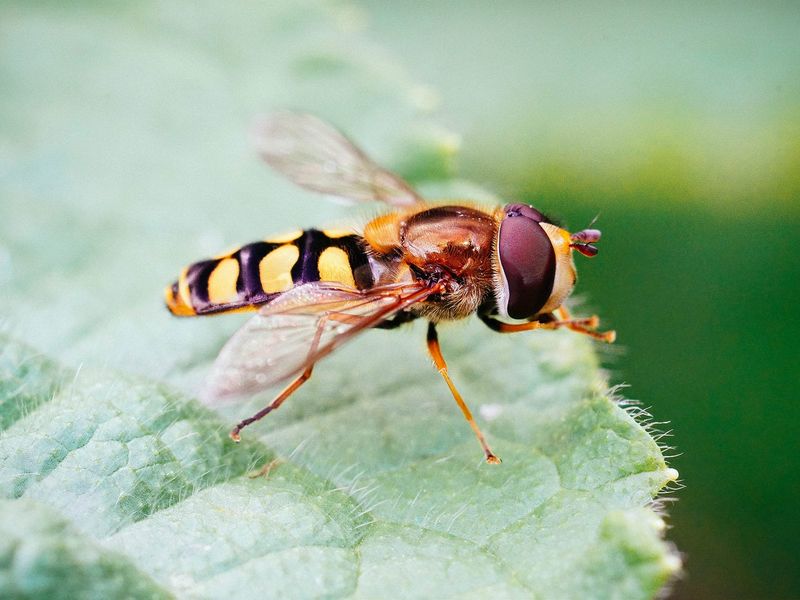
Hoverflies, family Syrphidae, copy the warning colors of bees and wasps, but they do not sting, and their larvae are some of the quietest aphid hunters in the yard.
The adults drink nectar and carry pollen, so they pull double duty as pollinators.
Females lay tiny white eggs right in aphid colonies, which is about as efficient as parking the lunch truck at the work site.
Eggs often hatch in 2 to 3 days, and each larva may eat up to 400 aphids during its 2 to 3 week feeding stage.
Some reports put certain species much higher, near 1,200 aphids.
Because the larvae look like small, legless slugs, they are easy to mistake for pests.
Before washing off a plant, pause and inspect the leaf undersides.
If you see aphids shrinking but no obvious predator, hoverfly larvae may be on duty already.
Sweet alyssum, fennel, parsley, and asters are especially useful because their flowers are shallow and easy to feed from.
In hot Southern summers, a little afternoon shade can keep alyssum blooming longer, while many Midwest gardeners use it along bed edges at 6 to 8 inch spacing like a living snack bar.
The payoff is steady pressure on aphids without adding one more chore to a busy week.
4. Minute Pirate Bugs Catch Problems Early
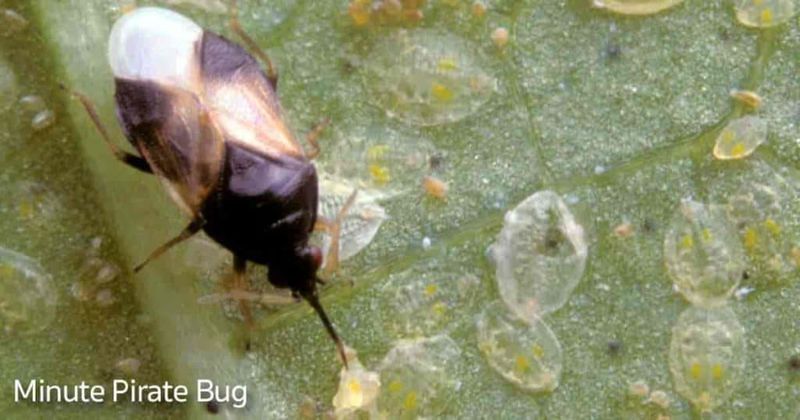
Here is the hunter most gardeners never notice until they learn to slow down.
Minute pirate bugs, usually Orius species such as Orius insidiosus, are only about 3 mm long, roughly 1/8 inch, yet they often show up before a pest outbreak feels dramatic.
Both adults and nymphs attack small prey.
Thrips are a favorite target, and a single bug may eat around 30 spider mites per day along with whiteflies, aphids, insect eggs, and very small caterpillars.
That broad menu makes them useful in peppers, beans, corn, roses, and mixed borders where pest pressure shifts through the season.
Females tuck about 129 eggs into plant tissue, where they hatch in 3 to 5 days.
Under good conditions, development from egg to adult can take as little as 20 days, and adults live about 35 days.
They overwinter in leaf litter and other protected places, so the fall cleanup you skip in one corner can matter more than the fancy product you buy in spring.
Flowering shrubs, weedy field edges, and herb patches help hold them nearby.
If you must treat a heavy outbreak, target only the worst spots and spray at dusk, because broad-spectrum products erase the early warning crew along with the pests.
They are like pocket-size security guards, small enough to miss, useful enough to protect the whole block.
5. Parasitic Wasps Stop Caterpillars Before Damage Spreads
Some of the best garden control looks almost invisible.
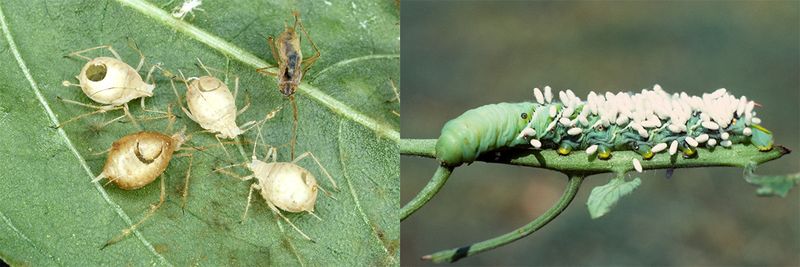
Tiny parasitic wasps from groups such as Braconidae, Ichneumonidae, Chalcididae, and Trichogramma do not chew pests in front of you.
They lay eggs in or on a host, and the developing young kill that host before the next wave gets moving.
That sounds harsh, but it is one reason hornworms, cabbage worms, cutworms, whiteflies, mealybugs, and aphids do not always become season-long disasters.
Trichogramma wasps are famous for parasitizing moth and butterfly eggs, which means some caterpillars never hatch at all.
Aphids attacked by certain wasps turn into swollen tan or bronze mummies, a clear sign that help has arrived.
Because most species are specialists, one wasp will not solve every pest in every bed.
Still, specialists are exactly what you want when tomato hornworms return in July or cabbage loopers build in late summer.
The University of Kentucky Cooperative Extension and many IPM programs note that preserving natural enemies is a key part of keeping pest populations below damaging levels.
To support them, grow pollen-rich flowers with small blooms, avoid dusting the garden with insecticide, and leave some cover nearby.
If you spot mummified aphids or hornworms with white cocoons attached, do not remove them right away.
You are looking at tomorrow’s reinforcements.
6. A Long Bloom Season Feeds The Entire Crew

A pest-fighting garden usually looks a little more like a buffet than a battlefield.
Many adult beneficial insects need nectar and pollen even when their young are predators, so bloom timing matters just as much as plant choice.
Start with a simple goal.
Keep something flowering from early spring into fall, especially flowers with flat or shallow clusters that tiny insects can actually reach.
Dill, Anethum graveolens, fennel, Foeniculum vulgare, yarrow, Achillea millefolium, sweet alyssum, Lobularia maritima, cosmos, Cosmos bipinnatus, parsley, coriander, asters, and mountain mint all help.
In colder regions, early bloom may begin after soil warms above about 50 degrees.
In hotter regions, summer stress can pause flowering unless plants get water and a bit of shade.
Spacing matters because crowded beds reduce airflow and can invite disease.
Give alyssum 6 to 8 inches, cosmos about 10 to 18 inches, and yarrow roughly 18 to 24 inches depending on the variety.
Let a few herbs bolt instead of harvesting every stem, because those umbrella-shaped flowers are lunch counters for hoverflies and parasitic wasps.
UC IPM and other extension programs often point gardeners toward habitat first, chemicals last.
You do not need every plant on the list.
You need overlap, so when one bloom fades, another takes over and the tiny hunters do not leave town.
7. Leaf Litter Becomes Winter Shelter, Not Neglect
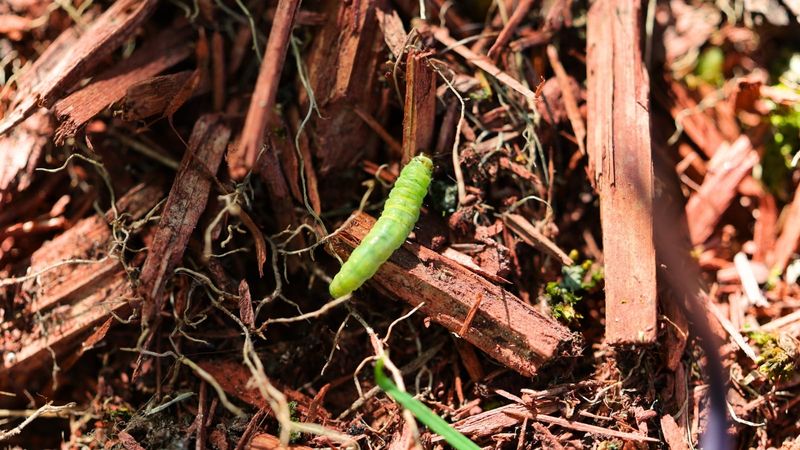
Fall cleanup can accidentally wipe out next spring’s helpers.
Many beneficial insects spend cold months in leaf litter, hollow stems, bark crevices, native grasses, and brushy edges, so a perfectly stripped yard often starts the season with fewer hunters on duty.
Leave a loose layer of leaves 2 to 3 inches deep under shrubs or in a back corner instead of bagging every last one.
Keep some standing stems until late winter or early spring, especially in perennial beds, because tiny insects use those dry tubes like apartments.
A small brush pile tucked behind a shed or fence can shelter predators without taking over the yard.
This does not mean letting every bed turn wild.
Near the house, where slugs, mice, or moisture problems are more likely, you may want cleaner edges and thinner mulch.
In snowy northern climates, sheltered litter can help overwintering insects survive repeated freezes.
In milder Southern and coastal areas, cover still matters because winter rain and shifting temperatures wear insects down even without deep cold.
Think of shelter as the off-season half of pest control.
A ladybug or minute pirate bug you protect in November can be hunting when the first aphids arrive in April.
Many gardeners look for a spring product, when the smarter move happened months earlier with a rake used a little less aggressively.
8. Sprays Often Shrink Your Backup Team First
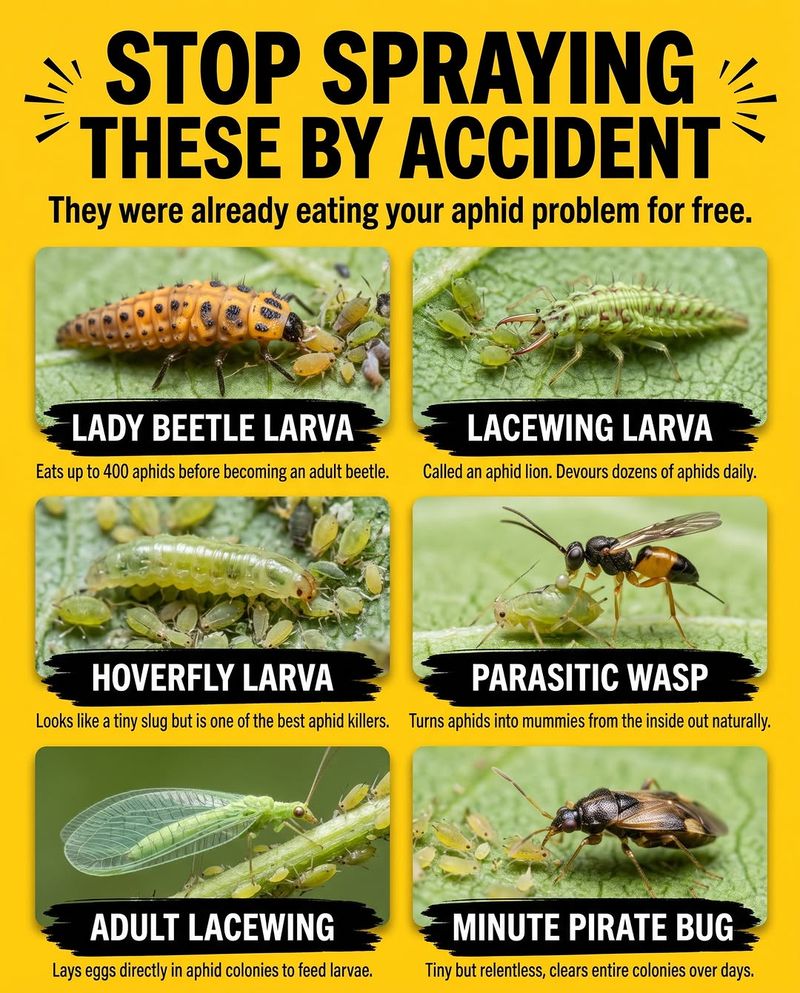
The fastest fix can backfire by the next weekend.
Broad-spectrum insecticides kill pests, but they also hit ladybug larvae, lacewings, hoverflies, minute pirate bugs, and parasitic wasps that were already lowering the problem for free.
That is why integrated pest management, usually shortened to IPM, works better for home gardens than panic spraying.
IPM means you scout first, identify the pest, check how much damage is actually happening, and choose the least disruptive response.
Sometimes the best move is a strong water spray on aphids in the morning.
Sometimes it is hand-picking hornworms.
Sometimes a selective product is justified, but only after you check for eggs, larvae, and beneficial activity.
Before treating, flip over 10 leaves in different parts of the bed.
Look for aphid mummies, lacewing eggs on stalks, hoverfly larvae, or tiny predators moving fast across the surface.
If you see them, wait 2 to 3 days and inspect again.
You may find that the outbreak has already stalled, your garden is handling more than you thought.
If you do spray, target only the affected plants, follow the label exactly, and avoid bloom-heavy areas where adults are feeding.
Evening applications are usually less disruptive to pollinators, though local conditions matter.
The real goal is not zero insects.
It is fewer damaging insects and more backup when the next round starts.
9. A Little Water Keeps Hunters On The Job
Hot, dry afternoons can empty a garden faster than you think, especially when flowers are fading and leaves feel crisp by 3 p.m.
Beneficial insects need moisture too, and a small water habit can help keep them from drifting elsewhere.
You do not need a pond.
A shallow dish filled with pebbles and kept barely wet gives insects a safe place to drink without drowning.
Lightly misting foliage in the evening can also help newly released ladybugs settle, though purchased insects are still a partial fix at best.
In arid Western gardens and during summer dry spells in the Plains, this matters more than many people expect.
Water also ties back to bloom length.
Alyssum, dill, and parsley hold flowers longer when they are not repeatedly stressed, while container herbs may need water every 1 to 2 days in peak heat.
In the ground, most beds do better with deeper watering less often, often about 1 inch per week including rain, adjusted for soil and weather.
NOAA rainfall swings have become more common in many regions, so watch the plants, not just the calendar.
By late season, the best gardens are not the driest or the cleanest.
They are the ones that offer food, cover, and a drink, enough layers that tiny hunters can stay and keep your pest problems smaller without much drama.