
The Perennials North Carolina Gardeners Still Slip Into the Ground Before December for Fuller Spring Beds
Follow us on Google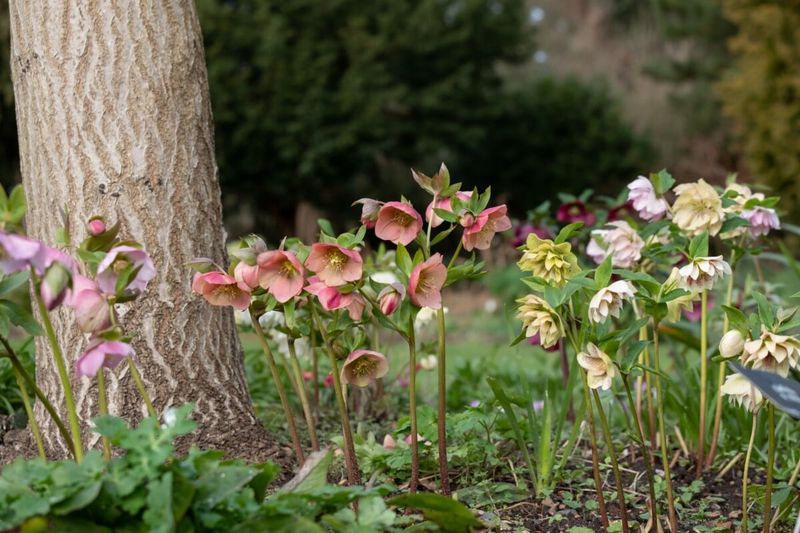
You’re raking oak leaves off the front walk on a cool November afternoon, and the soil under your boot still feels soft and almost warm. That warmth is the whole secret.
Across North Carolina, smart gardeners keep planting certain perennials right up until December, because roots keep growing long after the tops go quiet. Here are eight that genuinely reward a late start, and exactly how to tuck each one in so your spring beds come back thick and full.
1. Purple Coneflower Roots Deep Before Winter Arrives
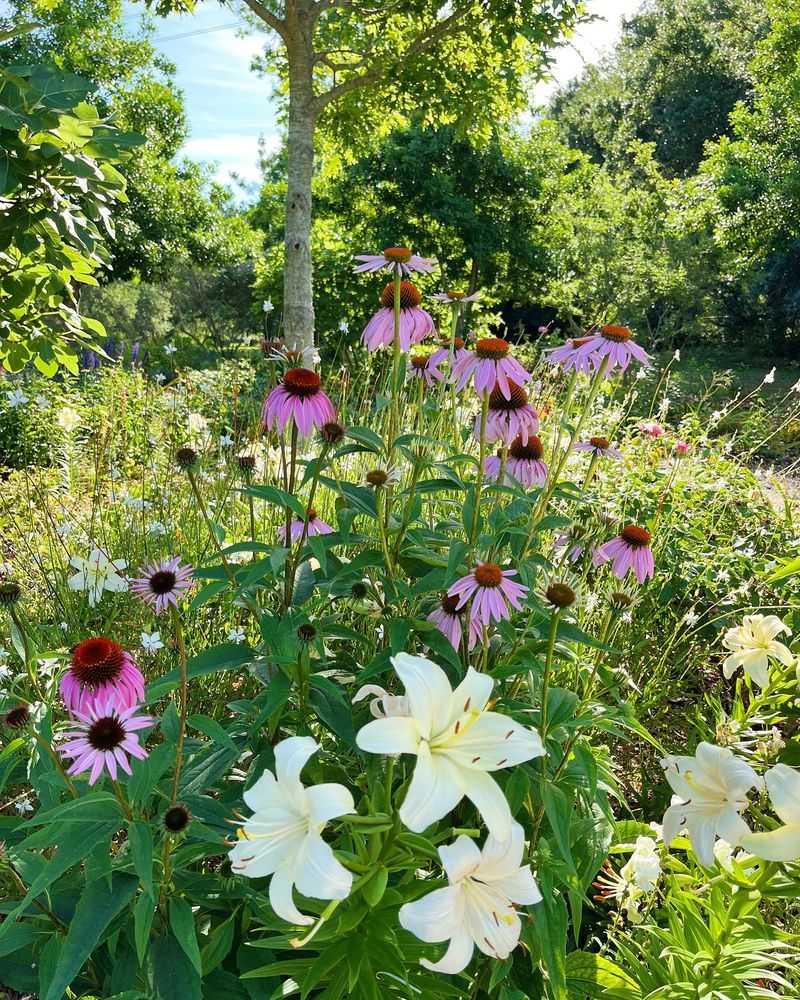
Most people buy coneflowers in June, already blooming, then wonder why they flop in August. Fall planting fixes that.
Purple coneflower (Echinacea purpurea) builds a thick taproot while North Carolina soil stays above roughly 45 degrees, which often lasts into December in the Piedmont. By spring, the plant spends its energy on stems instead of scrambling for water.
Set transplants 18 to 24 inches apart in a spot with at least 6 hours of sun. Water them in deeply once, then let fall rains do most of the work.
You can also scatter seed now, because the seeds need about 30 to 60 days of cold and damp to wake up, what gardeners call cold stratification.
Leave last year’s seed heads standing nearby. Goldfinches will pick at them all winter, and your bed will feel alive even in January.
2. Black-Eyed Susans Spread Into Gold Without Deer Damage
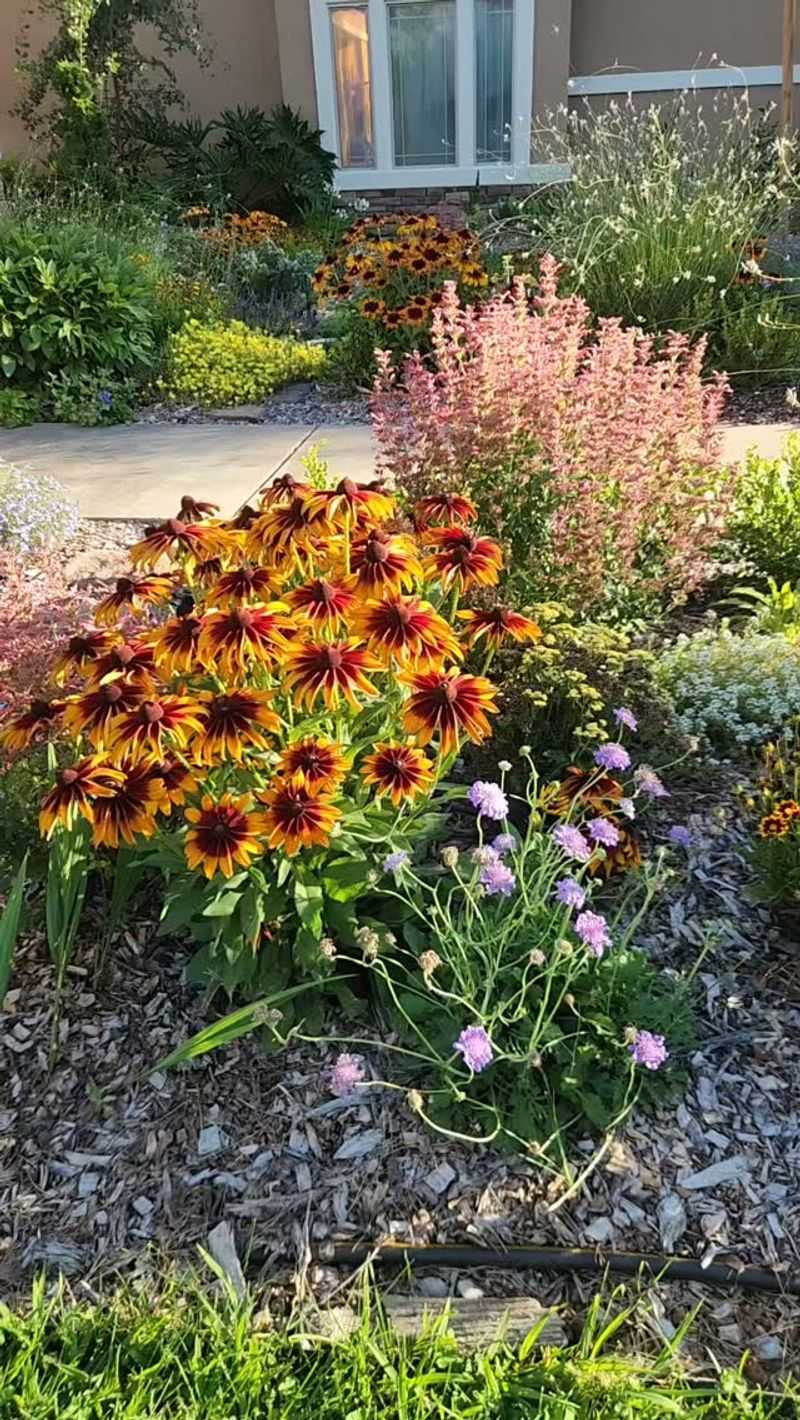
Here is a plant deer usually walk right past. In mountain and Piedmont yards where hostas get chewed to stubs, that alone earns it a spot.
Black-eyed Susan, especially the Goldsturm form of Rudbeckia fulgida, spreads slowly by underground stems. Planting before December lets those runners stretch out over winter, so the clump you buy as a quart pot can double by summer.
Space plants about 24 inches apart. They handle red clay as long as water does not sit, so skip low spots that puddle after storms.
Crowding invites powdery mildew in muggy July, and good airflow is genuinely the best prevention.
Then, come midsummer, you get weeks of gold along the fence line. It is the kind of easy color that makes neighbors slow down on their walk.
3. Hellebores Light Up Dry Shade Under Big Oaks
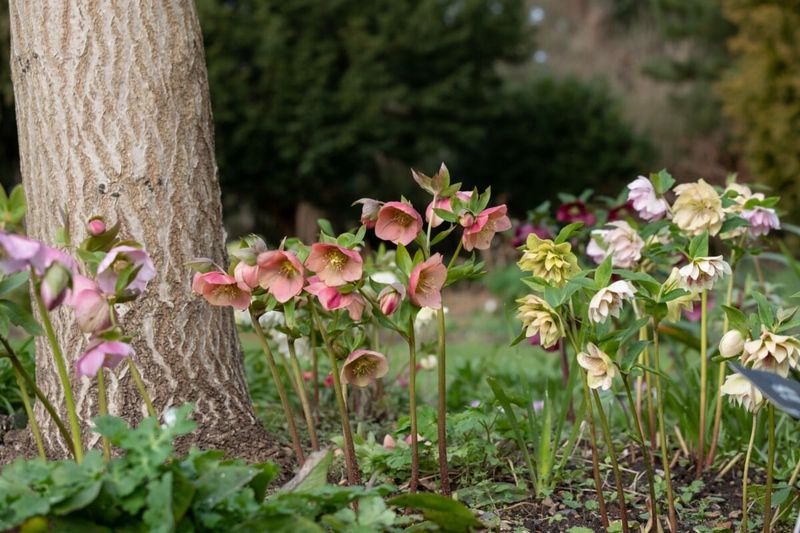
That bare, dusty strip under the oaks is a familiar sight. Grass gives up there, and most flowers do too.
Hellebores, or Lenten roses (Helleborus x hybridus), quietly claim that space. They bloom from late winter into spring, often starting in February in North Carolina, when sunlight slips through leafless branches.
One trick matters most. Set the crown, the spot where stems meet roots, right at soil level, never buried.
Space them 15 to 18 inches apart and mix compost into heavy clay so roots can breathe.
Deer and rabbits leave them alone because the leaves are bitter and toxic, so wear gloves and keep curious pets from chewing. Once settled, the clumps last for years, a small winter bouquet that asks almost nothing of you.
4. Butterfly Weed Welcomes Monarchs Back Each Spring
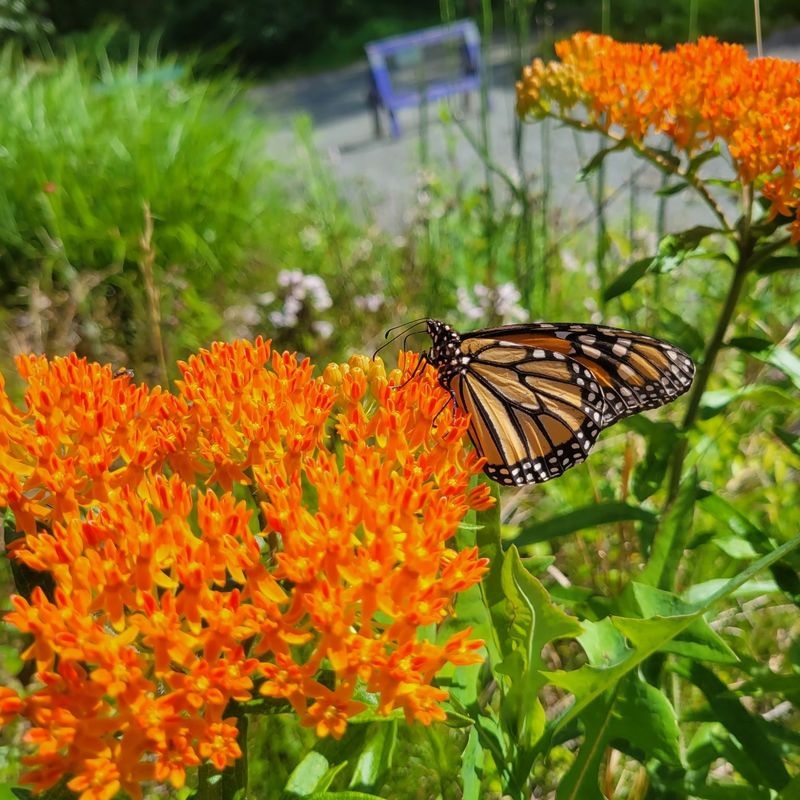
Monarchs drift through North Carolina every fall, heading south. Many homeowners want to help, then plant milkweed in May and watch it sulk.
Butterfly weed (Asclepias tuberosa) grows a long, carrot-like taproot that hates being moved. Getting it in the ground now gives that root months to settle while the top sleeps.
It actually loves sandy Coastal Plain and Sandhills soil, where drainage is quick.
Plant small pots, not big ones, about 12 to 18 inches apart in full sun. Mark the spot with a stake, because it emerges late, often not until May, and people dig it up by mistake.
When the orange flowers finally open, watch for caterpillars. Those chewed leaves are the point, and your yard just became part of the migration.
5. Creeping Phlox Turns Bare Slopes Into Spring Carpets
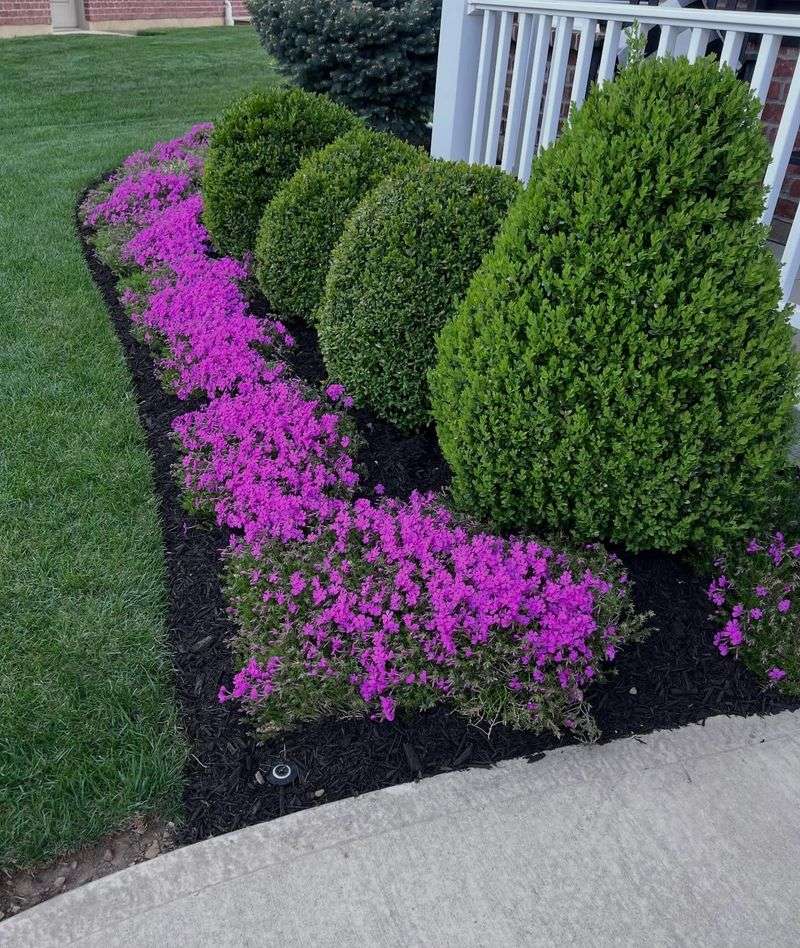
A bare bank washes out in every afternoon thunderstorm. Creeping phlox can calm that down.
Moss phlox (Phlox subulata) forms a low mat of needle-like leaves that stays green through winter. Planted in November, it knits roots into the soil before spring rains arrive, which helps hold a slope in place.
Tuck plants about 12 inches apart in full sun and well-drained soil. In the mountains, where zones run 6a to 7a, a little mulch around, not over, the mats helps them ride out freeze-thaw swings.
Trim lightly after bloom to keep them tidy.
And in April, the whole bank goes pink and lavender for a couple of weeks. Early bees find it first, before much else is open.
6. Joe Pye Weed Fills Soggy Corners With Pollinators
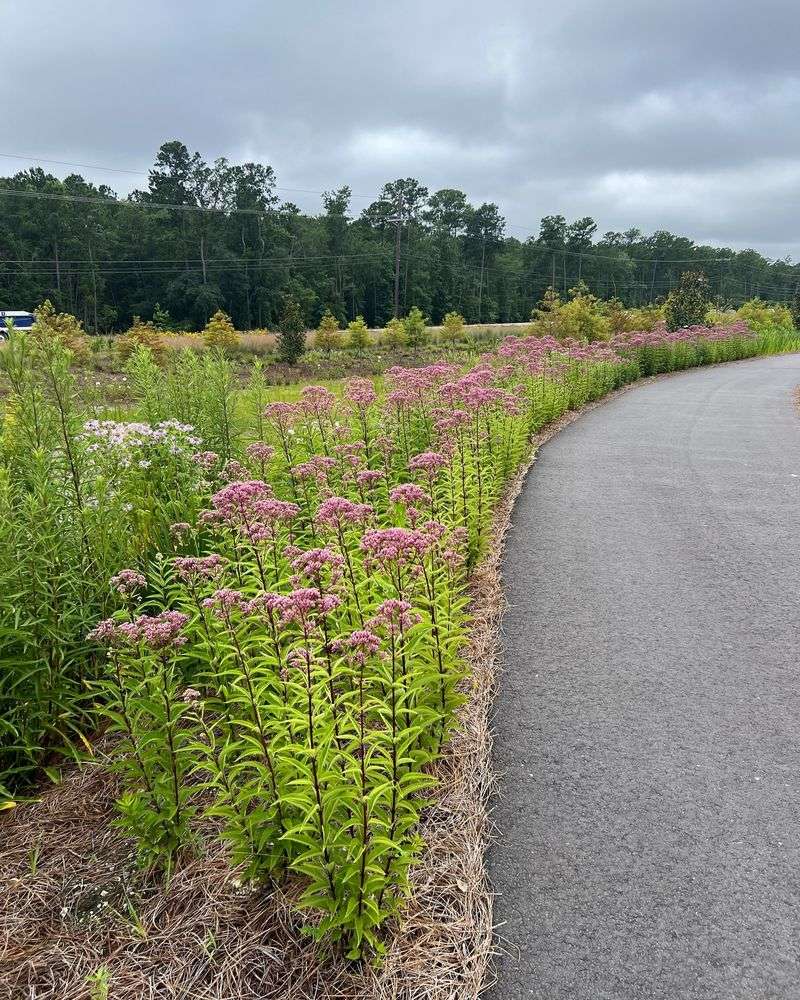
Every yard has a corner where the downspout dumps water. Most plants rot there, but Joe Pye weed shrugs.
Eutrochium purpureum, a native Joe Pye weed, likes moist soil and can grow 5 to 7 feet tall. Fall planting lets it build a sturdy crown before summer storms push the soil to its limits.
Shorter cultivars stay closer to 3 or 4 feet if you want porch views.
Give each plant about 3 feet of space and sun for at least half the day. Cut stems back in late winter, not fall, because hollow stems shelter native bees.
By August, the mauve flower domes pull in swallowtails by the dozen. That once-soggy patch becomes the busiest spot in the yard.
7. Goldenrod Feeds Fall Migrants Without Causing Allergies
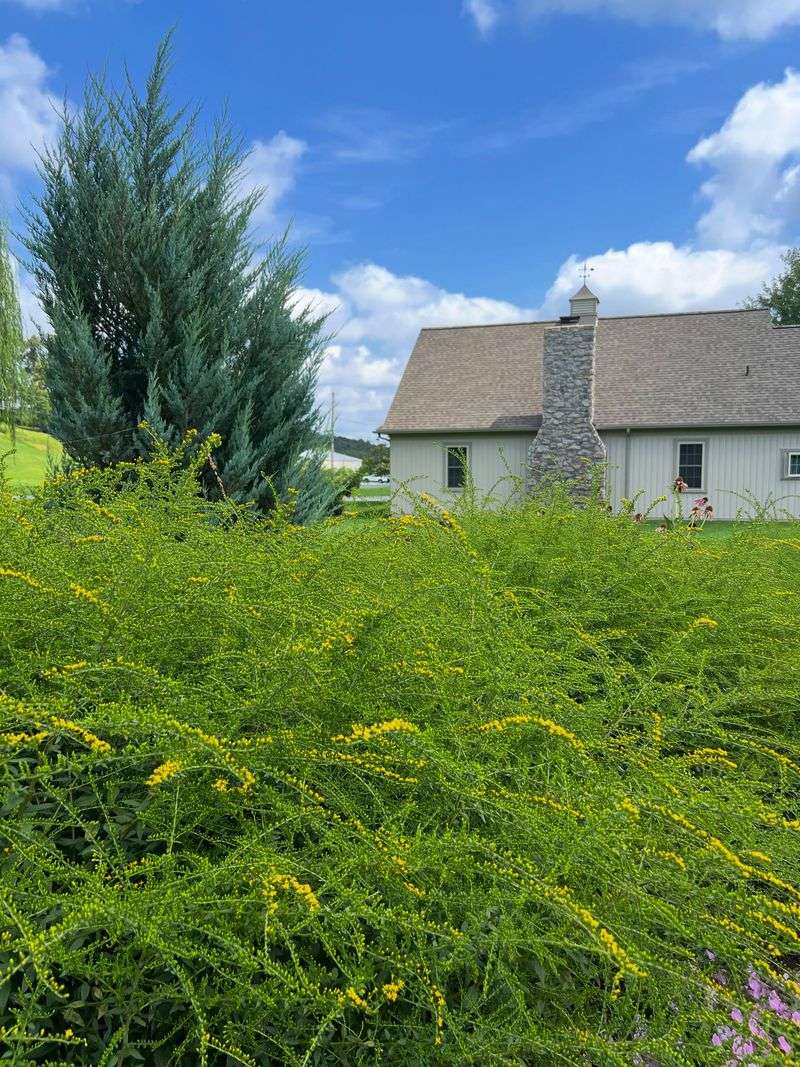
Myth first. Goldenrod does not cause hay fever, ragweed does, and the two bloom at the same time.
Clump-forming goldenrods like Solidago rugosa Fireworks behave well in beds, unlike the roadside types that wander. Planting before December lets roots settle so plants bloom fully next September, right when fall monarchs need fuel.
Space them 2 to 3 feet apart in full sun. They tolerate dry spells and clay once established.
NC State Extension lists goldenrods among the strong native choices for late-season pollinators.
So the plant many folks pull is actually one of the best fall gifts you can give. Watching bees crowd it on a cool October morning feels a little like a reward.
8. Mulch And Patience Finish Every Fall Planting Right
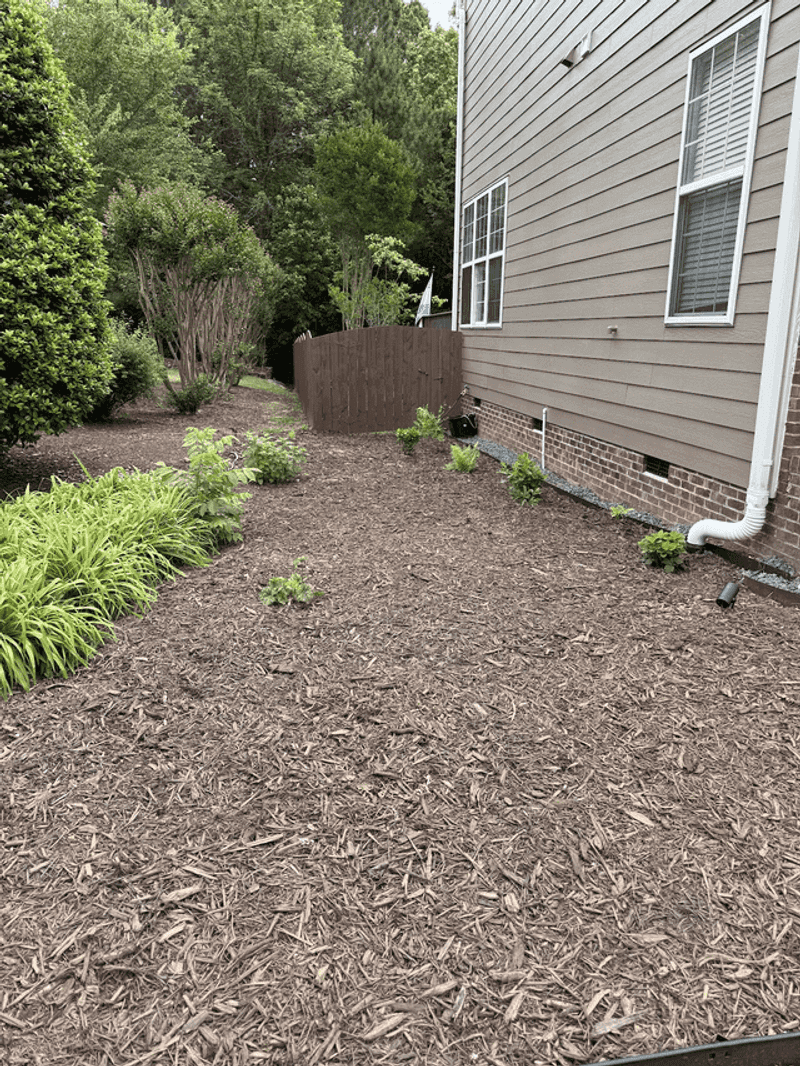
A surprise cold snap can dip North Carolina nights into the teens, even after mild weeks. New plants survive that best with a light blanket.
Spread 2 to 3 inches of shredded leaves or hardwood mulch over the bed after planting. Keep it 2 or 3 inches back from each crown, since mulch piled on stems holds water and invites rot.
Water deeply about once a week if rain skips more than 10 days.
Then leave things alone. Roots are working, even when nothing looks different.
It is not a magic solution, just one steady layer of good care, and when spring beds fill in early and thick, you will know exactly why.
