
The Only Native Texas Plant That Makes Scorpions Decide Your Yard Is Not Worth It
Follow us on Google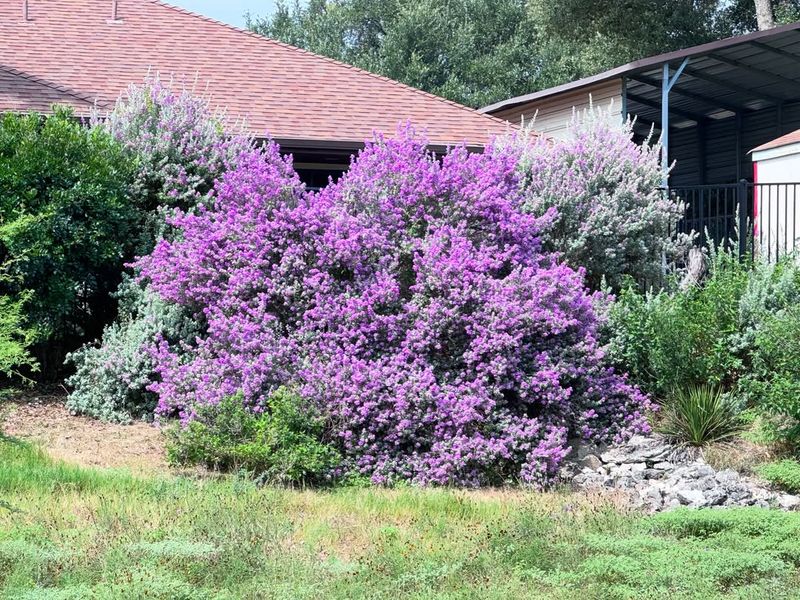
You step outside barefoot one evening and feel that familiar tightening in your chest, the one that comes from knowing scorpions are somewhere out there in the dark.
A claim has been circulating that one specific native Texas plant is all you need to make your yard unappealing to them, and honestly, it sounds too good to be true.
The plant being described is almost certainly Texas sage, a beautiful native shrub with real landscaping value, but the repellency promise attached to it does not hold up to scrutiny.
What does work is a combination of smart planting, yard cleanup, and sealing your home, and this article walks you through all of it.
The Plant Claim Points To Texas Sage—but Does Not Prove It
Somewhere along the way, a gardening tip started spreading across Texas Facebook groups and backyard forums: plant one specific native shrub and scorpions will want nothing to do with your yard.
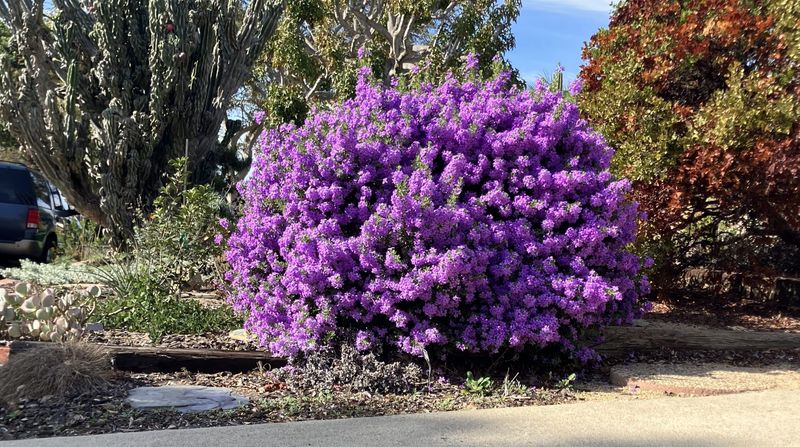
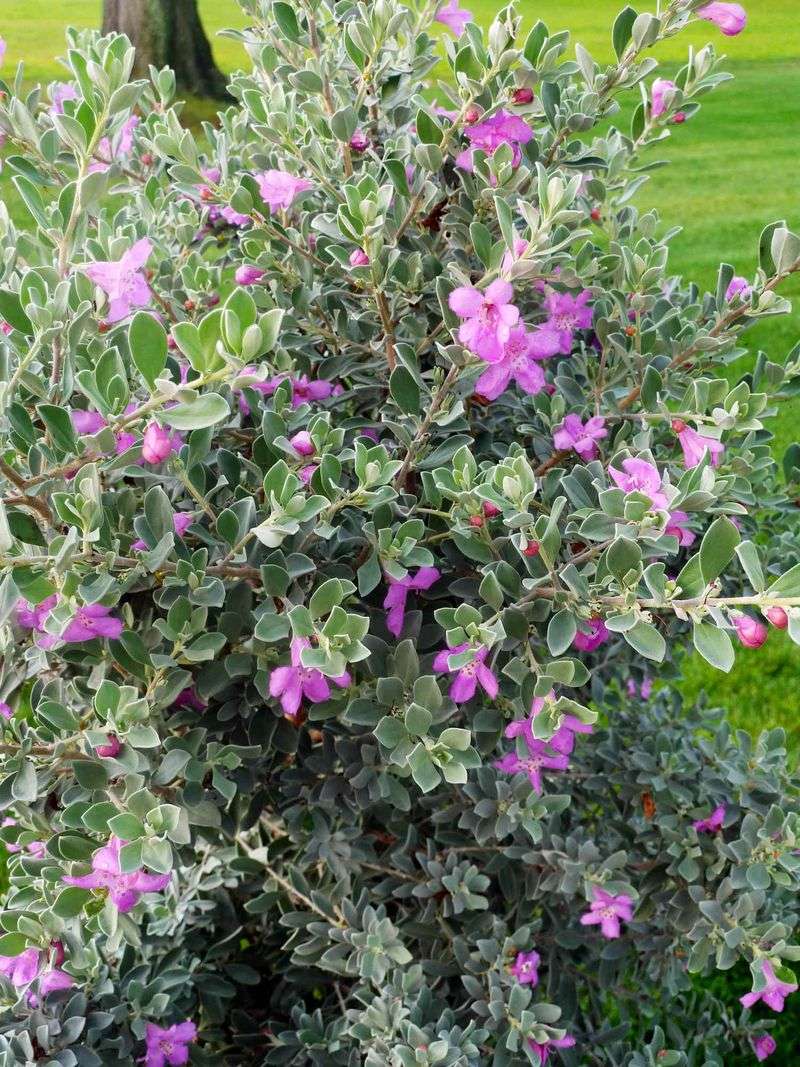
The plant being pointed to is almost certainly Texas sage, known botanically as Leucophyllum frutescens and also called cenizo or Texas silverleaf.
It is a genuine Texas native, and that part of the story checks out.
What does not check out is the repellency promise.
No reviewed extension publication, field study, or university recommendation connects this plant to proven scorpion deterrence.
Texas A&M AgriLife guidance on scorpion control focuses on habitat modification, exclusion, and careful pesticide use, not on planting a repellent species.
Texas sage does not appear in that guidance as a control tool.
That said, Texas sage is worth knowing.
Texas A&M’s rangeplant profile for cenizo describes it as a native shrub reaching up to 8 feet tall, common on rocky limestone and caliche hills, arroyos, and chaparral across the Gulf Prairies, Edwards Plateau, South Texas Plains, and Trans-Pecos regions.
It blooms with lavender-purple flowers, carries silvery foliage, and thrives on neglect in the right conditions.
The honest version of this story is that Texas sage is a legitimately useful low-water shrub for the right Texas yard.
The scorpion angle, though, is where the claim outruns the evidence.
The sections ahead cover what the plant actually offers, how to place it without creating problems, and what genuinely reduces scorpion encounters around a Texas home.
Aromatic Foliage Is Not a Proven Scorpion Repellent
Here is where the original claim really falls apart.
The idea seems to be that Texas sage smells strong, scorpions have sensitive receptors, and therefore they stay away.
That chain of reasoning sounds plausible, but plausible is not the same as proven.
No behavioral trial, no field study, and no university extension recommendation reviewed for this article documents that the aromatic foliage of Leucophyllum frutescens repels scorpions.
The broader pattern holds too: Instituto Butantan’s myth-busting guide on scorpion control states that rosemary, rue, lavender, and citronella have not been scientifically proven to repel scorpions.
These are some of the most aromatic plants in cultivation, and none of them earn a pass.
A 2022 study went further and tested a traditional claim that catnip repels scorpions.
That published research found that the tested scorpions actually chose the shelter containing catnip.
Every aromatic plant is different, but that result makes clear that scent alone cannot be assumed to push scorpions out.
Scorpions are also not the plant-averse creatures the repellency narrative imagines them to be.
Texas A&M’s scorpion identification and control guide reports that Texas scorpions occupy grasslands, pine forests, deciduous forests, chaparral, rocky areas, and human dwellings.
Greenery alone does not determine whether they stay or go.
A less scorpion-friendly yard comes from removing the shelter and access they actually use, not from a chemical or magical plant barrier.
That is the practical reframe this article is built on, and the next sections show you exactly how to act on it.
Texas Sage Still Makes Sense as a Low-Water Shrub
Set the scorpion angle aside for a moment.
Texas sage, Leucophyllum frutescens, is genuinely one of the better choices for a low-water Texas landscape, and that value stands on its own.
The Native Plant Society of Texas describes cenizo as drought tolerant and low maintenance, with typical mature dimensions of approximately 5 to 8 feet tall and 4 to 5 feet wide.
That spread matters more than most gardeners expect when they buy a small container plant at the nursery.
Plan for the full footprint before you dig the hole.
Full sun is non-negotiable.
Texas Tech’s plant resource sheet describes it as intolerant of wet feet and overfertilization.
Skip the fertilizer entirely.
Supplemental watering during establishment is fine, but once the plant is settled, too much irrigation causes more trouble than too little.
The Native Plant Society also flags susceptibility to cotton root rot when the plant is kept too wet, which is a genuine concern in heavier soils.
Sharply drained soil is not a preference for this shrub, it is a requirement.
Texas A&M’s rangeplant profile confirms it is native to rocky limestone and caliche terrain, the kind of ground that drains fast after rain.
The silver foliage looks good year-round in the right spot, and the purple blooms often appear after summer rains, sometimes in a flush that surprises gardeners who forgot the plant was even out there.
That is legitimate landscape appeal.
Just do not connect it to scorpion control, because that connection is not supported.
Place the Shrub So It Does Not Touch the House
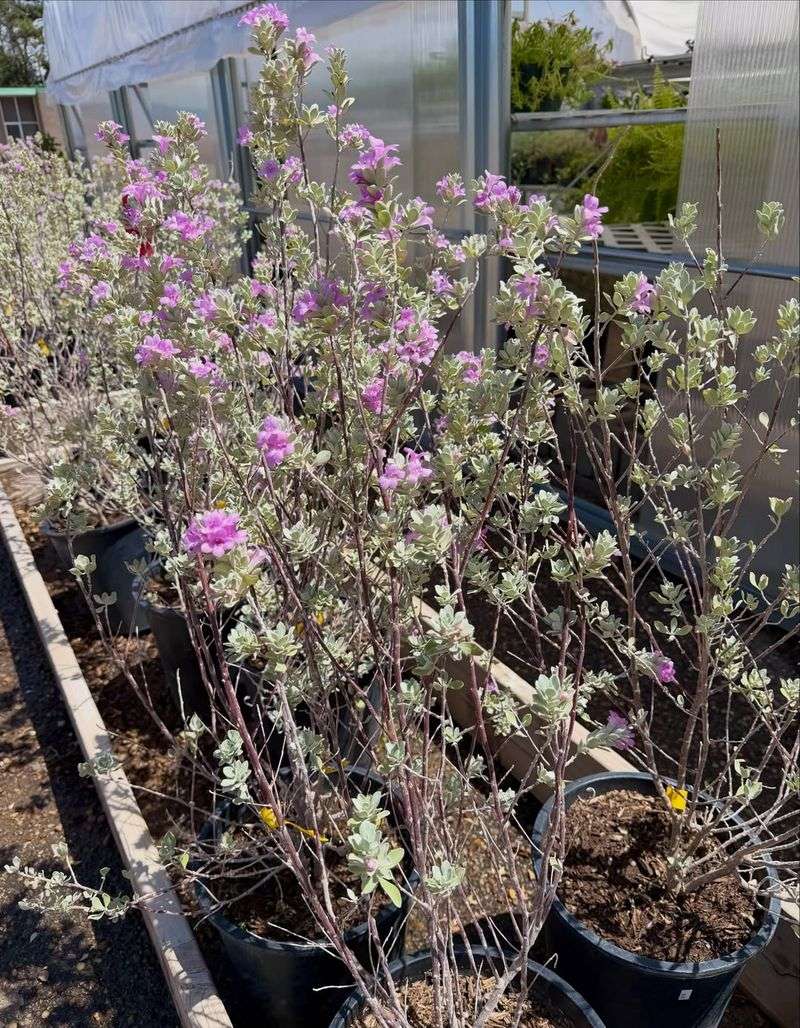
Many Central Texas gardeners have made the same mistake: they buy a beautiful cenizo, plant it right up against the foundation because it looks neat and tidy, and two years later they have a dense, shaded wall of foliage pressed against the brick.
That setup does not create a scorpion barrier.
It creates a scorpion hotel.
Texas A&M reports that scorpions climb trees and walls and hide under debris, dead vegetation, and objects near structures.
A dense, poorly maintained shrub can hold shade, fallen leaves, insects, and moisture near a wall, and none of that is good.
To be clear, no source documents that Texas sage specifically attracts scorpions, but the documented habitat preferences make tight foundation planting a poor choice for any large shrub.
University of Arizona pest-proofing guidance recommends at least 24 inches of clearance between shrubs or branches and walls.
That specific measurement applies to the gap between the plant and the structure.
As a separate matter, keep vegetation away from doors, windows, roofs, and other entry points as well, because scorpions use any continuous route from ground level to the building.
The Native Plant Society notes that cenizo can reach 4 to 5 feet wide at maturity, so that clearance gap will shrink faster than you expect if you start too close.
Prune regularly to keep the base open and visible.
A plant you can see under is a plant that gives scorpions nowhere to hide.
Remove Shelter and Seal Scorpion Entry Points
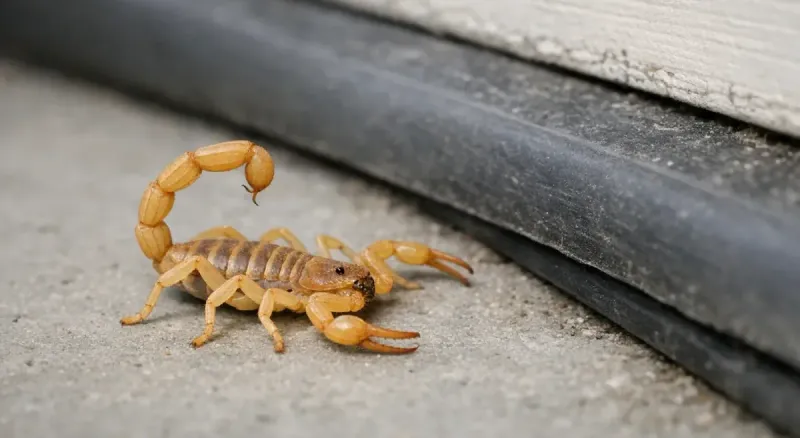
No shrub, however well-placed, replaces the work of making your home an unfriendly place for scorpions to live and enter.
The practical first line of defense is a checklist, not a plant purchase.
Start at the foundation.
Texas A&M specifically recommends removing trash, logs, boards, stones, bricks, and other objects from around structures.
Walk your patio, garage edges, fence line, and porch.
If it has been sitting on the ground for more than a few weeks, flip it over before you pick it up.
Firewood belongs outside and away from the house, and it should not come indoors unless it goes directly onto the fire.
Then look at your entry points.
UC IPM reports that some scorpions can squeeze through gaps as narrow as 1/16 inch.
That is roughly the thickness of a credit card.
Loose-fitting doors need weather-stripping.
Windows need tight screens.
Cracks around roof eaves and utility pipes need caulk.
Weep holes in masonry veneer, those small gaps left in brick walls for drainage, can be plugged with fine copper mesh or commercial weep hole covers.
Check the garage door last.
Many Texas homeowners find scorpions in garages because the door seal at the bottom has dried out and lifted.
A fresh rubber seal costs about 15 dollars and closes a gap that might as well be a welcome mat.
None of this glamorous.
But a Saturday afternoon spent pulling debris and sealing gaps will do more for your scorpion situation than any combination of plants.
The shrub can still earn its place in the yard, just not as a substitute for this work.
Match Texas Sage to Drainage and Local Conditions
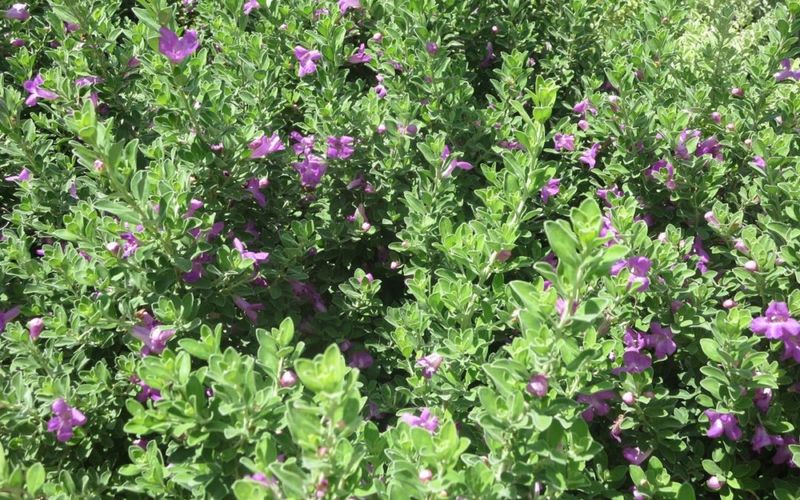
Texas is not one climate, and Texas sage is not equally easy to grow across all of it.
Where it came from matters.
Texas A&M’s rangeplant profile places cenizo across the Gulf Prairies, Cross Timbers, South Texas Plains, Edwards Plateau, and Trans-Pecos, which are all regions with rocky, calcareous, fast-draining soil and long dry stretches.
In the Hill Country, West Texas, and South Texas, this plant is in its element.
Move it east or north, and conditions shift considerably.
East Texas carries acidic sandy soil and higher humidity, and the rainfall totals are genuinely different from the Trans-Pecos.
North and Central Texas blackland clay holds water for days after a downpour, which is the opposite of what this plant wants.
The Native Plant Society of Texas warns that wet conditions invite cotton root rot, so drainage is the main concern in those areas.
Raised or amended beds may help where water tends to stand, but consider that a conditional option to evaluate for your specific site rather than a guaranteed fix.
Hardiness is also a regional conversation.
Texas Tech lists Texas sage as suited to USDA Zones 7 through 9, while Missouri Botanical Garden gives a Zone 8 through 10 range.
Those overlapping figures reflect real variation in cultivars, microclimates, and local exposure.
A hard freeze in the Panhandle or an unusually wet winter in the Piney Woods can set the plant back significantly.
Before you plant, ask your county extension office or a local native plant nursery what they have seen perform well in your specific county.
That conversation is worth more than any generalized statewide recommendation.
Use Layered Precautions Around a Texas Home
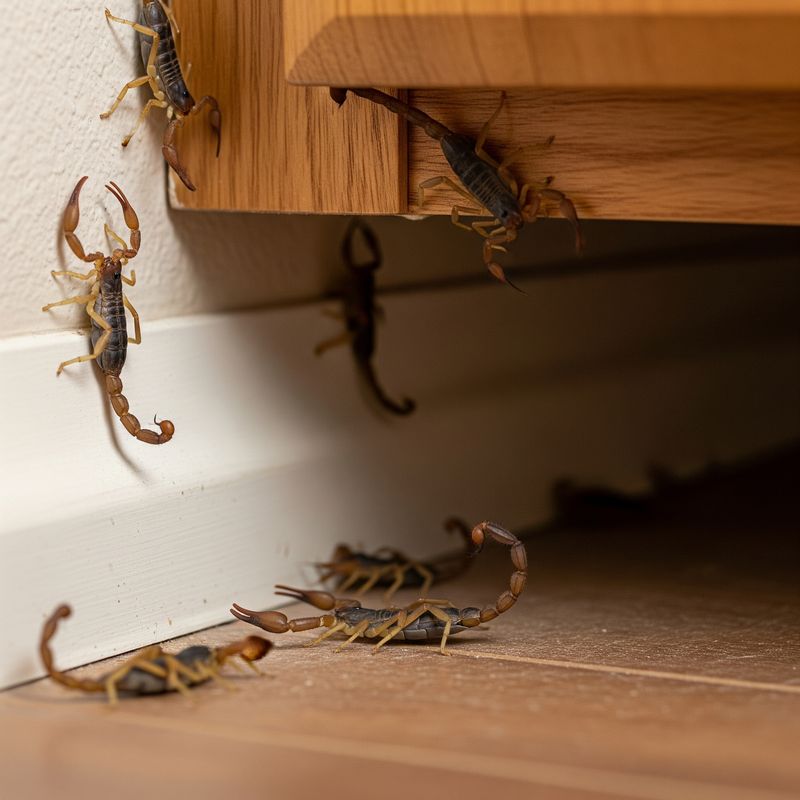
Scorpions are nocturnal, and Texas has 18 documented species to account for.
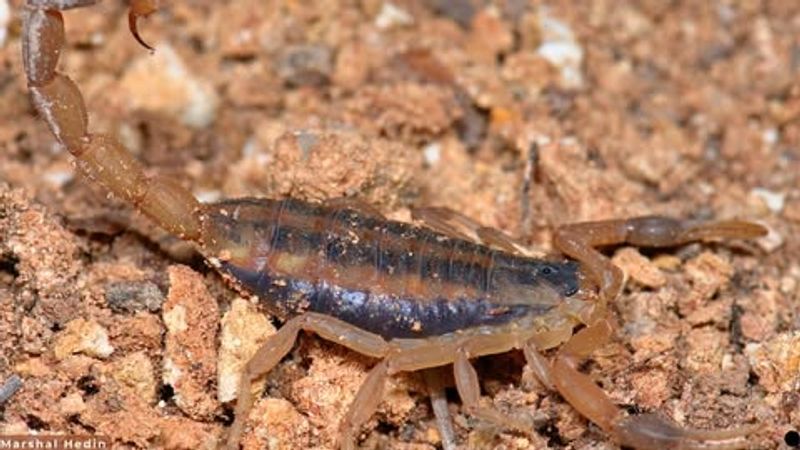
The striped bark scorpion, Centruroides vittatus, is the only species found statewide and the only one reported in eastern Texas, with adults reaching about 2.5 inches long.
Texas A&M’s scorpion guide notes that most stings cause moderate reactions, but individual responses vary, and allergic or severe symptoms remain possible.
Do not treat any sting as automatically minor.
The daily habit changes are simple.
Wear shoes after dark, every time.
Use gloves while gardening, especially when moving rocks, pots, or wood.
UC IPM recommends shaking out shoes, clothing, towels, and bedding before use, because scorpions hide in dark, enclosed spaces during the day and can end up in laundry left on the floor or gear stored in the garage.
If a sting does happen, Texas Poison Center Network guidance says to wash the area with soap and water and apply a cool compress.
Difficulty breathing or a rash means calling 911 or going to an emergency room immediately.
The national Poison Help number is 1-800-222-1222 and it is available around the clock.
Pesticides can be part of the picture, but only as an add-on.
Texas A&M notes that naturally derived products containing rosemary, cinnamon, clove, thyme, peppermint, or pyrethrum may be used for scorpion management, though they degrade faster and may not provide long residual control.
Always follow the label exactly, and do not use any pesticide as a substitute for habitat cleanup and exclusion work.
Texas sage is genuinely worth growing in the right yard and the right conditions.
Just grow it for the silver leaves, the summer blooms, and the low water bill, not for a scorpion guarantee it was never able to make.