
The North Carolina Farmers Markets Where You Actually Find Native Plants Grown For Red Clay
Follow us on Google
You drag your patio chair into the shade one September afternoon and watch your neighbor wrestle another sad shrub into the sticky red clay. You have been there, digging holes in that stubborn Piedmont soil, only to watch things fizzle out by August.
The fix is not more compost or more hope. It is knowing exactly where the growers are who raise native plants for this exact dirt, so your yard can finally fill up with fireflies and monarchs instead of dead spots.
1. Flowering Earth Natives At Durham Farmers’ Market
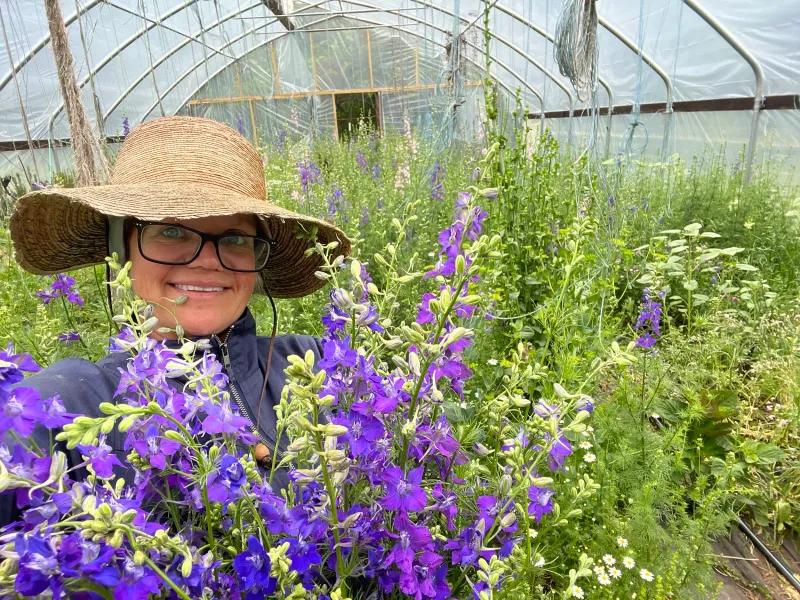
Spring and fall are when the good stuff shows up, and at the Durham Farmers’ Market that means Flowering Earth Natives, a Durham County nursery that grows only Piedmont natives.
Here is where it gets tricky for most folks. Plants raised for sandy Coastal Plain soil or mountain loam will just sit there and sulk in heavy clay.
Flowering Earth grows for the dirt you actually have, and they skip the pesticides you are trying to keep out of your yard.
You want roots that punch down into the clay instead of circling a comfortable little hole. That is the whole game with red clay, and these growers build for it.
Show up early on a market Saturday, because the strongest sellers walk out before ten. Grab a plant, ask one question, and you leave with something that genuinely belongs here.
2. Jerilyn’s Native Plants Of The Piedmont Near Chapel Hill
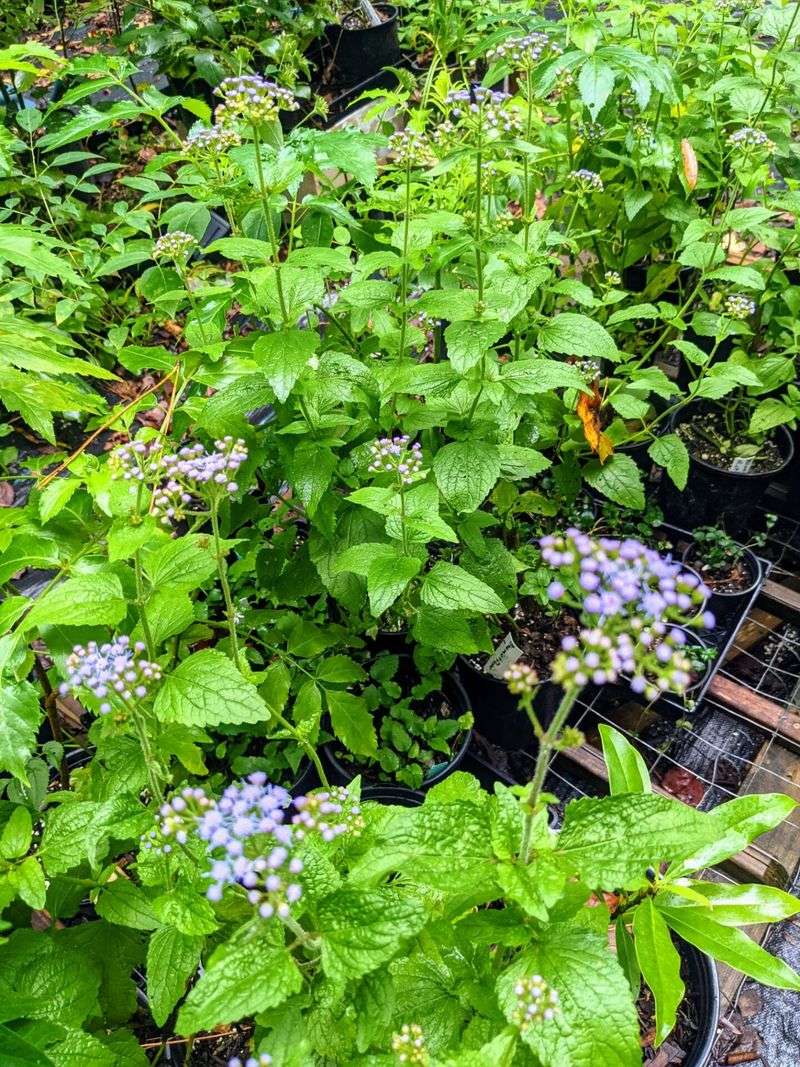
A short drive west of Durham, tucked at Woods Charter School, Jerilyn’s Native Plants of the Piedmont sets up on Saturdays from March through June, then again September through November. She also pops up at the Briar Chapel Farmers Market on Friday afternoons.
What makes this stop different is the focus on what gardeners call keystone species, the plants that do the heavy lifting for local wildlife. Oaks, goldenrod, native asters, the workhorses caterpillars and native bees depend on.
Many of her plants started as seed collected right in Chatham and Orange counties. Genetically speaking, they have already survived a few red-clay summers and a surprise cold snap or two before you ever bring one home.
It is like buying toughness with the roots included. You are not gambling on a big-box mystery plant, you are getting local stock that has proven itself two miles from your driveway.
3. Ever Laughter Farm And Nursery’s Thoughtful Perennials
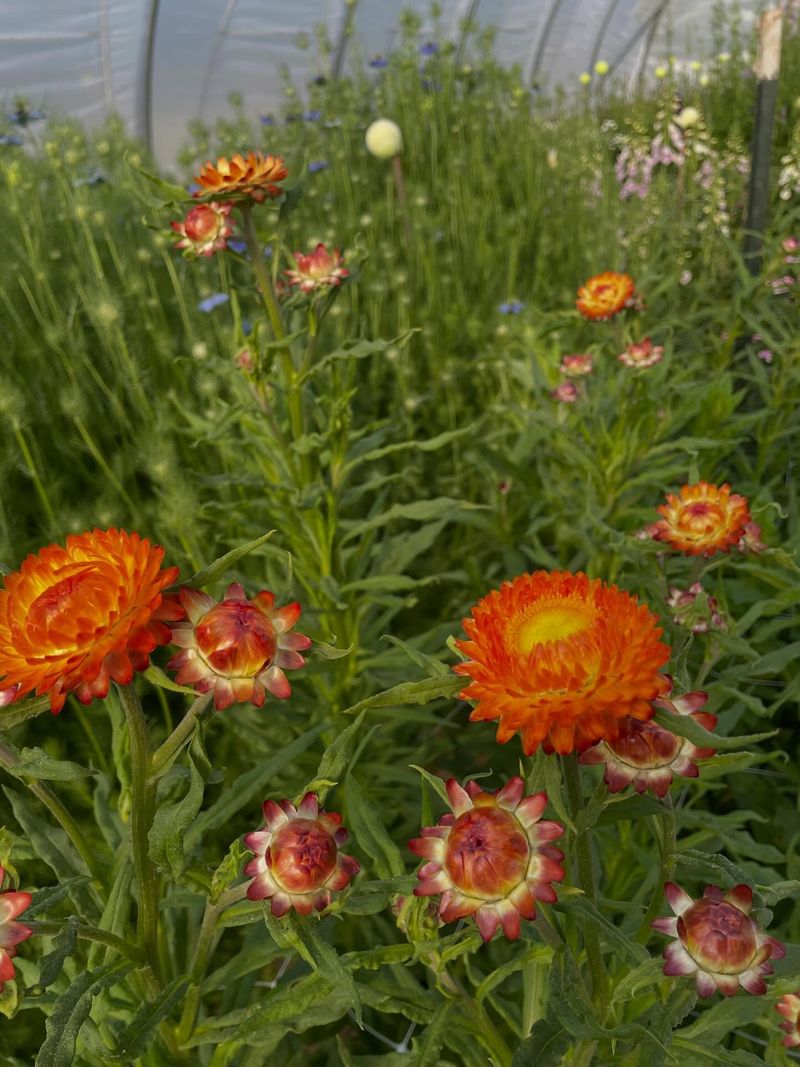
Another steady face at the Durham Farmers’ Market is Ever Laughter Farm & Nursery, and their table proves a quiet point. You do not need acres of sandy loam to build a rich, living landscape.
Their selection of native perennials and shrubs is curated, not overwhelming. That matters when you are standing there on a phone-scroll break trying to make one good decision before the storm rolls in.
These growers know North Carolina weather in their bones, from the 3 p.m. summer thunderstorms that dump an inch fast to the mild winters that flip to a hard freeze overnight. So they steer you toward plants that shrug both off.
The kicker is the fit. You leave with something chosen for your yard, instead of forcing your yard to babysit a plant that never wanted to be here.
4. Your Red Clay Is A Nutrient Powerhouse
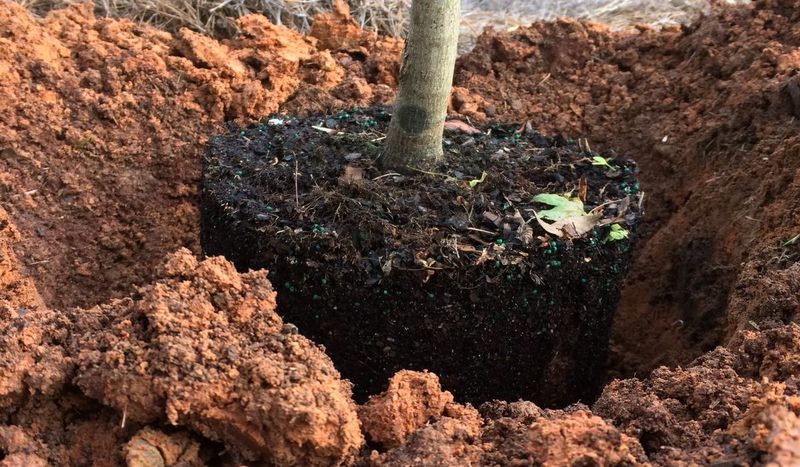
Red clay gets talked about like a curse. Hard as a brick when dry, a shin-deep mess when wet, and honestly a workout to dig.
But that dense soil is quietly loaded with nutrients, often far richer than the sandy stuff down toward the coast.
The real problem is drainage. Clay particles pack so tight that water sits and roots suffocate.
So the antagonist here is not poor soil, it is trapped water.
You fix it slowly, from the top down. Spread 2 to 3 inches of aged leaf mulch or compost across your beds and let the earthworms and fungi drag it under for you over a season or two.
When you plant a tree or shrub, mix at least half the broken-up native clay back into your amendment. Dig a cushy all-compost hole and roots will circle inside it like a pot, then stall out years later.
NC State Extension recommends blending amendments into the native soil for exactly this reason. A little patience buys a lot of survival.
5. Flower Of Carolina Brings Entomologists To Carrboro
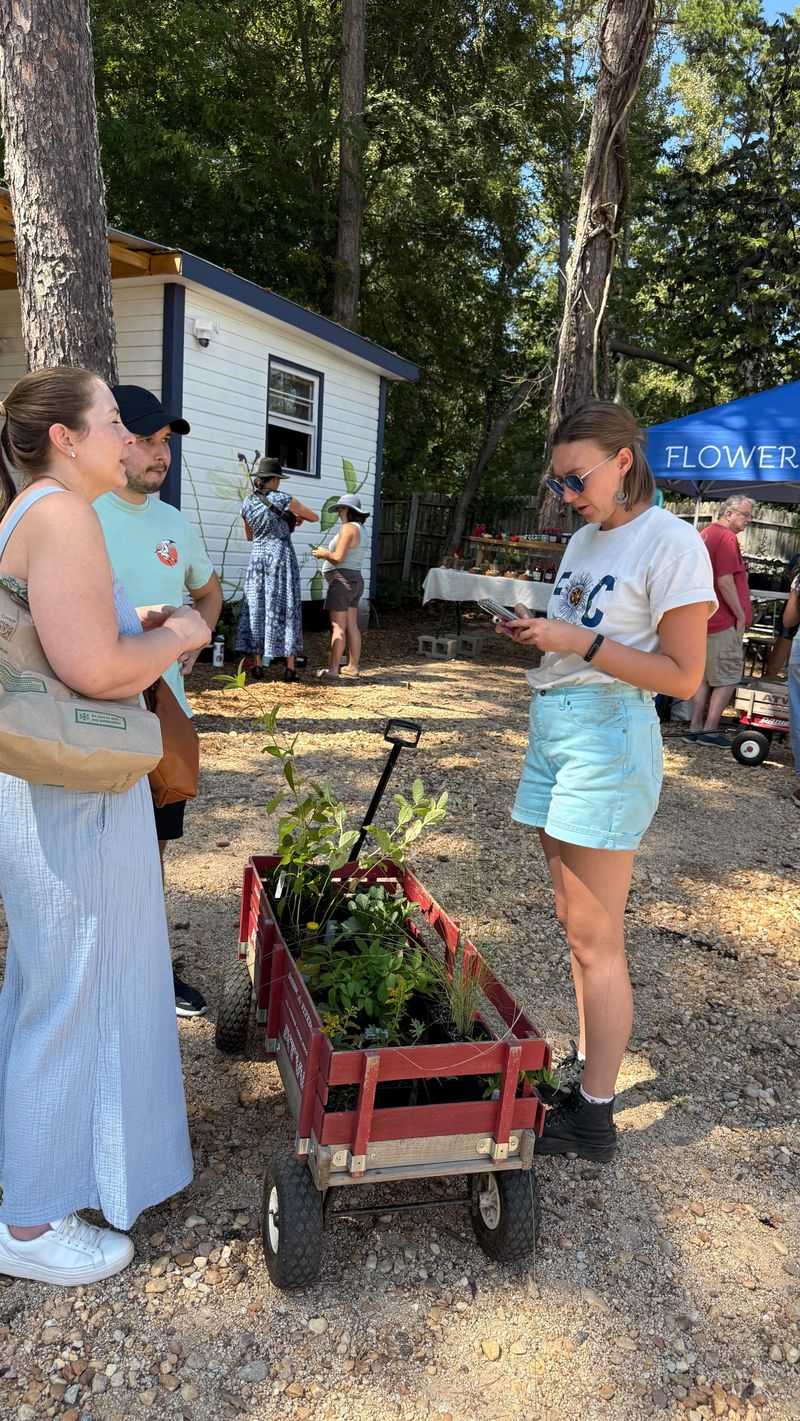
Head deeper into the Piedmont and the Carrboro Farmers Market hides a genuine specialist. Flower of Carolina, a family nursery out of Saxapahaw, is run by entomologists who study the exact bugs your plants are supposed to feed.
That background changes how they sell. Their signs spell out each plant’s light, moisture, and native region, which is gold when you are matching a species to a clay bed that stays damp after rain.
You are not just buying a coneflower. You are buying a piece of the food web that carries fall monarchs through North Carolina and keeps native bees fed all summer.
They also show up at the Eno River Farmers Markets in Hillsborough, and they keep prices reasonable on purpose. Natives should not feel like a members-only club, and this booth treats it that way.
6. Colfax Growers Match Every Plant To The Site
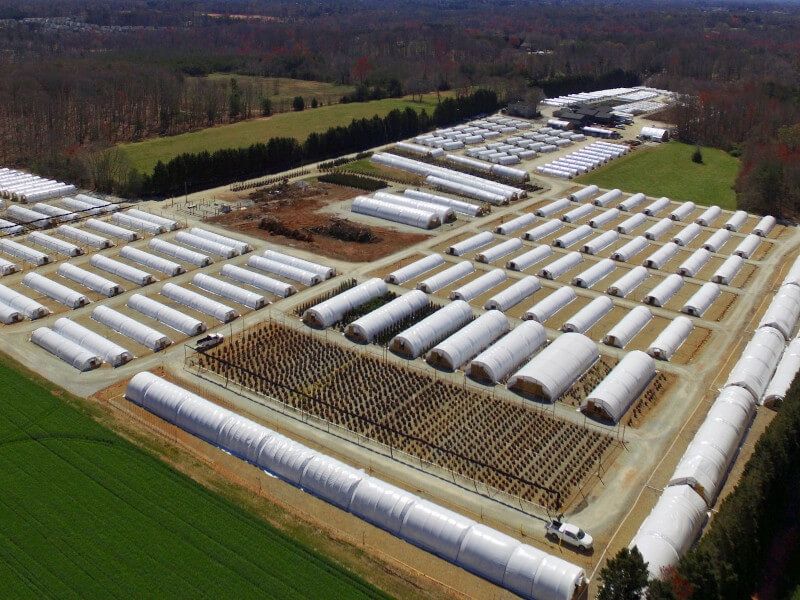
Out west toward the Triad, the Piedmont Carolina Tree & Shrub Farm Market in Colfax is your stop when the project is bigger than a few perennials. Much of what they sell is grown on-site through their sister nursery, so the local knowledge is baked in.
Their strength is honest matchmaking. Even a clay-tough native can flop in the wrong spot, so they ask about your light, your drainage, and whether that bed sits low and stays soggy.
Some natives will take waterlogged clay all day. Others want a gentle slope or a raised edge to breathe.
Knowing the difference before you dig saves you a dead $40 shrub and a season of waiting.
For trees and larger shrubs especially, this is where you stop guessing. You walk in with a problem spot and walk out with a plant that actually wants to live there.
7. Fiddletree Farm’s Seed-Grown Plugs In Winston-Salem
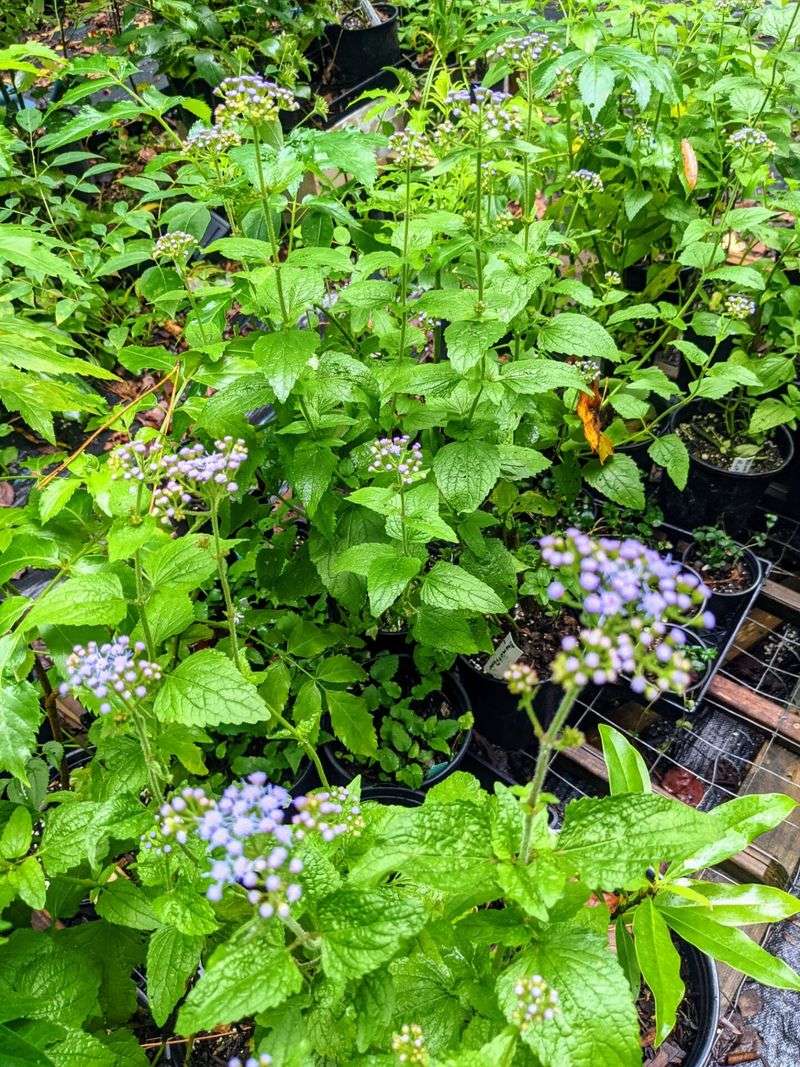
Filling a whole clay bed on a budget is where Fiddletree Farm & Nursery in Winston-Salem earns its spot. They grow natives from seed and sell a lot of them as small plugs, which lets you plant twenty tough little starts for the price of a few gallon pots.
Plugs surprise people. They look tiny, almost fragile, but a seed-grown plug often out-roots a bigger transplant within one growing season because it never got pot-bound.
Fiddletree leans organic and chases local ecotype seed whenever they can. Local ecotype just means the parent plants have been living in this region for generations, quietly pre-selecting for genes that handle North Carolina heat, humidity, and clay.
Space plugs about 12 to 18 inches apart, water them through the first dry stretch, and step back. In a year that patchy bed reads as a real planting, and you spent far less than you feared.
8. The Native Plants That Genuinely Love Clay
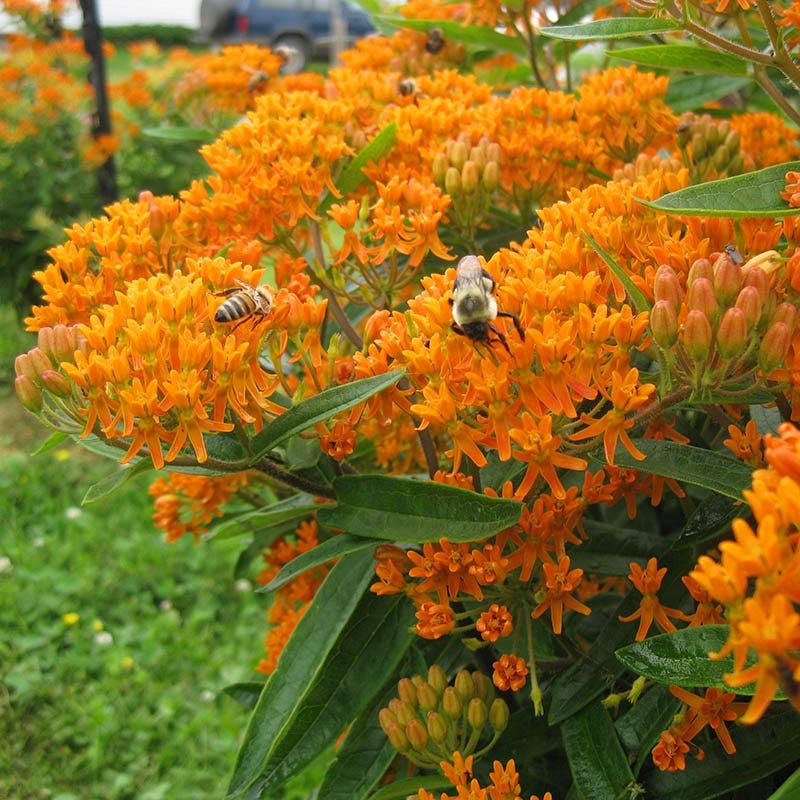
So which natives actually dig red clay? For full sun, start with butterfly milkweed, Asclepias tuberosa, whose orange flowers double as a landing pad for monarch caterpillars.
Pair it with eastern purple coneflower, Echinacea purpurea, which turns bulletproof once its roots settle in.
Both handle clay fine as long as the spot is not underwater all week. Give them room, roughly 18 inches apart, and they knit into a dense, humming patch.
For a little afternoon shade or that particularly stubborn corner, try wild bergamot, Monarda fistulosa, which pulls in bees and hummingbirds, or browneyed Susan, Rudbeckia triloba, with its steady wash of small yellow blooms.
Do not skip woody plants for backbone. Common ninebark, Physocarpus opulifolius, gives you peeling bark and fall color in clay without complaint, and serviceberry, Amelanchier arborea, offers white spring flowers plus June berries the birds fight over.
Clay does not mean settling for ugly, it means picking the heroes built for it.
9. The Whole Piedmont Is Quietly On Your Side
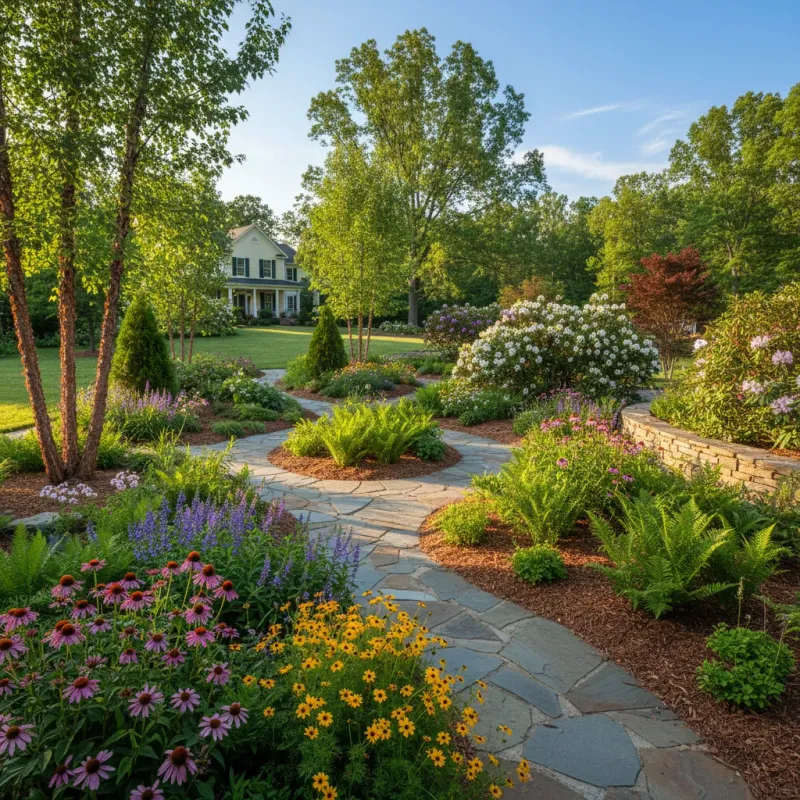
Zoom out and the pattern is clear. From the markets around Raleigh and Durham to smaller weekend setups, a whole network of Piedmont growers is raising plants for the exact clay under your feet.
Even tiny operations like For the Birds & the Bees grow everything from seed or cuttings collected locally.
These are the people who understand why a plant labeled drought-tolerant still rots in a wet clay pocket during a rainy Piedmont August, when totals can top 4 inches. They help you dodge that mistake before it costs you.
The mindset that works is Piedmont tough. You stop fighting the clay and start choosing plants that were always going to be happy in it.
Do that, and the payoff shows up on the porch. Fireflies blinking over the yard on a warm June evening, monarchs stopping through in fall, and the quiet feeling that this time, you finally got it right.