
The Native Texas Shrubs Homeowners Grow Along The Driveway Instead Of Boxwood Hedges
Follow us on Google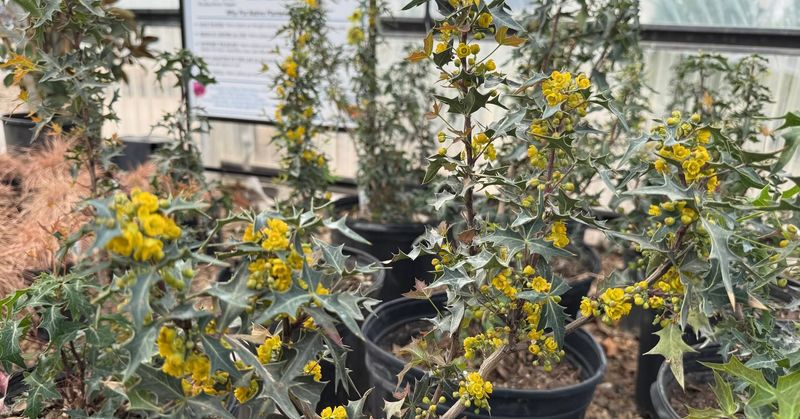
You pull into the driveway after work in July, and the boxwood hedge looks crispy and tired again. You watered it twice this week, and it still browned along the hot concrete edge.
Many Texas homeowners are quietly pulling those thirsty hedges and planting native shrubs that actually like the heat. Here are 8 tough, good-looking choices that line a driveway beautifully without draining your weekends or your water bill.
1. Dwarf Yaupon Holly
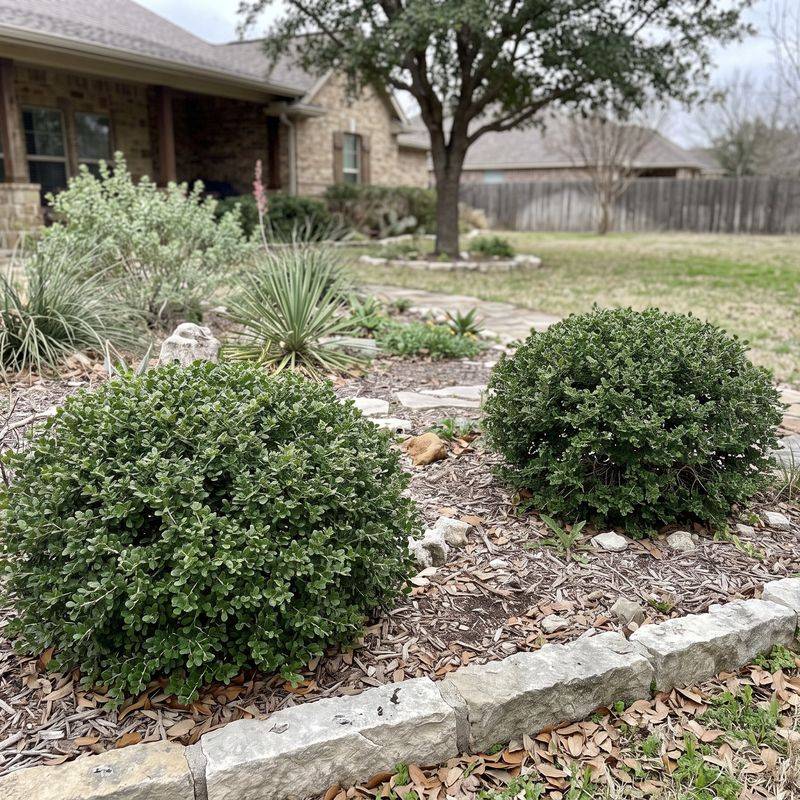
If you love the tidy, clipped look of boxwood, dwarf yaupon holly (Ilex vomitoria ‘Nana’) is the easiest swap you can make. It looks so similar from the street that most neighbors never notice the change.
The difference shows up in August. This Texas native shrugs off heat reflected from concrete, which can push the air near a driveway 10 degrees hotter than the lawn.
It handles North Texas blackland clay and East Texas sand alike.
Plant it 2 to 3 feet apart and about 18 inches back from the pavement. Water deeply, roughly 1 inch per week, through the first summer.
After that, it genuinely gets by on rain most years, with an occasional soak in long dry spells.
It stays 2 to 4 feet tall on its own, so light shaping once or twice a year is plenty. Your hedge stays green, and your Saturdays stay yours.
2. Texas Sage
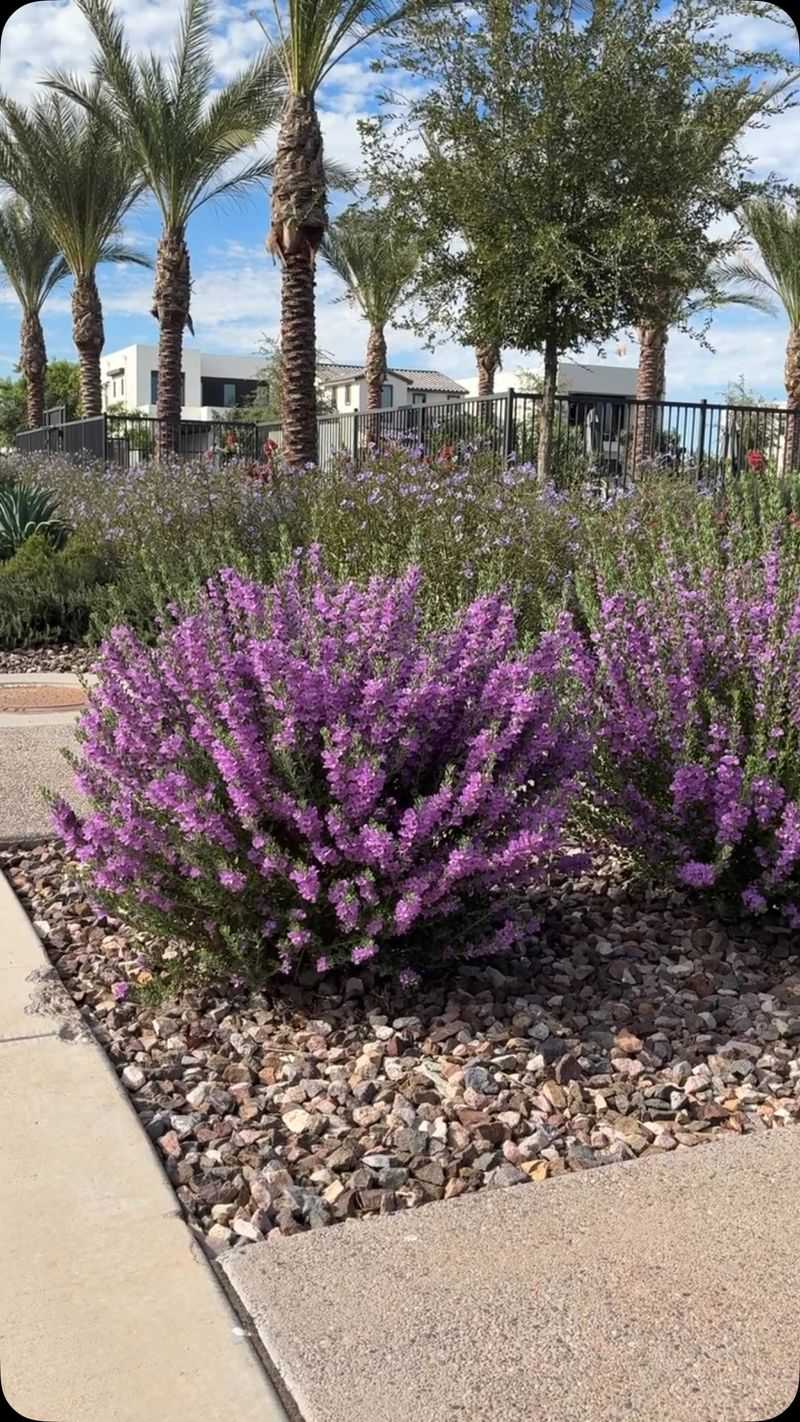
Here is a shrub that seems to predict the weather. Texas sage (Leucophyllum frutescens), also called cenizo or barometer bush, often bursts into purple bloom a day or two after a summer rain.
Its silvery leaves reflect harsh sun like a built-in sunscreen. That is why it thrives in Hill Country caliche and West Texas rock, where boxwood struggles to survive at all.
Give it full sun and space plants about 5 feet apart, since they reach 3 to 8 feet tall. Good drainage matters more than anything.
In heavy Central Texas clay, set it on a slight mound 6 inches high so roots never sit wet.
Resist the hedge trimmer. Heavy shearing leaves it twiggy and bare, so tip it lightly in spring instead.
Let it stay soft and natural, and it rewards you with color storms all summer.
3. Flame Acanthus
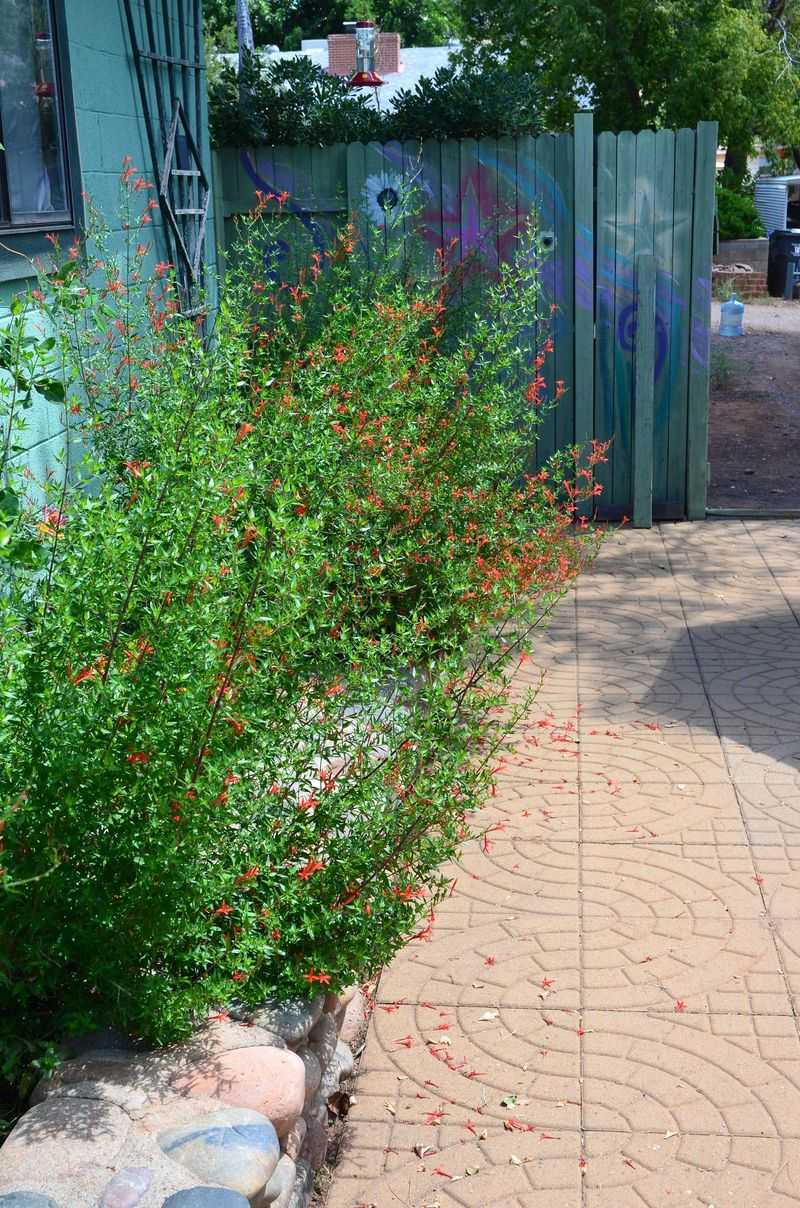
Hummingbirds treat flame acanthus (Anisacanthus quadrifidus var. wrightii) like a roadside diner. Its red-orange tubular flowers keep coming from late spring right through fall.
And the heat does not slow it down. It blooms hardest when the thermometer climbs past 100 degrees, which is exactly when your patio feels unusable.
Clay, rock, or sandy loam all work.
Plant shrubs 3 to 4 feet apart for an informal, airy hedge that tops out around 3 to 5 feet. It drops its leaves in most of Texas each winter, so it will not hide your driveway year-round.
That is the honest tradeoff.
In late winter, cut it back to about 6 inches. Fresh stems return fast and bloom heavier.
Deer usually leave it alone, a nice bonus. Watching a hummingbird hover by your mailbox makes the trade feel easy.
4. Turk’s Cap
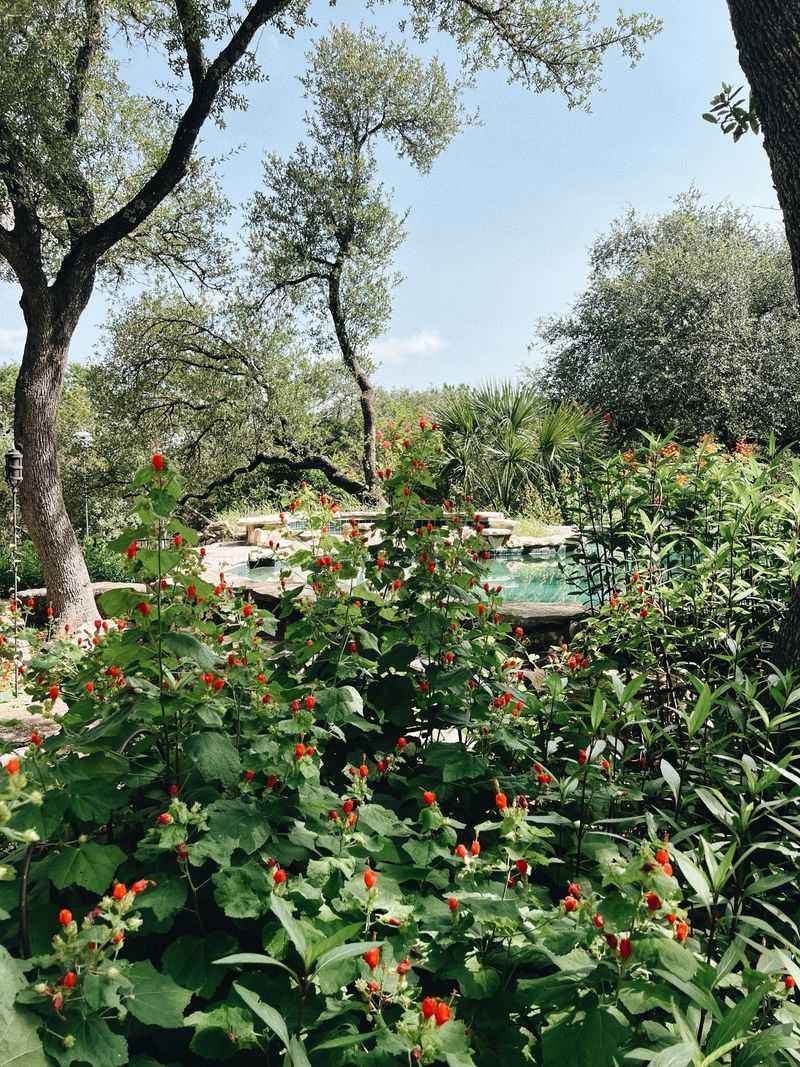
Most driveway shrubs sulk where the house throws afternoon shade. Turk’s cap (Malvaviscus arboreus var. drummondii) does not mind at all.
Its little red flowers twist shut like a turban and never fully open, which sounds odd until hummingbirds and butterflies show up. It handles full sun or shade under a live oak, and sandy or clay soil.
On the Gulf Coast and in South Texas, it may stay green year-round. In North Texas, a hard freeze knocks it to the ground, but it actually returns each spring like it never left.
Plants can reach 2 to 9 feet, so give each one 4 feet of room. Cut stems back to about 5 inches in late February.
It is a forgiving shrub, the kind you can plant and stop worrying about.
5. Agarita
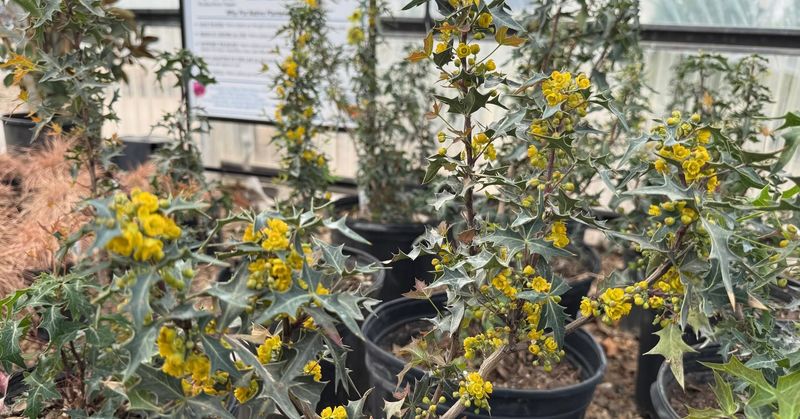
Some driveway edges need a polite warning sign. Agarita (Mahonia trifoliolata) is that sign, written in spiny, holly-like leaves nobody wants to brush past twice.
Do not let the armor fool you. In late winter, fragrant yellow flowers appear, followed by red berries that birds devour.
Folks in the Hill Country have long made jelly from them.
It is built for rocky limestone and caliche, and it is extremely drought tolerant once settled. Plant it in fall, space shrubs 3 to 4 feet apart, and water every 10 days the first season.
Keep it away from spots where kids hop out of the car, since it grows 2 to 6 feet with sharp edges. Along a property line or far corner, it guards your space quietly year after year.
6. Autumn Sage
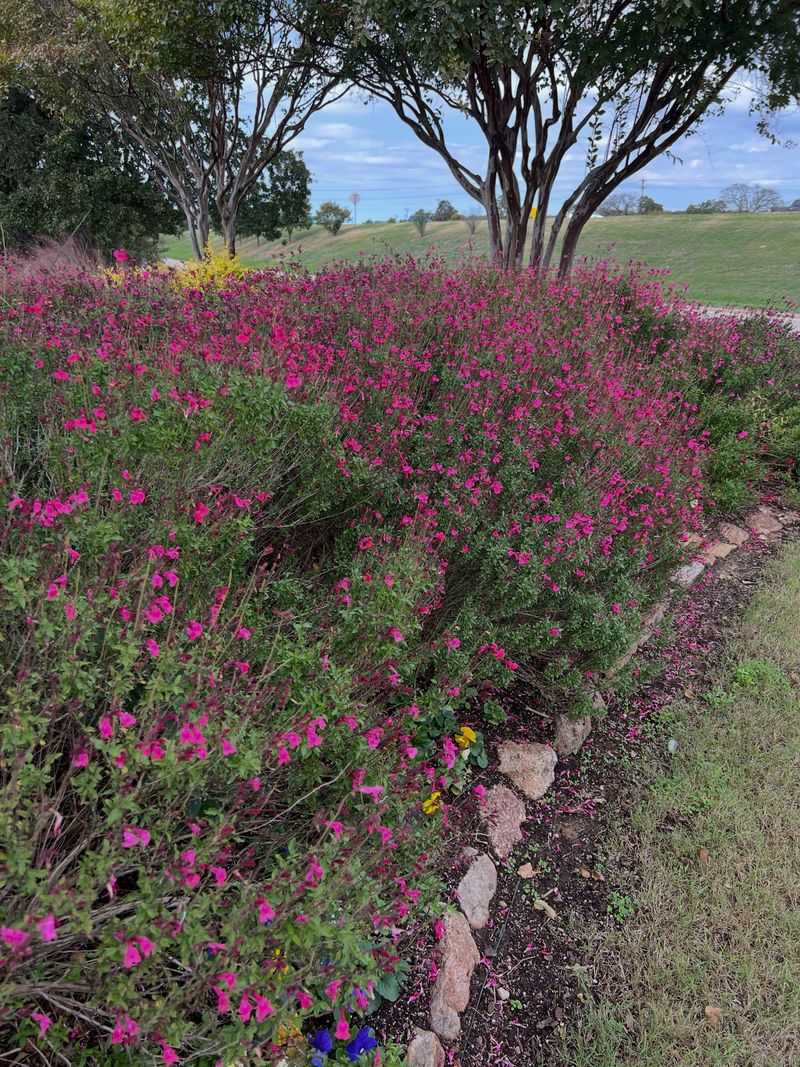
Picture a low border that blooms from spring until frost with almost no fuss. Autumn sage (Salvia greggii) fills that role better than almost anything sold at the big box stores.
It stays about 2 to 3 feet tall, so it will not block your view when backing out. Red, pink, coral, and white varieties let you match your house color.
Plant 2 to 3 feet apart in full sun with sharp drainage. Texas A&M AgriLife Extension lists it among its tough Earth-Kind landscape plants, meaning it performs with little water or fertilizer.
Shear it back by about one third in late summer to trigger a big fall flush. Many gardeners say that second bloom, timed with cooler mornings, is genuinely the best show on the street.
7. Texas Mountain Laurel
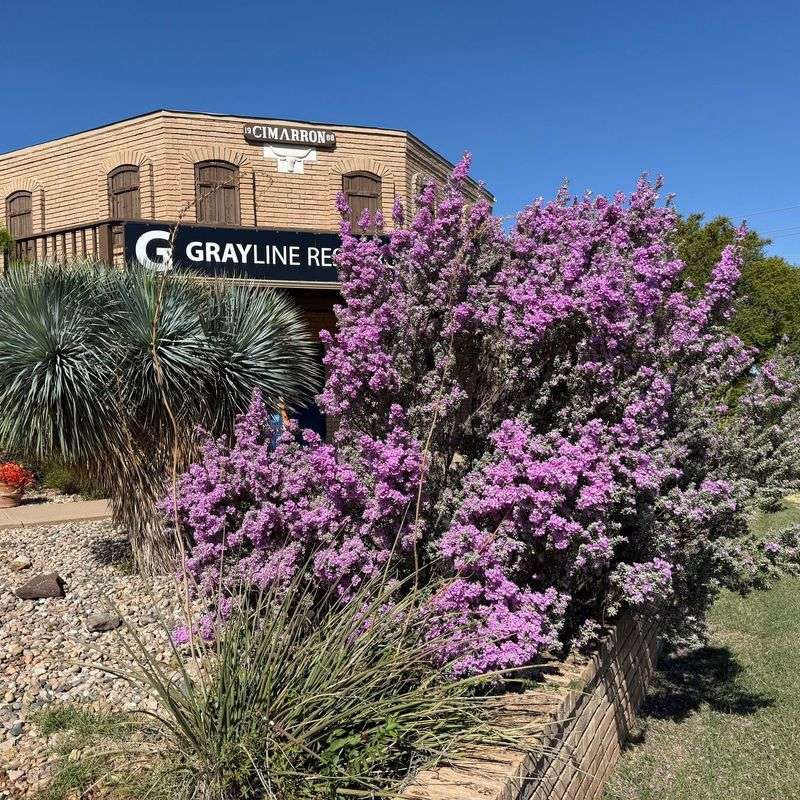
One March morning, you will smell it before you see it. Texas mountain laurel (Dermatophyllum secundiflorum) blooms in purple clusters that smell like grape soda.
This slow-growing evergreen works best as an anchor at the driveway entrance rather than a long hedge. It reaches 10 to 15 feet over many years and handles Central Texas and Hill Country alkaline soil well.
Here is the catch. Its seeds are poisonous, so place it where small children and pets will not chew them.
Plant in full sun with excellent drainage and water deeply every 2 weeks the first summer.
Genta caterpillars sometimes chew leaves in spring, but healthy plants recover. Two of them flanking your drive feel like a welcome sign that blooms.
8. Gregg’s Mistflower
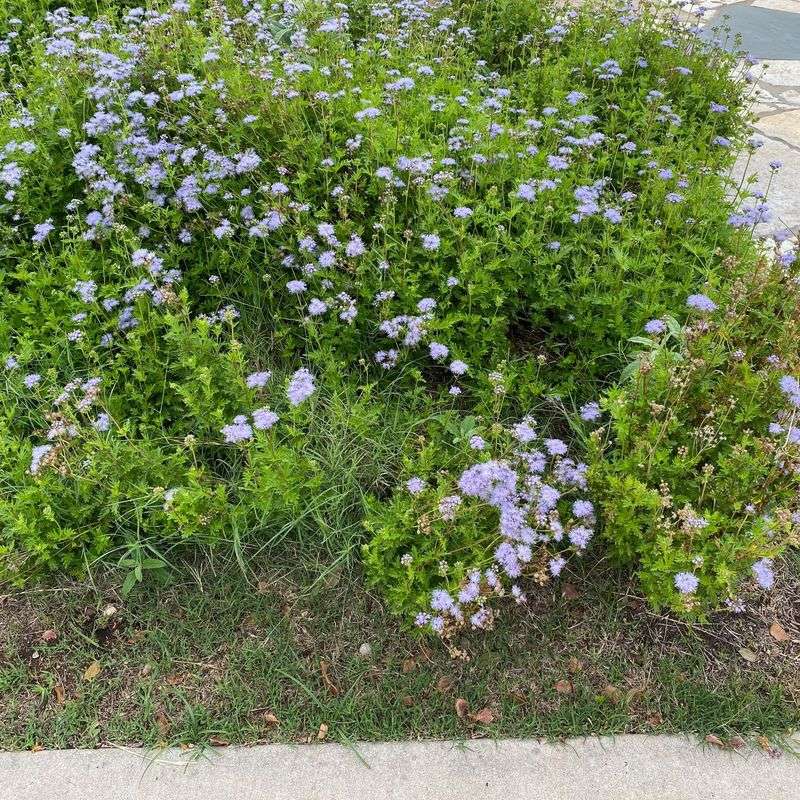
Every October, monarchs drift through Texas on their way to Mexico, and they are hungry. Gregg’s mistflower (Conoclinium greggii) is where many of them stop to refuel.
Its fluffy lavender blooms can be swarming with butterflies on a warm fall afternoon. It is a low, spreading plant, about 18 inches tall, so it works best as a soft front layer beneath taller shrubs.
Plant it 2 feet apart in sun and water weekly until roots settle. It spreads by runners, so edge it once a year or let it fill gaps along the drive.
Cut it to the ground after the first freeze. Pair it with yaupon or Texas sage behind, and your driveway becomes a layered native border you built yourself, one that feeds monarchs and saves water.
