
The Native Texas Perennials To Plant Before Christmas That Come Back Bigger Every Spring
Follow us on Google
You step outside on a cool December morning, coffee in hand, and the garden looks tired and done for the year. But the soil under your boots is still warm enough to grow roots, and that changes everything.
The native Texas perennials you plant now spend all winter building hidden root systems while you wrap gifts and watch football. Come spring, they return bigger, tougher, and ready for summer heat that sends spring-planted flowers into a panic.
1. Turk’s Cap
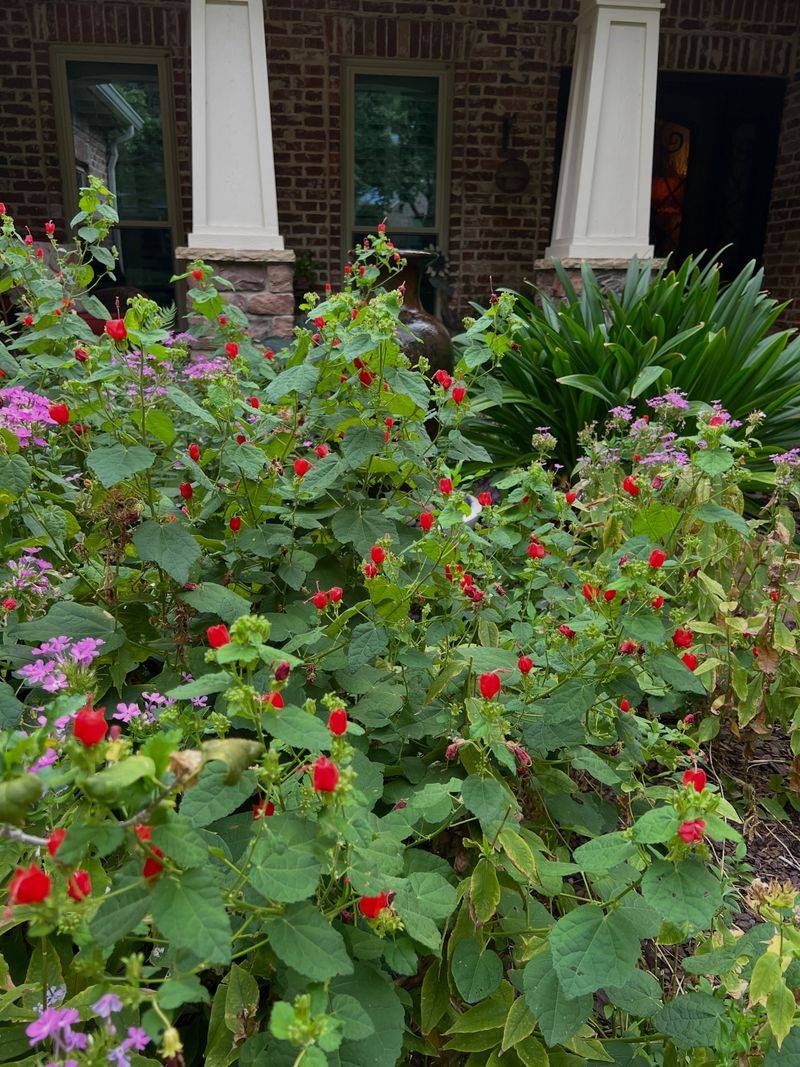
After the first hard freeze, Turk’s cap (Malvaviscus arboreus var. drummondii) looks like it gave up. The stems turn brown and limp, and plenty of new gardeners pull it out.
That is the mistake.
Underneath, the roots are wide awake. Planted before Christmas, they settle into the soil all winter, so the plant can push up a thicket of new shoots once spring nights stay above 50 degrees.
Many Central Texas gardeners watch a 2-foot plant become a 4-foot mound by its second summer.
Here is the best part. Turk’s cap handles shade, blackland clay, sandy loam, and rocky limestone without complaint.
Give it morning sun and afternoon shade, water deeply once a week for the first month, then mostly leave it alone.
In late February, cut the old stems down to about 4 to 5 inches above the ground. That haircut tells the plant to come back denser.
By June, hummingbirds will be working those little red swirls outside your kitchen window, and you will feel pretty smart about that December digging.
2. Autumn Sage
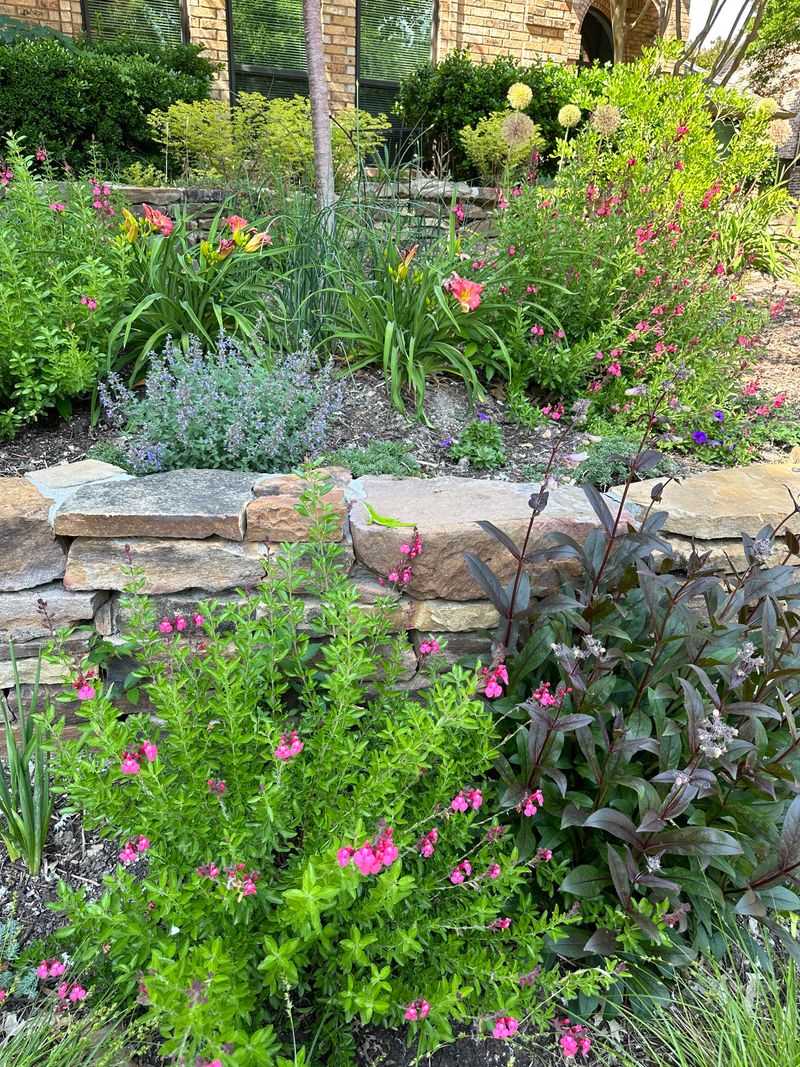
Drainage decides whether autumn sage thrives or quietly rots. Salvia greggii can take blistering sun and months without rain, but soggy winter clay is its real enemy.
So plant it with a little cleverness. In North Texas and around heavy blackland soils, set it on a mound about 4 to 6 inches higher than the surrounding bed.
In the Hill Country, the shallow, rocky ground is actually close to what it wants already.
Give it at least 6 hours of direct sun. Water every few days for the first two weeks, then taper to a deep soak every 10 to 14 days unless rain does the job for you.
Once spring arrives, the woody frame leafs out and blooms start, often running from March into November. Trim it back by a third after the first big flush, and it reloads like a patient little factory.
Red, pink, white, or purple, it hardly matters. The hummingbirds will find it, and you will find yourself checking on it every evening.
3. Flame Acanthus

Picture the worst spot in your yard. The strip beside the driveway that bakes all August, where petunias fry in a week.
Flame acanthus (Anisacanthus quadrifidus var. wrightii) would like that spot, please. It shrugs off reflected heat that cooks most flowering plants, and its orange tubular blooms keep coming from midsummer to frost.
The catch is patience. Leaves fall after a hard freeze and the plant looks like a pile of sticks until late spring, sometimes into May.
Do not dig it up. The roots are quietly sorting things out, and they handle cold well into USDA Zone 7.
Plant it before Christmas in well-drained soil, spacing plants about 3 to 4 feet apart since they reach 3 to 5 feet tall. In late winter, cut stems back to roughly 6 inches.
Each spring it returns fuller than the year before.
Then one July afternoon, you will see a hummingbird zip from bloom to bloom in triple-digit heat. That is your reward.
4. Gregg’s Mistflower
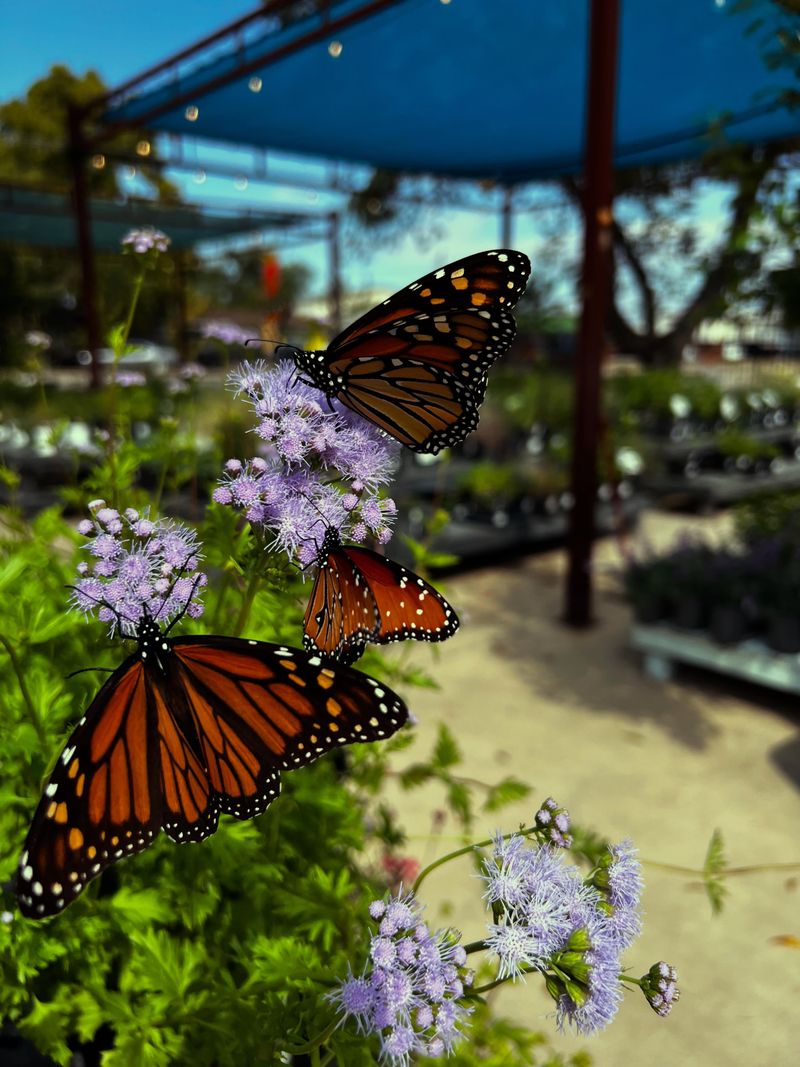
Ask anyone who grows Gregg’s mistflower about October, and watch their face light up. The fluffy lavender blooms can be so covered in Queen butterflies and migrating monarchs that the whole patch seems to flutter.
Conoclinium greggii is herbaceous, meaning it dies back to the ground in winter. Root hardy to about 0 degrees, it returns even after a rough Panhandle cold snap.
Here is where it gets tricky. Mistflower spreads by shallow underground runners, so one plant can become a 3-foot patch in a couple of seasons.
Plant it where that sounds like a blessing, or edge the bed firmly.
Full sun brings the most flowers, but part shade works. Plant about 2 feet apart, water twice a week while it settles, then let it ride on rainfall.
Every spring or two, divide extra clumps and share them with the neighbors.
Come fall migration, you will have a front-row seat to one of the best shows in Texas.
5. Texas Sage
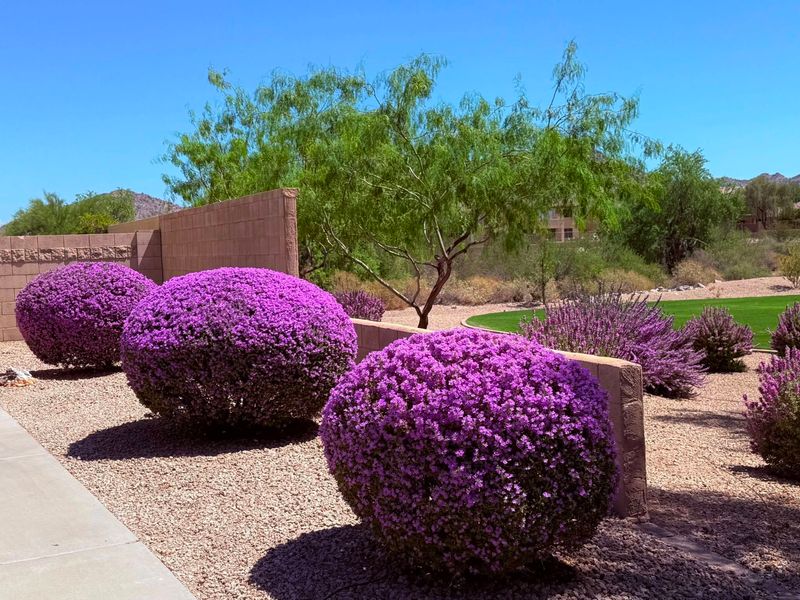
Not every plant on this list vanishes for winter. Texas sage (Leucophyllum frutescens), also called cenizo, keeps its silvery leaves all year and gives the garden a backbone when everything else sleeps.
Its trick feels almost like weather forecasting. A day or two after summer rain, the shrub explodes with lavender-purple flowers, which is why old-timers call it the barometer bush.
The danger is love. More gardeners kill Texas sage by watering it than by ignoring it.
It comes from rocky, alkaline ground, so West Texas caliche and Hill Country limestone suit it fine. In clay, plant it on a raised mound.
Fall planting lets roots reach deep before summer. Water every week through the first winter if it stays dry, then cut back to a deep monthly soak during long droughts.
Give it 6 to 8 hours of sun and room to reach 5 to 6 feet across.
Skip the tight shearing. A loose, natural shape blooms best and looks genuinely at home.
6. Lantana
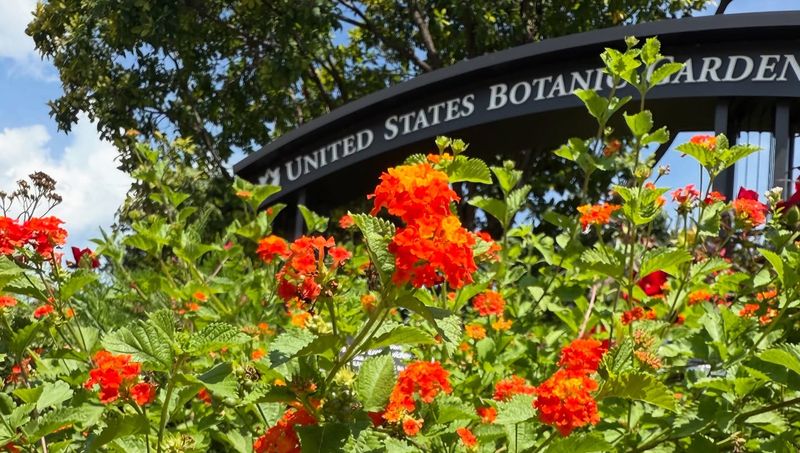
Myth: lantana is just a summer annual from the big box store. The native Texas lantana (Lantana urticoides) is a true perennial that returns from its roots across much of the state.
The store hybrids often fail after freezes. The native one, with its orange and yellow clusters, has handled Texas winters for a very long time.
In South Texas and along the Gulf Coast, it may barely die back at all.
Plant it before Christmas in full sun, about 3 feet apart. It tolerates sandy coastal soil, clay, and lean ground.
Water every few days for two weeks, then weekly until roots are set.
In early spring, once frost danger passes, trim stems to about 6 inches. Fresh growth rushes back and the plant widens each year.
Watch for spider mites during long dry spells, a strong blast of water under the leaves usually handles them.
Butterflies love it, and it laughs at heat. It may become your easiest win.
7. Native Milkweed
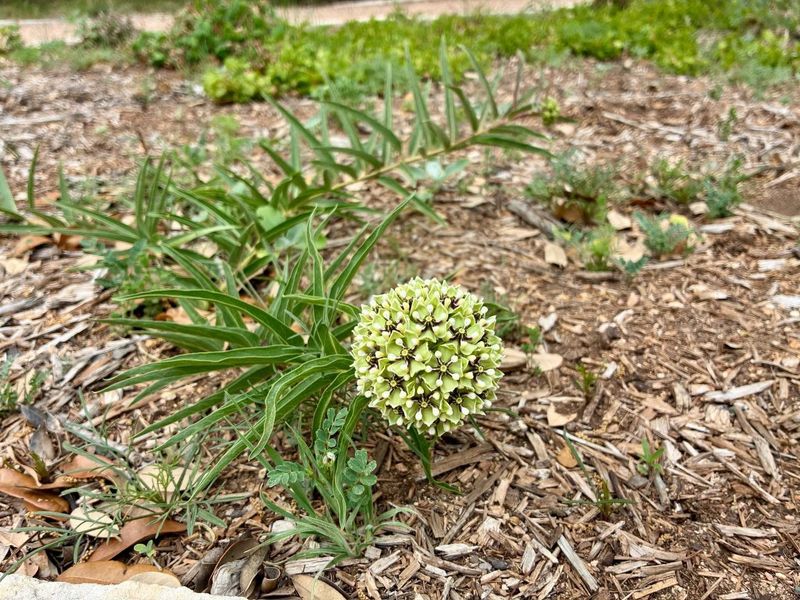
Every spring, monarchs flying north from Mexico hit Texas first and look for one thing. Milkweed.
Without it, they cannot lay eggs.
Native species like antelope horns (Asclepias asperula) and green milkweed (Asclepias viridis) grow long taproots, which is why fall planting helps. Texas A&M AgriLife Extension encourages native milkweeds over tropical milkweed, which can stay leafy in winter and may confuse migration timing.
Honest truth, native milkweed can be slow and fussy. It hates being moved, and young plants may sulk the first season.
Plant small starts in sunny, well-drained ground, about 18 inches apart, and do not disturb them.
Water lightly once a week through winter dry spells. Aphids may show up in spring, but they are mostly cosmetic.
Leave them for ladybugs instead of spraying.
When you spot your first striped caterpillar munching away, the slow start will feel completely worth it.
8. How To Plant Them Right Before Christmas
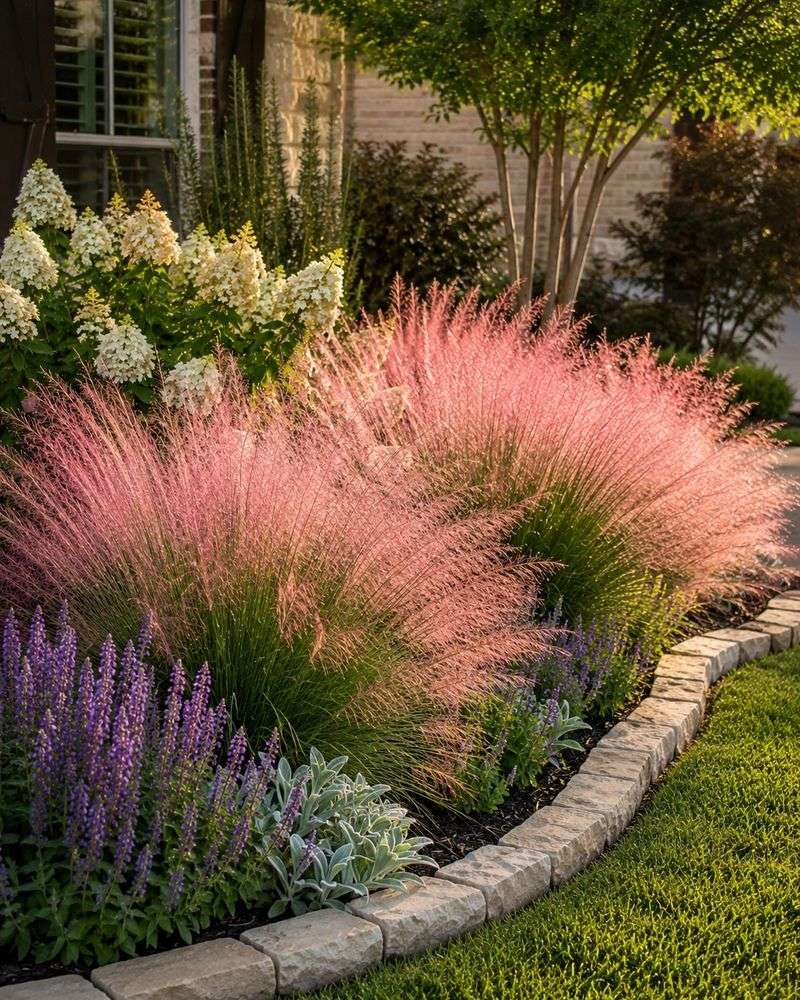
The planting job itself is simple, but a few details make the difference between plants that survive and plants that come back bigger.
Dig each hole two to three times wider than the root ball but no deeper. Gently loosen circling roots with your fingers.
Set the plant so its top sits level with the ground or a hair higher, especially in clay.
Water deeply right away to settle the soil. For the first week, water every day or two, then shift to one to three times a week.
Push a finger about 4 inches into the soil, if it feels dry, it is time.
Add 1 to 2 inches of mulch, kept a few inches away from stems. According to Texas A&M AgriLife Extension, fall is an ideal time to establish perennials because cooler air reduces stress while warm soil keeps roots growing.
If a hard freeze is forecast, water the day before. Moist soil holds heat better than dry soil.
That is not a magic shield, but it is one solid layer of protection.
Then rest. The roots will handle the rest of the winter, and next spring your yard will show what you started in December.
