
Painted Buntings Are Wintering In Florida Now, And These Yards Get Them First
Follow us on Google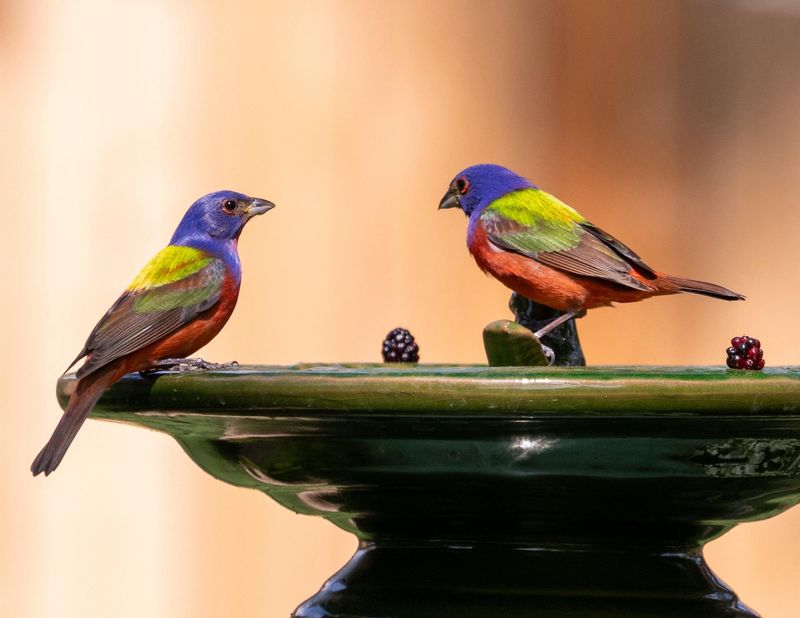
Painted Buntings are showing up in Florida for the winter, and the yards that tend to draw them have low, dense cover and seed within easy reach. Photo-verified birds were reported in Sarasota and Manatee counties in mid-November.
You may be wondering what your own yard has to offer. Here is what is known, where it applies, and what you can do about it.
Recent sightings are local, not statewide
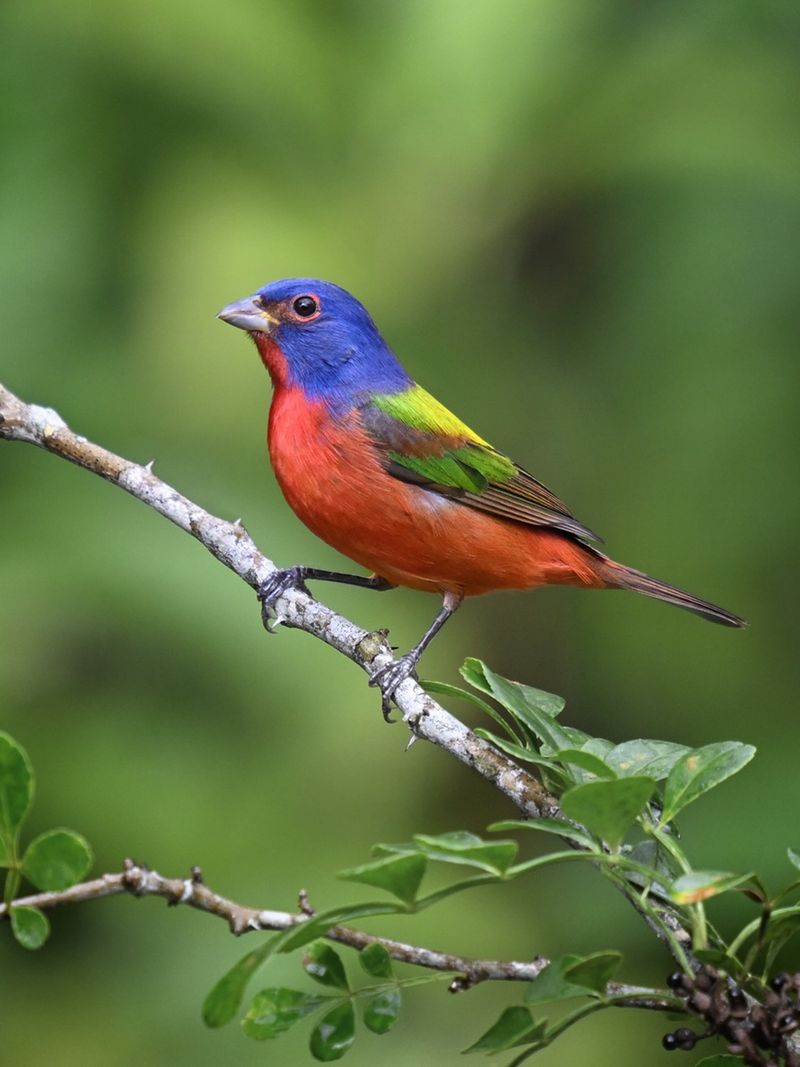
Mid-November brought welcome news from the Gulf Coast. A November 15 Suncoast birding report documented Painted Buntings in both Sarasota and Manatee counties.
The sightings came from photo-verified community observations made between November 8 and 15, 2026.
That is real, welcome news, but it is local news. Two counties on the Suncoast do not add up to a statewide wave.
Buntings may be moving through other parts of Florida too, yet one report cannot tell you that, so it helps to keep the claim small and honest.
It also does not prove these birds have settled in for the winter. A bird seen in early to mid-November could be a migrant still passing through, or one that has picked a spot to stay.
Photos alone cannot tell the difference.
You may notice the report gave no street names, yards, or feeder spots. That was deliberate. eBird treats the species as sensitive in Florida, and its sensitive species guidance explains that public site-level records can expose birds to trapping or disturbance.
So if a neighbor mentions a bunting at a feeder, enjoy the story and leave it there. Please do not go looking for the yard.
The birds are better served by quiet.
Winter range varies across Florida
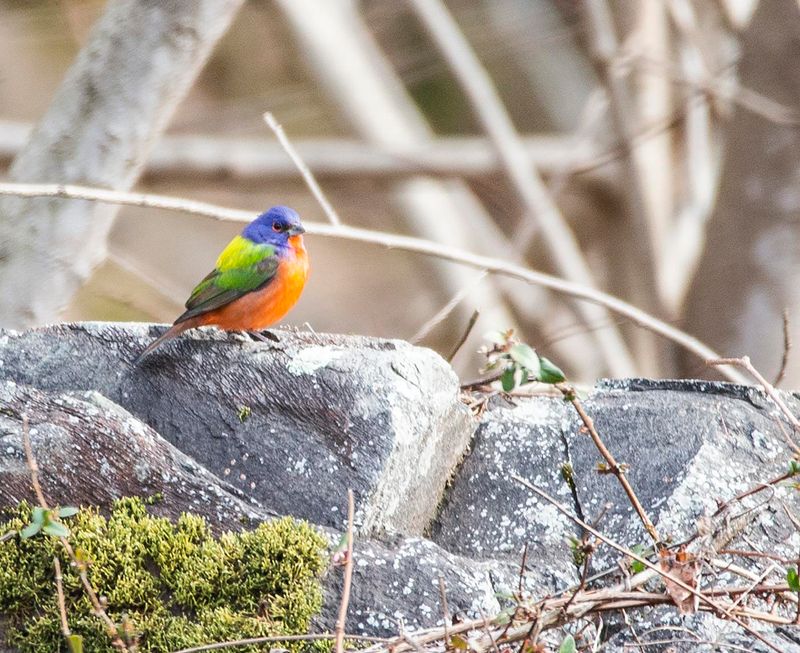
Florida is not one big winter home for these birds. Painted Buntings come in two populations, and they spend the cold months in very different places.
According to the Florida Fish and Wildlife Conservation Commission, the eastern population winters in south and central Florida and nearby Caribbean areas.
The western population generally winters in Mexico and Central America. That includes the birds that breed in extreme northwest Florida.
Those Panhandle nesters head south and west when the season turns, so the Panhandle is not a place to count on wintering buntings.
For that reason, this story fits Central and South Florida best. If you garden in Sarasota, Tampa Bay, Orlando, Fort Myers, or Miami-Dade, wintering buntings are a realistic possibility.
If you live in North Florida, the odds are lower, and it is fair to treat this as interesting reading.
Timing is also fuzzy. Fairchild Tropical Botanic Garden describes southbound migration from early October to mid-November, with birds present in South Florida from October into April.
That means a November bird may be passing through or just settling in. Neither one is a confirmed winter resident, and that is fine.
Watching is still worth your time.
Low, dense cover suits Painted Buntings
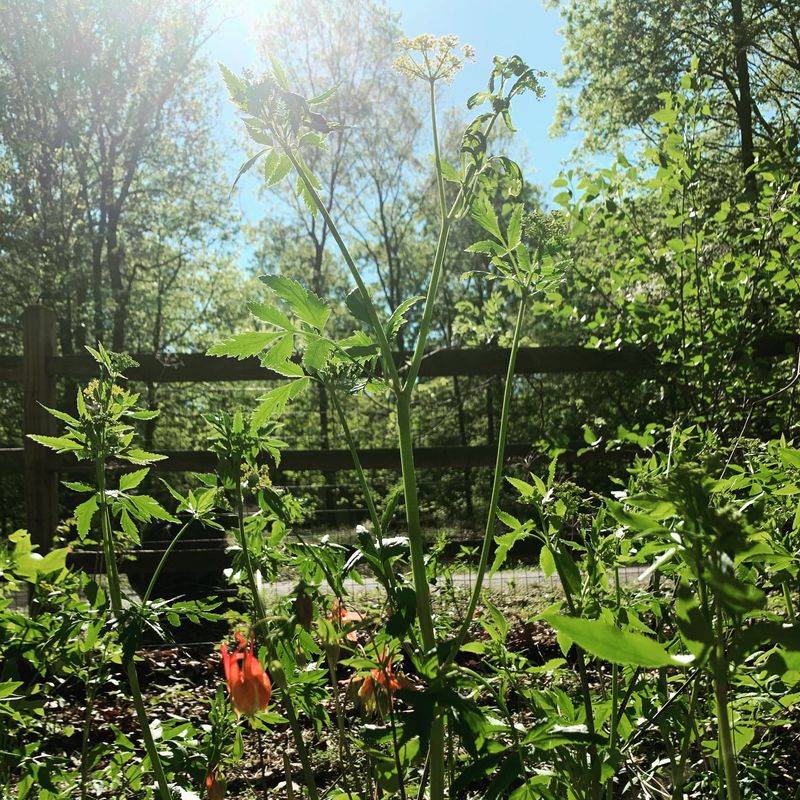
Painted Buntings are shy birds that like brushy, semi-open places. Think thickets, hedgerows, and overgrown edges where low plants grow close together.
They forage mostly for seeds, often on or near the ground.
Cornell’s All About Birds species guide notes that buntings are more likely to visit a feeder in a yard with low, dense vegetation. That is a useful clue, because it shifts your focus from the feeder to the plants around it.
In practice, that could mean letting one corner of the yard grow fuller. A mix of shrubs, tall grasses, and groundcover that fills in from the ground up looks more like the habitat buntings favor than a trimmed lawn with a few scattered plants.
You do not need to tear up the whole yard. A small, tangled patch near a quiet side of the house is a fair place to start.
Leave a little open ground nearby, since the birds forage in semi-open spots.
Keep expectations grounded. Dense low cover may make your yard more appealing, but it does not promise a bunting.
It also does not show that yards like this get birds first. It simply matches what the species is known to like.
White millet is one seed to try
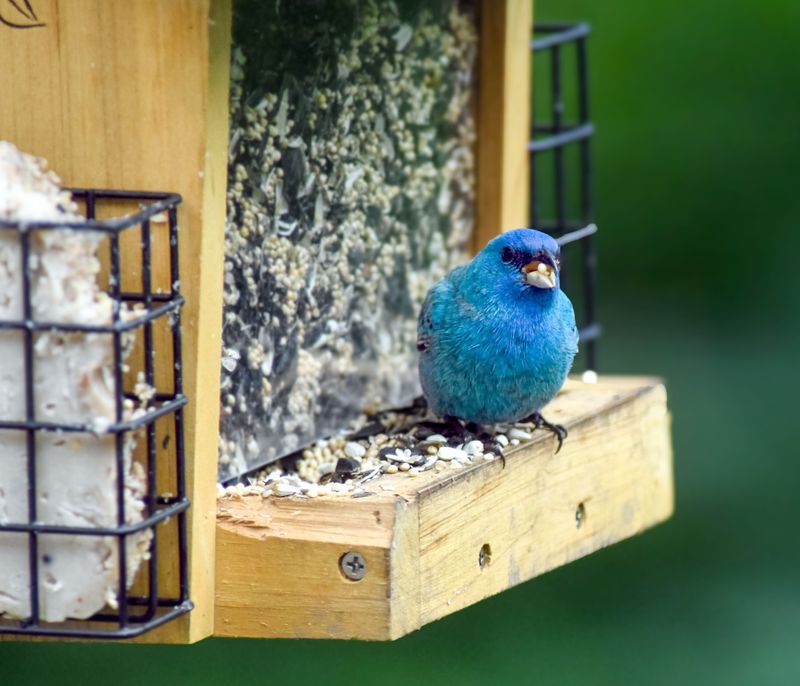
If you want to offer seed, white millet is a sensible choice. The U.S.
Fish and Wildlife Service says in its Painted Bunting Bird of the Month feature that the birds prefer it. Preferring a seed is not the same as promising a visit, so treat it as one good option rather than a sure thing.
Seed is only half the picture. Native shrubs and seed-producing plants can supply both food and cover.
UF/IFAS Gardening Solutions explains in its bird-friendly plants guide that Florida natives suited to a site’s real growing conditions can offer bird food, shelter, and insects.
That phrase about growing conditions matters. A plant that thrives in sandy, dry soil may sulk in a low, soggy spot.
Check your sun, drainage, and soil before you buy, and ask your local extension office or native nursery what fits.
You may also want a look at how real yards do it. Fairchild shares ideas in its backyard wildlife habitat guide, though one yard is an example, not a test.
No single plant has been proven to pull in buntings. Choose a few natives that will genuinely do well for you, and let them fill in over time.
Place feeders with birds’ safety in mind
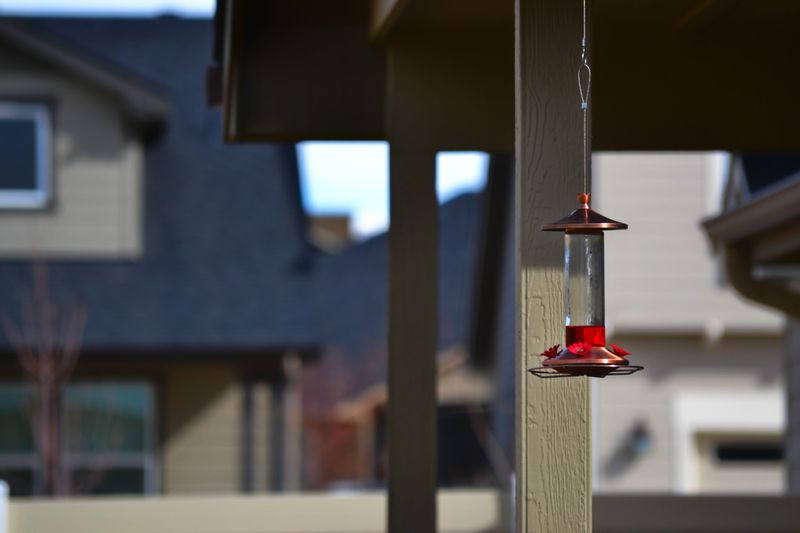
Where you hang a feeder can matter as much as what goes in it. UF/IFAS Extension guidance suggests placing feeders roughly 10 to 15 feet from shrubs.
That distance keeps cover within reach for shy birds while leaving fewer hiding spots for cats.
Windows come with their own risk. If a feeder has to sit near one, UF/IFAS recommends keeping it within 3 meters of the glass, which is about 10 feet.
Closer placement can reduce the chance of a serious collision injury, since birds have less room to build up speed.
Cats deserve a plain word. Keep them indoors, especially around feeding times, when birds are busiest and most focused on food.
None of these steps is a guarantee. They are precautions that lower some risks, and they work best together.
A feeder in a sensible spot, a cat safely inside, and cover nearby add up to a calmer setup.
It also helps to watch for a week or two. If birds avoid the feeder or you spot hazards, shift it a few feet and try again.
Small adjustments are easy and cost nothing.
Keep feeders clean in warm, wet weather
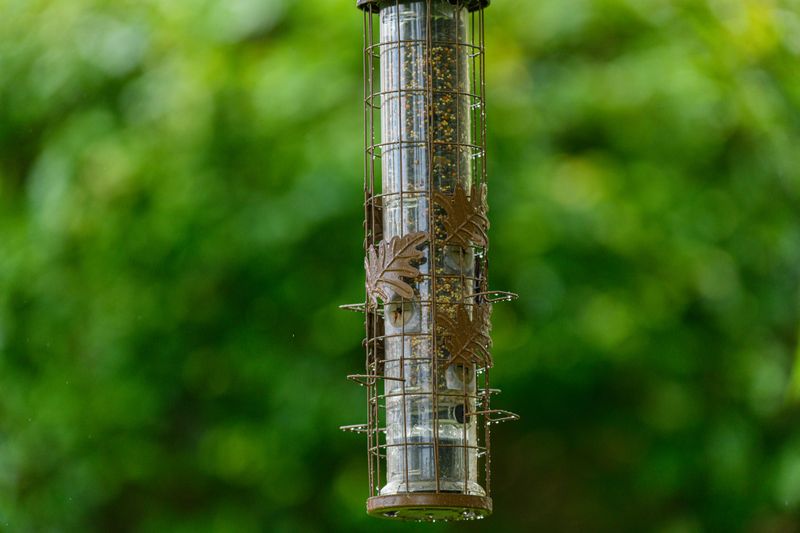
Florida weather is hard on feeders. Heat and humidity can spoil seed fast, and a sudden downpour can leave a feeder damp and clumpy.
Clean feeders matter for bird health, so this is a chore worth keeping up.
UF/IFAS recommends cleaning feeders at least every 2 to 3 weeks. During warm or wet periods, clean them more often.
In much of Central and South Florida, that can describe a long stretch of the year.
For glass, ceramic, and plastic feeders, the same UF/IFAS feeder guidance calls for a 10% bleach solution. That works out to about one part bleach to nine parts water.
Wear gloves and scrub out any grime first.
Rinse well after soaking, then let the feeder dry thoroughly before you refill it. Damp feeders invite spoiled seed, so patience here pays off.
A spare feeder lets you swap one in while the other dries.
Tip out any wet or moldy seed right away instead of waiting for cleaning day. A quick check after heavy rain takes a minute, and it keeps your setup welcoming for whatever birds do stop by.
Green visitors count, and visits remain uncertain
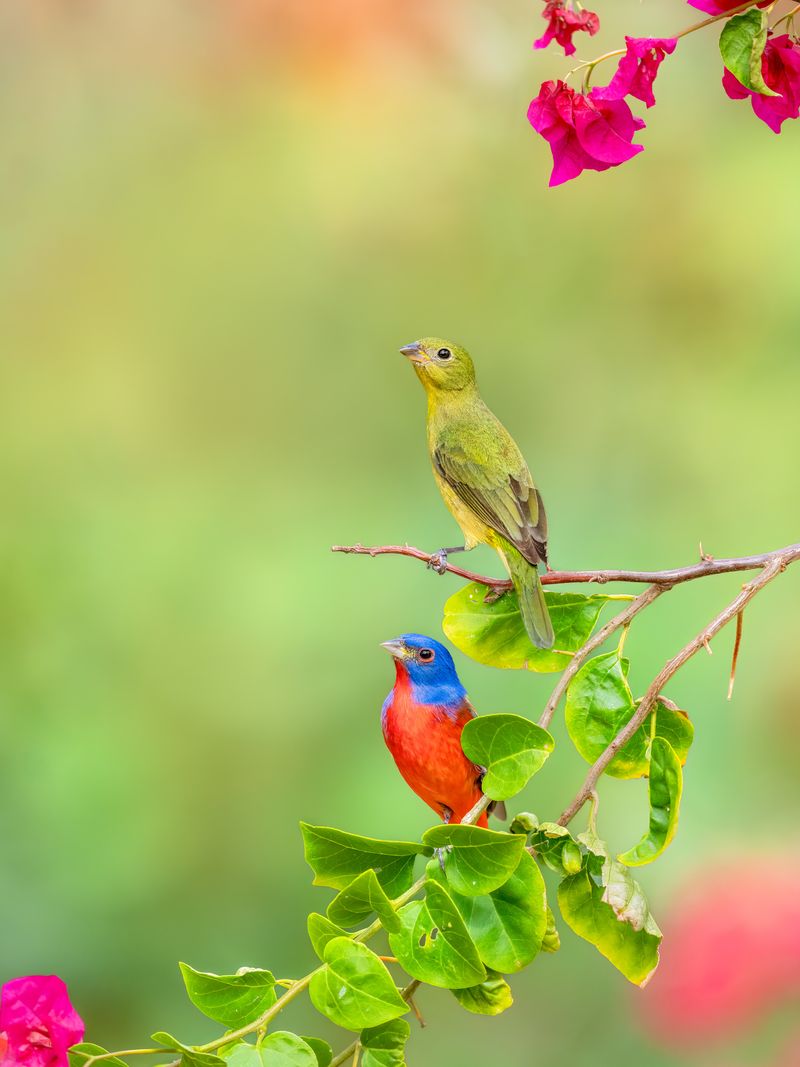
Not every bunting looks like the postcard. Adult males wear the famous blue, red, and green.
According to the Audubon field guide, females and immature birds are green, so a small, yellow-green bird in your shrubs could be a Painted Bunting.
That means your yard may host the species without ever showing you a colorful male. Look closely at quiet, plain-looking visitors before you decide nothing has come by.
Feeders also deserve some perspective. Audubon notes that feeder food is convenient but not necessary for seed-eating birds that have other food sources.
Habitat is another way to help, and you can do both or either.
Remember, low cover and seed may make a yard more appealing. They cannot guarantee a visit, and they do not show which yards get birds first.
If you do see one, share the joy without the address. As eBird’s sensitive species page explains, exact locations can put birds at risk.
Some of the best sightings are the ones you keep close to home.
