
The Native Perennial Pennsylvania Gardeners Leave Out And Then Wish They Had Planted First
Follow us on Google
You step onto the patio on a July morning and hear a low hum from the flower bed. Bees, wasps, and butterflies are crowding one gray-green plant that most people walk right past.
It is clustered mountain mint, and a Penn State trial found it drew far more visits than dozens of other native plants. Here is what that result means, and what it does not, for a Pennsylvania yard.
Meet Clustered Mountain Mint
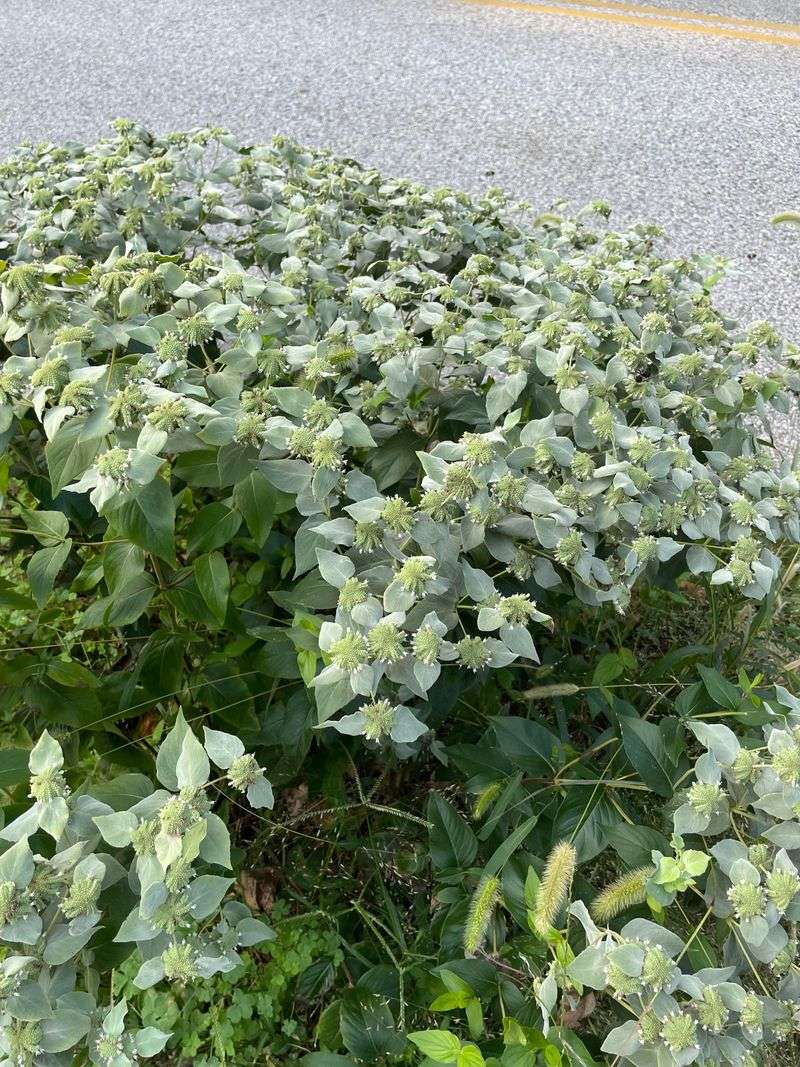
The plant is clustered mountain mint, Pycnanthemum muticum, also called short-toothed mountain mint. Flora records for the state list it as native to Pennsylvania, so it belongs here and has no need to be imported.
You may have overlooked it. The flowers are small and pale, and the silvery upper leaves look a bit like frosted foliage.
Gardeners hunting for big color tend to walk past it at the nursery.
Now for a fair warning. The headline says gardeners leave it out and then wish they had planted it first.
That is a storytelling hook, not a documented finding about what gardeners feel. Nobody has surveyed regrets.
What we do have is a real, measured result. Penn State Extension calls the plant a pollinator powerhouse, and the reason comes from a trial that counted visitors on dozens of native plants.
That makes it a strong candidate for your bed. It does not make it a miracle fix, and the next sections show where it shines and where it needs some help from its neighbors.
Think of it as a quiet guest at the party who turns out to be the one everyone is talking to.
A Penn State Trial Found A Standout
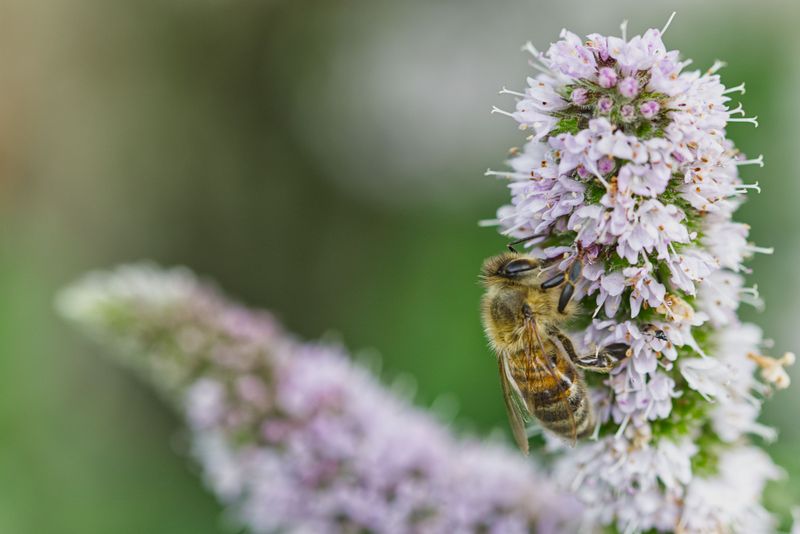
Here is the number that started the buzz. In a Penn State trial that ran from 2012 to 2014, clustered mountain mint recorded 4,286 pollinator visits, according to the published trial results.
The next-ranked plant recorded 923.
That is a big gap. The trial was no small side-by-side test either.
It included 86 native species and cultivars, grown at Penn State’s Southeast Agricultural Research and Extension Center, as described on the Bees, Bugs, and Blooms project page.
So what does the count actually tell you? It tells you that in that comparison, at that site, over those years, mountain mint was visited more than anything else on the list.
That is a real standout.
It does not tell you the plant will top the chart in your yard in the Poconos or along the Ohio River. Soil, sun, weather, and neighboring plants all change who shows up.
It also does not mean every kind of pollinator loves it. A visit count is a measure of traffic, not proof of the greatest ecological benefit.
Still, a gap of more than four to one is hard to ignore. It is a good reason to give the plant a spot.
Butterfly Monitoring Adds Perspective
Some people think one great trial settles the question for good. Penn State’s later work shows why it does not.
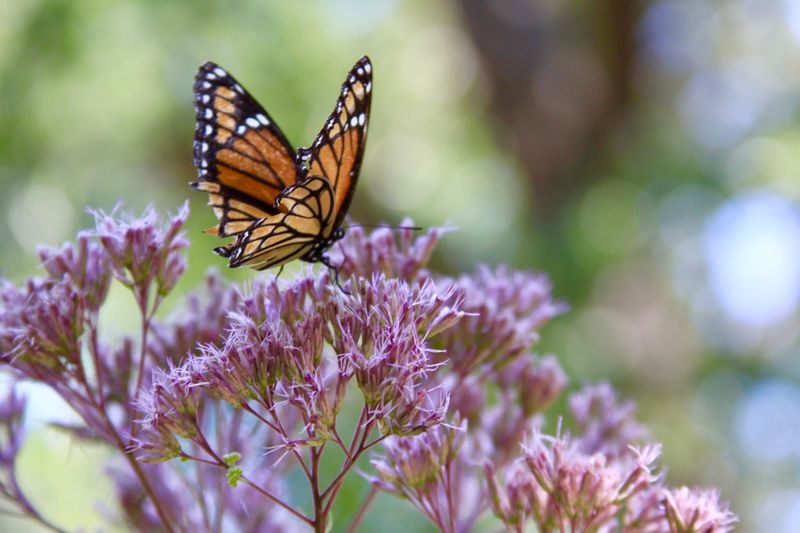
In its Blooms and Butterflies monitoring, done in 2018, 2019, 2021, and 2022, clustered mountain mint recorded 405 butterflies. Coastal plain Joe Pye weed recorded 906, and mistflower recorded 695.
So mountain mint was not the butterfly leader. Two other plants beat it under those monitoring conditions.
Here is the catch. The two studies count different things.
The first tallied pollinator visits of all kinds, while the second counted butterflies in later years. You cannot line the numbers up and call it a rematch.
What you can take from both is a calmer, more useful message. Mountain mint is a heavy hitter for visits, and Joe Pye weed and mistflower are strong butterfly plants.
Different plants win different contests.
No single perennial leads in every garden or for every pollinator. A bed that includes all three gives bees, wasps, and butterflies more than one reason to stop by.
Picture it as a team, not a solo act.
Plan For A Plant That Spreads
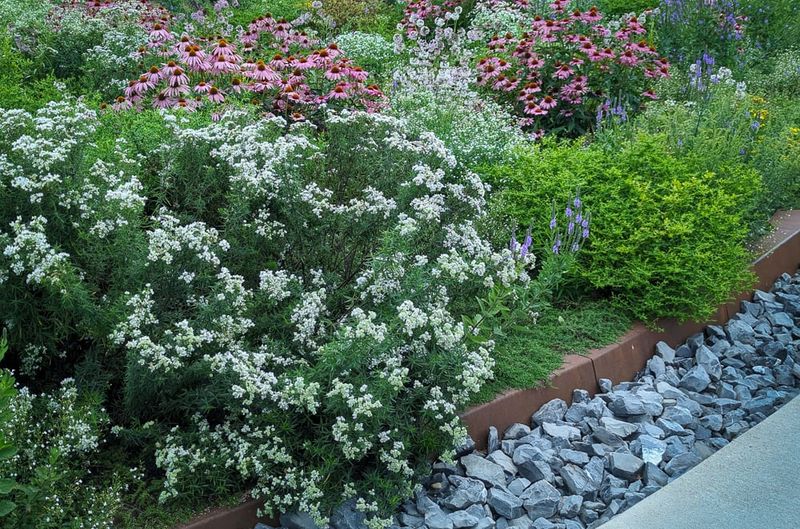
Do not let the word mint fool you, and do not let it lull you either. Clustered mountain mint forms colonies.
It sends out rhizomes, which are underground stems that pop up new shoots a little farther away each year.
That is how a tidy clump becomes a widening patch. Penn State and Mt.
Cuba both suggest cutting back the roots or runners with a spade in spring. See the notes from Penn State Extension and from Mt.
The easiest plan is a site where a growing patch is welcome, such as a meadow edge, a sunny slope, or a bed with a hard border. Otherwise, plan on a yearly spade trim.
Nothing here promises it will stay put on its own.
It is also not the same as culinary mint, and it is not maintenance-free.
One more thing before you shop. Mountain mint is a whole group of plants, and Pennsylvania has eight native kinds.
Appalachian mountain mint, Pycnanthemum flexuosum, forms a clump and spreads more slowly.
So check the botanical name on the tag. Spreading advice for one species should not be applied to the others.
Choose Sun And Make Room
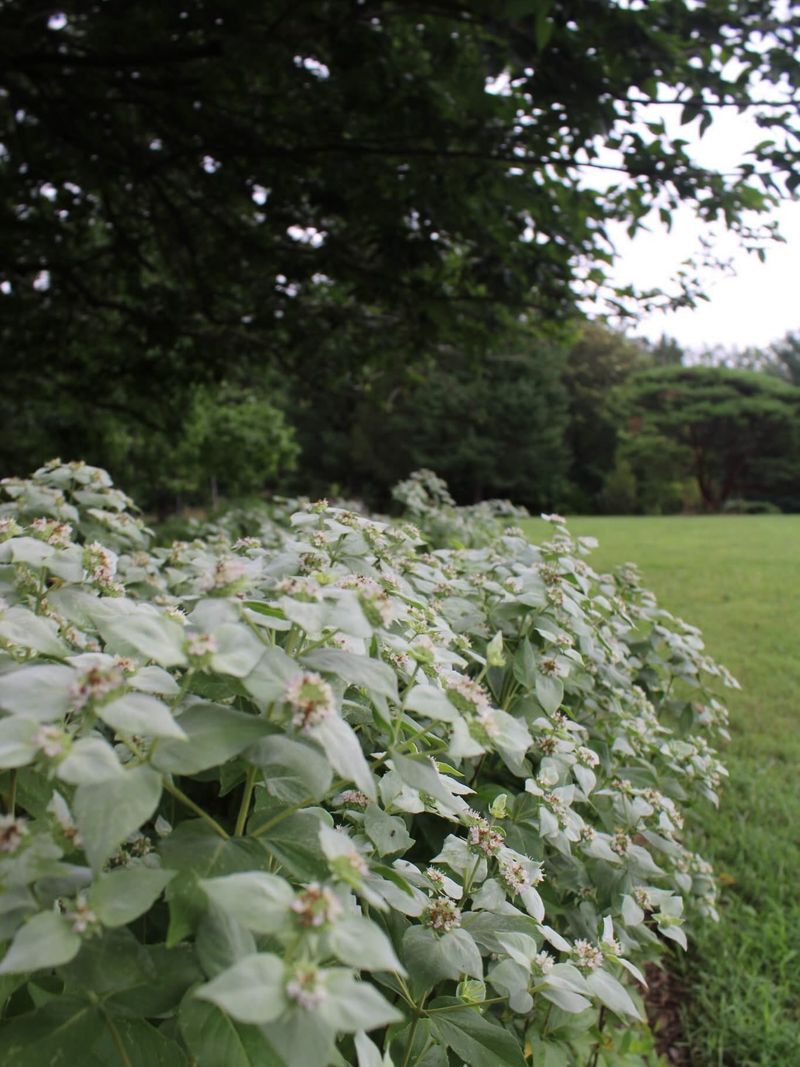
Pick the sunniest spot you have. Clustered mountain mint grows in full sun to part shade, but it flowers best in full sun, as Penn State notes.
In a shadier corner, expect fewer blooms.
It handles a range of moisture, from moist to dry. That makes it a handy fit for the odd spots where a downpour soaks the soil one week and a dry spell bakes it the next.
Penn State even lists it among rain garden plants.
Mt. Cuba Center gives a typical height and spread of 1 to 3 feet, according to its plant profile.
Because it forms a colony, that spread can grow over time, so leave elbow room around it.
The show is long. Blooms can last up to 10 weeks, which keeps the bed busy through much of summer.
The scented leaves are also deer-tolerant, though not deer-proof. A hungry deer in a tough winter may still take a nibble.
Give it a sunny, roomy spot and it will fill the gap between your showier plants.
Water New Plants As They Establish

A plant that tolerates dry spells still needs help in its first weeks. Tolerance belongs to established plants, and a new one has barely any roots yet.
Penn State’s general guidance for starting a new perennial garden is to water at least daily for a week after planting. After that, its perennial care advice gives roughly 1 inch of water per week for established perennials.
Treat those numbers as a starting point, not a rule carved in stone. Rainfall in Pennsylvania is uneven, and a summer thunderstorm can drop an inch in an hour and then vanish for two weeks.
Soil matters too. Heavy clay in parts of southeastern Pennsylvania holds water longer, while rocky or sandy ground drains fast.
Check the soil with a finger and watch the leaves for wilting.
Mountain mint’s moist-to-dry tolerance, described by Penn State Extension, gives you some breathing room later on. It does not make the plant drought-proof.
Water well early, then let the plant earn its independence.
Make It One Part Of A Diverse Garden
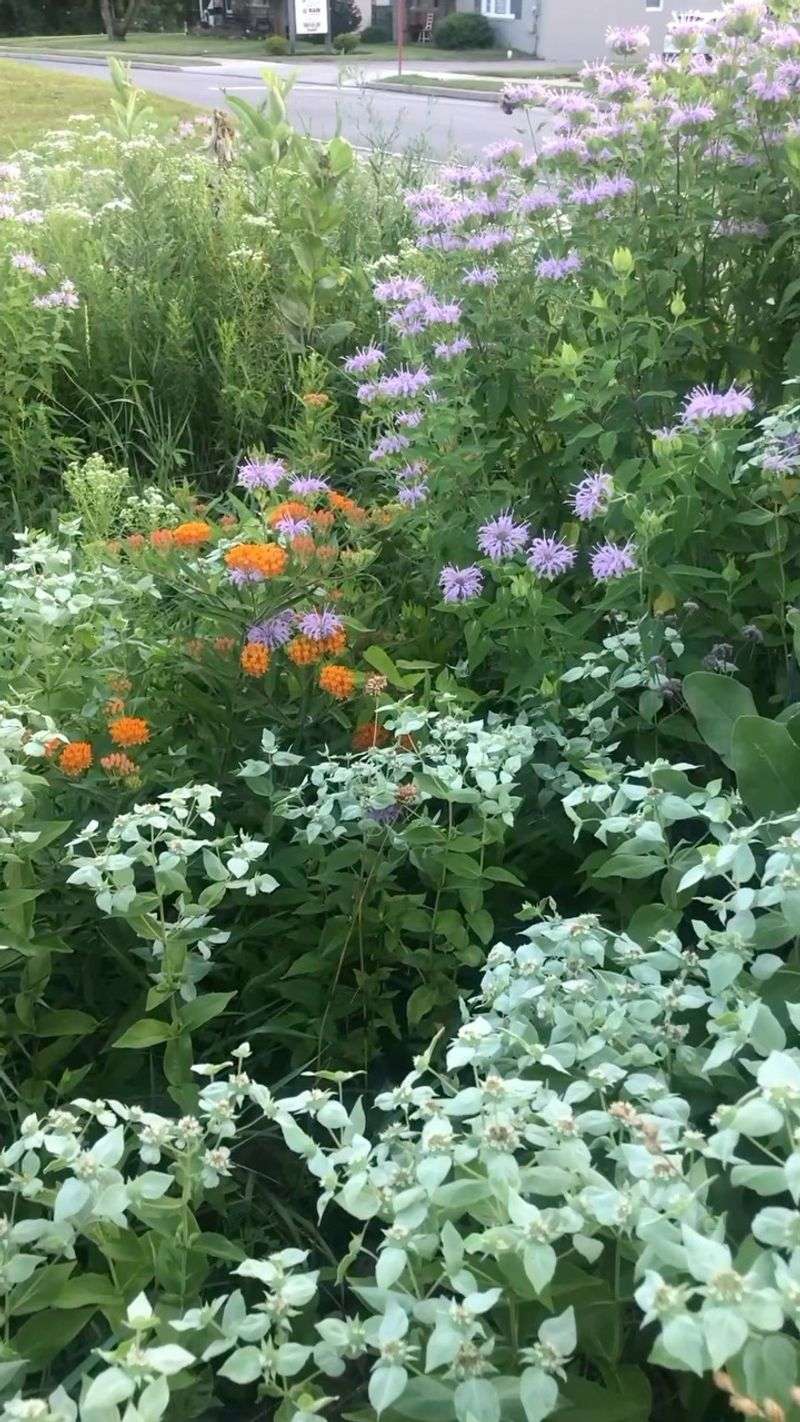
Here is the honest payoff. Clustered mountain mint can supply plenty of nectar, but it cannot do the whole job alone.
Penn State’s advice for pollinator-friendly gardens is to plant a variety of flowers. Bloom times should overlap from spring into fall, so something is always open.
Butterflies also need host plants, the ones their caterpillars eat, as explained in Penn State’s food source guidance.
So tuck mountain mint in beside milkweed, asters, goldenrod, and Joe Pye weed. Each one fills a different gap in the calendar.
Choose a spot where its spread is welcome, and the spring spade trim becomes a small chore instead of a fight.
The best bed is a crowd, and mountain mint is one good voice in it.
