
The Native North Carolina Plants That Starve Out Spotted Lanternfly By Feeding Its Predators
Follow us on Google
You drag your patio chair into the shade as another muggy Carolina afternoon settles in, and you scan the grapevines out of habit. Spotted lanternfly showed up first in Forsyth County back in 2022, and it can chew through fruit trees, maples, and your favorite ornamentals.
But here is the good part. Your own yard can fight back by feeding the hungry hunters that already eat this pest, no chemicals or endless squishing required.
1. Carolina Mantises Are Stealthy Hunters
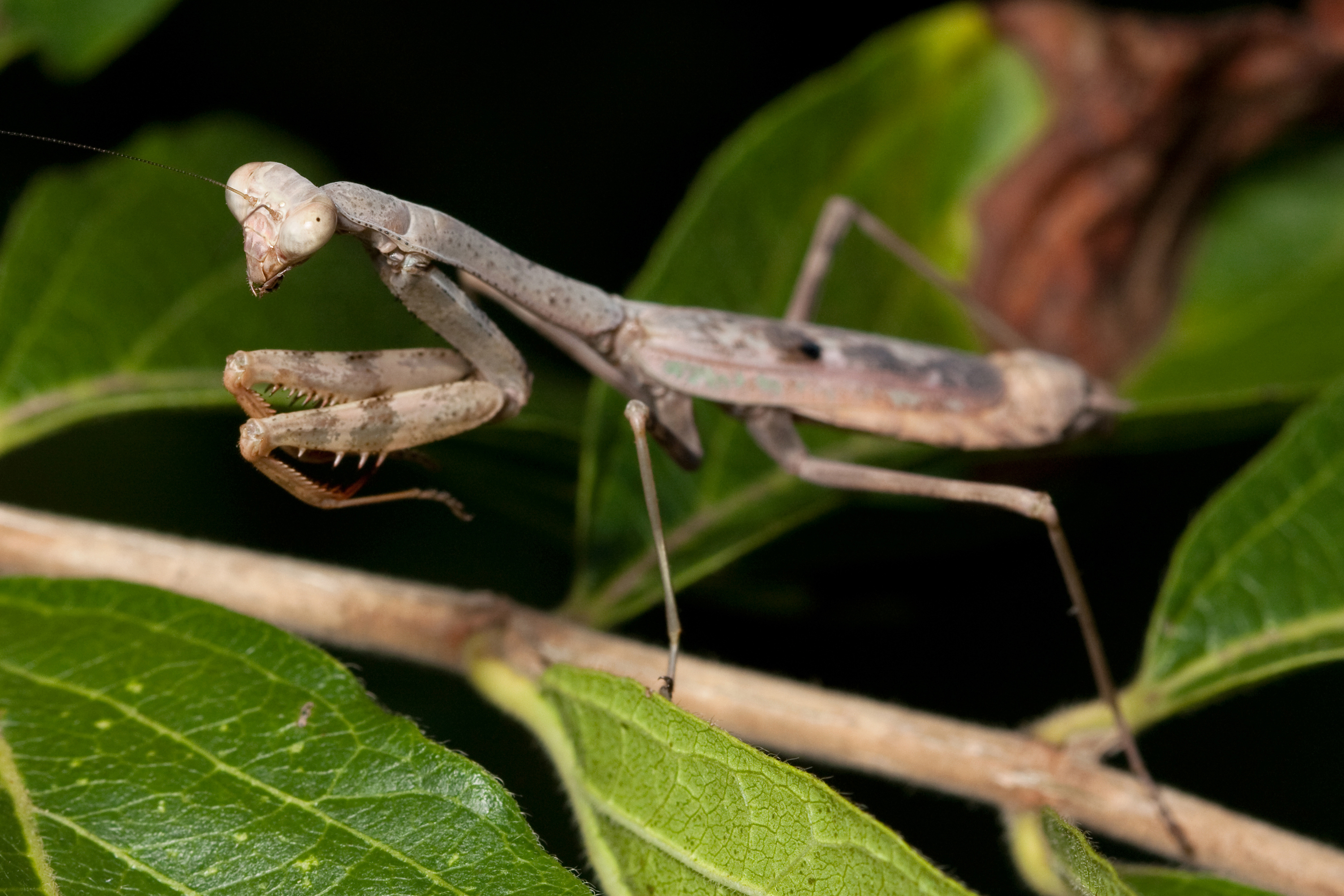
You have probably spotted a praying mantis holding perfectly still on a leaf, patient as a fisherman. Our native Carolina mantis, Stagmomantis carolina, is a quiet garden hero, and researchers have watched mantises grab spotted lanternfly nymphs and adults right off the bark.
Mantises eat whatever smaller bugs they can catch, so they are not a magic solution. But a strong mantis population adds one solid layer to your defense, and lanternflies are definitely on the menu.
To keep these hunters around, give them dense cover and a steady buffet of other insects. Eastern red cedar, Juniperus virginiana, works beautifully from the sandy Coastal Plain to Piedmont red clay.
Its thick branches hide ambush spots, and a mature tree can reach 20 to 50 feet tall.
Plant one in full sun with well-drained soil and leave about 10 feet of room to spread. Then watch that shady tangle turn into a hunting blind, quiet and deadly for the wrong kind of guest.
2. Spined Soldier Bugs Are Lanternfly Assassins
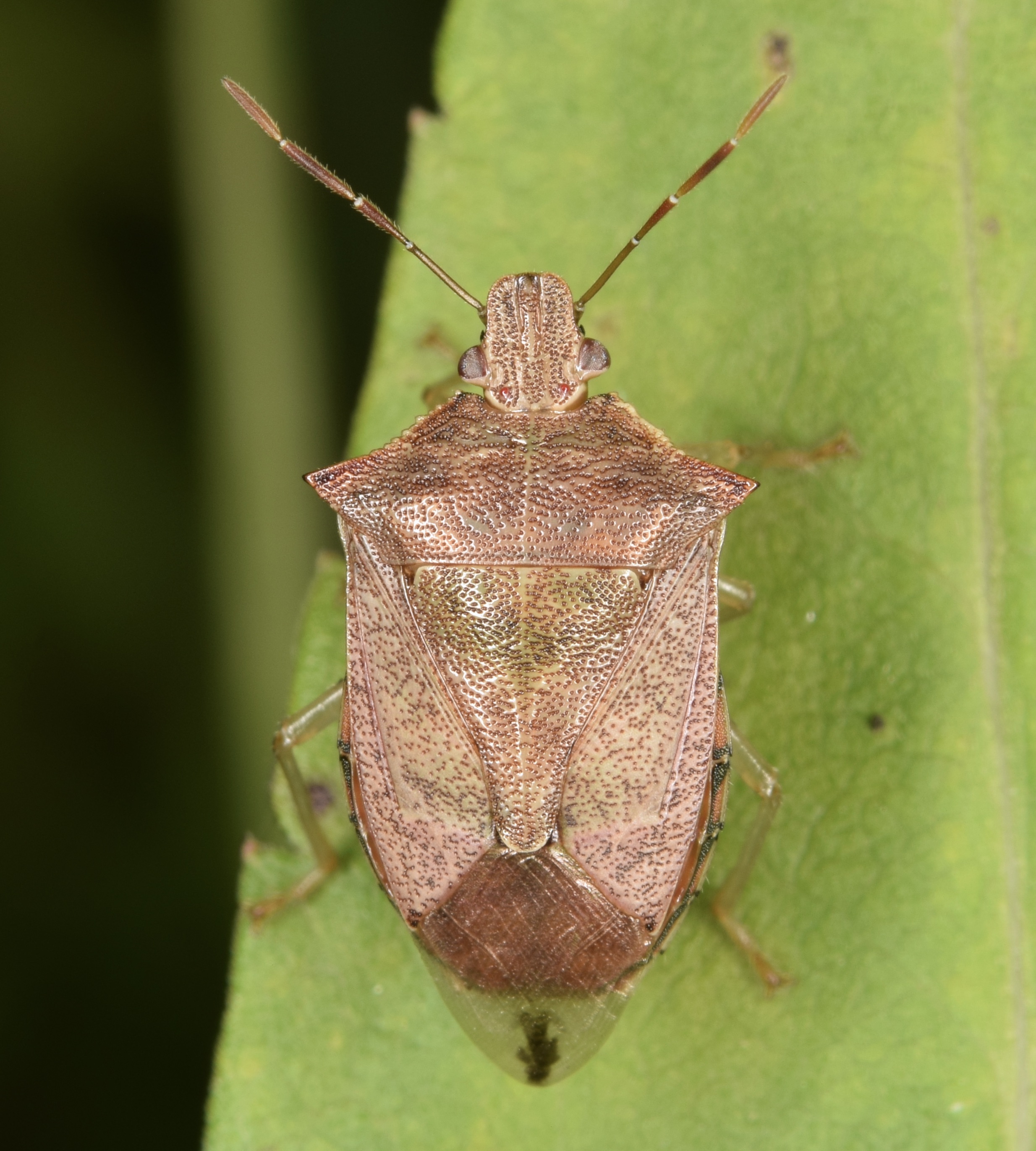
Picture a plain brown stink bug, maybe half an inch long, patrolling your goldenrod. Do not shoo it off.
That is the spined soldier bug, Podisus maculiventris, a native predator that genuinely thins out lanternfly numbers.
Instead of sucking plant juice like its cousins, this bug stabs pest insects and drains them dry. Studies have shown a small group can clear out the available lanternflies within a few days.
Their presence is a clear sign the pest has met its match.
To pull them in, plant flowering natives that feed a rich insect community. Goldenrod, Solidago spp., is a standout because it blooms in late summer and early fall, right when adult lanternflies are active.
Folks blame goldenrod for allergies, but that is ragweed doing the sneezing. Goldenrod is a pollinator magnet that feeds the smaller bugs predators depend on.
Try Canada goldenrod or seaside goldenrod in full sun, spaced about 2 feet apart, and it will handle mountain slopes to coastal dunes without complaint.
3. Wheel Bugs Attack Eggs And Nymphs
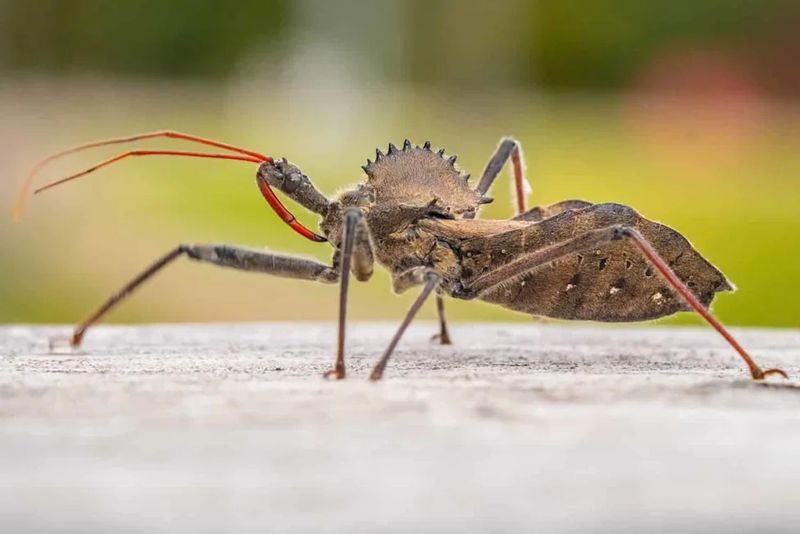
Here is where it gets interesting. The wheel bug, Arilus cristatus, wears a cog-like crest on its back that makes it look half machine, and it is one of our fiercest native assassins.
These bugs are reported to go after spotted lanternfly nymphs after they hatch. An adult can stretch to about 1.5 inches long, a genuine giant among garden predators.
They ambush from foliage, waiting patiently, so give them plenty of hunting perches. One warning, they can deliver a painful bite, so admire and do not handle.
Wild bergamot, Monarda fistulosa, also called bee balm, is a great host habitat. Growing 2 to 4 feet tall, it draws predatory flies, native ladybugs, and other bugs that keep a wheel bug fed between lanternfly meals.
Its tubular lavender-pink flowers bloom from midsummer into early fall. Plant it in full sun to part shade in moist, well-drained soil, spacing plants about 18 inches apart.
It thrives from the cooler mountains to the hotter Piedmont, and even tolerates sandy Sandhills ground.
4. Tiny Parasitic Wasps Stop Eggs From Hatching
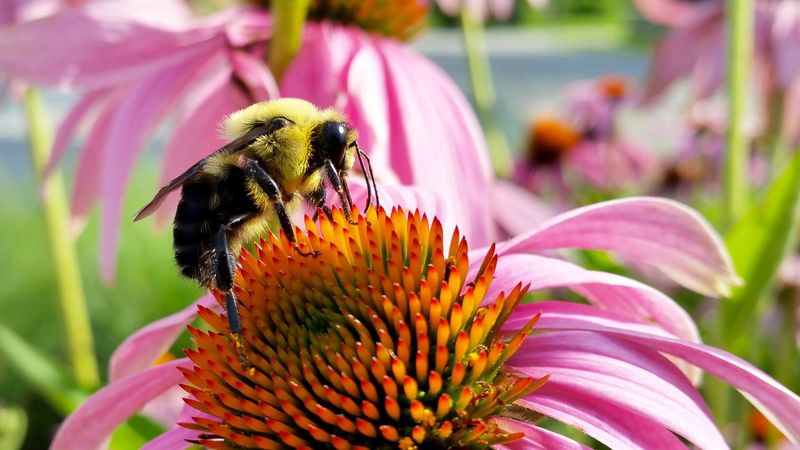
Do not let the word wasp scare you off. Many parasitic wasps are no bigger than a gnat and completely harmless to people.
These tiny warriors are among the most promising natural controls for spotted lanternfly. Some lay their eggs inside lanternfly eggs, and the wasp larvae eat the embryo before it ever hatches.
One native wasp, A. reduvii, has been found attacking lanternfly eggs at high rates. Support these little sentinels and you knock out the next generation before it starts.
To boost them, plant flowers with small, easy-to-reach blooms. Tiny insects cannot work a complicated flower shape, so keep it simple.
Purple coneflower, Echinacea purpurea, blooms June through August across North Carolina and offers sturdy landing pads. Black-eyed Susan, Rudbeckia hirta, brings bright yellow petals and dark centers from summer into fall, both rich in nectar and pollen.
Set them in full sun, spaced 1 to 2 feet apart in well-drained soil. They shrug off Piedmont clay and sandier coastal beds alike, and the payoff is an army you can barely see.
5. Goldenrod And Coneflowers Build The Buffet
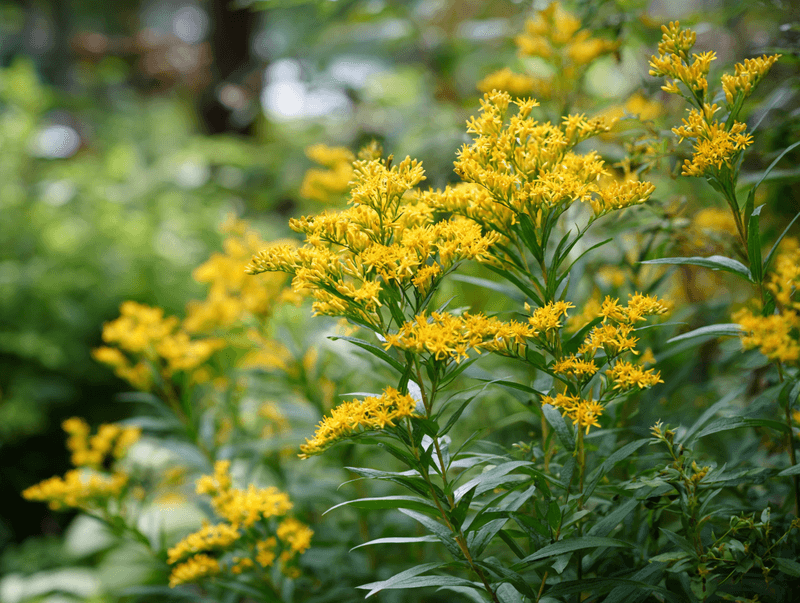
One predator alone will not save your grapes. A whole neighborhood of them just might.
The plants above share a secret. They do not feed the predators directly so much as they feed the little bugs the predators hunt.
A yard packed with pollen and nectar becomes a self-refilling pantry, keeping mantises, soldier bugs, and wasps fat and breeding all season.
Mix bloom times so something is always flowering. Coneflowers and black-eyed Susans carry June through August, then goldenrod and bee balm take over into fall, right when adult lanternflies swarm.
Layer heights too. Low flowers for the small stuff, a cedar or shrub for cover, and open sunny patches for basking hunters.
Aim for at least three or four species in a bed roughly 6 to 8 feet across so predators do not have to wander far for a meal.
Across the Piedmont, many gardeners find that a diverse native corner does more heavy lifting than any single trick. It is not instant, but it compounds.
Give it two or three seasons and the balance quietly tips in your favor.
6. Scrape The Egg Masses From October To March
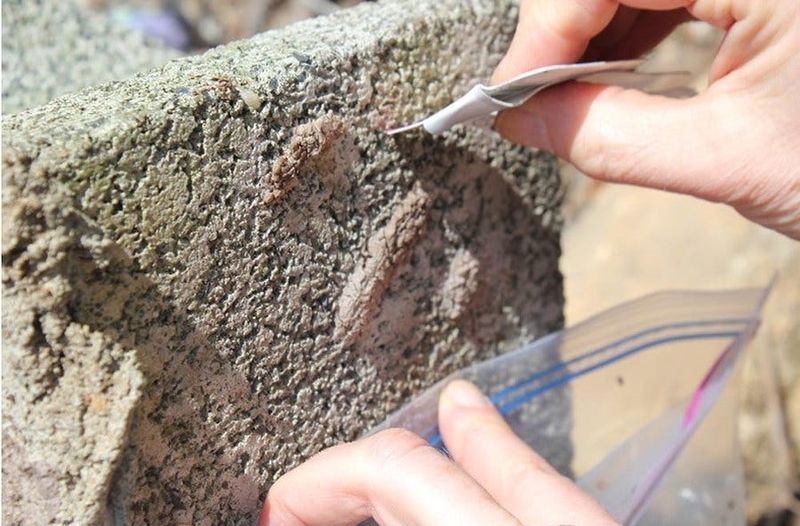
Even a predator-friendly yard needs your eyes on patrol. Lanternflies lay egg masses in fall that look like smears of gray mud, and they stick to almost anything hard.
Tree trunks, patio furniture, grill covers, firewood, even the wheel well of your truck. NC State Extension recommends learning to spot these masses, because each one you destroy is a whole cluster that never hatches.
From October through March, walk your property and check outdoor surfaces. Scrape any masses off with a putty knife or an old card, then crush them or drop them into rubbing alcohol to finish the job.
Do this on a mild afternoon between cold snaps, our winters throw plenty of those. It takes maybe ten minutes and costs almost nothing.
Think of it as clearing the enemy camp before the season starts. Your predators handle the summer patrol, and you handle the winter cleanup, a genuine one-two punch.
7. What Else Actually Helps
Native plants stack the odds, but beating spotted lanternfly takes a few moves working together.
Stomping is still on the list. NC State Extension notes lanternflies can cut grapevine harvests by as much as 90 percent, so any adult you see is fair game.
It is crude, but it counts.
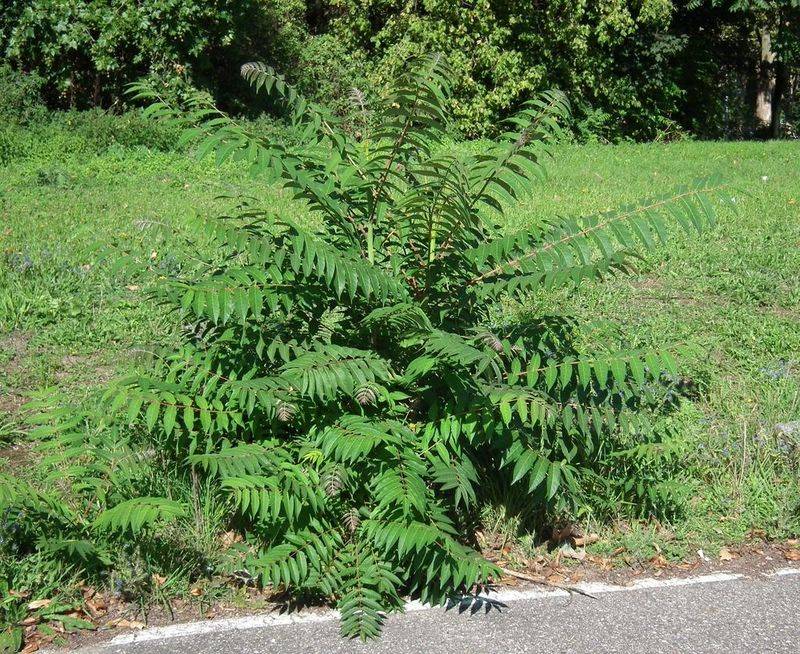
Watch for Tree of Heaven, Ailanthus altissima, an invasive tree that is the lanternfly’s favorite host. Pulling it from your property makes your yard far less appealing to the pest.
Removing young saplings early beats fighting a mature one later.
Keep learning the pest through its stages, from black-and-white nymphs to the striking gray-and-red adults. The more you recognize, the faster you react.
Put it all together and your yard stops being an easy target. You feed the hunters, clear the eggs, yank the host tree, and squash the stragglers.
None of it is a silver bullet, yet together it turns a nervous glance at the grapevines into a calm one. That is a yard that is both safer and more alive, and you built it.