
The Most Useful Native Shrub Pennsylvania Homeowners Wish They Had Planted Sooner
Follow us on Google
Walk into a shady, soggy corner of a Pennsylvania yard and you will usually find one of two things: a struggling shrub that was never meant to be there, or nothing at all.
Northern spicebush, Lindera benzoin, is a native that genuinely belongs in that spot, and it earns its keep in ways most ornamentals simply cannot.
It handles shade, tolerates occasional wet feet, feeds birds and butterfly caterpillars, and puts on a show from early spring through fall.
If you have been hunting for one plant to make a difficult corner work harder, this is a strong candidate worth knowing.
Why Northern Spicebush Fits A Difficult Pennsylvania Corner
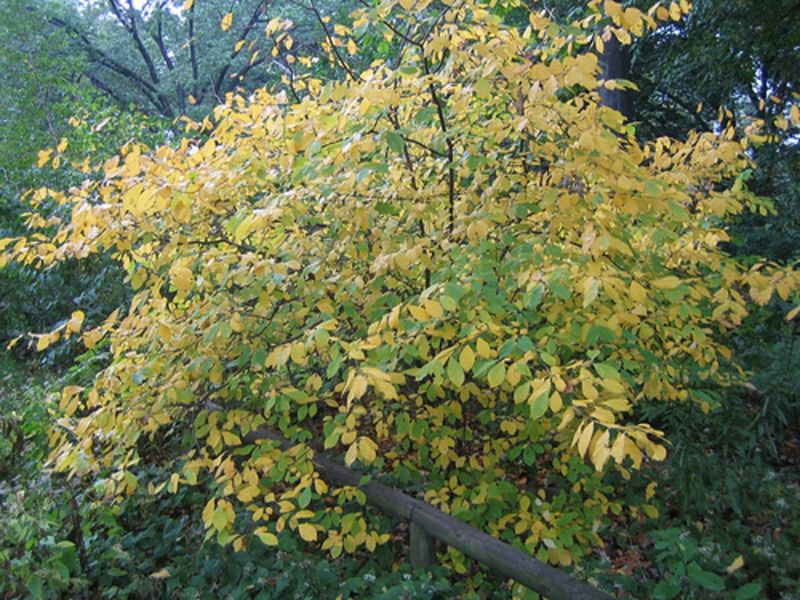
Northern spicebush, Lindera benzoin, grows wild in Pennsylvania woodlands from the Susquehanna Valley to the Pocono foothills, and it has spent thousands of years figuring out how to thrive in the spots that stump most homeowners.
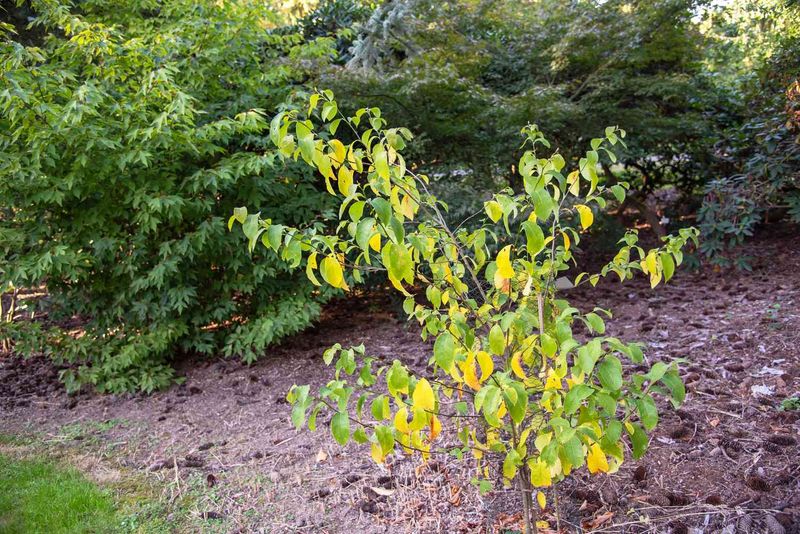
It is a deciduous, multi-stemmed shrub with a rounded, spreading form that typically matures between 6 and 12 feet tall and wide, though some plants can reach 15 feet given room and good moisture.
That is not a small foundation shrub you tuck under a window, it is a real presence that fills a corner with structure.
What makes it worth the conversation is what it tolerates.
Partial shade, dappled light, moist soil, and the occasional soggy week after a heavy Pocono rain are conditions where many ornamental shrubs quietly fail.
Spicebush handles all of them without complaint, and Penn State Extension identifies it as useful for native screening, woodland gardens, rain gardens, shrub borders, and patio areas.
That is a lot of problems solved by one plant.
The recommendation here is about site matching, not a statewide ranking.
Spicebush is a strong fit for a specific combination of conditions: shade or partial shade, reasonably moist soil, wildlife goals, and a need for seasonal screening.
Because it is deciduous, it will drop its leaves in November and offer no privacy through a Pennsylvania winter.
Call it seasonal or leafy-season screening, and you will have an accurate picture of what you are getting.
A Seasonal Display From Early Spring Through Fall
Spicebush wakes up earlier than almost anything else in a Pennsylvania yard.
The small yellow-green flowers appear from roughly March through May, often before the leaves have fully emerged, which means you get a wash of soft color while the rest of the garden is still brown and bare.
Many gardeners in the central valleys describe it as the first real sign that winter is actually finished.
The fragrance is the detail that surprises people most.
Crush a leaf or snap a small twig and you get a spicy, almost citrusy scent that is genuinely distinct.
That fragrance carries through the foliage all season, making it a pleasant backdrop near a shady patio or a path.
Through summer, the rounded branching form fills in enough to create a soft, leafy screen between your yard and a neighbor’s fence or a utility area.
That screening is seasonal, not permanent.
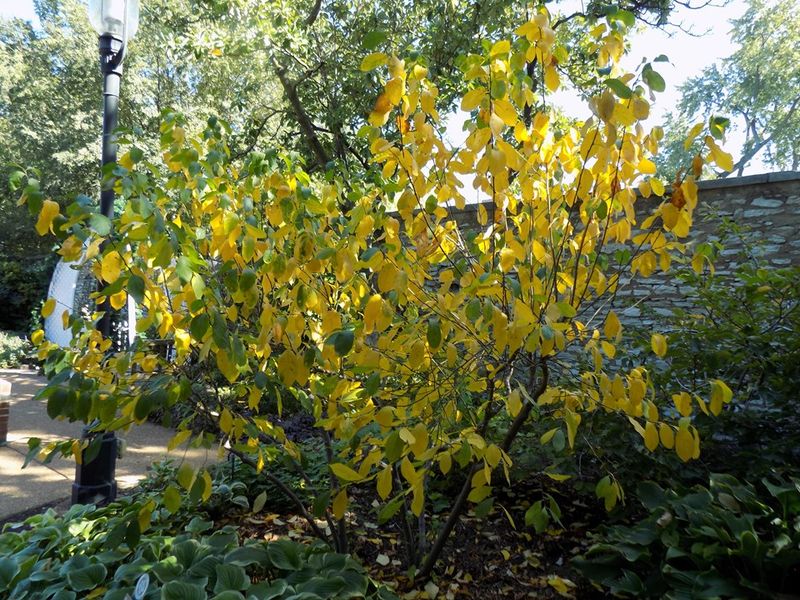
By late October, the foliage turns a clean butter yellow that holds well before dropping.
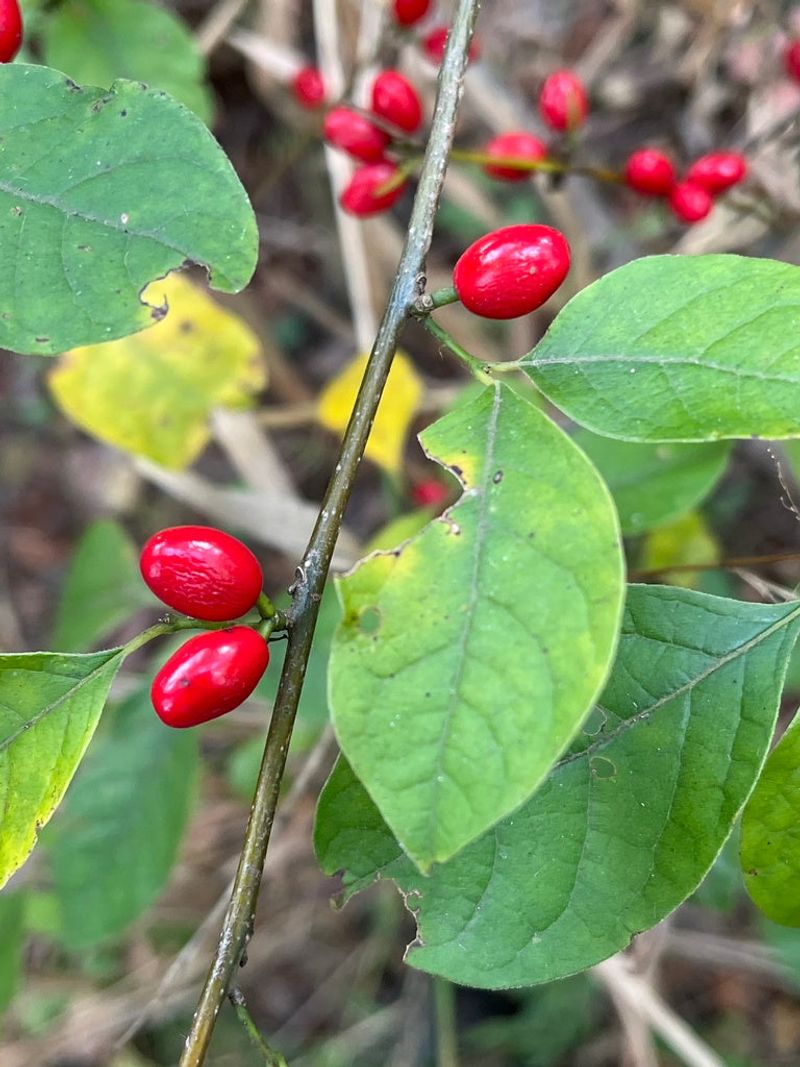
On female plants, bright red berries ripen in late summer and into fall, adding a pop of color just as the leaves begin to change.
Together, these features build a layered ornamental payoff across most of the growing season, even if winter leaves the shrub bare and the show paused until March comes back around.
Choose Moist Shade Instead Of A Hot Dry Exposure
Spicebush has a preferred address, and it looks something like a woodland edge with morning sun, a shady patio with decent moisture, a moist low spot that collects runoff, or a stream margin that drains between rain events.
Those are the sites where it genuinely performs.
Penn State Extension documents its light tolerance from full sun to deep shade, but full sun comes with a catch: the more sun, the more water the shrub needs to stay healthy.
Place it on a hot, south-facing slope in southeastern Pennsylvania during a July dry spell, and you will be hauling water to keep it alive.
That is not a failure of the plant, it is a mismatch of site and expectation.
The safer guidance for most Pennsylvania homeowners is to aim for dappled shade, morning sun with afternoon shade, or a rain-garden setting that stays consistently moist without remaining permanently saturated.
Penn State’s rain garden guidance lists a soil pH range of 5.0 to 8.0 and notes tolerance of occasional flooding and occasional dry periods, but that tolerance has limits on both ends.
Permanently waterlogged soil is a problem.
Penn State warns that roots need oxygen, and consistently saturated soil limits root function.
On the other end, spicebush is not drought-proof.
Penn State’s wildlife spotlight specifically notes that the shrub is not tolerant of drought or heat when moisture needs are not met.
Rocky, glacial soils in Pennsylvania’s northern tier or exposed shale-based lots in the central counties may need extra attention to hold enough moisture for the shrub to settle in without stress.
Give Birds And Caterpillars A Reason To Visit
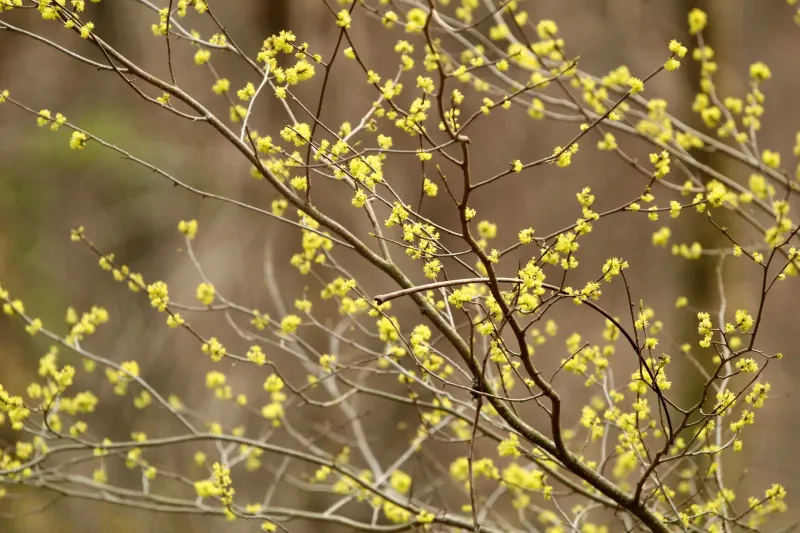
A host plant is one the caterpillars of a specific species actually eat, not just visit.
Spicebush earns that label for three impressive insects: the spicebush swallowtail butterfly, the eastern tiger swallowtail, and the promethea silkmoth.
Their caterpillars feed on spicebush foliage, which means planting one of these shrubs is a direct contribution to completing part of those species’ life cycles, not just hanging out a welcome sign.
Penn State Extension confirms spicebush as a host plant for all three.
The red berries on female plants add a second layer of wildlife value that is easy to underestimate.
Penn State reports that spicebush fruit is nearly 50 percent fat, making it an unusually rich food source for fall migrants and overwintering birds moving through Pennsylvania.
That said, not every planted shrub will produce a heavy crop, so treat the berries as a bonus rather than a guarantee.
Here is the part that trips people up at the nursery.
Spicebush is dioecious, meaning male and female flowers grow on separate plants.
Only female plants produce berries, and a nearby male is required for pollination.
A single unlabeled nursery plant may grow beautifully and never fruit if it happens to be male or if no compatible male grows nearby.
Ask the nursery whether plants are labeled by sex, and if berries matter to you, buy at least two plants and confirm one is female.
Spicebush also supports early nectar sources, but Penn State notes that adult butterflies and other pollinators still need additional nectar plants with staggered bloom times to complete a full pollinator planting.
Plant It Correctly And Water It Through Establishment
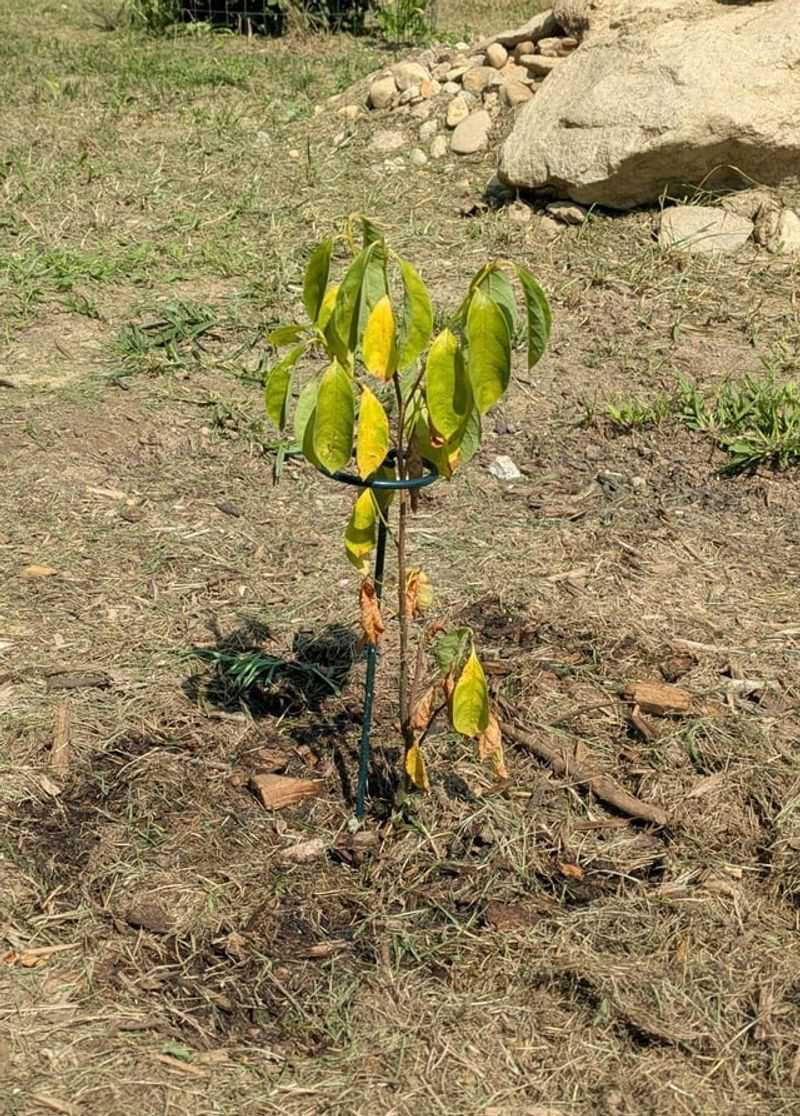
Choose the final location before you dig, because spicebush does not transplant well once it has settled in.
Root suckers can anchor it broadly over time, and moving a mature plant causes real setbacks.
Allow room for the shrub to reach its full spread, which can be 6 to 12 feet wide, rather than squeezing it into a spot where you will be fighting it in five years.
Dig the hole no deeper than the root ball and at least twice as wide.
The root flare, the point where the trunk widens into the root system, must stay at soil level, not buried.
Burying the flare is one of the most common reasons shrubs decline slowly over several years.
Penn State Extension recommends watering weekly during the first year unless rainfall has already wet the top 6 inches of soil, and that guidance holds whether you plant in spring in the Delaware Valley or in early fall in the Allegheny Plateau region.
Mulch matters almost as much as watering.
Apply 2 to 3 inches of organic mulch over the root zone, keeping it several inches away from the stems and the root flare.
More than 4 inches of mulch adds little benefit and can actually reduce the soil aeration that roots depend on.
Pennsylvania summers can surprise gardeners with dry stretches even between heavy downpours, especially in southeastern counties and along exposed ridges.
If the top 6 inches of soil dry out during the first growing season, water deeply rather than waiting for the next rain to do the job.
Plan For Deer Browsing And Natural Spread
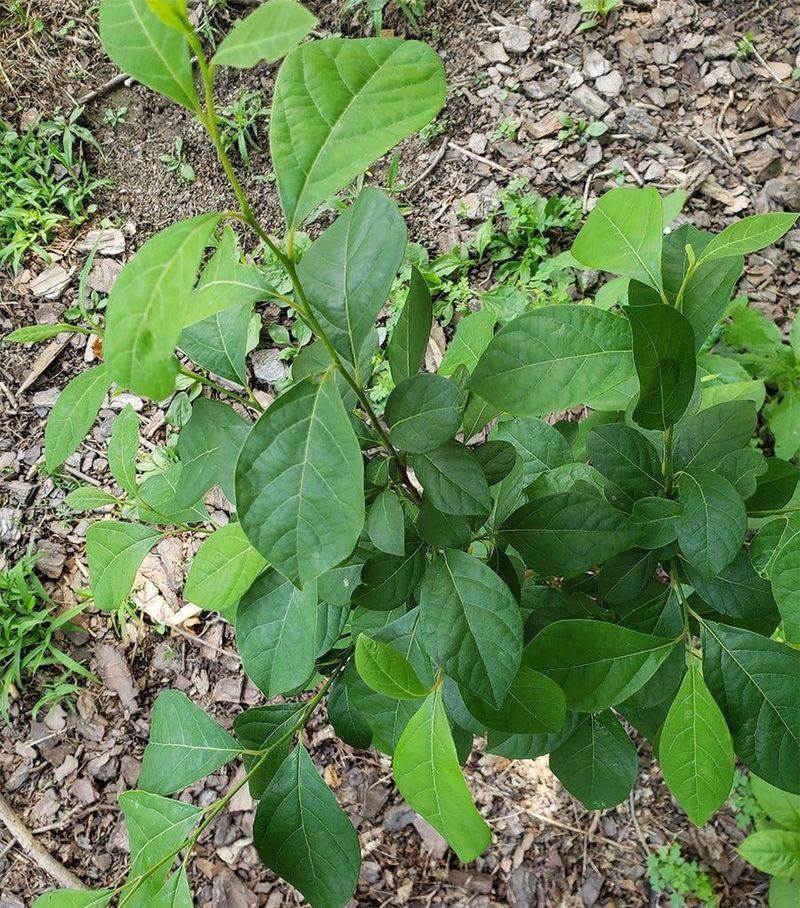
Deer often pass spicebush by in favor of other plants, and that pattern holds across many Pennsylvania woodlands where the shrub grows wild.
But “often less preferred” is very different from “safe.” Penn State’s hardwood forest regeneration research confirms that deer do not readily eat spicebush in forest settings, but the same sources acknowledge that browsing still happens, especially on young plants.
In heavily pressured areas like the Poconos, the northern tier, or the Allegheny Plateau where deer herds are dense, a newly planted spicebush can get clipped back hard before it ever has a chance to establish.
A simple wire cage or temporary fencing around each plant for the first two or three years is genuinely worth the effort.
Penn State’s spicebush profile notes deer resistance while still acknowledging the browsing risk on younger specimens.
Once the shrub reaches a few feet of height and has a woody base, the pressure tends to ease.
Root suckers are the other thing to plan for.
Spicebush spreads outward by sending up new stems from its root system, gradually forming a loose colony.
Along a naturalized woodland edge or an erosion-prone slope, that habit is actually an asset.
Beside a narrow walkway or a formal bed, it becomes a seasonal chore.
Light pruning keeps the plant in bounds: remove damaged, crossing, or unwanted stems and aim for shape rather than shearing.
Spicebush flowers on older wood, what gardeners call old growth, so heavy pruning at the wrong time of year can reduce next spring’s bloom without warning.
When Another Native Shrub Makes More Sense
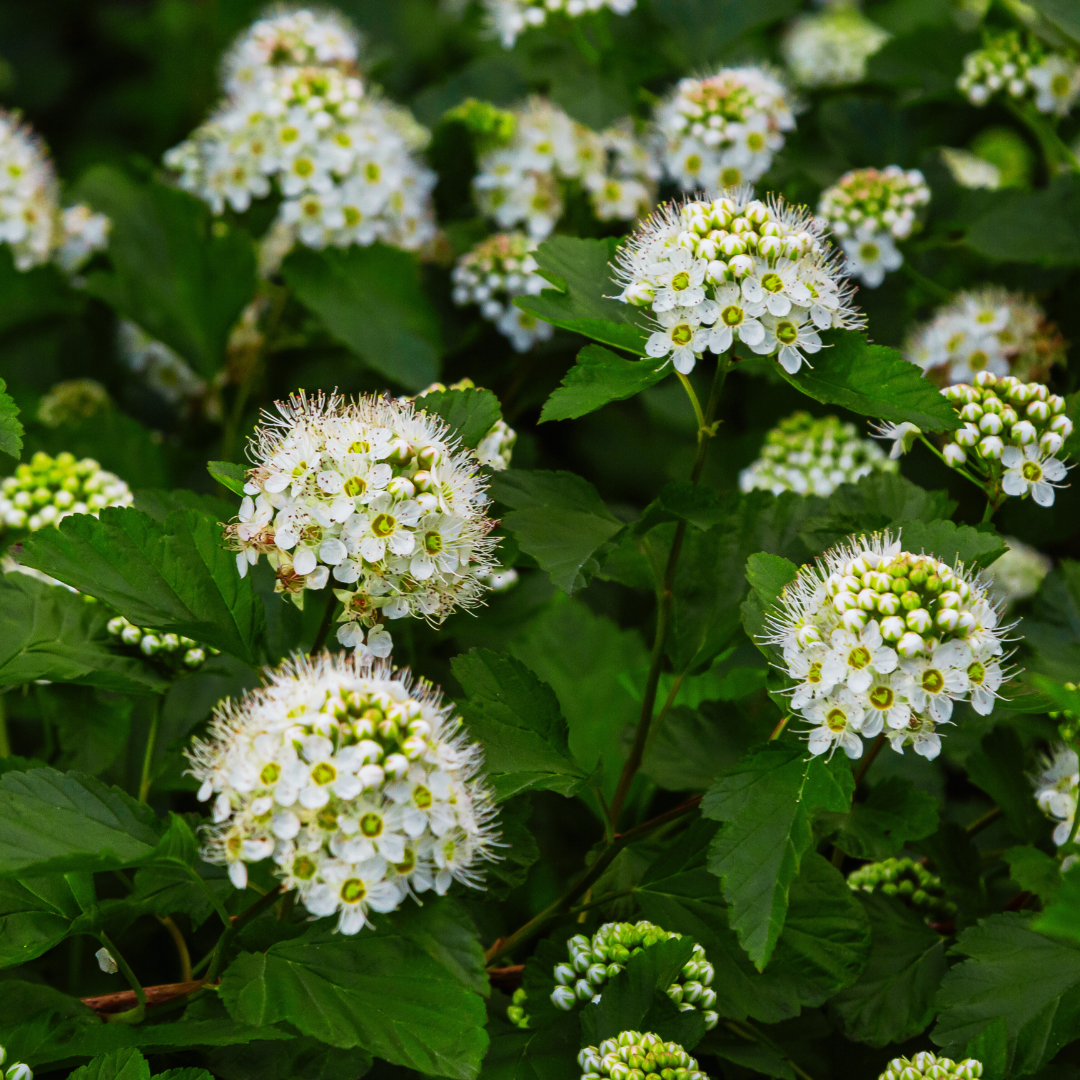
Spicebush is a strong match for shade, moist soil, wildlife goals, and seasonal screening, but it is not the right answer for every Pennsylvania yard.
Knowing when to reach for a different plant is part of making a good decision, not a reason to second-guess the recommendation.
Serviceberry is a reasonable comparison when a yard gets full sun and the homeowner’s first priority is edible fruit or a particular combination of spring flowers, summer berries, and fall color.
Penn State Extension covers serviceberry as a productive fruiting plant for Pennsylvania gardens, and it can suit sites where spicebush would struggle with heat and moisture demands.
Keep in mind that Pennsylvania serviceberries can reach 15 to 30 feet depending on species and cultivar, so the scale question matters for smaller yards.
Full sun and dry soil together push you toward other natives.
Penn State’s native shrubs for pollinators guide covers options including ninebark and native viburnums that handle sunnier, drier conditions more comfortably.
Permanently wet ground that stays saturated most of the year calls for buttonbush or swamp rose rather than spicebush, which needs drainage between wet periods.
Highly formal foundation beds or very narrow planting strips are also poor fits given the shrub’s spreading, suckering habit.
Penn State’s wildlife landscaping spotlight notes that elderberry, winterberry, and chokeberry serve specific conditions and goals that spicebush does not always cover.
The point is site matching, not ranking, and the best native shrub is the one that fits where you actually need to put it.
Make The Decision By Matching The Site
Run through this short test before you head to the nursery.
Does the spot get partial shade, dappled light, or morning sun with afternoon shade?
Does the soil stay reasonably moist without sitting in standing water for weeks?
Is there room for a shrub that could reach 8 or 10 feet in every direction?
Do you want spring flowers, fall color, bird habitat, or a seasonal leafy screen?
If most of those boxes check, spicebush is a well-supported candidate for that corner.
Go in with realistic expectations.
Spicebush is not maintenance-free: it needs weekly watering through its first year, possible deer protection in high-pressure areas, occasional pruning to keep suckers in check, and a second plant nearby if you want berries.
Penn State Extension’s full spicebush profile is worth reading before you buy, particularly if your site has unusual drainage or heavy deer traffic.
Adding nectar plants alongside it will round out the pollinator value that spicebush alone cannot provide.
Penn State’s native shrubs for pollinators resource lists companion plants worth considering.
The title’s emotional appeal is honest framing rather than a documented survey, but the underlying point holds up.
Plant it correctly, water it through establishment, and give it the right site, and a difficult Pennsylvania corner can become something you actually enjoy looking at.
One well-placed native shrub will not solve everything, but it can make a stubborn spot start working for you instead of against you.