
The Helpful Role Opossums Play In North Carolina Gardens
Follow us on Google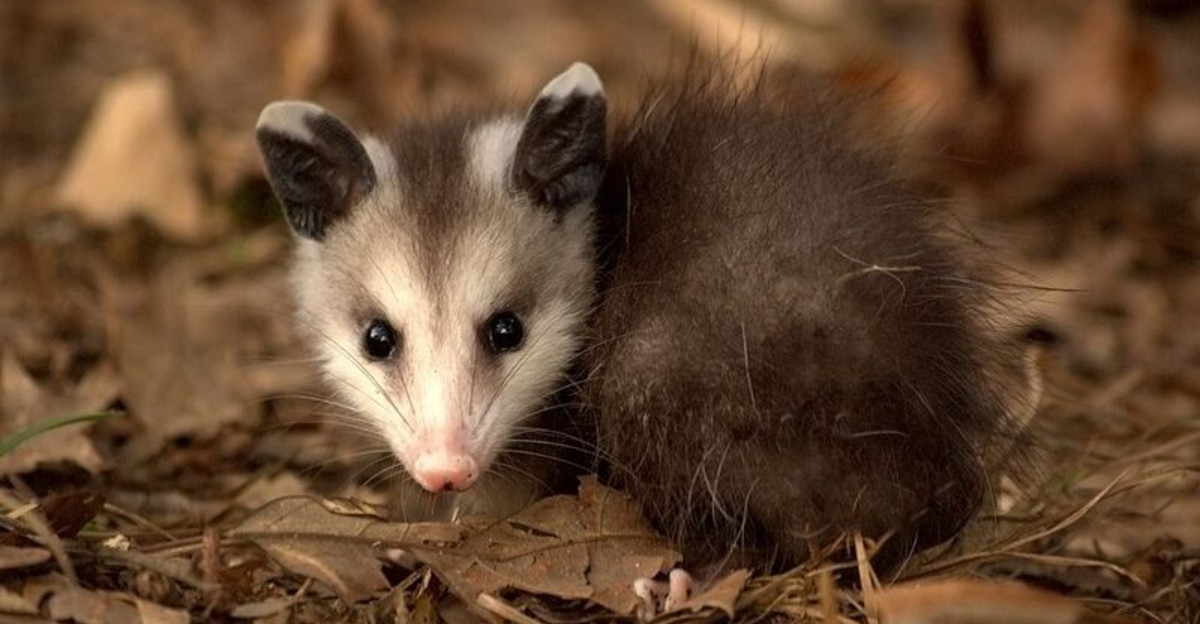
A lot of North Carolina gardeners spend time chasing off wildlife without realizing one nighttime visitor can quietly help around the yard. Opossums are often misunderstood, yet they do several jobs that support healthier garden spaces with very little fuss.
If you have ever dealt with ticks, slugs, fallen fruit, or the general mess that attracts pests, this humble marsupial deserves a second look. Knowing what opossums actually do can change the way you see your garden after dark.
They Help Reduce Tick Pressure
Few garden helpers work the night shift as quietly as an opossum does. In North Carolina, ticks can be a real concern for gardeners, pets, and anyone spending time near beds, brush, or compost piles.
When an opossum moves through the yard, it forages steadily and can pick up ticks along the way, which helps reduce the number hanging around paths and planting areas.
That matters more than many people realize. A garden with fewer ticks feels safer for kids picking cherry tomatoes, dogs nosing around herbs, and anyone kneeling to pull weeds near borders.
You may not notice the benefit in one evening, but regular visits from wildlife that eats or removes ticks can support a healthier outdoor routine over time.
North Carolina gardens often sit near woods, tall grass, or damp edges where ticks thrive. Opossums tend to move through those transition spaces, especially near fences, sheds, and leaf litter, which makes them useful neighbors in exactly the spots where ticks often gather.
Instead of tearing things up, they usually pass through with a practical purpose.
If you want extra help, keep pathways clear and avoid thick debris right against beds. A tidy but wildlife-friendly yard gives opossums room to move while making tick habitat less inviting overall for everyone nearby.
They Eat Slugs, Snails, and Other Garden Pests
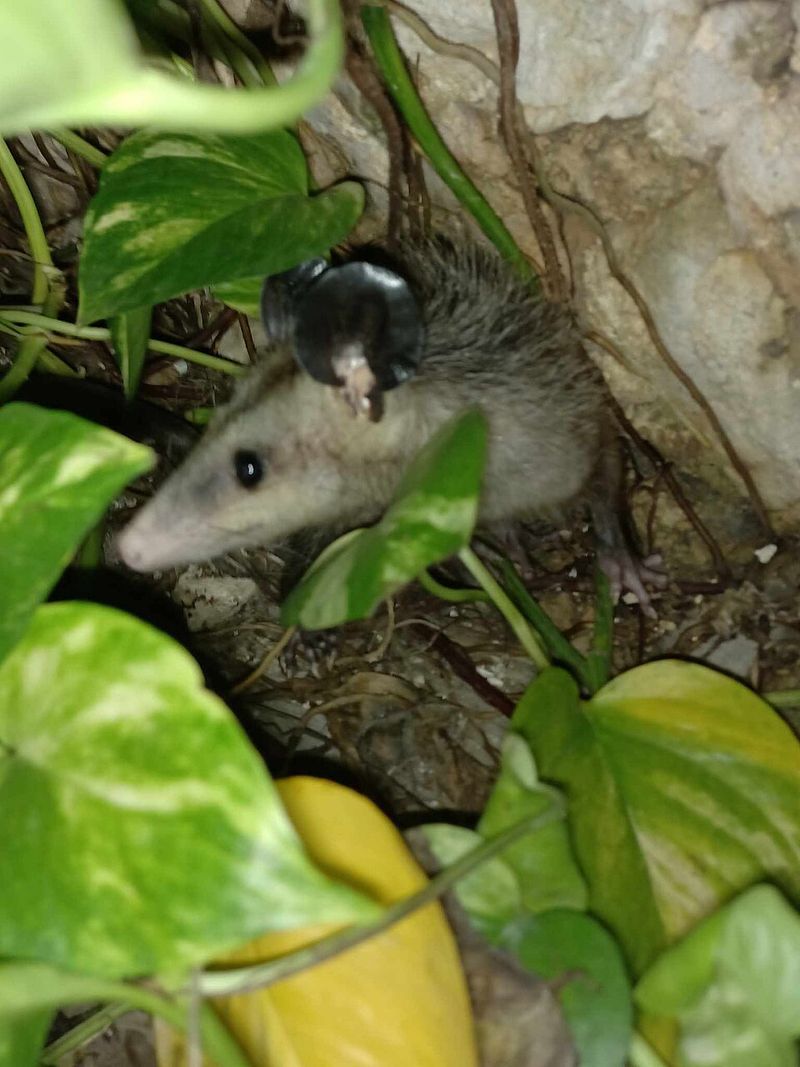
Anyone who has walked outside after rain and found ragged lettuce leaves knows how frustrating slugs and snails can be. Opossums help by eating soft-bodied pests and other small troublemakers that feed on ornamentals, seedlings, and tender vegetables.
That quiet feeding behavior can make a noticeable difference in gardens where moisture, shade, and mulch create ideal pest conditions.
North Carolina summers give these pests exactly what they want – humidity, warmth, and plenty of leafy growth. An opossum patrolling at night fits neatly into that cycle because it is active when slugs and snails are most vulnerable.
Instead of relying only on pellets, traps, or repeated hand-picking, you get a natural backup that asks for almost nothing from you.
This is especially helpful around hostas, strawberries, beans, and young greens. Gardeners often blame every chewed leaf on one animal, but opossums are more likely to target the pests causing the damage than the plants themselves.
That makes them very different from wildlife that raids beds for a full meal.
You can support this benefit by avoiding excessive pesticide use that removes their food source or harms wildlife indirectly. Healthy mulch, moderate moisture, and balanced habitat often invite the kind of nighttime patrol that keeps pest pressure more manageable.
They Clean Up Fallen Fruit and Garden Waste
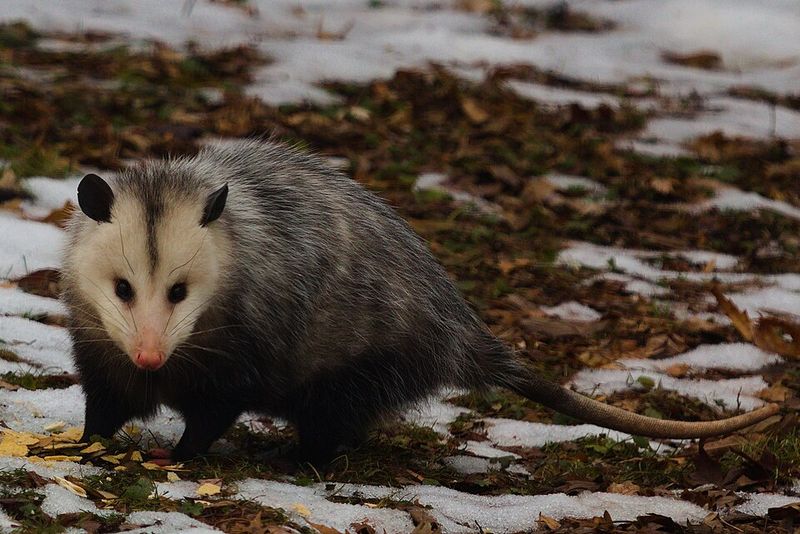
Not every garden chore needs a rake or compost fork. Opossums often eat fallen fruit, overripe produce, and other edible leftovers that would otherwise sit on the ground attracting flies, yellowjackets, and rodents.
In North Carolina yards with figs, persimmons, apples, or backyard tomatoes, that cleanup service can be surprisingly useful.
Rotting fruit creates a chain reaction fast. First comes the smell, then insects, then larger scavengers that you probably do not want hanging around the patio, shed, or chicken run.
When an opossum finds that mess first, it removes a food source that can draw in more disruptive visitors.
This habit also helps in vegetable gardens where a split melon, dropped pepper, or pecked tomato gets overlooked for a day or two. Instead of turning into a sticky magnet for pests, that waste may disappear overnight.
The result is a cleaner growing area with less odor and fewer reasons for unwanted animals to settle in nearby.
Good garden hygiene still matters, of course. Pick ripe produce often and clear badly damaged fruit quickly, but do not be surprised if an opossum helps finish the job when something falls between harvests.
Around productive North Carolina gardens, that makes them practical nighttime sanitation workers.
They Usually Cause Less Damage Than Other Wildlife
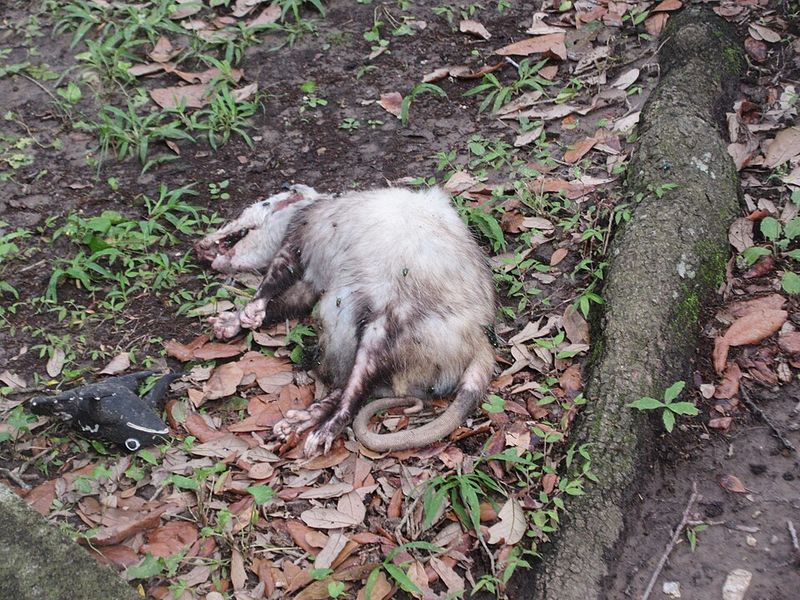
Gardeners in North Carolina deal with deer, raccoons, squirrels, rabbits, and all kinds of critters that treat raised beds like a buffet. Compared with many of those visitors, opossums are generally less destructive and less interested in uprooting, digging, or stripping plants bare.
That difference matters when you are trying to decide which animals truly deserve concern.
Raccoons can scatter mulch, pry into containers, and make a mess in one night. Deer can erase a border planting before breakfast, and rabbits can chew seedlings down to stubs.
Opossums, by contrast, are more likely to shuffle through, sniff around, eat pests or scraps, and move on without turning the garden into a cleanup project.
That does not mean they never sample something edible. Any wild animal may nibble if easy food is available, especially ripe fruit or pet food left outside.
Still, their reputation is often harsher than their actual impact, and many gardeners find that the evidence points to other animals when real plant damage shows up.
If you notice nighttime activity, check for tracks, bite patterns, and disturbed soil before assuming the worst. Giving opossums an unfair share of the blame can distract from the actual culprit and keep you from appreciating one of the milder visitors your garden may host.
They Are Mild-Mannered Neighbors
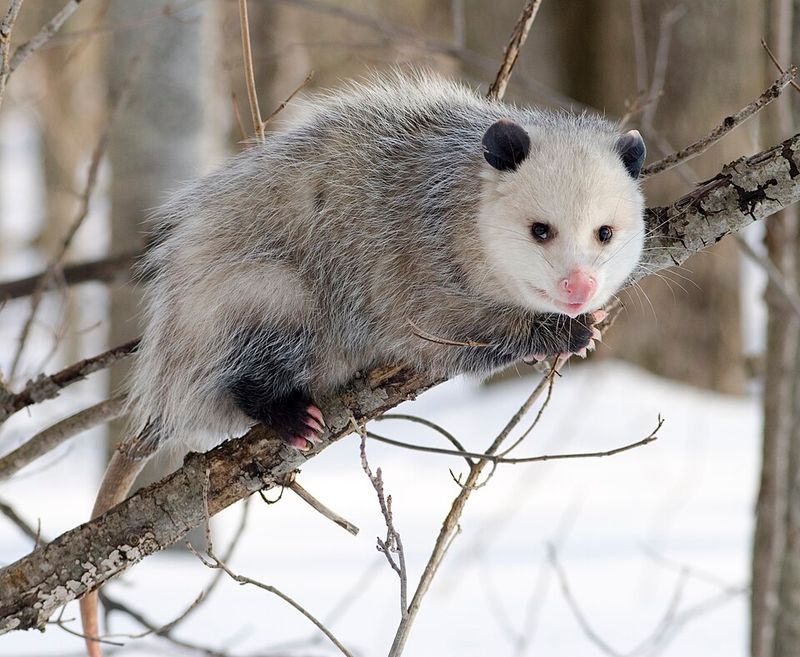
People often react to opossums based on appearance alone, but their behavior is usually much less dramatic than their reputation suggests. In most garden settings, they are shy, solitary, and interested in avoiding conflict rather than starting it.
That makes them one of the easier wild neighbors to live with when you understand what normal opossum behavior looks like.
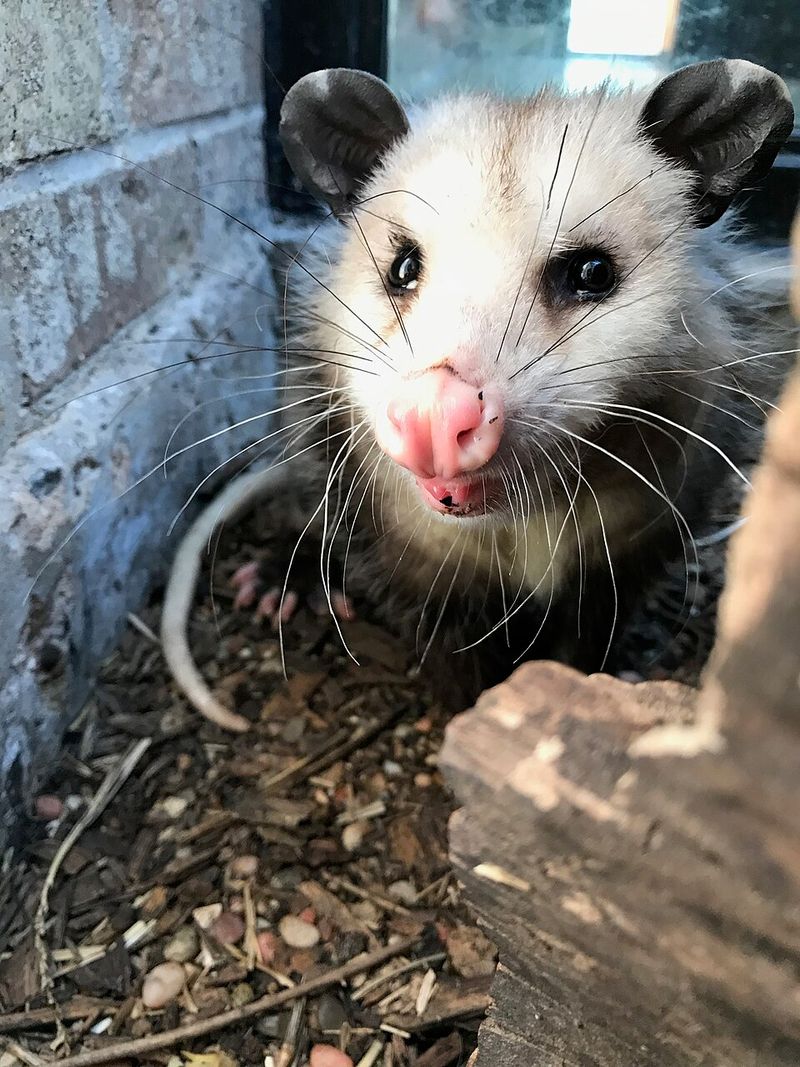
If cornered, an opossum may hiss, show teeth, or freeze in place, which can look alarming from a porch light perspective. Usually, though, that display is defensive, not a sign that the animal is looking for trouble.
Given space and a clear route away, it will typically move along and continue its nightly search for food.
This matters in family yards where pets, kids, and gardens overlap. A calm understanding helps you avoid unnecessary panic and prevents the kind of reaction that turns a harmless encounter into a stressful one.
Instead of chasing or trapping every opossum you see, it is often smarter to secure pet food, keep distance, and let the animal leave on its own.
North Carolina gardeners benefit from wildlife they do not need to manage constantly. Opossums fit that role well because they tend to keep to themselves, do useful work, and leave less chaos behind than many animals people tolerate without a second thought.
They Support a Balanced Backyard Ecosystem
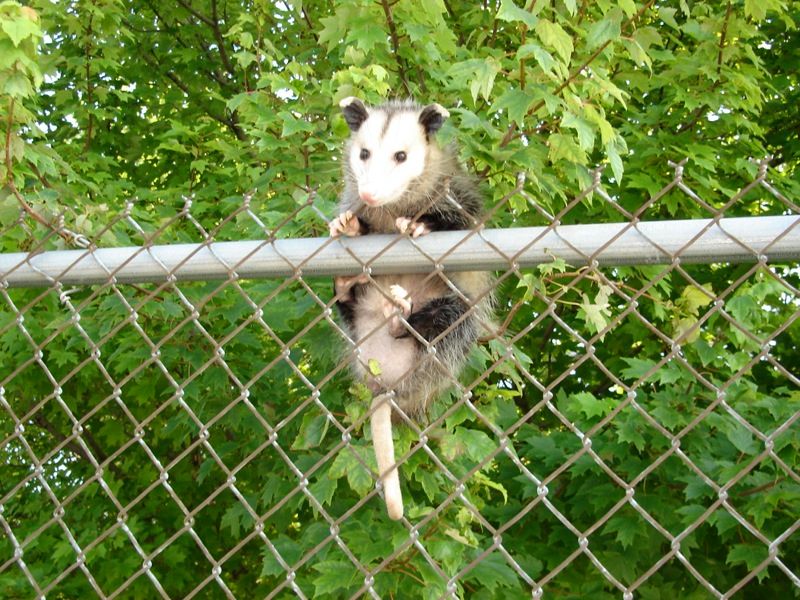
A productive garden is not just a collection of plants. It is a small ecosystem where insects, soil life, birds, mammals, and decaying organic matter all influence one another in ways that are easy to overlook.
Opossums contribute to that balance by acting as opportunistic feeders that clean up waste, consume certain pests, and move through spaces other animals use.
In North Carolina, many gardens sit between developed neighborhoods and wilder habitat. That edge creates constant movement from creatures searching for food, water, and shelter, which means every species fills some role in the local web.
Opossums are part of that system, and their presence often signals that your yard offers enough cover and diversity to support beneficial natural processes.
Balanced does not mean perfectly tidy. Leaf litter at the edge of a bed, a brushy fence line, or native shrubs near a compost area can create the kind of layered habitat that supports insects, birds, and small mammals without ruining the look of your space.
Opossums use those transition zones while also helping prevent waste and pests from building up unchecked.
When gardeners work with ecology instead of against it, maintenance often gets easier. You still prune, mulch, and protect crops, but you also allow helpful wildlife to handle some of the pressure naturally in the background each season.
You Can Encourage Them Safely and Responsibly
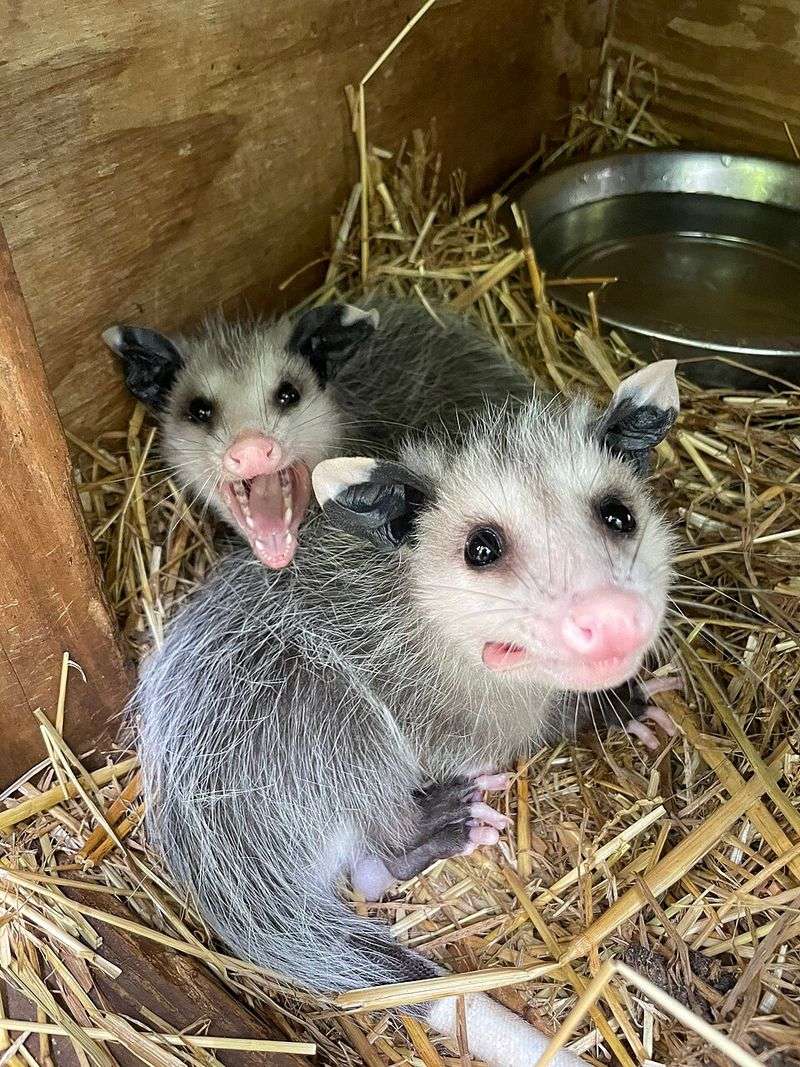
If you like the idea of opossums helping in the garden, the goal is not to lure them in with handouts. A better approach is to make your North Carolina yard quietly hospitable while avoiding habits that create dependence or conflict.
That means giving them safe passage, reducing hazards, and letting natural food sources do most of the work.
Start with practical basics. Bring pet food inside at night, secure trash lids, and keep compost managed so you are not inviting every scavenger in the neighborhood.
Leave some cover along fence lines or under shrubs, but avoid cluttered piles where snakes or rodents might settle too comfortably.
Garden chemicals deserve attention too. Rodent poisons, insecticides, and slug baits can harm wildlife directly or through the food chain, so using fewer toxic products protects the animals already helping you.
If you have dogs, supervise late-night yard time and give any opossum space to move off without pressure.
Simple awareness goes a long way. Check under low decks before storing materials, drive slowly on neighborhood roads after dark, and appreciate brief visits without trying to turn a wild animal into a backyard pet.
That respectful middle ground lets opossums assist your garden while staying exactly what they should be – helpful wild neighbors.
They Snack on Roaches, Beetles, and Grubs
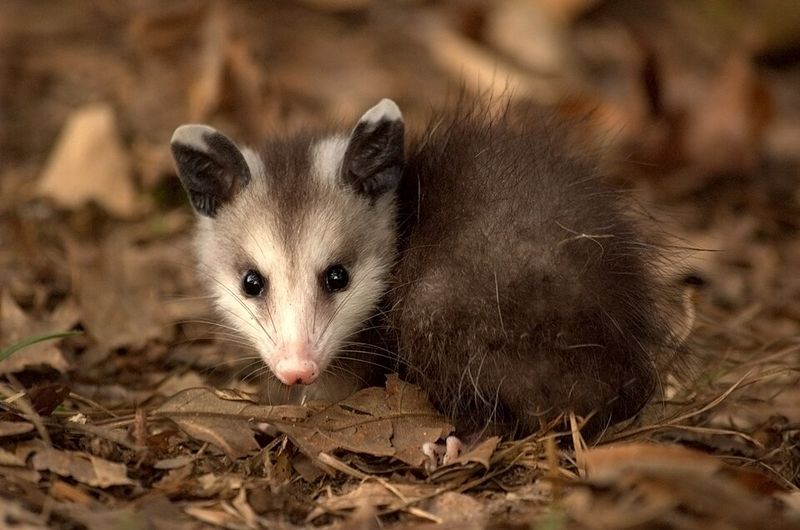
Beyond slugs and snails, opossums also pick off roaches, beetles, and other crawling insects that gather near mulch, woodpiles, and damp corners. That matters in a North Carolina garden, where warm weather can let bug numbers build fast.
When an opossum noses along borders and under shrubs at night, it is often searching for easy protein that might otherwise linger around your beds.
You may never see this work happen, but the results can still feel noticeable over time. Fewer scavenging insects around pots, compost bins, and edging can make the whole space seem cleaner and calmer.
It is another small way these nighttime visitors earn their welcome.
They Help Clean Up Small Animal Remains
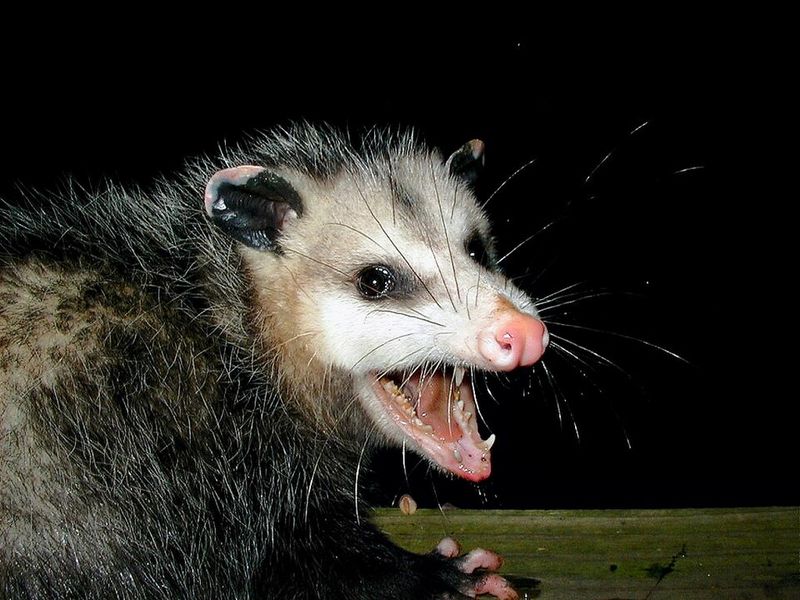
Opossums are also nature’s cleanup crew when something unfortunate turns up near the garden. A dead mouse, a small snake, or another animal left by weather, pets, or predators can draw flies quickly in North Carolina heat.
When an opossum finds that kind of mess first, it helps remove a problem before odors and insect activity have time to spread.
That may not be the prettiest kind of garden help, but it is useful all the same. Less carrion around sheds, compost areas, and fence lines can mean fewer flies buzzing where you work.
In a quiet, practical way, opossums help keep the backyard a little more sanitary.
They Tend to Pass Through Rather Than Settle In
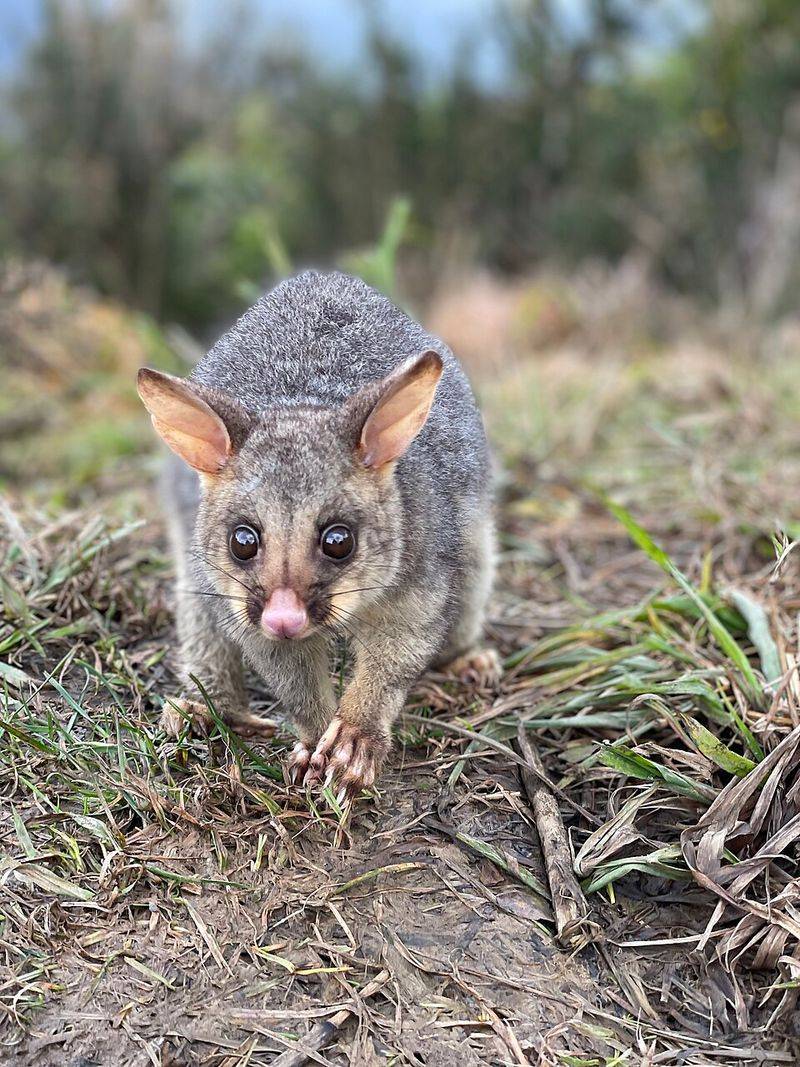
One reassuring thing about opossums is that they usually do not turn your garden into a long-term base camp. They move through in search of food, water, and temporary cover, then keep going once the night is over.
For gardeners in North Carolina, that means you often get the benefit of their foraging without the constant pressure that comes with more territorial wildlife.
This passing-through habit can make sharing space feel much easier. You are less likely to see dug-up beds, repeated raids, or the kind of lingering disruption that frustrates careful gardeners.
In many yards, an opossum is simply a brief visitor doing a little useful work before slipping back into the dark.