
The Goldfinch Landing In Your Texas Yard Carries A Meaning Worth Knowing
Follow us on Google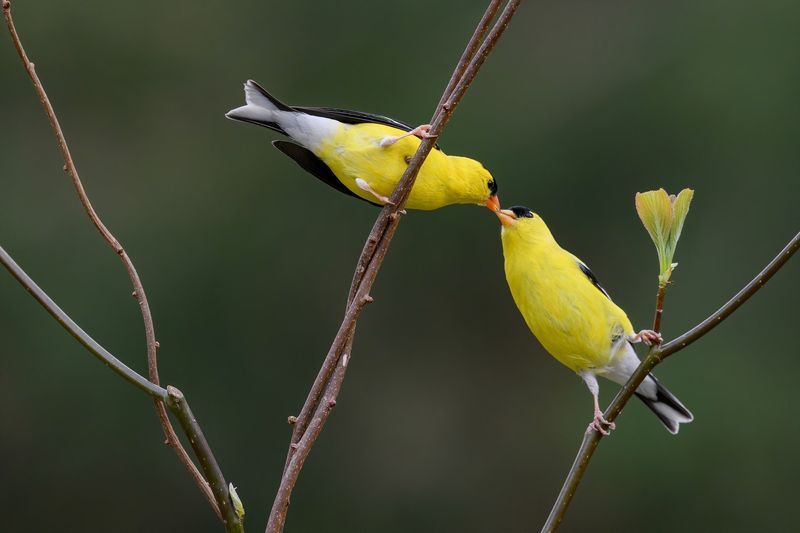
You step outside one morning and a small yellow bird lands on your fence, bright as a coin in the early light, and for a second you just stop.
Something about it feels like a message.
Texas yards host these moments more often than most people realize, and the question of what a goldfinch visit actually means is worth a real answer, not just a quick Google search.
What Does the Visit Actually Mean?
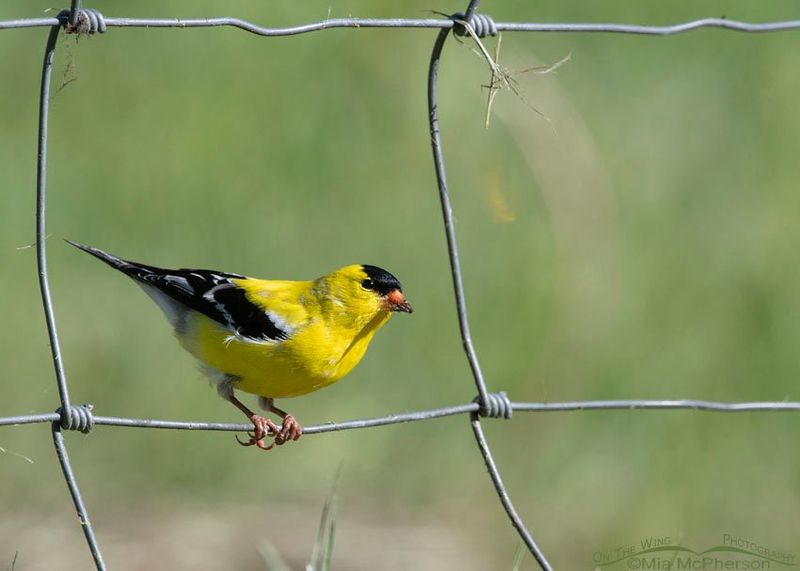
A goldfinch lands in your yard and your first instinct is to wonder why.
That instinct is good.
But ornithology does not assign a fixed supernatural meaning to a goldfinch landing on your fence or in your garden bed.
No verified body of wildlife science connects a single bird visit to predictions about money, luck, healing, pregnancy, or contact from someone who has passed.
What the bird may actually be doing is simpler and, honestly, more interesting.
According to Cornell Lab’s American Goldfinch life history pages, goldfinches use weedy fields, open areas, roadsides, parks, and backyards as habitat.
Your yard, or the landscape right around it, may be offering food, water, shelter, or a useful stop during seasonal movement.
One visit cannot tell you which of those it was, and it does not prove that any single feature of your property caused it.
That caveat is not a reason to shrug and walk inside.
The grounded personal meaning here is actually better than a prediction.
A goldfinch pausing in your yard is an invitation to pay attention to what your property offers a small seed-eating bird, and to protect it.
Texas Parks and Wildlife’s Wildscapes guidance puts it plainly: native plants, clean water, and safe shelter create real habitat, and real habitat earns real visits.
That is a meaning you can act on, and it does not require a prediction to feel worthwhile.
Which Goldfinch Did You See?
Before you decide what the visit meant, it helps to know which bird you actually saw.
Two goldfinch species are genuinely common in Texas, and telling them apart changes the story a little depending on where you live in the state.
The American Goldfinch, Spinus tristis, is the one most people picture.
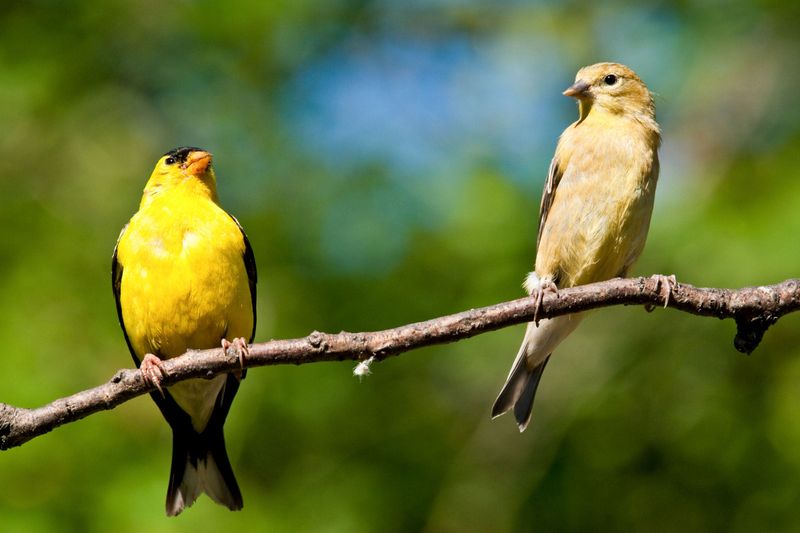
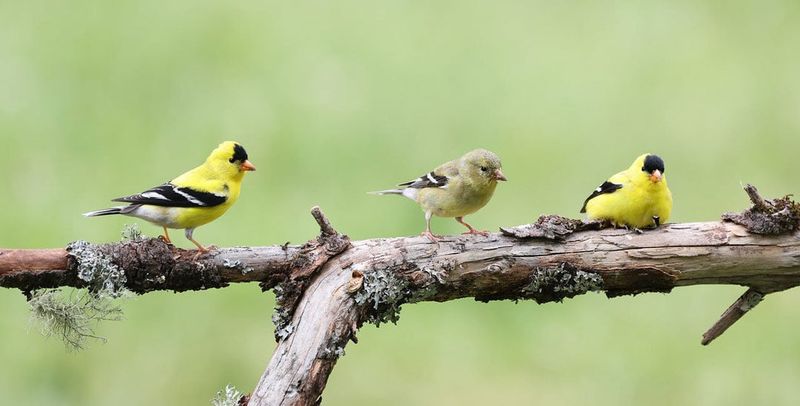
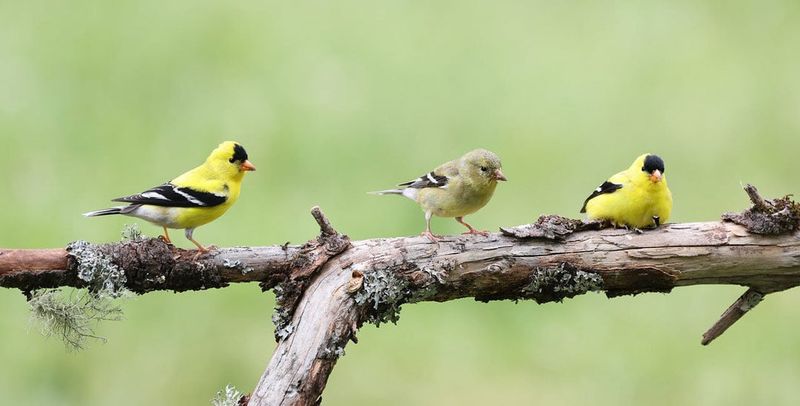
Breeding males are bright yellow with a black forehead cap and black wings showing white wing bars.
But Cornell’s American Goldfinch identification guide notes that females, juveniles, and nonbreeding birds are considerably duller, often olive or brownish, with the same dark wings and pale bars.
If you saw a yellowish finch in winter and it looked a little washed out, that is still likely an American Goldfinch.
The Lesser Goldfinch, Spinus psaltria, is the one many Texas homeowners overlook.
Adult male Lessers usually carry a complete black crown and may show a greenish or black back.
According to Cornell’s Lesser Goldfinch species comparison, female and immature Lessers often display a conspicuous white rectangular wing patch and yellowish undertail coverts, which differ from the American Goldfinch pattern.
The Lesser is especially common in western, central, and southern Texas year-round.
The Texas bird-occurrence publication from Texas Parks and Wildlife documents both species across the state, with Lesser Goldfinches present through much of Texas in all seasons.
Knowing which bird visited does not change the personal meaning you take from it, but it does make the observation sharper and more satisfying.
Texas Seasonality Changes the Story
Season matters more than most people expect when a goldfinch shows up in a Texas yard.
The American Goldfinch is often a winter visitor here, arriving after breeding season farther north and spreading across the state from roughly October through April.
Spotting one in July is far less likely than seeing one in January, and that timing shapes what the bird may be doing in your yard.
The Lesser Goldfinch follows a different pattern.
It is present across much of Texas year-round or through much of the year, especially in the western half of the state, the Hill Country, and South Texas.
So a goldfinch sighting in August in San Antonio is much more likely a Lesser than an American.
Region matters just as much as season.
Texas Parks and Wildlife’s bird-occurrence records show that goldfinch frequency and species identity can vary considerably between the Panhandle, East Texas, the Gulf Coast, and the Rio Grande Valley.
A bird passing through a North Texas suburb in December may be responding to very different landscape conditions than one seen in a Hill Country garden in March.
Cornell’s American Goldfinch life history pages list weedy fields, open floodplains, cultivated areas, orchards, roadsides, parks, and backyards as goldfinch habitat.
The bird that landed in your yard may have been responding to a neighbor’s feeder, a patch of weedy roadside two blocks away, or temporary migration conditions.
A single landing cannot confirm that one feature of your yard drew it.
Why Does the Goldfinch Feel Symbolic?
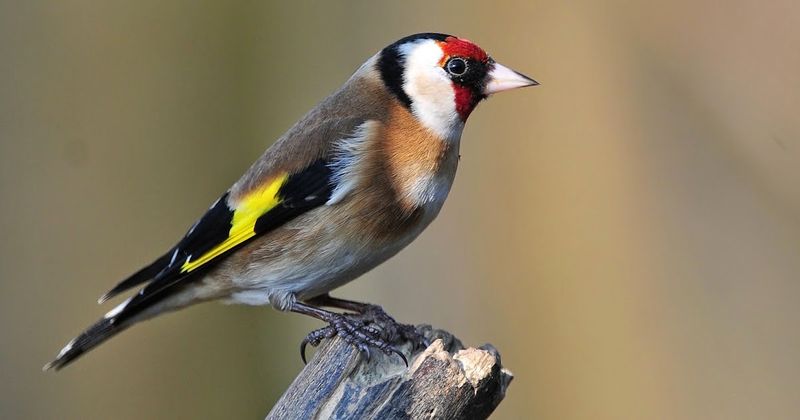
There is a reason a goldfinch landing feels like more than a random bird event.
The bird carries centuries of symbolic weight in Western culture, and that history is genuinely fascinating, as long as you know where it actually comes from.
The symbolism belongs to the European Goldfinch, Carduelis carduelis, the species that appears in hundreds of paintings from the Italian Renaissance and Northern European religious art.
The Fitzwilliam Museum’s collection notes on goldfinch symbolism explain that the bird’s red face marking, said to have come from a drop of Christ’s blood during the Crucifixion, connected it to themes of sacrifice, the Passion, and the soul.
Artists painted it perched on the Christ child’s hand as a coded reminder of mortality and redemption.
The National Galleries of Scotland’s exhibition on the goldfinch in art also traces associations with protection, resourcefulness, and the human soul moving between worlds.
Those are powerful ideas, which is exactly why the symbolism has survived and migrated into modern spiritual writing.
But those traditions arose in specific religious and artistic settings in Europe, centuries before anyone was watching American or Lesser Goldfinches in Texas backyards.
Transferring that symbolism directly onto a small finch at your feeder is a creative leap, not an established fact.
You are completely free to find personal meaning in the moment.
Resilience, attentiveness, a reminder to slow down, any of those readings can be yours.
Just hold them as personal rather than predictive, and the experience stays honest.
Native Plants Give the Visit a Future
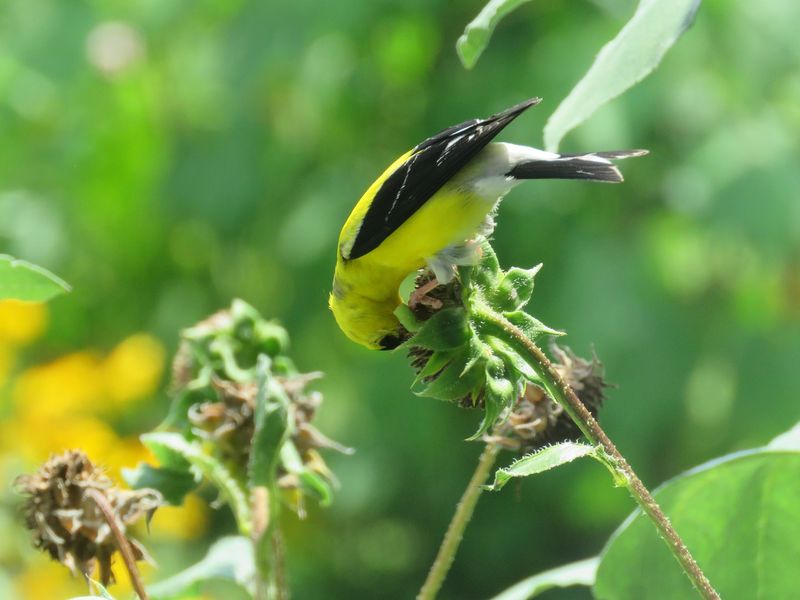
Goldfinches eat seeds almost exclusively.
Cornell’s American Goldfinch life history pages document their strong preference for thistles, asters, sunflowers, grasses, and other plants in the composite family.
If you want to give a future visit more than luck, native seed-producing plants are the most reliable place to start.
Common Sunflower, Helianthus annuus, is a documented food source for American Goldfinches in Texas.
Maximilian Sunflower, Helianthus maximiliani, grows well in central and eastern Texas and Texas Parks and Wildlife notes that its seeds attract birds through the fall season.
Texas Thistle, Cirsium texanum, and native asters round out a solid planting for seed-eating birds.
Match your choices to your region and soil: Maximilian Sunflower thrives in the blackland clay of Central Texas, while shallow alkaline soils in the Hill Country or West Texas call for different selections.
Milkweed deserves a specific mention.
Cornell’s American Goldfinch overview explains that the species uses fibrous seed material from milkweed and thistle in nest construction, and it typically waits until June or July when those plants produce suitable fibers before nesting.
Native milkweeds support monarchs and other insects too, but a goldfinch landing in your yard does not prove monarchs are nearby or that milkweed caused the visit.
Texas Parks and Wildlife’s Wildscapes program recommends choosing native plants adapted to your local soil and climate rather than a one-size approach for the whole state.
Leave seed heads standing through winter instead of cutting them back in fall.
That single habit turns your yard into a food source during the months when American Goldfinches are most likely to be moving through Texas.
Clean Water Matters More Than a Sign
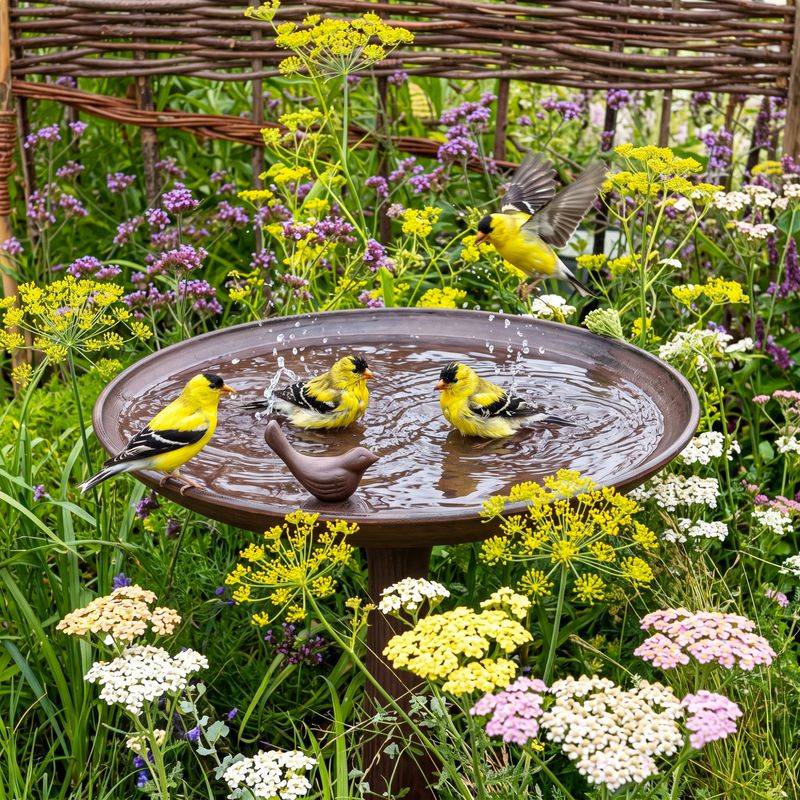
Water is one of the most direct things you can offer a bird, and in Texas heat it can genuinely matter.
A birdbath or shallow water dish does not need to be elaborate to be useful, but it does need to be maintained carefully.
Texas Parks and Wildlife recommends keeping a water source no more than 3 inches deep for small birds.
Change the water regularly, at least every 2 to 3 days in warm weather, and scrub the container surface to prevent algae and bacterial buildup.
During summer months when mosquito breeding is a concern, empty and clean the birdbath at least once a week.
Standing water left longer than 7 days can become a breeding site, which works against the wildlife-friendly yard you are trying to build.
A clean, shallow water source can make your yard more useful to birds passing through, including goldfinches.
But it cannot guarantee repeat visits, and it does not prove that water is what drew the original bird.
Conditions anywhere in the surrounding landscape, from a creek two streets over to a neighbor’s dripping spigot, can also supply water to a traveling finch.
The real value of the water habit is what it says about how you are maintaining the yard.
Routine care, water changed regularly, surfaces scrubbed clean, is the same mindset that keeps feeders safe and native plants thriving.
That consistency is what turns a one-time sighting into a yard that genuinely supports wildlife over time, which is a more satisfying outcome than any prediction.
Feeders Need Care and Safer Windows
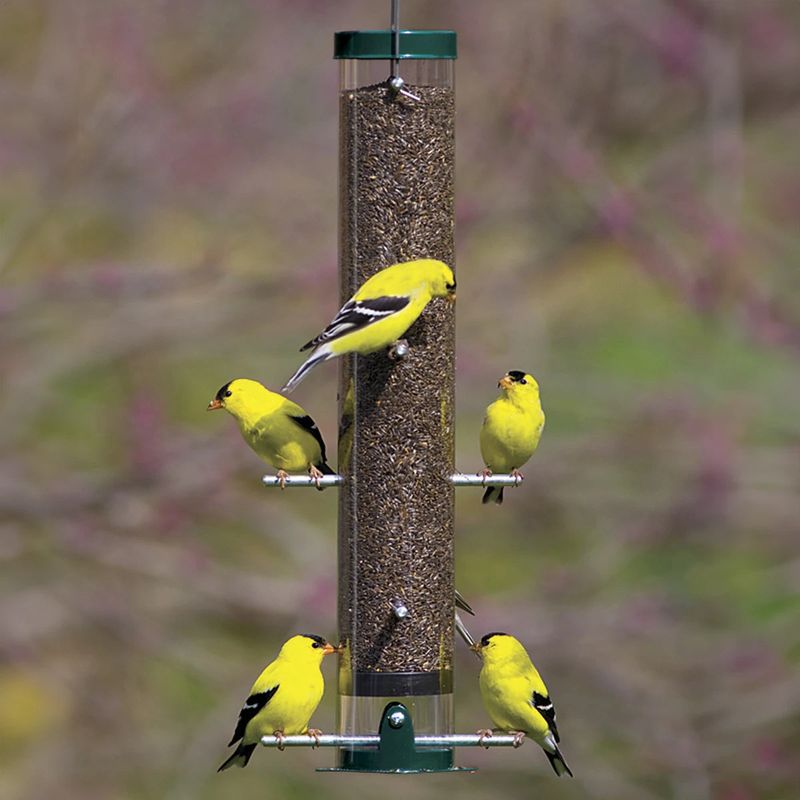
A feeder can make your yard more visible to goldfinches, but it works best as a supplement to native habitat rather than a replacement for it.
Cornell’s life history pages confirm that goldfinches are attracted to nyjer seed, also called thistle seed, and to sunflower seed.
Tube feeders, hopper feeders, and platform feeders can all work.
A tube feeder with small ports is especially suited to nyjer.
Feeder hygiene is not optional.
Project FeederWatch recommends cleaning feeders every 1 to 2 weeks, or more often during wet weather and heavy use.
Remove old seed, hulls, and droppings from beneath the feeder.
A solution of 1 part bleach to 9 parts water can disinfect the feeder, but rinse it thoroughly and let it dry completely before refilling.
Audubon’s feeder disease guidance is direct: dirty feeders can spread illness between birds.
A USGS pathology report on American Goldfinches confirms that the species is among those affected in salmonellosis outbreaks linked to feeding stations.
Never add medication to seed or water, and do not handle sick or dead birds.
Contact a licensed wildlife rehabilitator if you find one.
Window collisions are a real risk when feeders are nearby.
Cornell’s feeder placement guidance now emphasizes that older distance recommendations alone are not enough.
Cornell’s bird-safe glass program recommends applying effective exterior window markers or other bird-safe treatments to glass near feeders.
Spacing markers no more than 2 inches apart vertically and 4 inches apart horizontally on the outside of the glass makes the surface visible to birds in flight.
Distance from the window matters, but it does not eliminate the hazard on its own.
Let the Meaning Stay Close to Home
Here is the honest answer the title promised: a goldfinch landing in your Texas yard does not carry a universal message.
The bird may have found food, water, shelter, or a useful patch of habitat in or near your property.
One visit cannot tell you which it was, and no wildlife source supports predictions about luck, money, or anything else waiting around the corner.
That answer leaves room for something better.
Pick one manageable thing to do this week.
Leave your native sunflower or Texas thistle seed heads standing instead of cutting them back.
Add a shallow dish of clean water, no deeper than 3 inches, and change it every 2 to 3 days.
Clean your feeder if you have one, and check the windows nearby for bird-safe markings.
Texas Parks and Wildlife’s Wildscapes program frames this well: small consistent choices build real habitat over time, and real habitat earns real visits.
The bird may not come back tomorrow.
Texas yards shift across seasons, and what a goldfinch needs in December in North Texas is different from what draws a Lesser Goldfinch to a Hill Country garden in June.
Cornell notes that goldfinches move with food availability and season, not with any yard’s standing invitation.
But the moment you saw was real, and the care it can inspire is real too.
A small yellow bird paused in your yard, and now you know a little more about why that happens and what you can do about it.
That is a meaning worth keeping.