
The Florida Native Plants Mockingbirds Choose Over Your Neighbor’s Store-Bought Feeder
Follow us on Google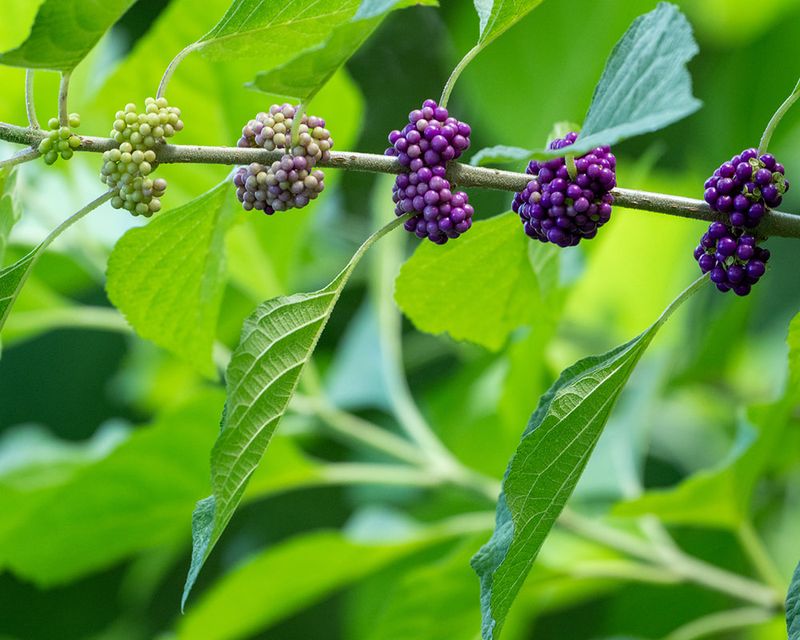
You step onto the patio after breakfast and the air already feels heavy, promising another long Florida summer day.
A familiar flutter catches your eye, a Northern Mockingbird darting from your hibiscus to the neighbor’s overflowing seed feeder.
You wonder if those bagged seeds really win the bird over, or if there’s a quieter secret hiding in your own yard.
It turns out the land itself makes the best feeder, and a handful of native plants can turn your backyard into the buffet mockingbirds genuinely choose.
1. Ditch The Bagged Seed, Offer Real Sunshine State Sustenance
Here is where it gets tricky, as many Central Florida gardeners have learned the hard way.
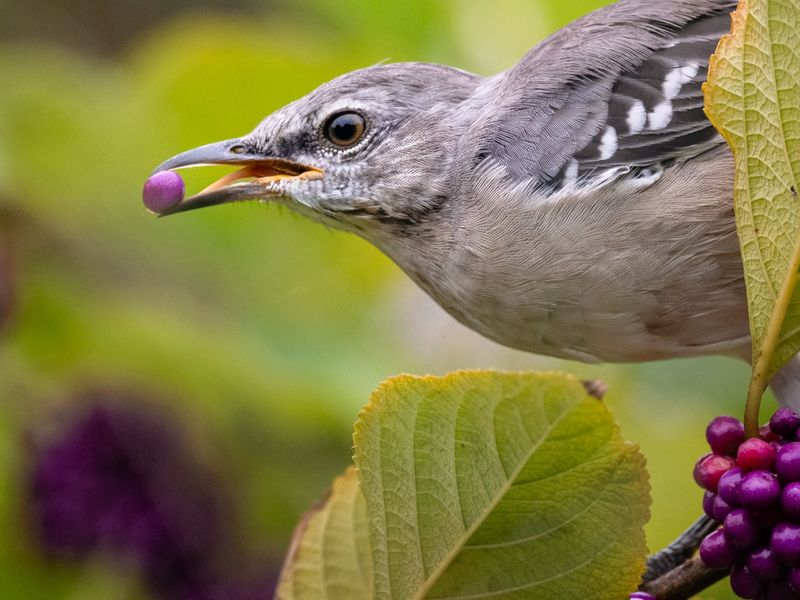
Those bags of birdseed feel like a friendly gesture, a shortcut to backyard visitors, but mockingbirds (Mimus polyglottos) are picky eaters, not seed-guzzlers like finches.
They are omnivores, actually.
About half their diet comes from insects and arthropods like beetles, grasshoppers, and caterpillars, especially through the warmer months of late spring and summer.
The other half leans hard on wild fruits and berries, which become critical during fall and winter.
Dirty feeders can even spread disease if you do not scrub them every few days.
Native plants skip that whole problem.
They deliver the right blend of protein and sugar, a complete meal plan that carries a bird through every season and life stage, exactly as the land intended.
So the fix is not another gadget on a pole.
It is planting the food the bird was already hunting for.
Do that, and the mockingbird stops commuting to the neighbor’s yard.
2. Simpson’s Stopper: A Fragrant Feast For Florida’s Mockingbirds
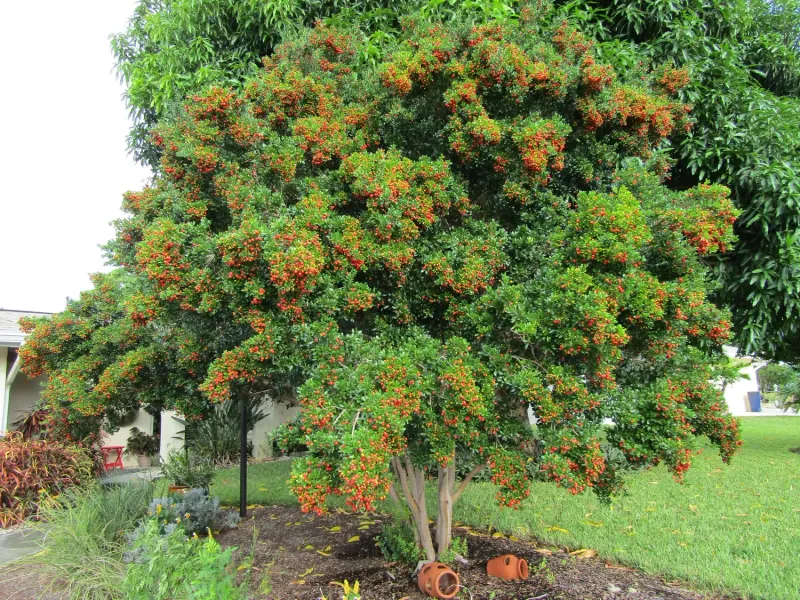
One of the quiet heroes in your backyard could be Simpson’s Stopper, or Myrcianthes fragrans.
This versatile native shrub or small tree grows wild in coastal hammocks and inland spots across Florida, and its small red to orange berries are an absolute favorite of mockingbirds, cardinals, and blue jays.
Picture the bird plucking fruit straight off the branch, no feeder required.
The plant ranges from 5 to 20 feet tall, and the dwarf cultivar ‘Compacta’ holds around 5 feet, so it fits both tiny courtyards and roomy lots.
Simpson’s Stopper genuinely thrives here.
It takes full sun to partial shade, though sunnier spots bring denser growth and more berries.
It shrugs off sandy, well-drained soil, handles drought once established, and tolerates the occasional soggy pocket.
Along the Gulf and Atlantic coasts, its salt tolerance earns it a spot near the dunes.
Fragrant white flowers appear off and on all year, peaking in spring, with berries maturing through summer and fall.
For a hedge, space plants 3 to 5 feet apart, or let one grow solo as a specimen.
Expect about a foot of growth per year until it settles in.
A calm, evergreen workhorse that quietly keeps the birds fed.
3. American Beautyberry: Winter Treasure For Feathered Friends
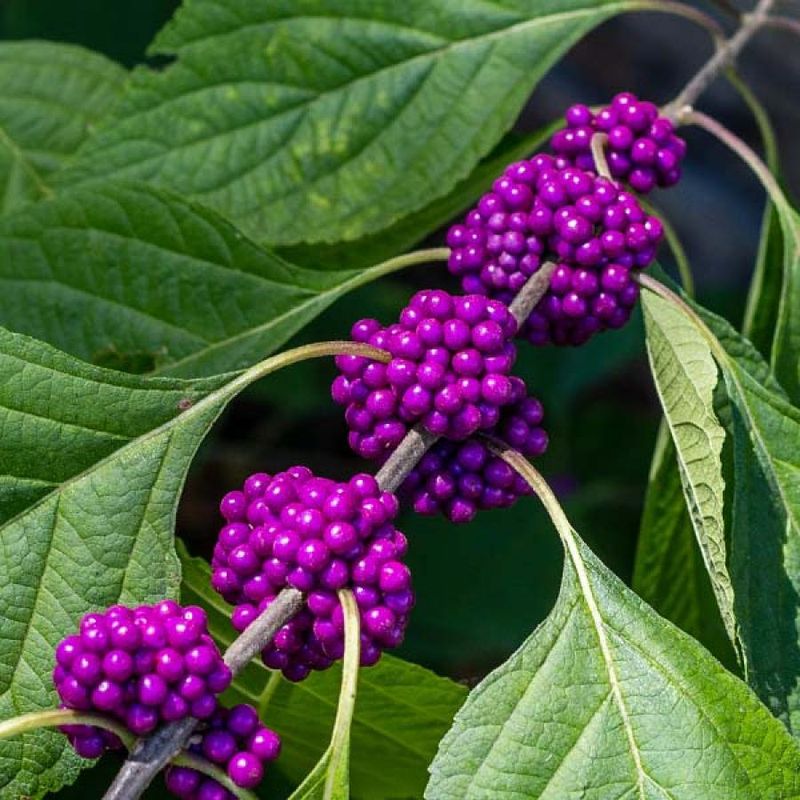
Come late summer, the American Beautyberry, Callicarpa americana, puts on a show nobody expects.
Its arching branches load up with tight clusters of glossy purple berries, so bright they look almost fake.
Mockingbirds, robins, and cardinals mob these high-energy fruits, which often cling to bare branches long after the leaves drop.
That timing matters.
When other food runs thin in winter, this deciduous shrub is still stocked.
Many Central Florida gardeners note how the berries genuinely transform their cool-season landscape.
Growing it is almost too easy.
It reaches 3 to 8 feet high and 4 to 8 feet wide, comfortable from the Panhandle down through South Florida, hardy roughly in zones 8a to 10b.
It likes sandy and loamy soil and takes anything from full sun to dappled shade.
Moderately drought-tolerant once rooted, it appreciates a drink and even forgives slow-draining ground.
Plant it in spring or fall when temperatures are mild.
For a fuller shape and heavier berry set, prune hard in late winter or early spring, cutting down to about one foot before new growth wakes up.
One honest catch, beautyberry is not salt tolerant, so keep it well back from direct coastal spray.
4. Firebush: A Hummer Haven That Also Feeds Mockingbirds
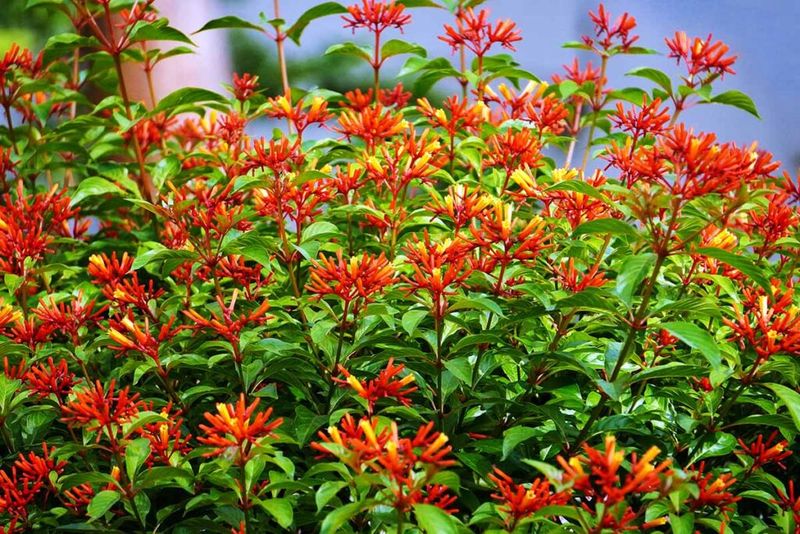
Want one plant that pulls double duty?
Firebush, Hamelia patens, feeds the hummingbirds and the mockingbirds off the same stem.
Its tubular red-orange flowers bloom hard from spring through fall, drawing hummingbirds and butterflies in a steady parade.
Once those blossoms fade, small red-to-black berries follow, and fruit-eaters like mockingbirds and cardinals happily clean them up.
The result is a backyard that hums and chirps at once, a genuine hub of motion.
Firebush grows fast, reaching 4 to 5 feet tall and 3 to 5 feet wide, larger if you leave it alone.
It is hardy across Florida in zones 8 through 11.
In warm South Florida and the Keys, zones 10 to 11, it can stay evergreen and bloom year-round.
Up in North Florida and the Panhandle, zones 8 to 9, a cold snap may knock it to the ground, but it usually pushes back in spring.
Give it full sun for the most flowers and berries.
It tolerates partial or full shade, just thinner and shier about blooming.
It wants well-drained soil and, once established, laughs off the intense summer sun and dry spells.
Plant it, then get out of its way.
5. Sabal Palm: Florida’s Iconic Mockingbird Dining Tree
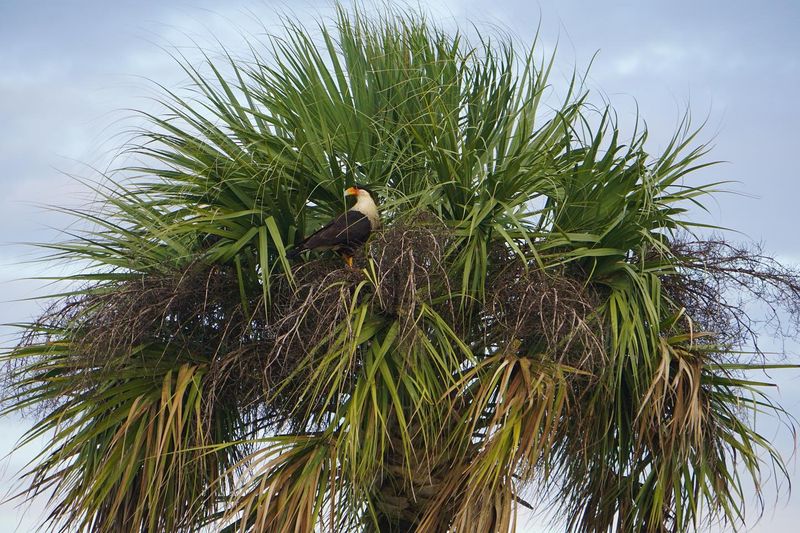
No native list for birds is honest without the Sabal Palm, Sabal palmetto.
Florida’s state tree hands out shelter, nesting sites, and small dark berries that mockingbirds, robins, and dozens of other birds devour.
The payoff runs all year.
This stately evergreen palm stands firm through long humid summers and even strong tropical storms, a quiet landmark the birds return to.
Sabal palms are tough by nature, thriving statewide from the Panhandle to the Keys, USDA zones 8 through 11.
Their high salt tolerance makes them a smart pick for properties along both the Atlantic and Gulf coasts.
They prefer full sun but accept partial shade, and they adapt to sandy, loamy, or even clay soil, staying drought-tolerant once settled.
Plant in spring or early summer after frost risk passes, spacing trees 8 to 10 feet apart so the wide fronds have room.
Water a new palm nearly daily for the first month in well-drained soil, then about three times a week in warm weather, always a deep soak.
One warning if you transplant a big one.
Its cut roots die back, and after all leaves are removed to aid recovery, a full crown can take up to two years to regrow.
Patience pays.
6. Saw Palmetto: A Rugged Berry Buffet Birds Trust
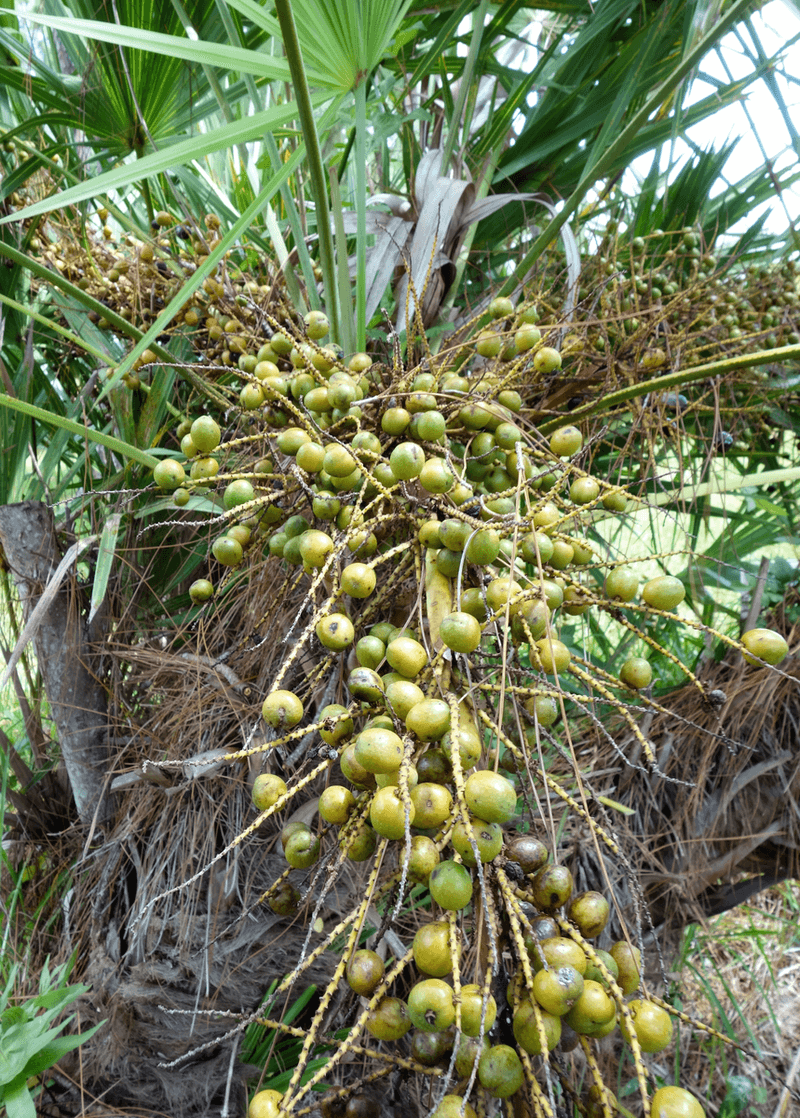
Blunt truth, saw palmetto, Serenoa repens, is the plant most homeowners try to bulldoze and later wish they had kept.
This low, sprawling fan palm is a workhorse of Florida’s pine flatwoods, and its dark ripening berries feed mockingbirds, along with a long list of other wildlife.
Here is the turn.
Those same berries mean the shrub buzzes with pollinators in spring, which brings insects, which brings the protein mockingbirds crave for their chicks.
One plant, two food groups.
Saw palmetto handles conditions that flatten softer plants.
It grows across Florida from the Panhandle to the Keys, zones 8 through 11, and holds up to salt spray on both coasts.
It thrives in dry, sandy, acidic soil, tolerates poor drainage, and is famously fire-adapted and drought-tough.
It grows slowly, sometimes only a few inches a year, but a mature clump can spread wide and live for decades.
Space plants roughly 4 to 6 feet apart if you are massing them, and plant in spring so roots establish before winter.
Water deeply once a week the first few months, then mostly leave it alone.
Give it a corner and forget the maintenance.
The birds will not.
7. Wax Myrtle: A Fast Screen That Doubles As A Pantry
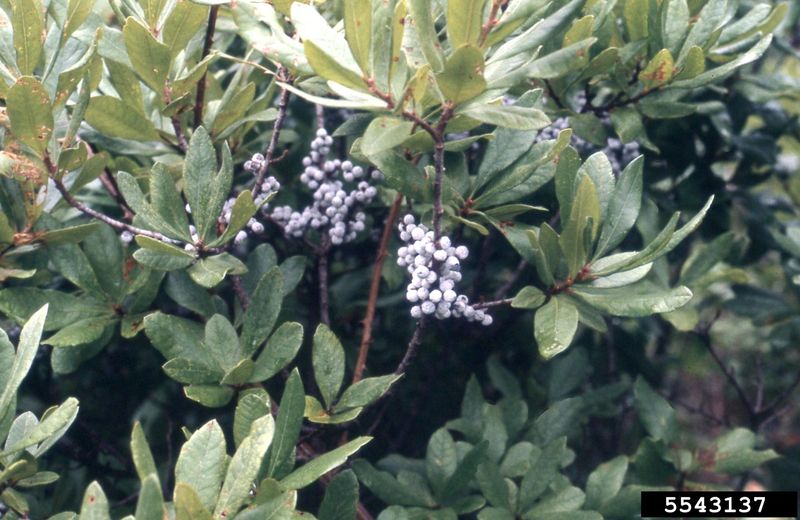
Need privacy fast and food for the birds too?
Wax myrtle, Morella cerifera, does both without asking much of you.
This aromatic evergreen shrub grows quickly into a dense screen, and its small waxy blue-gray berries are a staple for mockingbirds and warblers through the cooler months.
The waxy coating on the fruit is the trick.
It packs extra fat, which is fuel birds burn on chilly Central Florida nights when a cold snap dips into the 30s.
Wax myrtle stretches from the Panhandle to South Florida, hardy in zones 7b through 11, and it tolerates salt, so coastal yards can use it as a windbreak.
It handles wet, poorly drained pockets that drown other shrubs, yet it also takes drought once established.
Sun or partial shade, sandy or muddy soil, it rarely complains.
It can reach 15 to 20 feet if left wild, so plan on light pruning to keep a tidy hedge.
Space plants 5 to 8 feet apart for a solid screen, and plant in spring or fall.
Give a new one a deep soak twice a week for the first month.
UF/IFAS Extension notes only female plants set the fruit birds want, so buy known females if berries are your goal.
8. Walter’s Viburnum: A Spring Bloomer With A Fall Payoff
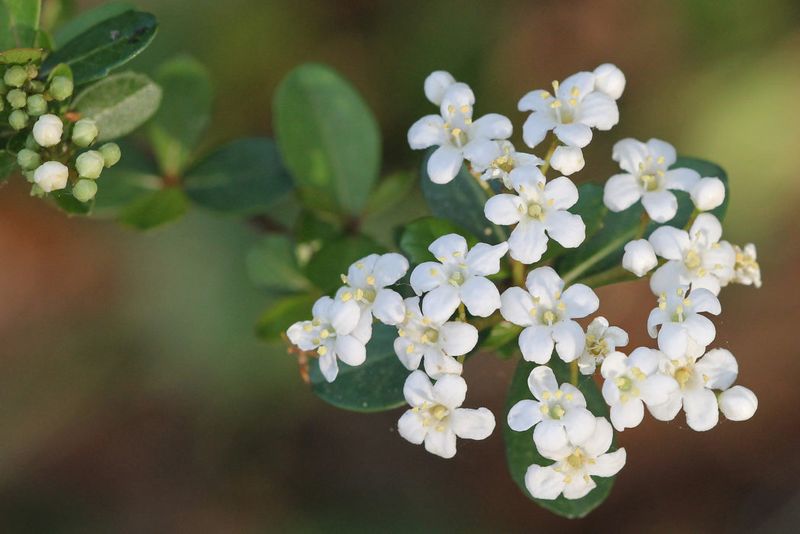
In early spring, Walter’s viburnum, Viburnum obovatum, disappears under a blanket of tiny white flowers so thick the leaves nearly vanish.
Bees and small pollinators swarm it, and that is only half the story.
By late summer and fall, those blooms become small dark berries mockingbirds and other songbirds work through steadily.
So you get a pollinator magnet in spring and a bird pantry by fall, from a single easygoing shrub.
This adaptable native runs from North Florida down into the central and southern parts of the state, hardy roughly in zones 8 through 10.
It grows 6 to 12 feet tall depending on the cultivar, with compact forms staying much shorter, so it works as a hedge, a foundation planting, or a small specimen tree.
Walter’s viburnum takes full sun to partial shade and prefers moist, well-drained soil, though it tolerates Florida’s sandy ground and short dry spells once established.
Plant in fall or early spring, space hedge plants 3 to 5 feet apart, and water deeply once or twice a week the first couple of months.
Shear it after the spring flush if you want a formal shape.
Skip the shears and it rewards you with more fruit for the birds.
Either way, it earns its keep twice a year.
9. What Else Actually Helps Attract Mockingbirds To Your Yard
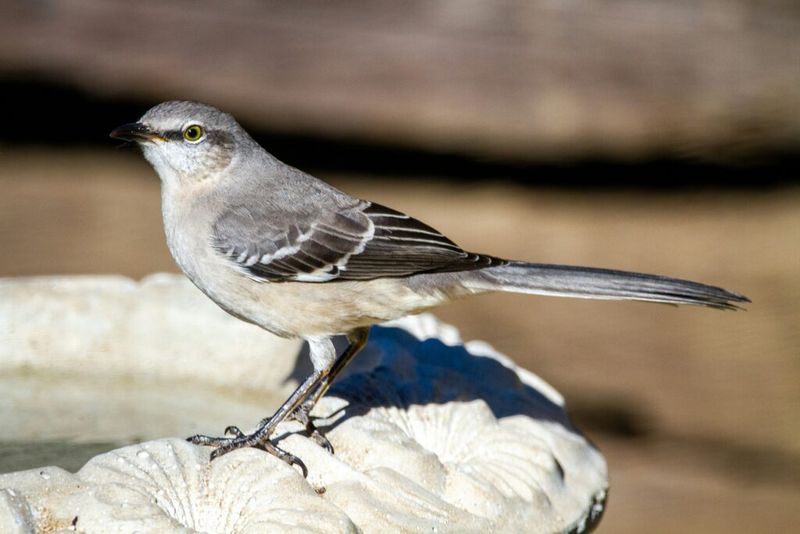
Beyond the plant list, building a truly bird-friendly Florida backyard means thinking the way a mockingbird thinks.
Remember, roughly half its diet is insects.
Cutting back on pesticides lets natural bug populations rebound, feeding both adults and hungry nestlings.
A healthy native garden pulls in those insects on its own, turning your yard into a living grocery store.
That is genuinely the missing piece for people who plant berries and still see the bird next door.
Add a shallow bird bath, no more than 2 inches deep, and rinse it every couple of days so it stays clean and mosquito-free.
Fresh water is a simple draw, especially during a dry spell when natural puddles vanish.
Mockingbirds also need safe places to perch, nest, and hide from hawks and hard weather.
The dense foliage of native shrubs and small trees gives them exactly that cover, which is why layering tall palms over mid-height berry shrubs works so well.
Stack a few of these plants together and you are not just decorating, you are cultivating a self-sustaining habitat.
You give Florida’s mockingbirds, and the zebra longwings and gulf fritillaries passing through, a real reason to choose your yard over any store-bought offering.
Stand on the patio next summer and watch it work.
That flutter overhead will be heading home to your trees.