
Skip The Annual Begonias In Your Shady North Carolina Beds And Plant This Native That Comes Back Stronger
Follow us on Google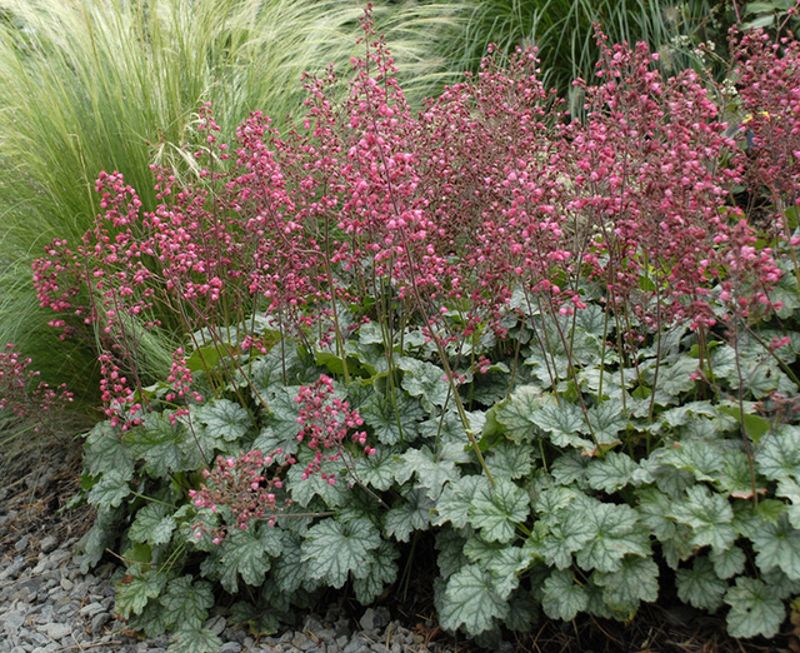
Every spring, a lot of North Carolina gardeners load up a flat of wax begonias, tuck them into the shady bed by the porch, enjoy them all summer, and then watch them turn to mush the first time a cold snap rolls through. It is a reliable cycle, but it is also a recurring cost that adds up fast.
Hairy alumroot, Heuchera villosa, is a well-supported North Carolina native option that returns each season in partial shade, holds its foliage through winter, and can reduce the need to buy new bedding plants every spring. It will not replace the bold flower show begonias put on, but for the right shady bed, it is genuinely worth a closer look.
Hairy Alumroot Offers A Strong Native Option
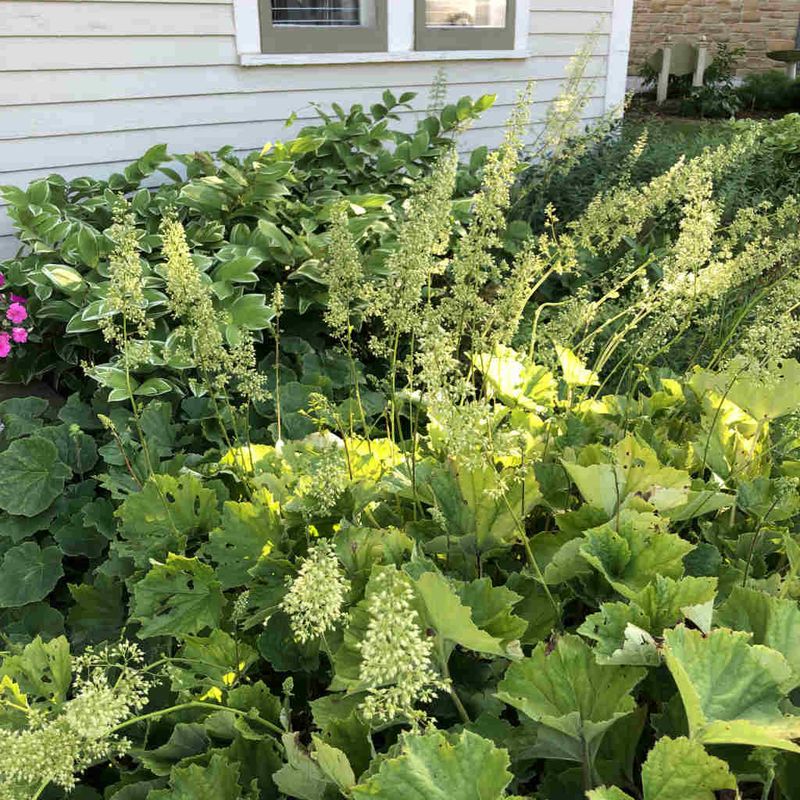
Picture the shady strip along the north side of your house, the one that gets morning light and then goes quiet the rest of the day. That is exactly the kind of spot where NC State Extension’s profile for Heuchera villosa suggests hairy alumroot, also called maple-leaved alumroot, earns its place.
It is a North Carolina native herbaceous perennial that grows as a low mound, reaching roughly 2 feet 8 inches tall and spreading 1.5 to 2 feet wide, and NC State Extension lists it for the Coastal Plain, Piedmont, and Mountains.
What makes it a strong candidate for replacing recurring shade-bed begonias is the combination of traits it brings to the table. It stays broadleaf evergreen through most North Carolina winters, meaning the bed does not go bare after the first frost.
It tolerates the heat and humidity that flatten a lot of shade perennials by August, which matters whether you garden in the Piedmont or along the coast.
Alumroot fills a low-border role well, softening the edge of a walkway or the base of a porch step with textured, maple-shaped foliage that holds interest across three seasons. The flowers are real but modest, small wands that rise above the leaves rather than carpeting the bed in color.
If your begonias are the star of the show, alumroot is more like a reliable supporting cast member that does not need to be rehired every April.
Begonias Still Deliver Reliable Seasonal Color
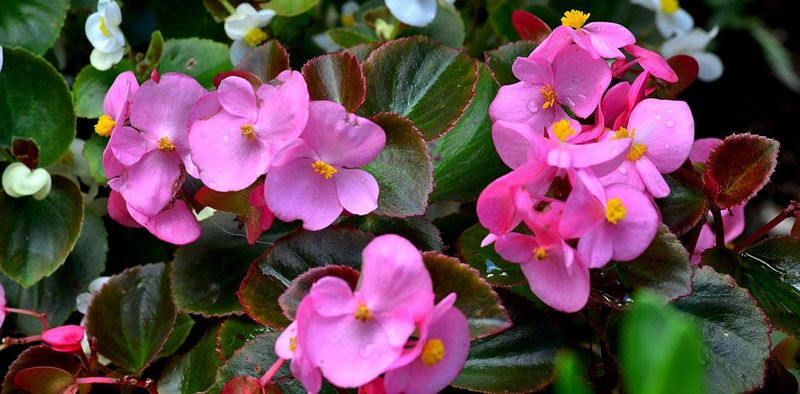
Wax begonias have earned their spot in North Carolina gardens for a reason. NC State Extension’s wax begonia profile confirms they perform well in partial or even heavy shade, tolerate the hot summer conditions that define a Carolina July, and can provide conspicuous color from spring until frost when conditions are suitable.
That is a long, dependable run for a bedding plant.
The honest trade-off is this: begonias are generally grown as seasonal bedding plants in North Carolina because they are not reliably winter-hardy outdoors in most parts of the state. When the cold snaps arrive, they are done.
Many Piedmont gardeners spend $20 to $40 or more on flats each spring, year after year, without giving it a second thought because the color payoff feels worth it.
Alumroot’s practical advantage is not that it produces a better flower display. It genuinely does not.
Its blooms are smaller and less showy than most bedding begonias, and its North Carolina flowering window runs approximately June through October, compared to begonias’ longer spring-to-frost stretch. The real case for alumroot is that it returns each season without a trip to the garden center, which means the money you spent planting it two springs ago is still working for you today.
That is a different kind of value, and it is worth naming clearly before you decide whether to make the switch.
Check The Botanical Name Before You Buy
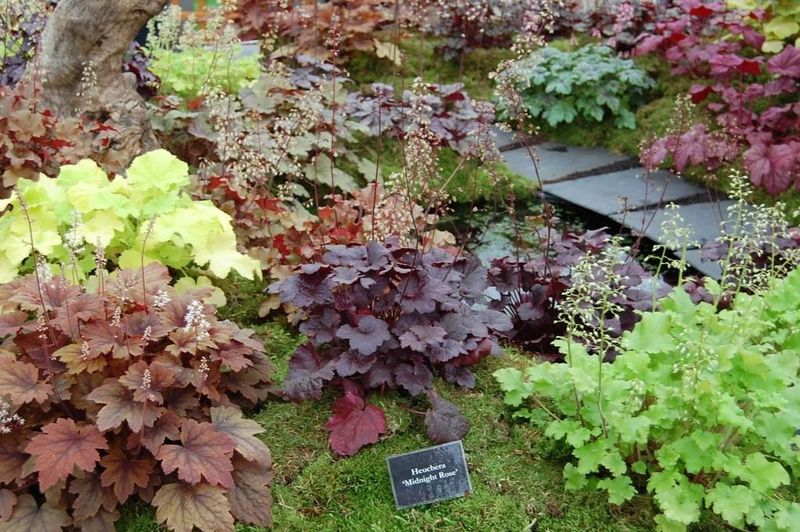
Here is where it gets tricky. Walk into most garden centers in North Carolina and you will find a whole bench of plants labeled coral bells.
Some of them are Heuchera villosa. Some are Heuchera americana, which is also native to North Carolina.
And some are Heuchera sanguinea, which NC State Extension identifies as native to Arizona, New Mexico, and northern Mexico, not the eastern United States.
Beyond the straight species, many of the plants on that bench are named cultivars or hybrids selected for colorful foliage. A cultivar can be well adapted to North Carolina without being a straight native species, but the heat tolerance, evergreen habit, and site fit can vary a lot depending on what is actually in the pot.
NC State’s Heuchera genus overview notes that varieties differ in growing conditions and traits, which is exactly why the common name alone is not enough guidance.
The move is simple: flip the tag and read the botanical name. If it says Heuchera villosa, you have the heat- and humidity-tolerant native that NC State specifically recommends for North Carolina’s range of regions.
Heuchera americana is another native option worth considering. Ask the nursery staff whether the plant is the straight species, a regional selection, or a hybrid, because that answer changes how you should think about its performance in a muggy Coastal Plain summer or a Piedmont bed with heavy clay.
Match The Plant To Moisture And Drainage
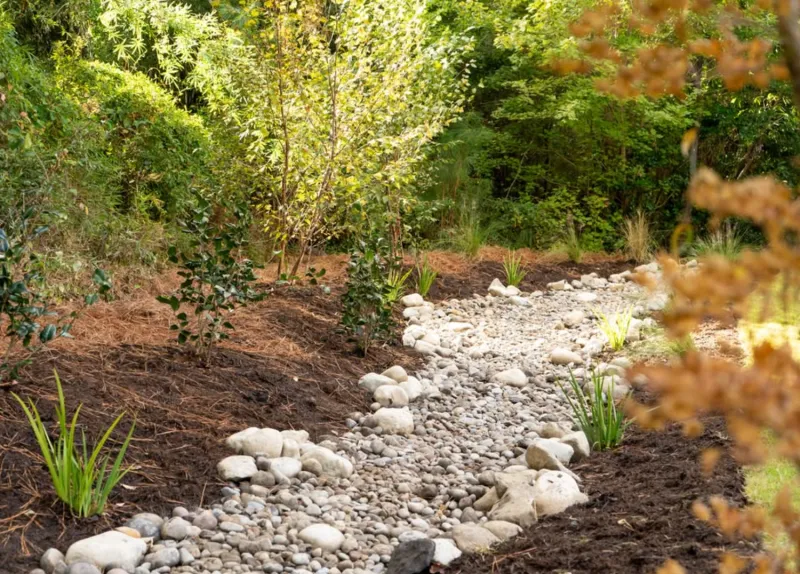
Shade is not one thing. The dappled light under a tall oak where morning sun filters through for a few hours is very different from the dry, dark, root-crowded strip under a dense row of mature hollies.
NC State Extension describes hairy alumroot as preferring partial shade or dappled sunlight with moist, well-drained soil high in organic matter. That combination of words matters: moist and well-drained at the same time, not wet, not bone-dry.
Piedmont gardeners dealing with red clay face a specific challenge. Clay holds water in winter and bakes hard in summer, which is the opposite of what alumroot wants.
The goal is not to create a permanently wet planting hole but to improve drainage and work in organic matter so the soil holds moisture without staying soggy. University of Georgia Extension’s guide to herbaceous perennials recommends preparing the planting area rather than just the individual hole, which helps roots move into improved soil as the plant establishes.
Standing water after a heavy summer storm is a warning sign for this plant. So is reflected heat bouncing off a light-colored wall onto a south-facing bed.
Soil that dries out completely between rains can cause the leaf edges to scorch, which is cosmetic at first but stressful over time. Before you plant, spend a few minutes watching where water goes in the bed after a rain, and notice whether the tree roots above have already claimed most of the moisture.
Choosing the right spot is genuinely more important than any amendment you add later.
Plant For A Mature, Spreading Mound
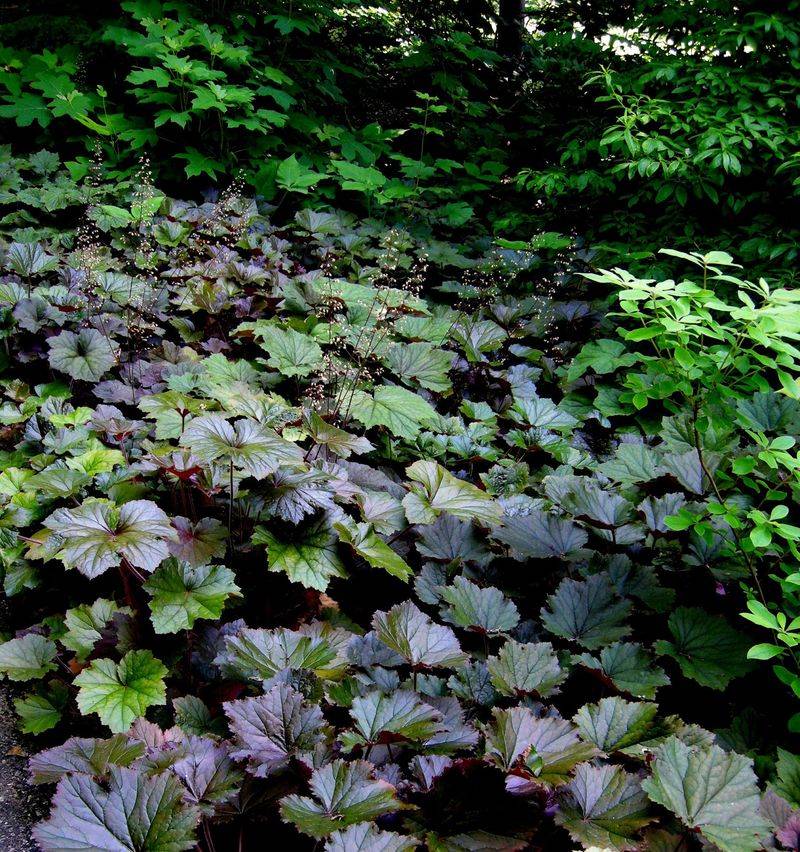
Timing your planting makes a real difference with alumroot. Late fall and early spring are the generally recommended windows, giving the roots time to settle in before the heat arrives or before the ground freezes.
A plant going into the ground in October in the Piedmont has several mild months to push roots outward before next summer’s afternoon storms and 90-degree stretches test it.
New plants, whether nursery containers or fresh divisions, need regular watering while roots establish. During dry periods or a hot spell, that means checking the soil every few days and watering before it dries completely, not on a rigid schedule.
NC State Extension’s Heuchera genus guidance recommends consistent moisture during establishment, and UGA Extension’s perennial planting guide advises spacing plants according to their mature size rather than their small nursery-container size.
For hairy alumroot, that translates to roughly 18 to 24 inches on center as a starting estimate, based on its listed mature width of 1.5 to 2 feet. Always follow the nursery label, especially for larger cultivars that may need more room.
NC State Extension notes alumroot works well near walkways, patios, woodland edges, slopes, containers, and mass plantings. What it will not do is create the same dense carpet of continuous color as a flat of begonias.
The foliage mound is the show for most of the year, with flower wands as a seasonal bonus, so plan the bed accordingly and let the leaf texture carry the visual weight.
Use Division To Maintain Vigor
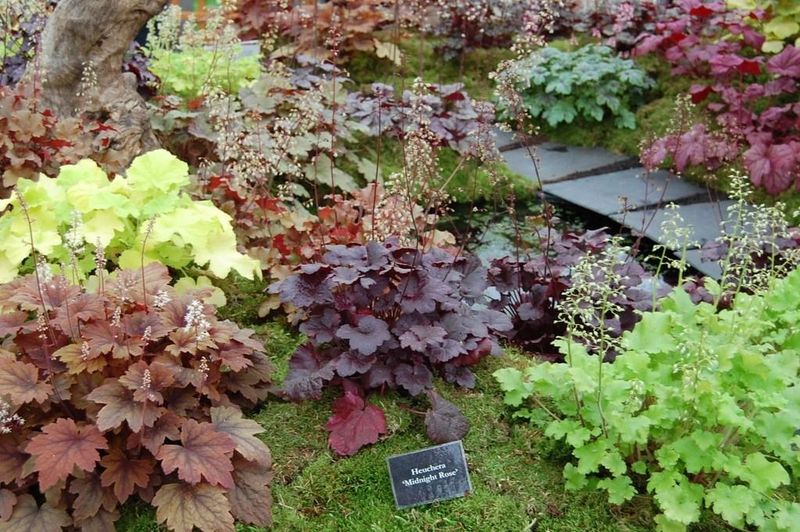
The headline on this article promises the plant comes back stronger, and that is worth correcting plainly. Hairy alumroot returns each season and often fills out as it establishes over the first two or three years, but it does not become permanently tougher by guarantee.
Like most perennials, it needs a little help to stay at its best.
NC State Extension notes that alumroots can be short-lived unless divided every three to four years. The signs that division is due are easy to read: the crown gets crowded, the center of the plant thins out and looks bare, or overall growth slows and the foliage loses its vigor.
When you see those signals, dig the clump, pull or cut it apart into healthy sections with roots attached, and replant the best pieces in refreshed soil. UGA Extension’s guide to dividing perennial flowers walks through the process clearly if you have not done it before.
Division is maintenance, not a sign the plant failed. So is seasonal cleanup, weed control, and the occasional replacement of a plant that did not survive a hard winter or a summer drought.
UGA Extension’s herbaceous perennials guide specifically cautions against expecting perennials to be maintenance-free, and that caution applies here. The real advantage over begonias is not zero effort, it is that the effort shifts from buying new plants each spring to tending the ones already in the ground.
Many North Carolina gardeners find that trade genuinely worthwhile once the bed is established and the spring garden-center run gets shorter.
Choose The Right Follow-Up Plants And Expectations
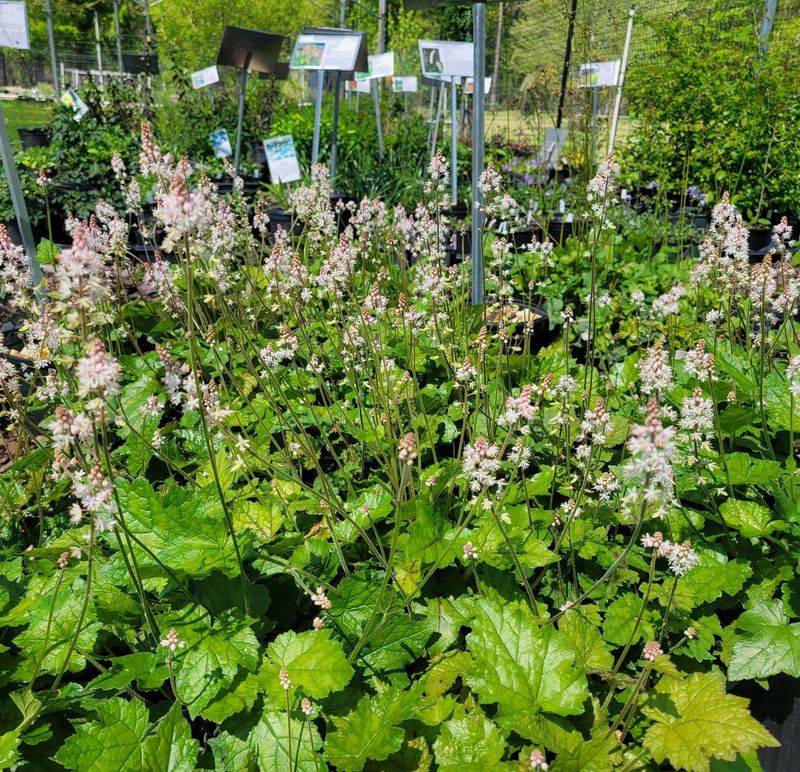
Alumroot earns its place in the North Carolina garden calendar from roughly June through October, when its small flower wands rise above the foliage and attract bees and other pollinators. NC State Extension identifies a specialized bee associated with the Heuchera genus and notes the foliage is generally considered unappetizing to deer and rabbits, which matters if your neighborhood has regular visitors from either.
That said, alumroot does not repel ticks, mosquitoes, or other household pests, and planting it will not make your yard a complete pollinator habitat on its own.
For genuinely deep shade, the kind where alumroot struggles to get enough light and the soil stays consistently moist, foamflower, Tiarella cordifolia, is a native North Carolina alternative worth considering. It spreads by runners, forms a groundcover, and handles dappled to full shade, but it needs humus-rich, consistently moist soil and is not a good fit for dry sites.
Building a bed that genuinely supports pollinators across the season means pairing alumroot with other plants that flower at different times, including late-season options like goldenrod and Joe Pye weed. Pollinator Partnership guidance on creating a pollinator garden emphasizes diverse plantings with flowers across the season, plus nesting habitat, water sources, leaf litter, and shelter resources.
Alumroot is a solid piece of that larger picture, and for the right shady North Carolina bed, it is a piece that does not have to be replaced every spring.