
14 Multicolor Perennials Georgia Gardeners Depend On For Year-Round Appeal
Follow us on Google
A Georgia garden has to handle heat, humidity, surprise cold snaps, and long growing seasons without losing its spark. That is exactly why dependable multicolor perennials earn such a loyal following across the state.
The plants below bring repeat bloom, strong foliage, and enough variety to keep beds interesting far beyond one short peak. If you want your yard to look thoughtfully planted in every season, these are the workhorses worth knowing.
Coneflower
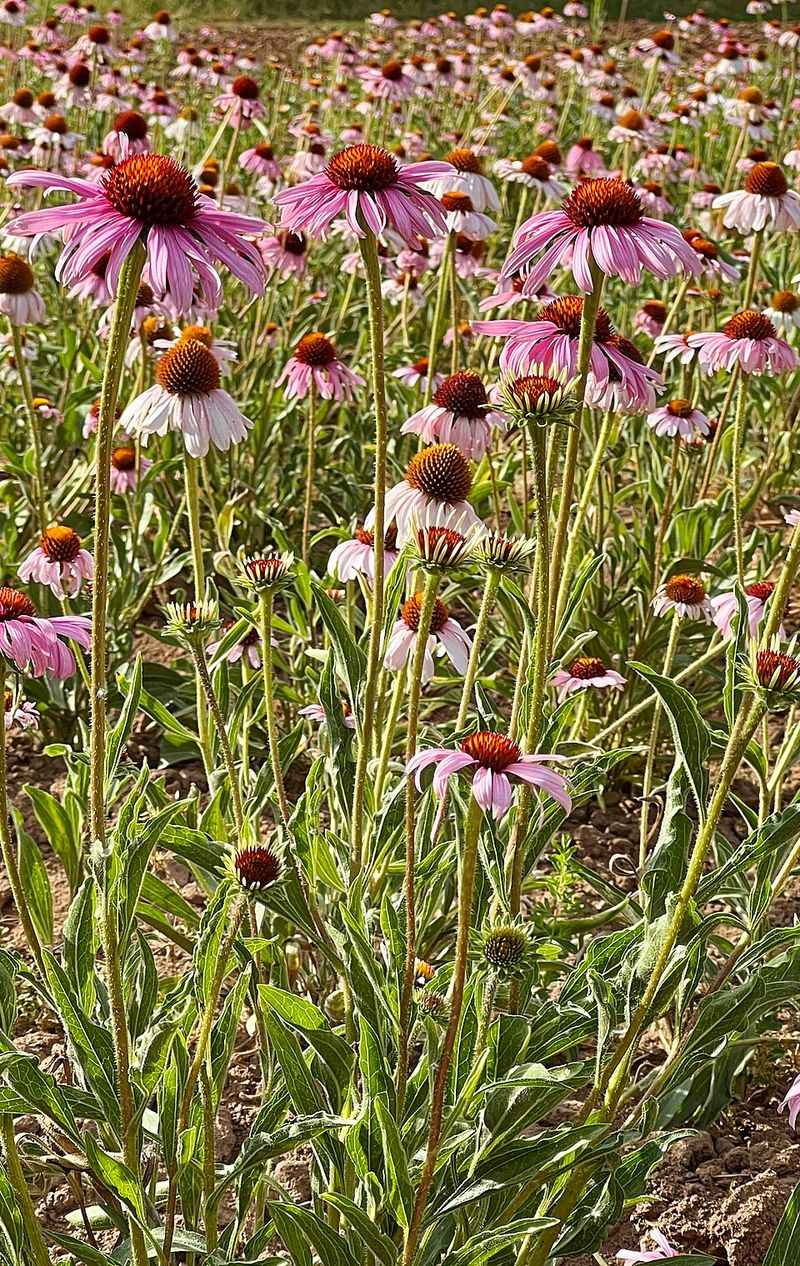
Color variety matters in a long-season garden, and this dependable bloomer offers more than the classic purple most people remember. Newer selections come in white, coral, orange, yellow, rosy pink, and even bicolored blends, giving you plenty of ways to customize a bed without sacrificing toughness.
That kind of range is helpful when you want a coordinated look that still feels relaxed and natural.
Georgia gardeners appreciate how well coneflowers handle summer sun once roots are established. They prefer decent drainage and do not love constantly soggy clay, so amending the planting area pays off early.
I usually leave seed heads standing after bloom because goldfinches visit them, and the dark cones keep structure in the border when softer plants fade.
Deadheading extends flowering, but you do not need to fuss over every spent stem to get a good show. These plants fit beautifully into pollinator gardens, mixed perennial beds, and even casual front-yard plantings where maintenance time is limited.
If you choose several flower colors and repeat them through a border, the result feels intentional without looking stiff. For a Georgia yard that needs stamina, wildlife value, and months of color, coneflower earns its reputation very quickly.
Daylily
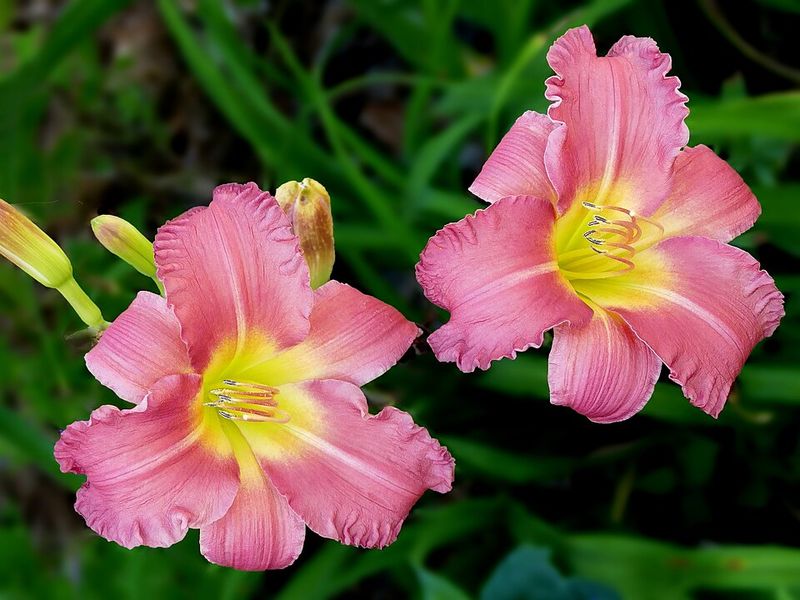
Reliable color through a Georgia summer gets much easier when reblooming varieties are part of the plan. Flower choices range from rich burgundy and tangerine to buttery yellow, lavender, peach, cream, and striking two-tone combinations.
That broad color spectrum lets you repeat a favorite shade or build an entire border around warm or cool tones.
Sun helps produce the best bloom count, though many types tolerate a bit of afternoon shade in hotter parts of the state. These perennials appreciate regular moisture while getting established, but mature clumps are surprisingly forgiving if rainfall becomes spotty.
I find them especially useful along fences and property edges because the strappy foliage stays neat enough to look intentional even between flushes of flowers.
Choosing cultivars with different bloom times stretches the season well beyond a brief early summer moment. Dividing crowded clumps every few years keeps flowering strong and gives you extra plants for other beds or for sharing with neighbors.
If deer pressure is light and your site gets good sun, daylilies can carry a huge amount of visual weight with very little pampering. For gardeners who want multicolor options without a demanding care routine, this old favorite still delivers in a very modern way.
Lantana
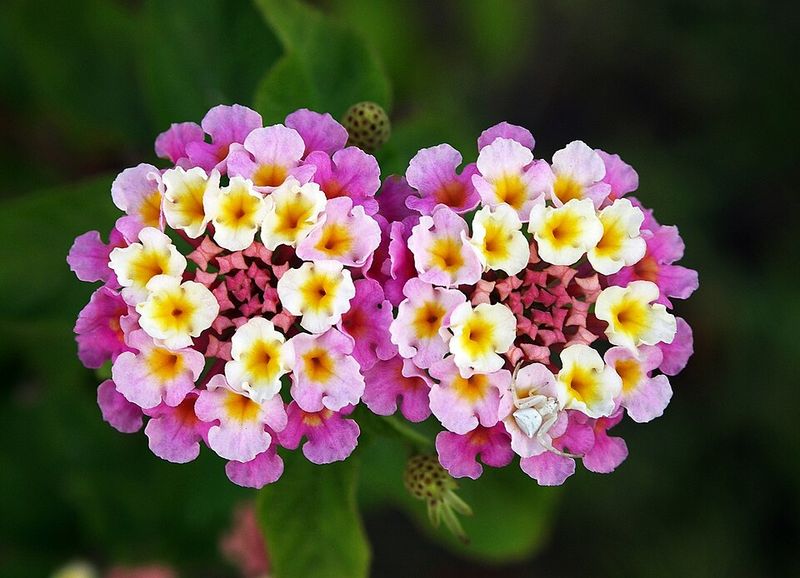
In Georgia heat, few perennials keep performing with as much color and confidence as this one. You get flower clusters that shift through orange, yellow, pink, and red, so a single plant already looks like a mixed planting.
That changing palette helps borders feel lively even when midsummer conditions wear down fussier favorites.
Full sun is the key, along with soil that drains well after heavy summer rain. Once established, it handles dry stretches nicely, which makes it useful near driveways, mailboxes, and other hot spots where irrigation is inconsistent.
I like pairing it with purple salvia or blue plumbago because the contrast makes the warm flower tones stand out even more.
In much of Georgia, lantana acts like a long-season star from late spring until frost. A light trim every few weeks keeps it compact and pushes fresh flower production instead of leggy growth.
If winter knocks it back, wait until spring warmth returns before cutting hard, because new shoots often emerge later than impatient gardeners expect. For nonstop color, pollinator activity, and easy care, this is one plant you will appreciate every single summer.
Coreopsis
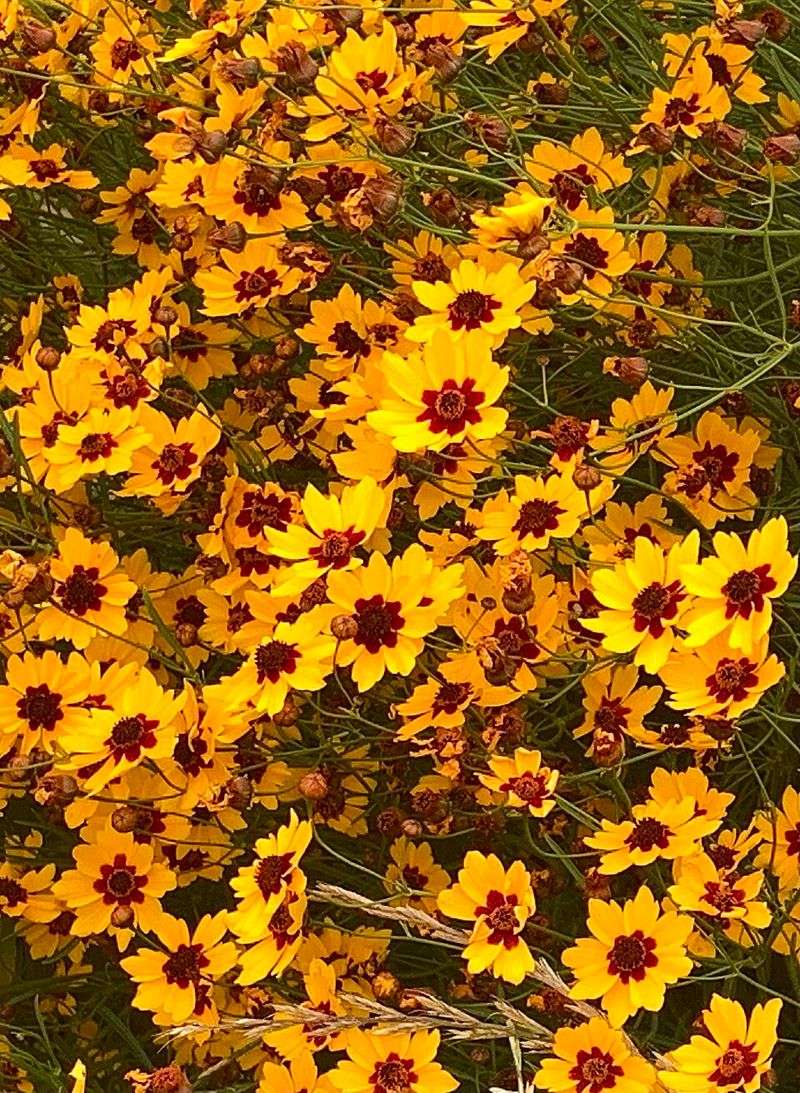
Long flowering and cheerful color make this perennial an easy choice when a border needs energy for months. Modern selections go beyond plain yellow and now include gold, soft pink, red, maroon, and eye-catching bicolors with contrasting centers.
That expanded palette gives you much more flexibility than older plantings that relied on one shade alone.
Sunny spots suit coreopsis best, especially in Georgia where good air movement helps plants stay tidy through humid weather. It prefers soil that drains reasonably well and often performs better with moderate fertility than with overly rich conditions.
I like slipping it into the front or middle of beds because the fine texture softens heavier plants like daylilies, shasta daisies, or dwarf shrubs.
Regular deadheading keeps blooms coming, though many newer cultivars are naturally free flowering and need less attention. A midsummer trim can refresh the plant if it starts to look tired after an early flush.
Since the flowers carry bright color without much bulk, coreopsis works nicely in small suburban yards where every square foot has to earn its place. If your goal is a Georgia garden that looks sunny, informal, and colorful from late spring onward, this perennial is one of the easiest ways to get there.
Salvia
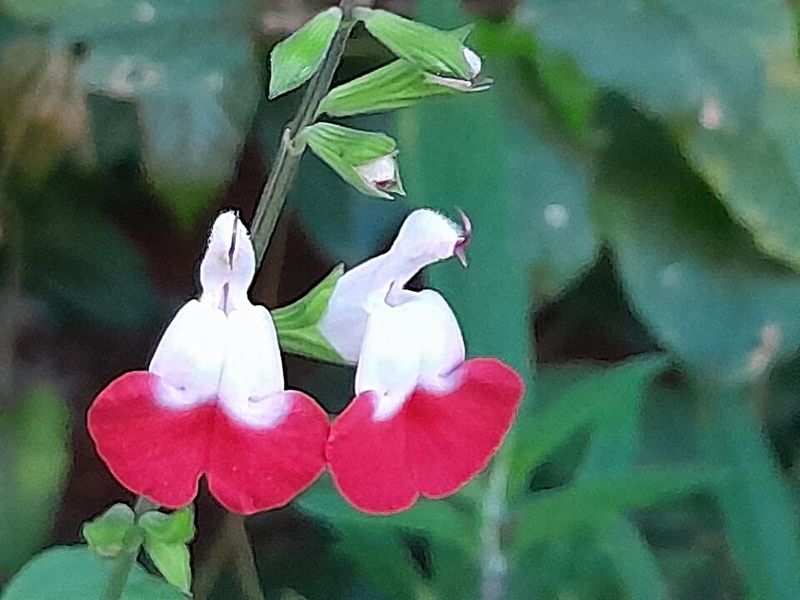
Strong vertical color can change the whole rhythm of a planting, and this perennial provides that structure beautifully. Depending on the variety, you can choose flowers in cobalt blue, violet, pink, white, or rich red, which is ideal when you want repeating spires across a mixed bed.
Those upright blooms also help looser plants nearby look more organized.
Full sun and decent drainage produce the best performance in Georgia, especially where summer humidity can challenge weaker perennials. Salvias generally shrug off heat well and attract hummingbirds so consistently that even a small planting feels lively.
I often suggest using them near patios or walkways, because the fragrance and movement make everyday spaces feel more planted and less purely functional.
Cutting back spent flower spikes encourages another round of bloom and keeps the clump from looking tired. Several hardy types return reliably year after year, while tender perennial forms can still be worthwhile in the warmer parts of the state.
Mixing blue or purple cultivars with yellow coreopsis or orange lantana creates a combination that reads clearly from a distance. For gardeners who want color, pollinator traffic, and a cleaner vertical shape in the border, salvia is one of the most useful tools available.
Garden Phlox
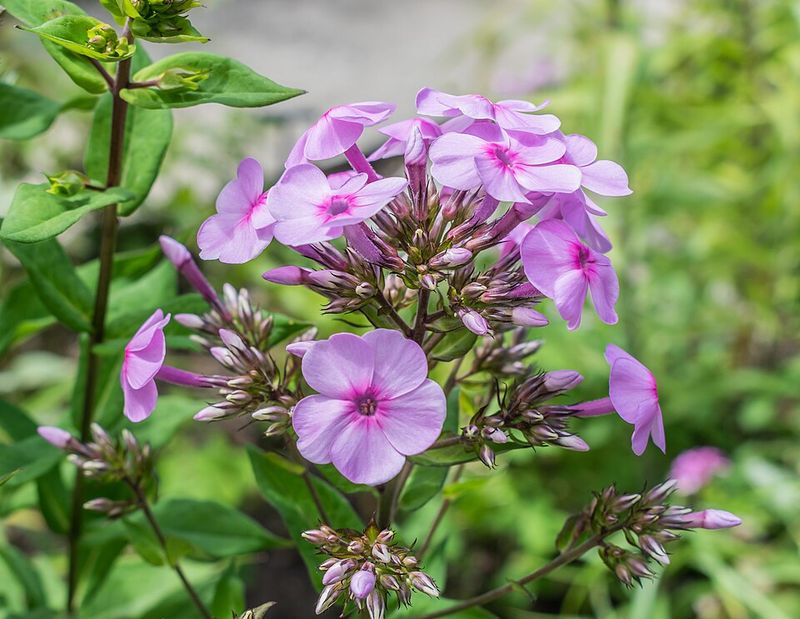
Summer borders need plants that can hold attention after spring bulbs and early bloomers disappear, and this one does exactly that. Flower heads come in white, pink, rose, lavender, coral, and handsome bicolors, so you can build a look that feels traditional or surprisingly fresh.
Few perennials fill visual space as quickly while still offering that generous, old-garden charm people love.
In Georgia, mildew resistance matters, so choosing modern cultivars is worth the extra effort. Give plants morning sun, good spacing, and air circulation to help foliage stay clean through humid spells.
I like placing garden phlox where afternoon shade softens peak heat, especially in the southern half of the state, because blooms often last better under those conditions.
Watering at the base instead of overhead also helps reduce disease pressure and keeps the display looking polished. Tall stems mix well with ornamental grasses, coneflowers, and black-eyed Susans, creating that full midsummer border many gardeners want without constant replanting.
If you deadhead lightly, flowering can continue longer than many people expect. For rich color, fragrance, and a classic cottage-garden feel that still works in a modern landscape, garden phlox remains one of Georgia’s smartest perennial choices.
Bee Balm
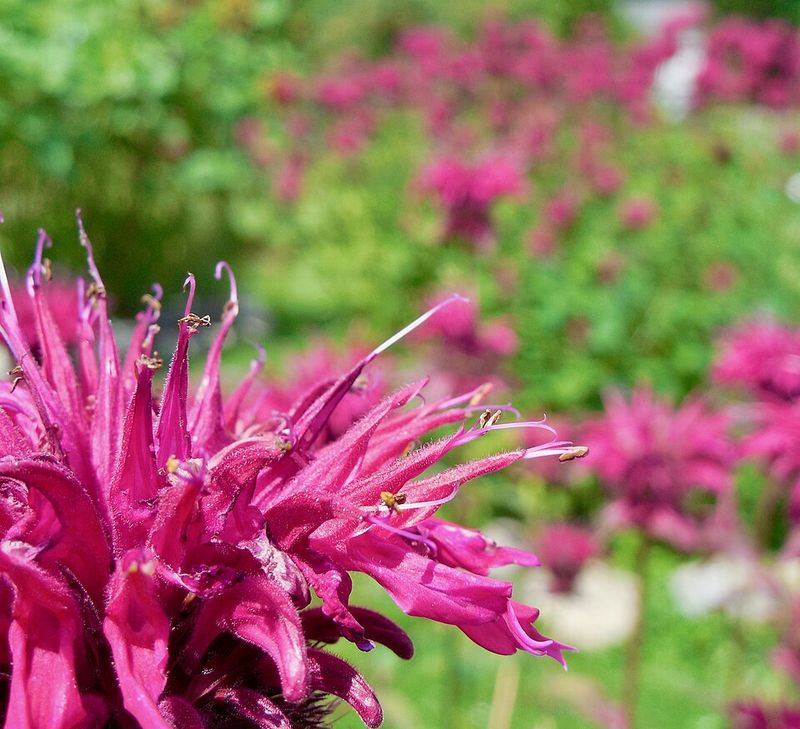
Pollinator gardens look more animated when flowers have unusual shape and saturated color, and this perennial supplies both. Tubular blooms appear in red, pink, purple, lavender, and white, adding a wild but still intentional look to mixed beds.
The shaggy flower form also brings textural contrast that keeps planting schemes from feeling flat.
Georgia humidity can make bee balm tricky if it is crowded, so site selection really matters. Morning sun, steady moisture, and good airflow help the foliage stay healthier and flowering stay stronger.
I usually recommend it for the middle of the border, where neighboring plants support the stems but do not smother them, and where hummingbirds can be seen from a porch or kitchen window.
Dividing every few years prevents the center from thinning and gives you a chance to spread color through the garden. If powdery mildew has been a problem, look for improved cultivars bred for better resistance rather than abandoning the plant entirely.
The leaves carry a pleasant fragrance, and the flowers make even a simple bed feel more dynamic. For gardeners who want movement, wildlife activity, and strong midsummer color in several shades, bee balm brings personality that many more polished perennials simply cannot match.
Yarrow
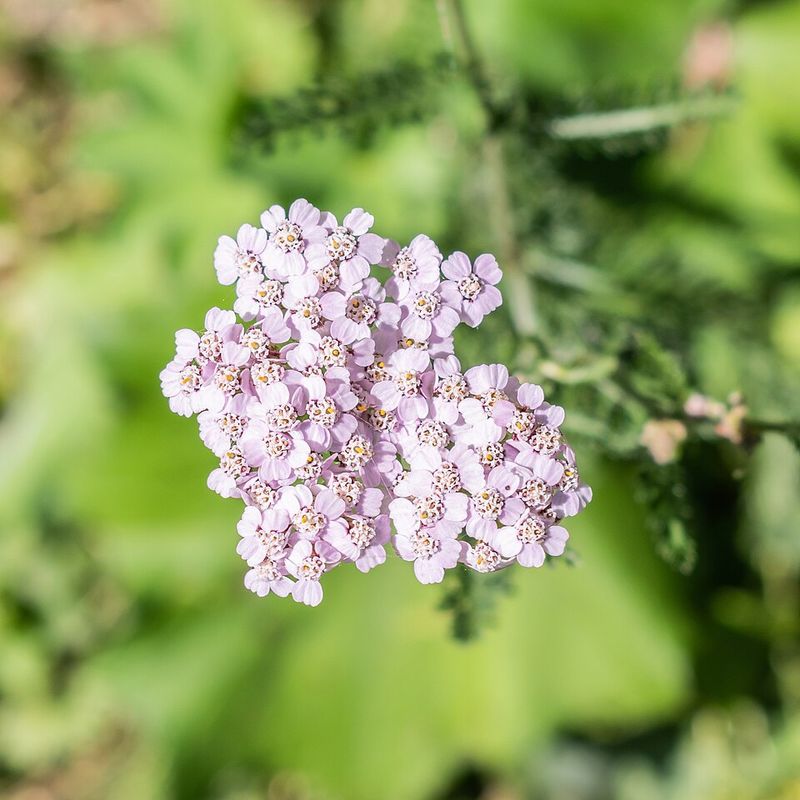
Flat-topped flower clusters create a different visual effect than spikes or daisies, which is part of this plant’s appeal. Modern yarrow comes in yellow, cream, blush, pink, red, terracotta, and soft apricot, making it surprisingly versatile in multicolor planting schemes.
The finely cut foliage also adds texture that helps broader leaves nearby look even better.
Dry, sunny spots suit it best, so this is a smart option for parts of a Georgia yard that bake all afternoon. Rich soil can make stems floppy, which surprises people who assume more fertility always helps.
I prefer planting it in leaner ground along edges, gravel-style beds, or near paths where the flowers can be appreciated up close without shading lower companions.
Deadheading encourages repeat bloom, and cutting stems for indoor arrangements often keeps the plant looking fresh outside too. Good drainage is essential in winter, especially in heavier clay, so raised beds or amended sites usually outperform low wet areas.
The muted colors blend beautifully with bolder flowers like salvia or gaillardia, giving you more nuanced combinations than a border made of only bright primaries. For heat tolerance, drought resilience, and a broad range of flower colors, yarrow deserves more attention in Georgia gardens.
Gaillardia
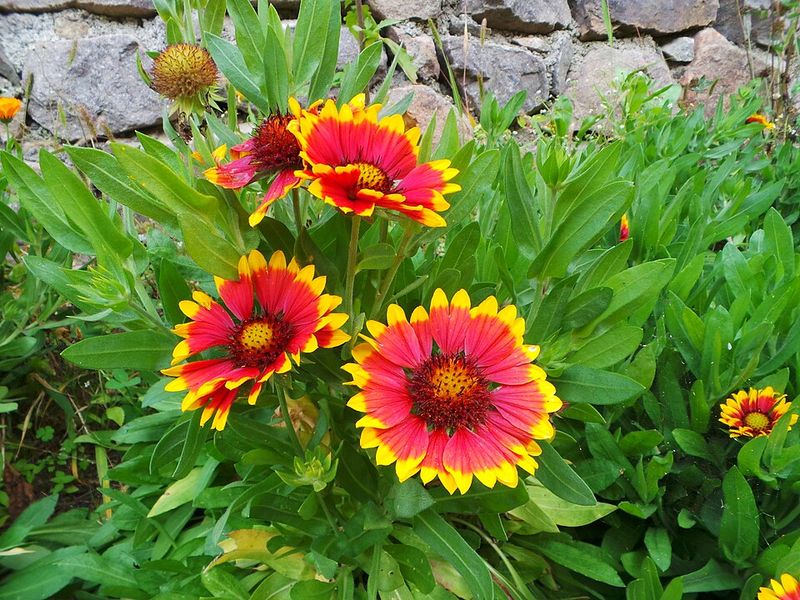
Few flowers capture a warm-weather color palette as clearly as this bright, sun-loving perennial. Petals often blend red, orange, yellow, and gold in one bloom, so even a small clump adds a lot of visual punch.
That fiery range works especially well in Georgia landscapes where intense summer light can wash out softer shades.
Good drainage is nonnegotiable, because gaillardia dislikes sitting in wet soil after heavy rain. Full sun keeps the plants compact and flowering heavily, making them ideal for hotter sites near stone, concrete, or reflective walls.
I like using them where the garden needs a bold accent, especially beside blue salvias or silver foliage, which cools down the overall look without dulling it.
Deadheading extends bloom and prevents the planting from looking tired by late summer. Short-lived plants are common, but they often reseed lightly, and replacing a few every couple of years is a fair trade for the months of color they provide.
If your border needs something cheerful that can handle heat and not complain, gaillardia earns its space quickly. For Georgia gardeners chasing strong contrast, long bloom, and a carefree attitude in full sun, this perennial remains a dependable and highly effective choice.
Heuchera
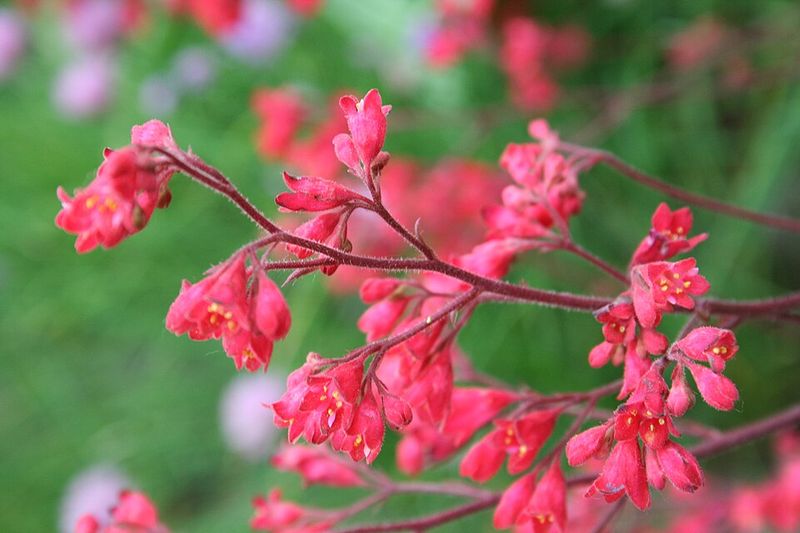
Flower color is only part of the year-round equation, and this perennial proves foliage can carry just as much weight. Leaves come in lime, amber, silver, burgundy, plum, peach, and nearly black shades, often with dramatic veining that reads beautifully in shade.
Those colors persist long after brief bloom periods pass, which makes the plant especially valuable in Georgia gardens that need steady interest.
Morning sun or bright shade usually works best, particularly where summers are hot and afternoons turn intense. Good drainage helps prevent crown problems, so planting slightly high in amended soil is often smarter than tucking it into dense clay.
I like using heuchera near front walkways, under small trees, or in containers where the leaf colors can be repeated and noticed at eye level.
Air circulation matters in humid conditions, and removing tired outer leaves in late winter keeps clumps looking fresh. Flower spikes in white, pink, or coral are a nice bonus, but the foliage is what truly earns its keep across seasons.
Mixing several leaf colors together creates a layered effect that feels rich without relying on nonstop bloom. For Georgia gardeners who want dependable multicolor interest in shade, heuchera offers one of the easiest ways to make quieter parts of the yard feel intentional and finished.
Hellebore
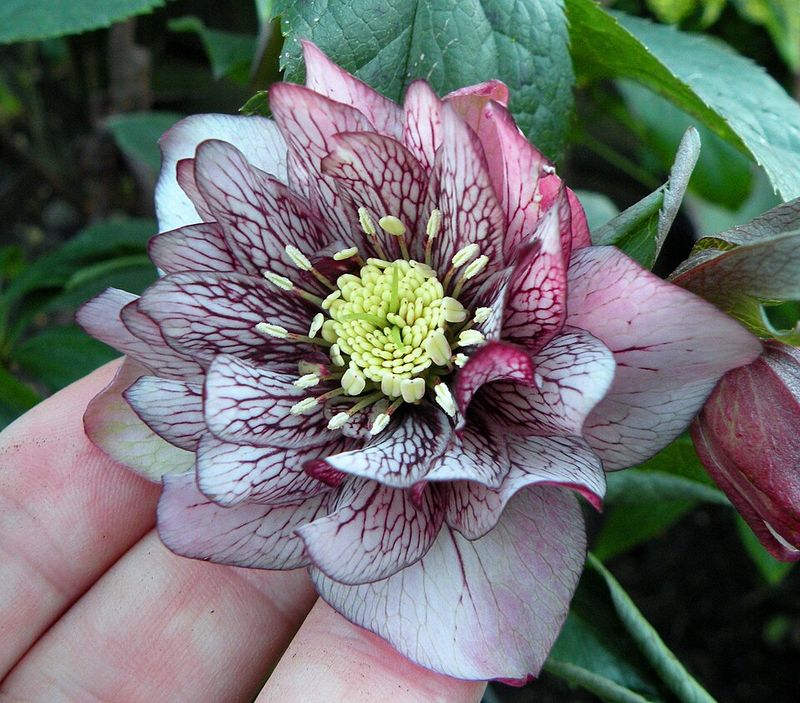
Winter and early spring can feel visually thin in the landscape, which is why this perennial is such a welcome presence. Flowers appear in white, cream, blush, mauve, burgundy, green, and beautifully spotted or picotee forms, often when very little else is happening.
That quiet but sophisticated range gives shaded Georgia beds color exactly when they need it most.
Hellebores prefer rich, well-drained soil and appreciate the dappled conditions found beneath deciduous trees. They tolerate dry shade once established better than many flowering perennials, which makes them practical as well as elegant.
I often suggest planting them where their nodding blooms can be seen from a path or entry, because their detail deserves a closer look than distant border placement allows.
Old foliage can be removed in late winter just before buds emerge, improving both plant health and flower visibility. After bloom, the leathery evergreen leaves continue providing structure, so the clump still contributes when brighter spring flowers take over.
These plants are slow to bulk up, but their staying power makes patience worthwhile. For Georgia gardeners who want multicolor bloom during the quiet season and handsome foliage the rest of the year, hellebores offer an uncommon blend of restraint, durability, and real garden value.
Hardy Hibiscus
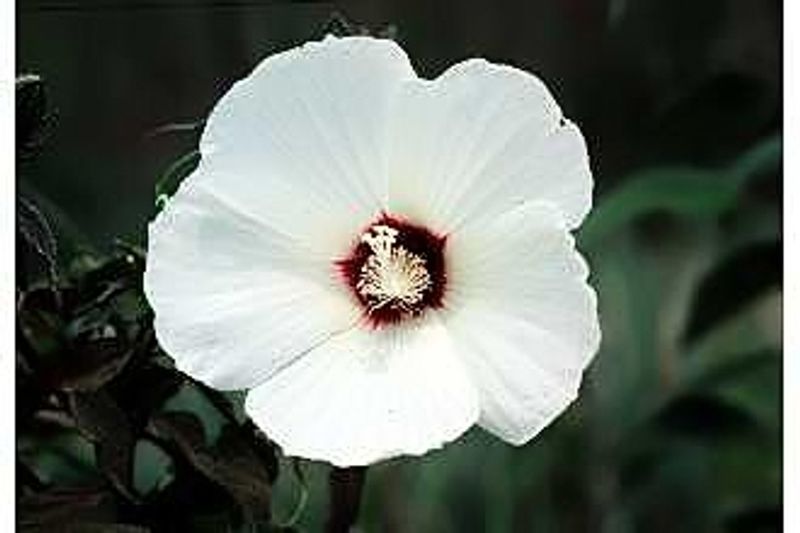
Big summer drama is hard to beat when a planting needs a focal point, and this perennial delivers it in oversized blooms. Flower colors include white, blush, hot pink, red, and striking bicolors with deep eyes that pull attention from across the yard.
Because each bloom is so large, even one mature clump can anchor an entire bed.
Georgia conditions suit hardy hibiscus well if the soil stays reasonably moist and the site gets strong sun. New growth emerges late in spring, so patience matters before assuming winter caused damage.
I like using it at the back of borders or near fences, where the tall stems can rise above lower companions and create a bold late-season layer after early perennials fade.
Regular water encourages larger flowers and fuller growth during the hottest months. Pairing it with grasses, daylilies, or dark-leaved shrubs helps balance the tropical look so it still feels grounded in a Southern garden.
Cutting stems back after frost keeps the planting tidy, and mulch helps roots through colder periods in north Georgia. For gardeners who want color, scale, and a fresh burst of energy in midsummer through early fall, hardy hibiscus offers a memorable display that never feels timid or easy to ignore.
Autumn Sage
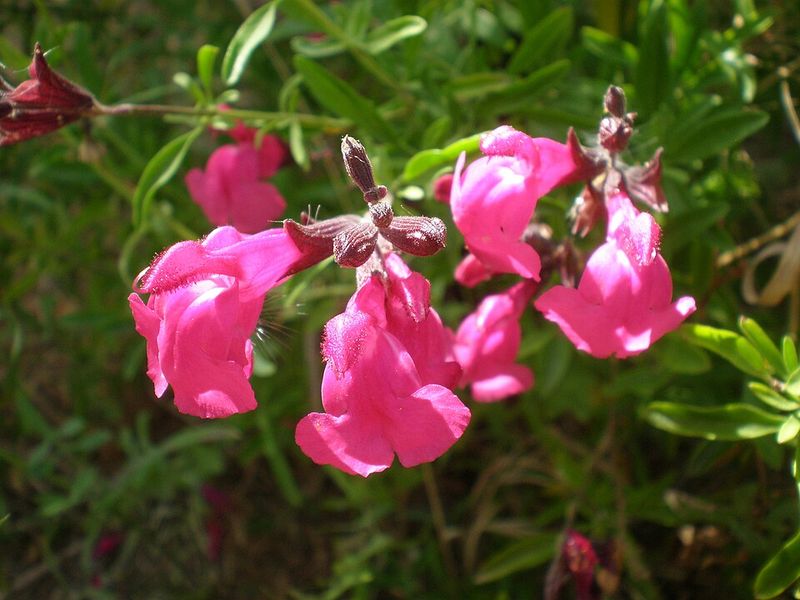
Extended bloom in a compact plant is especially useful when you want color without overwhelming a smaller bed. This perennial offers flowers in red, coral, pink, purple, salmon, and white, often over a very long season in warm regions.
That makes it a smart choice for Georgia gardeners who want steady color near entrances, patios, or narrow borders.
Excellent drainage and full sun are the two conditions that matter most for success. In heavy clay, raised beds or amended planting pockets greatly improve longevity, particularly after wet winters.
I like the slightly shrubby habit because it gives structure even when flowering slows, and hummingbirds treat it like a dependable stop through the warm months.
Light shearing after a heavy bloom cycle keeps the plant dense and encourages another flush instead of a sparse, woody look. In colder parts of Georgia, winter protection and a sheltered site can help it return more reliably, while gardeners farther south often see an even longer performance.
Mixing several flower colors in one planting reads cheerful without becoming chaotic because the foliage remains restrained. For a sun-baked site that needs multicolor bloom, pollinator appeal, and manageable size, autumn sage is one of the most practical perennials you can grow.
Black-Eyed Susan
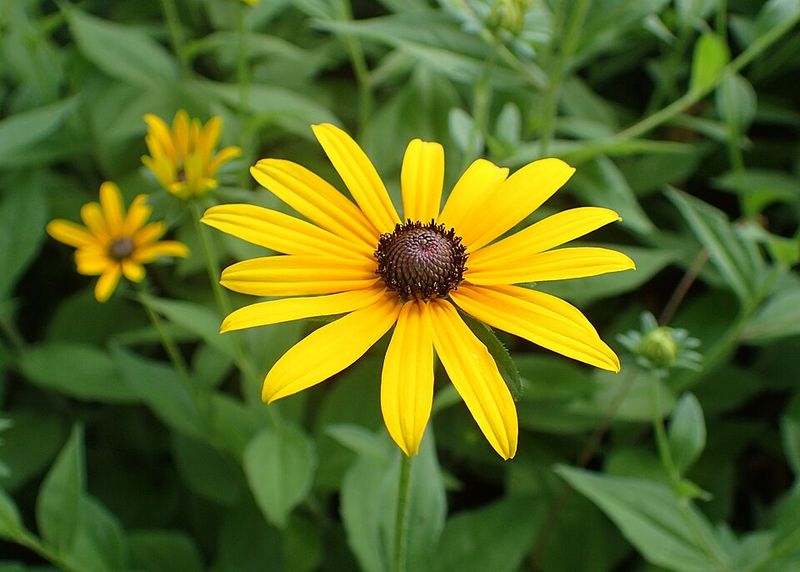
Late-season brightness can rescue a border that starts looking tired by August, and this perennial does that job well. Beyond the familiar yellow, you can find selections in gold, orange, rust, red, and attractive bicolors that stretch the color story much further.
That range makes it easy to keep a naturalistic planting from feeling repetitive.
Full sun and average soil are usually enough for strong performance in Georgia, though newer cultivars vary in longevity. The daisy form combines effortlessly with ornamental grasses, salvias, and asters, creating a classic late-summer picture without much planning.
I often recommend repeating clumps through a bed instead of planting one large patch, because the color carries your eye across the landscape more effectively.
Deadheading can prolong flowering, but leaving some seed heads adds autumn texture and feeds birds later on. If plants get too crowded, dividing or replacing a few keeps the display vigorous and reduces that worn-out look older clumps sometimes develop.
Their upright habit and warm tones also photograph beautifully, which matters if you enjoy seeing the garden from the house as much as from the path. For cheerful color from summer into fall, black-eyed Susan remains one of the easiest and most dependable perennials Georgia gardeners can count on.