
How To Rip Out Useless Florida Lawn And Plant Something That Pays You Back
Follow us on Google
Your Florida lawn might be costing you more than you think in water, fertilizer, and weekend hours spent pushing a mower in August heat.
But the fix is not ripping out every blade of grass and hoping for the best.
The smarter move is figuring out which turf is actually working for you and swapping out the rest for plants that give something back, whether that is shade, food, habitat, or just a yard that does not need babysitting every week.
That payback is real, but it is not automatic, and this guide will show you exactly how to make it happen.
Keep the Lawn That Actually Works
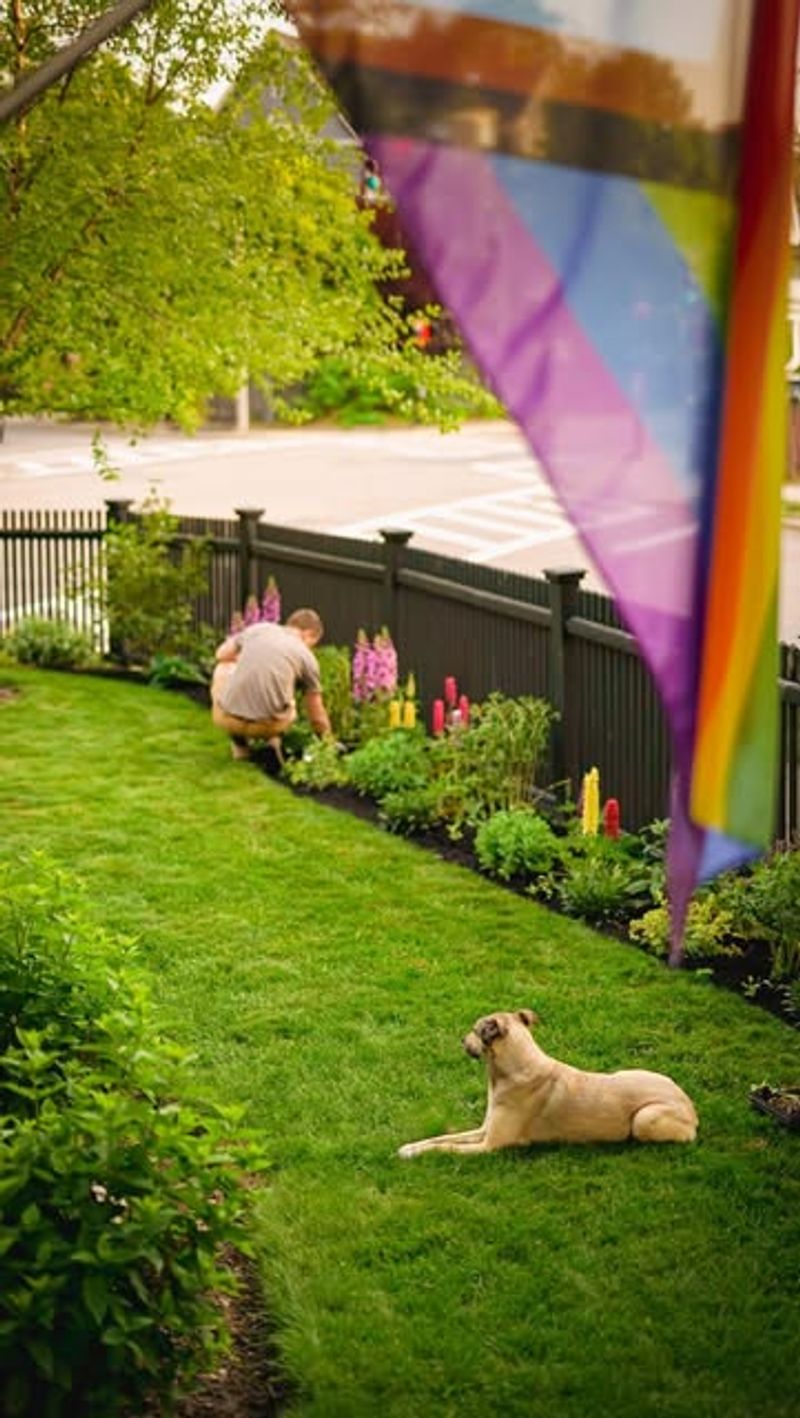
Somewhere between the neighbor who paved everything and the one who let the weeds take over, there is a practical middle ground that actually makes sense for Florida.
UF/IFAS Florida-Friendly Landscaping guidance is clear on this: reduce turf to a functional area, not zero.
Grass still earns its spot where kids play, dogs run, guests walk through, or where a bare slope would wash away in the next afternoon storm.
Walk your yard and ask what each section of turf actually does.
If the answer is “nothing except grow and need mowing,” that patch is a candidate for conversion.
Look for the thin, struggling strips under a live oak where St. Augustine never fills in, the soggy corner that stays wet three days after rain, the narrow side yard too tight to mow comfortably, or the full-sun slope where grass scorches every July.
Those are your problem areas, and they are costing you the most for the least return.
Replacing them does not mean your water bill drops the day after you pull the sod.
New plants need establishment irrigation, and that temporary demand can actually run higher than what the turf used.
The honest promise is a possible reduction in mowing, fertilizer, and irrigation over time after the new plants settle in, not an immediate payback you can count on the first season.
Florida’s rainfall varies enough by region, soil type, shade level, and irrigation setup that no single conversion automatically saves money.
What it can do is trade a high-effort, low-reward lawn section for something better matched to what your yard actually does.
Read the Site Before You Remove the Sod
The fastest way to waste money on a lawn conversion is to buy plants before you understand what you are planting into.
Florida yards are not one thing.
You might have deep sandy soil that drains in minutes, a low pocket that holds water for days, compacted soil under an old driveway apron, or shallow limestone just a few inches down if you are in South Florida or the Keys.
Each of those calls for a different approach.
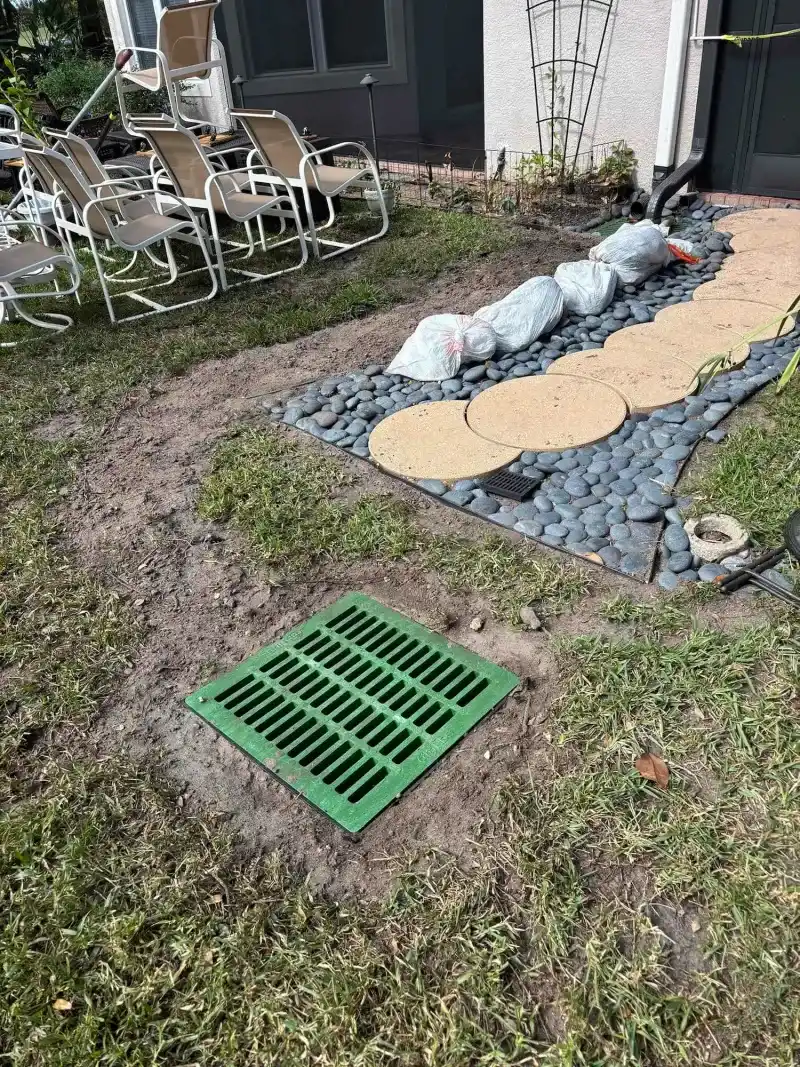
Start by watching your yard after a hard rain, because Florida delivers plenty of those.
Note where water pools, where it moves, and where it disappears fast.
That observation tells you more about drainage than any test.
Then check where sun actually falls through the day, not just at noon.
A bed that gets morning shade from a neighbor’s fence and full afternoon sun in summer is a different planting environment than one that gets filtered light all day under a tree canopy.
Locate your irrigation heads and any visible components before you touch a shovel.
Cutting a line is an expensive mistake.
Test soil pH and nutrients through your county UF/IFAS Extension office before buying amendments, because edible ornamental landscaping guidance for North-Central Florida recommends matching plants to existing conditions rather than trying to permanently change your soil to suit the wrong plant.
Your assessment determines where the beds go, which plants survive, how much irrigation you will need, and whether that shaded strip under the oak is a planting opportunity or a drainage problem that needs a different fix entirely.
Remove Turf Without Creating New Problems
Pulling out sod sounds simple until you realize you can create three new problems while solving one.
Start mechanical, not chemical.
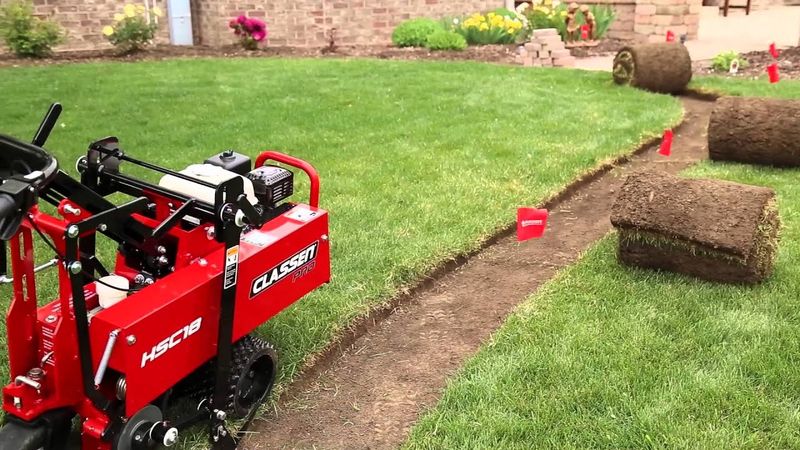
A flat spade or rented sod cutter works well for most home-scale removals.
Cut the turf into manageable sections, roll them up, and either compost them off-site or use them to fill bare spots elsewhere in the yard where grass actually belongs.
For dense or difficult vegetation, solarization is worth considering in Florida’s intense summer heat.
Cover the area with clear plastic sheeting, seal the edges, and let the sun cook the soil for 4 to 6 weeks.
It suppresses many weeds and some soil pests, though it works best during the hottest months and is not a perfect solution for everything growing underneath.
Before you disturb any plant you did not put there, identify it.
UF/IFAS guidance on removing invasive plants warns that spreading or sharing invasive species while clearing a bed is a real risk.
Check the UF/IFAS Assessment of Non-Native Plants before you bag cuttings, compost roots, or hand anything to a neighbor.
If you reach for an herbicide, use only a product registered for your specific site and follow the label exactly.
The UF/IFAS Florida Homeowner Herbicide Guide is direct: using a pesticide in a way not consistent with its label is illegal.
Skip household mixtures made with salt, bleach, ammonia, dish soap, or vinegar.
Those can damage soil structure, harm beneficial organisms, and create water-quality problems that outlast the weeds.
Planning an edible bed in that space?
Pesticide labels for sedges and lawn weeds are not interchangeable with food-crop labels.
A product cleared for ornamental use is not automatically legal or safe near vegetables, herbs, or fruit trees.
Read a separate label for every product used near anything you plan to eat.
Design Beds That Use Water Intentionally
Bare ground left after sod removal does not stay bare for long in Florida.
Weeds move in fast, and if you have not thought through the bed design, you end up with more maintenance than the lawn you removed.
The goal is a planted space that works with how your site actually drains, rather than fighting it.
Group plants with similar water needs together.
A firebush next to a vegetable bed creates irrigation conflict because those plants want very different things at different times.
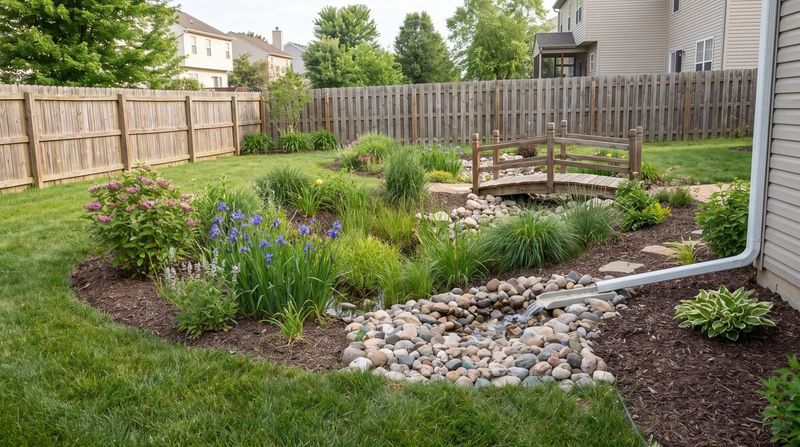
Route runoff toward planted areas when the grading allows it, or consider a shallow rain garden where a low spot already collects water after storms.
Florida-Friendly Landscaping design guidance specifically recommends directing runoff into planted areas, swales, or rain gardens as part of a water-conscious landscape plan.
Mulch is genuinely useful here, but it is not a permanent weed solution.
Settle organic mulch at 2 to 3 inches deep across the bed, keeping it several inches back from plant stems and at least 10 to 12 inches away from tree trunks.
UF/IFAS mulch guidance notes that mulch decomposes, shifts, and needs replenishment, and some persistent weeds, including sedges with underground tubers, can push through even a good layer.
One more consideration if your beds sit close to the house: UF/IFAS firewise landscaping guidance cautions against letting combustible organic mulch and dead plant material accumulate against structures.
Space plants so air moves between them, remove dead material regularly, and think about what is sitting against your siding or fence before the dry season arrives.
Give New Plants Water Before Expecting Savings
Here is where a lot of Florida homeowners get surprised.
You pull the sod, plant something drought-tolerant, and then the water bill goes up for the first few months.
That is normal, and it does not mean the project failed.
New plants need frequent, light irrigation focused right around the root ball while their roots are still contained in the original plug or container soil.
As roots push out into surrounding soil over the following weeks, you back off gradually, watering less often but still deeply enough to encourage roots to move outward.
UF/IFAS irrigation guidance for Florida-Friendly landscapes describes this staged approach as essential to establishment, and skipping it kills plants that would otherwise thrive for years with minimal care.
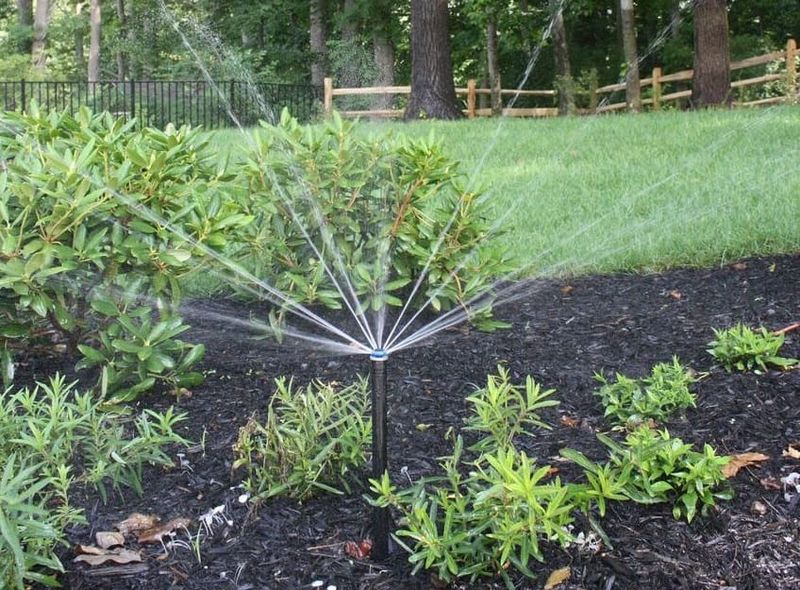
Microirrigation, meaning drip emitters or low-volume heads targeted at the root zone, suits new beds better than overhead spray.
It keeps foliage dry, reduces fungal problems in Florida’s humid summers, and puts water where the roots actually are instead of across the mulch surface.
Separate your irrigation zones by plant type.
Florida lawn watering guidance from UF/IFAS makes the point clearly: turf, trees, shrubs, vegetables, and containers do not share the same water schedule.
Running your turf zone over a new shrub bed, or vice versa, wastes water and stresses both.
A general starting guideline for Florida landscapes is no more than one-half to three-quarters of an inch per irrigation event, though your actual schedule should account for local watering restrictions, soil type, current weather, and what is actually planted.
Once established, many well-matched Florida-Friendly plants need little or no irrigation during normal rainfall periods.
But expect them to need supplemental water during prolonged drought, unusual heat waves, or when fruiting plants are actively setting fruit.
That is not a design failure, it is just honest plant biology.
Choose Plants for the Place and the Job
Picking plants by function and location beats picking them by a label. “Native” is a useful starting point, but a native plant placed in the wrong soil, drainage zone, salt exposure, or sun level can struggle just as badly as any ornamental.
The question to ask first is what do you need this plant to do, and what exactly is this spot like.
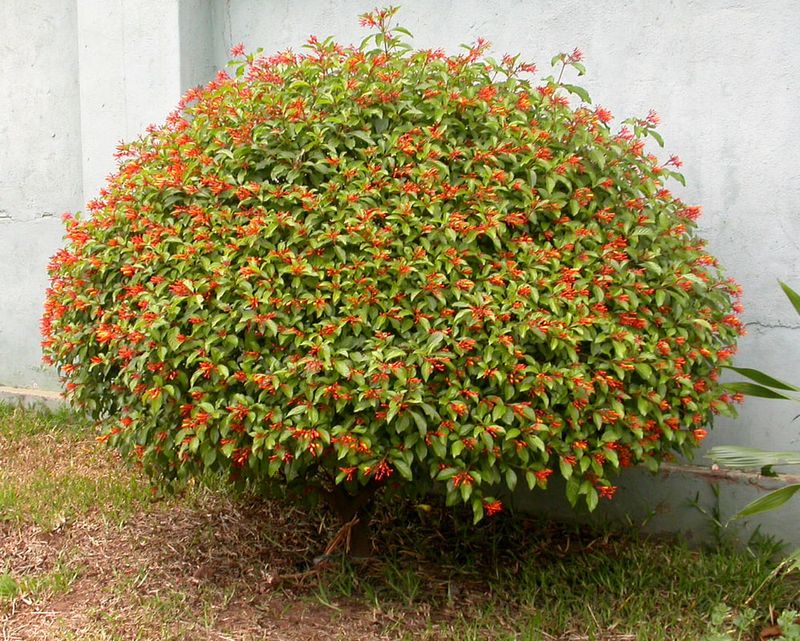
For pollinator support across most of Florida, firebush (Hamelia patens) delivers.
UF/IFAS nectar plant guidance lists it for North, Central, and South Florida as a reliable nectar source for hummingbirds and butterflies.
Beach sunflower (Helianthus debilis) is listed statewide and can bloom nearly year-round in South Florida, making it a low-maintenance choice for sunny spots.
Butterfly milkweed (Asclepias tuberosa) appears on UF/IFAS guidance for North and Central Florida, but it is not a universal statewide recommendation, so check regional guidance before planting it in South Florida or the Keys.
American beautyberry (Callicarpa americana) tolerates a range of Florida soil types and light conditions and produces berries that birds use, though the specific planting site still matters for long-term performance.
For screening or structure, Simpson’s stopper (Myrcianthes fragrans) works well across Central and South Florida and handles coastal conditions better than many ornamentals.
Coastal yards along the Gulf Coast, Atlantic Coast, or in the Keys need an extra layer of plant selection.
Salt tolerance varies widely, and UF/IFAS guidance on native trees for South Florida distinguishes high salt tolerance, meaning a plant can handle direct salt spray and soil salinity, from medium and low tolerance that require increasing protection from exposure.
A plant that thrives in inland Central Florida can fail within a season near the water without that match.
Check the UF/IFAS edible landscaping guide and the UF/IFAS Assessment of Non-Native Plants before purchasing anything fast-spreading or unfamiliar.
Fountain grass (Pennisetum setaceum) looks like a reasonable ornamental choice until you find out it is an identified Florida invasive plant of concern.
Let Food and Habitat Earn Their Space
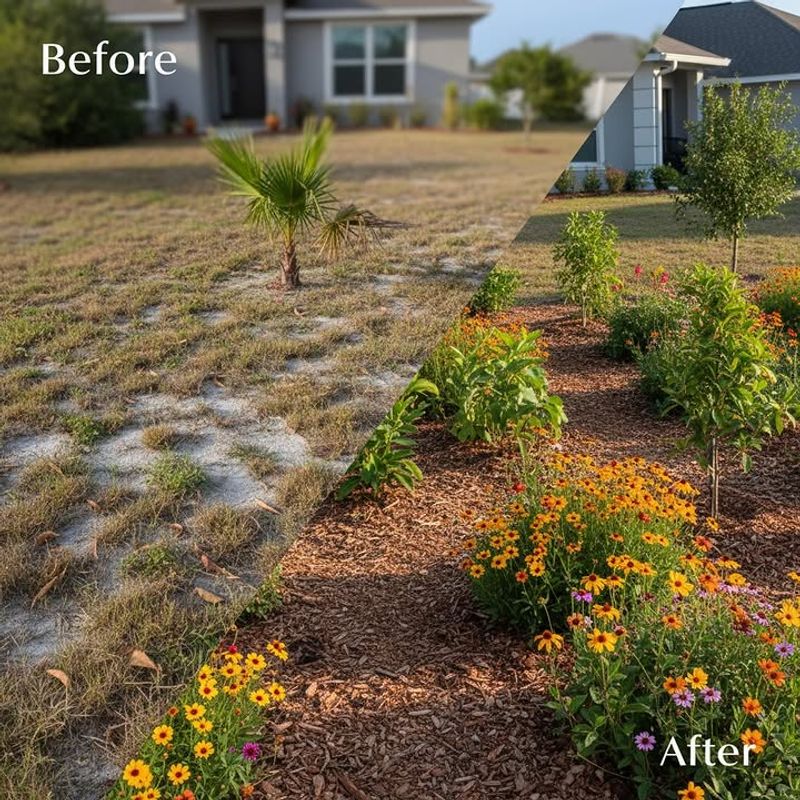
A converted bed can do more than look better than the grass it replaced.
Foodscaping, which means weaving fruits, vegetables, herbs, and edible flowers into the landscape, is genuinely compatible with Florida-Friendly design principles.
UF/IFAS edible landscaping guidance describes how productive plants can combine with mulch, pollinator habitat, and low-input perennials in the same bed.
The UF/IFAS McPherson Foodscape in Marion County is a real working example of this approach in a Florida yard, combining edible production with habitat and low-maintenance perennials.
Think of it as a proof of concept, not a guarantee that your harvest will offset your grocery bill.
Frame food production honestly.
Tomatoes in a Central Florida summer need consistent irrigation, pest monitoring, and sometimes shade cloth.
Herbs like rosemary and lemongrass are more forgiving once established, but even they can struggle through an unusual freeze in North Florida or a prolonged dry stretch without supplemental water.
Seasonal replanting, pest protection, and extra water during hot or dry periods are part of the deal with food crops, not exceptions to it.
Habitat planting works best when you think beyond flowers.
UF/IFAS nectar plant resources draw a clear line between nectar plants that feed adult butterflies and host plants that caterpillars actually need to complete their life cycle.
Gulf fritillaries need passionvine (Passiflora spp.).
Zebra longwings also rely on passionvine.
Monarchs need milkweed species appropriate to your Florida region.
A bed full of flowers attracts adults, but without host plants you are running a diner with no nursery attached.
Mixing nectar sources, host plants, and edible production in the same space creates a yard that supports more than one function at once.
That layered approach is what makes a converted bed feel worth the effort over time.
Measure the Payback Without Fooling Yourself
A year after you pull the sod, you should be able to look at the project honestly and decide whether it is working.
That evaluation goes better if you separated the costs from the benefits before you started, rather than assuming the yard would pay for itself on a fixed schedule.
Upfront costs are real.
Sod removal, soil preparation, irrigation changes, plants, mulch, and labor add up quickly.
Florida-Friendly Landscaping design guidance supports a phased approach for exactly this reason: converting one section at a time spreads costs and lets you learn what works before committing the whole yard.
Possible savings show up later and unevenly.
Mowing costs drop when the turf area shrinks.
Fertilizer and pesticide spending may fall in beds that do not need them.
Irrigation demand can decrease after establishment, though UF/IFAS irrigation guidance is clear that savings depend on what you planted, how efficiently your system runs, and whether local rainfall is cooperating.
High-maintenance ornamentals or food crops that need frequent watering can delay or erase those savings entirely.
Ongoing work does not disappear.
Weeding, mulch replenishment, pruning, pest monitoring, harvesting, and storm cleanup are all part of a converted landscape.
UF/IFAS annual flower guidance notes that annual plantings require bed preparation, watering, fertilizing, and deadheading, which is a useful reminder that not every lawn replacement is automatically lower effort.
Wind, flooding, salt spray, and fire risk are site-specific factors, not problems a planting plan automatically solves.
UF/IFAS firewise landscaping guidance covers plant spacing, dead-material removal, and combustible mulch placement near structures as ongoing maintenance tasks, not one-time design choices.
Storm cleanup after a tropical system can add real labor to a bed full of broken branches and shifted mulch.
The most useful measure of success is not a payback period.
Keep the grass that earns its keep, remove the turf that does not, and judge the result by the combined practical benefits: less mowing, more habitat, possible harvests, and a yard that fits Florida rather than fighting it.