
12 Easy Perennials Beginners Should Start With In North Carolina
Follow us on Google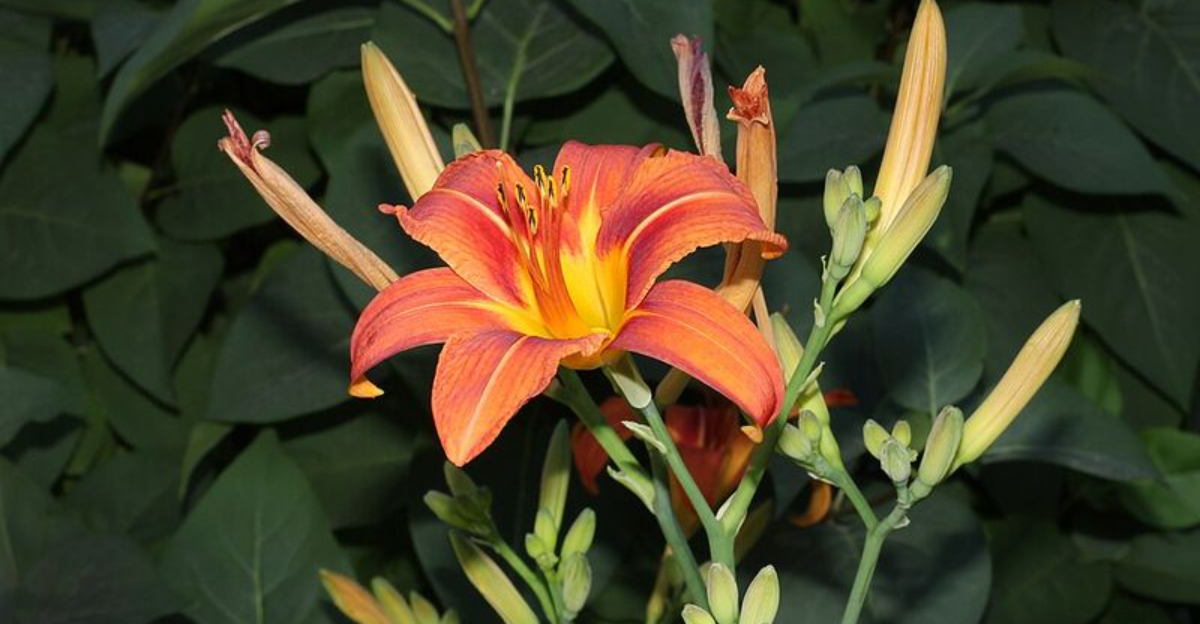
North Carolina gives gardeners a little bit of everything, from humid summers to surprise cold snaps, so plant choice matters more than most beginners expect. The good news is that plenty of perennials handle those swings without demanding expert-level care.
If you want a yard that looks fuller each year without replanting every spring, these reliable picks make starting much easier. A few smart choices now can save you money, time, and plenty of frustration later.
Black-Eyed Susan
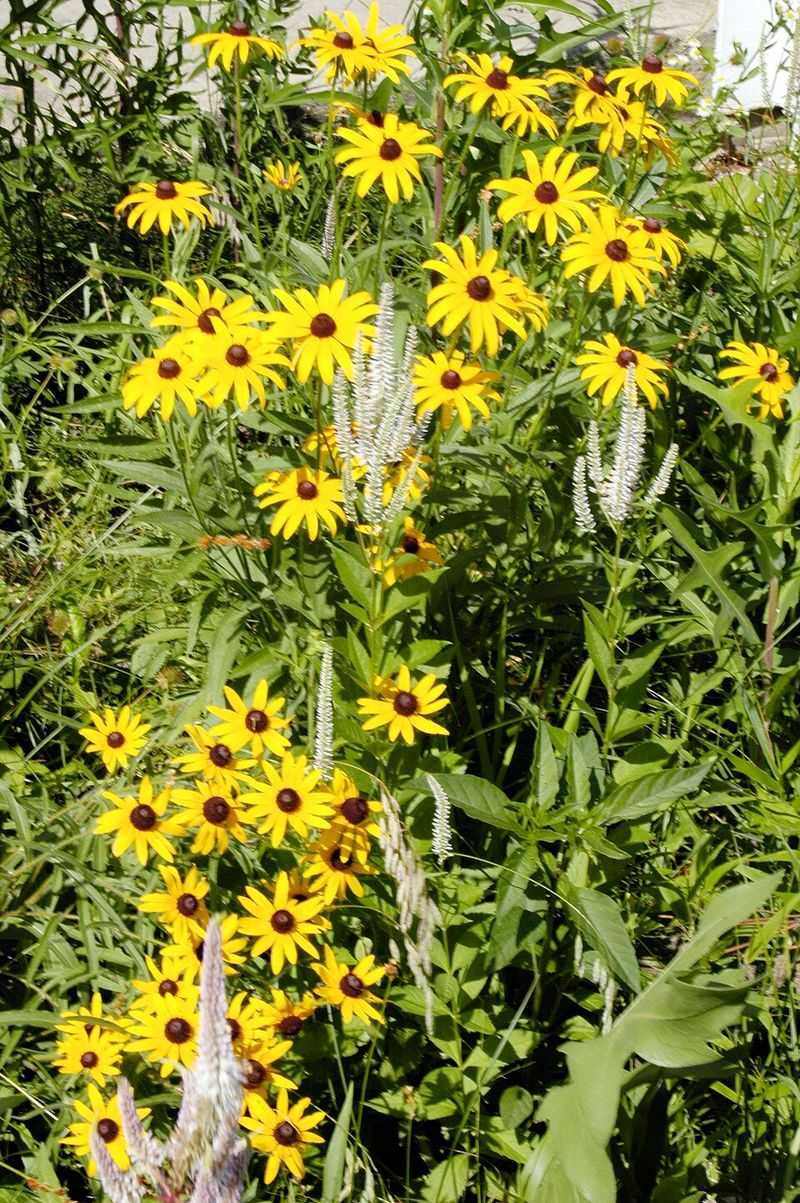
Few plants make a new garden feel established as quickly as this cheerful native-style bloomer. Bright yellow petals and dark centers show up for weeks in summer, and you do not need fancy soil or constant attention to get a satisfying display.
In North Carolina, it handles heat well and looks right at home in casual borders, pollinator patches, and mailbox beds.
Full sun gives the best flowering, though a little afternoon shade can help in the hottest parts of the state. I would plant it in well-drained soil, water it regularly for the first season, and then let rainfall do most of the work unless drought drags on.
Deadheading extends bloom time, but leaving a few seed heads adds fall texture and gives birds something to snack on.
You can pair it with purple coneflower, salvia, or ornamental grasses for a bed that never looks flat. Clumps usually return stronger each year, and dividing them every few seasons keeps things tidy without feeling like a chore.
If you want a forgiving perennial that still looks energetic and colorful, this one earns its spot fast.
Purple Coneflower
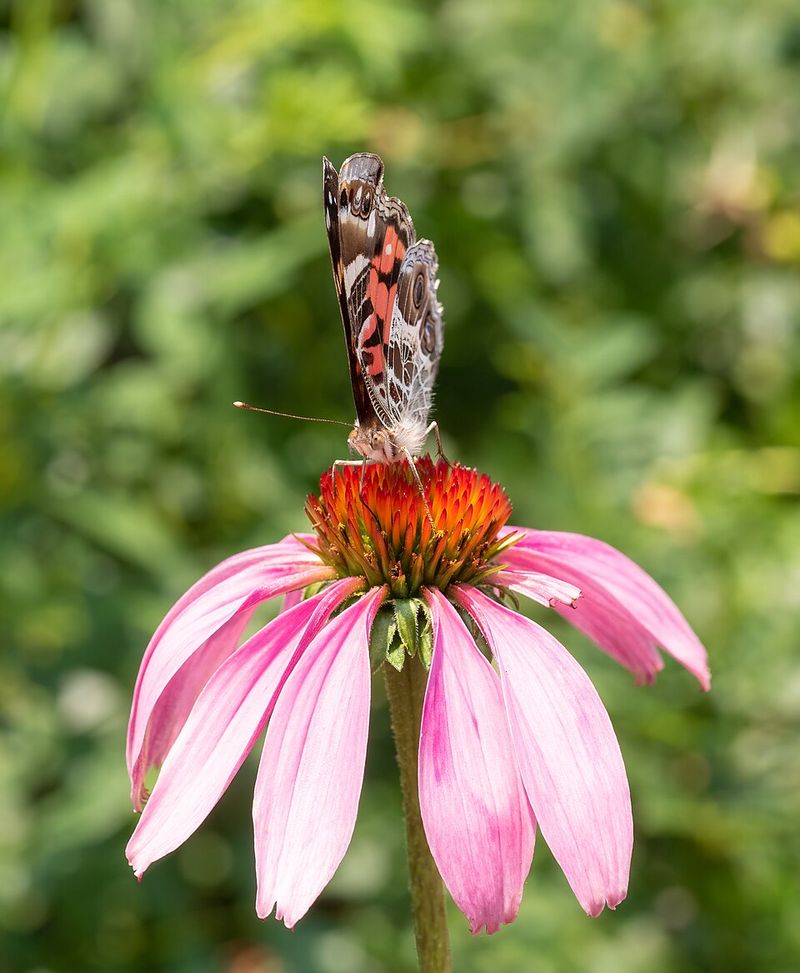
If you want one perennial that looks relaxed but still pulls its weight, this is a smart place to start. Purple coneflower handles North Carolina summers with surprising ease, and its upright blooms bring structure to beds that can otherwise look messy by midseason.
Pollinators notice it quickly, so your garden starts feeling lively instead of newly planted.
Give it full sun and soil that drains reasonably well, and you are already most of the way there. Too much pampering can actually make it less sturdy, so I would skip rich fertilizer and let the plant settle into a simple routine of deep watering during establishment.
Once roots develop, it tolerates dry spells better than many beginner favorites.
Seed heads also keep the plant useful after petals fade, especially if you like a little winter interest. You can cut it back for a cleaner look or leave some standing for birds and a more natural style.
Mixed with black-eyed Susans, coreopsis, or yarrow, it creates that easygoing Carolina garden look without demanding weekend after weekend of maintenance.
Daylily
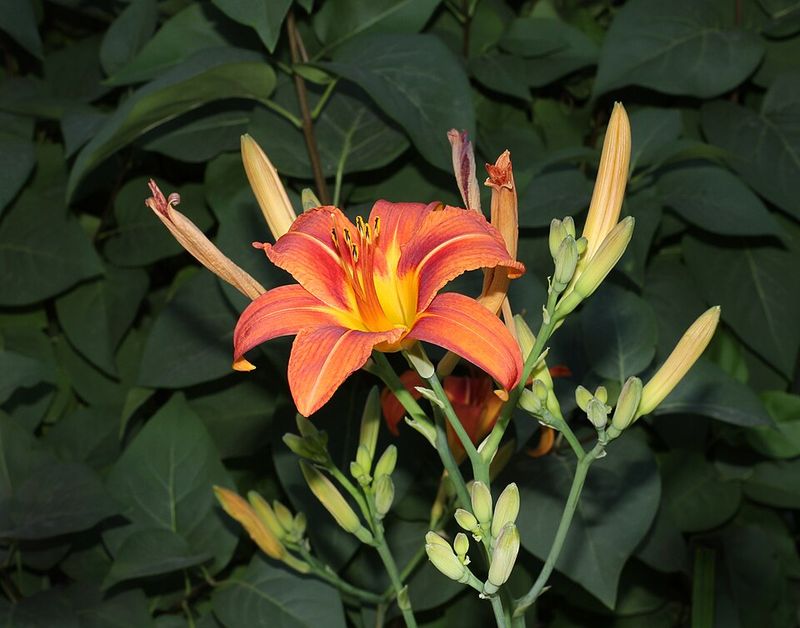
Some perennials ask for patience, but this one rewards you almost immediately with strong foliage and reliable flowers. Daylilies thrive in many parts of North Carolina, and they handle the region’s heat, humidity, and occasional neglect better than most beginners expect.
Even when bloom time is brief for each flower, the overall show lasts long enough to make a real impact.
Plant them in full sun for the best flowering, though they can still perform with partial shade, especially in hotter inland areas. I like using them near driveways, slopes, or hard-to-water spots because established clumps stay surprisingly resilient once roots settle in.
Water during the first season, keep mulch light around the crown, and avoid burying them too deeply.
After a few years, crowded clumps can be divided and spread around the yard, which makes them budget friendly. You can choose soft yellows for a classic look or richer oranges and reds for something more energetic.
When a bed needs easy color, dependable foliage, and almost no drama, daylilies are often the first plant I would recommend to a North Carolina beginner.
Bee Balm
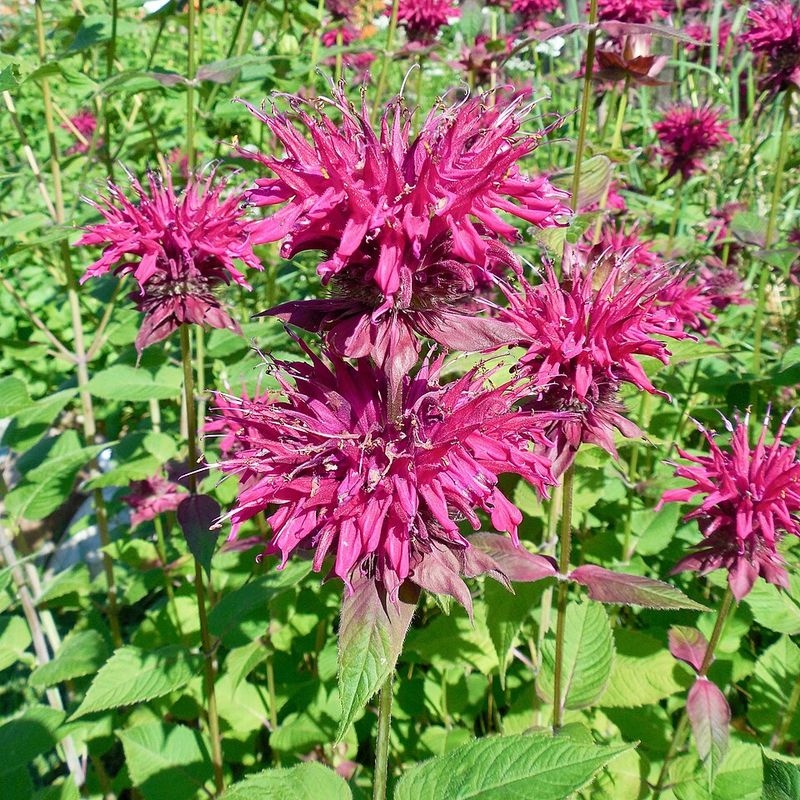
A pollinator bed starts looking busy in the best way once these shaggy blooms open. Bee balm brings color, movement, and that slightly wild cottage-garden personality that makes a beginner’s space feel more relaxed and alive.
In North Carolina, it grows especially well where summers are warm and the soil does not dry out too quickly.
Morning sun and decent air circulation help a lot, particularly because powdery mildew can show up in muggy weather. I would not let that scare you off, since newer varieties are often better behaved and the plant still performs well if you avoid overcrowding and water near the roots instead of overhead.
A couple inches of mulch also help keep moisture consistent during hotter weeks.
Hummingbirds love it, and that alone makes many new gardeners feel like they did something right. When flowering finishes, cutting stems back can freshen the plant and sometimes encourage a little more bloom.
Tuck bee balm beside coneflowers, black-eyed Susans, or phlox, and your border starts looking full and intentional without requiring complicated pruning, feeding schedules, or constant fussing through the season.
Garden Phlox
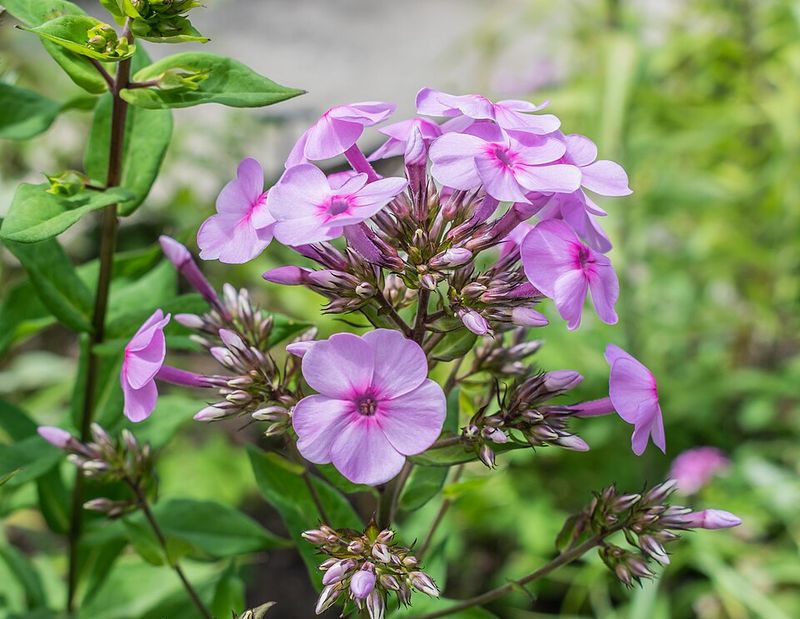
Height can be hard for beginners to get right, and that is where this classic perennial really helps. Garden phlox adds vertical interest and generous color in the heart of summer, when many spring favorites have already faded and beds can start looking tired.
In North Carolina, it performs best where you give it sun, airflow, and consistent moisture.
Because humidity is part of life here, mildew resistance matters more than flower color when you are shopping. I would choose sturdy cultivars from a local nursery, plant them with room to breathe, and water deeply at the base instead of sprinkling leaves in the evening.
Those small decisions make the difference between a plant that struggles and one that looks polished for weeks.
The flower clusters also work beautifully with lower mounding plants, so the whole bed feels layered instead of flat. Try pairing phlox with coreopsis, salvia, or shasta daisies if you want a colorful border that still feels manageable.
Once it is settled, this perennial gives you that full, cottage-style look many people want from a first garden, without pushing you into advanced maintenance right away.
Shasta Daisy
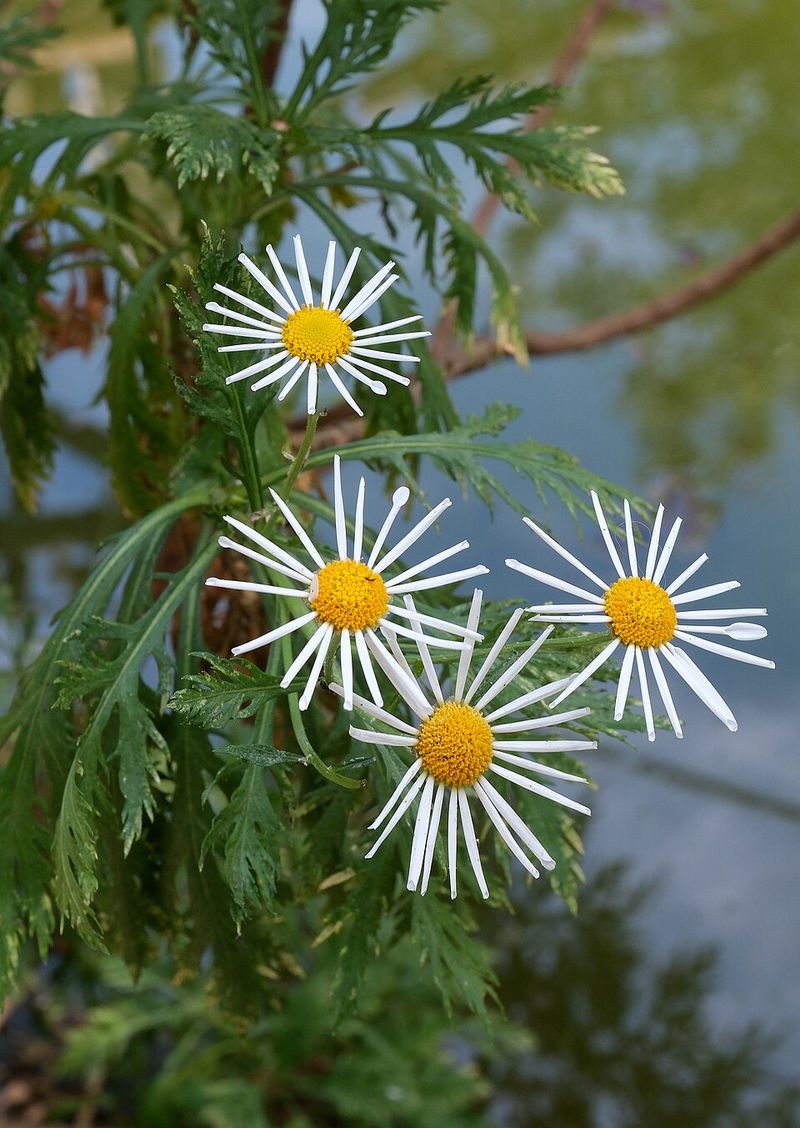
Clean white flowers can make an entire planting bed look brighter and more organized, even when everything else is still filling in. Shasta daisies bring that crisp look without acting fussy, which is exactly what many North Carolina beginners need in a first perennial border.
Their simple shape also pairs easily with almost any color palette, so design mistakes are less likely.
Sun is important here, and drainage matters just as much because soggy winter soil can shorten the plant’s life. I would avoid low spots that stay wet after rain and instead tuck them into raised beds, slopes, or well-amended borders where roots can breathe.
Removing spent flowers keeps the display going longer, though even a basic trim once in a while makes a visible difference.
When clumps thicken, dividing them every couple of years keeps flowering strong and prevents a tired center. You can combine them with salvia for contrast, with yarrow for a meadow feel, or with daylilies for a more traditional yard.
For gardeners who want something cheerful, familiar, and easy to understand from the first season onward, shasta daisy is a reliable choice.
Autumn Joy Sedum
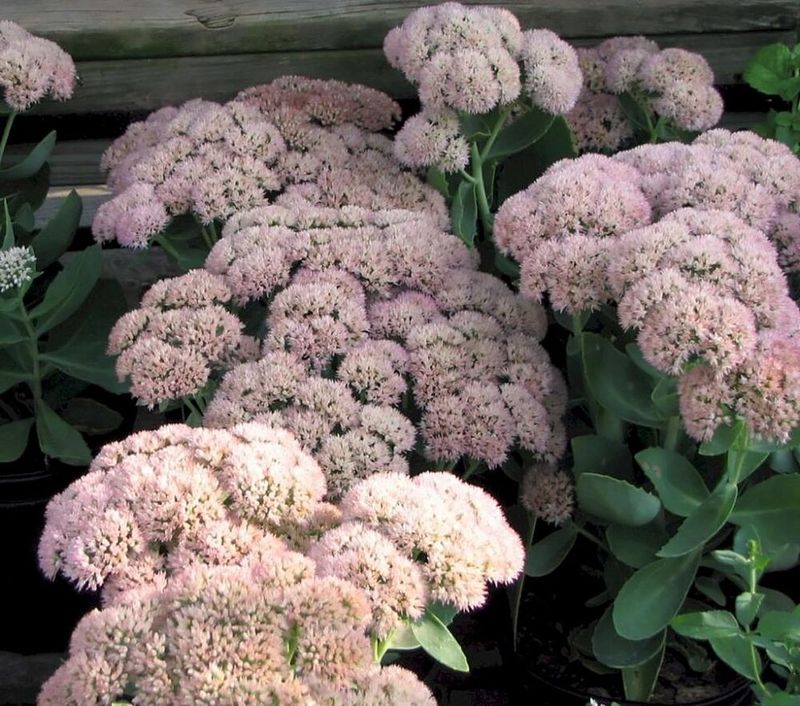
Dry spells happen, and that is when this sturdy perennial starts looking especially smart. Autumn Joy sedum stores moisture in its fleshy leaves, so it keeps a composed, tidy appearance when thirstier plants begin to slump in North Carolina heat.
For beginners who forget to water now and then, that kind of built-in forgiveness is hard to beat.
Place it in full sun and skip overly rich soil, because too much fertility can make stems floppy. I like it near walkways or in front-of-border spots where the changing flower heads can be appreciated from summer into fall, shifting from pale buds to rosy pink and then deeper bronze.
Good drainage is the real nonnegotiable, especially in winter.
Its upright shape mixes well with softer perennials, and the seed heads keep looking attractive after blooming ends. You can leave them standing for winter interest or cut them back in late winter before new growth appears.
If your goal is to build confidence with plants that look good longer than expected and ask for very little in return, Autumn Joy sedum is an easy win.
Coreopsis
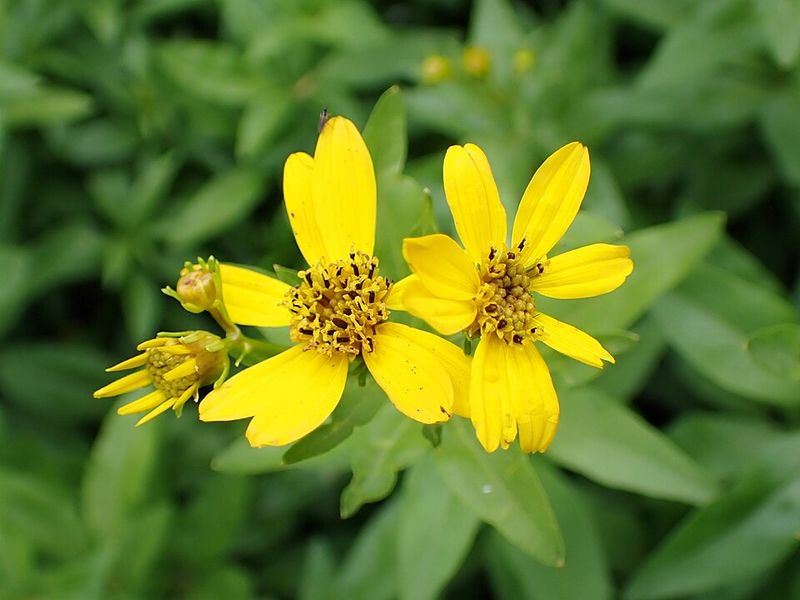
Long bloom time can make a new gardener feel successful fast, and this sunny perennial delivers exactly that. Coreopsis pumps out cheerful flowers over an extended season, bringing steady color to North Carolina beds without needing constant feeding or complicated pruning.
It also has a lighter, airy texture that helps heavier plantings feel more balanced.
Most varieties prefer full sun and well-drained soil, and they are generally comfortable with the state’s summer heat once established. I would water regularly at first, then ease back so roots learn to stretch deeper rather than expecting daily attention.
A quick trim after the first heavy flush often encourages fresh growth and another round of blooms.
Because it stays easygoing, you can use it in front borders, pollinator gardens, or mixed foundation beds without worrying about exact placement. Yellow forms are the most familiar, but softer creams and bicolors can give you more design flexibility if bright tones are not your style.
For a beginner trying to create a garden that looks active for months instead of just one short season, coreopsis makes excellent sense.
Hellebore
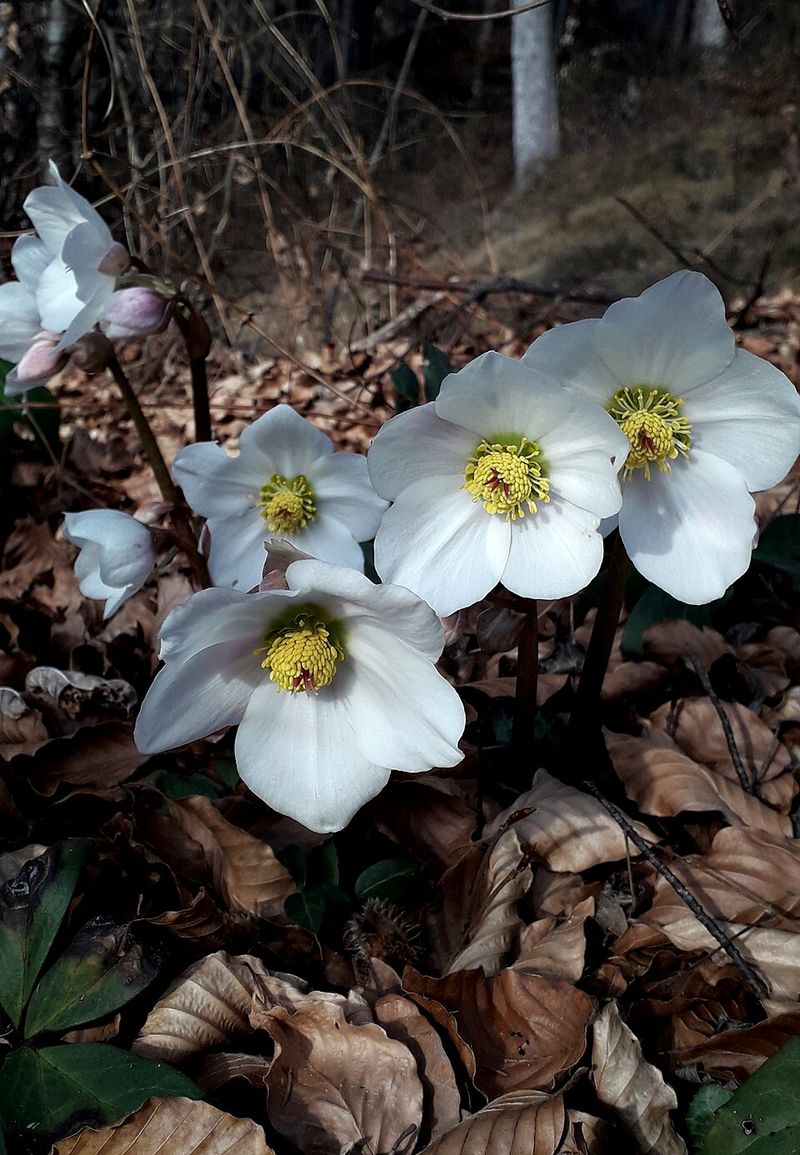
Shade can feel limiting when you are just starting out, but this perennial turns that problem into an advantage. Hellebores bloom when most of the garden still looks asleep, giving North Carolina yards early color and attractive evergreen foliage that stays useful long after flowers fade.
That long season of interest makes them feel worth every inch of space.
Dappled shade or morning sun works well, especially under deciduous trees where winter light reaches the plants before leaves return. I would mix compost into the soil, mulch lightly, and keep the area evenly moist during establishment, but after that they ask for surprisingly little.
Deer also tend to leave them alone, which matters in many neighborhoods.
Because the flowers nod downward, placing them near a path, porch, or retaining wall helps you actually enjoy the details instead of missing them. Old leaves can be removed in late winter before buds open, giving the plant a cleaner look and making blooms easier to see.
If your yard has more shade than sun, hellebores are one of the easiest ways to make it feel intentionally planted.
Salvia
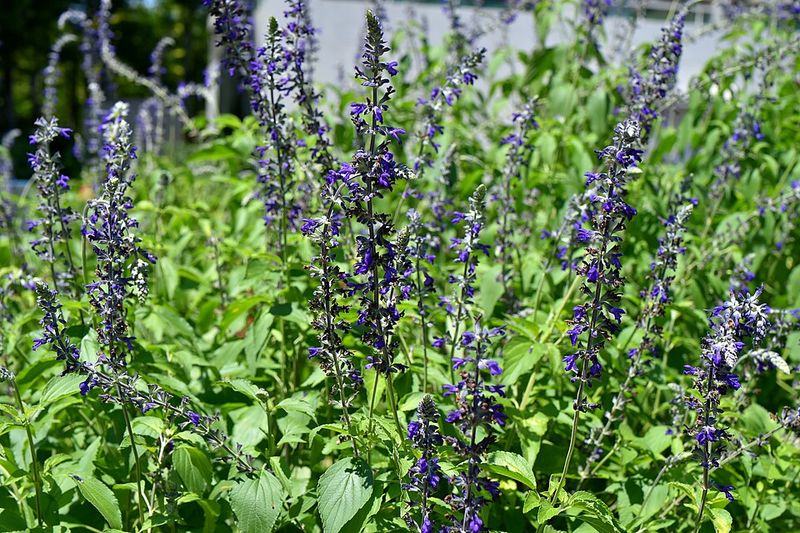
Spikes of blue, violet, or deep purple can wake up a planting scheme that feels too soft or washed out. Salvia adds that stronger vertical note while still being one of the easier perennials for North Carolina beginners to manage.
It also attracts bees and other pollinators, which makes the garden feel more active without extra work from you.
Most perennial salvias want full sun and decent drainage, and they usually appreciate not being overwatered. I would shear spent flower spikes after the first flush, because that simple haircut often brings a second round of blooms and keeps the plant compact instead of floppy.
In hot, humid weather, good airflow helps maintain a cleaner look.
This is also one of the best mixing plants because the cool flower color works with nearly everything. Pair it with daylilies for contrast, coneflowers for a pollinator-friendly border, or shasta daisies if you like a more classic style.
When a bed needs reliable color, tidy structure, and a plant that forgives small beginner mistakes, salvia is often easier than people expect.
Yarrow
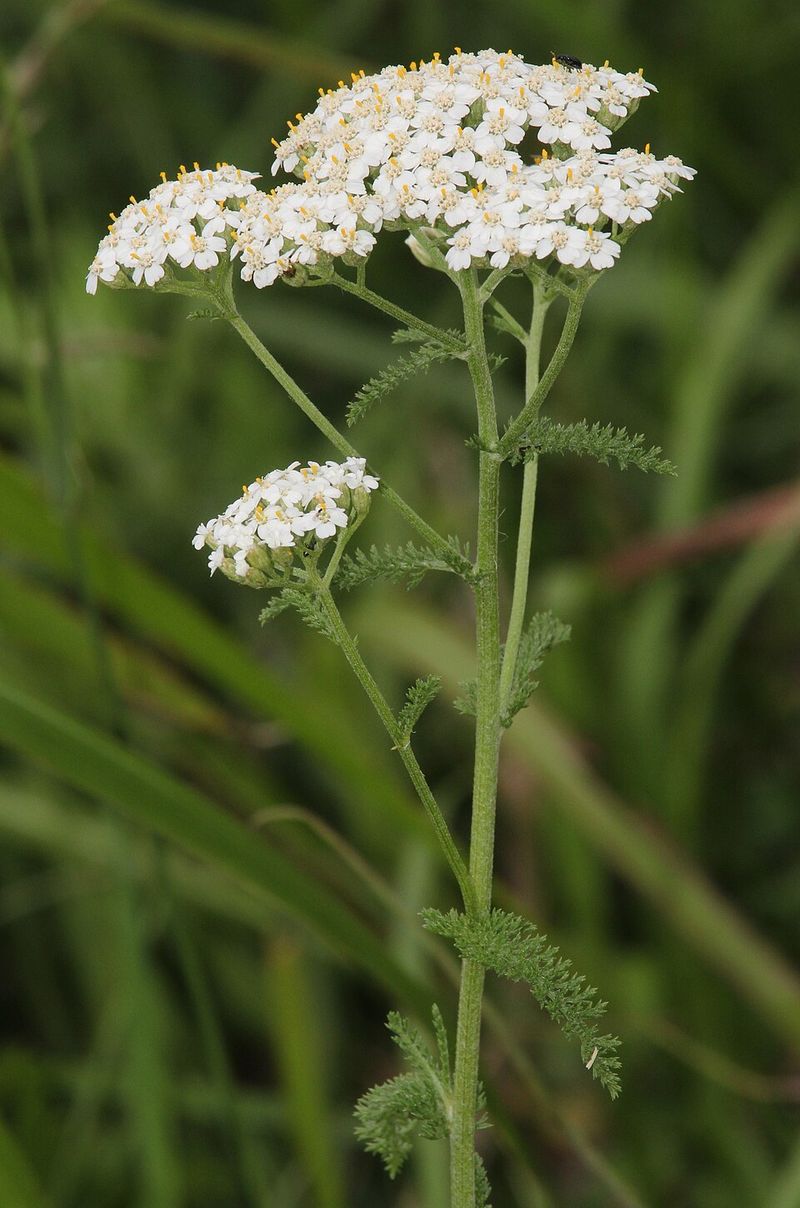
Some gardens need a plant that can handle heat, lean soil, and a little neglect without losing its good looks. Yarrow fits that job nicely, offering flat flower clusters and feathery foliage that add a softer texture to North Carolina borders.
For beginners, it is useful because it asks for less water and fertilizer than many showier perennials.
Choose a sunny spot and avoid overly rich soil, since too much fertility can encourage weak stems. I would water it to establish roots, then back off and let the plant toughen up, especially if you want stronger drought tolerance later.
Deadheading helps extend the bloom season, but even when flowers fade, the foliage still keeps some visual value.
Yarrow also makes it easier to create a more natural planting style without looking messy or unplanned. It pairs well with coneflowers, coreopsis, and ornamental grasses, and the blooms work nicely in simple cut arrangements if you like bringing the garden indoors.
When you want a perennial that fills gaps, supports pollinators, and does not punish you for missing a watering day, yarrow deserves attention.
Baptisia
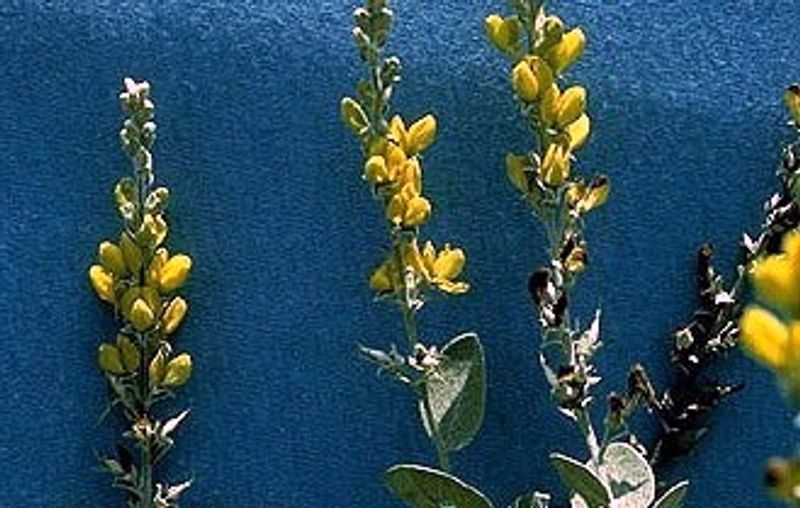
Patience pays off with this perennial, but the care routine is so simple that even beginners can handle it comfortably. Baptisia develops into a sturdy, shrub-like clump that handles North Carolina weather well once established, and its spring flower spikes bring strong color before summer perennials take over.
After blooming, the blue-green foliage stays handsome for months.
Give it full sun and decent drainage, then try not to fuss too much. I would choose the planting site carefully because baptisia forms deep roots and does not enjoy being moved after it settles in.
Water during the first season, keep weeds down around the base, and understand that year two and three are usually when the plant starts showing its real potential.
That slower start is balanced by excellent longevity and very little need for dividing, staking, or babying. It combines beautifully with ornamental grasses, salvia, and black-eyed Susans, especially if you want a more natural look that still feels structured.
For gardeners who like the idea of planting once and enjoying a dependable, durable perennial for years, baptisia is a very smart investment.