
Got Bitten by a Black Widow Moving Flowerpots in Your North Carolina Yard? Do This First
Follow us on Google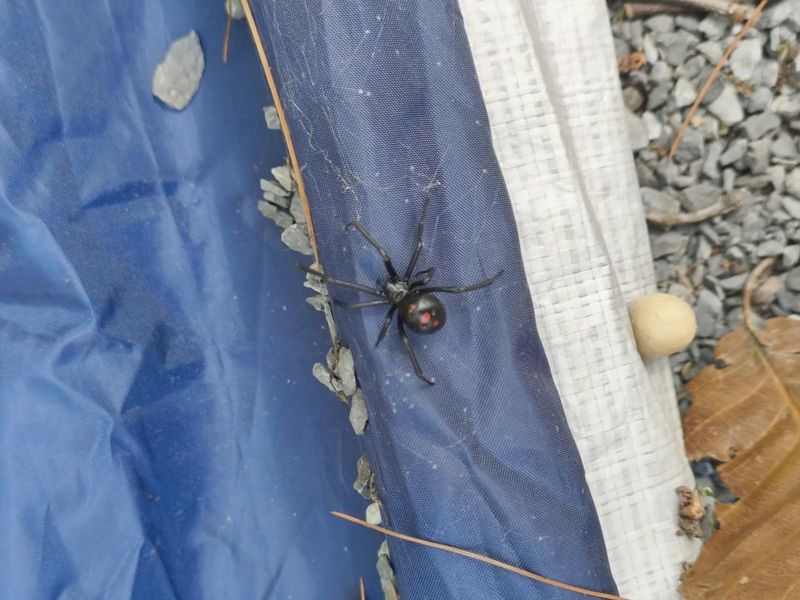
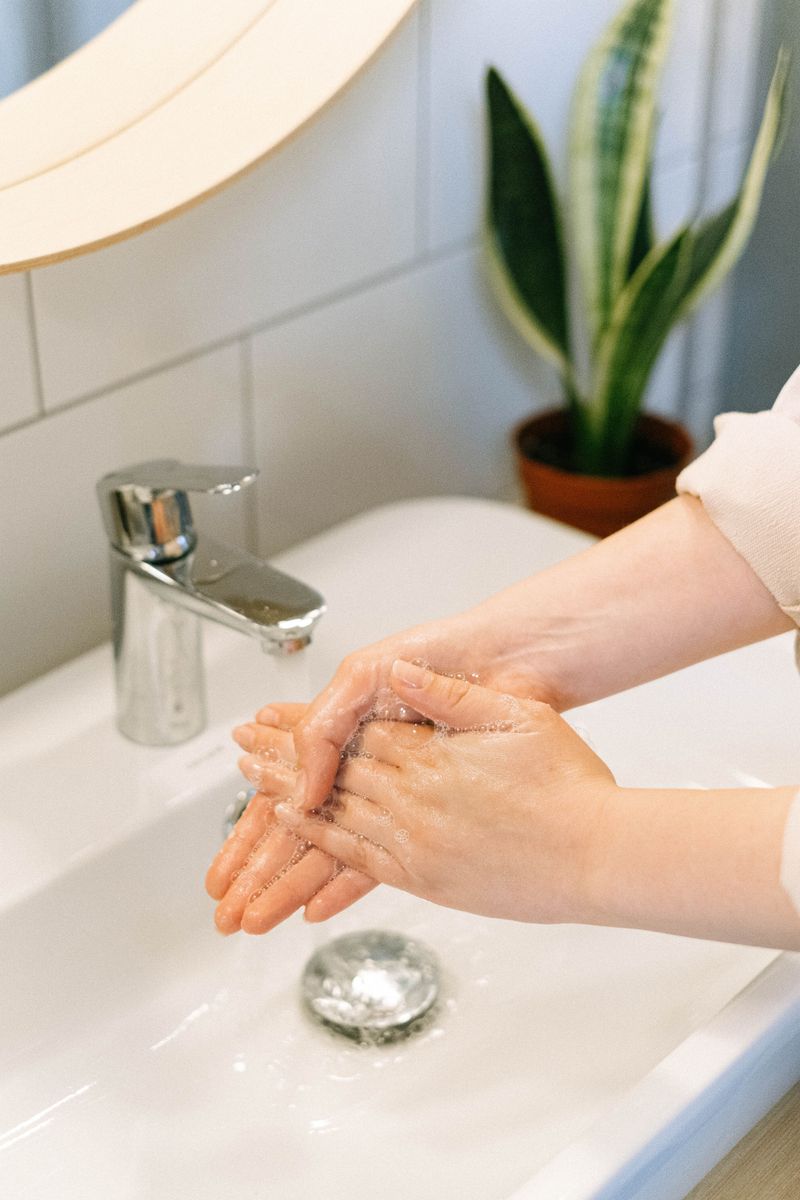
Call North Carolina Poison Control at 1-800-222-1222, then wash the bite with soap and water. That is the first move after a sting from something under a flowerpot, and you can make it without knowing what bit you.
You lifted a pot on a warm evening and felt a quick pinprick, so now your mind is racing. Here is a calm plan for what to do next, and what to skip.
Call Poison Control And Wash The Bite
Pick up the phone first. North Carolina Poison Control answers at 1-800-222-1222, and the staff can give advice that fits the bitten person, the symptoms, and the timing.
NC Poison Control guidance says to wash the area with soap and water and to call for advice even when symptoms are not severe.
Then follow what the specialist tells you. Save the number in your phone now, because a pinprick moment is a bad time to hunt for it.
You do not need to wait for cramps. Many people feel they should hold off until something dramatic happens, but calling early is allowed and sensible.
A mild bite and a worrying bite can look the same in the first few minutes, and the call helps sort out which path you are on.
You also do not need to figure out which spider did it. Maybe you saw a shiny black body with a red mark, and maybe you saw nothing at all.
Neither answer changes the first steps. Call, wash, and listen.
If you are alone, stay put and keep the phone close. If children are nearby, move everyone away from the spot where you were working, so no one else reaches under the pots.
Keep the bitten person calm and seated, since a steady heart rate is easier on everyone. Think of the call as handing the problem to someone who handles it every day.
Your job is simple, and you can do it with one hand and a bar of soap.
A Flowerpot Can Hide A Widow, But It Does Not Prove A Bite
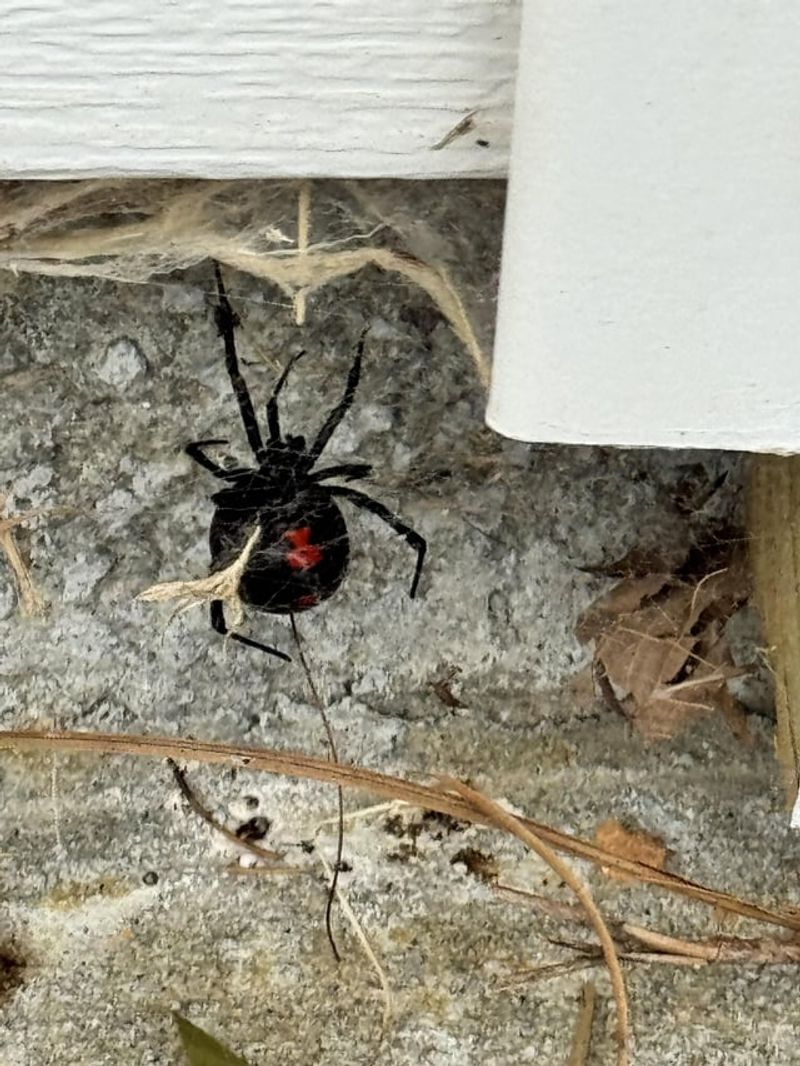
Spiders like quiet, shaded spots, and the underside of a flowerpot fits the bill. NC State says the northern and southern black widows are the most common widow species in the state.
The southern kind often builds webs near the ground and in enclosed spaces, so a pot resting on a patio is believable habitat.
Poison Control also lists flowerpots among possible hiding places, along with woodpiles, sheds, garages, gloves, and boots. It describes black widows as nonaggressive but defensive when threatened.
A hand that slides under a pot may look like a threat from the spider’s side.
Here is the catch. Where you were standing does not prove what bit you.
Doctors often cannot confirm a spider bite, and the Merck Manual notes that other insect bites and skin conditions get mistaken for spider bites.
So treat the pot as a clue, not a verdict. You can take safe first steps without proving anything.
Call Poison Control, wash the spot, and describe what happened in plain words. The experts will take it from there.
Before your next round of yard work, tap pots with a trowel handle and wear gloves, and shake them out first.
Symptoms Can Change Over The Next Few Hours
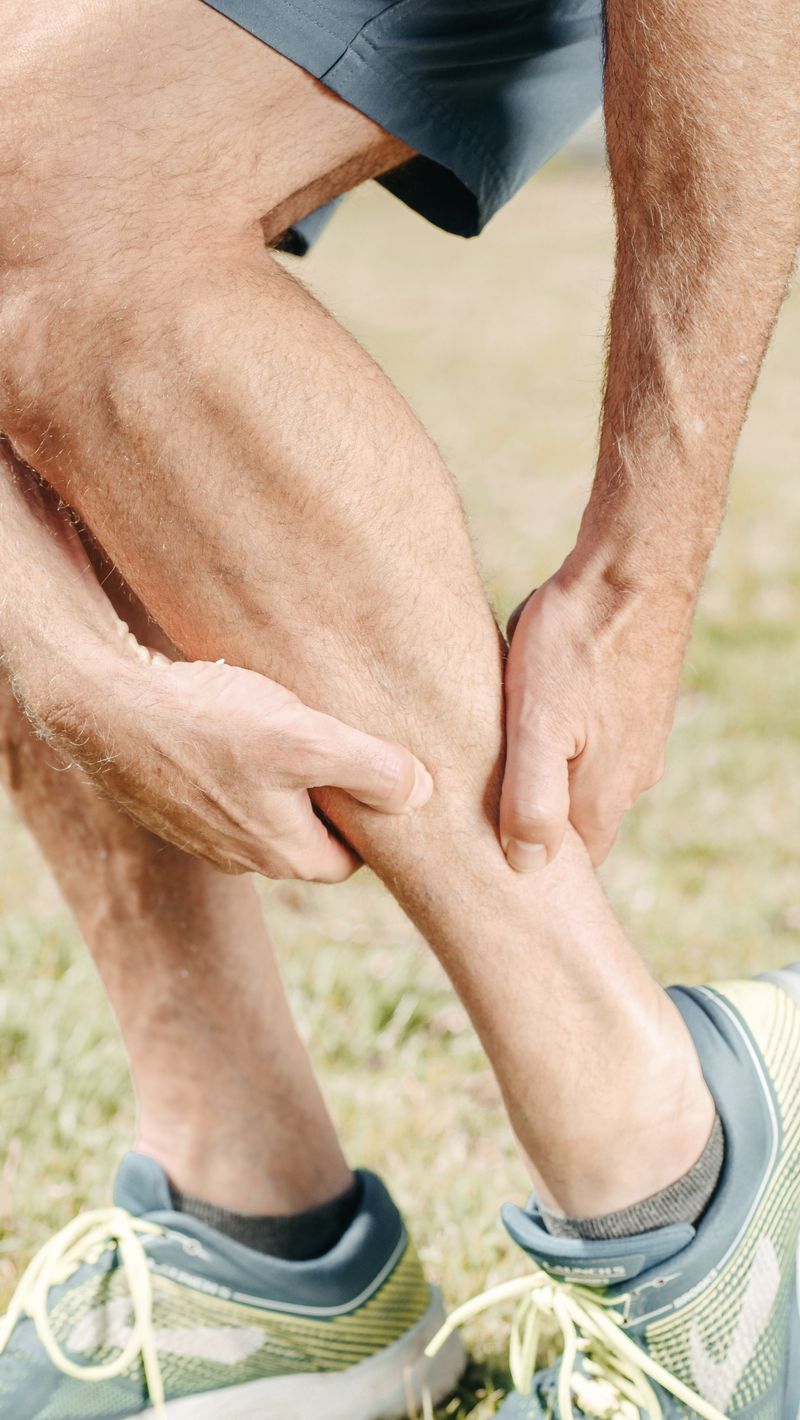
The bite itself may feel like a pinprick, and some people barely notice it. Poison Control says muscle pain or cramps may begin 15 to 60 minutes later.
That is a possible pattern, not a stopwatch.
North Carolina Poison Control says symptoms usually begin within three hours. The two sources give different windows, which tells you that bodies do not follow a script.
Some people feel nothing for a while, and some feel cramps sooner.
Many reported exposures turn out to be mild or moderate. That is reassuring, but it is not a reason to skip the call.
Symptoms vary from person to person, so keep an eye on how the bitten person feels, and write down the time of the bite and any changes.
Timing and symptoms also cannot prove the spider’s identity. Cramps can come from other causes, and plenty of bites cause no trouble at all.
Think of the next few hours as a watch-and-report period. Tell Poison Control what you notice, and let them guide the next move.
Do Not Handle The Spider Or Try To Suck Out Venom
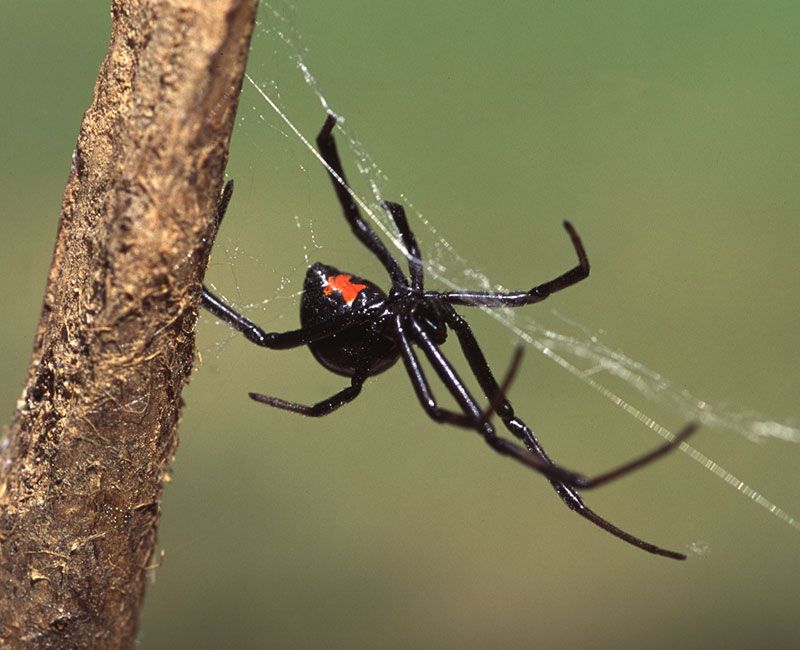
Two cautions can save you grief. First, leave the spider alone.
Do not pick it up, trap it, or squash it to prove what bit you. A clinical review says capturing the spider is not necessary and should not be recommended.
If a photo from a safe distance is easy to take, it may help. If it is not easy, skip it.
Nobody needs a picture to start first aid.
Second, do not try to suck out venom. Cleveland Clinic advises against it.
This is not something most gardeners do, but the idea shows up in old stories, so it is worth stating plainly.
Skip it, and use that time for what helps. Wash the bite, make the call, and keep the bitten person calm.
Put the pot down, back away, and let the spider find its own way out later.
Once everyone is looked after, you can deal with the spot. Wear thick gloves next time and use a long tool to move pots.
A quiet corner is a spider’s home, and it can stay a quiet corner while you pick up a phone instead.
Get Emergency Help For Whole-Body Symptoms
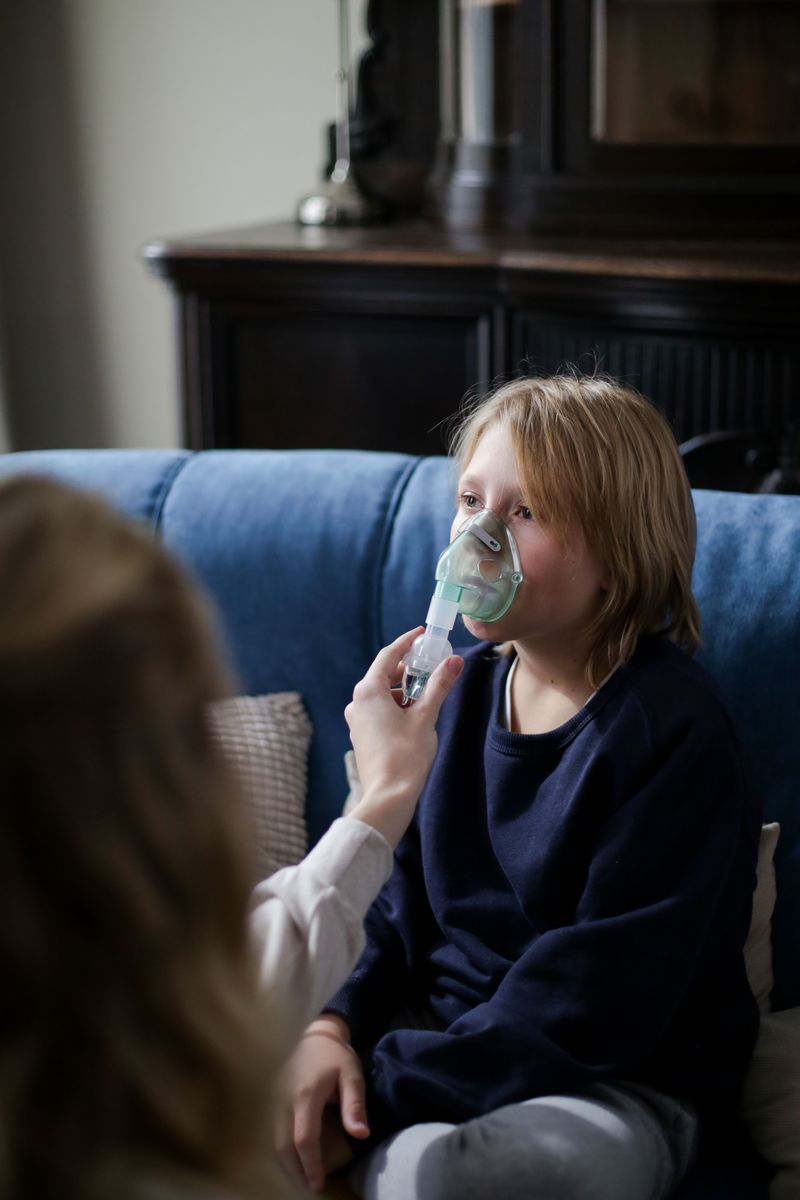
Some symptoms mean it is time for emergency help, not a phone chat. The American Heart Association and American Red Cross recommend calling emergency services when spider-bite symptoms affect the whole body.
That includes difficulty breathing, muscle rigidity, dizziness, or confusion.
If you see any of those, call 911. Do not drive yourself if you feel dizzy or confused.
Poison Control can handle the rest. NC Poison Control lists other reasons to seek medical attention, including severe muscle pain, excessive nausea or vomiting, weakness, and difficulty breathing.
The specialists can tell you whether to go to urgent care or the emergency room.
Here is a simple way to sort it. Serious, body-wide trouble means call 911.
Anything else that worries you means call 1-800-222-1222 and describe what you see.
Neither choice is an overreaction. Feeling unsure is a good reason to call, because the people on the line would rather answer a question than hear about a problem that grew.
Keep the phone nearby, and stay with the bitten person until help arrives or the specialist says the plan is clear.
Some People Need Closer Medical Follow-Up
Some people should not wait and see. NC State advises immediate medical attention if the bitten person is a child, pregnant, or in poor health.
That advice is about who was bitten, and it applies even before symptoms show up.
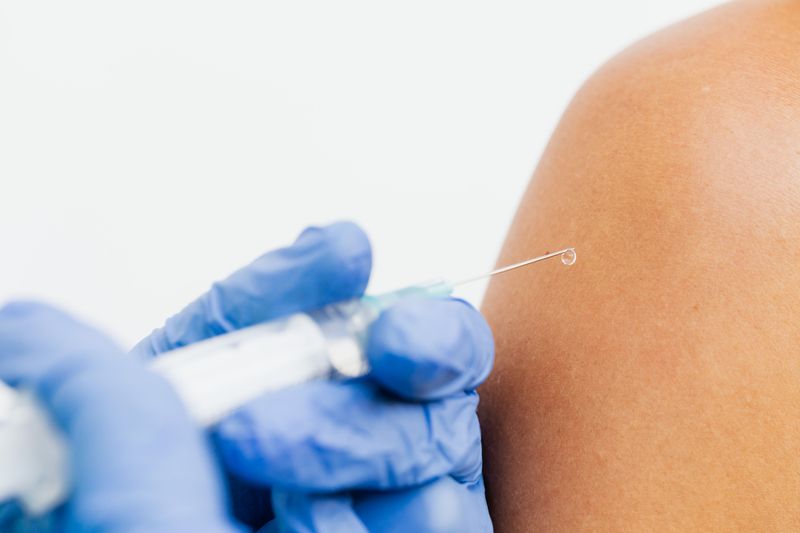
Tetanus is a separate question. NC Poison Control says to check your status with a healthcare provider.
Poison Control adds that you should contact a clinician or urgent care if there has been no tetanus booster in the previous five years.
Antivenom is not automatic. Poison Control says it is reserved for symptoms not controlled by other treatment, and it can cause serious allergic reactions.
A doctor weighs that choice with you, so you do not have to decide it in the yard.
You can act safely without ever identifying the spider. Call, wash, watch, and get care when the situation calls for it.
The pot can wait until tomorrow, and the spider will not mind.
