
Five Heirloom Tomatoes Your Grandparents Grew That Taste Like Tomatoes Are Supposed To
Follow us on Google
It is late July, the porch fan is turning, and you slice a tomato from the store that smells like nothing and tastes like wet cardboard.
You remember your grandmother’s garden, where a warm tomato from the vine ran juice down your wrist.
That flavor did not vanish.
It got bred out of most grocery varieties, which were built to survive long truck rides, not to taste good.
But old-fashioned heirloom types still carry it, and you can grow them at home.
Here are five worth a spot in your beds this year.
1. Brandywine Offers Unrivaled Old-Fashioned Flavor
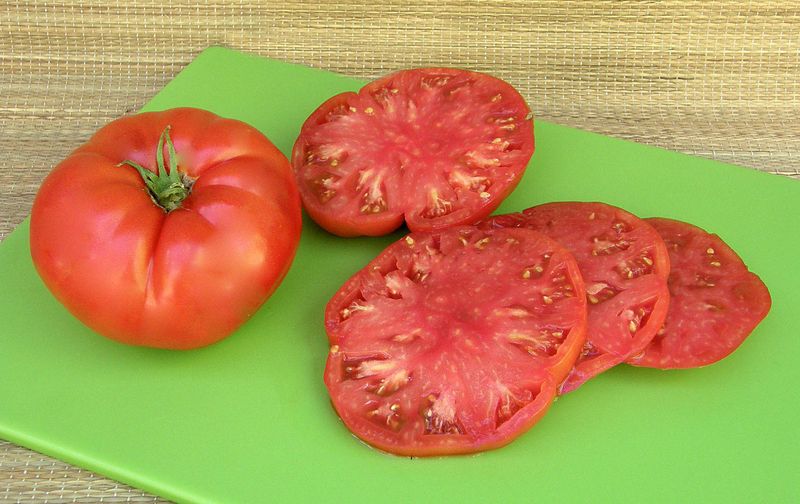
Bite into a warm Brandywine slice and you understand why gardeners keep planting it after more than a century.
The flavor is rich, fruity, and slightly spicy, the kind that ruins store tomatoes for you.
Brandywine (Solanum lycopersicum ‘Brandywine’) is a beefsteak that grows big, sometimes ribbed, and single fruits can push toward two pounds.
The plant carries unusual potato-shaped leaves, so it looks different from the row beside it.
It is indeterminate, meaning the vine keeps growing and setting fruit until frost, so give it a strong stake or cage.
Vines reach six to nine feet in good conditions.
Here is the catch.
Brandywine is slow, often taking 80 to 100 days from transplant to ripe fruit, and yields run modest compared to hybrids.
So treat it as your flavor tomato, not your canning workhorse.
Plant it in full sun, at least eight hours daily, in soil rich with compost and draining well.
Patience is the price of admission.
But that first sandwich pays it back in full.
2. Cherokee Purple Delivers Deep Earthy Sweetness
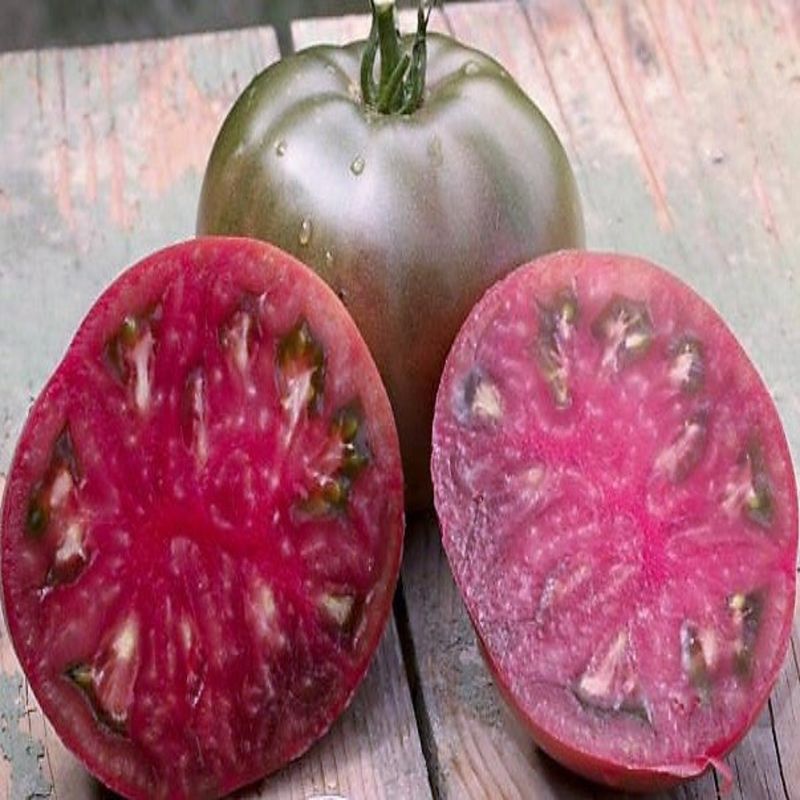
Cut a Cherokee Purple open and the color surprises people every time.
The flesh runs a deep brick-red, almost brown, and the taste is sweet, earthy, and a little tangy all at once.
Its history runs deep too.
Cherokee Purple (Solanum lycopersicum ‘Cherokee Purple’) is said to have been kept for over a hundred years, tied to Cherokee families in the Tennessee Valley.
The fruit fits a sandwich neatly, often weighing up to about 400 grams, with dusky skin and olive-green shoulders that stay dark even when ripe.
For Southern gardeners fighting July heat and sticky humidity, this one earns its keep.
It shows solid tolerance to heat and some disease, and it matures fairly quick at 70 to 85 days.
The plants run indeterminate and reach around five feet, so support them well.
The skin is thin, which is where the trouble hides.
A sudden downpour can split the fruit right on the vine.
So plant it in a warm, sheltered spot and keep watering steady rather than feast-or-famine.
3. German Pink Carries True Old-World Charm
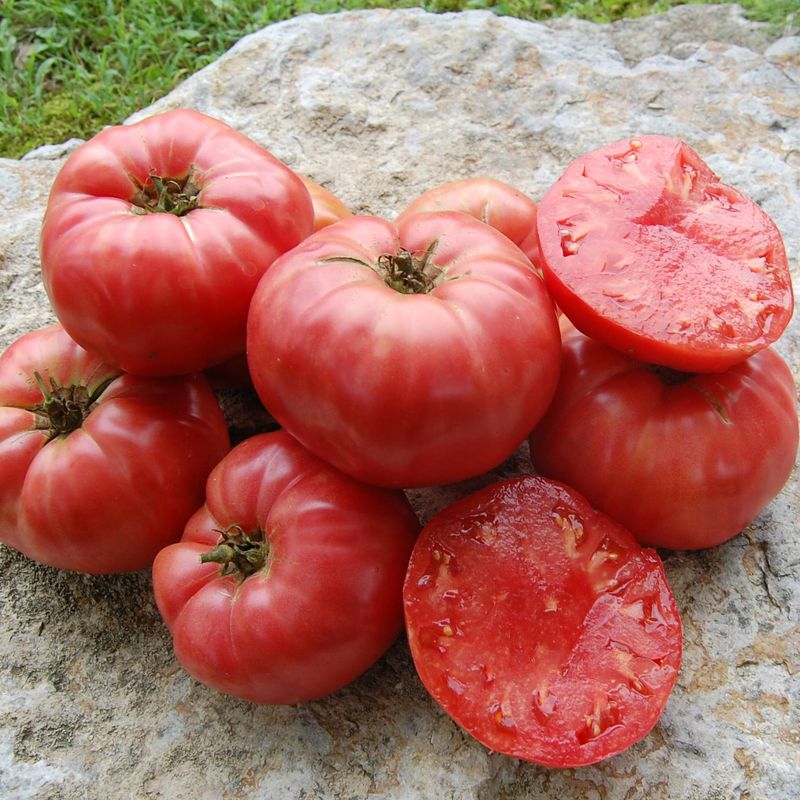
German Pink came to America in a suitcase.
Bavarian immigrants brought it over in the late 1800s, and it later became one of the founding varieties of the Seed Savers Exchange, the nonprofit that keeps old seeds alive.
What keeps gardeners loyal is the eating.
German Pink (Solanum lycopersicum ‘German Pink’) has a full, sweet flavor, a meaty texture, and skin so tender it almost melts.
The fruits run large, often one to two pounds, with very few seeds inside, which is a gift when you are cooking.
Like Brandywine, it wears potato-shaped leaves and grows as an indeterminate vine that keeps producing all season.
Expect ripe fruit around 85 days after transplant.
Because it is meaty with little seed, it works for slicing, juicing, canning, and freezing, so a couple of plants can feed a whole kitchen year.
Start seeds indoors about six weeks before your last frost date.
Transplant once soil hits at least 50 degrees Fahrenheit, and bury the seedling up to its first leaves.
Buried stem grows extra roots, which builds a sturdier plant.
4. Arkansas Traveler Beats Brutal Southern Heat
Many Southern gardeners watch their tomatoes quit in the worst of summer.
The blossoms drop, the fruit cracks, and the plants sulk through the humidity.
Arkansas Traveler was built for exactly that fight.
The University of Arkansas Horticulture Department bred Arkansas Traveler (Solanum lycopersicum ‘Arkansas Traveler’) in the late 1960s and early 1970s to hold up in hot, humid climates and resist cracking.
It has been a dependable name in the Ozarks and across the South ever since.
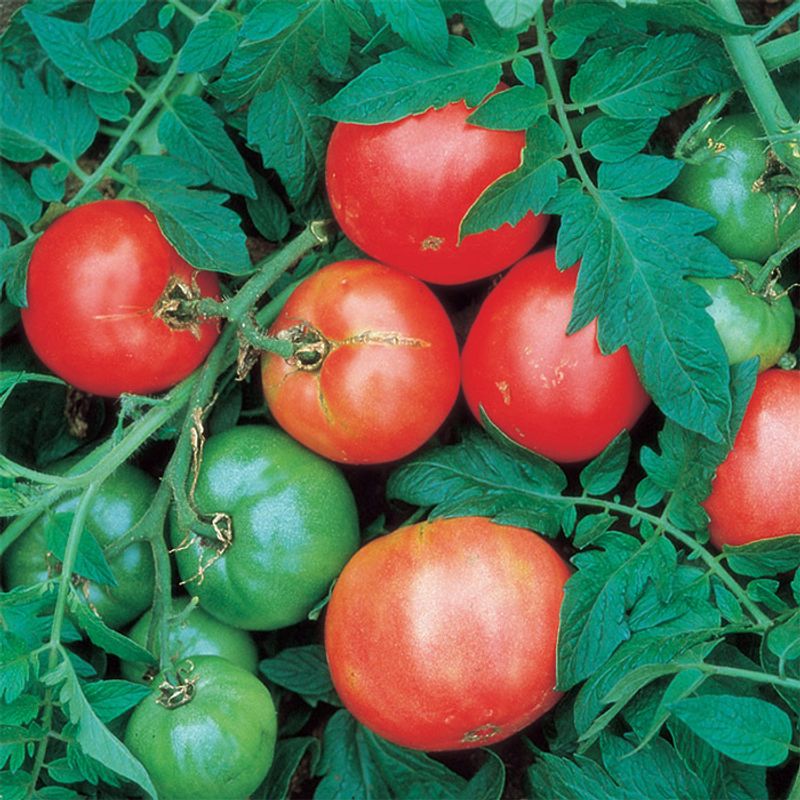
The fruit is medium, around six to eight ounces, with pretty pink skin that comes from the lack of yellow pigment.
The taste leans mild and balanced, sweet with a little tartness, so it is a friendly everyday slicer for salads and sandwiches rather than a bold showpiece.
These indeterminate vines keep the harvest coming right up to frost, maturing in roughly 80 days from transplant.
Give it full sun and rich, well-draining soil.
Keep moisture steady through dry stretches, because even a crack-resistant variety appreciates a drink on a scorching week.
5. Paul Robeson Brings A Smoky Tang
Some tomatoes taste like sunshine.
Paul Robeson tastes like a campfire found its way into your garden.
The flavor is richly sweet with smoky notes and a good backbone of acidity, which is why it wins so many taste tests.
The backstory is worth knowing.
Paul Robeson (Solanum lycopersicum ‘Paul Robeson’) is a Russian heirloom developed in Soviet Siberia and named for the American singer, actor, and civil rights figure.
That Siberian origin matters at the ground level.
The fruit is a smaller beefsteak, round to oval, usually seven to twelve ounces and about three to four inches across.
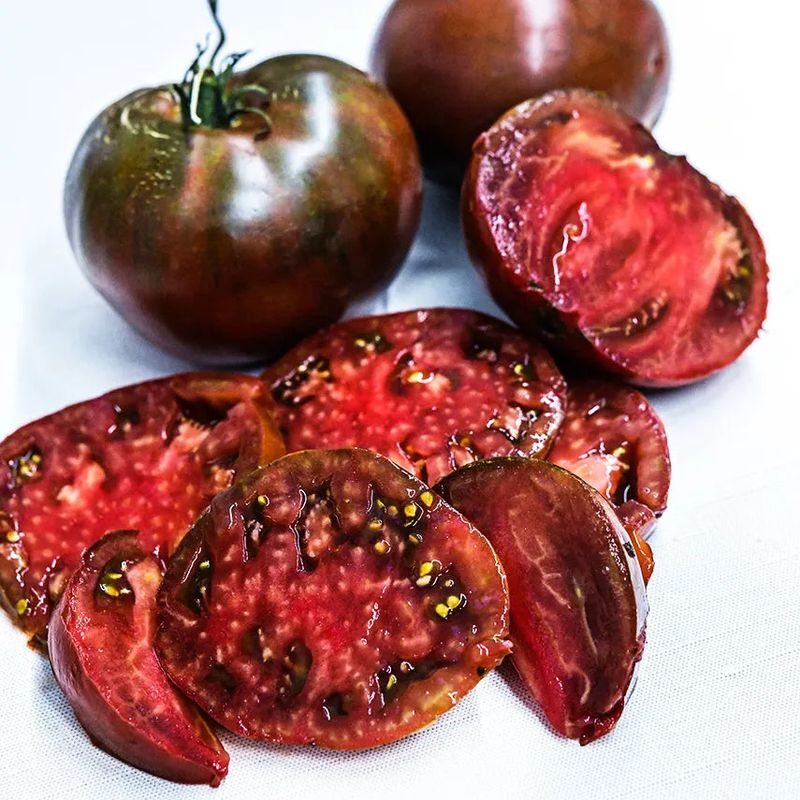
Ripe skin turns dark red to brownish with olive-dark green tops.
Plants are indeterminate, reaching around 6.5 feet, and they bear early and heavy.
Here is where its cold roots pay off.
This variety sets fruit well at lower temperatures, so gardeners in cooler regions or with short seasons finally get a real flavor tomato that ripens.
Plant it in a sheltered spot, against a warm wall or in a greenhouse, to guard the thin skin from cracking in heavy rain.
Grow any one of these and you taste a little gardening history, the way a ripe tomato was always meant to be.