
Creeping Charlie Keeps Winning In Your Pennsylvania Lawn, And These Native Groundcovers Finally Push It Out
Follow us on Google
You step into the backyard on a damp May morning and smell mint before you even see it. Creeping Charlie has crawled out from under the maple again, and it has swallowed another patch of grass.
Across Pennsylvania, this low, purple-flowered weed wins year after year in shady, soggy yards where turf just gives up. The good news is that a handful of tough native groundcovers can actually fill that space first and leave Charlie with nowhere to go.
1. Pennsylvania Sedge Builds A Living Wall Charlie Cannot Cross
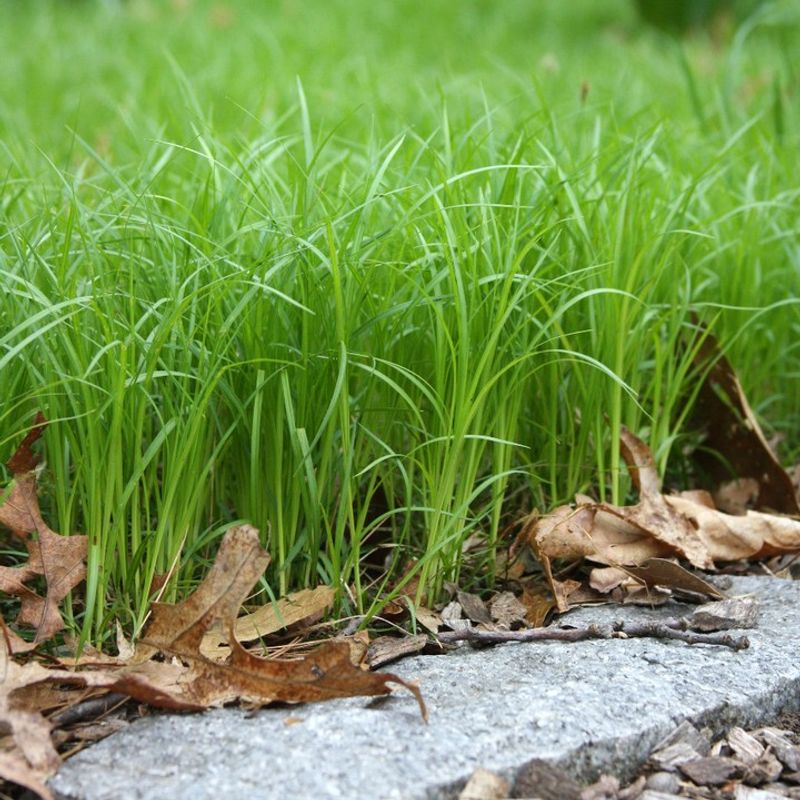
Here is the plant most Pennsylvania gardeners wish they had tried years ago. Pennsylvania sedge (Carex pensylvanica) grows in fine, arching tufts that knit into a soft green carpet under trees where grass keeps dying.
Creeping Charlie (Glechoma hederacea) spreads by stolons, which are runners that root at every leaf joint. It loves bare gaps.
Sedge works like a crowded room, filling those gaps so tightly that the runners have no open soil to grab.
Plant plugs 8 to 12 inches apart in early spring or September. Water deeply, about 1 inch a week, for the first season.
Most yards see the plugs close ranks within two to three years.
It stays under 10 inches tall, so you can mow it once in late spring or never at all. And it handles dry shade, the tough spot under oaks where nothing else wants to live.
Picture a cookout with a soft green floor under the shade tree instead of mud and mint.
2. Wild Ginger Shades Out Charlie With Big Heart Leaves
Most people think a weed this pushy needs an equally pushy plant to beat it. Not quite.
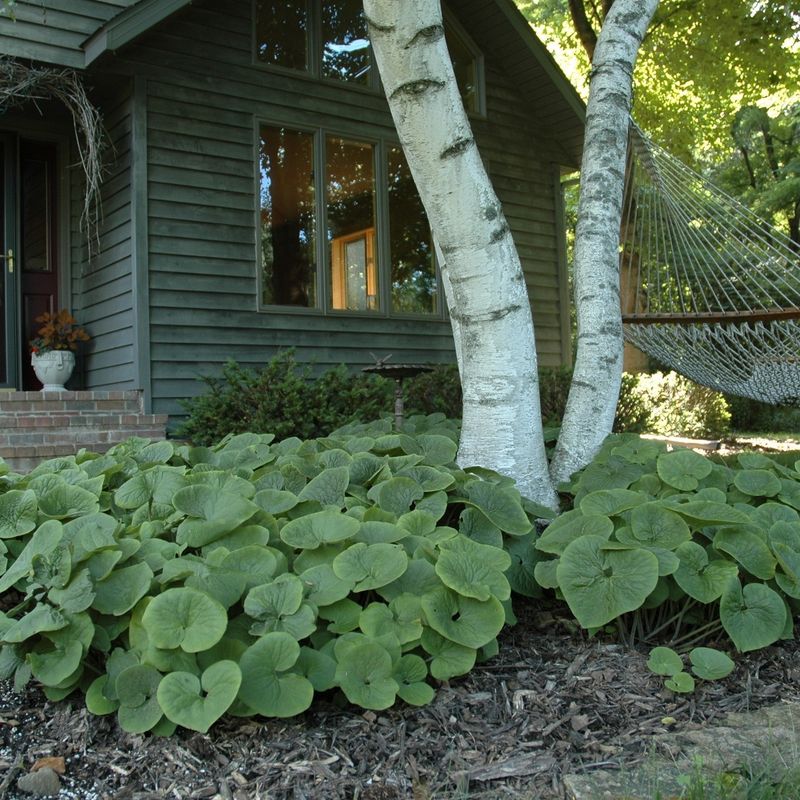
Wild ginger (Asarum canadense) wins with umbrellas instead of muscle.
Its fuzzy, heart-shaped leaves stand 6 to 8 inches tall and overlap like shingles on a roof. Underneath, the soil stays dark.
Creeping Charlie needs some light to keep its runners moving, so a closed ginger canopy slowly starves it out.
Here is where it gets tricky. Wild ginger is slow, often spreading only a few inches a year.
So set plants about 12 inches apart, pull any Charlie by hand inside the bed for the first two summers, and keep the bed mulched with shredded leaves.
It genuinely loves the moist, rich shade found along creeks in the Laurel Highlands and the Poconos. Give it patience, and one day you will notice the mint smell is simply gone.
3. Allegheny Spurge Replaces The Ground Charlie Loves Most
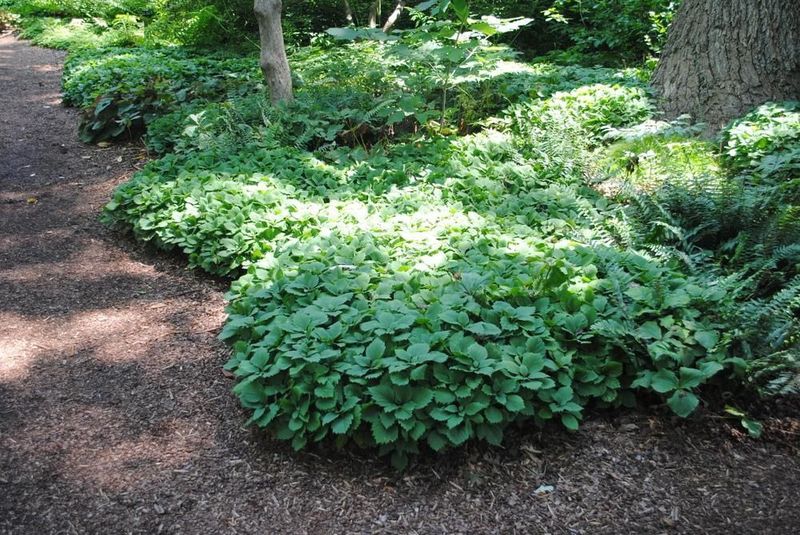
Picture an April morning in the Susquehanna Valley. Fuzzy white flower spikes pop up from a mat of mottled green leaves, and bumblebees find them before almost anything else is open.
That is Allegheny spurge (Pachysandra procumbens), the native cousin of the Japanese pachysandra in so many old Pennsylvania yards. Unlike its foreign relative, it does not escape into nearby woods.
It stays put and quietly holds its ground.
Charlie thrives in the same shady, moist corners spurge prefers. That overlap is the point.
When you claim that real estate with a plant that stays green into winter, the weed loses its favorite address.
Plant 12 inches apart in spring after your last frost, which runs from late April in Philadelphia to late May on the Allegheny Plateau. Keep it watered through the first dry August.
It is slow, but each year the patch grows thicker and prouder.
4. Golden Ragwort Floods Wet Spots Before Charlie Wakes Up
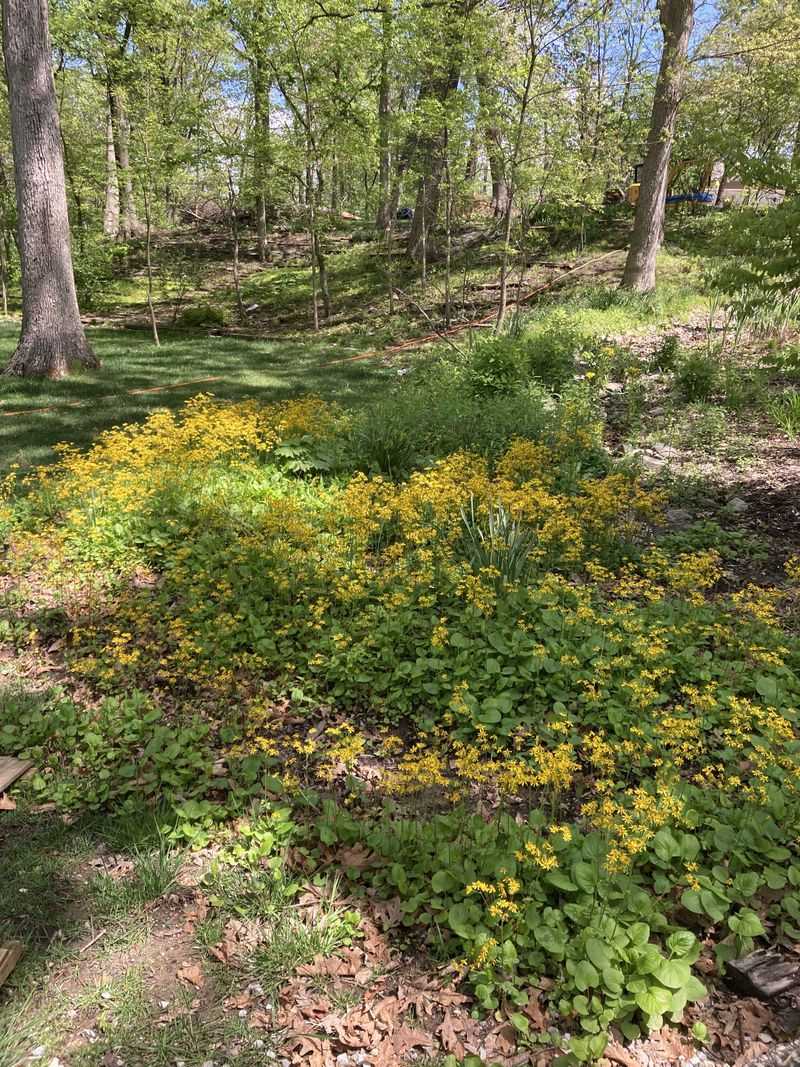
Soggy clay is Creeping Charlie’s playground. And in heavy southeastern Pennsylvania clay, that soggy patch near the downspout can turn purple-flowered by Mother’s Day.
Golden ragwort (Packera aurea) is the bold answer. Its rounded leaves stay green much of the winter, then send up bright yellow daisies in April and May.
It spreads by its own runners, so it fights Charlie with Charlie’s own trick.
Set plants 12 to 18 inches apart in spring or early fall. In wet ground you will rarely need to water after the first month.
Within two seasons it usually forms a solid mat.
Be honest with yourself about space, though. Ragwort can wander, so give it a bed edge or a path to stop at.
Early spring native bees love the flowers, which means your weed problem becomes a pollinator stop.
5. Foamflower Carpets Moist Shade With Spring Lace
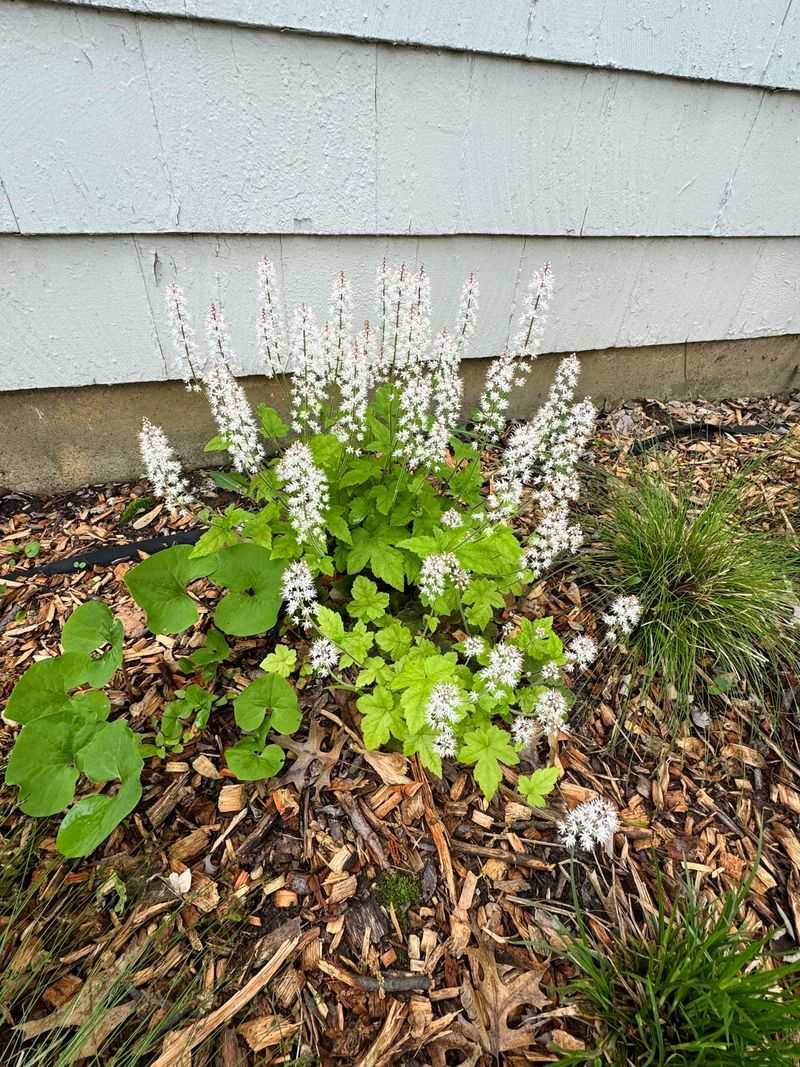
Foamflower is a surprising fighter for something so pretty. Tiarella cordifolia, a woodland native across western Pennsylvania, sends out runners that root in leaf litter, much like Charlie does.
In late April and May, it covers itself in frothy white spikes that look like sea foam. Its maple-shaped leaves hug the ground and blush bronze after fall cold snaps.
Choose a running type rather than a clumping garden hybrid if you want coverage. Plant 12 inches apart in moist, organic soil, and add an inch of leaf compost each fall.
That feeds foamflower and steals the bare soil Charlie needs.
It sulks in hot, dry sun, so save it for the north side of the house or under maples. When it fills in, the shady corner you ignored becomes the prettiest spot in the yard come spring.
6. Green And Gold Handles The Sunnier Edges
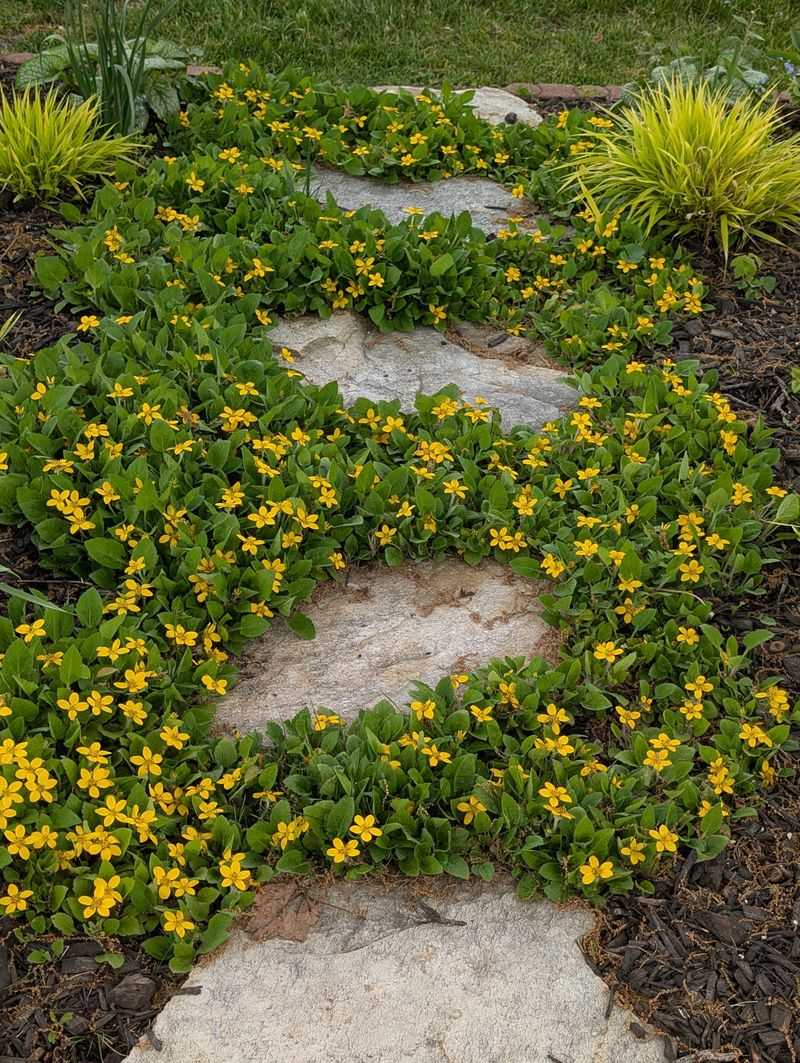
Creeping Charlie is not only a shade weed. It also creeps into damp, sunny lawn edges, and many shade plants cannot follow it there.
Green and gold (Chrysogonum virginianum) can. It grows only 4 to 6 inches tall, with cheerful yellow star-shaped flowers that can show up from May into summer.
Some gardeners call it a little ray of sunshine on the ground, and the nickname fits.
Plant it 12 inches apart in part sun to part shade, ideally in the warmer southeastern Pennsylvania and Delaware Valley yards around zone 7. In colder spots near Erie or the northern tier, give it a protected site and a light leaf mulch for winter.
It actually likes decent drainage, so loosen clay with compost before planting. Once it knits together along a patio edge, it covers the gap where Charlie used to sneak in.
7. Fall Is When You Actually Beat Creeping Charlie
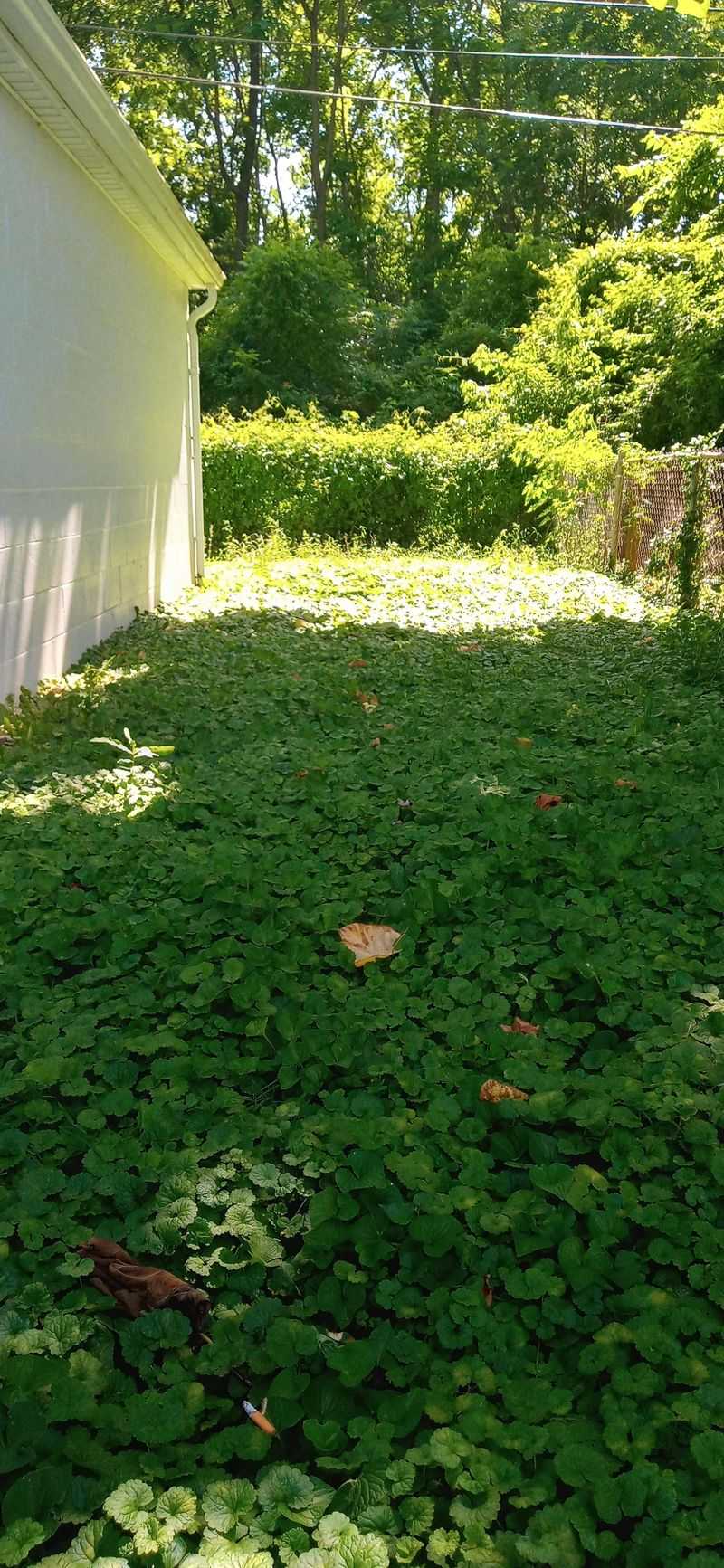
Here is a surprising fact. Creeping Charlie is most vulnerable after the first frost, when it pulls sugar down into its roots for winter.
Penn State Extension notes that herbicides containing triclopyr or fluroxypyr, or blends with 2,4-D, dicamba, and MCPP, work best in fall after frost, with a follow-up in spring during bloom. Even then, it can take two to three years of repeat treatments.
Read every label, and never spray near new native plants.
If you would rather skip chemicals, smother the patch. Lay cardboard over the mat in October, cover it with 3 inches of shredded leaves, and plant natives through it next spring.
Skip borax, it gives spotty results and can harm other plants.
Hand-pulling alone rarely wins because every leftover stem bit can regrow. Think of fall cleanup as clearing the stage so your groundcovers can step on.
8. Fixing Shade And Wet Soil Keeps Charlie From Returning
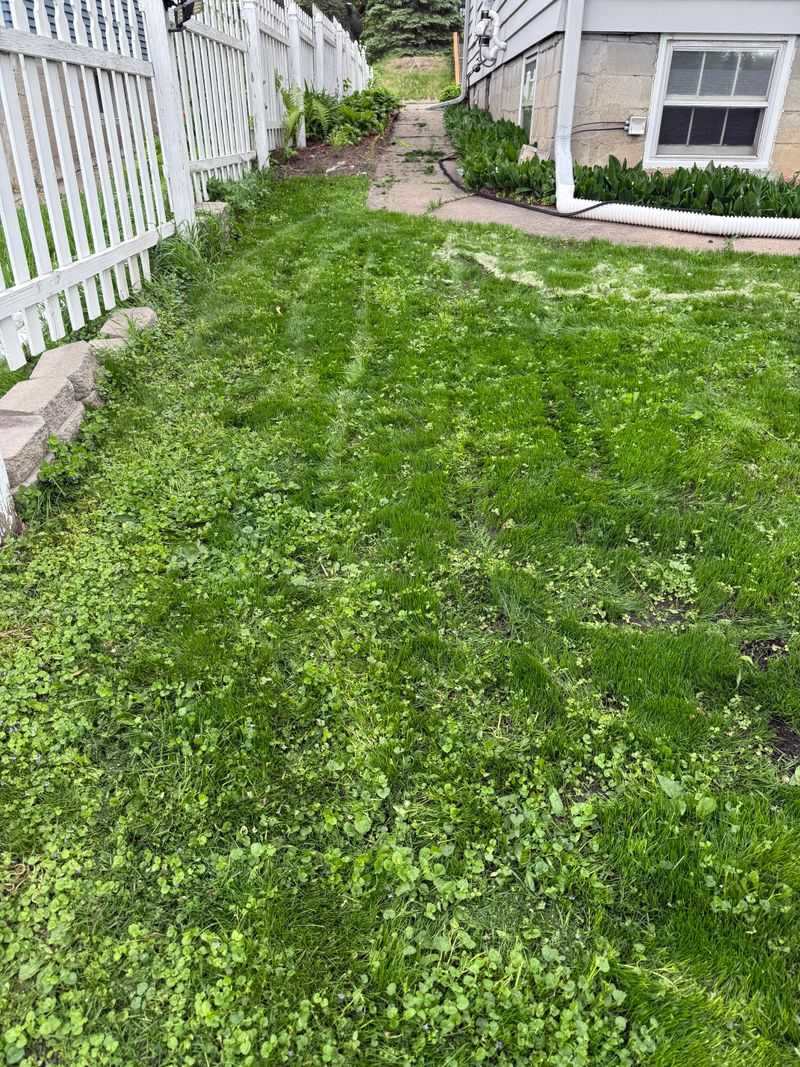
A common myth says Creeping Charlie just shows up from nowhere. It does not.
It follows thin turf, deep shade, and soil that stays wet after summer thunderstorms.
So look up before you plant. Raising lower tree limbs a few feet can let more light reach grass at the edges.
Then decide honestly where grass will never thrive and let your native groundcovers own that ground instead.
Where you keep lawn, overseed thin spots with a shade-tolerant fescue in early September and mow at 3 to 3.5 inches. Taller grass shades the soil, which makes Charlie’s runners struggle.
Fix downspouts so they do not drown one corner every storm.
None of this is a magic solution on its own. But layered together, smart planting and better conditions tip the balance.
And one summer evening on the porch, you will look out at green, steady ground that you genuinely earned.
