
Bitten by a Copperhead While Clearing Fall Leaves in North Carolina? Here’s What to Do First
Follow us on Google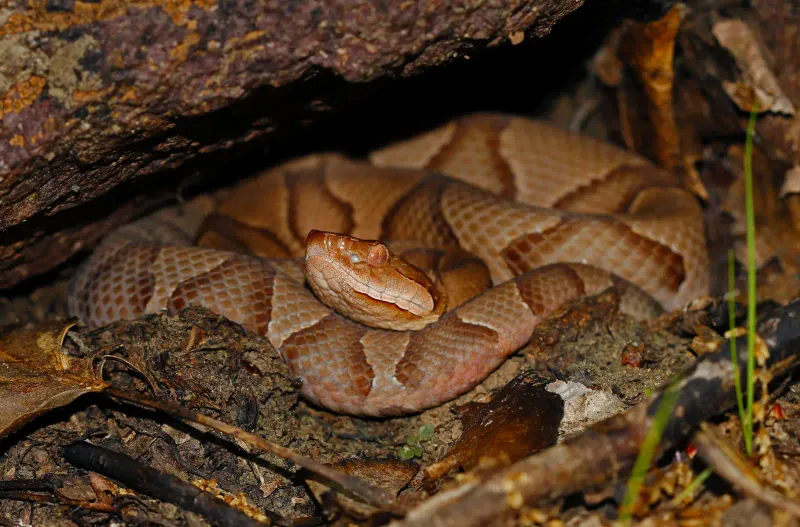
You are pulling wet oak leaves off the back steps in North Carolina when something stings your hand, and a thin banded snake slides away. Your heart pounds and your first instinct is to do something fast.
The right first moves are simple, and a few common reactions can make things worse. Here is the calm, step-by-step plan to follow before anything else.
Get Away And Activate Emergency Services
Step back first. Move several steps away from the snake so it is no longer a threat, and do not circle back to look at it.
Then get the bitten person to sit down and stay as still as possible.
Call 911 right away. For any suspected venomous or possibly venomous snakebite, American Heart Association and Red Cross first aid guidelines say to activate emergency services.
That includes a bite you only suspect, such as a sting in the leaves with a snake sliding off.
North Carolina Poison Control at 1-800-222-1222 can also guide you, and its copperhead page advises evaluation or a call to its specialists for every suspected copperhead bite. Think of that line as extra help, not a replacement.
Do not let a phone call to poison control delay the call to 911.
Do not wait for symptoms to show up. Pain, swelling, or nothing at all in the first few minutes does not tell you how the bite will go.
And do not drive yourself anywhere, because you may feel worse quickly and need your hands and focus.
Tell the dispatcher your address, that a snake bit you in the yard, and when it happened. Also say if any of these appear, because they mean urgent attention: trouble breathing, chest pain, facial swelling, or loss of consciousness.
North Carolina Poison Control emergency guidance lists the same warning signs.
Skip any urge to find the snake, point it out, or identify it. Help is the job now.
Keep The Bite Still While Help Is Coming
While you wait for help, a few small steps get you ready for the medical team. None of them should slow down the 911 call.
Keep the phone on speaker so you can listen as you work.
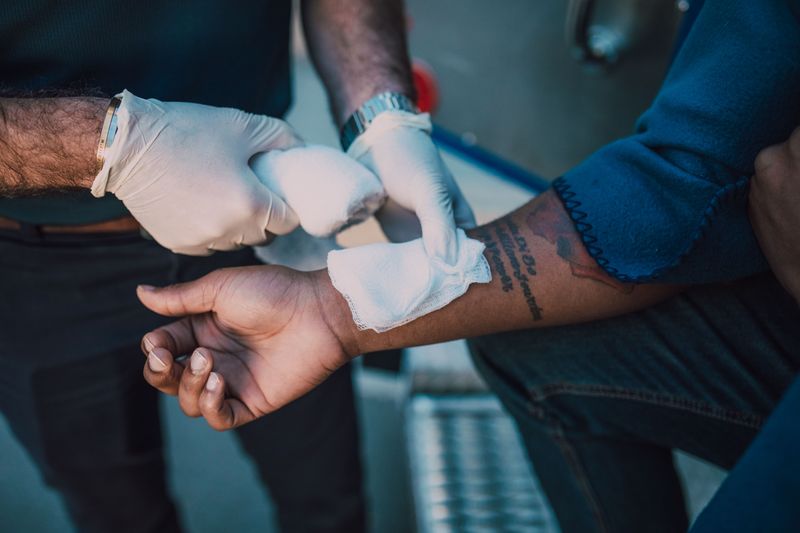
Take off rings, watches, bracelets, and anything snug near the bite before swelling begins. A ring that slides off now may need to be cut off later.
This tip appears in current first aid guidelines.
If it will not delay help, rinse the wound gently with soap and water. Then cover it with a clean, dry dressing.
Skip this if you are still waiting on the phone or help is already at the door.
Limb position is where advice varies a little. North Carolina Poison Control suggests holding the bite still at about heart level, while CDC and NIOSH guidance points to a comfortable, neutral position.
So the safest plan is simple. Keep the bite still and follow what 911, EMS, or Poison Control tells you in real time.
Write down the time of the bite. Note how far the swelling reaches, and mark it on a phone note or even the skin with a pen if the responder suggests it.
Changes over time help clinicians, and Poison Control specialists ask about them.
A photo of the snake is optional. Take one only from a safe distance, and only if someone else can do it without any risk.
Never go back for a better shot.
What Should You Leave Alone?
Plenty of old snakebite advice still floats around, and most of it hurts more than it helps. When your adrenaline is high, these moves can feel like action.
Resist them.
Do not cut the bite. Do not try to suck out venom.
Do not put ice on it, wrap a tourniquet above it, apply a tight pressure bandage, or use any kind of electric shock. Current U.S. first aid guidelines say these methods lack benefit or may cause harm.
The snake needs the same hands-off treatment. Never try to catch it, kill it, or pick it up, even if it looks hurt or slow.
A second bite is a real risk, and it does nothing for the person already bitten.
Gloves and long sleeves can lower exposure during yard work, but CDC and NIOSH safety advice frames them as protection while working, not as a reason to handle a snake.
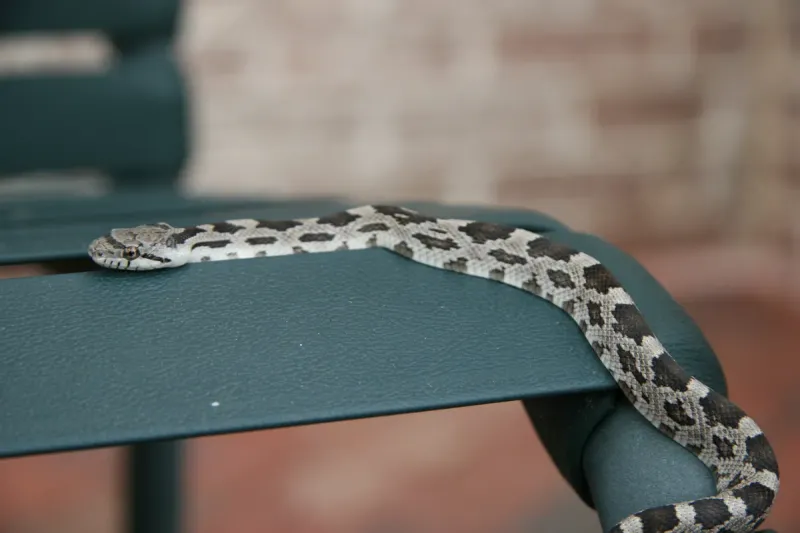
Identification is another trap. Many people lose precious minutes arguing about whether it was a copperhead, a rat snake, or something else.
Responders can treat the person in front of them, and a quick description is plenty if you saw it.
Home remedies feel like control, but they take your attention away from what actually helps. The better plan is to stay still, stay on the line, and let trained people guide each next step.
A Mild Bite Still Needs Medical Advice
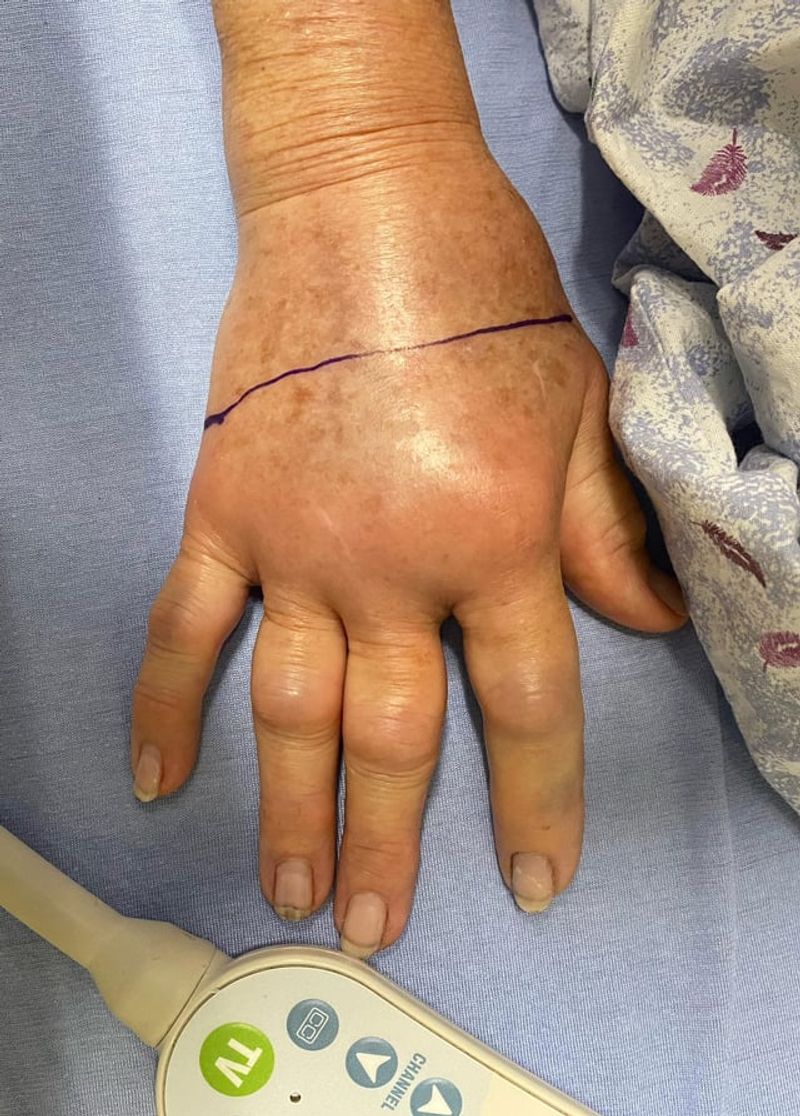
Here is the part that surprises people. Even if the bite barely hurts, you still need professional guidance.
Early symptoms do not tell you how things will go.
Copperhead bites vary. North Carolina Poison Control says about half of bites cause mild swelling and pain, and not every bite injects venom.
Still, it recommends evaluation or a call to its specialists for any suspected bite.
So please do not decide at home that a bite was a dry one, meaning no venom. You cannot tell by looking.
Swelling can start small and spread, which is why noting the time and watching the changes matter.
At the hospital, clinicians look at the person and how symptoms progress over time. That may mean checking the wound, tracking swelling, and monitoring for changes.
Their decisions come from what they see, not from a single rule.
Antivenom is part of that decision. It is not automatic for every bite.
Poison Control guidance notes some North Carolina bites can be managed without it, while medical professionals may consider it when the patient’s condition calls for it.
That is why the first-aid steps focus on getting you to care quickly. The AHA and Red Cross guidelines keep emergency activation at the center of the plan.
A mild-looking bite is not a reason to skip it.
Leaf Cover Can Hide Snakes, But Late Fall Is Not A Proven Peak
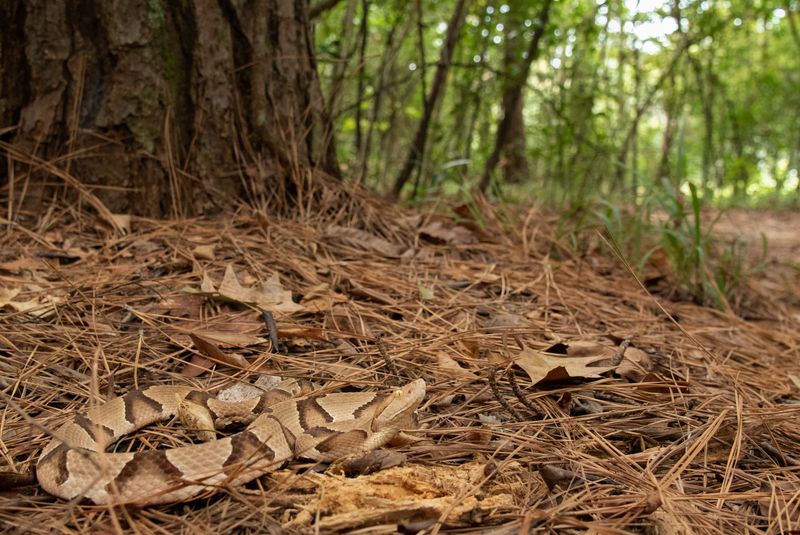
Picture a drift of brown leaves along a fence line. To a copperhead, that is a perfect blanket.
Its banded pattern blends right into leaf litter, which is why a snake can be hard to spot while you work.
The North Carolina Wildlife Resources Commission describes copperheads using cover, and state sources report them in wooded residential areas and under surface cover such as debris. That makes an unlucky encounter plausible when you reach or step into hidden spots.
Now the honest limit. Nobody has measured how often leaf cleanup leads to bites, so it would be wrong to say it commonly does.
Leaf piles do not cause bites on their own, and most yard work ends without any snake at all.
Late fall is not a proven peak either. Reviewed records from the North Carolina Natural Heritage Program cluster mostly from July through September.
Copperheads can still turn up outside that window, so a chilly day is no guarantee of an empty yard.
The takeaway is small and practical. Hidden cover means you cannot always see what is under your hands.
NC State Extension offers general guidance on living near snakes, and the simplest habit is to treat covered spots as places you check before you touch.
Safer Leaf Cleanup Starts Before You Reach In
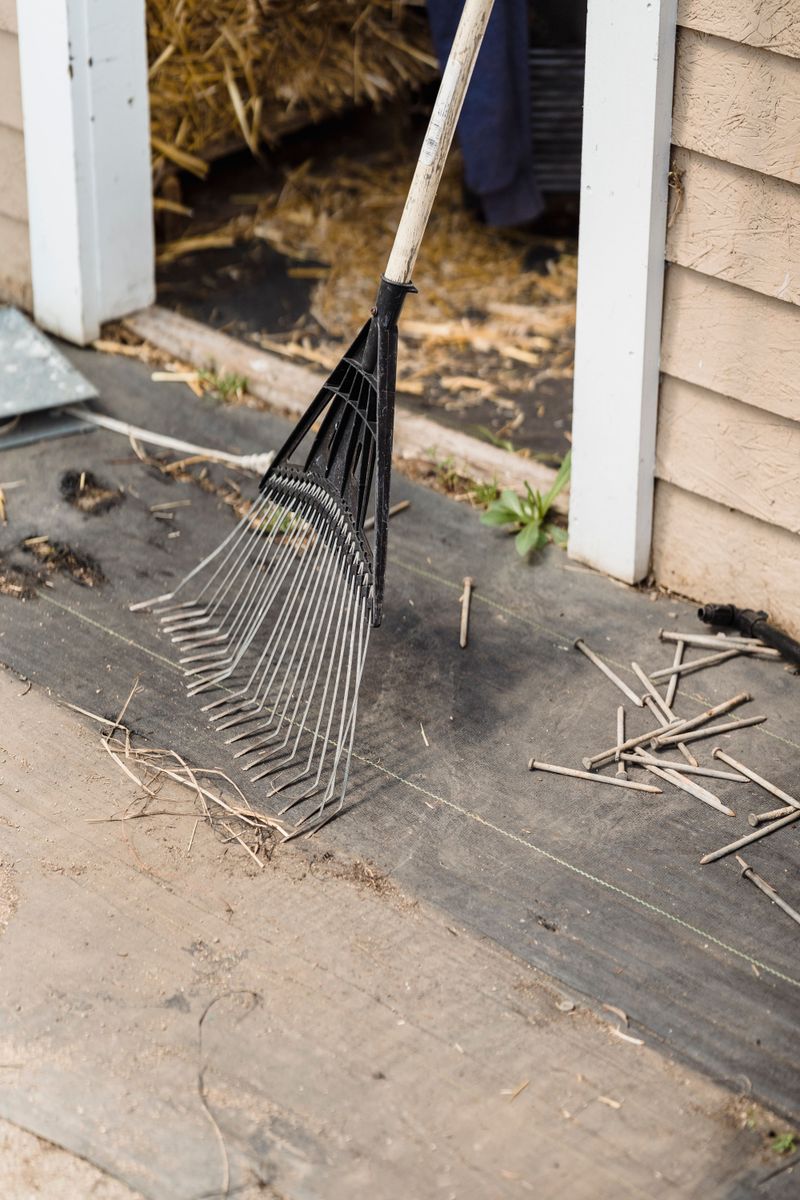
A good routine takes about two minutes before you start. Put on closed boots and long pants.
Add leather gloves when you handle brush and debris. CDC and NIOSH guidance recommends exactly that gear for work around brush and debris.
Next, let a tool go first. Pull leaves toward you with a rake or a long-handled tool instead of scooping with bare hands.
That way you see what is under the surface before your fingers get there.
When you can, skip the big leaf piles or leave them alone. The same CDC and NIOSH advice suggests avoiding piles of leaves where possible.
Rake in small sections, and pay extra attention around steps, wood stacks, and fence lines.
Keep expectations honest. Boots, gloves, and tools may reduce your exposure, but they do not guarantee you will not be bitten.
NC State Extension cautions that gloves and sleeves do not make it safe to move a venomous snake, so leave any snake you find alone and give it room.
If you do spot one, step back, keep kids and pets away, and carry on later. It will usually move along by itself.
A steady habit beats a perfect plan. Look first, reach second.
