
13 Multicolor Perennials Florida Gardeners Rely On For Year-Round Blooms
Follow us on Google
Florida gardens do not need a short bloom season or a one-note color palette. The right perennials keep throwing fresh flowers through heat, humidity, rain, and those mild winters that make other gardeners jealous.
If you want beds, borders, and patio pots to stay lively almost every month, these dependable multicolor bloomers earn their space fast. Each one brings staying power, easy beauty, and the kind of repeat color that makes your yard look thoughtfully planted all year.
Pentas
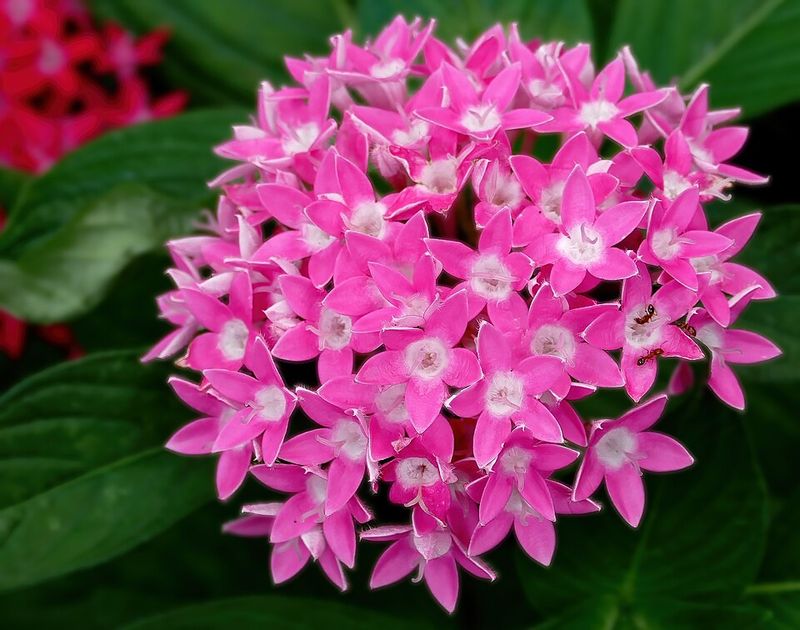
Heat, humidity, and frequent summer rain rarely slow this reliable bloomer down, which is exactly why so many Florida gardeners keep it near walkways and mailboxes. Clusters of starry flowers show up in red, pink, white, lavender, and bi-colors, giving you plenty of ways to mix shades without the bed looking chaotic.
You also get the bonus of constant butterfly traffic, which makes even a small front yard feel active and colorful.
Full sun produces the heaviest flowering, but light afternoon shade can help plants stay fresher in the hottest inland spots. Soil does not need to be fancy as long as it drains reasonably well, and a light trim every few weeks keeps new buds coming.
If stems start looking stretched, cutting them back by a third usually brings a thicker, tidier flush.
In containers, this plant shines because it fills space fast and keeps color at eye level for months. I like pairing pink and white forms together when a porch needs brightness without looking overly formal.
In mixed borders, shorter varieties work best near edges where their rounded shape stays visible.
Once established, regular watering during dry spells is usually enough to keep the show going. A slow-release fertilizer in warm months helps, but overfeeding can create excess leaves at the expense of flowers.
For dependable multicolor impact with very little fuss, few choices work harder.
Lantana
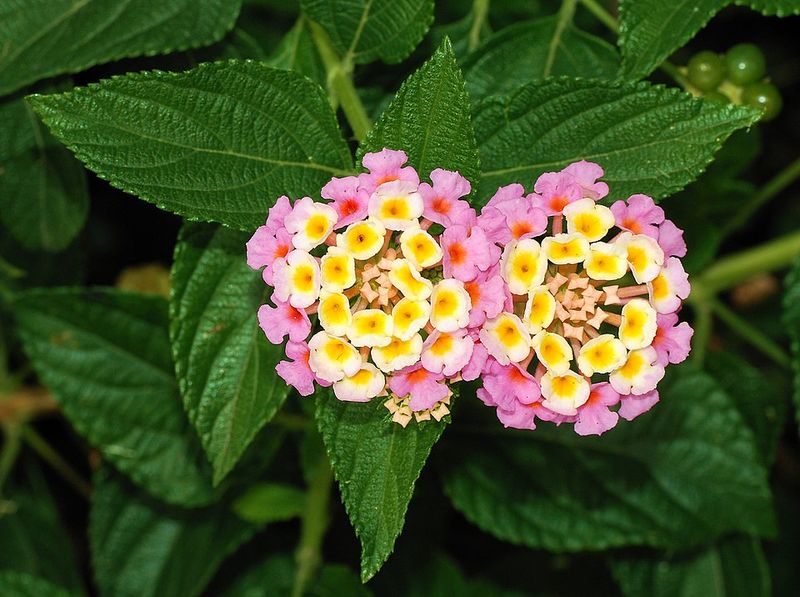
Few plants look more at home in a Florida yard than this sun-loving workhorse covered in changing flower clusters. One bloom head can open in yellow, then deepen into orange, pink, or red tones, so the plant naturally gives you a multicolor effect without any complicated design tricks.
That shifting color is a big reason beds stay lively even when other flowers take a break.
Hot, bright locations are where it performs best, especially in sandy soil that drains quickly after rain. Once roots settle in, watering needs drop dramatically, making this a smart pick for gardeners who want color without daily maintenance.
A light pruning after a heavy flush keeps the shape fuller and encourages another round instead of a leggy pause.
Butterflies flock to it, and larger varieties can anchor a border with almost shrub-like presence. Smaller trailing forms are perfect for retaining walls, baskets, or the edge of a raised bed where the blooms can spill naturally.
If a planting area gets blasted by reflected heat from pavement, this is one of the few bloomers that usually shrugs it off.
The main caution is placement, because some types can spread wider than expected when conditions are ideal. Choosing sterile or improved varieties can reduce unwanted reseeding while preserving nonstop flower power.
For year-round Florida color with bold sunset shades, this one keeps earning repeat invitations.
Blanket Flower
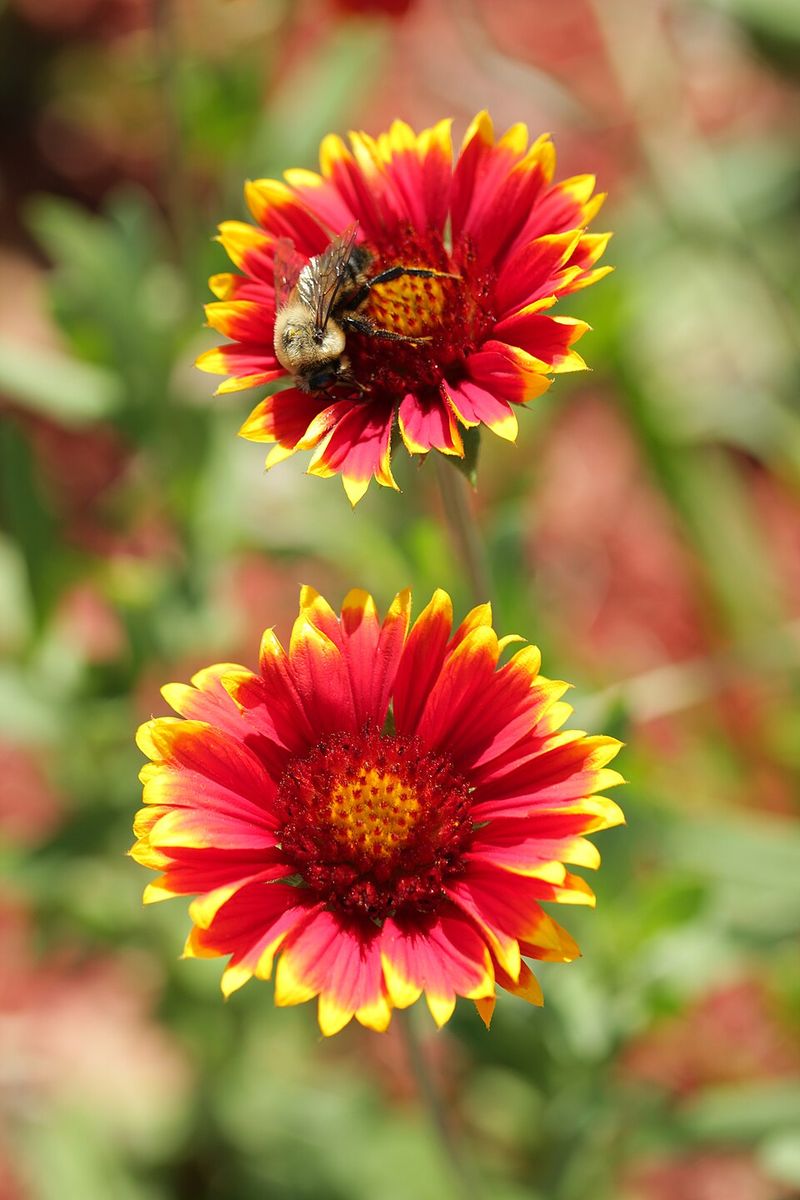
Bright rings of red, orange, and yellow make this cheerful perennial feel like a permanent sunset in the garden. Daisy-shaped flowers sit above tidy mounds of foliage, and the warm color blend works beautifully with both tropical and cottage-style plantings.
If your yard has a spot that gets intense sun and drains fast, this is an easy plant to appreciate.
Sandy soil is not a problem here, and that matters in many parts of Florida where richer ground is hard to find. Too much fertilizer or overly wet conditions can shorten its life, so a slightly lean approach actually produces stronger performance.
Deadheading helps keep the display cleaner, though improved varieties often bloom steadily with minimal attention.
Because the flowers are vivid but not oversized, they mix well with pentas, salvia, and ornamental grasses without overpowering nearby plants. I like using them near stepping stones or at the front of a border where the warm tones can be seen up close.
Pollinators appreciate the open flower shape, and that gives the bed more movement through every season.
During especially rainy stretches, a quick trim can refresh tired stems and bring back a neater mound. Good air circulation matters, so avoid cramming plants too tightly together in heavy beds.
When you need bright multicolor blooms that handle Florida sun with confidence, this one deserves serious consideration.
Coreopsis
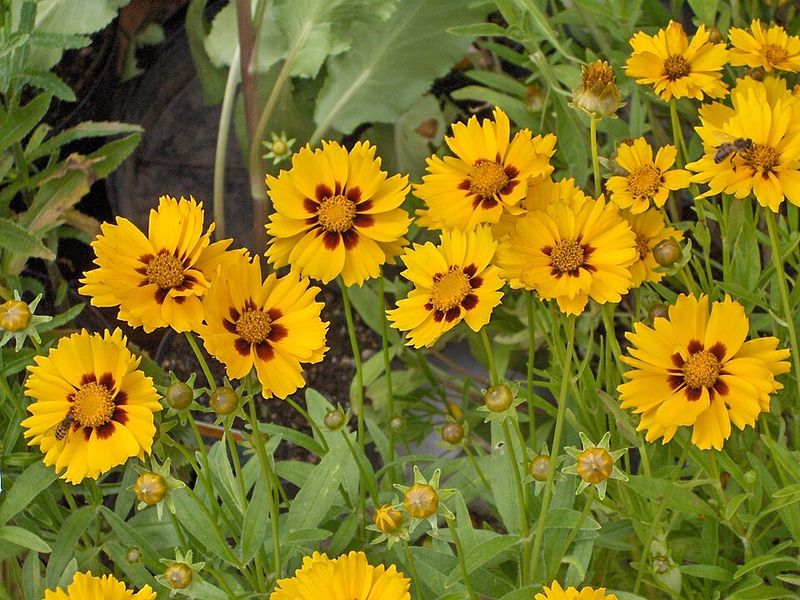
Florida’s state wildflower brings a relaxed, cheerful look that suits everything from formal borders to casual pollinator patches. Depending on the variety, you can get clear yellow petals, rich golden tones, or eye-catching bi-color blooms marked with red centers.
That range makes it easier to build a multicolor planting scheme while still keeping a cohesive, natural feel.
Strong sun is the key to long flowering, and well-drained soil helps roots stay happy through wet and dry swings. Once established, plants are fairly forgiving, which is useful if your schedule does not allow constant fussing over irrigation.
Trimming spent stems every so often keeps the mound compact and encourages fresh buds instead of a tired, seedy look.
This perennial works especially well when you want color that reads clearly from the street. The flowers bob above fine foliage, adding lightness instead of dense bulk, so nearby shrubs and tropical leaves still have room to stand out.
In mixed beds, pairing yellow and red-centered selections creates enough contrast to feel lively without becoming visually messy.
Some varieties behave like short-lived perennials, but they often reseed gently and keep the display going. Choosing improved forms from local nurseries usually brings longer bloom periods and better heat tolerance.
For gardeners chasing easy, sunny color across much of the year, coreopsis remains one of the smartest reliable choices.
Firebush
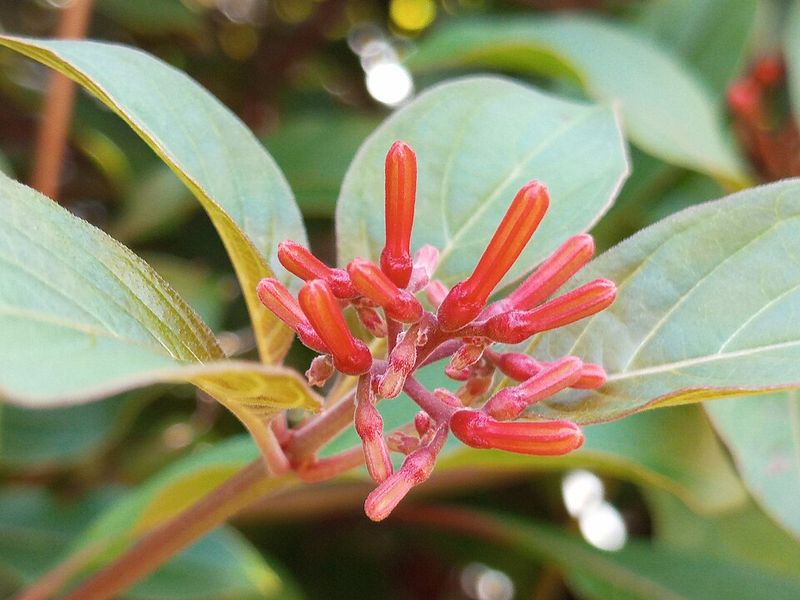
When a planting bed needs height, movement, and nonstop warm color, this Florida favorite delivers in a big way. Tubular blooms in orange-red shades appear for long stretches, and the foliage often picks up bronzy or reddish tones that deepen the overall palette.
Hummingbirds treat it like a regular stop, so the plant adds life as well as color.
Sun keeps flowering strongest, though partial shade still works in many yards, especially in the southern part of the state. Once established, it handles heat and temporary dryness well, and it rebounds quickly after trimming.
A hard cut in late winter or early spring is often enough to reset size and encourage a dense flush of new growth.
Because it can become a sizable perennial shrub, placement matters from the beginning. Give it room behind lower bloomers like pentas or bulbine, and let the fiery flowers rise above the rest of the border.
In smaller spaces, dwarf forms offer the same bright effect without swallowing nearby plants or windows.
Flower color stays consistent, but the mix of vivid blooms, dark stems, and richly tinted foliage creates a layered multicolor look that works year-round in Florida. It also tolerates reflected heat from walls surprisingly well once settled.
If you want a bold anchor plant that still flowers generously, firebush is hard to top.
Mexican Heather
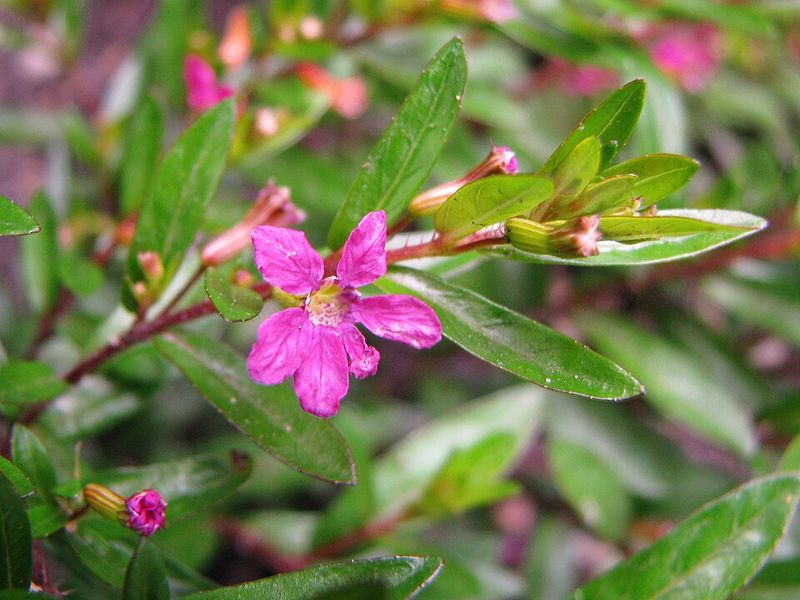
Small flowers can still make a huge visual impact when they cover a plant this heavily. Purple is the shade most people recognize first, but pink and white forms are also available, making it easy to layer several colors into one low border.
The fine foliage adds a soft texture that balances bigger tropical leaves nearby.
Florida gardeners appreciate how neatly this perennial fills edges, paths, and container rims without demanding constant shaping. It blooms best in sun to light shade, and regular moisture helps during establishment, though mature plants are fairly resilient.
A gentle trim every so often keeps the mound dense and prevents the center from looking thin.
This is one of those plants that quietly makes everything around it look better. Near brighter flowers like lantana or pentas, it softens transitions and keeps the bed from feeling too chunky or uneven.
I also like using mixed colors in repeating groups because the result feels polished without looking stiff.
In frost-free parts of Florida, flowering can continue almost continuously, especially when plants are fed lightly during warm weather. Drainage still matters, so avoid low spots where water sits after heavy rain.
For long-lasting color at the front of the garden, few perennials give you this much bloom coverage from such a compact plant.
Society Garlic
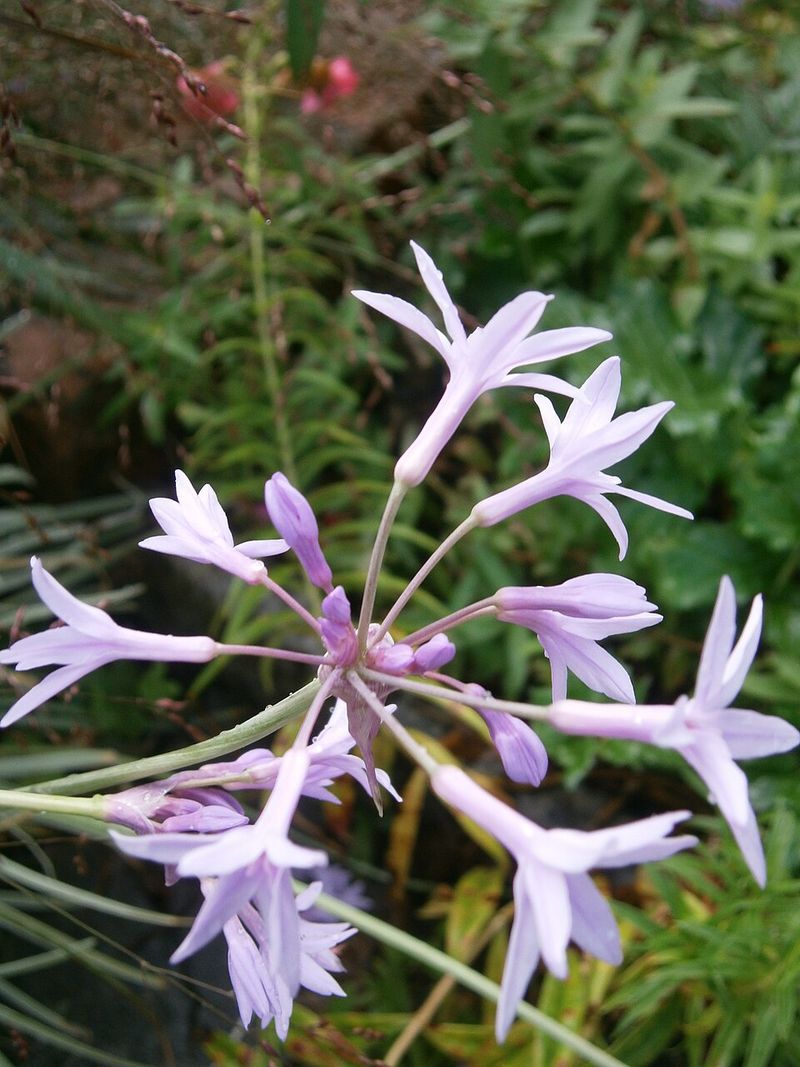
Strappy leaves and airy flower clusters give this perennial a clean, organized look that works beautifully in Florida landscapes. The blooms are usually lavender to soft purple, yet they shift subtly with light and age, creating a delicate multitone effect rather than one flat color.
That understated variation is useful when brighter flowers nearby need a calmer companion.
Sunny beds and containers suit it best, especially where drainage is sharp and roots are not left in standing water. Once established, the plant handles heat and dry periods with very little complaint, which makes it practical for busy gardeners.
Dividing older clumps every few years keeps flowering strong and prevents the center from thinning out.
Because the foliage stays neat and upright, this is an excellent edging plant along paths, driveways, or narrow foundation beds. Purple flower heads rise just above the leaves, so the plant adds color without blocking lower views or crowding neighboring perennials.
I like pairing it with yellow coreopsis or orange lantana for a crisp, colorful contrast.
The slight garlic scent can also be a welcome bonus in areas where you want a plant with some personality. Blooms come in waves through warm weather and often continue in mild winters.
For gardeners who want year-round structure plus soft multicolor flowering, society garlic is dependable in a very polished way.
Bulbine
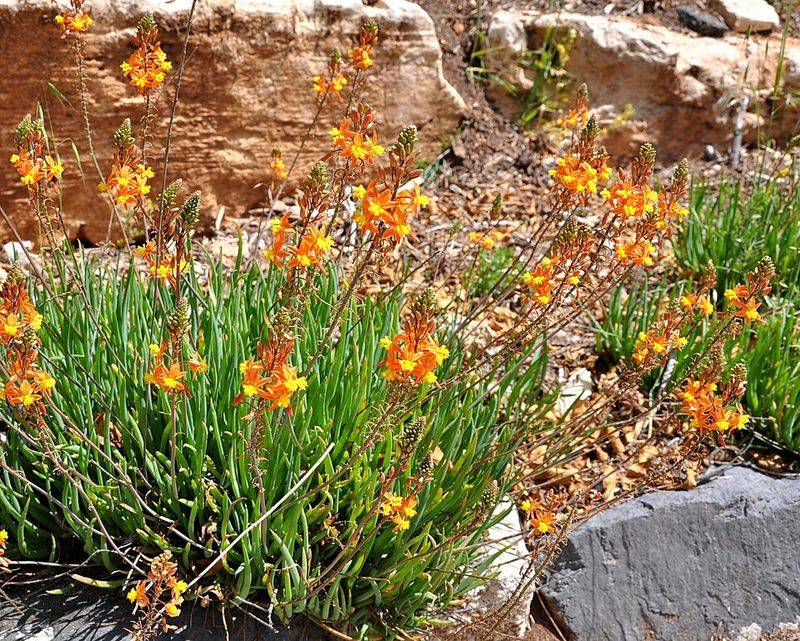
Succulent-like foliage and wiry flower stems make this perennial look different from the usual Florida bedding choices. The starry blooms come in yellow or orange, and planting both together gives you a bright, clean multicolor effect that lasts far longer than most people expect.
Because the flowers rise above the foliage, the plant adds color without feeling bulky.
Dry, sunny spots are where it performs best, making it a strong choice for rock gardens, curbside beds, and areas blasted by reflected heat. Too much shade reduces flowering, and overly rich soil can make growth softer than necessary.
In most yards, occasional trimming of spent stems is enough to keep the clump tidy and pushing fresh bloom spikes.
This is a smart option if you want year-round interest with minimal watering once plants are established. The fleshy leaves stay attractive even between peak bloom periods, so the bed does not suddenly look empty after one flush.
Mixed with gravel, coarse mulch, or low ornamental grasses, it creates a crisp Florida-friendly planting that looks intentional rather than sparse.
Bulbine also handles containers surprisingly well as long as drainage is excellent and the pot gets plenty of sun. I like combining yellow and orange forms near entryways where the warm tones feel welcoming without becoming too loud.
For durable color in the toughest hot spots, few perennials are this efficient.
Plumbago
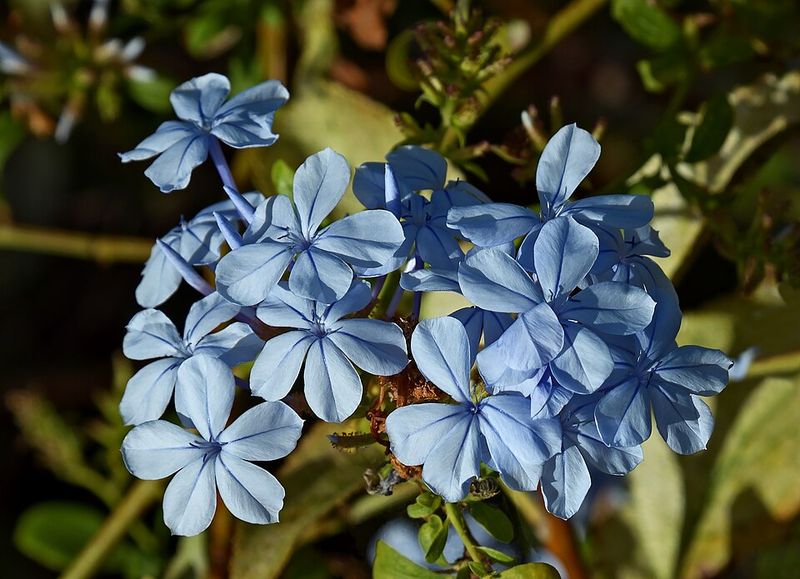
Cool blue flowers are surprisingly valuable in Florida gardens because they balance all the hot reds, oranges, and yellows that dominate warm-climate plantings. This vigorous perennial shrub produces generous clusters that read as sky blue from a distance, while individual blooms can show softer lavender undertones.
That subtle shift gives the plant more color depth than many gardeners realize.
Sun encourages the strongest flowering, though light shade is tolerated, especially in very hot southern exposures. The plant is not fussy about soil as long as drainage is decent, and it recovers quickly after pruning if it gets too broad.
A shaping cut a few times a year keeps it from sprawling over smaller companions.
Plumbago works beautifully as a loose hedge, a background layer, or a filler around mailbox beds where you want long color without constant replanting. Paired with yellow coreopsis or white pentas, the blue flowers stand out sharply and make the whole bed feel brighter.
It is also useful for softening fences and corners that can otherwise look hard or neglected.
In frost-free areas, flowering can continue nearly all year, especially when plants get consistent moisture during dry stretches. Its easygoing habit is part of the appeal, but giving it room from the start saves maintenance later.
For dependable cool-toned bloom power, this Florida classic still earns a prime spot.
Canna Lily
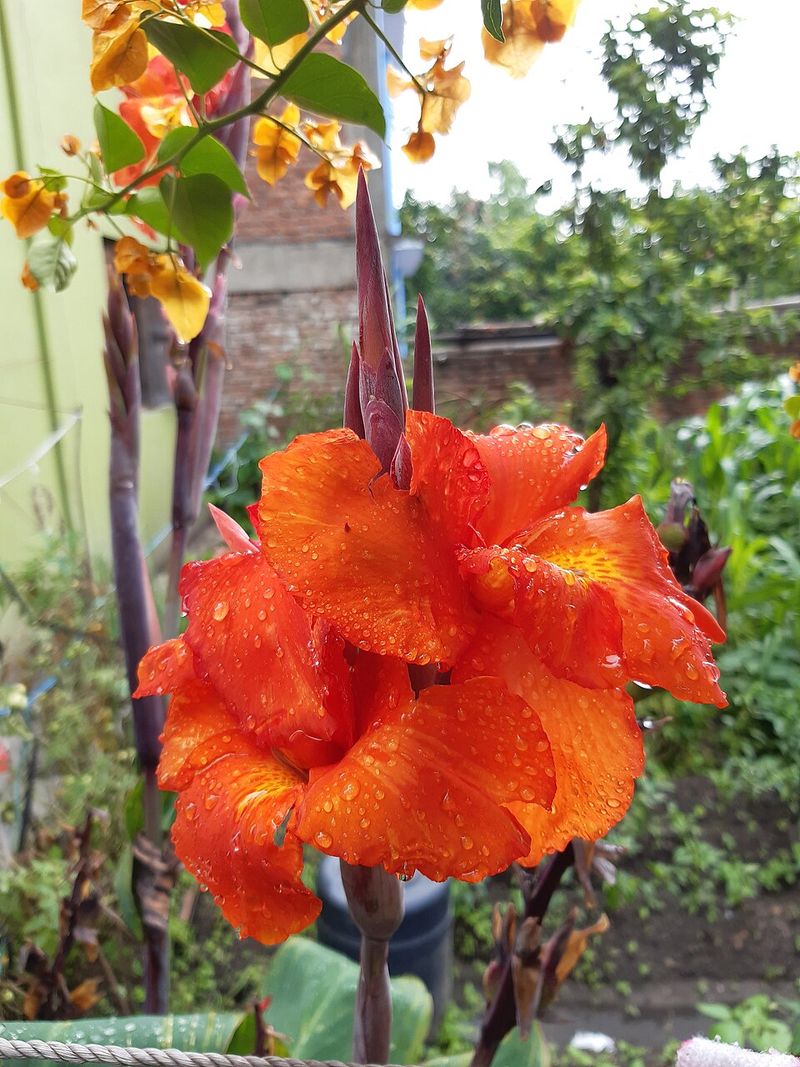
Big leaves and bold flowers give this perennial an unmistakably tropical presence, which feels right at home in Florida. Flower colors range from red and orange to yellow, pink, and striking striped combinations, so it is easy to build a truly multicolor display.
Even when blooms pause briefly, the foliage keeps the bed looking intentional and full.
Moist, fertile soil brings the strongest growth, though many varieties handle ordinary garden conditions well if watered regularly. Full sun supports the heaviest flowering, but a little afternoon shade can help leaves look cleaner in punishing summer heat.
Removing spent flower stalks encourages fresh shoots and prevents the clump from looking ragged after a strong flush.
Because cannas have a bold texture, they are best used with purpose rather than scattered randomly. A grouped planting near a fence, pond edge, or pool enclosure creates a dramatic block of color that smaller perennials cannot match.
I like mixing solid-colored flowers with striped cultivars so the planting feels layered instead of predictable.
In many Florida gardens, rhizomes return vigorously year after year and can be divided whenever clumps become crowded. Watch for canna leaf rollers and remove damaged foliage promptly to keep plants looking their best.
If your garden needs height, tropical energy, and months of multicolor bloom, cannas bring all three with confidence.
African Iris
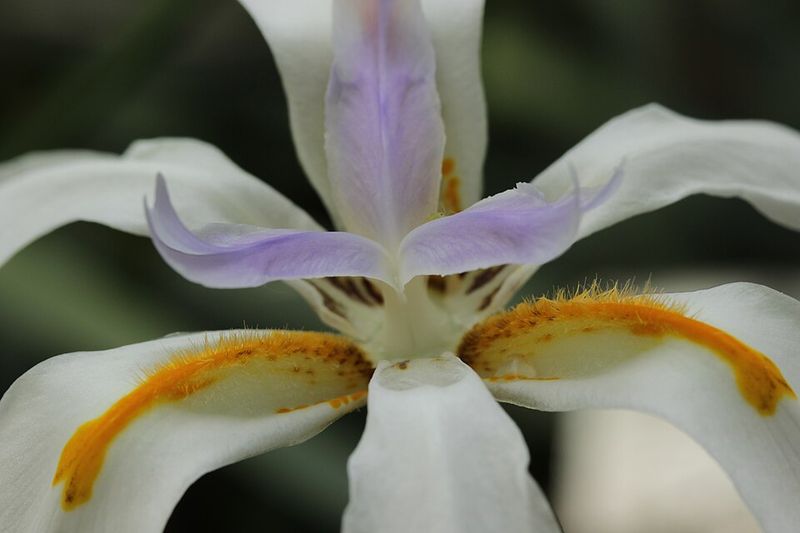
Elegant flowers with white petals, yellow signals, and touches of blue make this perennial much more colorful than people expect from a distance. Each bloom lasts briefly, but new ones open repeatedly, so the display keeps refreshing itself through warm weather.
In Florida, that rhythm works well for gardeners who want steady interest rather than one giant, short-lived burst.
Strappy foliage stays attractive year-round in many parts of the state, giving the plant value even when fewer flowers are open. Sun to part shade suits it well, and established clumps tolerate heat, humidity, and occasional dry spells with little drama.
Cleaning out old leaves and dividing congested clumps every few years keeps it looking neat and blooming consistently.
Because the flowers are refined rather than loud, African iris fits beautifully in modern landscapes, poolside beds, and narrow side yards. The creamy white petals brighten dark corners, while the yellow and blue markings reward anyone who looks more closely.
I like using it near seating areas where those details can be appreciated up close instead of lost from the street.
It also pairs well with bolder flowers because the foliage adds structure and the blooms soften stronger color combinations. Drainage should be decent, but the plant is generally forgiving once established.
For year-round form and recurring multicolor flowers with a polished look, this one is a reliable Florida staple.
Salvia greggii
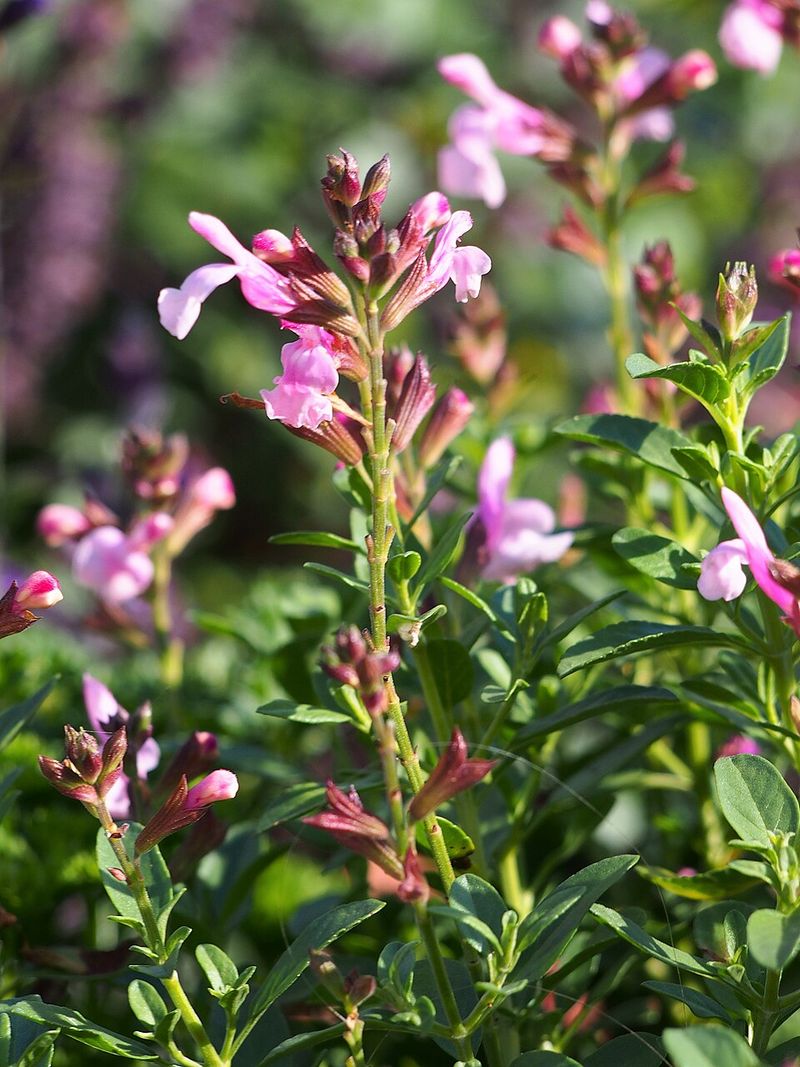
Small leaves, airy branching, and nonstop flower color make this salvia a useful bridge between tropical exuberance and tidy perennial structure. Depending on the variety, blooms can be red, coral, pink, purple, or white, and mixing several shades creates a lively multicolor effect without making the bed feel heavy.
Hummingbirds notice it quickly, which adds another layer of appeal.
Good drainage is essential, especially in Florida’s wetter months, so raised beds or slightly mounded planting areas can help. Full sun is ideal, though very hot inland gardens may benefit from a bit of afternoon relief.
Shearing lightly after a major flush keeps plants compact and stimulates another round of flowers instead of a lanky pause.
This is one of the easiest perennials to weave through mixed borders because its shape is open and cooperative. It will not smother neighbors, yet it fills awkward gaps with color for months on end.
I like combining red and white forms near entry beds, or coral and purple shades in casual cottage-style plantings that need a little movement.
In frost-free areas, flowering can continue through much of the year, especially when plants are not overwatered. Avoid overly rich feeding, since too much fertility can mean more stems and fewer blooms.
For gardeners who want long color, hummingbird activity, and flexible multicolor options, this salvia is a strong choice.
Daylily
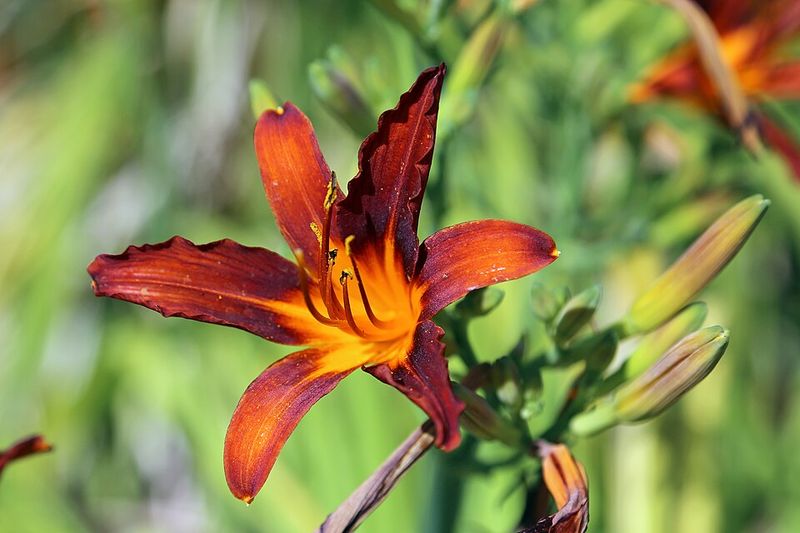
Reblooming selections have made this familiar perennial far more useful in Florida than many gardeners remember from older plantings. Flowers now come in yellow, orange, red, pink, purple, and dramatic bi-color patterns, so building a multicolor border is surprisingly easy.
Each bloom lasts a day, but well-chosen varieties send up so many scapes that the display keeps renewing itself.
Morning sun with some afternoon shade often gives the best balance between flower production and clean foliage in hotter parts of the state. Rich, well-drained soil and steady moisture help plants establish quickly, especially during the first growing season.
Removing spent scapes and damaged leaves keeps clumps attractive and encourages the garden to look intentionally maintained.
Because the foliage forms graceful arches, daylilies provide structure even when a flush slows down. They work especially well in repeating drifts along driveways, around mailbox beds, or mixed with lower flowering perennials that appreciate a leafy backdrop.
I like pairing warm orange and red cultivars with softer yellow or cream forms so the bed feels layered rather than flat.
Dividing overcrowded clumps every few years restores vigor and gives you more plants for other sunny spots. Choosing cultivars proven in the Southeast is important, since not every catalog variety thrives in Florida heat.
For reliable color, easy maintenance, and plenty of multicolor options, reblooming daylilies still deserve space.