
10 Purple Perennials North Carolina Gardeners Use For Mountain To Coast Color
Follow us on Google
Purple flowers can tie together a North Carolina garden in a way few colors can, carrying cool elegance from mountain slopes to sandy coastal beds. The best part is that many perennial favorites handle the state’s heat, humidity, clay, and surprise cold snaps with impressive grace.
If you want long-lasting color without replanting every spring, these picks earn their space. Each one brings a different kind of purple, so you can build a garden that feels layered, local, and easy to love.
Purple Coneflower
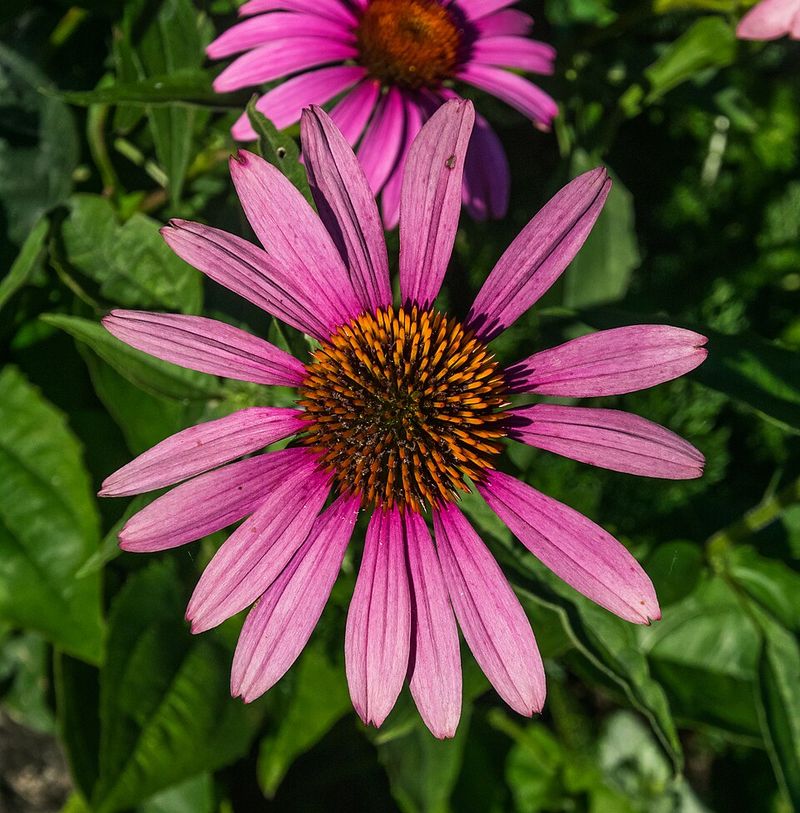
Few plants earn their keep as reliably in North Carolina as this sturdy native-leaning favorite. You get bold purple petals, a raised copper center, and weeks of bloom during the hottest stretch of summer.
In my experience, it looks especially good when planted in groups where the color reads from a distance.
Full sun gives the strongest stems and heaviest flowering, though light afternoon shade helps in the Sandhills and coastal plain. Well-drained soil matters more than rich soil, so avoid pampering it with too much fertilizer.
Once established, you can count on decent drought tolerance, which is helpful during those long July dry spells.
Pollinators never treat it like background filler. Butterflies, bees, and later goldfinches all find something useful here, giving your bed movement long after many early perennials fade.
Deadheading extends bloom, but leaving a few seedheads adds late-season texture and wildlife value.
Pair it with black-eyed Susan, native grasses, or salvia for a planting that feels grounded and regional. If your garden swings between sticky humidity and sudden heat, this one rarely complains.
That combination of durability and strong color makes it an easy yes for beginners and experienced gardeners alike.
Woodland Phlox
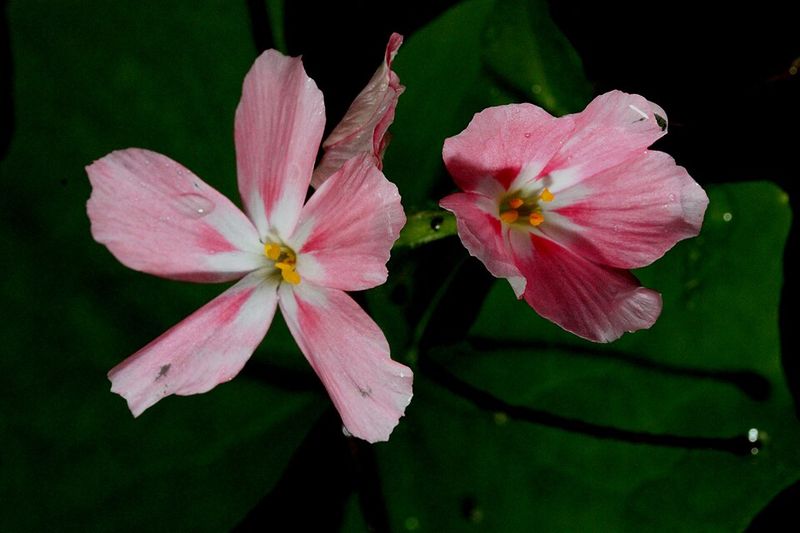
Spring shade can feel flat until soft purple phlox starts glowing beneath trees. This woodland performer brings a lighter, more relaxed kind of color that suits mountain gardens, Piedmont yards, and older landscapes with established canopy.
You notice it most in April and May, when the whole garden seems ready to wake up at once.
Morning sun with afternoon shade usually gives the best balance of bloom and leaf quality. In richer, moisture-retentive soil, clumps fill in nicely without becoming unruly.
Good air circulation matters in humid areas, especially if your garden tends to trap moisture after frequent spring rain.
The flowers attract butterflies and early pollinators while blending beautifully with ferns, coral bells, and native columbine. I like using it along front paths where you can appreciate the fragrance up close.
After flowering, the green foliage continues to soften the edge of shadier beds.
Regular watering during establishment helps, but mature plants are not fussy when conditions suit them. A light trim after bloom can encourage neat growth and sometimes a smaller encore.
If you want purple that feels calm rather than flashy, this perennial adds exactly the right kind of quiet confidence.
Salvia nemorosa
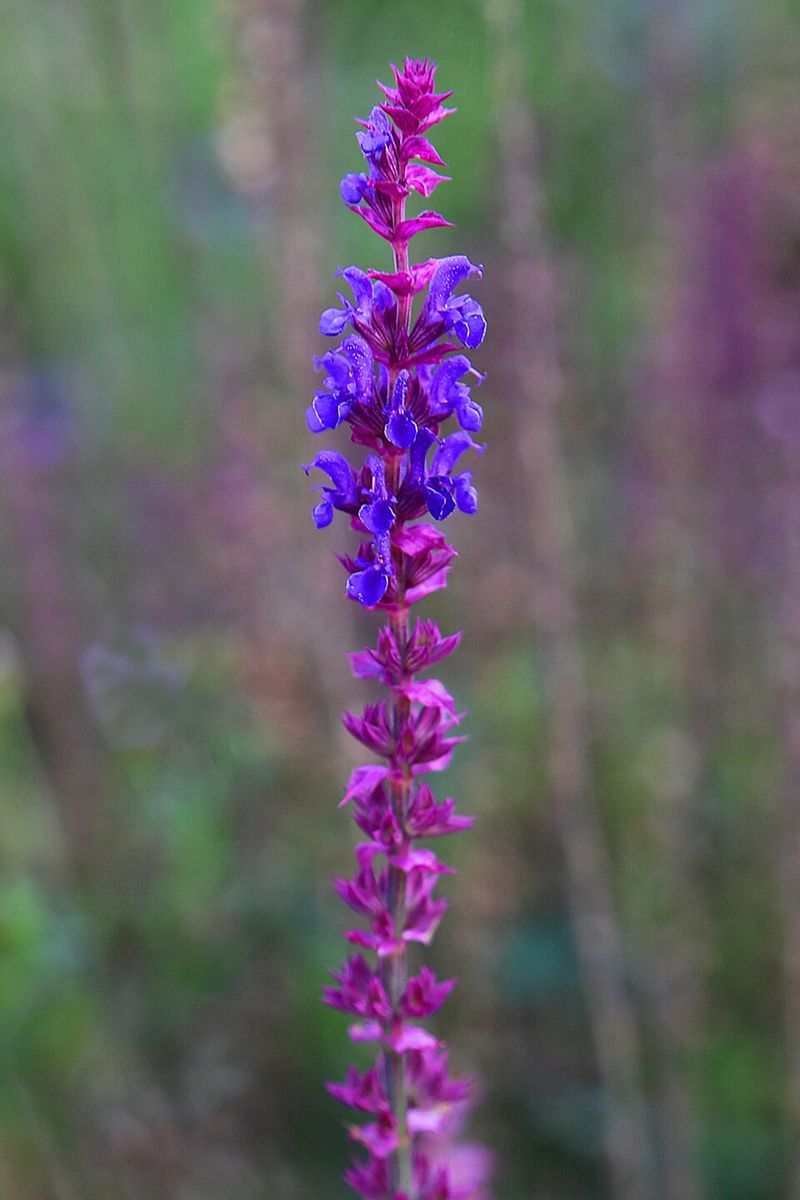
Vertical purple flower spikes can make a planting look organized even when everything else is sprawling a little. This salvia earns attention by blooming hard, standing neatly, and attracting bees from morning until evening.
You get a more tailored look than many cottage-garden plants, which is useful in smaller suburban beds.
Sun is essential, and drainage is just as important in North Carolina’s wetter stretches. If your clay soil stays soggy in winter, raise the bed or amend generously so roots are not sitting in cold moisture.
Once planted in the right spot, it handles summer heat far better than its refined appearance suggests.
Shearing after the first flush usually brings a second round of flowers, especially in the Piedmont. That simple cut keeps the clump compact and prevents the tired midsummer look gardeners often complain about.
It also makes neighboring perennials easier to manage because the planting stays defined.
Use it with daylilies, yarrow, catmint, or coneflowers for a border that repeats color and shape without feeling stiff. Deer tend to pass it by, which is not a small advantage in many parts of the state.
For dependable purple that reads clean and modern, this one keeps proving its worth.
Catmint
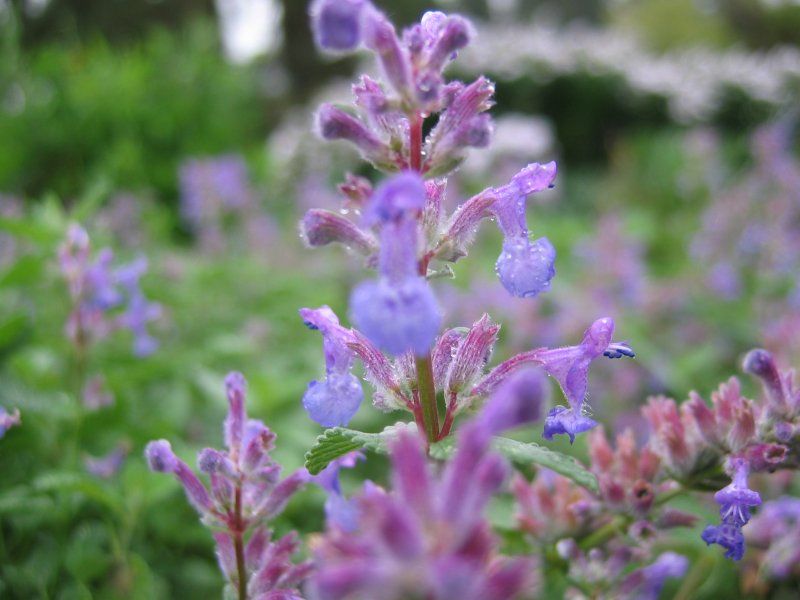
Soft mounds of smoky foliage and violet-purple bloom can make a hot border feel cooler almost instantly. Catmint has that relaxed habit gardeners love because it spills gently over edging, walls, and path stones without looking messy.
In a state where summer can feel relentless, that airy look is especially welcome.
Give it full sun and decent drainage, and it usually settles in with little drama. Heavy clay is manageable if you loosen the planting area and avoid overwatering after establishment.
Too much fertilizer creates floppy growth, so lean conditions often produce the best shape and strongest flower display.
Pollinators stay busy around it, and deer usually leave it alone thanks to the fragrant foliage. Shearing the plant back by about one-third after the first big flush refreshes the mound and often prompts another wave of bloom.
That quick haircut keeps the center from opening and extends the season noticeably.
It works beautifully beside roses, salvias, and ornamental grasses, especially when you want a long ribbon of cool-toned color. I also like it near driveways where reflected heat can stress fussier plants.
If your goal is easy purple with almost nonstop presence, catmint gives you an awful lot for very little effort.
Creeping Phlox
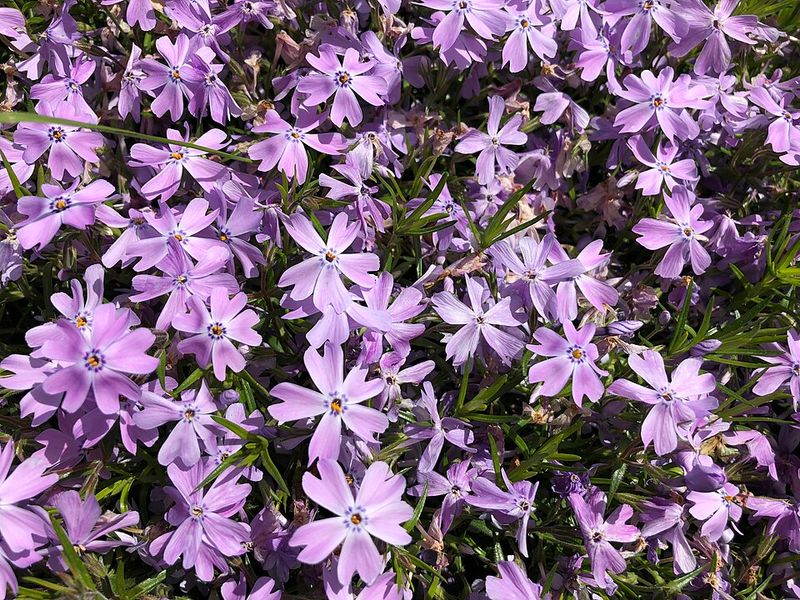
Spring color feels more dramatic when it pours over a wall or tucks between stones, and this groundcover does exactly that. Creeping phlox creates a sheet of purple that reads almost like a fabric spread across the garden.
In mountain landscapes especially, it looks right at home spilling over rock edges.
Sharp drainage is the key to success, so raised slopes, rock gardens, and retaining walls suit it far better than flat wet beds. Full sun encourages dense flowering and a tighter mat of foliage.
In humid regions, good air movement helps keep plants cleaner after periods of heavy rain.
Bloom time is concentrated, but the impact is memorable enough to justify every inch it occupies. You can use it to soften hardscape, edge pathways, or fill awkward pockets where larger perennials would look clumsy.
After flowering, a light trim can keep the foliage compact and improve the plant’s appearance through summer.
Pair it with dwarf iris, candytuft, or low sedums for a layered spring display that does not feel overcrowded. It is also a smart answer for erosion-prone spots that need roots in the soil and beauty above it.
When you want a carpet of purple instead of scattered accents, this perennial delivers the boldest statement fast.
Society Garlic
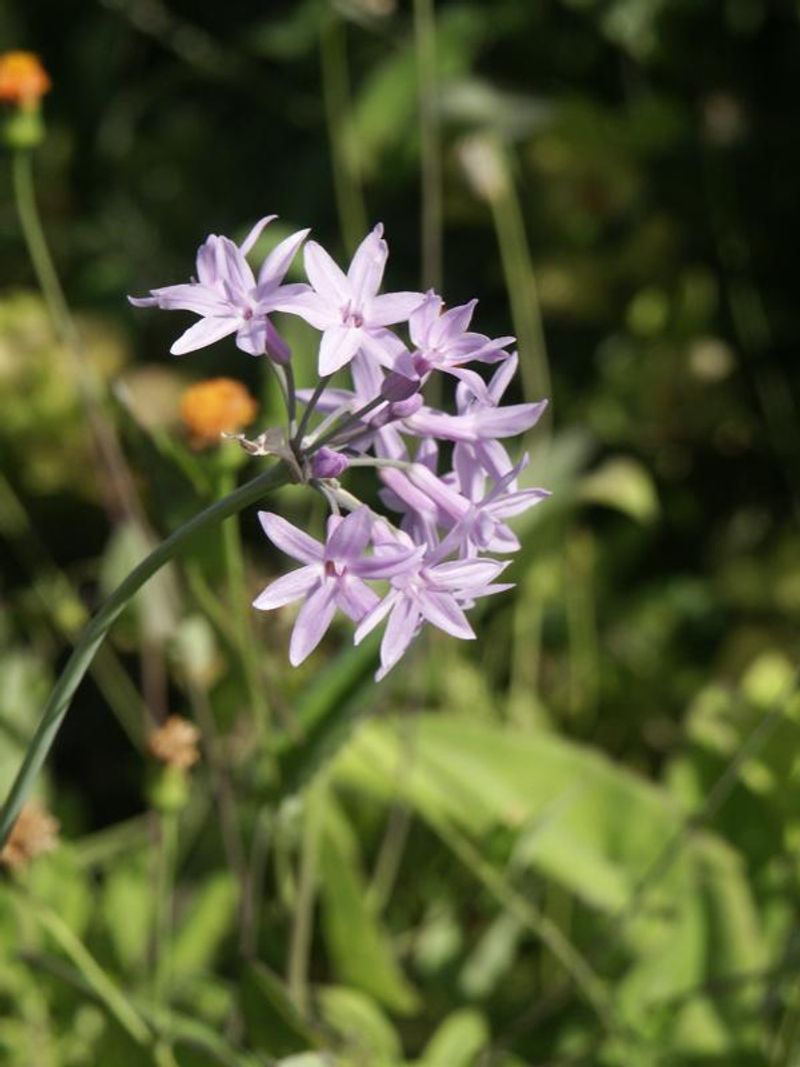
Strappy foliage and round clusters of lilac-purple flowers give this perennial a clean, architectural look that fits modern and cottage gardens alike. In coastal North Carolina, it handles heat and salt better than many gardeners expect.
The leaves carry a mild garlicky scent, which can also discourage browsing animals.
Full sun keeps it blooming best, though very light shade is acceptable in hotter inland sites. Drainage matters, especially through winter, so sandy or amended soil is ideal.
Gardeners in colder mountain zones may need to treat it more carefully or provide a sheltered microclimate.
The flower stalks rise above the foliage neatly, making the plant useful in repeated drifts along paths and foundations. I like it with lantana, agapanthus, and low ornamental grasses where the texture contrast makes every bloom cluster stand out more.
Deadheading keeps the display tidy, but the maintenance burden stays light overall.
It is not the showiest purple perennial on this list, yet it fills an important role by blooming steadily and looking polished for months. That consistency matters when summer beds can become uneven and tired.
If you garden near the coast and want dependable purple with heat tolerance built in, this is a practical choice.
Aster
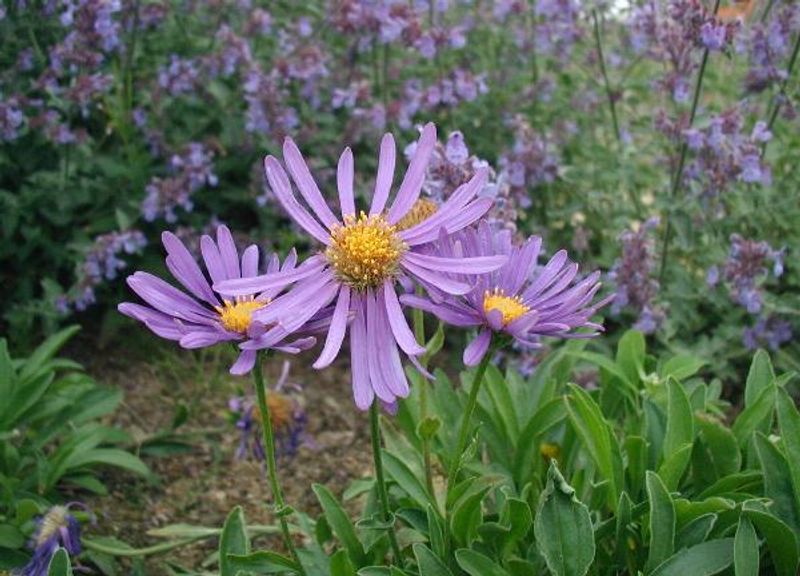
Late-season gardens often need a fresh push of color, and asters arrive exactly when many summer stars are winding down. Their purple blooms can carry a border through September and October with remarkable energy.
You also get one of the best pollinator plants for the transition into fall.
Sunlight is important for strong flowering, though some afternoon shade is useful in hotter parts of the state. Pinching stems in early summer helps keep plants bushier and less likely to flop once bloom begins.
If you have rich soil and regular rain, that one step makes a noticeable difference in overall shape.
North Carolina gardeners have excellent native options, and those often adapt beautifully to regional conditions. Bees and butterflies crowd the flowers when many other nectar sources are fading, which gives the whole planting new life.
The daisy form also mixes easily with grasses and seedheads, creating a softer autumn look.
Use asters behind lower mounding perennials so their height feels intentional rather than awkward. Good air circulation reduces mildew issues, especially in humid years, so resist planting too tightly.
For anyone trying to stretch purple color deep into the season, this perennial earns a place near the top of the list.
Bearded Iris
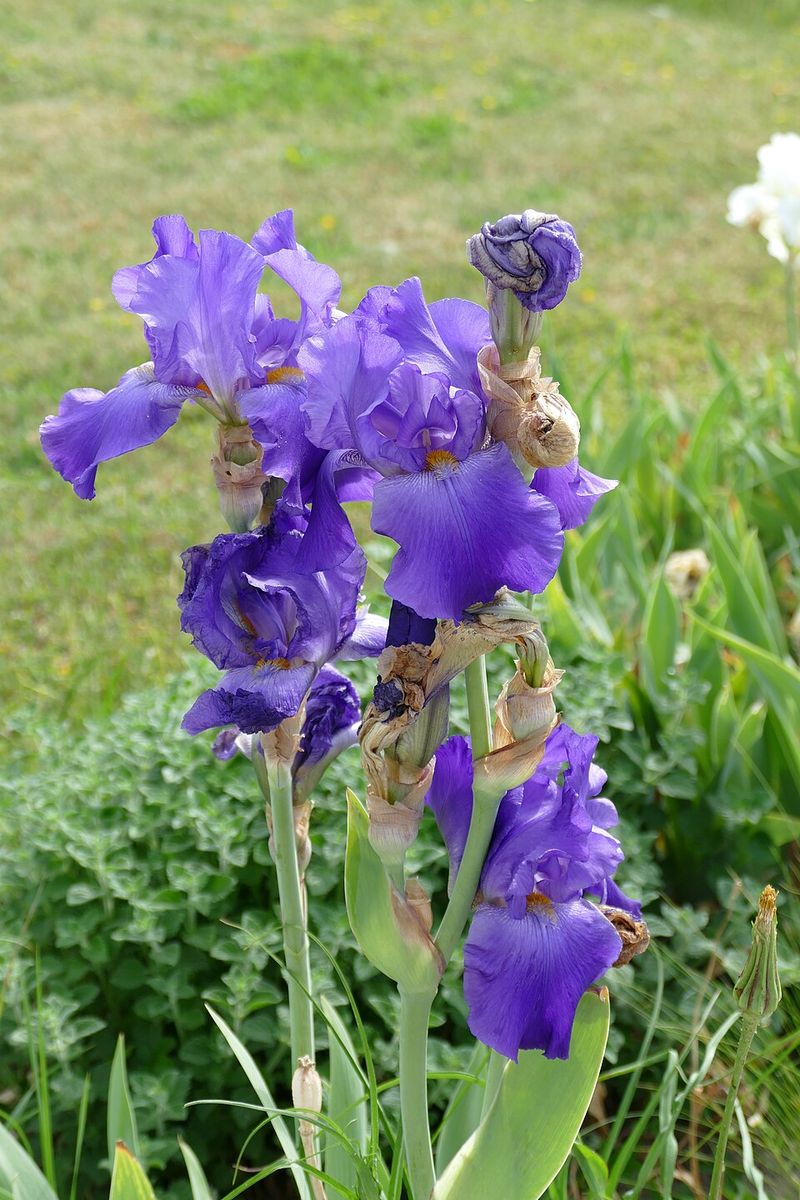
Nothing about a blooming bearded iris feels shy. The ruffled petals, sword-like leaves, and rich purple tones create a spring display that looks almost formal without requiring a formal garden.
In North Carolina, the trick is giving it the drainage and sun it insists on.
Rhizomes should sit near the soil surface rather than being buried deeply, especially in heavier Piedmont clay. Wet feet invite rot, so raised beds or sloped planting areas can make all the difference.
Once that basic need is met, the plants are surprisingly tolerant of summer dryness.
Bloom time is shorter than with salvias or catmint, but the flowers have such sculptural presence that they still feel worthwhile. I like placing them where their shape can be appreciated up close, such as along a front walk or near a patio edge.
After flowering, the upright foliage continues to provide structure for months.
Divide crowded clumps every few years to keep performance strong and reduce disease problems. Pair them with peonies, alliums, or low catmint so another plant can carry the bed after the iris show fades.
If you want a classic purple perennial with old-garden charm and real personality, this one remains hard to beat.
Stokes’ Aster
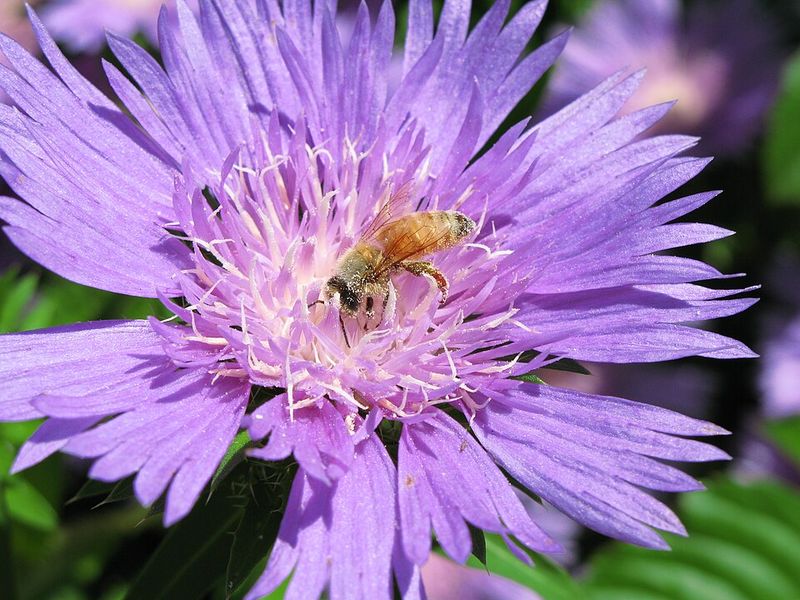
Large, fringed flowers with a clear lavender-purple tone make this perennial stand out without looking flashy. Stokes’ aster feels especially appropriate in North Carolina because it is native to the southeastern United States and handles the regional climate well.
The blooms are broad enough to read from across the yard, which gives small plantings more visual weight.
Full sun to light shade works, but flowering is strongest with generous light. Soil should drain reasonably well while holding some moisture, especially during establishment and peak summer heat.
In the coastal plain and Piedmont, a mulch layer helps moderate temperature swings and preserve soil moisture.
Butterflies and bees visit often, and the flowers are excellent for cutting if you like bringing the garden indoors. Deadheading encourages continued bloom and keeps the plant looking fresh deeper into the season.
The foliage stays fairly tidy, which is useful in mixed borders where messy leaves can drag down the whole composition.
Try it with coreopsis, coneflower, or blue star for a planting that feels regionally grounded and easy to manage. It also works nicely in pollinator gardens that need a stronger purple note during summer.
For gardeners who want native character with showy flowers and simple care, this perennial checks a lot of boxes.
Anise Hyssop
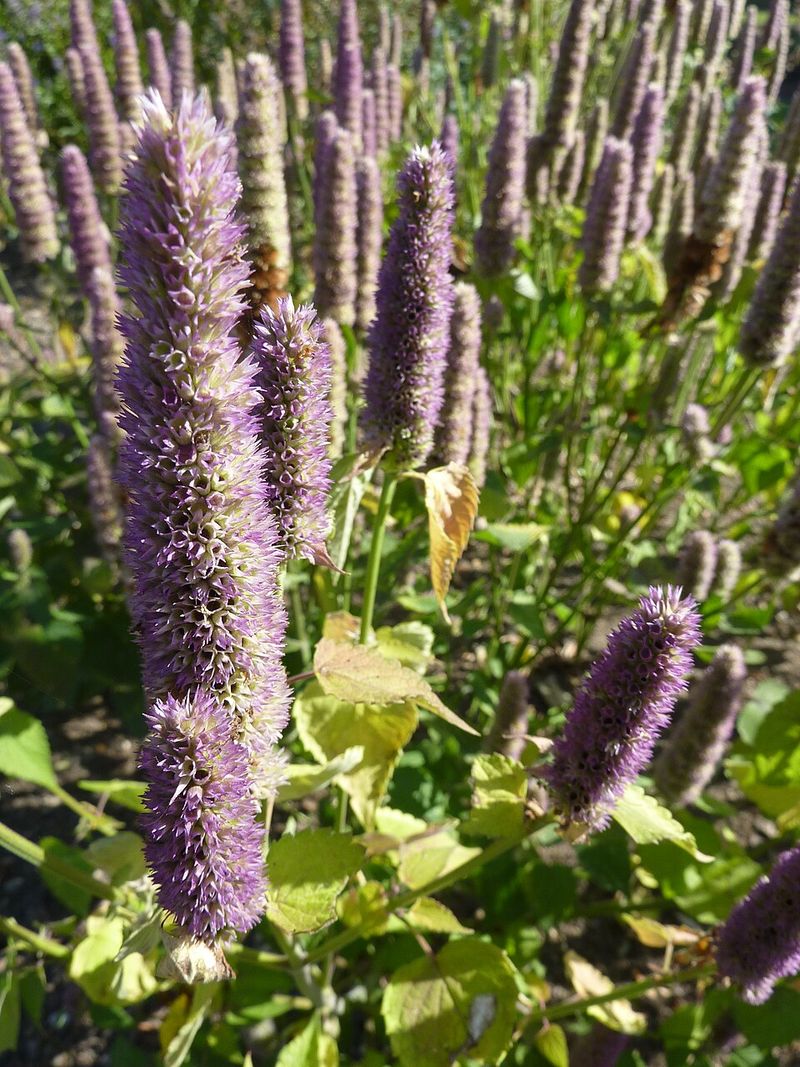
Spikes of violet-purple flowers and fragrant foliage give this perennial a lively, useful presence in sunny beds. When you brush past it, the leaves release a sweet herbal scent that makes paths and seating areas feel more inviting.
Pollinators treat it like a magnet, especially in the thick of summer.
Good drainage and full sun set it up for the best performance, particularly in humid parts of North Carolina. It can handle heat better than many people assume, though soggy soil is a consistent problem.
If your site is heavy clay, loosen the planting area well and consider a raised mound.
The tall flower wands add vertical rhythm to mixed borders without becoming overbearing. I like combining it with coneflowers, rudbeckia, and ornamental grasses so the planting feels loose but still intentional.
Leaving some spent flower spikes into fall adds texture and can invite self-sowing in friendly spots.
That reseeding habit is worth noting, because it can be helpful or annoying depending on your style. Seedlings are usually easy to move or remove, so most gardeners can keep it in bounds.
If you want purple that feeds bees, smells good, and keeps the garden active for months, anise hyssop is a rewarding pick.