
13 Pink Perennials Bringing Soft Southern Style To North Carolina Yards
Follow us on Google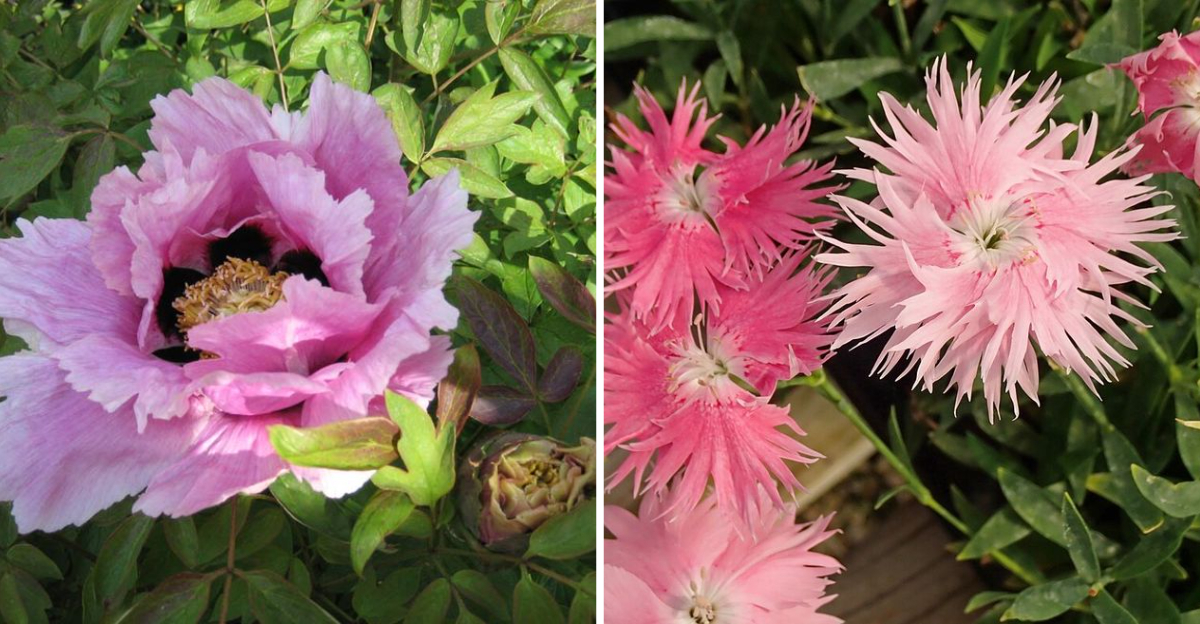
A North Carolina yard can feel polished, welcoming, and a little romantic with the right pink perennials in the mix. These plants bring that soft Southern look without asking for fussy care or constant replanting.
You will find options for sun, shade, humid summers, and those tricky in-between spots near porches and pathways. If you want color that feels graceful instead of loud, this lineup gives you plenty of smart places to start.
Garden Phlox
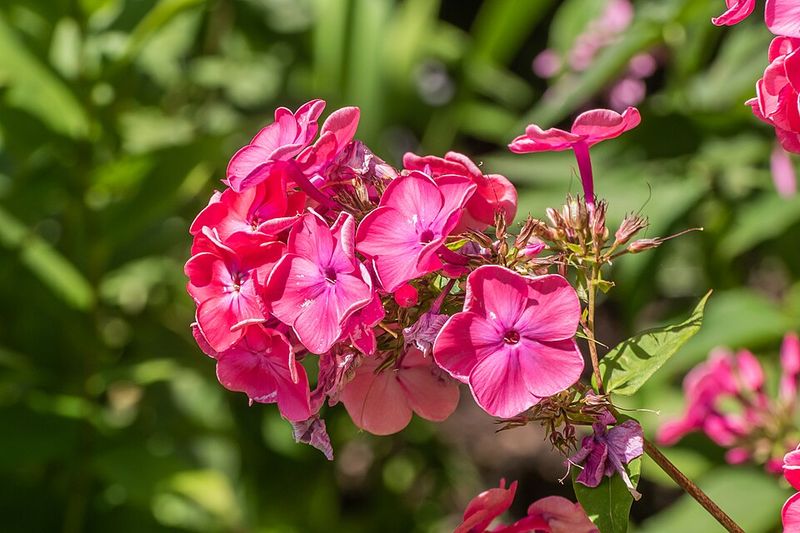
Few plants give a border that gracious, old-fashioned Southern feel as easily as garden phlox. The pink forms look especially pretty near white porch railings, brick walkways, or picket fences, where the rounded flower heads soften hard lines and make the whole yard feel more settled.
North Carolina gardeners usually get the best show by giving this perennial full sun with a little afternoon relief in hotter inland spots. Good air circulation matters because powdery mildew can show up during muggy stretches, so spacing clumps well and watering at the soil line will keep the foliage cleaner.
Deadheading extends bloom, but even a partial trim helps enough to make it worth doing on a Saturday morning. I also like placing phlox behind lower edging plants such as catmint or dwarf dianthus, since the taller stems can rise above the front row and create that layered, generous look many older Southern gardens do so well.
Look for mildew-resistant cultivars in clear shell pink or rose-pink shades, and repeat them in drifts rather than as single dots. That simple choice makes your planting look intentional, polished, and much more expensive than it really was.
Pink Coneflower
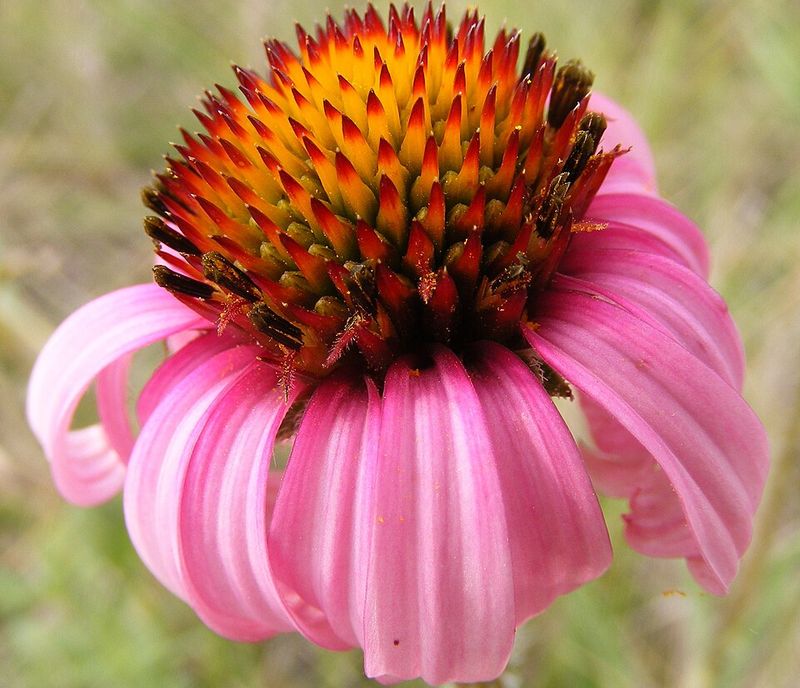
When you want pink flowers that can handle summer heat without acting precious, coneflowers earn their space fast. Their daisy-like petals bring an easy, relaxed look that pairs beautifully with Southern staples such as black-eyed Susans, salvias, and ornamental grasses, especially in front-yard beds that need long color.
Most North Carolina gardens can grow them well in full sun and reasonably well-drained soil, even if the clay needs a little compost worked in first. Once established, they manage dry spells better than many flowering perennials, which matters during those weeks when the forecast keeps promising rain and never quite delivers it.
Leave some spent seed heads in place and you may get goldfinches visiting later in the season, adding motion and charm after the brightest bloom flush passes. For the strongest visual effect, group at least five plants together so the pink reads clearly from the street instead of getting lost among surrounding greenery.
Soft rose and blush selections tend to feel more timeless than neon shades, particularly near brick homes and traditional foundations. If your yard needs flowers that look cheerful without feeling flashy, this one is an easy yes.
Bee Balm
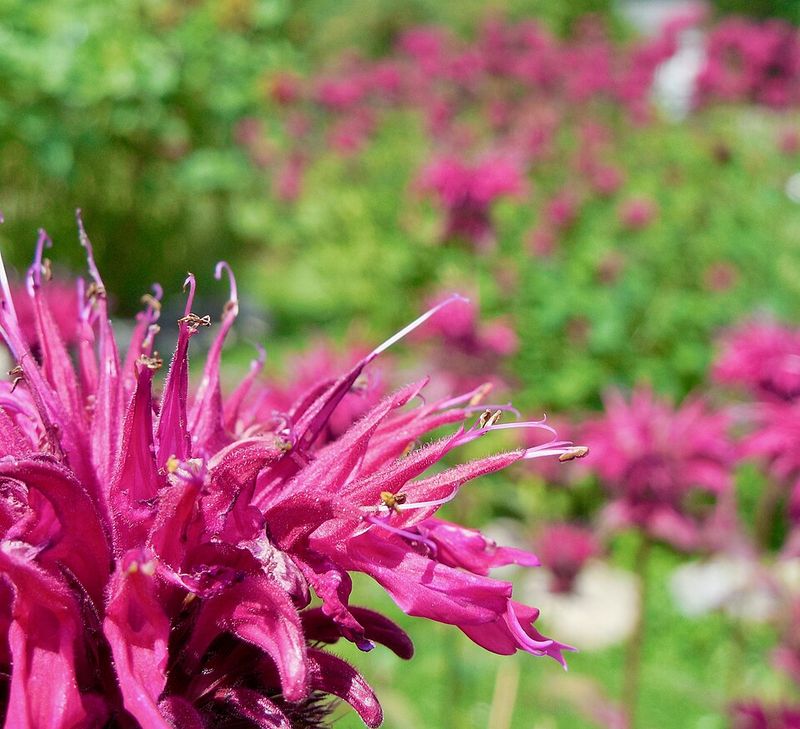
For gardeners who want their beds to feel lively and a little loose, pink bee balm brings exactly that energy. The shaggy blooms catch hummingbirds, bees, and butterflies all at once, and the color looks especially charming beside pale siding, weathered wood, or old brick edging.
North Carolina conditions suit it well if you give it sun, decent soil moisture, and room to breathe.
Astilbe
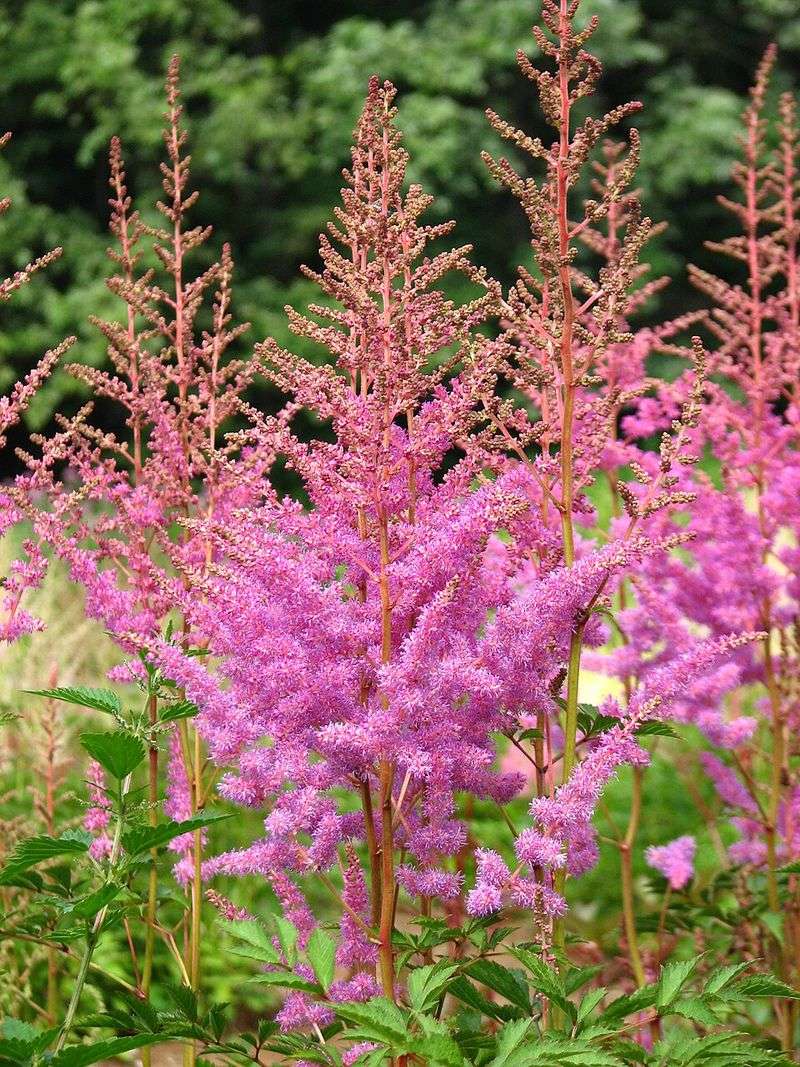
Astilbe brings a feathery softness that feels especially right in the shadier corners of a Southern yard. The pink plumes rise above ferny foliage with a light, graceful look that brightens spaces where heavier summer flowers might struggle.
Tucked near hostas, ferns, or a porch that gets morning sun, it makes the whole bed feel cooler and calmer.
In North Carolina, I think astilbe is most useful where the air stays a little moist and the soil is rich. It asks for regular water, but the effect is worth it when those airy pink blooms catch the light and gently lift a quiet border.
Peony
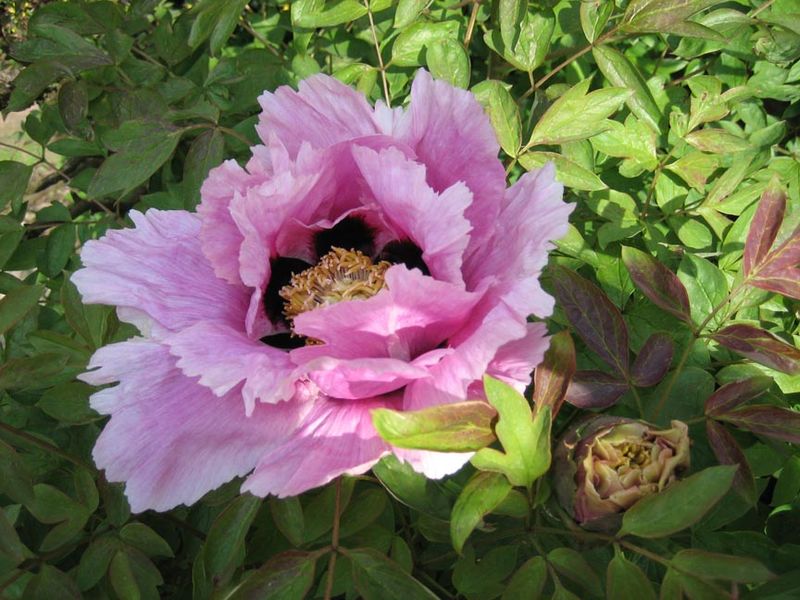
Peonies have a generous, old garden beauty that never feels forced, especially in soft shades of pink. Their full blooms look lovely beside brick paths, white fencing, or foundation plantings where you want a little spring elegance without anything too flashy.
Even after the flowers pass, the foliage keeps a tidy, dependable presence in the border.
They can take patience, but once settled, peonies feel like part of the family garden story. In North Carolina, they tend to do best with good drainage and a sunny spot, and when they bloom, that brief, glorious show gives your yard the kind of charm people always remember.
Hardy Hibiscus
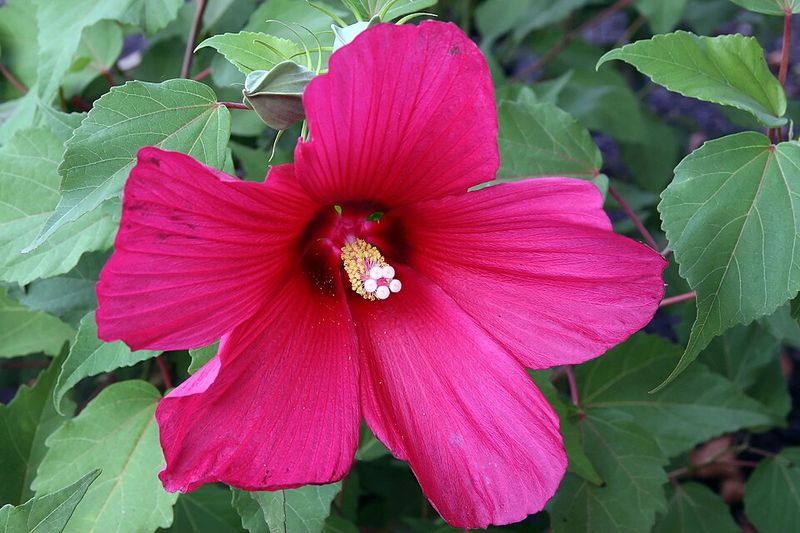
Hardy hibiscus gives you those dinner-plate blooms that feel bold yet still right at home in a Southern landscape. The pink forms have a softer effect than red, especially when planted where their oversized flowers can play against deep green shrubs or a simple lawn edge.
They bring a touch of drama without losing that relaxed, welcoming garden mood.
For North Carolina summers, this plant makes a strong late-season statement when other beds can start looking tired. It likes sun, warmth, and steady moisture, and once it gets going, those big pink flowers make the yard feel lush, cheerful, and a little more polished than before.
Japanese Anemone
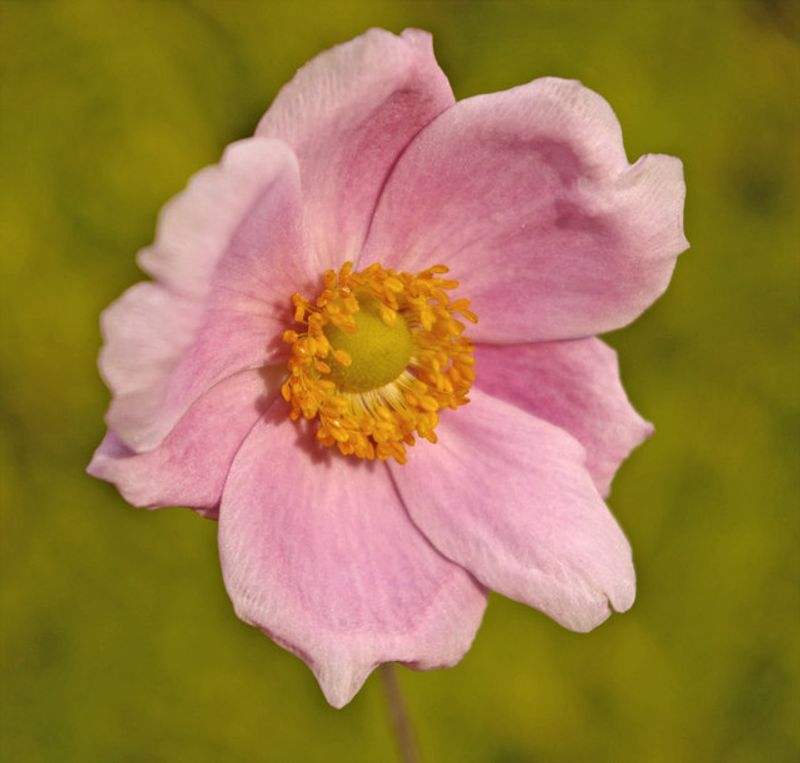
Japanese anemone has a light, floating habit that suits a softer Southern planting style beautifully. The pink flowers seem to hover above the foliage on wiry stems, adding movement and a bit of late-season grace when the summer garden starts to feel heavy.
Near shrubs, under open trees, or along a side path, it creates an easy, settled elegance.
I especially like it for extending color into early fall without making the border look crowded or stiff. In North Carolina, give it part sun and decent moisture, and it will slowly make itself at home, rewarding you with a gentle pink display that feels calm and refined.
Coral Bells
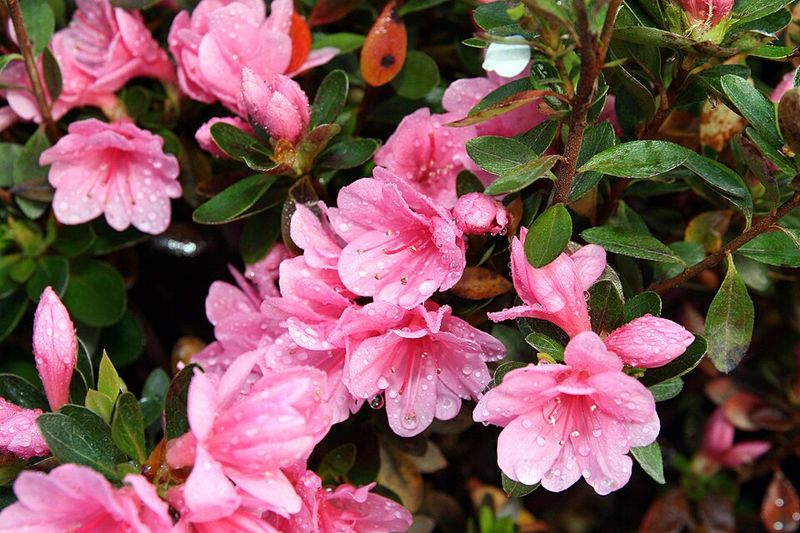
Coral bells may be known for their foliage, but the pink flower spikes deserve plenty of attention too. They add a dainty, airy layer above neat mounds of leaves, which makes them especially useful around porches, shaded borders, or front beds that need softness without looking messy.
The effect is quiet and polished, exactly the kind of charm many Southern gardens wear so well.
In North Carolina, coral bells fit nicely where mornings are bright and afternoons are gentler. They pair easily with hostas, ferns, and hellebores, and those small pink blooms help tie everything together while the foliage keeps the bed attractive long after flowering slows down.
Hellebore
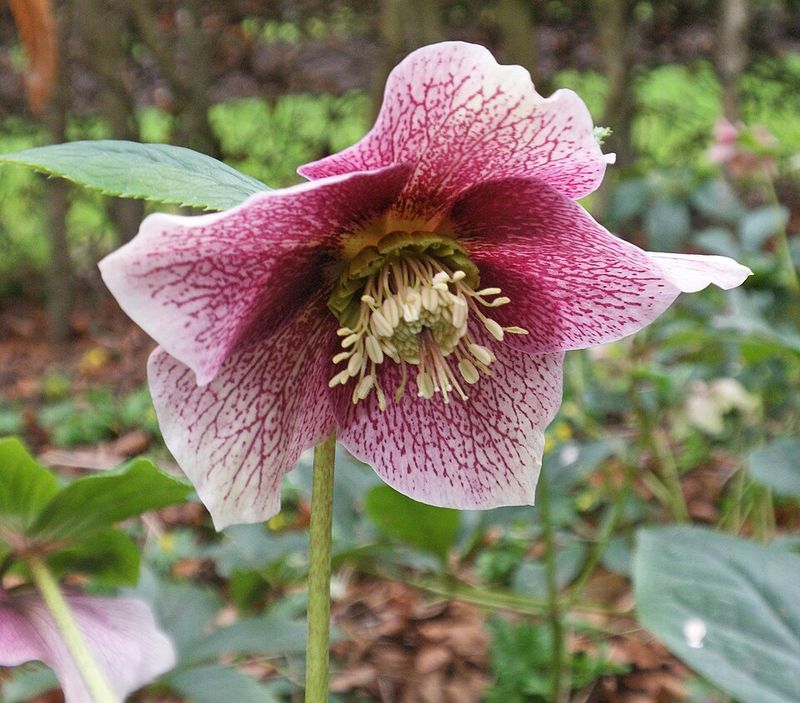
Hellebores bring one of the earliest hints of pink to the garden, and that alone makes them easy to love. Their nodding flowers feel restrained and elegant, which suits older homes, shaded courtyards, and foundation beds where you want color that never feels loud.
Even when little else is happening outside, they give the yard a thoughtful, cared-for presence.
In North Carolina, hellebores earn their keep by handling shade and winter beautifully. The evergreen foliage stays handsome for months, and the pink blooms arrive when you are ready for any sign of spring, making the garden feel hopeful, refined, and quietly full of life again.
Dianthus
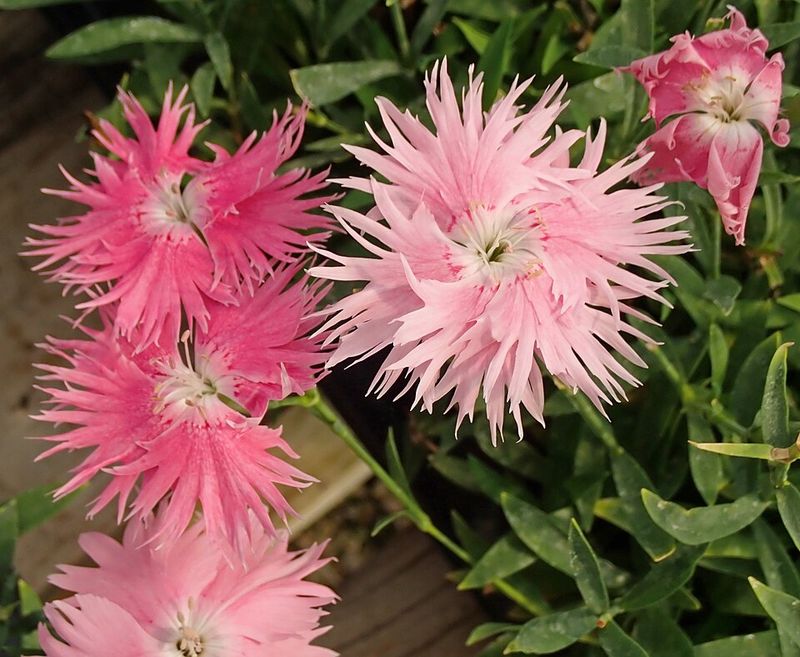
Dianthus has that neat, heirloom look that fits wonderfully in Southern gardens, especially near walkways and smaller front borders. The pink flowers often carry a spicy clove scent, and their frilled petals add a sweet, old-time detail that feels right at home beside stone, brick, or simple cottage plantings.
It is one of those plants that makes a bed look lovingly tended.
Because the foliage stays low and tidy, dianthus is useful where you want a defined edge without anything bulky. In North Carolina, it appreciates sun and sharp drainage, and when temperatures are kind, those cheerful pink blooms give your yard a fresh, welcoming look for weeks.
Turtlehead
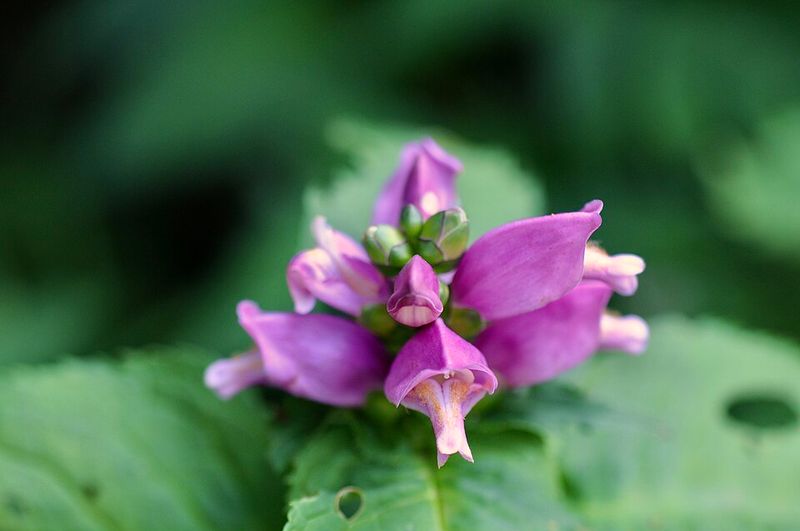
Turtlehead is not always the first pink perennial people think to plant, but it has a sturdy grace that suits North Carolina gardens well. The upright stems and hooded blooms bring late-summer color just when many beds need fresh life, and the pink flowers look especially pretty near streams, rain gardens, or richer soil that stays evenly moist.
What I like most is that turtlehead feels substantial without becoming coarse or unruly. It pairs nicely with ferns, joe-pye weed, and other moisture-loving companions, creating a border that looks full, layered, and quietly Southern, with enough pink to soften the scene without overwhelming it.
Autumn Stonecrop
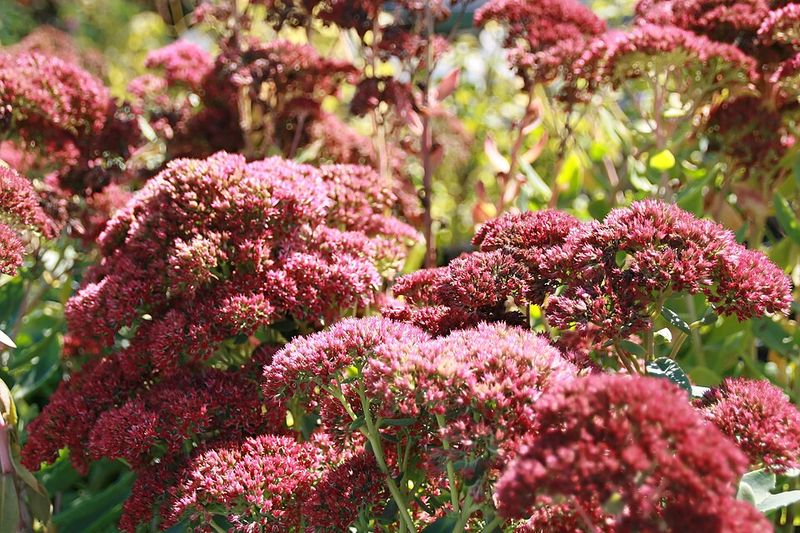
Autumn stonecrop earns its place by looking good for a very long stretch of the season. The succulent foliage starts neat and reliable, then the flower heads gradually deepen into dusty pink tones that feel warm and mellow against late summer light.
In a Southern-style yard, it helps bridge the gap between bright summer color and the richer shades of fall.
For North Carolina gardeners, this is an easy choice for sunny spots with decent drainage and not too much fuss. Butterflies love it, the stems stay upright, and the pink bloom clusters bring a calm, settled beauty that works beautifully beside grasses, shrubs, and traditional border favorites.
Columbine
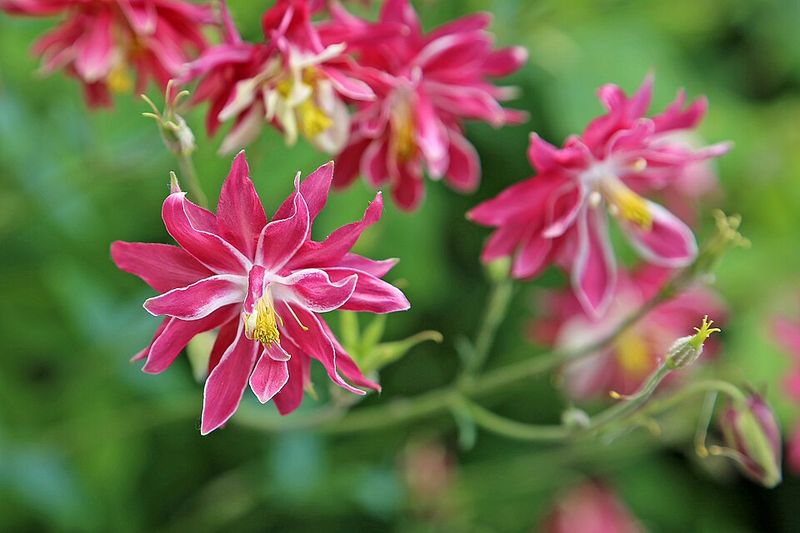
Pink columbine has a delicate, almost storybook quality that feels especially welcome in spring borders. The nodding flowers and airy foliage bring lightness to the garden, softening heavier shrubs and early perennials with a touch that feels natural rather than overly arranged.
Near a path or under open tree cover, it gives the yard an easy sweetness.
In North Carolina, columbine often performs best with morning sun and a little afternoon relief, especially as temperatures rise. It is not a loud plant, and that is part of its appeal, because those pink blooms lend a gentle, graceful charm that quietly pulls the whole planting together.