
10 White Perennials Brightening Shady Ohio Backyard Garden Spaces
Follow us on Google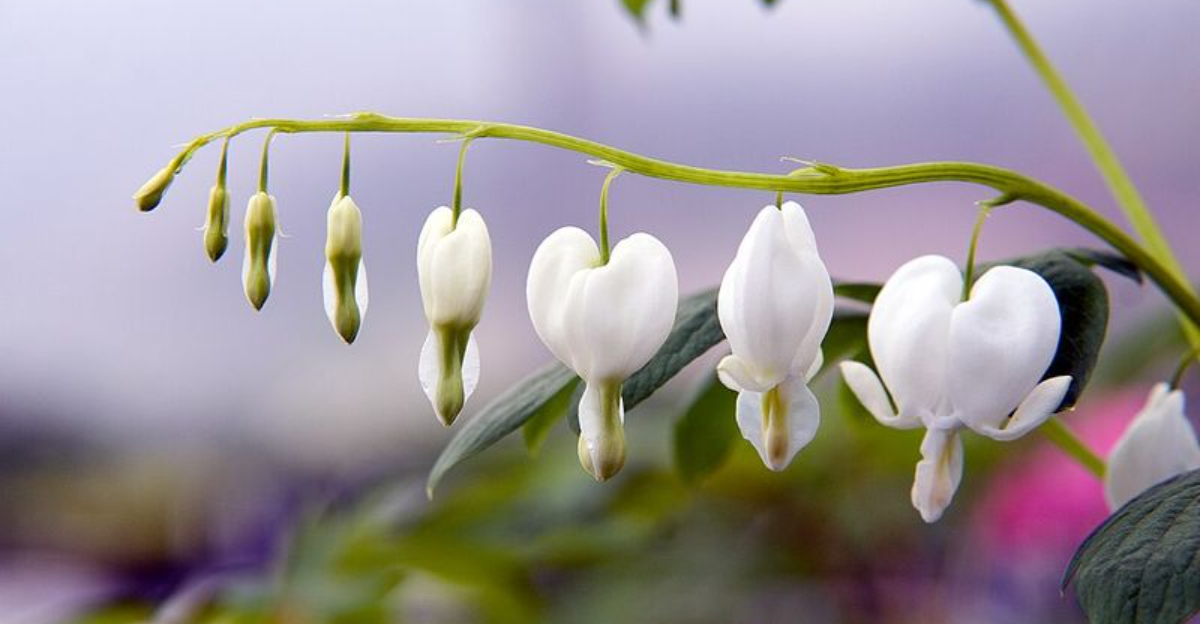
A shady Ohio backyard does not have to fade into the background once summer arrives. White perennials catch low light beautifully, making dark corners feel calmer, brighter, and more intentional without demanding nonstop upkeep.
If you want flowers and foliage that actually earn their spot in a woodland border, these picks are worth your attention. Each one handles shade with grace while adding the kind of contrast that makes every nearby plant look better.
Astilbe ‘Bridal Veil’
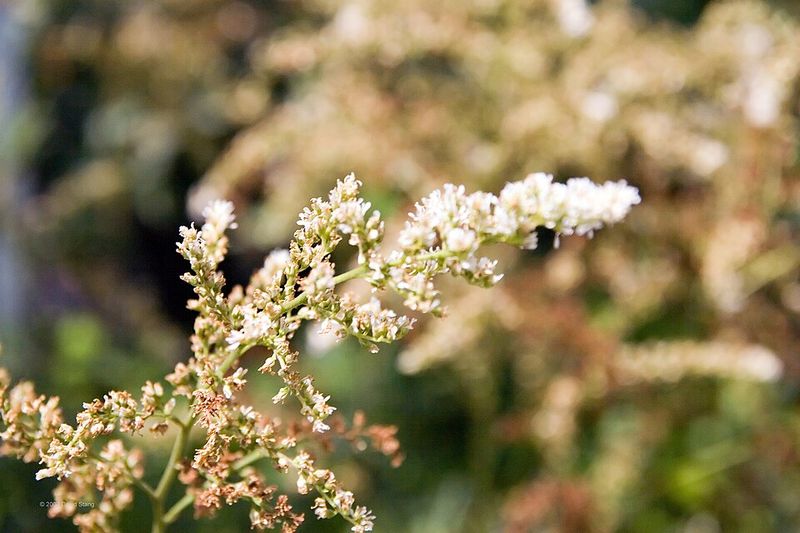
Soft white plumes can make a shaded bed feel finished, and this astilbe does that with very little drama. In an Ohio backyard, you’ll get the best show when soil stays evenly moist and enriched with compost.
Morning sun is fine, but hot afternoon exposure usually shortens bloom time and stresses the foliage.
Feathery flowers rise above glossy green leaves in early to midsummer, giving you height without heaviness. I like placing it behind lower hostas so the white blooms hover above broader leaves and catch the eye from a patio.
That layered look feels polished even when the rest of the border is still filling in.
Mulch matters more than people expect, especially during July dry spells. A two-inch layer helps roots stay cool and keeps you from watering every other day once heat and humidity settle in.
Cut spent plumes if you want a tidier look, though some gardeners leave them for texture.
Divide clumps every few years if flowering slows or centers thin out. Deer usually pass it by, which is a real advantage in many Ohio neighborhoods.
For bright contrast in shade, this one earns its space quickly.
White Bleeding Heart ‘Alba’
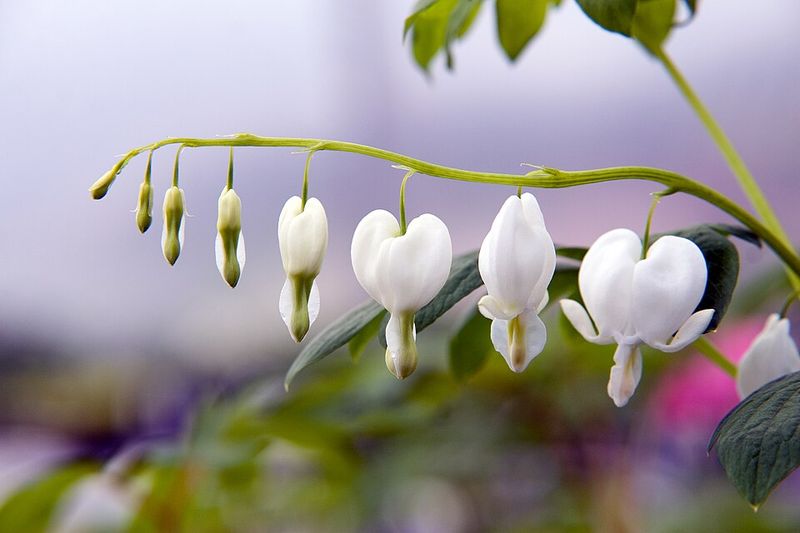
Arching stems lined with white heart-shaped flowers bring a graceful look that never feels fussy. In shady Ohio gardens, this old-fashioned perennial shines in spring when trees are leafing out and the ground still holds moisture.
You’ll want rich soil and a spot protected from harsh afternoon sun for the cleanest foliage.
The flowers hang like tiny lockets, and they read beautifully against darker backgrounds. I especially like using it near brick foundations, black mulch, or deep green ferns where the white blooms stand out from across the yard.
That contrast helps a dim space feel designed instead of forgotten.
By midsummer, foliage can yellow and retreat, so plan companions that cover the gap. Hostas, Japanese painted fern, or heuchera work well because they expand just as bleeding heart begins to fade.
Cutting back tired foliage keeps the area neat and prevents that empty, collapsing look.
Consistent moisture helps it settle in, but soggy clay is not ideal over winter. Amend Ohio soil with compost before planting, especially if drainage is slow after heavy rain.
Once established, it returns reliably and gives spring shade borders a softer, brighter mood.
Lily of the Valley
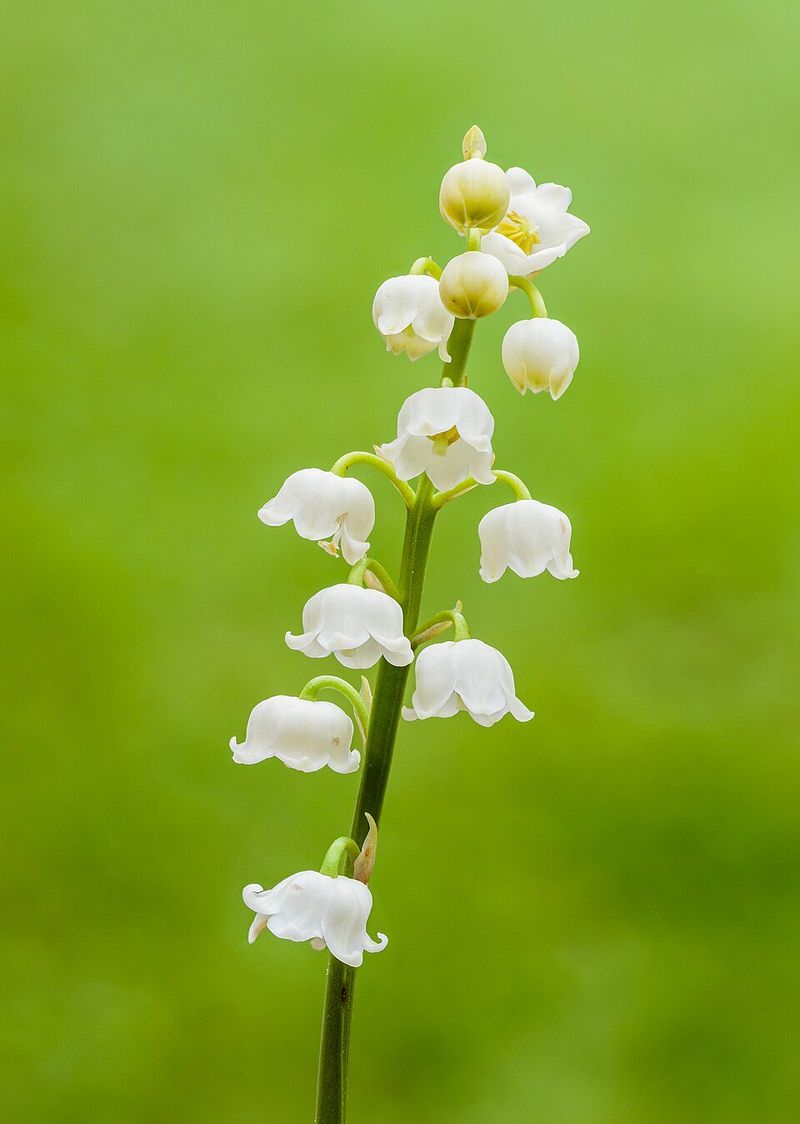
Few shade perennials announce spring as sweetly as these tiny white bells. In Ohio, they settle into cool, shaded spots and slowly create a thick colony that brightens ground level beneath shrubs and trees.
You’ll appreciate that carpeting habit if you have a difficult area where grass never looks good.
Fragrance is part of the appeal, especially near a path or back door where you can catch it up close. I would not tuck this delicate bloomer into a mixed bed where it might get lost among larger leaves.
Instead, give it a dedicated patch so the blooms read as a soft white drift.
Moist, humus-rich soil helps it spread steadily, though established plants handle short dry periods better than many woodland flowers. Keep in mind that it can expand aggressively in ideal conditions, so edging or occasional thinning may be necessary.
That assertive growth is helpful in erosion-prone shade, but not every gardener wants a fast mover.
All parts are toxic, so plant thoughtfully around pets and small children. Deer and rabbits usually leave it alone, which adds practical value in suburban yards.
For a classic, fragrant, spring-flowering groundcover, it still earns strong consideration.
Foamflower ‘Running Tapestry’
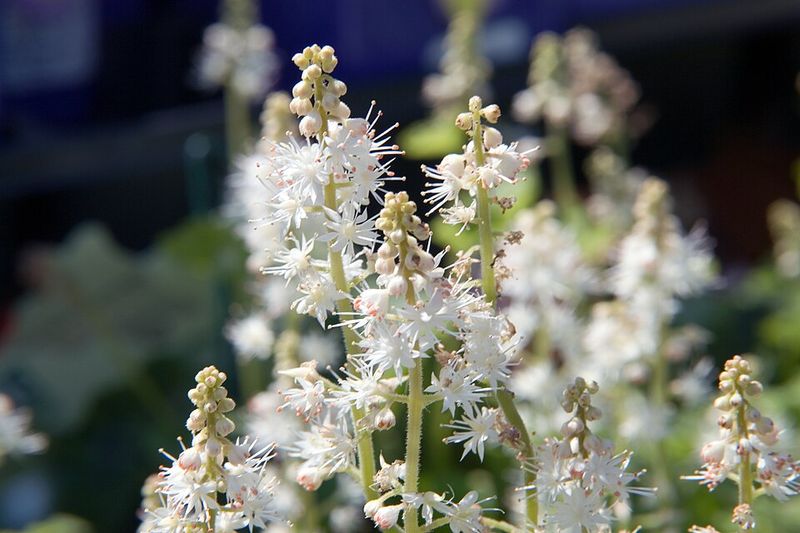
Airy white flower spikes and attractive leaves make this native-friendly perennial useful long after bloom season ends. In a shady Ohio backyard, it works as a soft groundcover that connects larger plants and fills awkward gaps near paths.
You’ll get the best growth in compost-rich soil that stays lightly moist.
The spring flowers seem to float above the foliage, adding brightness without overwhelming nearby plants. I like pairing it with darker heuchera or blue-green hostas so the white bloom spikes look even cleaner.
That kind of contrast makes small garden beds appear more layered and intentional.
Unlike fussier shade bloomers, foamflower offers visual interest through its leaves as well. Many selections show burgundy markings, which help the plant stay attractive after flowering ends.
In practical terms, that means your border does not rely on a brief bloom window to look pulled together.
It spreads gently, not aggressively, so you can let it knit a woodland bed over time. Ohio gardeners dealing with deer pressure often report decent resistance, especially once plants are established.
For brightening shaded edges with a native-leaning look, this is one of the smartest fillers you can plant.
Goat’s Beard
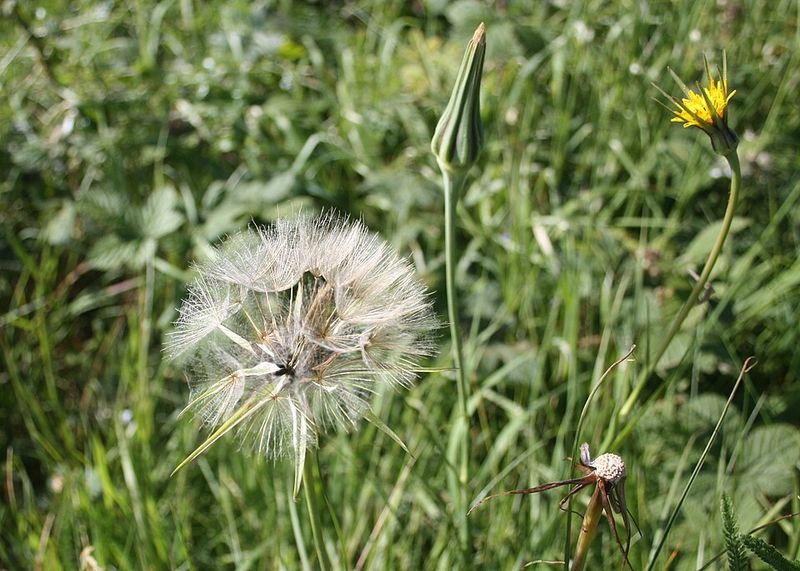
Height can be hard to find in shade, which is why this dramatic perennial earns attention fast. In Ohio, goat’s beard produces tall creamy white plumes that light up the back of a border in early summer.
You’ll want enough room for it because mature plants become broad, substantial clumps over time.
The flowers have an airy presence, but the plant itself feels sturdy and architectural. I like using it near a fence line or at the rear of a woodland bed where it can rise above hostas and ferns.
That layering creates depth without needing bright sun lovers that would struggle in the same conditions.
Rich soil and consistent moisture are the real keys to success, especially while plants are getting established. If your backyard tends toward dry shade under mature trees, add compost generously and water during extended dry stretches.
Once settled in, it is fairly dependable and not especially high maintenance.
Cutting back spent flower stalks keeps the clump tidy, though the foliage remains handsome through summer. Deer resistance is another practical benefit for many Ohio gardeners dealing with regular browsing.
For a shaded area that needs scale, brightness, and a confident vertical accent, this plant delivers.
White Trillium
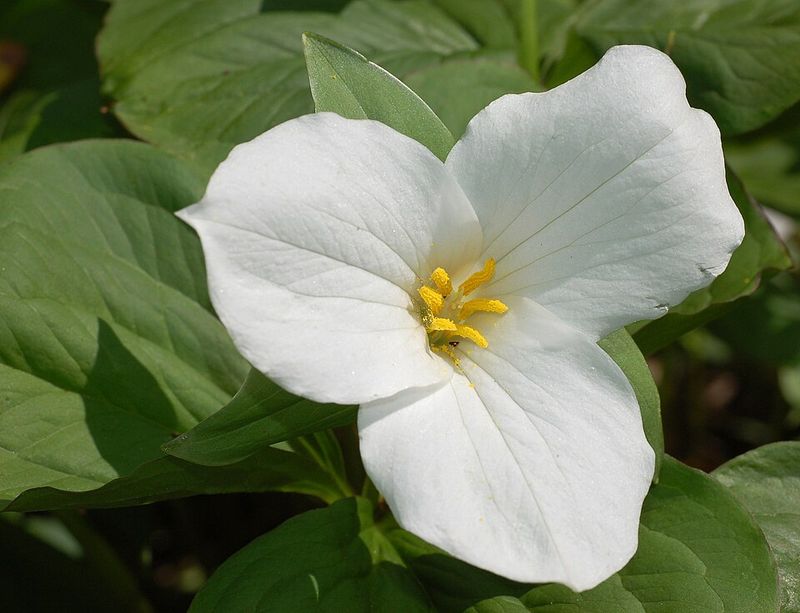
Native woodland charm is hard to beat when you want a backyard garden to feel connected to Ohio’s natural landscape. White trillium brings that feeling with clean three-petaled blooms that glow in spring shade.
You’ll need patience, though, because this is not a fast plant for instant impact.
It prefers conditions that mimic a deciduous woodland floor, including leaf mold, good drainage, and consistent spring moisture. I think it looks best tucked beneath native shrubs or among ferns where the setting feels quiet and understated.
That natural placement suits its character much better than a formal front-edge border.
Because trilliums resent disturbance, choose the planting spot carefully before setting them out. Avoid digging around them later, and skip overly competitive neighbors that can crowd their roots.
The reward is a spring display that feels special precisely because it is not loud or overly polished.
After flowering, plants gradually fade as summer advances, so nearby hostas or sedges can help maintain coverage. Never collect them from the wild, since nursery-grown plants are the responsible option.
For gardeners who value native beauty and subtle white bloom in deep shade, this one is worth waiting for.
Hellebore ‘Ivory Prince’
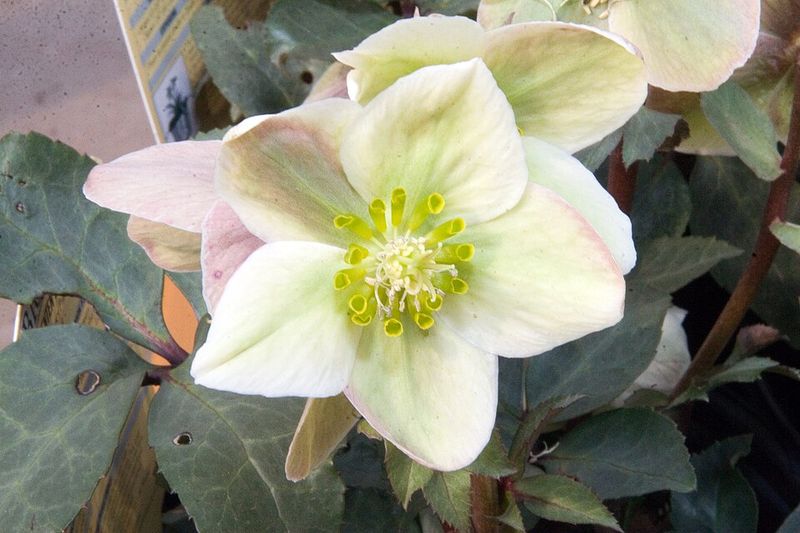
Late winter color feels almost unfair in Ohio, which is exactly why hellebores are so satisfying. This selection carries creamy white to pale green flowers when most of the yard still looks tired and flat.
You’ll notice those blooms even more in shade because the light is softer and backgrounds stay darker.
Evergreen foliage gives the plant value beyond its bloom window, especially near entrances or along a frequently used path. I like placing hellebores where you naturally look down at them, since the nodding flowers can hide if they sit too low or too far back.
A gentle slope or raised bed helps show off the details.
Good drainage is essential, particularly during Ohio winters when wet soil can linger. Work in organic matter, but avoid planting the crown too deeply because sulking often follows.
Removing old leaves in late winter also keeps the flowers visible and reduces the tired, weathered look.
Once established, hellebores handle dry spells better than many shade perennials, making them practical under high tree canopies. Deer usually leave them alone, which feels like a small miracle in some neighborhoods.
For reliable brightness before spring really gets moving, few plants are more useful.
Japanese Anemone ‘Honorine Jobert’
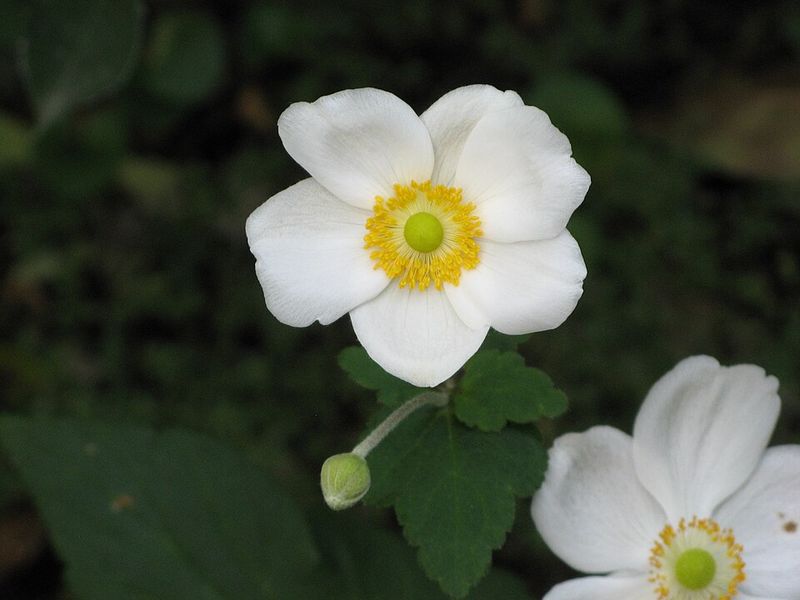
Late-season white flowers can rescue a shady border just when many summer plants start looking tired. This Japanese anemone sends up tall stems with elegant blooms from late summer into fall, giving Ohio gardens a second wind.
You’ll get the strongest stems in part shade with protection from drying wind.
The flowers seem to hover, which keeps the plant from feeling bulky even when it reaches impressive height. I often like it near dark fences, shrubs, or evergreen backdrops where each white bloom looks crisp and almost luminous at dusk.
That evening glow is a real bonus if you spend time outside after dinner.
Moist, fertile soil helps it establish, but patience matters in the first year. Some gardeners think it is slow at first, then suddenly realize it has become a dependable clump with increasing presence.
In rich conditions, it can spread, so give it room or be ready to divide wandering shoots.
Staking is rarely needed in sheltered sites, though exposed yards may benefit from support. Pair it with hostas or black cohosh for a layered late-season composition that still reads clean and bright.
For long bloom in shaded Ohio spaces, it brings uncommon staying power.
Solomon’s Seal
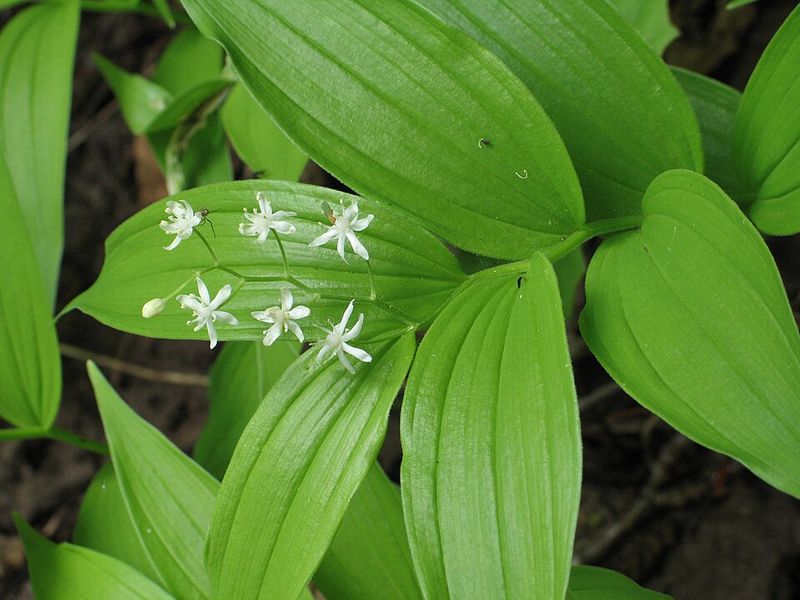
Arching stems can add movement to a shade garden in ways upright plants never quite manage. Solomon’s seal offers that graceful line along with dangling white flowers that catch light beneath the leaves in spring.
In Ohio, it is a dependable choice for woodland-style borders and shaded foundation beds.
The bloom display is subtle, so placement matters if you want to appreciate it. I like situating plants near a path, bench, or stepping stones where you naturally notice the stems from the side.
That angle shows off the flowers much better than looking straight down from above.
Once established, it spreads by rhizomes and slowly forms elegant colonies in rich, moisture-retentive soil. Dry shade can reduce vigor, especially under thirsty trees, so annual compost and mulch are worth adding.
The leaves often turn a pleasant yellow in fall, which gives you another brief season of interest.
Variegated forms can brighten darker corners even more, though the plain green type feels especially natural in native-inspired plantings. Deer may browse tender new shoots, so protection can help in exposed yards.
For structure, subtle white bloom, and reliable long-term presence, Solomon’s seal is a valuable backbone plant.
Hosta plantaginea ‘Royal Standard’
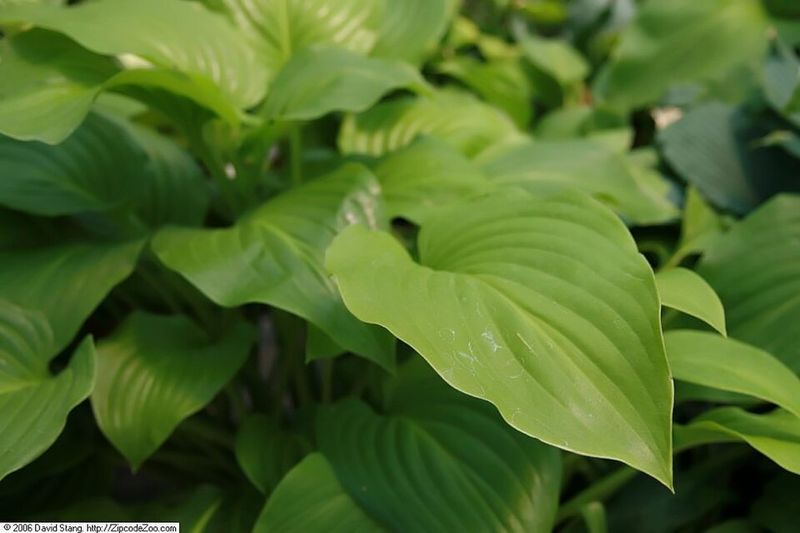
Most hostas earn their keep with foliage, but this one adds large fragrant white flowers that matter. In a shady Ohio backyard, that combination gives you dependable leaf presence for months and a late-season bloom bonus.
You’ll want enough moisture to keep the leaves full and attractive through summer heat.
The flowers open on taller scapes and bring a cleaner, brighter look than many lavender-flowering hostas. I especially like using it near seating areas because the evening fragrance is much easier to enjoy at close range.
Against brick, dark mulch, or evergreens, the white blooms feel crisp and intentional.
Slug management may be necessary in wetter years, so do not ignore early chewing damage. Morning sun can increase bloom, but too much hot afternoon exposure can scorch leaves during Ohio heat waves.
A layer of mulch and consistent watering usually keeps plants looking respectable even in challenging stretches.
Because the clump becomes substantial, it also works as a visual anchor in mixed shade beds. Pair it with astilbe, pulmonaria, or hellebores for a planting that stays interesting from early spring into late summer.
For gardeners who want foliage and true white bloom from one plant, it is a strong finisher.