
13 White Perennials That Brighten Shaded Pennsylvania Garden Corners Beautifully
Follow us on Google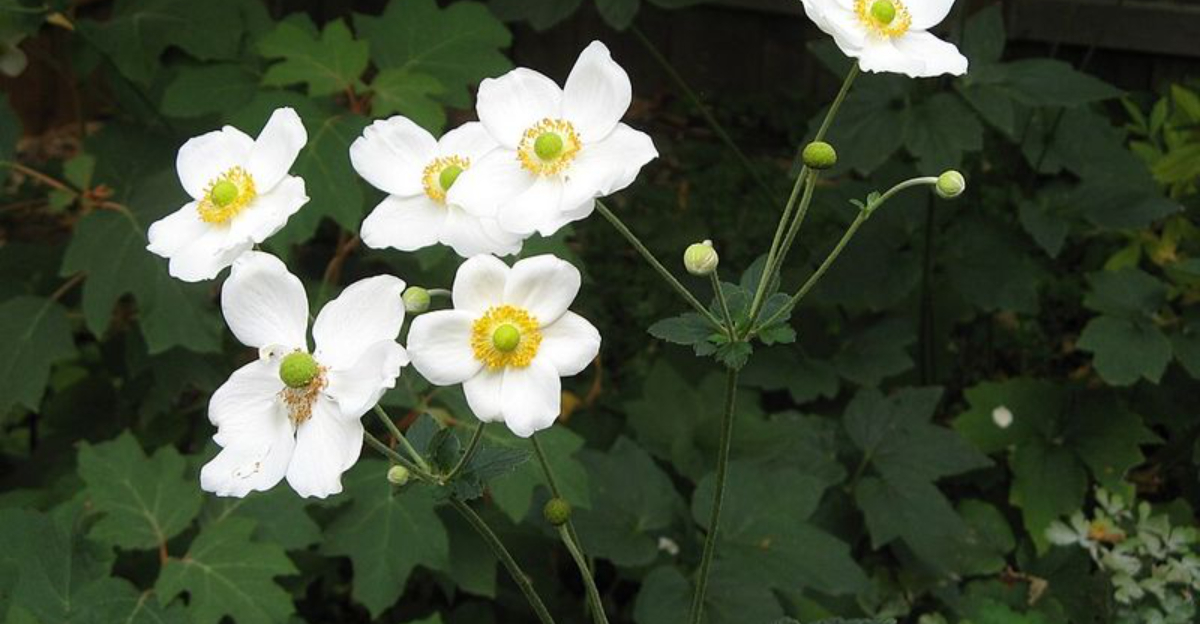
A shady corner in a Pennsylvania garden does not have to feel dim or forgotten. White perennials catch every bit of available light, making tucked-away beds look cleaner, brighter, and far more intentional.
If you want flowers and foliage that hold their own through humid summers, cold winters, and tricky woodland conditions, these picks earn their space. Each one brings a slightly different kind of glow, so you can build a shade garden that feels calm, layered, and beautifully alive.
Astilbe ‘Deutschland’
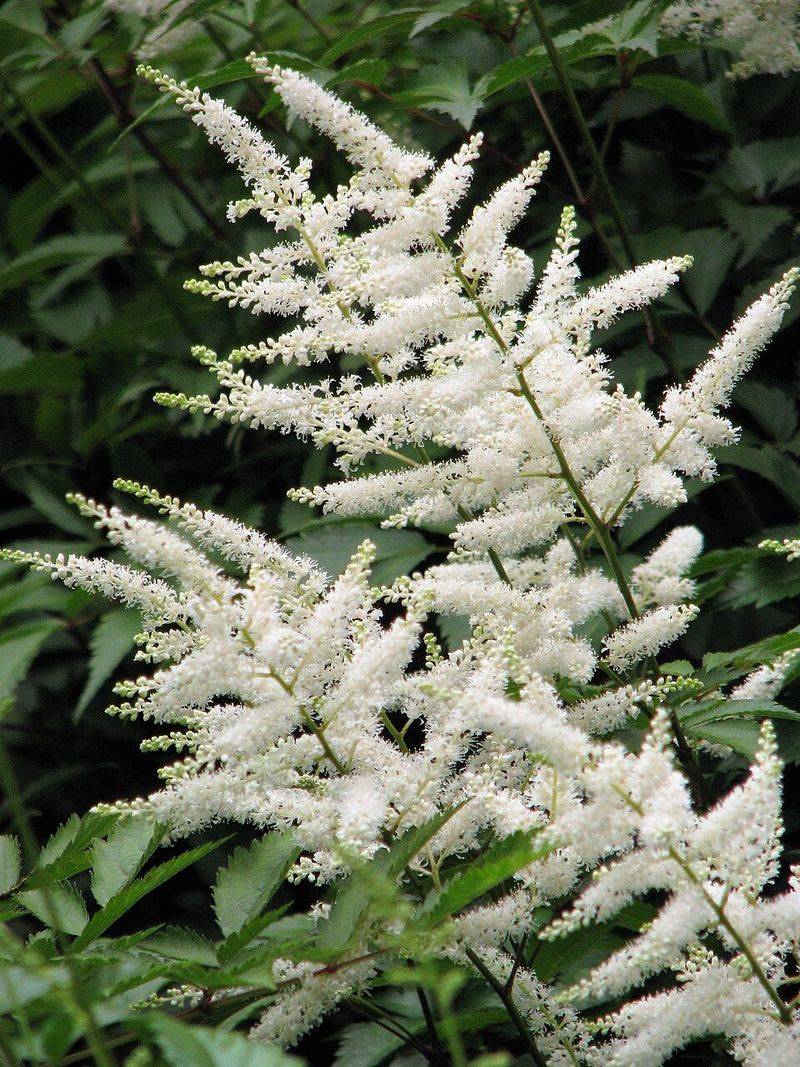
Soft white plumes can make a dim bed look noticeably brighter, and this astilbe does that job with very little fuss. In Pennsylvania, it performs best where the soil stays evenly moist and enriched with compost.
A spot with morning sun and afternoon shade usually gives the fullest flower spikes without stressing the foliage.
Because summer humidity can be intense, mulching around the roots helps hold moisture and keeps plants looking fresh longer. I like pairing it with hostas, heucheras, or dark-leaved coral bells so the white flowers stand out more clearly.
After the bloom fades, the ferny foliage still gives the border a soft, filled-in look.
When you plant several together, the effect feels airy rather than heavy, which matters in smaller shaded corners. Cutting spent plumes is optional, since some gardeners enjoy the faded texture into fall.
If deer visit often, a little protection early in the season helps, but once established, this perennial settles in beautifully and returns reliably. For anyone wanting a polished woodland look without demanding maintenance, this is an easy place to start.
Gooseneck Loosestrife
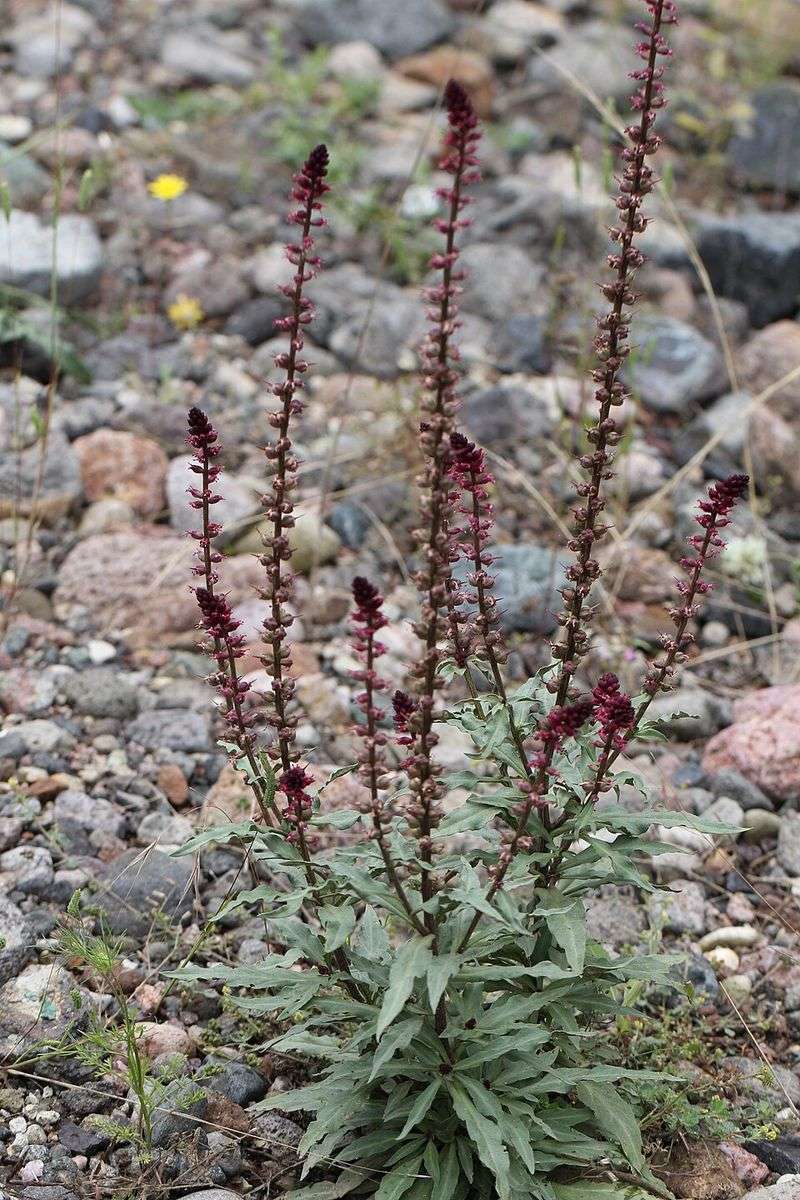
Curving flower spikes give this plant a playful look that instantly loosens up a rigid shade border. Those bright white blooms appear in summer and read clearly even from a distance, especially in darker corners near shrubs or fences.
In Pennsylvania gardens, it appreciates moisture and spreads most happily in rich soil with partial shade.
That spreading habit can be either a gift or a problem, depending on where you place it. I would use it where it has room to naturalize, such as along a woodland edge or in a broad bed beneath mature trees.
If your garden is tight on space, root barriers or regular division keep it from crowding gentler neighbors.
Since the stems rise upright before bending into those distinctive necklike curves, they add strong vertical movement without looking stiff. White flowers also combine well with ferns, Japanese forest grass, and blue hostas, giving the whole area a cooler, calmer mood.
It is not a tiny, delicate filler, so think of it as a confident accent plant. When a shady Pennsylvania corner needs brightness plus a little personality, this perennial brings both and does it with dependable vigor year after year.
White Bleeding Heart
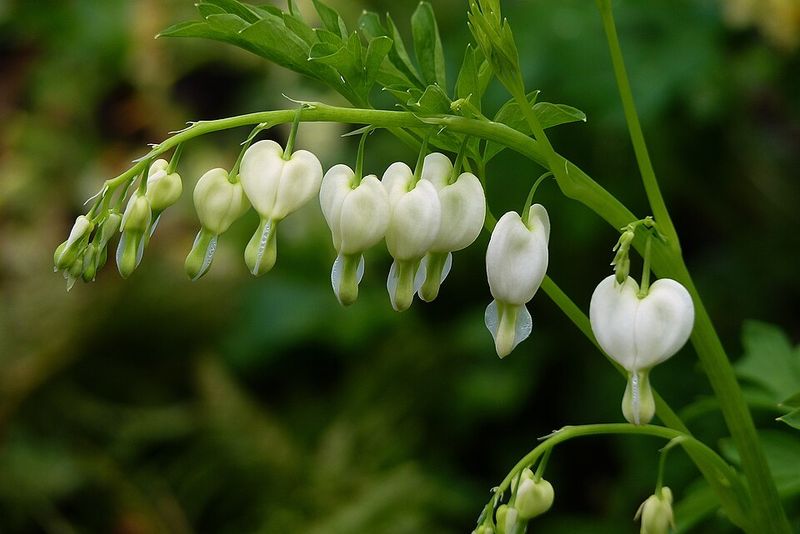
Arching stems lined with white heart-shaped flowers give this perennial a graceful, old-garden feel that suits Pennsylvania shade beautifully. Spring is when it truly shines, especially in cool, moist soil enriched with leaf mold or compost.
A sheltered spot under deciduous trees is ideal because it gets light before the canopy fully fills in.
As temperatures rise, the foliage may begin to yellow and slip into dormancy, so planning around that habit makes the planting look intentional. I like placing it near hostas, ferns, or Japanese painted fern, which expand later and gently cover the fading leaves.
That simple layering trick keeps the bed attractive without extra work.
Because the flowers hang like tiny lanterns, this plant rewards close viewing near a path, bench, or side entrance. Slugs can nibble new growth, so a little monitoring in wet springs is worth the effort.
It is not the longest-blooming perennial on this list, but its elegance is hard to match. If you want a shaded corner to feel romantic and quietly refined in early season, this is one of the best white-flowered choices you can plant and enjoy for many springs to come.
Foamflower
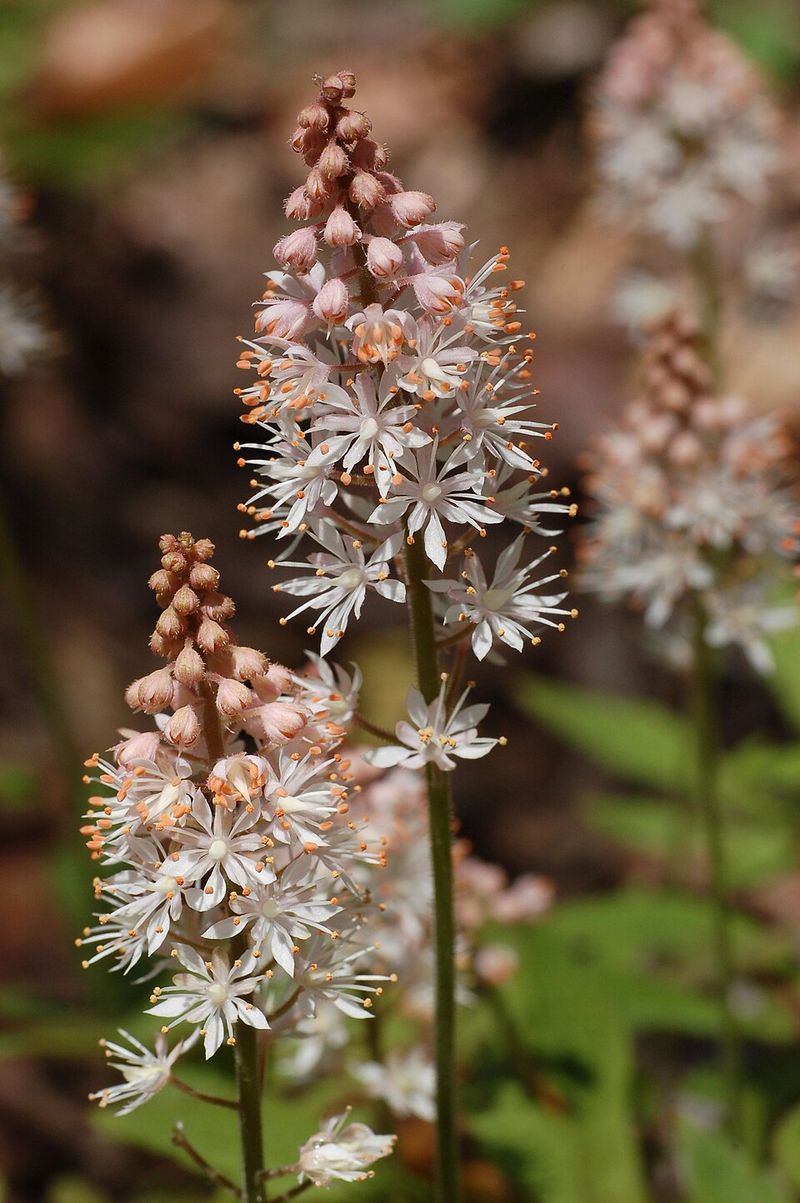
Frothy white flower spikes hover above tidy foliage and make this native perennial especially useful in shaded Pennsylvania gardens. It thrives in woodland conditions, where the soil is humus-rich, slightly moist, and never baked dry.
Because it stays fairly low, it works well at the front of a bed or along a shady path.
One reason gardeners keep coming back to foamflower is its steady, easygoing nature. You get spring bloom, attractive leaves through the growing season, and a plant that slowly fills in without becoming unruly.
I find it especially helpful beneath shrubs, where taller flowers often look awkward or too top-heavy.
Its white blooms brighten dark soil and pair naturally with native ferns, Virginia bluebells, and hellebores. In many selections, the leaves carry maroon markings that add interest even when flowers are gone.
A mulch of shredded leaves mirrors the woodland floor it loves and helps conserve moisture through summer. Deer pressure varies, but this perennial often comes through better than more tempting choices.
If your shaded corner feels empty at ground level and needs something graceful, bright, and regionally appropriate, foamflower is one of the smartest plants to tuck into the design.
White Hellebore
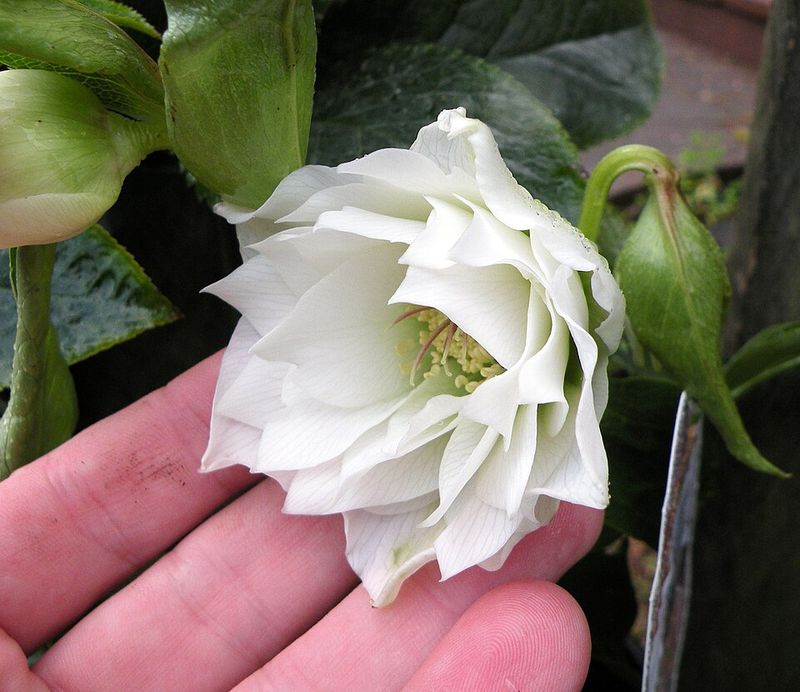
Late winter and early spring can make a shady garden feel especially bare, which is exactly when white hellebore earns its place. The nodding blooms appear early, often while the rest of the border still looks half asleep.
In Pennsylvania, that timing feels valuable because you get color and structure well before many perennials wake up.
Rich, well-drained soil is important, especially if your shade bed tends to stay cold and wet in winter. I usually remove tattered old leaves just before bloom so the flowers are easier to see and air can move around the crown.
Once established, the leathery foliage carries the planting through much of the year and gives the bed substance.
Because the flowers face downward, planting hellebores on a slight slope or raised bed lets you enjoy them more easily. White selections are particularly effective near dark evergreens, stone edging, or brick foundations where the blooms seem to glow.
They combine well with snowdrops, pulmonaria, and early ferns for a layered spring display. If you want a perennial that quietly brightens a Pennsylvania shade corner before most gardeners even start thinking about flowers, this one feels like a very good investment.
White Woodland Phlox
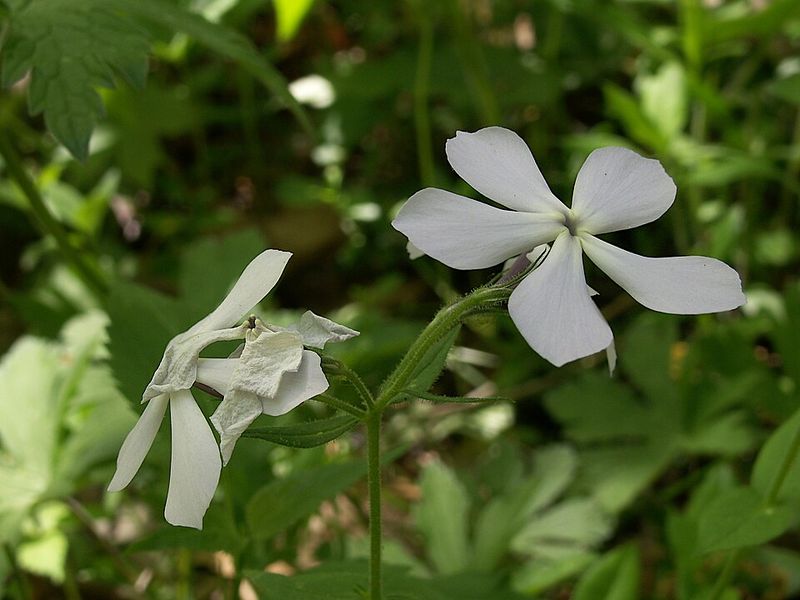
Starry white blooms and a light, informal habit make woodland phlox a strong choice for brightening shaded Pennsylvania borders. It prefers part shade and soil that stays reasonably moist but drains well after rain.
In spring, the flowers appear in loose clusters that look natural rather than overly formal, which suits woodland-style gardens nicely.
This is a plant that works best when you let it mingle a little. I like placing it between ferns and low sedges so the flower clusters can float through fresh green foliage.
Good air circulation matters, especially in humid parts of Pennsylvania, because mildew can sometimes appear if the planting is crowded.
White forms are especially useful when you want a calm palette or need to connect stronger colors nearby. They show up well at dusk and can soften the transition between hard edges, like paths, and looser planting beds.
Deadheading may encourage a neater appearance, but even when left alone, the plant carries a relaxed woodland charm. If your shade garden needs a native-friendly perennial that looks elegant without feeling precious, this one offers bloom, movement, and a brightening effect that is surprisingly noticeable in spring and early summer.
White Trillium
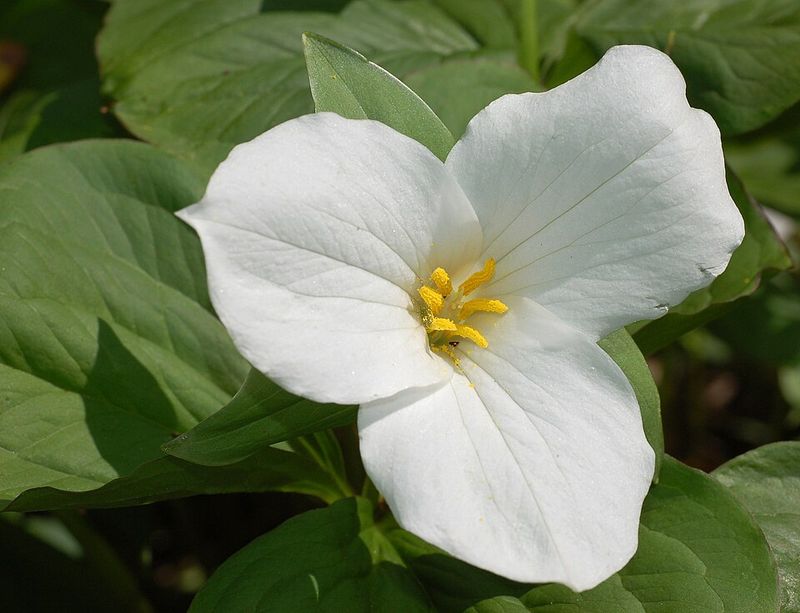
A true woodland classic, white trillium brings a quiet kind of beauty that feels perfectly at home in Pennsylvania shade. The three-petaled blooms appear in spring above handsome leaves, creating a simple form that stands out without needing bold color.
It is especially effective in naturalized areas where you want the garden to echo nearby forests.
Patience matters with this plant because it settles in slowly and dislikes frequent disturbance. A humus-rich bed with leaf litter, good drainage, and consistent moisture gives it the best chance to thrive.
I would avoid planting it in highly competitive root zones unless you can improve the soil and water during dry periods.
Since white trillium is more restrained than flashy, it shines when repeated in small drifts rather than used as a single specimen. Pair it with native ferns, foamflower, and mayapple for a spring display that feels cohesive and regionally grounded.
Avoid cutting flowers or disturbing the crowns if you want the colony to expand over time. This is not the quickest way to fill a blank corner, but it is one of the most rewarding.
For gardeners who appreciate understated elegance and native woodland character, white trillium offers both in a beautifully timeless package.
White Japanese Anemone
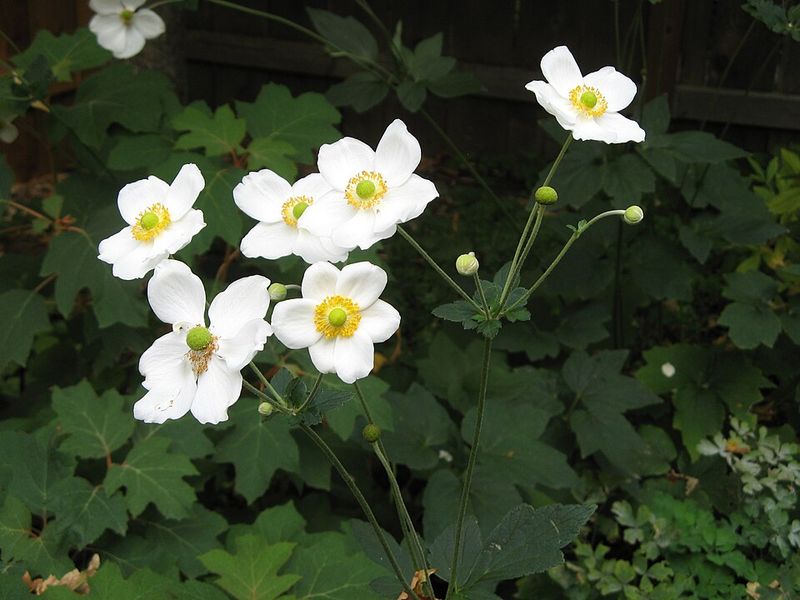
Late-season flowers can make the biggest difference in a shady garden, and white Japanese anemone excels at that task. Its blooms rise on wiry stems above attractive foliage, bringing freshness just as many other perennials start to tire.
In Pennsylvania, a site with part shade and moisture-retentive but well-drained soil usually keeps it happiest.
Once established, it can spread steadily, so placement matters from the beginning. I find it works best where it has room to drift, like the edge of a woodland border or a broad bed beside a fence.
If you prefer tighter control, dividing clumps every few years keeps the colony neat and easier to manage.
The white flowers seem to float, which gives darker corners a lighter, more open feel. Pairing them with ornamental grasses for shade, blue hostas, or deep green ferns creates a clean contrast that stays elegant into fall.
Some stems may need support in windy spots, especially if the soil is very rich and growth becomes extra tall. Even so, the payoff is excellent because bloom time stretches the garden season in a noticeable way.
For shaded Pennsylvania spaces that need renewed brightness after summer peaks, this perennial is a dependable and very graceful answer.
Lily of the Valley
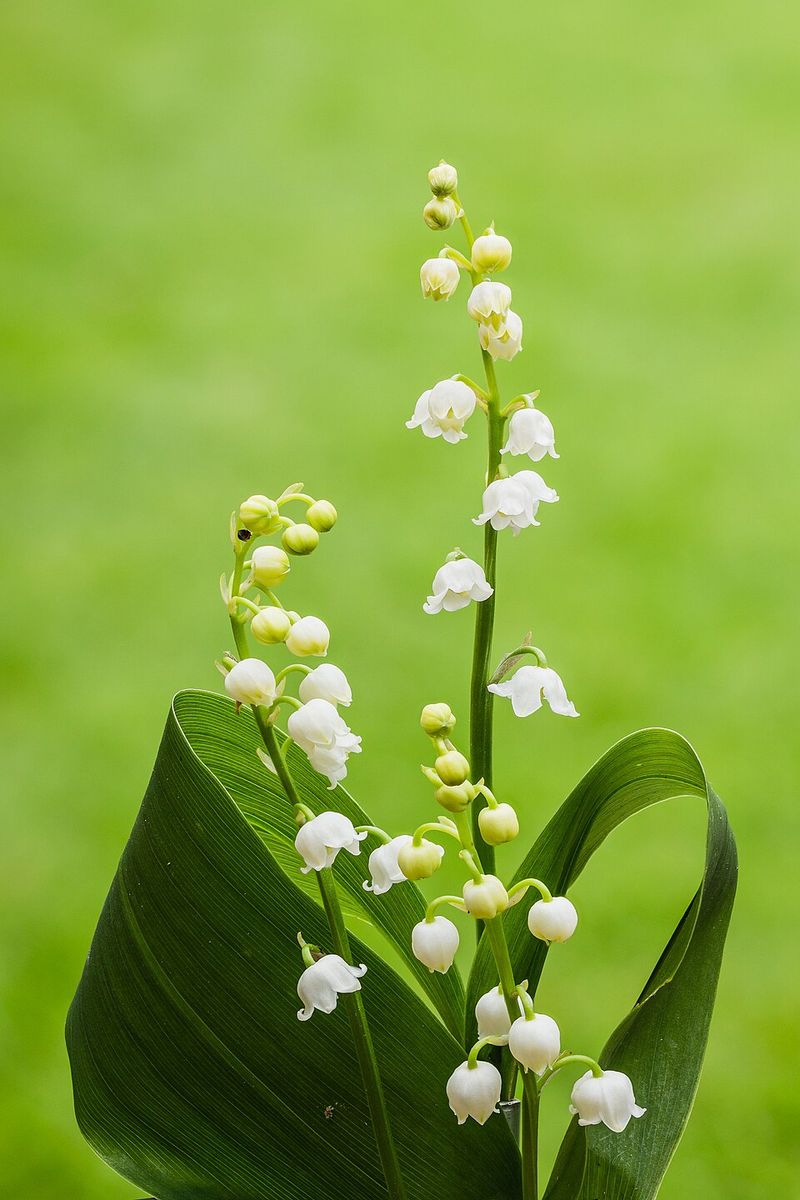
Few shade plants produce a cleaner white bloom than lily of the valley, with its tiny bells tucked beneath fresh green leaves. In spring, that combination makes dark corners feel crisp and finished almost overnight.
Pennsylvania conditions often suit it well, especially where the soil stays cool, rich, and evenly moist through the growing season.
This plant spreads by rhizomes, so it is best used where a groundcover effect is welcome rather than feared. I would not tuck it into a tiny mixed bed with delicate neighbors unless you are ready to thin it regularly.
Under shrubs, along a north-facing foundation, or in a contained woodland patch, it can be extremely effective.
The fragrance is another reason people love it, particularly near steps, patios, or side-yard paths where you pass close by. White flowers brighten the space, while the leaves create a solid carpet that reduces bare soil and weeds.
Keep in mind that all parts of the plant are toxic if ingested, so placement matters around pets and children. If you want a classic, strongly spreading perennial that turns a dim Pennsylvania corner into a fragrant spring feature, this one still earns its long-standing reputation.
White Foxglove Beardtongue
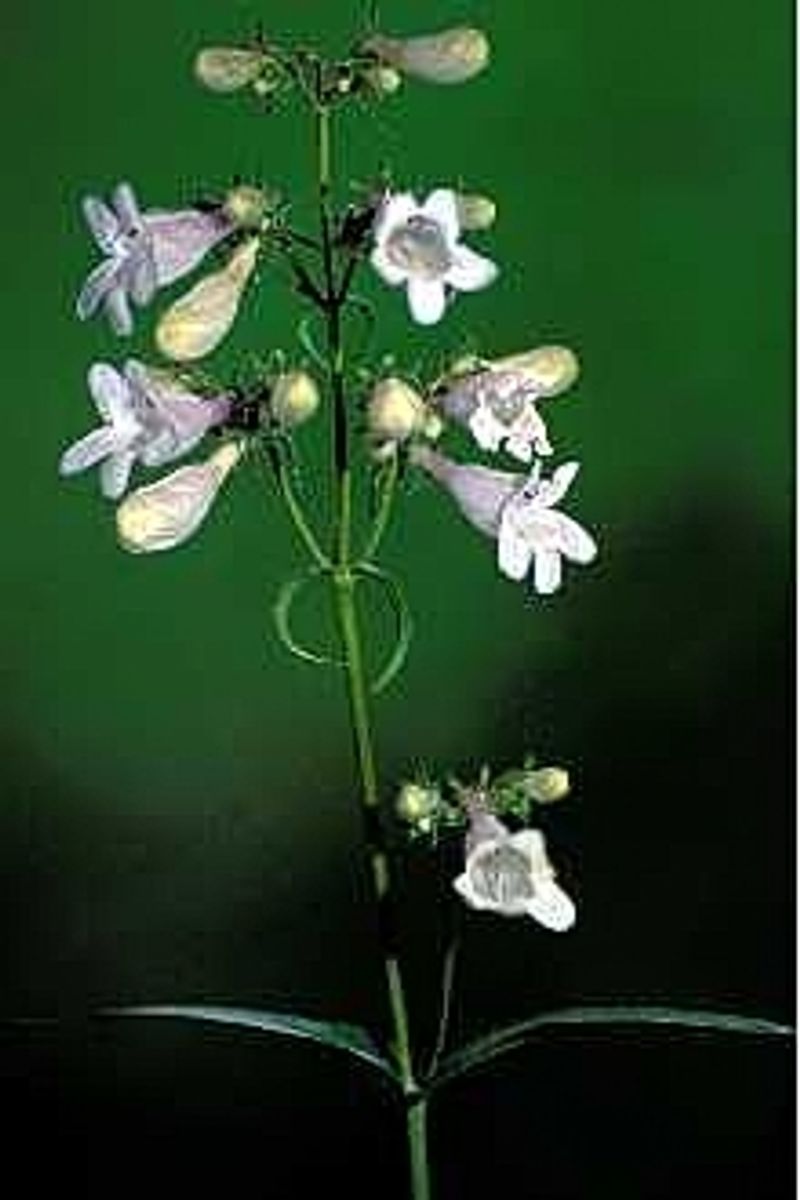
Strong vertical stems covered in white tubular flowers give this native perennial a bright, upright presence in part shade. It can handle more sun than many woodland plants, but in Pennsylvania it also performs nicely in bright shade or at the edge of tree cover.
Good drainage matters, especially in winter, so avoid spots that stay soggy for long stretches.
Its natural habit feels a bit looser than formal border plants, which makes it easy to blend into mixed perennial beds. I like pairing it with asters, ferns, and clumping grasses where the white flower spikes can punctuate the green.
Pollinators appreciate it, and the blooms bring a fresh look in early summer when spring flowers are beginning to fade.
Because stems can be fairly tall, a location sheltered from strong wind helps keep the planting tidy. Deadheading may extend the display a little, though many gardeners leave some seedheads for seasonal interest.
This is a good option if your shaded corner is not deeply dark but instead gets filtered light for several hours a day. When a Pennsylvania garden needs a native perennial that adds brightness, height, and wildlife value without complicated maintenance, white foxglove beardtongue is a very worthwhile choice.
White Turtlehead
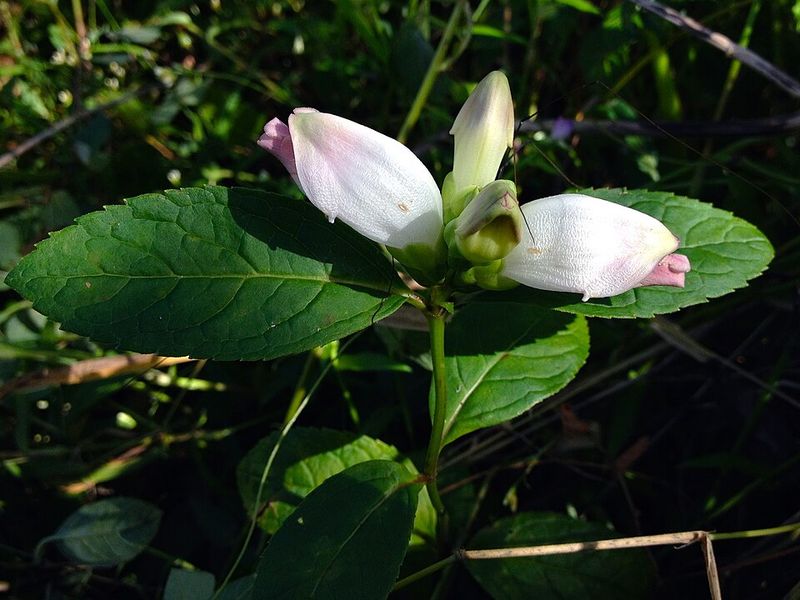
Moist shade can be difficult to fill well, but white turtlehead is built for that exact challenge. Its upright stems and distinctive white blooms bring order and brightness to damp corners where fussier plants often struggle.
In Pennsylvania, it is especially useful near downspouts, rain gardens, stream edges, or low spots with rich soil.
The flowers have a unique shape that adds interest up close, and the plant’s strong vertical habit keeps it from disappearing among larger leaves. I like using it with ligularia, cardinal flower, and blue flag iris in wetter beds where texture matters as much as bloom.
A mulch layer helps conserve moisture, though established clumps are usually quite steady if the site suits them.
Since it blooms later in the season, it helps carry a shade garden beyond the spring flush. White flowers stand out cleanly against dark stems, wet mulch, or evergreen backdrops, which makes the planting feel more intentional.
Pollinators visit, and the foliage generally stays handsome if the soil never dries excessively. This is not the plant for dry shade beneath thirsty maples, but in the right Pennsylvania location it performs with impressive reliability.
For brightening a damp, shady corner, white turtlehead is one of the most practical native choices available.
White Columbine
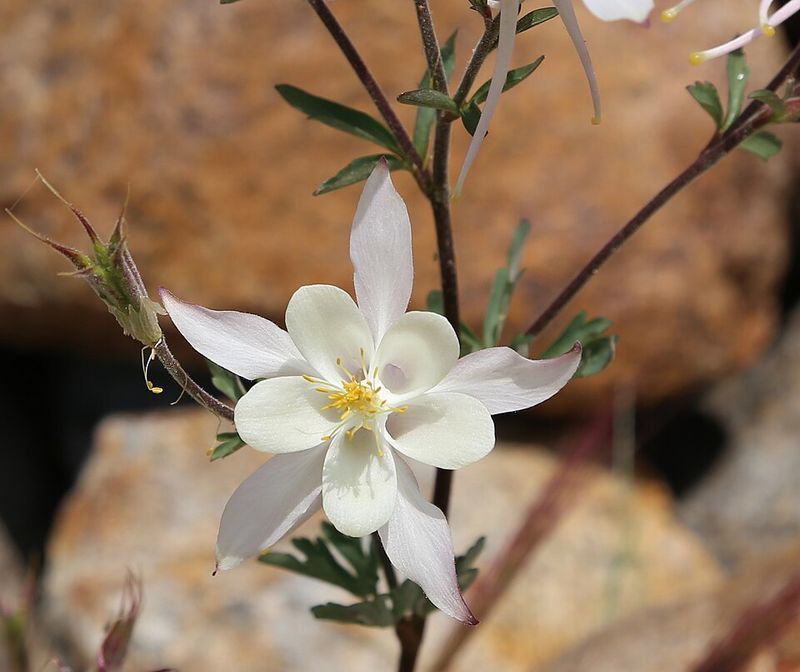
Delicate flowers with elegant spurs give white columbine a lighter, airier look than many shade perennials. It grows well in Pennsylvania gardens where the soil drains reasonably well and the plant receives part shade, especially morning sun with afternoon protection.
The bloom period falls in that useful spring-to-early-summer window when many gardens are transitioning between major displays.
Although the flowers appear refined, the plant is not overly difficult if conditions are right. I often let a few seedlings settle where they choose because natural placement can look more charming than rigid spacing.
If self-sowing worries you, simply remove spent flowers before seed sets and keep the colony more controlled.
White selections work beautifully with blue woodland phlox, ferns, and chartreuse foliage, creating a fresh palette that suits shaded corners. The nodding blooms also invite closer viewing, making this a smart choice near a bench or narrow path.
Good airflow helps reduce foliar issues, particularly in humid periods, so avoid packing plants too tightly. Even when bloom passes, the fine-textured foliage continues to soften the bed.
For gardeners who want a shade perennial that feels graceful, approachable, and a little whimsical without becoming high maintenance, white columbine is a very satisfying addition.
Candytuft
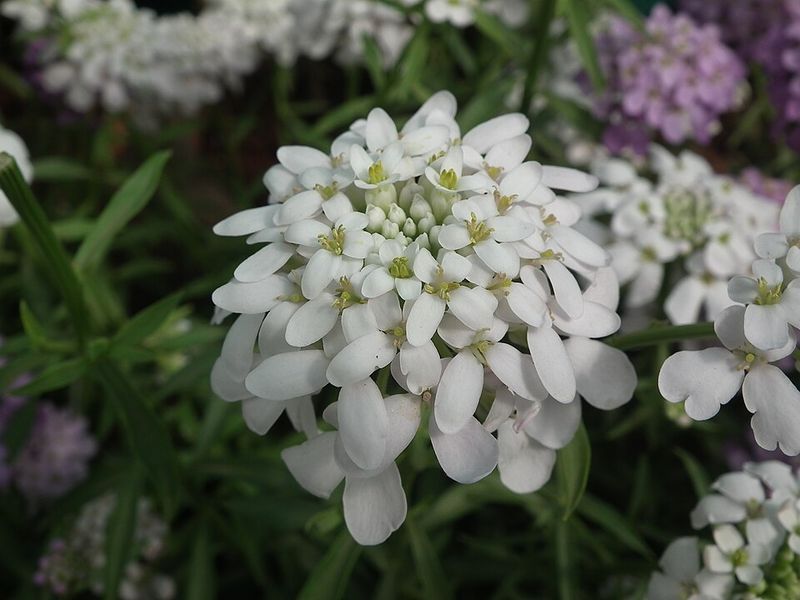
Not every shaded Pennsylvania corner is deeply dark, and brighter partial-shade spots can be perfect for candytuft. This evergreen perennial forms a low mound and covers itself with white flowers in spring, creating a crisp, clean edge along paths or stone borders.
It needs sharp drainage more than constant moisture, so think woodland edge rather than soggy shade.
Because the foliage stays neat through much of the year, the plant contributes structure even when not blooming. I like using it where a bed needs a visual pause between larger hostas, ferns, or other broad-leaved plants.
Trimming lightly after flowering helps keep the mound compact and encourages a tidier habit over time.
White blooms are especially effective near rock, gravel, or dark mulch because the contrast reads so clearly. In Pennsylvania winters, good drainage is the key factor that helps it avoid decline, particularly in heavier soils.
If your site holds water, amend generously or use a raised area before planting. This is not the choice for dense, dry tree shade, but it works beautifully in lighter conditions where many gardeners want a bright foreground accent.
For a polished spring display and evergreen presence, candytuft offers a simple, very useful solution.