
11 Yellow Perennials Lighting Up Massachusetts Backyard Flower Beds
Follow us on Google
A Massachusetts backyard can feel bright for months when the right yellow perennials take turns blooming from late spring into fall. The trick is picking plants that handle cold winters, humid summers, and the occasional dry spell without turning your flower bed into a maintenance project.
These sunny picks bring color, pollinators, and structure while still fitting real-life gardens where you want beauty without constant fuss. If you want your beds to look cheerful from the street and rewarding up close, these are the plants worth planting.
Black-Eyed Susan
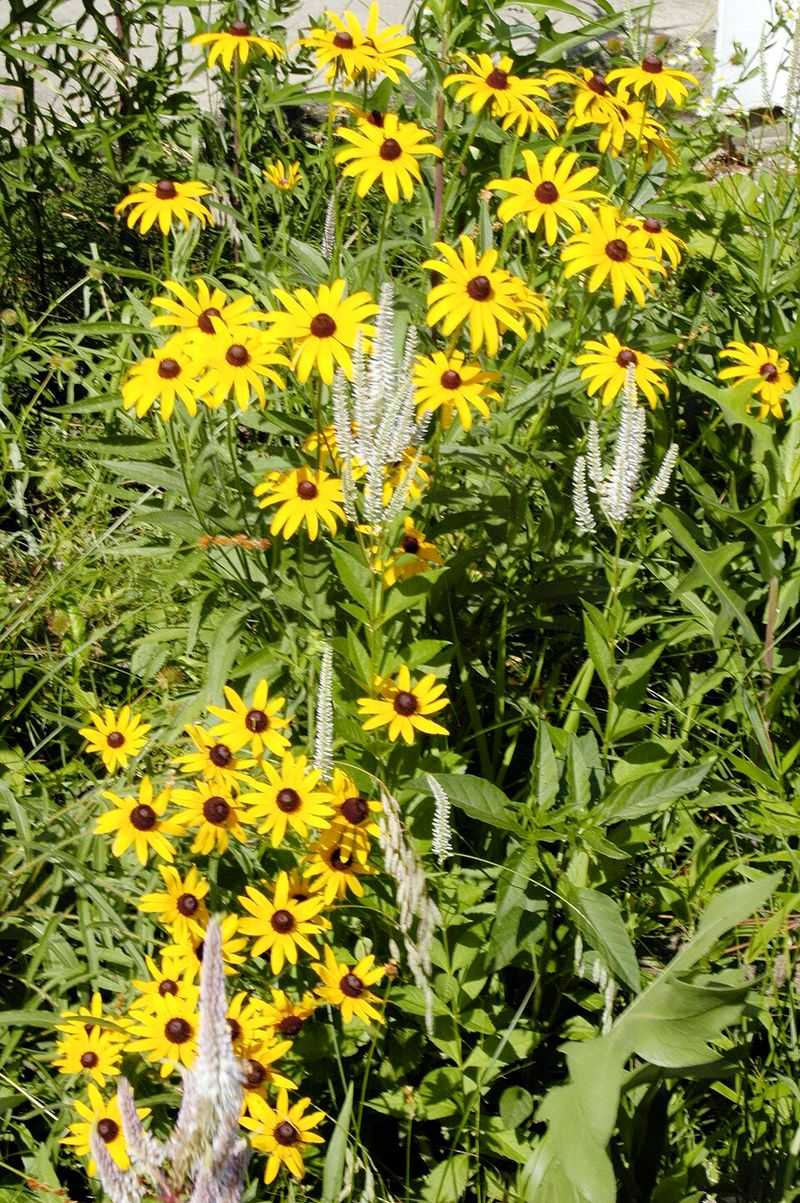
Few flowers give a backyard bed that cheerful late-summer energy quite like this dependable native-style favorite. Golden petals circle a dark center, and the contrast reads clearly from the porch, sidewalk, or kitchen window.
In Massachusetts, it handles winter cold well and keeps blooming when many early summer plants start looking tired.
You will get the best display in full sun and reasonably well-drained soil, though established clumps are forgiving. Deadheading stretches the bloom season, but leaving some spent flowers in place adds seed for birds and a little autumn texture.
If your bed leans too rich or heavily fertilized, stems can grow softer and need support.
Pair it with purple coneflower, ornamental grasses, or blue salvia for a color combination that always looks intentional. The yellow tones also soften brick foundations and weathered gray fences, which is useful in many older New England yards.
Plant in drifts instead of single dots so the color feels generous rather than scattered.
Every few years, divide crowded clumps in spring to keep flowering strong. Deer may browse new growth occasionally, but it is usually not their first choice.
For gardeners who want reliable color without babysitting every stem, this one earns its space.
Coreopsis
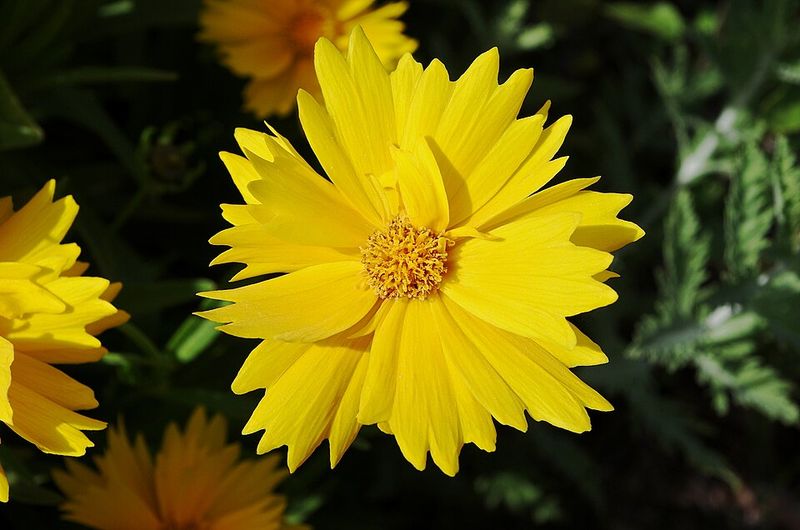
Bright, easygoing color is where this perennial really shines, especially in a Massachusetts bed that needs long bloom time without endless maintenance. The daisy-like flowers keep coming through summer, and many varieties stay neat enough for front-of-border use.
That makes it a practical choice when you want yellow without a bulky plant taking over the whole design.
Full sun is the sweet spot, and drainage matters more than rich soil. In fact, overly pampered plants can get floppy, while average garden soil often produces sturdier growth and better flower coverage.
Snipping off faded blooms encourages repeat flowering, though newer selections keep pushing blooms even if you miss a week or two.
You can tuck it beside catmint, salvia, or low sedums for a bright, relaxed look that does not feel stiff. Softer threadleaf types add movement, while broader-petaled forms give more visual punch from a distance.
If your backyard gets hot reflected sun near a patio or walkway, this plant usually takes it in stride.
After the first big flush, a light trim can refresh the mound and bring cleaner new growth. Most clumps benefit from division every few years, especially if the center starts thinning.
For gardeners who like steady color and a forgiving personality, this is an easy yes.
Daylily
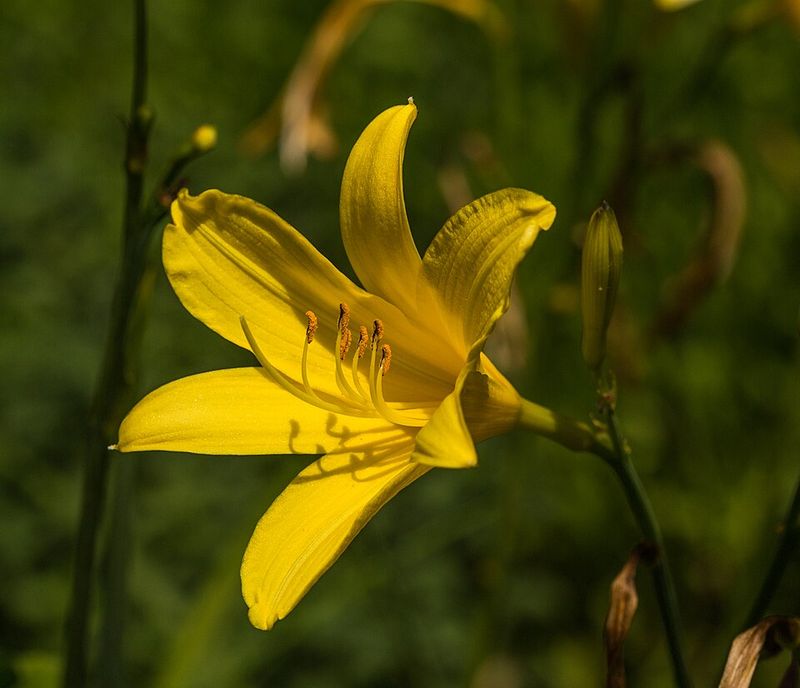
Summer beds feel fuller and more polished when arching foliage and trumpet-shaped blooms arrive together in a generous clump. Yellow forms bring a clean, sunny note that mixes beautifully with blue, purple, and burgundy companions.
In Massachusetts, daylilies are especially useful because they return reliably and handle a broad range of garden conditions.
Most grow best in full sun, though a little afternoon shade can help flowers last longer during hot spells. Once established, they tolerate periodic dryness better than many border plants, which is helpful in busy backyards where watering is not always perfect.
The grassy leaves also create structure long before and after the bloom cycle.
Reblooming varieties are worth seeking out if you want color beyond the first flush. Removing spent flower stalks keeps the bed looking tidy, and dividing crowded clumps every few years restores vigor.
If you have a slope or awkward edge near a fence, daylilies can anchor it without making the area feel heavy.
Use them in groups for a stronger visual effect instead of scattering one here and there. Softer lemon shades look especially elegant near silver foliage, while rich golden cultivars hold their own against darker shrubs.
For dependable summer color with very little drama, they are hard to beat.
Yarrow
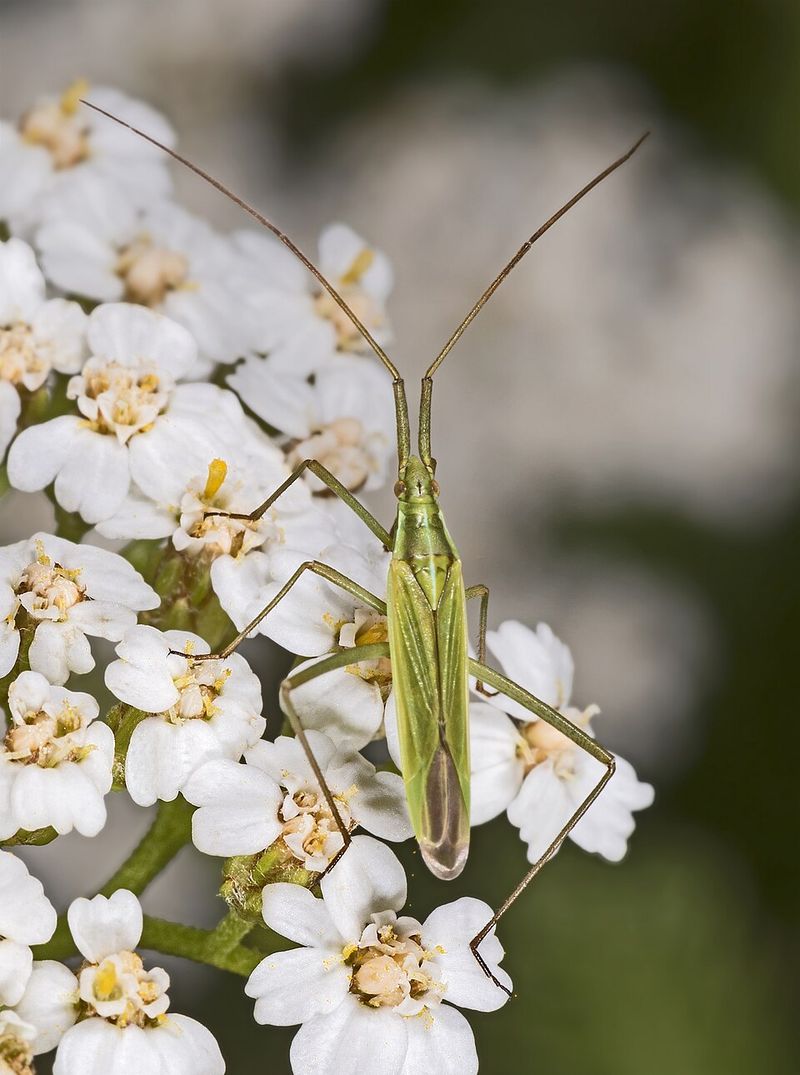
Flat clusters of yellow blooms bring a different texture to the flower bed, and that change in shape makes surrounding plants look better. Finely cut foliage stays attractive near the front or middle of a sunny border, especially where you want something airy rather than bulky.
In Massachusetts gardens, yarrow is a strong option for dry spots that bake in summer.
Too much fertility can make it flop, so average soil is often ideal. Full sun is essential for sturdy stems and the heaviest bloom, and good drainage helps it come through winter without trouble.
Once the first flowers fade, cutting the plant back can trigger a respectable second show.
This is one of those plants that works especially well with ornamental grasses, Russian sage, or black-eyed Susans because the flat bloom heads break up all the vertical lines. It also makes a useful bridge between hot orange tones and cooler purples.
If your backyard bed sits near stone edging or a gravel path, the foliage and flowers look right at home.
Pollinators visit regularly, and dried flower heads can even be used indoors if you like cutting from the garden. Divide every few years if the clump spreads beyond its space or the center weakens.
For a sunny Massachusetts border that needs toughness and a softer texture, yarrow delivers.
Tickseed
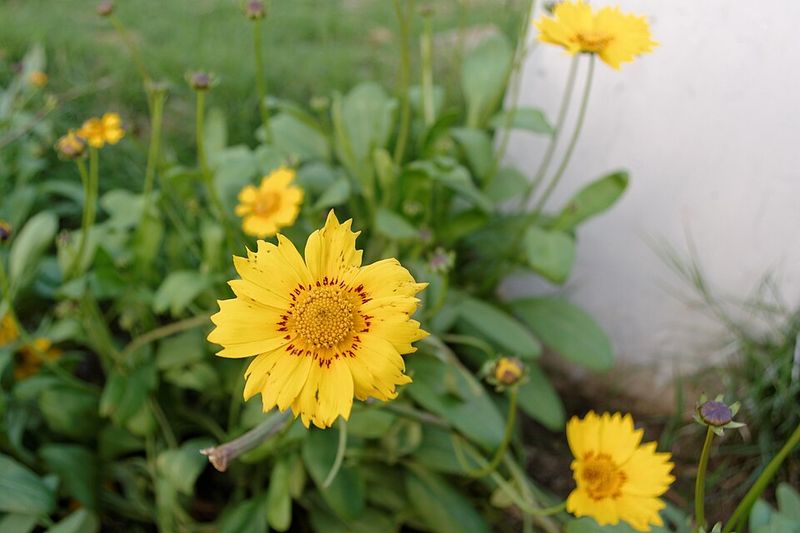
Long-lasting color can be surprisingly easy when you bring in a compact yellow tickseed that blooms far beyond the early summer rush. The flowers are bright but not harsh, and the tidy mounding habit helps a mixed bed look organized without feeling formal.
For Massachusetts gardeners, that combination of endurance and manageable size is especially useful.
Plant it where it gets at least six hours of sun, and do not worry too much about perfect soil. As long as drainage is decent, it usually settles in quickly and starts producing bloom after bloom.
Regular deadheading helps older varieties most, while improved selections often keep going with minimal intervention.
You can use it along walkway edges, around mailbox plantings, or in front of taller perennials that need a cheerful skirt of color. It pairs nicely with lavender-toned catmint, dark-leaved heuchera, and compact grasses.
The yellow flowers also lighten beds that otherwise lean heavily toward pinks and purples.
Winter survival improves when crowns are not sitting in soggy ground, so avoid low spots where snowmelt lingers for weeks. A light trim midsummer keeps the mound dense and fresh if it starts to sprawl.
If you want a plant that looks upbeat for months and asks for very little in return, this one fits beautifully.
Golden Marguerite
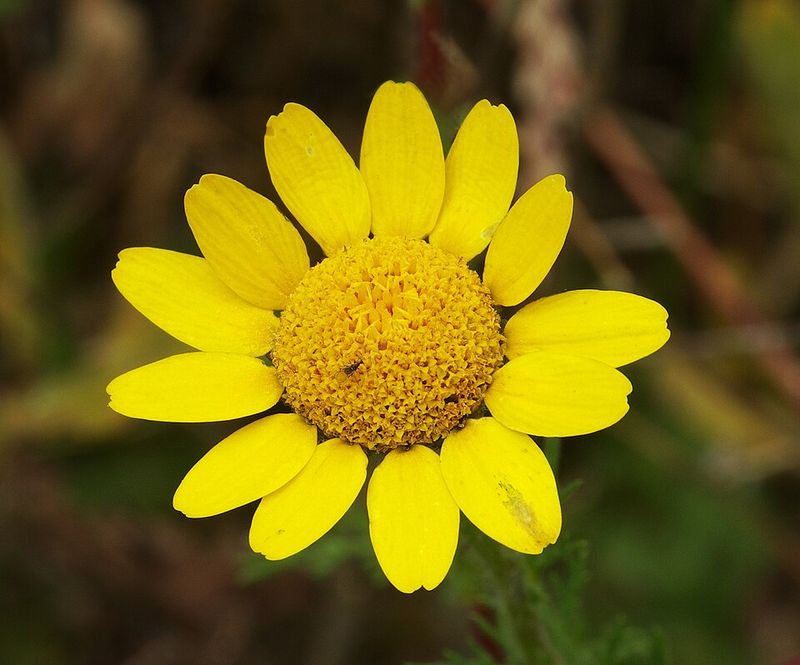
Soft, ferny foliage and clear yellow daisy flowers give this perennial a lighter, almost airy presence than heavier midsummer bloomers. It brightens a border without making the planting feel dense, which matters in smaller Massachusetts backyards where every square foot needs to work hard.
The foliage itself adds value, keeping the plant attractive even when bloom slows down.
Choose a sunny spot with excellent drainage, especially if your soil holds winter moisture. This is not the plant for a soggy corner, but it performs beautifully in leaner ground and warmer pockets near stone walls or pathways.
Shearing after the first bloom wave often brings fresh foliage and another round of flowers.
The gray-green leaves make nearby yellows look richer and nearby blues look cooler, so it is easy to integrate into mixed beds. Try it with salvia, nepeta, or low roses if you like a classic cottage-garden feeling that still looks crisp.
Because the blooms sit above fine foliage, the whole plant reads as delicate rather than heavy.
In colder parts of Massachusetts, winter wet is a bigger risk than cold itself, so raised beds can help. Do not overfeed it, since rich soil encourages weak growth and fewer blooms.
For gardeners who like a sunny plant with refined texture, this one brings charm without fuss.
Sneezeweed
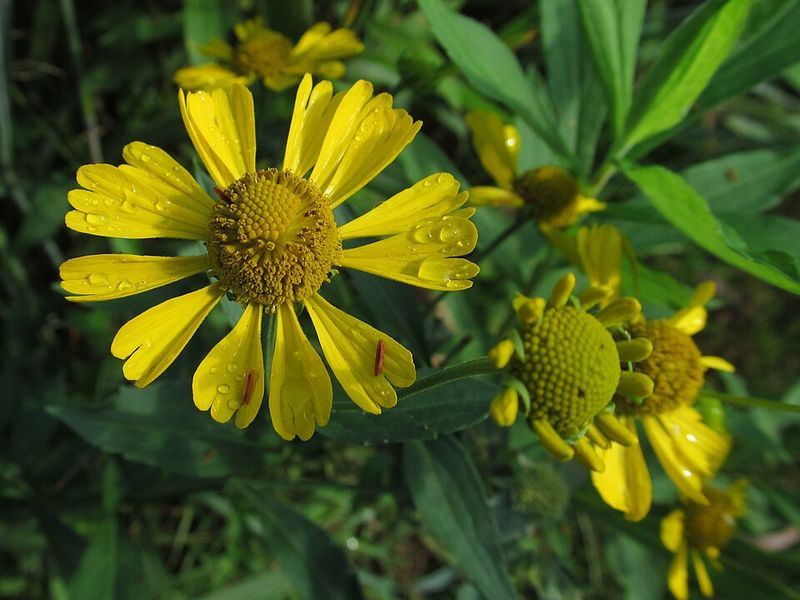
Late summer can leave flower beds looking a little worn out, which is exactly when this golden bloomer earns attention. Its daisy-like flowers arrive when many earlier perennials are fading, bringing warm color back into the garden just as the season starts to feel tired.
For Massachusetts yards, that timing is a major advantage.
Despite the name, it does not cause seasonal allergies the way many people assume. It prefers consistent moisture more than dry, sandy conditions, so it is a good fit for beds that are sunny but not bone dry by August.
Pinching stems in late spring often creates stockier plants with more flowers and less flopping.
The rich yellow tones mix well with asters, Joe Pye weed, and ornamental grasses, making it easy to build a strong late-season border. If your backyard includes a rain garden edge or a lower bed that stays evenly moist, this plant can look especially happy there.
Butterflies appreciate it too, which adds movement along with color.
Cutting spent stems can tidy the planting, though some gardeners leave a few for texture until frost. Dividing every few years keeps the clump vigorous and prevents overcrowding.
When you want yellow that carries the garden into the back half of the season, sneezeweed is one of the smartest additions.
False Sunflower
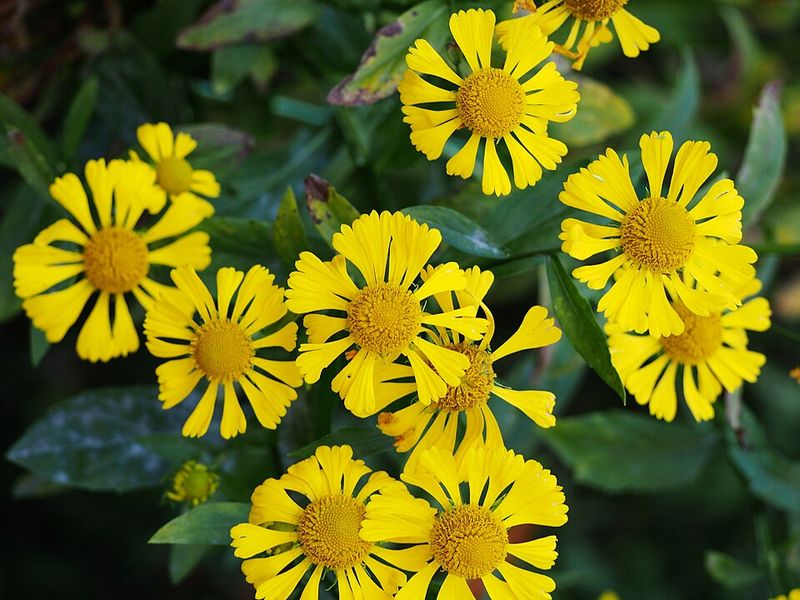
Strong stems and glowing yellow flowers make this perennial feel like summer distilled into one plant. It has the cheerful look of a sunflower but returns year after year, which is great if you want that warm color without starting from seed each spring.
In Massachusetts, false sunflower handles cold winters and still comes back ready to perform.
Plant it in full sun for the best flowering and strongest form. Average garden soil is fine, though it appreciates decent moisture during the first season while roots establish.
Taller varieties may benefit from an early pinch or support if your bed is windy or especially fertile.
Use it toward the middle or back of the border where its height can lift the whole planting. It pairs especially well with blue asters, purple coneflowers, and airy grasses, creating that classic late-summer contrast that looks vivid without feeling loud.
If your backyard fence line needs softening, a generous drift can do the job beautifully.
Deadheading can prolong bloom, but even when flowers fade, the plant keeps useful structure. Dividing mature clumps every few years helps manage size and maintain vigor.
For gardeners who want reliable height, bright color, and a perennial that reads clearly from across the yard, false sunflower is an excellent choice.
Sundrops
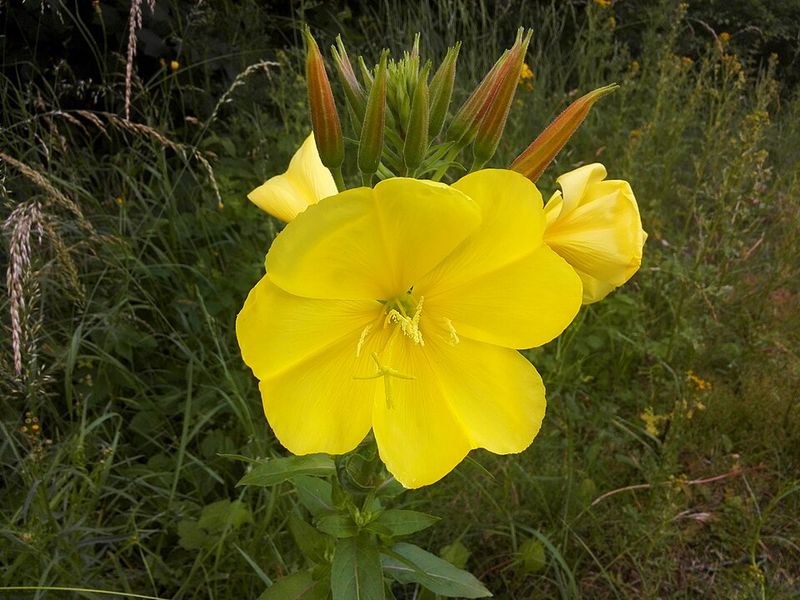
Low-growing yellow flowers can solve a lot of design problems, especially at the front of a border where taller plants would block the view. Sundrops offer bright, cup-shaped blooms and a manageable habit that works in cottage gardens, rock gardens, and more modern plantings.
In Massachusetts, they are especially handy for sunny spots with leaner soil.
Good drainage is important, and full sun keeps the plant compact and floriferous. Once established, it tolerates dry conditions well, making it useful near sidewalks, retaining walls, or south-facing foundations that heat up quickly.
The foliage forms a solid base that helps the bed look filled in even between bloom cycles.
You can pair it with creeping thyme, salvia, or small ornamental grasses for a layered look that stays neat. Because the flowers sit low, this plant also works well near stepping stones or along the front lip of a raised bed.
The yellow color reads especially fresh against dark mulch or natural stone.
After flowering, a light trim can keep the clump from looking rangy and encourage fresh growth. It is not usually fussy about feeding, so skip heavy fertilizer and let the plant stay sturdy.
If your backyard needs a sunny, low-maintenance perennial for the front row, sundrops deserve a serious look.
Leopard’s Bane
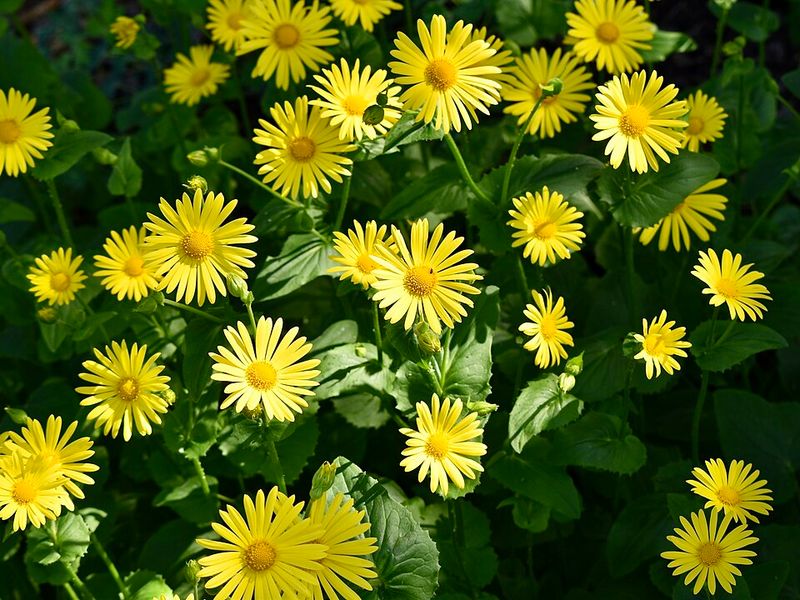
Early spring beds often need a spark of color before the summer crowd arrives, and this perennial answers that need beautifully. Bright yellow daisy flowers appear when the garden still feels fresh and newly awake, giving backyard borders a welcome shot of energy.
In Massachusetts, that early bloom window makes it especially valuable.
Unlike some sun-loving yellow perennials, leopard’s bane appreciates conditions that are not brutally hot and dry all day. Morning sun with a little afternoon relief can help it look its best, particularly in warmer inland gardens.
Moist but well-drained soil supports strong flowering and healthier foliage through the season.
It works nicely among spring bulbs, pulmonaria, and hardy geraniums, filling the gap between early bulb color and the first wave of summer perennials. Because it flowers earlier, it can carry the bed while later plants are still building size.
This is useful if your backyard border tends to look empty in May.
After blooming, the plant may quiet down and become less showy, so place it where neighboring perennials can cover the fading foliage. Dividing clumps every few years helps maintain vigor and gives you extra plants for other beds.
For gardeners who want yellow much earlier than midsummer, this one is a smart addition.
St. John’s Wort
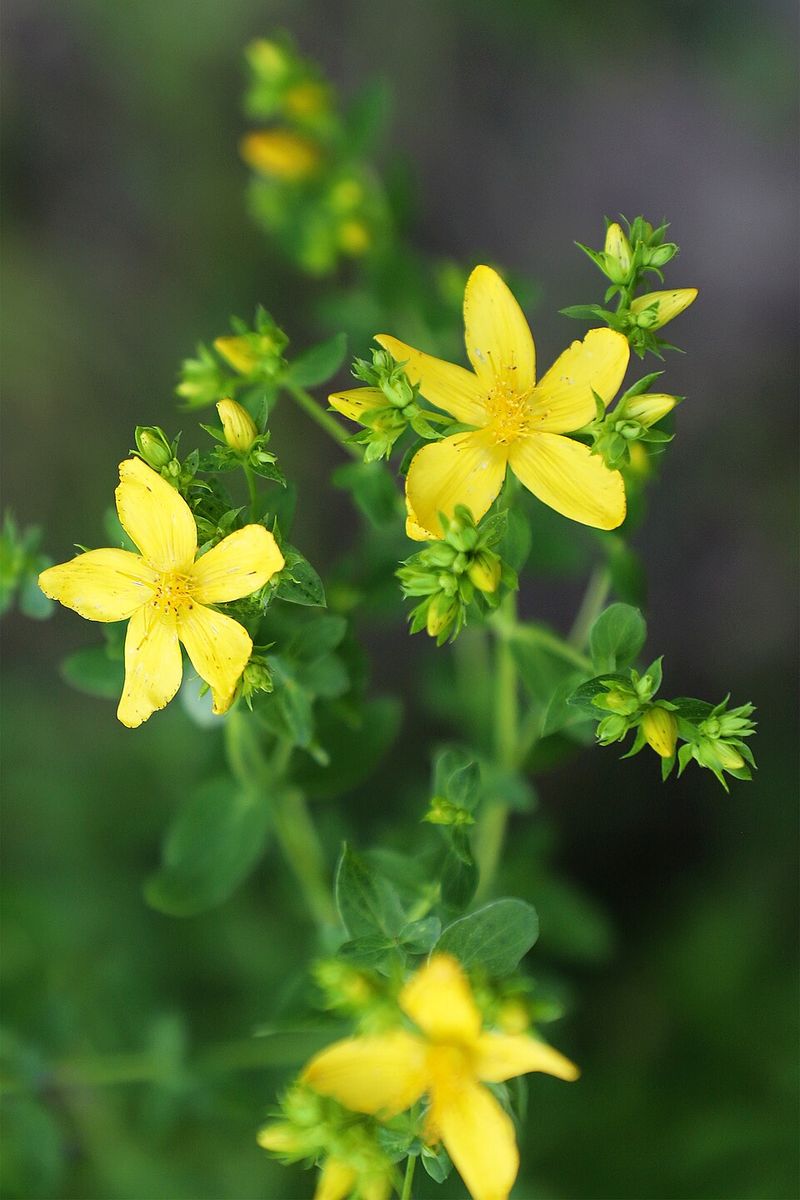
Not every yellow perennial needs to behave like a daisy, and this one proves it with a different flower form and a more shrubby presence. The bright blooms, often accented by a burst of stamens, add a clean pop of summer color that feels slightly unexpected in mixed borders.
For Massachusetts gardens, it can be a useful bridge between perennials and small shrubs.
Most varieties prefer full sun to light shade and appreciate well-drained soil. Once established, many handle short dry spells reasonably well, making them practical for foundation beds or borders that do not receive constant irrigation.
The blue-green foliage on some types adds interest even before the flowers open.
Use it where you want a rounded, dependable shape among looser perennials like yarrow or coneflower. It also mixes nicely with catmint, salvia, and compact hydrangeas, especially if your backyard planting needs a little more structure.
Because the flowers are not oversized, the effect is cheerful without becoming overwhelming.
Pruning in early spring helps maintain a tidy framework and encourages fresh growth. Mulch lightly rather than piling material against the crown, particularly in heavier soils.
If you like yellow flowers but want something with a calmer, more architectural look, St. John’s wort is well worth considering for Massachusetts beds.