
11 Crimson Perennials That Are Changing Backyard Gardens Across Pennsylvania Right Now
Follow us on Google
Pennsylvania gardeners are leaning hard into rich crimson blooms, and backyard beds suddenly look bolder, deeper, and far more intentional. These perennials do more than add color – they anchor borders, attract pollinators, and hold up through the state’s shifting seasons.
If your yard has felt a little flat lately, these standout plants can give it the contrast and energy you have been missing. Here are twelve red-toned favorites making ordinary Pennsylvania gardens feel newly alive.
Bee Balm
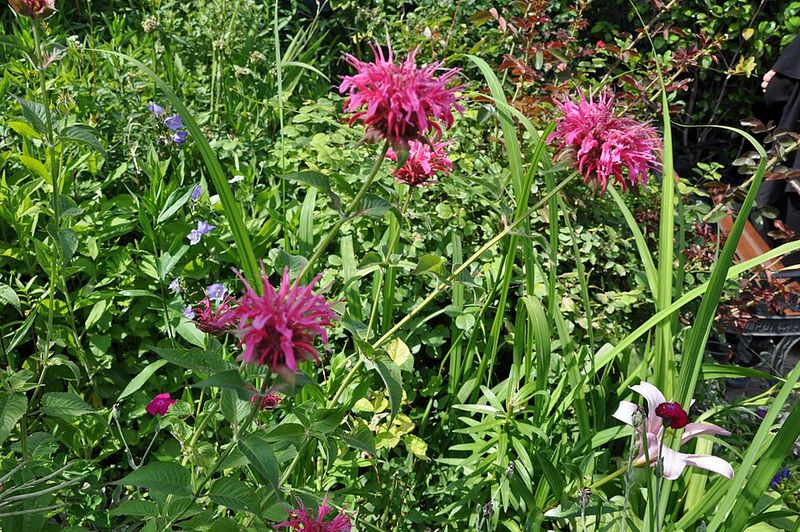
Nothing wakes up a summer border faster than a burst of scarlet flowers buzzing with life. In Pennsylvania, this pollinator favorite earns its place by blooming when many spring stars are fading and your beds need fresh energy.
The shaggy blooms look playful up close, yet they still read as bold blocks of color from across the yard.
You will get the best show in full sun with soil that stays evenly moist but drains well after storms. Good air circulation matters here, because humid Pennsylvania summers can encourage powdery mildew if plants are crowded.
I like spacing clumps generously and cutting a few stems for bouquets, which also keeps the patch looking tidier.
Hummingbirds find these flowers quickly, and bees work them all day, so this choice adds movement as much as color. Near a fence, mailbox bed, or vegetable garden edge, it helps the whole space feel more active.
Pair it with blue salvia, black eyed Susans, or ornamental grasses if you want the red to feel especially vivid.
After flowering, a trim often encourages a cleaner appearance and sometimes a lighter repeat bloom. Every few years, divide crowded clumps in spring to keep them vigorous.
If your backyard needs one perennial that looks cheerful, useful, and unmistakably summer, this one delivers without much fuss.
Peony
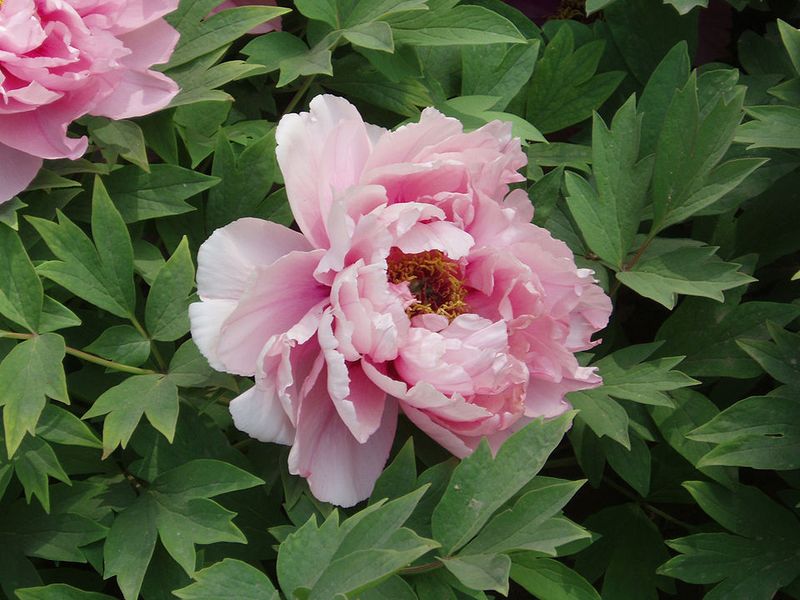
Few plants make a backyard feel established as quickly as a deep red peony in late spring. The flowers are extravagant, yes, but the plant itself is sturdy, long lived, and surprisingly practical for Pennsylvania gardens.
Once settled in, it can stay in place for decades and become the bloom neighbors ask about every single year.
Sun is important, and so is patience during the first couple of seasons while roots get comfortable. Planting depth matters more than many people realize, because eyes set too deep often lead to leafy growth with no flowers.
I always recommend a spot with strong morning light and decent airflow so heavy blooms dry quickly after rain.
Those velvety petals look especially striking against brick houses, pale fences, and fresh mulch. If you cut a few stems for the table just before they fully open, you get that luxurious garden look indoors too.
Around the base, low catmint or hardy geranium helps hide fading foliage from earlier bulbs and makes the whole planting feel finished.
Staking can be helpful when spring storms roll through, especially for double flowered varieties with big heads. After bloom, the leaves keep working as a handsome green mound through summer.
For gardeners who want crimson color with real staying power, this one feels less like a trend and more like a legacy plant.
Cardinal Flower
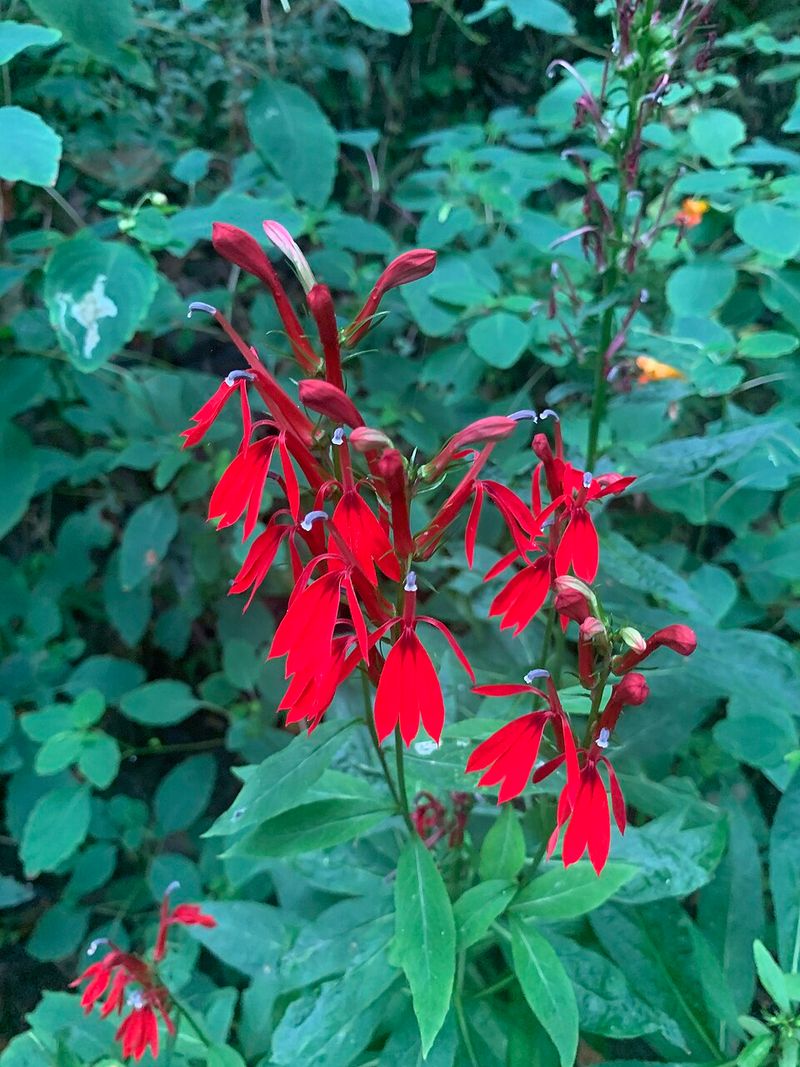
That piercing red is impossible to ignore, especially in late summer when many borders start looking tired. Native to eastern North America, this perennial feels right at home in Pennsylvania and gives backyard gardens a wilder, more natural kind of drama.
The upright flower spikes also bring a useful vertical accent that breaks up softer mounded plants.
Moisture is the key to keeping it happy, so think rain gardens, pond edges, low spots, or beds that do not bake all afternoon. Full sun works if the soil stays damp, but part shade often helps in hotter stretches.
I have found it especially effective near downspouts that are redirected into planted areas rather than left bare.
Hummingbirds seem to treat these blooms like a personal invitation, which makes the plant feel interactive in a way static flowers never do. That strong red pairs beautifully with ferns, blue lobelia, turtlehead, and dark leaf heuchera.
Instead of shouting over the whole garden, it creates targeted flashes of color where your eye naturally lands.
Because it likes consistent moisture, mulching around the roots helps more than people expect. Let a few flowers set seed if you want gentle natural spread in the right conditions.
If your yard has a damp patch you have not known how to use, this perennial turns that problem area into one of the best views.
Red Daylily
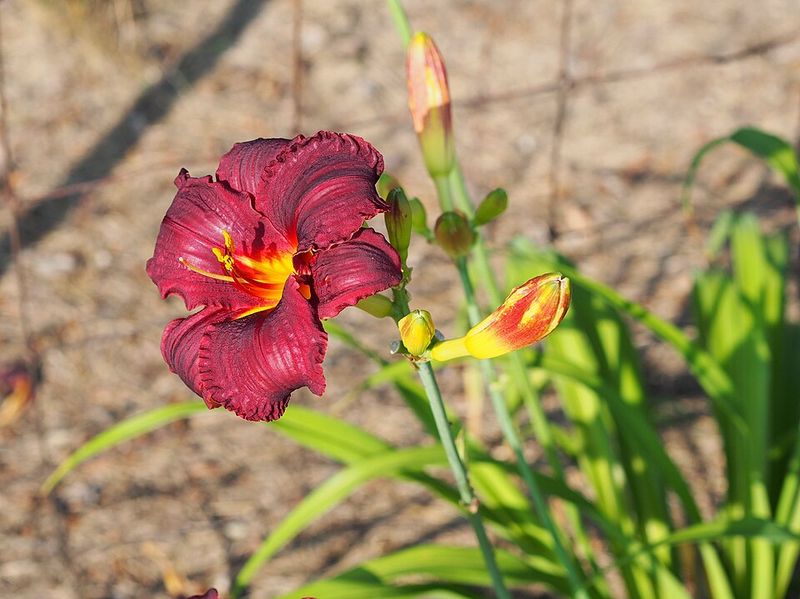
Bright red daylilies earn their popularity because they solve a lot of common backyard problems at once. They handle Pennsylvania weather swings, settle into average soil, and still throw out eye catching blooms that read clearly from the patio.
If you want dependable summer color without a complicated care routine, this is an easy place to start.
Full sun gives you the heaviest flowering, though they can still perform with a little afternoon shade. The strap like foliage stays neat enough to act as a visual filler between shrubs, roses, or ornamental grasses.
I like using repeat blooming red cultivars so the bed does not peak once and then disappear into plain green for the rest of July.
Color wise, these flowers can range from cherry to wine to rich crimson, so it helps to choose with your brick, siding, or fence color in mind. Near yellow coreopsis or purple coneflowers, the contrast feels energetic without looking chaotic.
Along a walkway, the blooms pull your attention forward and make even a simple border seem more layered.
Deadheading improves the look, but the plant is forgiving if you miss a few spent flowers during a busy week. Dividing clumps every few years keeps bloom production strong and gives you extra plants for other spots.
For gardeners who value reliability as much as beauty, red daylilies remain one of the smartest additions around.
Astilbe ‘Fanal’
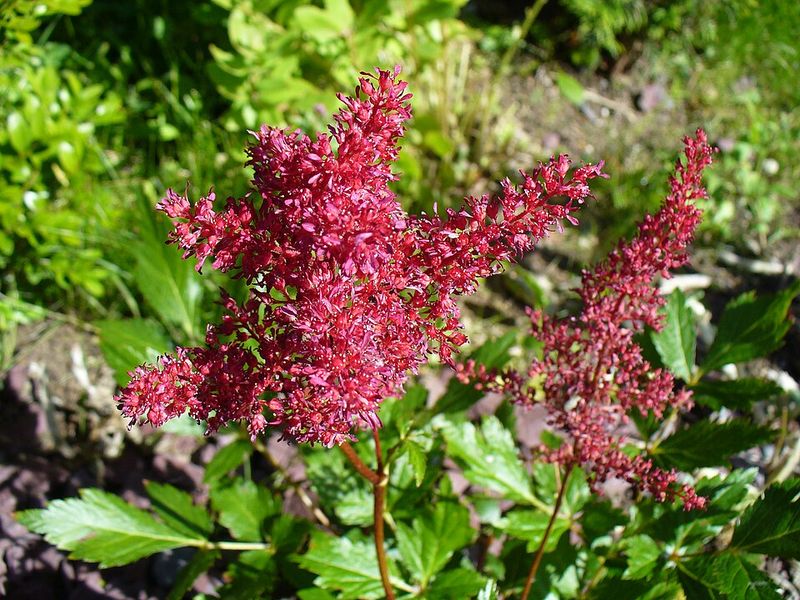
Shade gardens do not have to rely on pale flowers and green textures alone. This deep red astilbe brings a saturated, velvety tone that feels polished and dramatic without becoming heavy.
In Pennsylvania backyards with morning sun and afternoon shade, it can completely change a sleepy corner into a destination.
Moist, rich soil is the difference between a plant that survives and one that actually looks impressive. The ferny foliage forms a tidy mound first, then the feathery plumes rise above it and catch the light in a way flat petaled flowers never do.
I usually suggest planting it where you will pass by often, because the texture deserves a closer look.
Near hostas, Japanese painted ferns, or black snakeroot, the crimson plumes feel especially elegant. The red does not scream in the shade, which is exactly why it works so well there.
Instead, it adds depth and warmth that keeps dark corners from reading as gloomy or unfinished.
Consistent watering during dry spells is essential, especially in the first years after planting. A layer of mulch helps preserve the cool root conditions it prefers through Pennsylvania summers.
If your backyard has a shady bed that always seems a little flat by midsummer, this perennial gives you color, texture, and structure in one move.
Yarrow ‘Paprika’
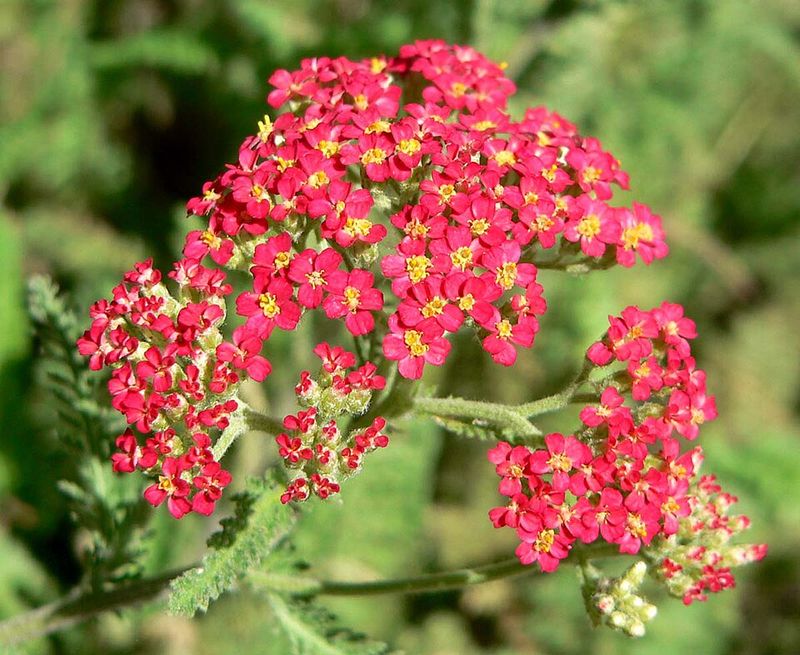
Flat topped clusters in smoky red tones give this yarrow a slightly rustic look that fits beautifully in relaxed backyard plantings. It is not a glossy, formal kind of flower, and that is part of the appeal.
In Pennsylvania gardens where summers can swing from wet to dry, its toughness makes the color feel even more valuable.
Drainage matters more than pampering, so give it sun and avoid spots that stay soggy after storms. Once established, the plant handles dry periods well and keeps its ferny foliage looking useful even between bloom cycles.
I like placing it near paths or front edges of beds, where the horizontal flower heads contrast with spiky salvias and upright grasses.
The red often softens slightly as blooms age, which creates a layered effect rather than a harsh block of one note color. Pollinators appreciate it, and cut stems dry nicely if you enjoy indoor arrangements with a garden gathered look.
Paired with lavender, nepeta, or coreopsis, it makes a border feel airy instead of stiff.
Deadheading extends the display and keeps plants from looking tired late in the season. Heavy soils can be improved with grit or compost before planting for better long term performance.
If you want crimson tones in a sunnier, drier part of the yard, this perennial gives you strong returns with very little fuss.
Dianthus ‘Firewitch’
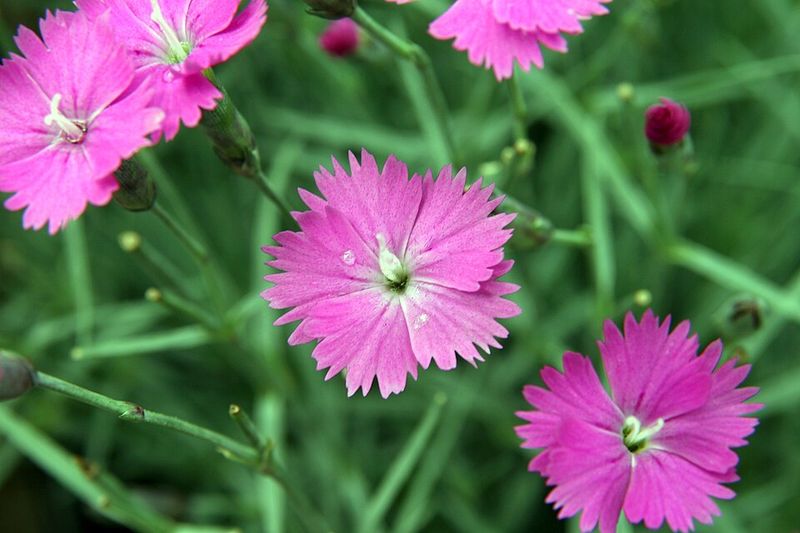
Low growing plants can have a huge impact when the color is this punchy and the form stays neat. A red dianthus brings early to midspring brightness right along the edge of paths, walls, and raised beds where taller perennials would only get in the way.
The narrow blue green foliage adds a clean look even when it is not flowering.
Good drainage is essential, so think gravelly borders, sloped spots, or amended soil that does not stay cold and wet. Full sun keeps the plants compact and bloom heavy, while soggy shade usually shortens their lifespan.
I often recommend them for homeowners who want a crisp, maintained look without installing annuals every single year.
The fringed flowers have a charming, old fashioned quality, but the crimson shades still feel fresh in contemporary plantings. Near stone edging, the mounds soften hard lines and make the whole space feel more intentional.
Their sweet clove like fragrance is a bonus you notice when kneeling nearby to weed or brush past on a walkway.
Shearing after the main bloom flush often tidies the foliage and can encourage another lighter round of flowers. Winter survival improves when crowns are not buried under heavy mulch, so keep things airy.
For a front of border perennial that reads polished, colorful, and practical, red dianthus is easy to appreciate.
Maltese Cross
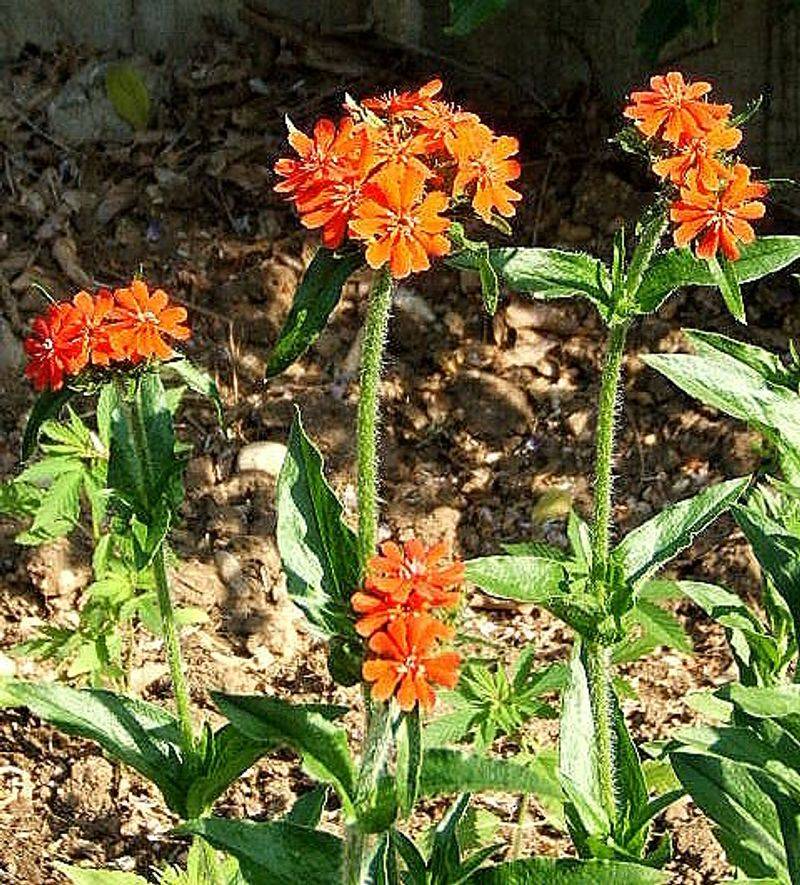
There is something wonderfully old garden about these vivid scarlet blooms held above soft, slightly fuzzy foliage. In a Pennsylvania backyard, the color lands with surprising force because the flower clusters sit high enough to be seen over lower companions.
It feels classic, but not dusty, especially when mixed with looser cottage style planting.
Sun helps it flower best, and average well drained soil is usually enough to keep it content. The stems can lean a little in richer ground, so a spot among supportive neighbors like salvia, catmint, or shasta daisies works well.
I like using it where a border needs a strong early summer red before later perennials begin their show.
The blooms attract butterflies and make lovely cut flowers with a slightly nostalgic look. Paired with white foxgloves, blue veronica, or silver foliage, the red seems cleaner and more intentional.
Because the color is so saturated, even one clump can change the mood of an entire section of bed.
Deadheading improves appearance and may extend flowering a bit, though the main flush is the biggest draw. Divide older clumps if centers thin out over time.
If your garden style leans informal and you want a perennial that carries genuine personality instead of a generic red flower, this one is worth making room for.
Red Valerian
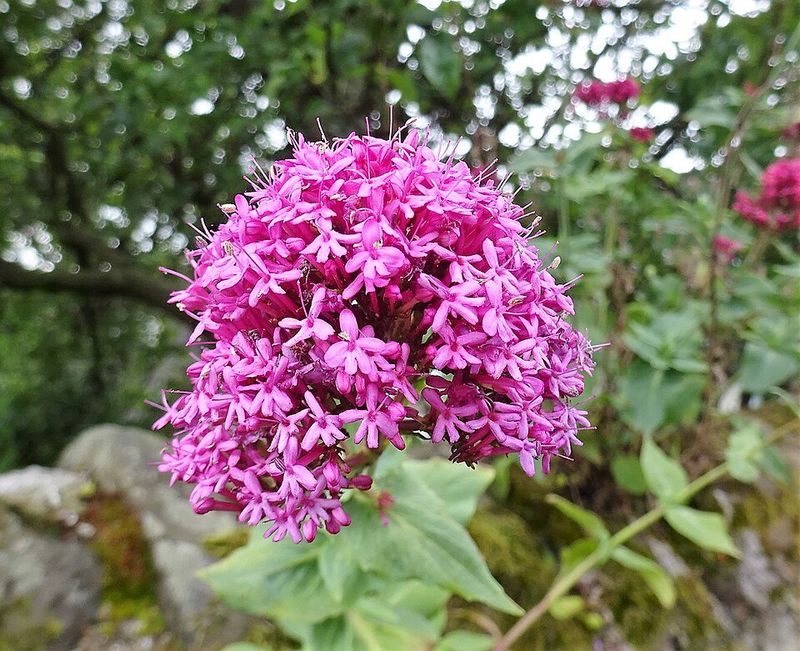
Airy stems topped with crimson clusters give this perennial a looser, more casual look than many red flowers. That relaxed structure works beautifully in Pennsylvania backyards where masonry, gravel paths, or informal borders need softening.
Instead of reading heavy, the color seems to float, which makes hot summer spaces feel more breathable.
Sun and sharp drainage are the priorities, especially if your soil tends to stay wet in winter. Once established, it tolerates dry spells well and does not ask for much feeding or fussing.
I especially like it near retaining walls or steps, where the plant can weave into cracks and make hard surfaces feel more connected to the garden.
Butterflies visit often, and the bloom period can stretch nicely if spent flowers are removed. The gray green foliage helps the crimson tones look slightly muted and sophisticated rather than loud.
Mixed with lavender, sedum, or ornamental oregano, it creates a Mediterranean mood that still feels natural in many Pennsylvania yards.
Be aware that it can self seed in favorable conditions, which is either a bonus or a chore depending on your style. Pulling young seedlings is simple if you prefer tighter control.
For gardeners who like perennials with movement, color, and a slightly unbuttoned personality, red valerian brings charm without looking overly managed.
Hardy Hibiscus
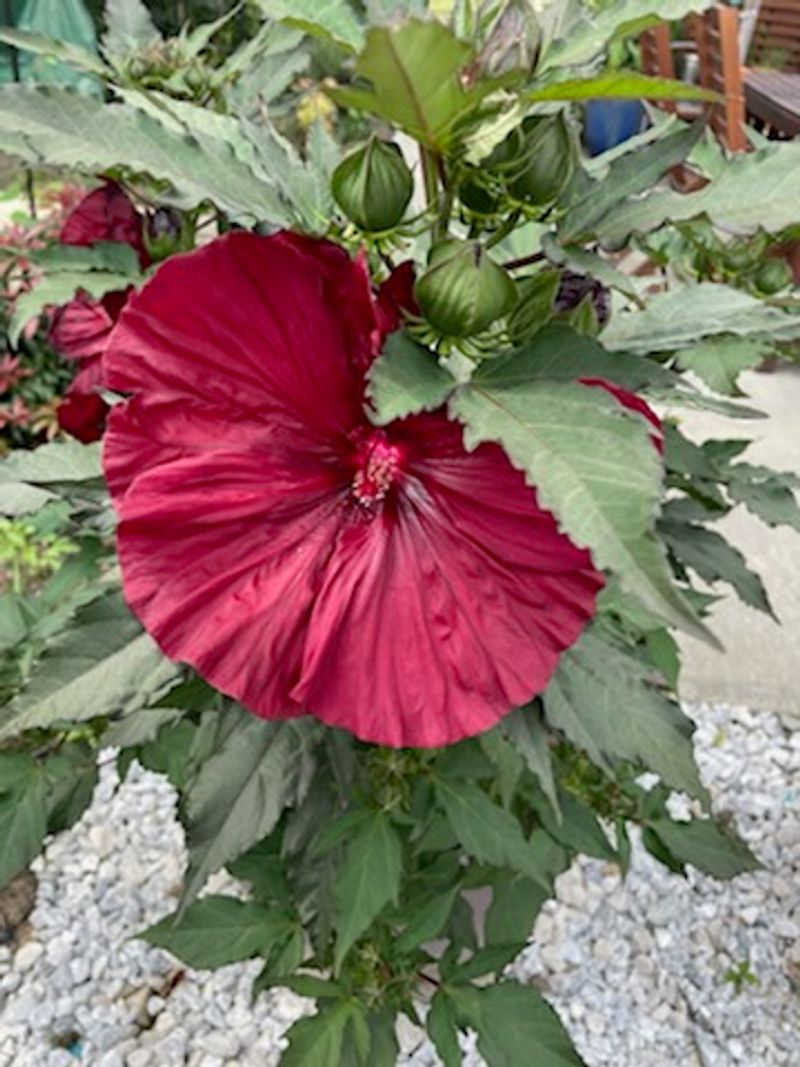
Huge crimson blooms give this perennial an almost tropical presence, which feels delightfully unexpected in Pennsylvania. Even a single plant can anchor a sunny bed and make nearby flowers look more intentional by comparison.
When it opens in late summer, the scale alone changes how the whole backyard reads.
Warmth, sun, and consistent moisture help it perform at its best, so do not place it in a dry forgotten corner. It emerges late in spring, which can worry first time growers, but patience pays off once the stems start rising fast.
I usually suggest marking the spot so you do not accidentally disturb the crown while planting around it earlier in the season.
The broad leaves give substance before flowering begins, and the dinner plate sized blooms create instant drama later on. Against ornamental grasses or dark shrubs, the red flowers look especially bold.
Near a deck or seating area, they become the kind of plant guests notice immediately and ask you about before anything else.
Because stems die back in winter, cut them down after frost or leave them standing for easy spring cleanup. A generous mulch layer helps conserve soil moisture through hot spells.
If your goal is to add crimson color with real theatrical impact, hardy hibiscus does the job better than almost anything else that returns every year.
Garden Mum
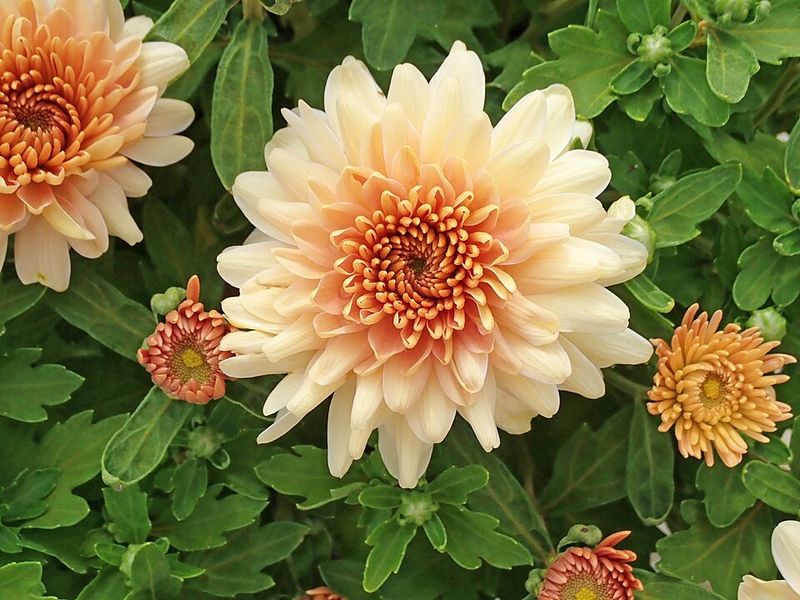
Autumn color often gets dominated by orange and gold, so a rich red garden mum feels especially fresh in Pennsylvania landscapes. The rounded form brings structure, and the bloom coverage can be so dense that foliage nearly disappears.
If your beds usually fade after August, this perennial keeps the garden feeling deliberate much longer.
To perform as a true perennial, it needs a sunny site, decent drainage, and enough time to establish before winter. Pinching stems in late spring to early summer encourages a fuller habit and more flowers later on.
I think of it as one of the best ways to carry strong color right up to frost without relying entirely on annual displays.
Crimson mums pair beautifully with asters, sedum, switchgrass, and the changing tones of nearby shrubs. Around pumpkins, stone paths, or weathered wood planters, the blooms look seasonal without becoming theme decor.
The color reads warm and welcoming from the street, but it still holds enough depth to feel garden worthy up close.
Avoid planting too late in fall if you want reliable return, because roots need time to settle before hard freezes arrive. Mulch lightly after the ground cools to prevent winter heaving.
For backyard gardeners who want a polished finish to the season, red hardy mums bring substance, color, and excellent timing.