
11 Pennsylvania Plants That Attract Butterflies Without Much Maintenance
Follow us on Google
A butterfly-friendly yard in Pennsylvania does not have to become a full-time project. The right plants can handle local weather swings, support pollinators, and still look good with very little fuss from you.
If you want steady color, more fluttering visitors, and less weekend maintenance, these easy picks deserve a spot on your list.
Purple Coneflower
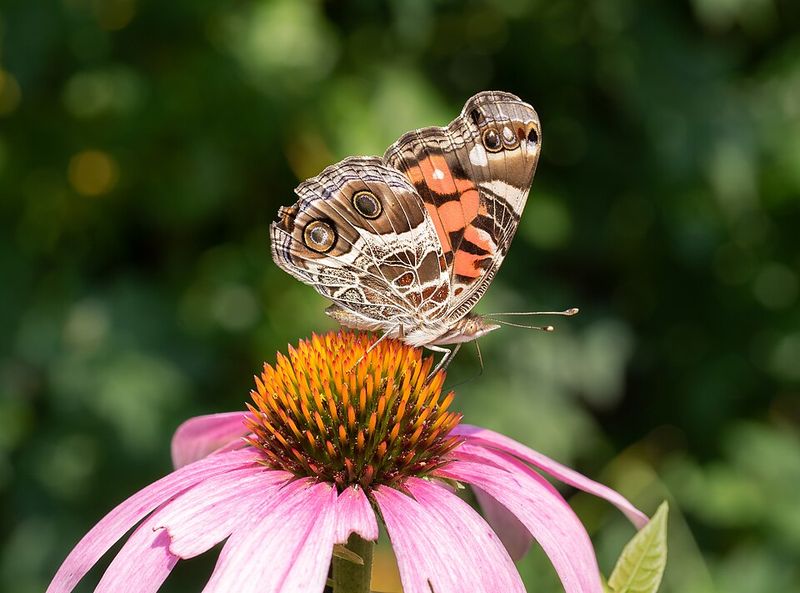
Few perennials earn their keep as reliably as this hardy native favorite. You get long-lasting summer color, sturdy stems, and nectar-rich blooms that regularly pull in swallowtails, fritillaries, and painted ladies.
In many Pennsylvania gardens, it handles heat, clay, and short dry spells better than fussier flowering plants.
Full sun keeps the stems stronger and the flowering heavier, though a little afternoon shade is fine in hotter parts of the state. Once established, watering usually matters only during extended drought, which makes it a smart choice for gardeners who do not want a thirsty border.
Deadheading can stretch the bloom season, but leaving some spent flowers adds seedheads that birds appreciate later.
Spacing helps more than pampering ever will. Give each clump room for air circulation, and you will usually avoid the mildew issues that pop up in crowded beds.
A light spring cleanup is often enough, since the plant returns dependably without constant dividing or feeding.
It also blends easily with black-eyed Susans, bee balm, and native grasses, so your butterfly patch looks intentional instead of messy. If you want one dependable starter plant that attracts attention from both pollinators and neighbors, this one rarely disappoints.
Butterfly Weed
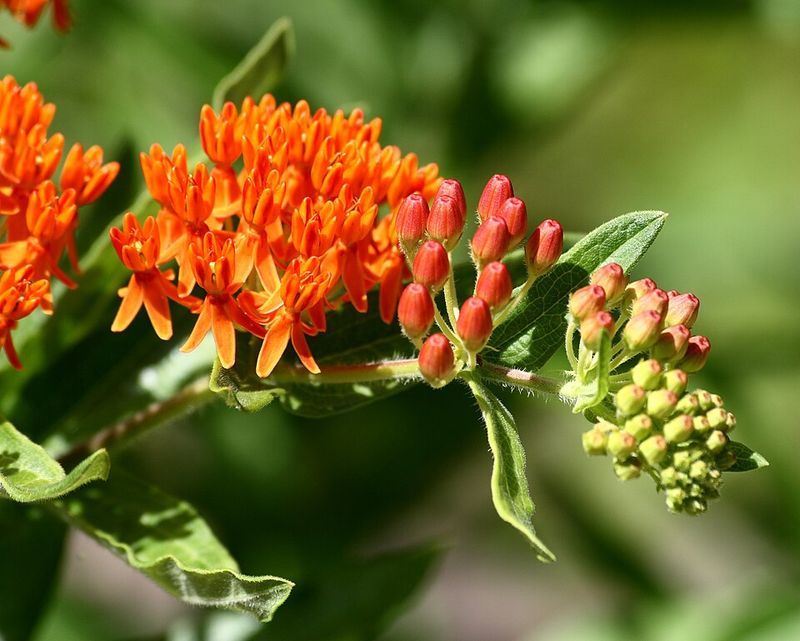
Bright orange blooms make this plant hard to miss, but butterflies notice it for a more important reason. It serves as a nectar source for many species and as a host plant for monarch caterpillars, which gives your Pennsylvania garden real ecological value.
That means you are not just decorating a bed – you are supporting an entire life cycle.
Dry, sunny spots suit it best, especially places where other flowers might sulk. Sandy or average soil works well, and rich soil can actually encourage weak growth, so this is one case where doing less helps.
Once the deep taproot settles in, regular watering is rarely necessary except during severe drought.
Because of that taproot, moving mature plants is usually a bad idea. Plant it where you want it to stay, then let it develop at its own pace without hovering.
It may emerge late in spring, so patience matters more than extra fertilizer or digging around the crown.
Pair it with little bluestem or coneflowers for a meadow look that still feels tidy. Avoid pesticides completely, especially if monarchs are your goal.
If your yard gets strong sun and you want color without coddling, this tough native easily earns its place.
Joe-Pye Weed
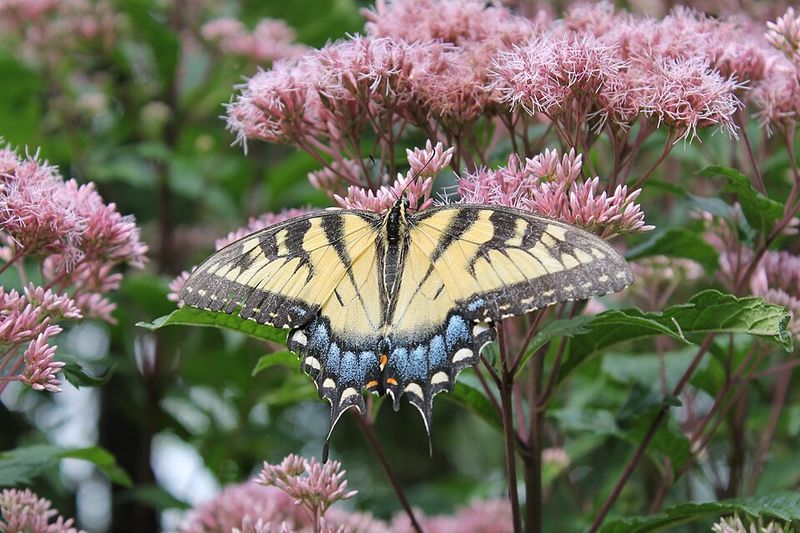
Height can be a real advantage when you want butterflies to notice your yard from a distance. Towering stems topped with mauve flower clusters create a landing zone that stays busy in late summer, especially with swallowtails, skippers, and migrating monarchs.
For Pennsylvania gardeners, it is one of the easiest ways to add vertical interest without constant upkeep.
Moist soil helps it perform at its best, but established plants can handle normal garden conditions surprisingly well. A spot with full sun to part shade usually produces sturdy growth, and mulch helps the roots stay cool during hotter stretches.
If your yard has a rain garden edge or a low area that stays slightly damp, this plant often thrives there.
Cutting it back by about one-third in early summer can shorten the final height if you are worried about it towering over smaller flowers. That simple trick also encourages bushier growth and can reduce flopping.
Beyond that, yearly maintenance is mostly limited to a spring cleanup.
Its broad flower heads mix beautifully with asters and ironweed for a strong late-season display. If you want a plant that fills space, attracts serious pollinator traffic, and asks very little in return, this one delivers dependable results.
New England Aster
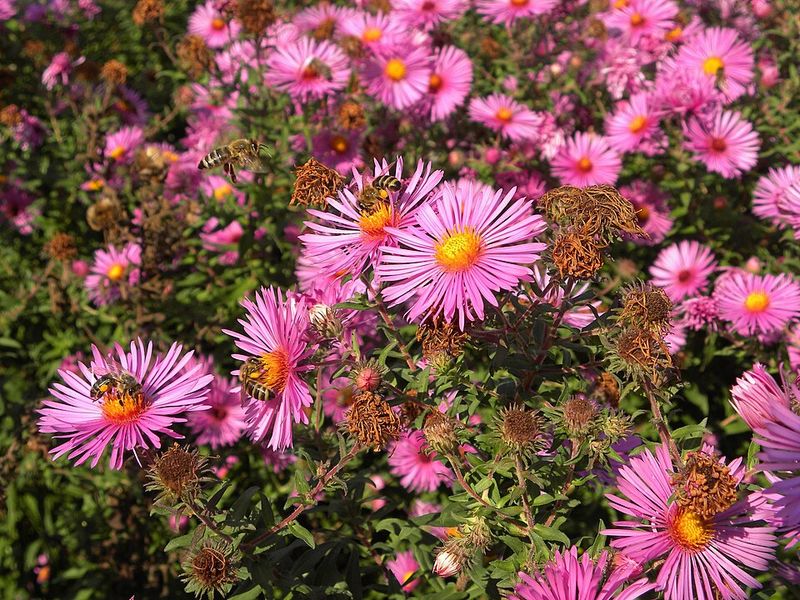
By the time many summer flowers fade, butterflies still need dependable nectar, and this late bloomer answers that need beautifully. Purple flowers with warm centers show up just when migrating monarchs and other pollinators are searching for fuel.
In Pennsylvania, that timing makes it especially useful for extending the value of your garden into fall.
Sunny conditions encourage the heaviest flowering, though part shade can work if the site is not too dense. Average garden soil is usually enough, and established plants do not demand constant watering.
A layer of mulch and some elbow room go a long way toward keeping growth healthy and reducing stress during dry spells.
Pinching stems back in early summer helps prevent legginess and creates a fuller plant covered in more flowers later. That one small task often makes the difference between a floppy clump and a tidy mound.
Aside from that, maintenance is minimal, with division needed only every few years if the center thins.
It looks great with goldenrod, switchgrass, and seedheads left standing for seasonal texture. If you want your yard to stay lively after Labor Day without loading yourself with chores, this native perennial is one of the smartest additions you can make.
Black-Eyed Susan
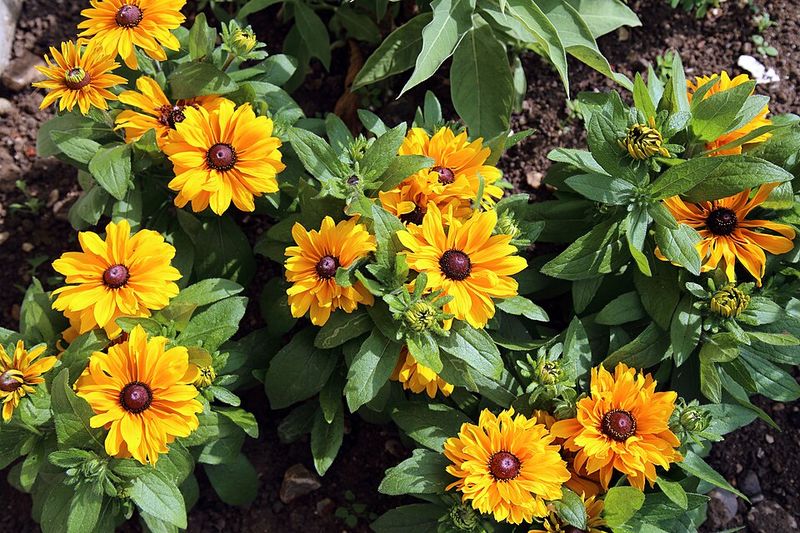
Golden petals and dark centers bring cheerful color, but the bigger win is how easy this plant is to live with. Butterflies stop by for nectar through much of summer, and the flowers keep the border looking bright even when the weather turns hot and dry.
In Pennsylvania gardens, it often performs like an old reliable friend that rarely needs special attention.
Full sun gives you the best flowering, and average soil is usually enough. It tolerates clay better than many flowering perennials, which makes it helpful if your beds are not blessed with perfect drainage or texture.
Once roots are established, occasional deep watering during long dry stretches is generally all it asks.
Deadheading can keep blooms coming, but leaving some seedheads adds winter interest and food for birds. If the clump gets crowded after a few years, dividing it in spring or fall is simple and quick.
That light maintenance is usually enough to keep the plant vigorous without turning it into a demanding chore.
Mix it with asters, coneflowers, or ornamental grasses for a natural look that still feels structured. If you need a forgiving starter plant that supports butterflies and brightens a low-maintenance landscape, this one is hard to argue against.
Bee Balm
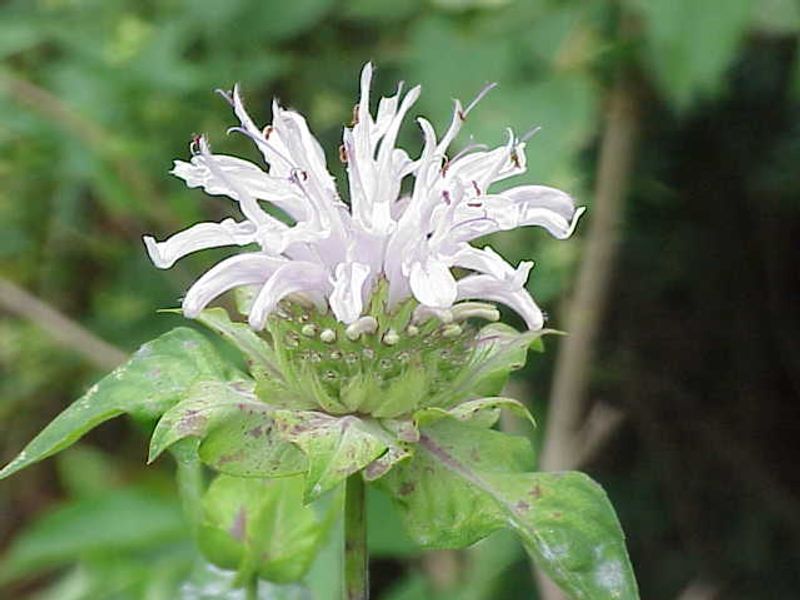
Scarlet, pink, or lavender blooms give your garden a burst of energy, and butterflies respond quickly to those nectar-rich flowers. This native perennial also attracts hummingbirds and bees, so one planting can make a bed feel alive for weeks.
In Pennsylvania, it is a practical way to build a pollinator-friendly space without relying on fussy annuals.
Good air circulation is the secret to keeping it easy. Full sun is ideal, though a little afternoon shade can help in warmer spots, and average to moist soil keeps growth steady.
Watering is most important during establishment, then the plant usually settles into a manageable routine with little extra help.
Powdery mildew is the issue gardeners mention most, but spacing solves much of that problem before it starts. Resistant varieties are worth choosing if you want less cleanup and a nicer appearance later in summer.
Cutting spent stems after flowering can encourage tidiness, yet it is far from a demanding plant overall.
Massing it in groups creates stronger visual impact and makes it easier for butterflies to find from above. It works well beside coneflowers and native grasses, especially in sunny borders.
If you want bold color and plenty of pollinator activity without babysitting every bloom, this plant makes a convincing case for itself.
Blazing Star
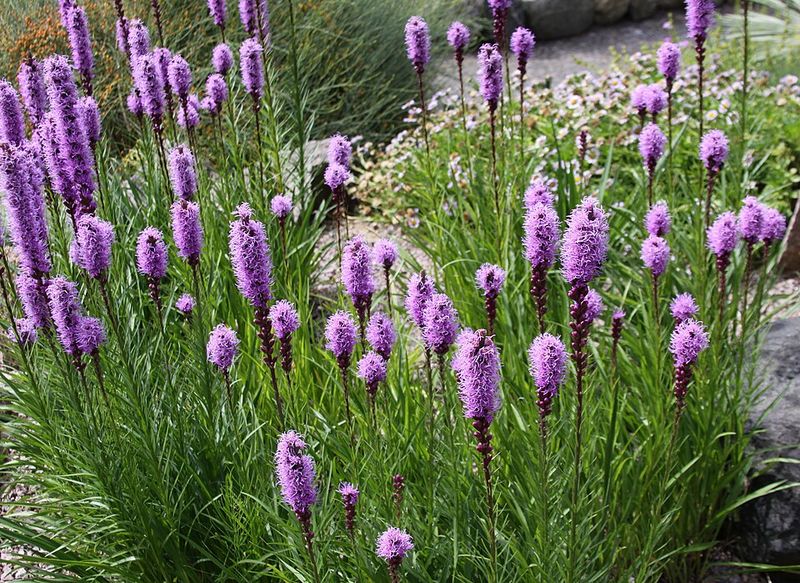
Vertical spikes covered in fuzzy purple blooms give butterflies an easy place to feed from top to bottom. The flowers open gradually, which extends the show and keeps nectar available longer than you might expect.
For Pennsylvania gardeners who want something eye-catching but undemanding, this native perennial checks a lot of boxes.
Sunny exposure matters most, especially if you want sturdy stems and strong flowering. It prefers well-drained soil and handles lean conditions better than rich, soggy ground, so this is not a plant that rewards overwatering or pampering.
Once established, it usually gets by with rainfall except during unusually dry periods.
The corm-like roots help it bounce back each year with little intervention. You can cut stems after bloom if you like a cleaner look, but many gardeners leave them for texture and wildlife value.
Division is only occasional, and fertilizer is rarely necessary unless your soil is extremely poor.
Its upright shape pairs nicely with mounded plants like coneflowers or black-eyed Susans, creating a border that feels balanced instead of flat. Butterflies, especially monarchs and swallowtails, seem to seek it out.
If your yard has a hot, bright spot where other flowers struggle, this one can become a standout with minimal effort.
Phlox paniculata
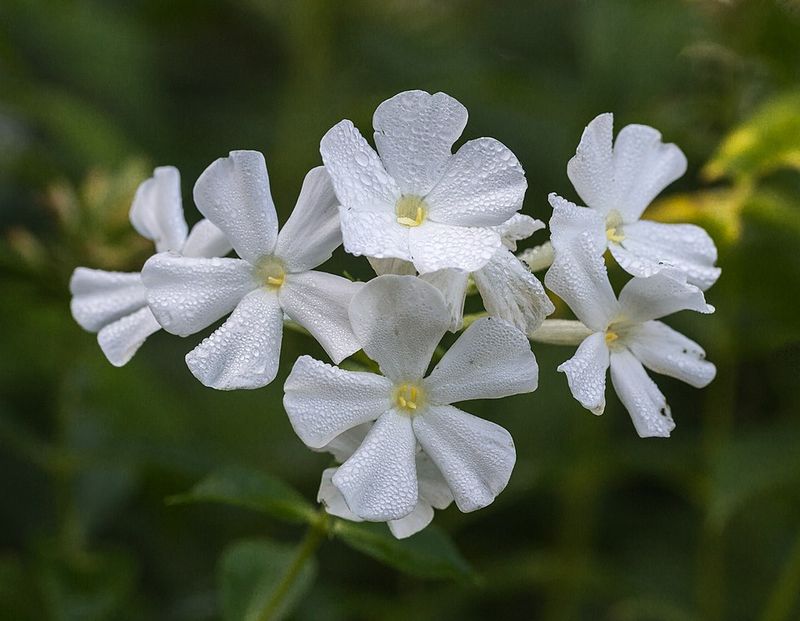
Large clusters of fragrant flowers can turn an ordinary summer border into a butterfly stopover. Butterflies are drawn to the flat-topped blooms, and you get weeks of color when many early-season plants are already fading.
In Pennsylvania, this perennial can be surprisingly manageable if you start with strong, disease-resistant varieties.
Sunlight helps reduce mildew and improves flowering, so choose the brightest site you can offer with decent air movement. Average soil with regular moisture works best, though mulch helps hold moisture without making the roots waterlogged.
Once established, it does not need daily attention, only sensible watering during dry spells.
Spacing is the easiest maintenance tip to follow and the most important one. Crowded plants are far more likely to develop disease, while roomy clumps stay healthier and look better well into late summer.
Deadheading can extend blooming, but many newer cultivars keep performing nicely with only modest cleanup.
Pick colors that fit the rest of your border, because this plant has enough range to work in almost any style. It combines well with asters, bee balm, and ornamental grasses for a layered look.
If you want a classic cottage-garden feel that still respects your time, this is an excellent compromise.
Zinnia
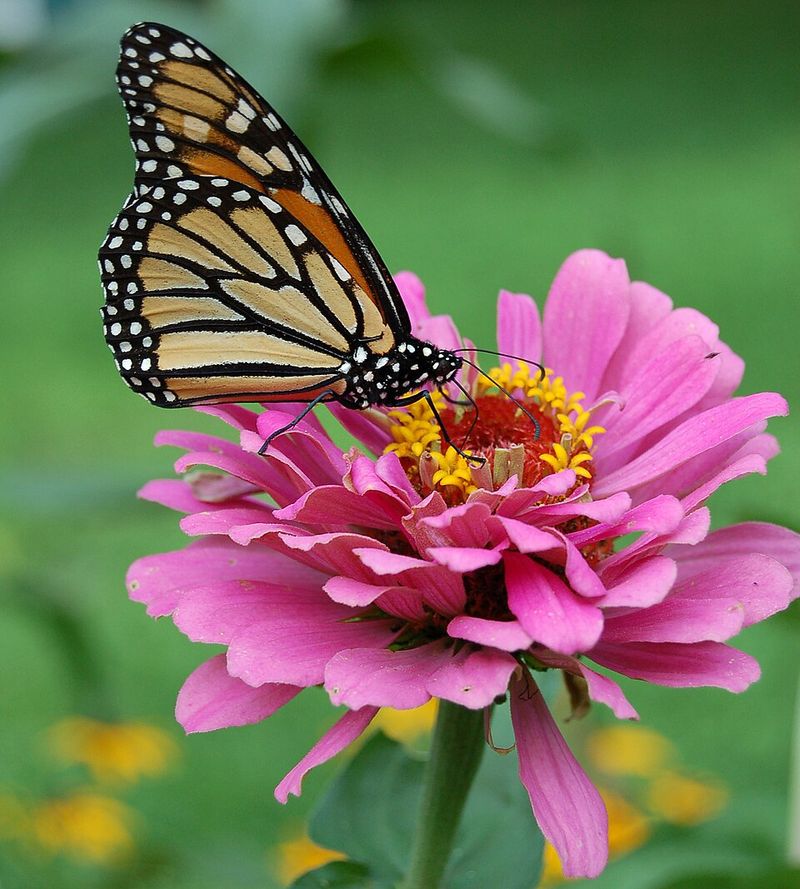
Not every butterfly plant has to be a perennial to deserve space in your yard. These bright annuals bloom hard through summer, attract a wide range of butterflies, and ask for very little beyond sun and occasional watering.
If you want fast color in Pennsylvania without waiting for slower plants to fill in, they are a practical choice.
Seeds can go directly into warm soil after frost, which keeps the process simple and budget friendly. Full sun is essential, and good spacing matters because crowded plants are more likely to deal with mildew.
Once they start flowering, regular deadheading encourages even more blooms and keeps the patch looking fresh.
Average soil is enough, and heavy feeding usually leads to more foliage than flowers. Water at the base instead of overhead if you can, especially during humid stretches, because dry leaves help prevent disease.
That small adjustment often saves you from frustration later in the season.
Mix several heights and colors together if you want a fuller, more natural look that butterflies can spot easily. They are also excellent for cutting, so your garden and kitchen table both benefit.
If you like straightforward plants that produce a lot of impact for very little effort, these annuals are an easy yes.
Goldenrod
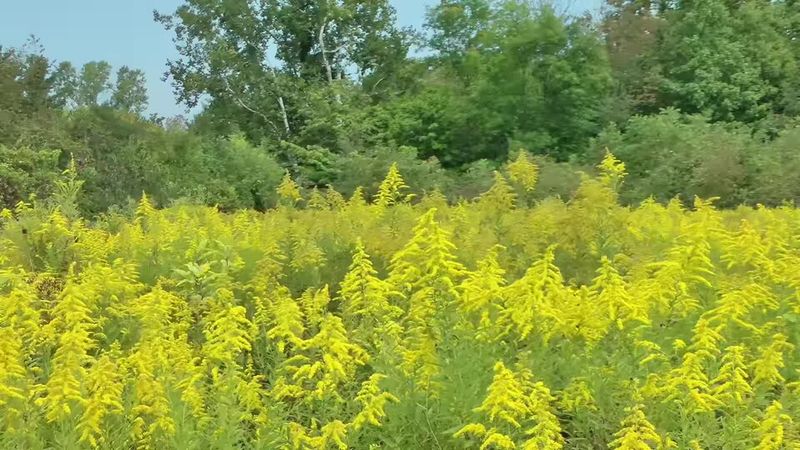
Many people blame this plant for seasonal allergies, but that reputation is misplaced and often unfair. Its pollen is heavy and insect-pollinated, so it is not the windblown culprit most people think of, and butterflies absolutely love the late-season nectar.
In Pennsylvania, it is one of the most valuable low-maintenance natives you can plant for fall activity.
Sunny spots suit it best, though several species tolerate less-than-perfect conditions with ease. Poor soil is not a problem, and established clumps rarely need much watering, making this a useful option for tough areas where pampered plants struggle.
Choosing a clump-forming variety can help if you want a neater look in smaller beds.
Cutting back taller types in early summer can keep them more compact and reduce flopping. Other than that, yearly care is mostly about removing dead stems in spring or simply leaving them for winter habitat a bit longer.
It is one of those plants that rewards restraint more than constant intervention.
Paired with asters, it creates the classic gold-and-purple fall combination that butterflies find hard to resist. The effect feels wild but not careless when repeated in drifts.
If you want serious ecological value from a plant that mostly handles itself, this native workhorse deserves more appreciation.
Verbena bonariensis
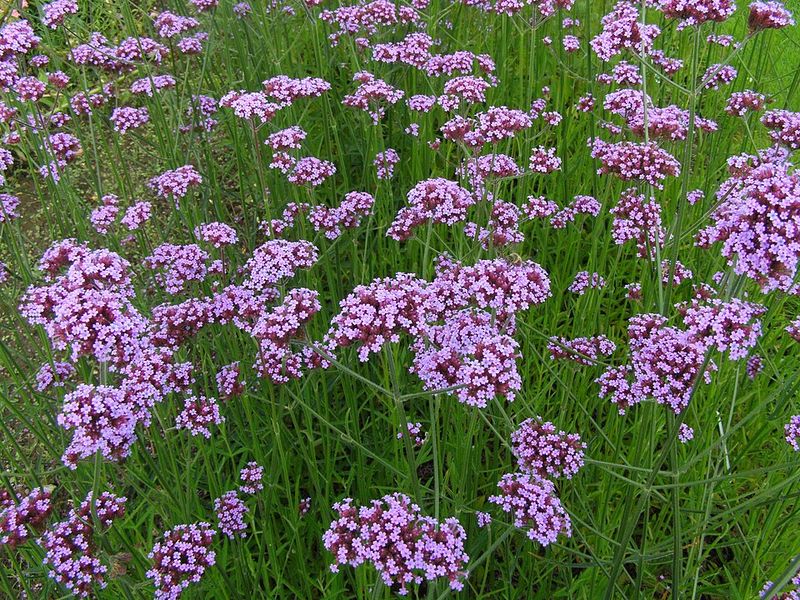
Airy stems topped with clusters of purple flowers give this plant a see-through quality that works beautifully in mixed borders. Butterflies seem to flock to it, often hovering around the blooms throughout the warmest months of summer.
If you want a plant that adds height without making a bed feel heavy, this one is especially useful.
Full sun keeps it blooming best, and well-drained soil helps prevent problems before they begin. It tolerates heat and moderate drought surprisingly well once settled, so it fits nicely into lower-maintenance Pennsylvania gardens.
In colder parts of the state, it may behave like an annual, but it often self-seeds politely.
That self-seeding habit can actually save you work if you like a relaxed, natural look. Seedlings are easy to edit in spring, and established plants usually need only occasional watering and maybe staking in very windy sites.
Fertilizer is rarely needed, which keeps care simple and growth balanced.
Its open form lets you thread it among coneflowers, grasses, or black-eyed Susans without blocking shorter plants. The result feels layered and lively rather than crowded.
If your goal is steady butterfly traffic with minimal fuss and a slightly more modern look, this plant deserves a close look.