
Why Florida Gardeners Are Using More Vertical Planters On Small Patios
Follow us on Google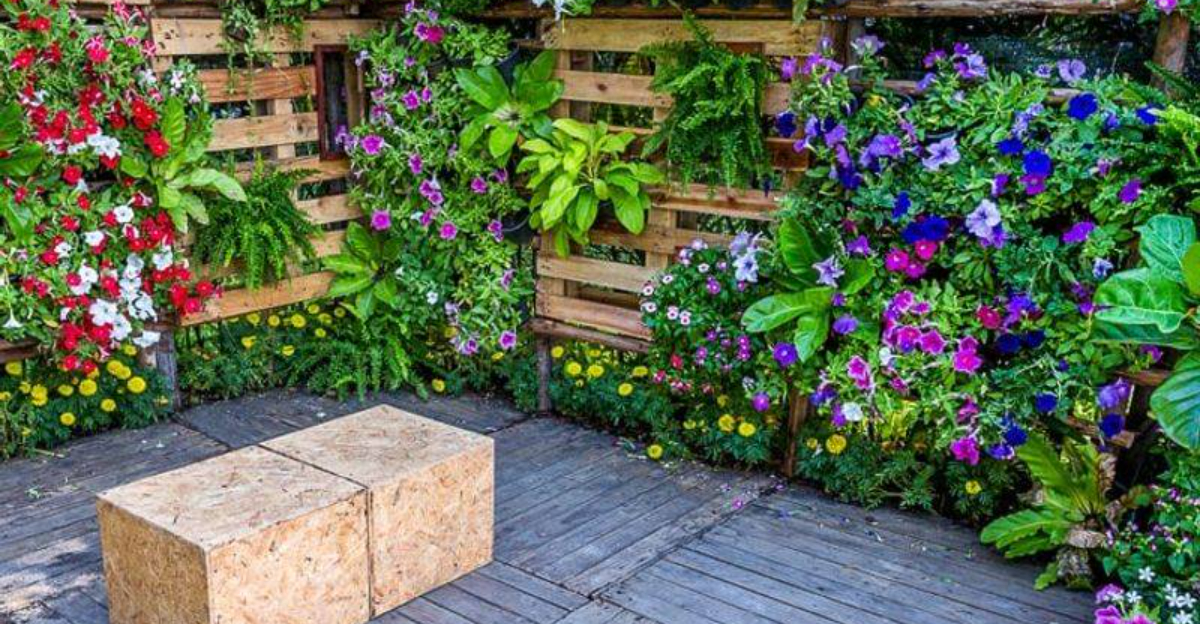
Small patios in Florida can feel cramped fast, especially when heat, rain, and containers all compete for limited space. That is why more gardeners are looking up instead of out, using vertical planters to grow herbs, flowers, and even vegetables in a smarter footprint.
The appeal is not just style – these setups can make plants easier to manage in humid weather and afternoon storms. If your patio feels too tight for gardening, these ideas show why vertical growing is catching on so quickly.
They Save Precious Patio Floor Space
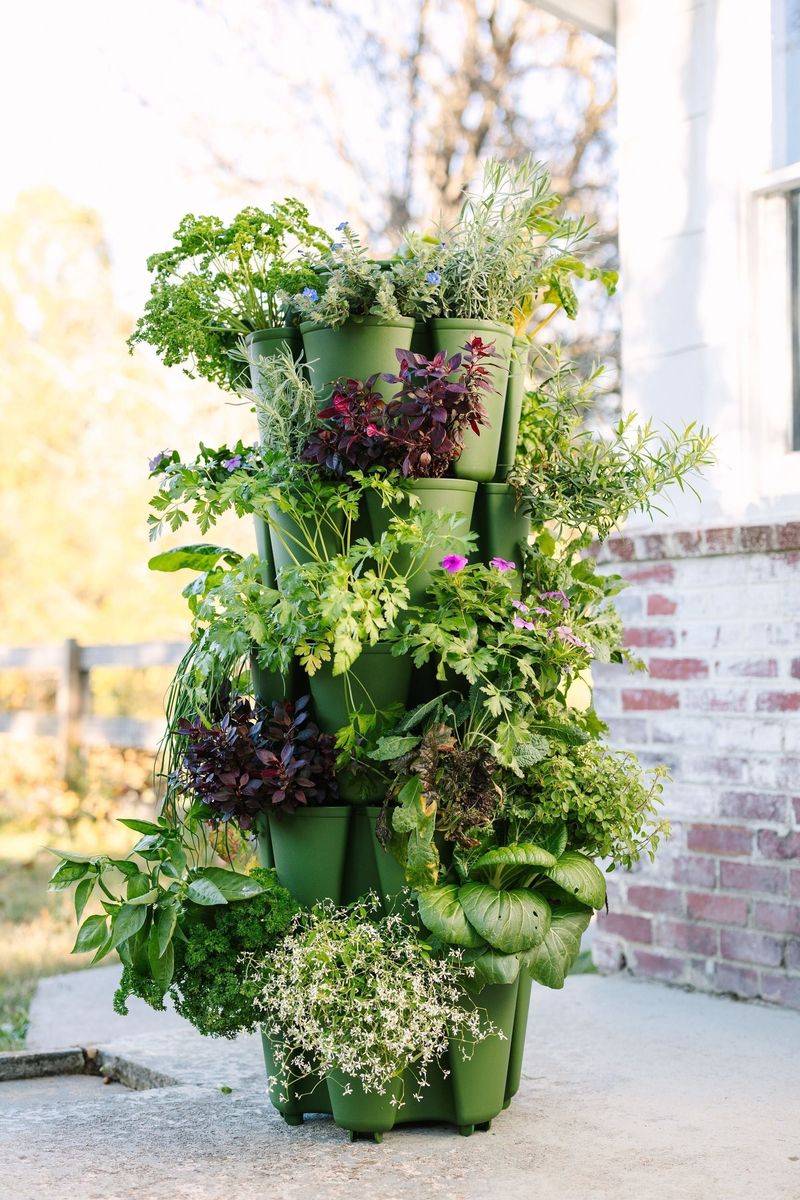
On a small Florida patio, every square foot matters more than most gardening guides admit. You still want a chair, maybe a grill, and enough open area to move around without kicking pots every morning.
By growing upward, you free the floor while keeping plenty of room for basil, lettuce, strawberries, or colorful annuals.
That simple change can make a patio feel calmer instead of crowded. I notice people stick with gardening longer when the setup works with daily life rather than blocking it.
You are more likely to water, prune, and harvest when you do not have to shuffle containers just to reach the door.
Vertical planters also help organize different plant needs in a tighter footprint. Sun lovers can sit higher, shade tolerant herbs can stay lower, and trailing plants can soften railings without swallowing your walking space.
It feels efficient, but it also looks intentional, which matters when your patio doubles as your outdoor living room.
For Florida gardeners dealing with compact condos, townhomes, and screened lanais, this is a practical fix. You get a real garden without turning the patio into obstacle course.
That balance between beauty and breathing room is a big reason vertical systems keep showing up everywhere.
They Improve Airflow In Humid Weather
Florida humidity can make patio gardening feel like a constant negotiation with moisture. Leaves stay wet longer, fungal issues show up faster, and crowded pots often trap stale air around tender stems.
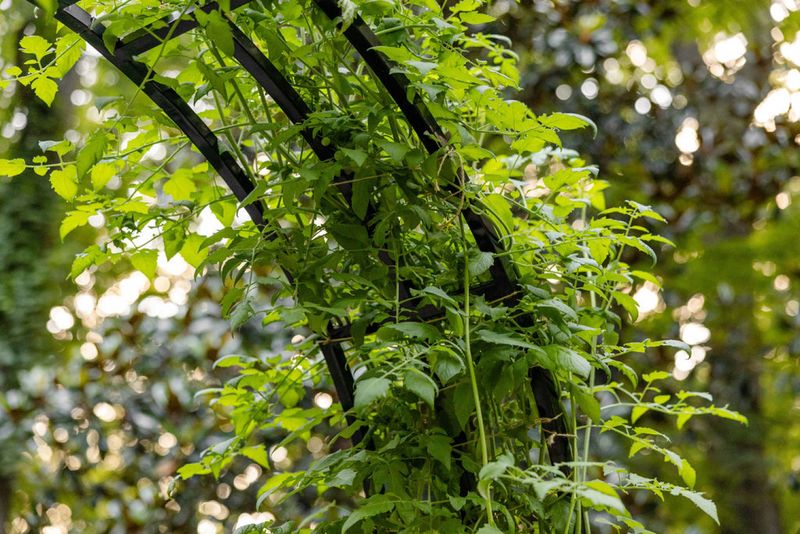
A vertical setup creates more separation between plants, which helps air move where it needs to go.
That airflow matters more than many beginners expect. When basil, peppers, and petunias are packed too tightly at ground level, mildew and leaf spot can spread before you notice.
Lifting plants into tiers gives each one a little breathing room, and that usually means healthier foliage through sticky summer stretches.
You also gain the ability to place fussier plants in better microclimates. A rack near an open screen panel or breezier corner can keep leaves drier after afternoon showers.
Instead of one dense cluster of containers steaming in the heat, you get a more open arrangement that dries faster and performs better.
For gardeners tired of replacing plants that looked fine one week and ragged the next, this is a strong selling point. Vertical planters are not magic, but they do help reduce the soggy, crowded conditions many Florida patios create.
That makes routine care easier and problems less likely to snowball.
They Make Pests Easier To Spot
Anyone who gardens in Florida learns quickly that pests rarely wait for an invitation. Aphids, caterpillars, whiteflies, and spider mites can show up almost overnight, especially when containers are packed together and foliage overlaps at ground level.
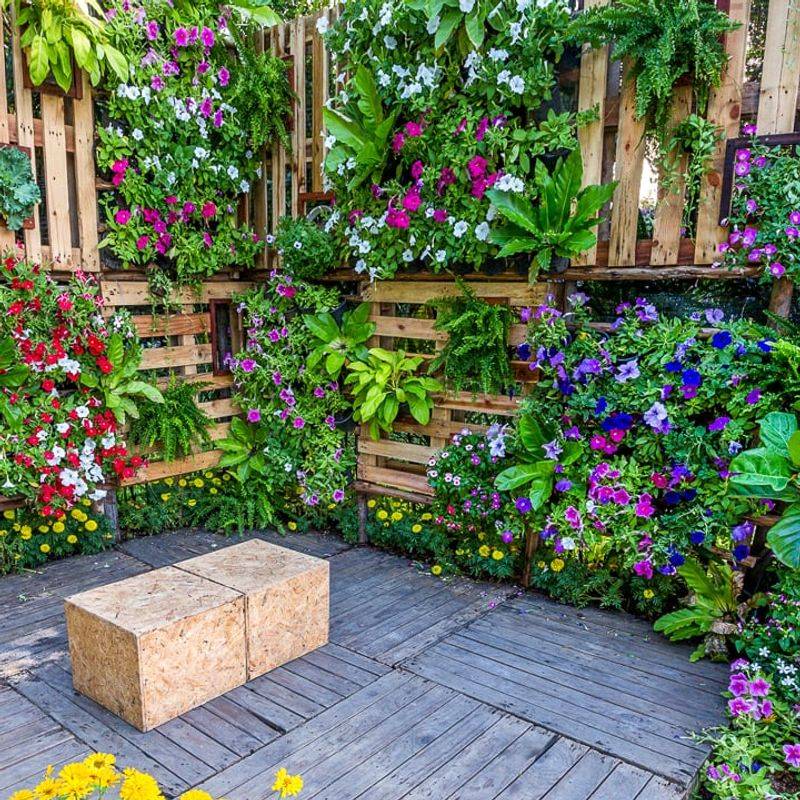
Vertical planters make inspection simpler because plants are separated, lifted, and easier to see at a glance.
That visibility changes how quickly you catch trouble. Instead of crouching behind large pots or moving heavy containers to inspect the backs of leaves, you can scan each tier in seconds.
You are more likely to notice chewed edges, sticky residue, or curled growth before an infestation gets comfortable.
Better access also makes treatment less frustrating. A quick rinse, a targeted handpick, or a gentle insecticidal soap spray is easier when the plant is not buried in a patio corner.
That means less overuse of products and fewer situations where one infested container quietly spreads issues to everything nearby.
For busy gardeners, convenience often decides what gets done consistently. If checking plants feels awkward, it usually gets postponed until damage is obvious.
Vertical systems turn pest monitoring into a short routine instead of a chore, and that can be the difference between a minor cleanup and a total patio garden reset.
They Help Plants Catch Better Light
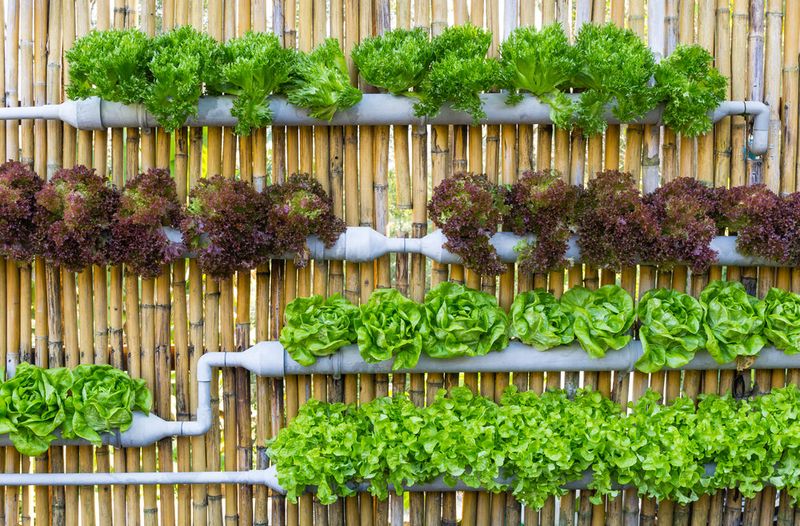
Light can be surprisingly uneven on a Florida patio, especially in condos, courtyards, and screened spaces. One corner may get strong morning sun while another stays dim until noon, and low containers often lose the best exposure to railings, furniture, or neighboring walls.
Vertical planters help you stack plants into brighter positions without expanding the footprint.
That matters for edibles that need dependable light to stay productive. Peppers, cherry tomatoes, and many herbs perform better when you can raise them into the strongest available sun instead of leaving them shaded behind larger pots.
Even flowering annuals hold color better when they are not struggling at floor level.
A tiered setup also lets you match plant placement more deliberately. You can put sun hungry crops higher, tuck mint or parsley into lower shelves, and rotate containers with the seasons as the angle of light shifts.
It is a practical way to work with the patio you have instead of wishing it behaved like a backyard.
When gardeners say vertical systems helped them grow more on a small patio, light is often part of that story. Better exposure usually means sturdier growth, more blooms, and fewer stretched, weak stems.
In a climate where sunlight is abundant but not always evenly distributed, height becomes a useful tool.
They Drain Faster After Florida Downpours
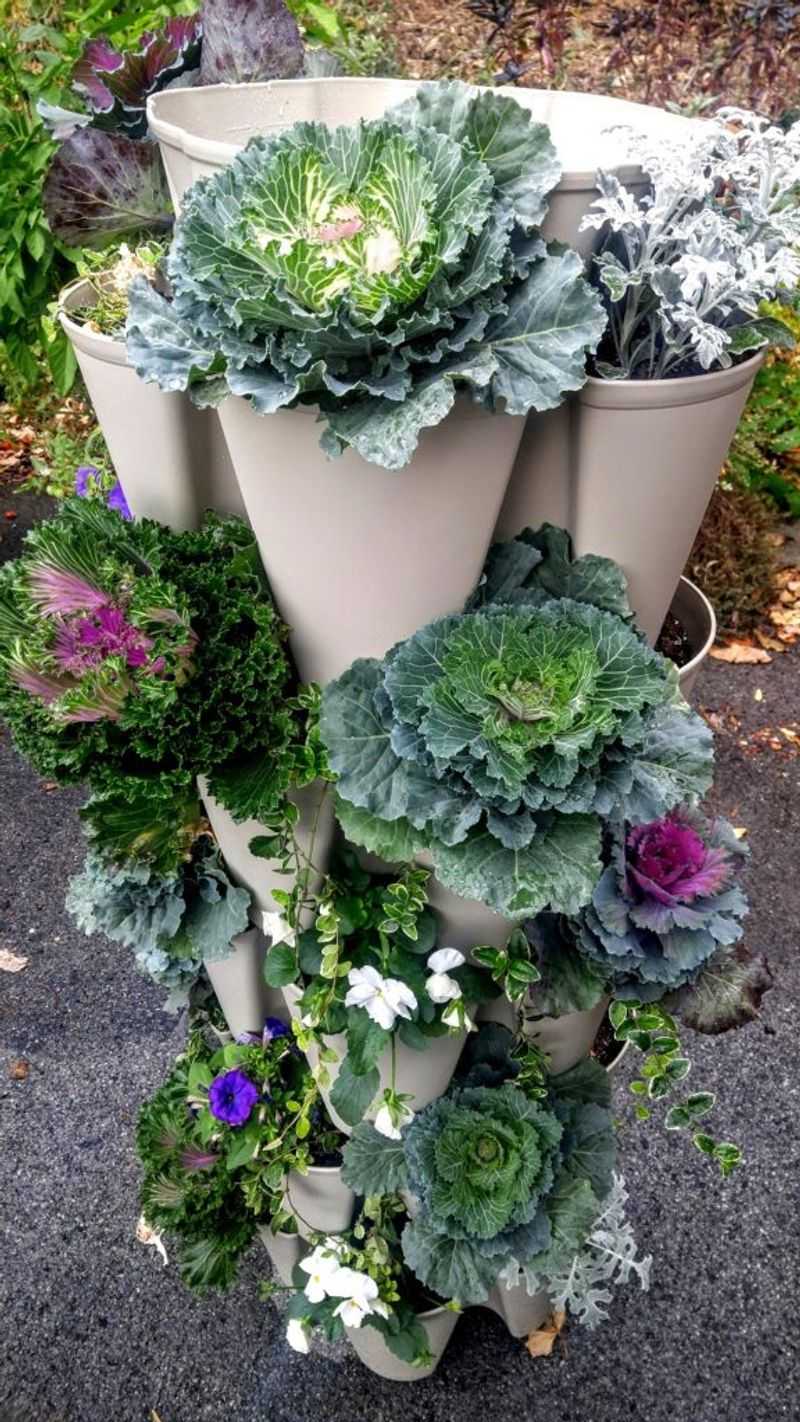
Summer rain in Florida can turn container gardening into a drainage test you did not sign up for. After a hard afternoon storm, pots sitting flat on patio surfaces may stay soggy longer than they should, especially in humid air with limited circulation.
Vertical planters often drain and dry more efficiently because containers are elevated and spaced apart.
That extra lift helps in several ways. Water can move through drainage holes without pooling underneath, leaves are less likely to sit against wet surfaces, and root systems avoid the constant saturation that invites rot.
You still need quality potting mix, but the structure itself works in your favor.
Many gardeners also like that vertical systems make storm cleanup easier. Instead of checking a scatter of puddled containers around furniture legs, you can inspect one organized unit and quickly empty saucers or trim storm damaged growth.
That kind of simplicity matters when heavy rain is part of your weekly routine for months.
Plants that hate wet feet, like rosemary or some succulents, especially benefit from this setup on covered patios. Even moisture loving choices tend to perform better when roots get air between rain events.
For Florida gardeners tired of yellow leaves after every storm cycle, faster drainage is a very practical reason to go vertical.
They Keep Plants Away From Pets And Little Kids
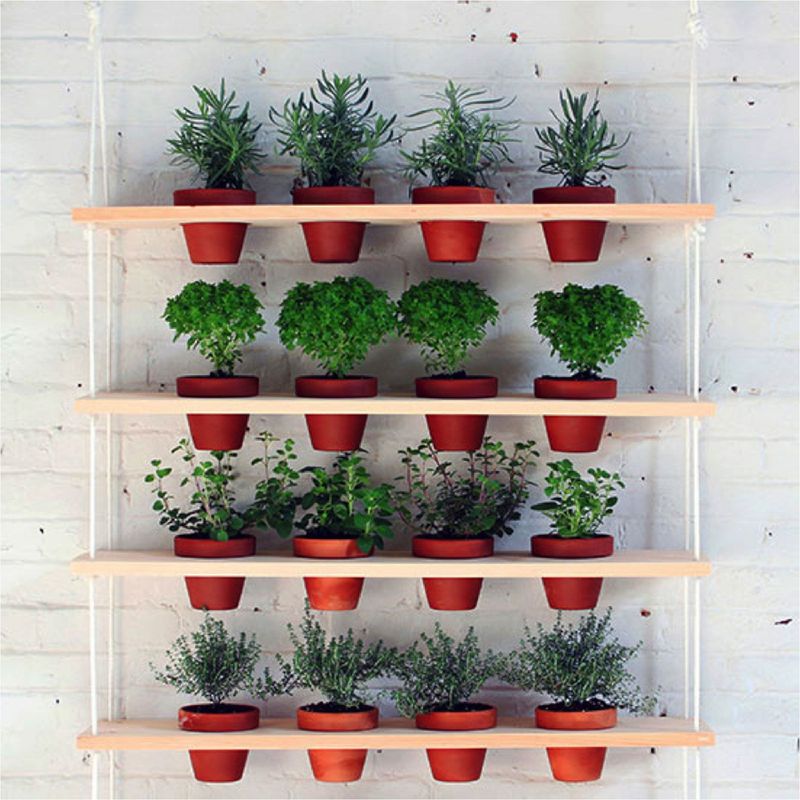
On a shared patio, plants are not the only things competing for space and attention. Curious dogs sniff soil, cats dig in containers, and young kids naturally want to touch bright flowers, dangling tomatoes, and anything that looks like a tiny jungle.
Vertical planters help move delicate or messy plants out of the busiest zone.
That extra height can prevent a lot of everyday frustration. You are less likely to find spilled potting mix across the pavers, snapped stems near the door, or freshly planted herbs turned into an impromptu sandbox.
It also gives you more control over which plants stay within easy reach and which ones need a little distance.
Safety matters too. Some ornamentals can irritate skin or upset pets if chewed, and even edible plants may be growing with fertilizers you do not want explored by tiny hands.
A vertical system lets you create a more intentional layout, keeping the patio functional for the whole household without giving up your gardening goals.
For busy families, convenience often wins over complicated setups. If protecting containers requires constant reminders, barriers, and cleanup, the garden starts to feel like work instead of relief.
Raising plants into a vertical arrangement makes the space easier to share, which is one reason many Florida households are making the switch.
They Make Watering And Harvesting More Comfortable
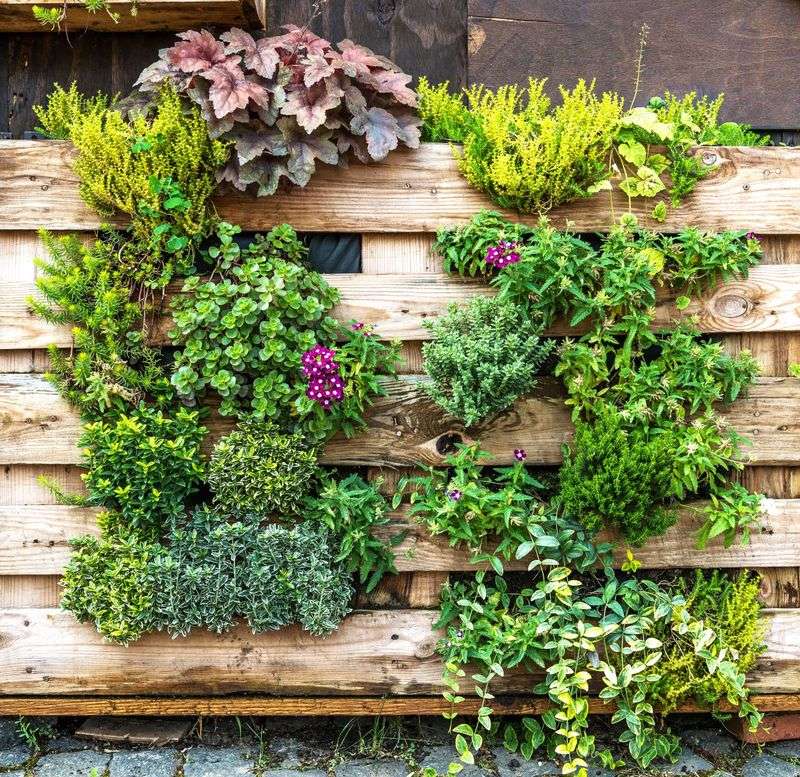
Not every patio gardener wants to kneel over pots in the heat before breakfast. Reaching down to water low containers, snip herbs, or pick peppers gets tiring quickly, especially during long Florida growing seasons when tasks repeat day after day.
Vertical planters bring more of the work into a comfortable range.
That change sounds small until you live with it. A quick harvest for dinner becomes easier when basil, chives, and salad greens are near eye or waist level instead of clustered near your ankles.
You are more likely to keep herbs trimmed, remove damaged leaves, and stay on top of watering when the routine feels convenient.
Accessibility also helps gardeners with sore knees, tight backs, or limited mobility. Instead of abandoning edible gardening because containers are awkward to manage, many people find they can keep growing by switching to a taller, more organized system.
The plants benefit too, because regular care tends to improve when it does not feel physically annoying.
Florida patios are often used daily, not just on weekends, so comfort really matters. If harvesting a handful of mint or checking soil moisture is easy, you will actually do it.
That practical ease is a major reason vertical planters keep gaining fans among gardeners who want less strain and more payoff.
They Double As Attractive Privacy Screens
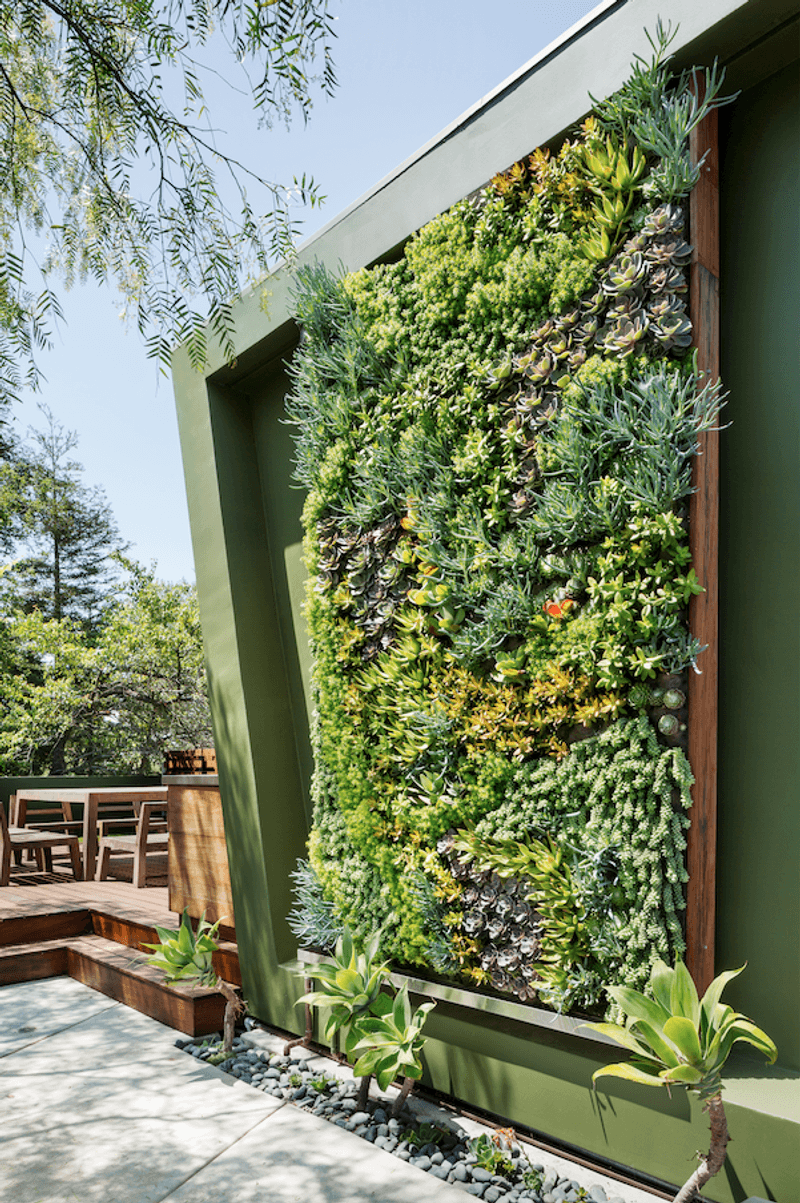
Small patios often come with close neighbors, visible railings, and not much separation from parking lots or shared walkways. A vertical planter can do more than hold plants – it can soften sightlines and create a bit of privacy without the closed-in feel of a solid barrier.
That makes the patio feel more personal and usable.
Gardeners love this because the structure earns its space twice. Instead of adding a plain screen and then squeezing pots around it, you combine planting and screening in one footprint.
Vining ornamentals, cascading herbs, and colorful foliage can all help blur an unattractive view while still producing something useful or beautiful.
This approach fits Florida living especially well. Many patios are outdoor rooms used for coffee, reading, or evening meals, so visual comfort matters just as much as plant capacity.
A green divider can cool the mood of the space, hide utility areas, and make a basic condo patio feel more tucked away.
Style is part of the appeal too. Vertical systems look deliberate, which helps small spaces feel designed instead of improvised.
When your garden also functions as decor and light screening, it becomes easier to justify the setup. That blend of function and appearance is a big reason these planters keep showing up across Florida patios.
They Let You Grow More Variety In A Small Space
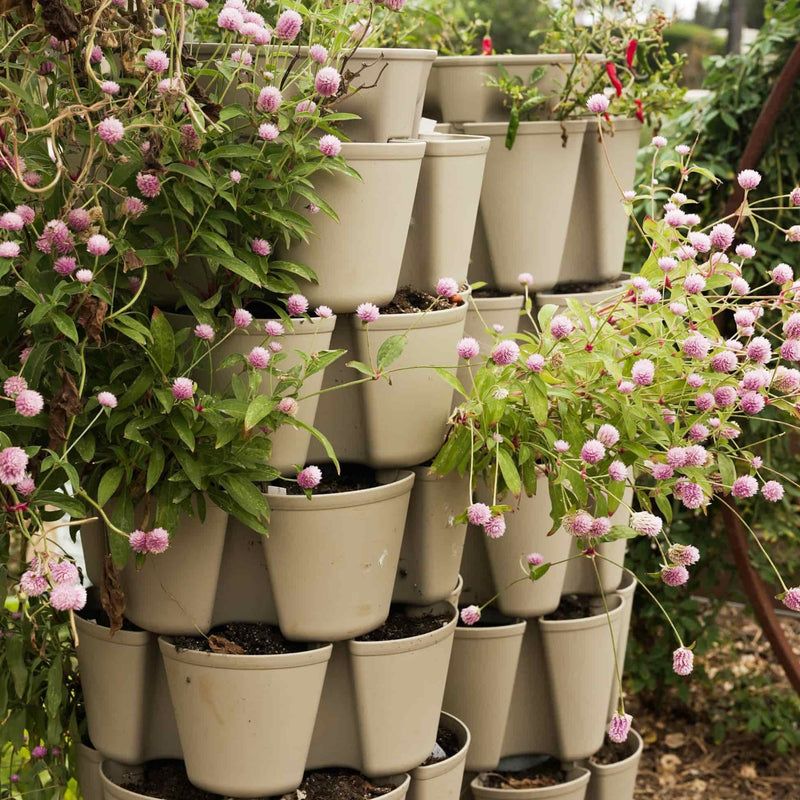
One of the biggest reasons Florida gardeners switch to vertical planters is simple: they want more plants than the patio can normally hold. A single floor area that once fit four pots can suddenly support herbs, salad greens, compact peppers, strawberries, flowers, and trailing accents when the layout goes upward.
That increase feels exciting and practical at the same time.
More variety means a better gardening experience overall. You can mix edibles with ornamentals, test seasonal crops, and keep something interesting growing even when one plant slows down.
Instead of betting the whole patio on a few large containers, you spread your effort across several smaller planting pockets with different strengths.
This also helps you learn faster. A vertical system makes it easier to compare which herbs handle heat best, which flowers attract pollinators, and which greens fade once summer ramps up.
You are not just growing more, you are collecting better information about what truly fits your specific Florida microclimate.
That combination of experimentation and efficiency is hard to beat on a small patio. Gardeners get the satisfaction of variety without needing a yard, and the space stays surprisingly manageable.
When people realize they can harvest parsley, snip lettuce, and still enjoy flowering color from one compact setup, the appeal becomes obvious.