
13 Massachusetts Garden Plants That Rarely Need Extra Water In Summer
Follow us on Google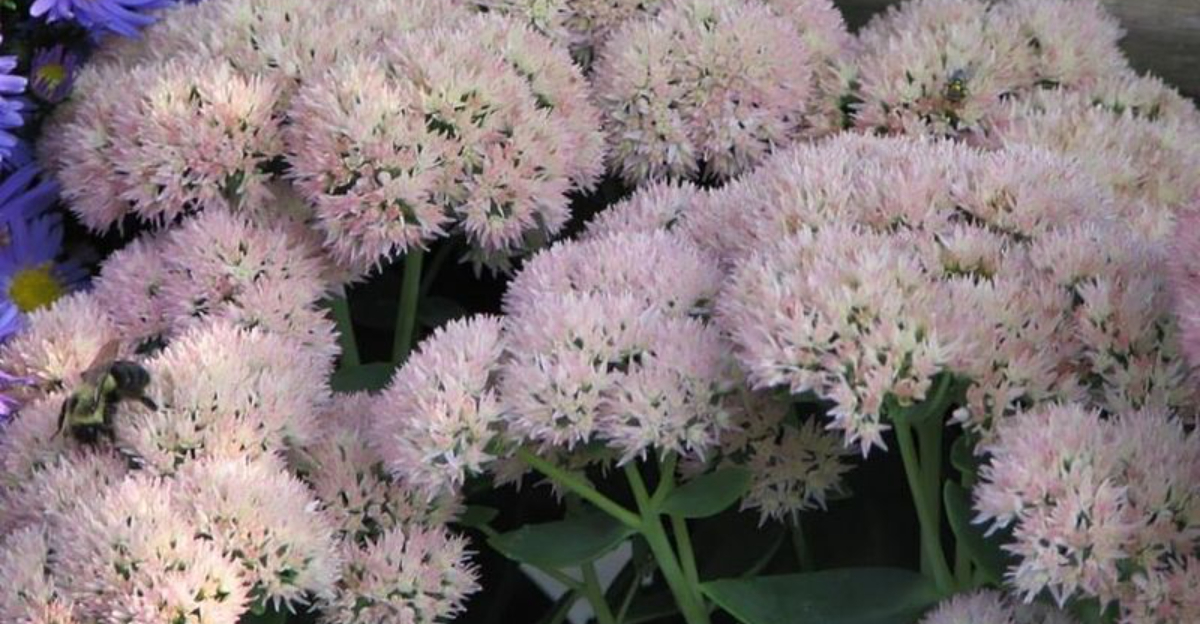
Hot, dry stretches can make even experienced Massachusetts gardeners rethink what belongs in their beds. If you are tired of dragging hoses around the yard, the right plant choices can take real pressure off your summer routine.
These reliable picks handle heat, sandy soil, and inconsistent rainfall far better than thirstier favorites. You will still get color, texture, and pollinator appeal, just with a lot less watering.
Butterfly Weed
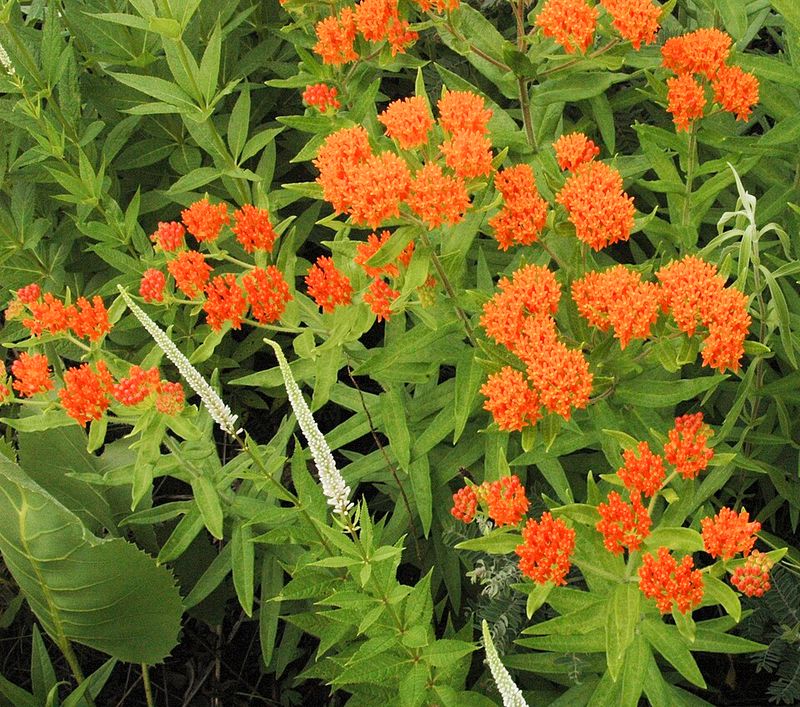
Bright orange flowers can carry a dry summer border without asking much from you, and that is exactly why this native perennial earns space in Massachusetts gardens. Once its deep taproot settles in, it handles heat and lean soil with surprising confidence.
You will get the best performance in full sun and soil that drains quickly after rain.
Heavy clay and constantly damp spots usually cause more trouble than drought, so skip the rich amendments and keep conditions a little rough. New plants need regular watering during their first season, but after that, less attention often leads to sturdier growth.
Deadheading can extend the bloom period, though leaving a few seed pods adds late season interest.
Pollinators notice the flowers fast, especially monarchs, and the plant stays attractive even when July turns dry and breezy. Pair it with little bluestem or coneflowers if you want a border that keeps going without extra summer chores.
A gravelly strip near a driveway or sidewalk is often a better home than a pampered bed.
One thing to remember is patience. Spring growth can emerge later than expected in Massachusetts, so resist the urge to assume it failed.
Give it time, avoid moving it once established, and you will have a dependable, low water standout that improves year after year.
Little Bluestem
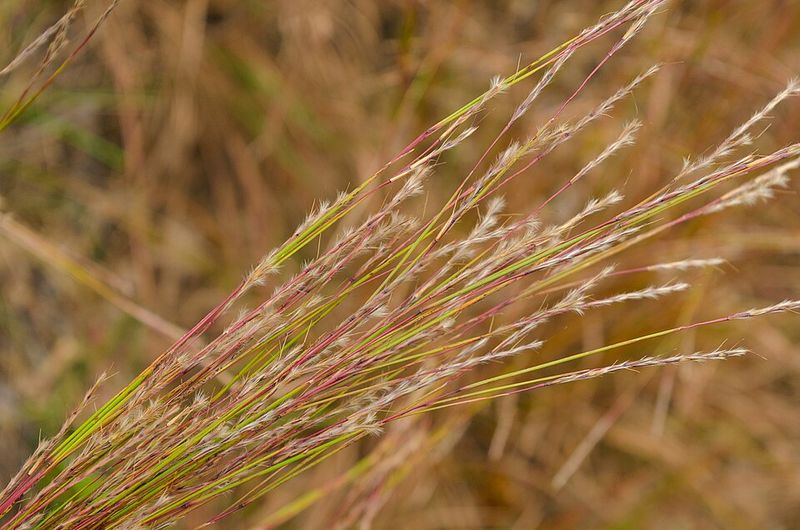
Fine textured grasses often do the hard work of making a planting look polished, and this native species does it without demanding regular summer watering. Blue green stems stay tidy through the growing season, then shift into coppery fall color that catches low light beautifully.
In Massachusetts, it thrives in full sun and soils that do not stay soggy.
Too much fertility can make stems flop, so there is no need to spoil it with compost every year. A leaner site actually helps it stay upright and strong through heat, wind, and dry spells.
Water deeply during establishment, then back off and let the roots reach down on their own.
Because the clumps stay relatively narrow, it fits easily into smaller suburban beds, hellstrips, and driveway edges where irrigation is limited. Try mixing it with black-eyed Susans or butterfly weed for a planting that looks intentional rather than sparse.
The soft movement also makes nearby flowers feel more abundant, even when the bed is simple.
By late season, birds may use the seed heads, and the winter silhouette adds structure when perennial flowers fade. Leave the stems standing until late winter or early spring for extra habitat and texture.
If you want a reliable backbone plant for dry Massachusetts summers, this one makes life noticeably easier.
Purple Coneflower
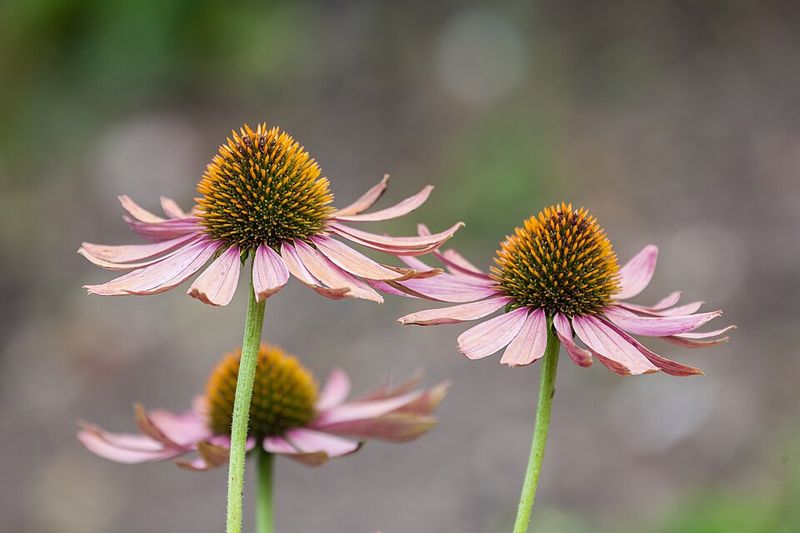
Long blooming color is easier to maintain when the plant itself is built for dry weather, and this familiar native perennial proves it every summer. Strong stems hold up daisy shaped flowers above rough foliage, giving you weeks of bloom without constant watering.
Full sun is best, though a little afternoon shade can help in hotter inland gardens.
During the first year, regular moisture helps roots establish, but mature clumps usually manage ordinary Massachusetts dry spells with little intervention. Soil does not need to be rich, and plants often perform better when the bed is not overwatered or overfed.
Good drainage matters more than fertility, especially through humid periods.
Pollinators crowd the flowers in midsummer, and seed heads later attract birds if you leave them standing. That means your garden keeps working even after the petals drop, which is useful if you want beauty without extra chores.
Pairing it with grasses helps support the stems and gives the border a more natural look.
Every few years, you can divide crowded clumps or simply let seedlings fill open spaces. Not every seedling will match the parent exactly, but that looseness can make the planting feel more relaxed and resilient.
For gardeners who want dependable color, wildlife value, and lower water use, this is one of the smartest choices around.
Black-Eyed Susan
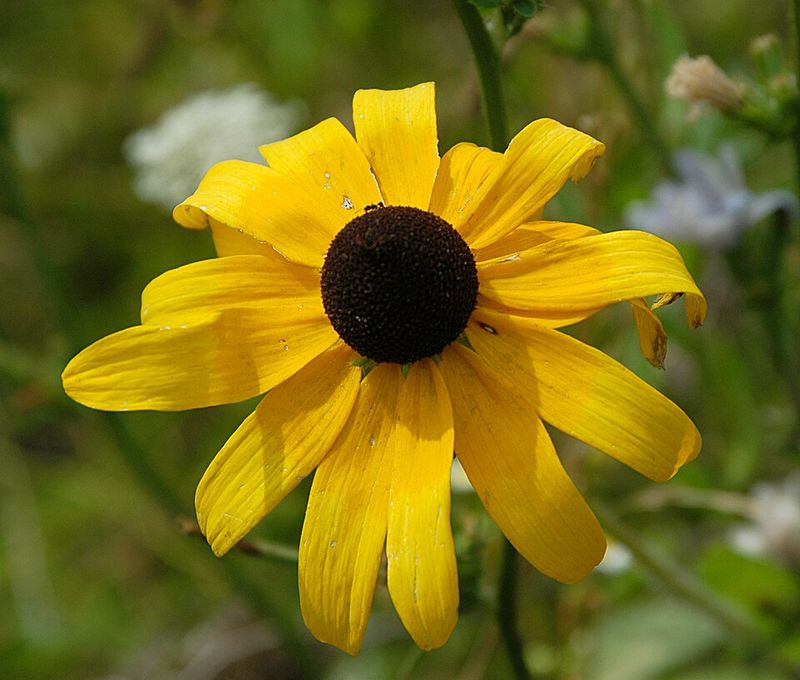
Golden flowers with dark centers bring a cheerful look to summer beds, yet this plant is tougher than its friendly appearance suggests. Once established, it handles brief drought and reflected heat better than many common perennials.
In Massachusetts gardens, that makes it useful near sidewalks, mailboxes, and sunny foundation beds.
You will get the strongest bloom in full sun, although light shade is tolerated. Average garden soil is usually enough, provided water does not stand around the roots after storms.
A light mulch helps young plants settle in, but thick, wet mulch can keep conditions too damp.
Deadheading can encourage more flowers, though leaving some spent blooms lets seed heads form for birds later in the season. The stems mix well with ornamental grasses, sedum, and yarrow if you want a bed that still looks good when rainfall becomes inconsistent.
It also works nicely in cutting gardens because the flowers last well in a vase.
Short lived plants may reseed lightly, which can be a bonus if you like a casual, repeating drift through the garden. If seedlings pop up where you do not want them, they are easy to move while small.
For reliable summer color that does not punish you for skipping a watering, this one earns its reputation.
Russian Sage
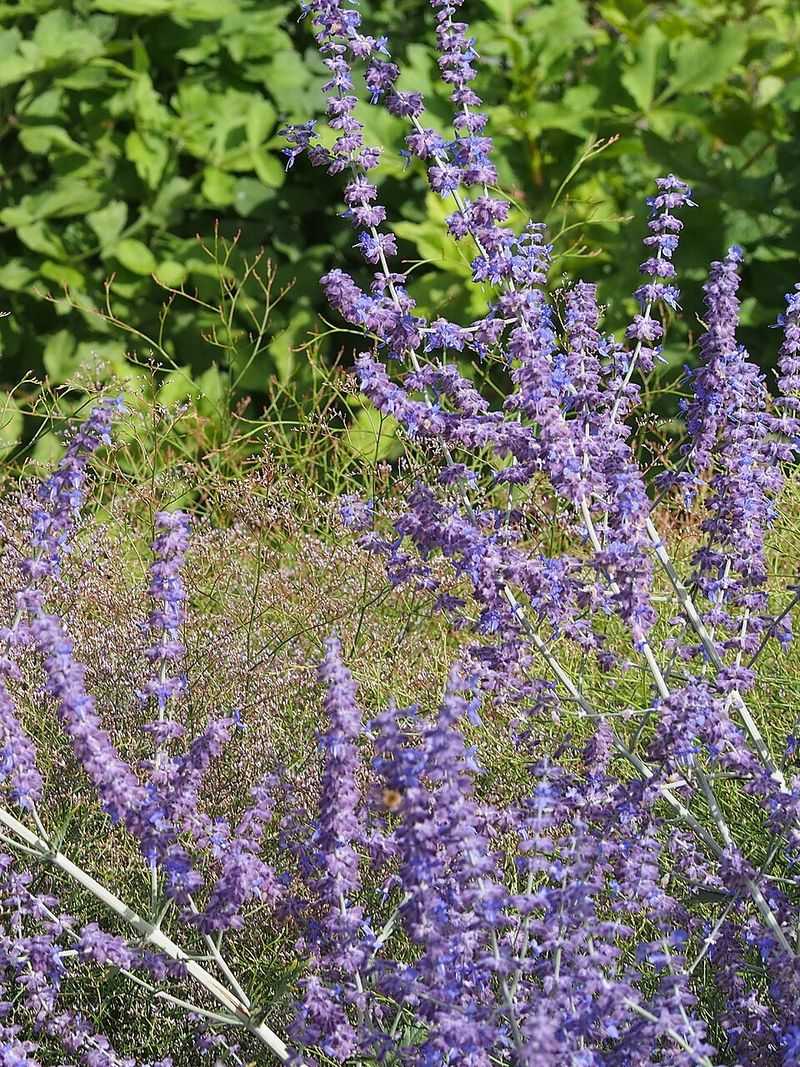
Airy purple blue spikes can make a border feel full and soft at the same time, especially when summer turns dry. Silvery foliage also reflects light beautifully, giving the plant a clean look that suits both casual and structured gardens.
In Massachusetts, it performs best where sun is abundant and soil drains fast.
Rich, wet ground is usually the real problem, not a lack of extra water. Once the roots settle in, frequent irrigation can actually weaken growth and encourage flopping.
A hot spot near pavement, a stone wall, or a south facing foundation often suits it better than a pampered bed.
Because the stems have an open habit, it pairs well with sturdier flowers like coneflowers and black-eyed Susans. The haze of bloom softens stronger shapes and keeps the border looking lively even when several perennials have slowed down.
Pollinators visit often, and deer usually leave it alone because of the aromatic foliage.
Cut plants back in early spring rather than fall, since the stems add winter interest and help protect the crown. If growth becomes too large for the space, choose a compact cultivar instead of relying on constant pruning.
For low water gardeners who still want long season color, this one is an easy win.
Sedum ‘Autumn Joy’
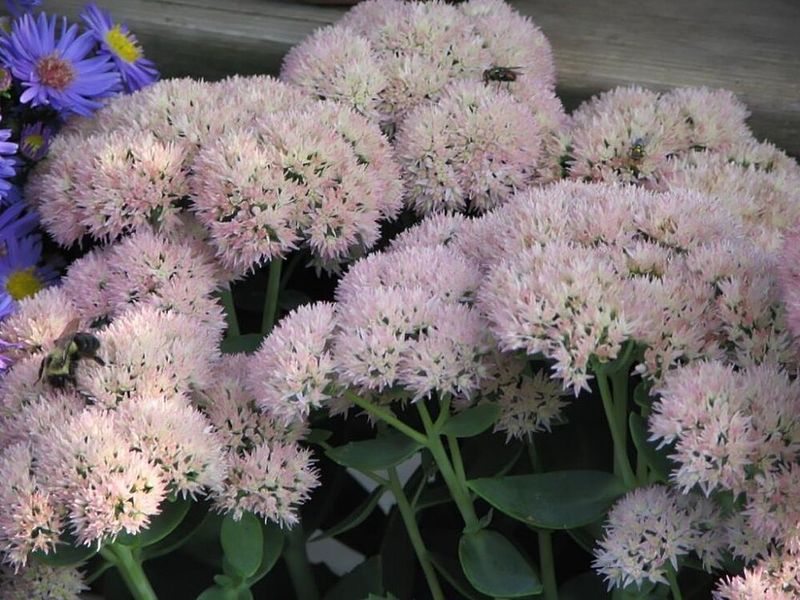
Fleshy leaves usually signal a plant that knows how to handle dry weather, and this dependable sedum proves the point. It stores moisture in its stems and foliage, so missed waterings rarely turn into drama during a Massachusetts summer.
Full sun keeps growth sturdy and flower heads nicely colored.
Average to poor soil is perfectly fine, especially if drainage is sharp. Too much shade or overly rich soil can make stems sprawl, which is why a tougher site often produces the best looking clumps.
Water new divisions until rooted, then step back and let the plant do its thing.
Soft pink flower clusters arrive late and gradually deepen into richer tones, extending interest long after earlier perennials slow down. Bees show up in numbers, and the dried seed heads remain attractive into winter if you leave them standing.
That long display makes this plant especially useful when you want less maintenance but still need seasonal structure.
It combines well with ornamental grasses, catmint, and yarrow in sunny borders where irrigation is limited. If a clump opens in the middle after several years, division in spring usually resets it.
For gardeners balancing busy schedules with summer heat, few perennials are this forgiving and consistently good looking.
Lavender
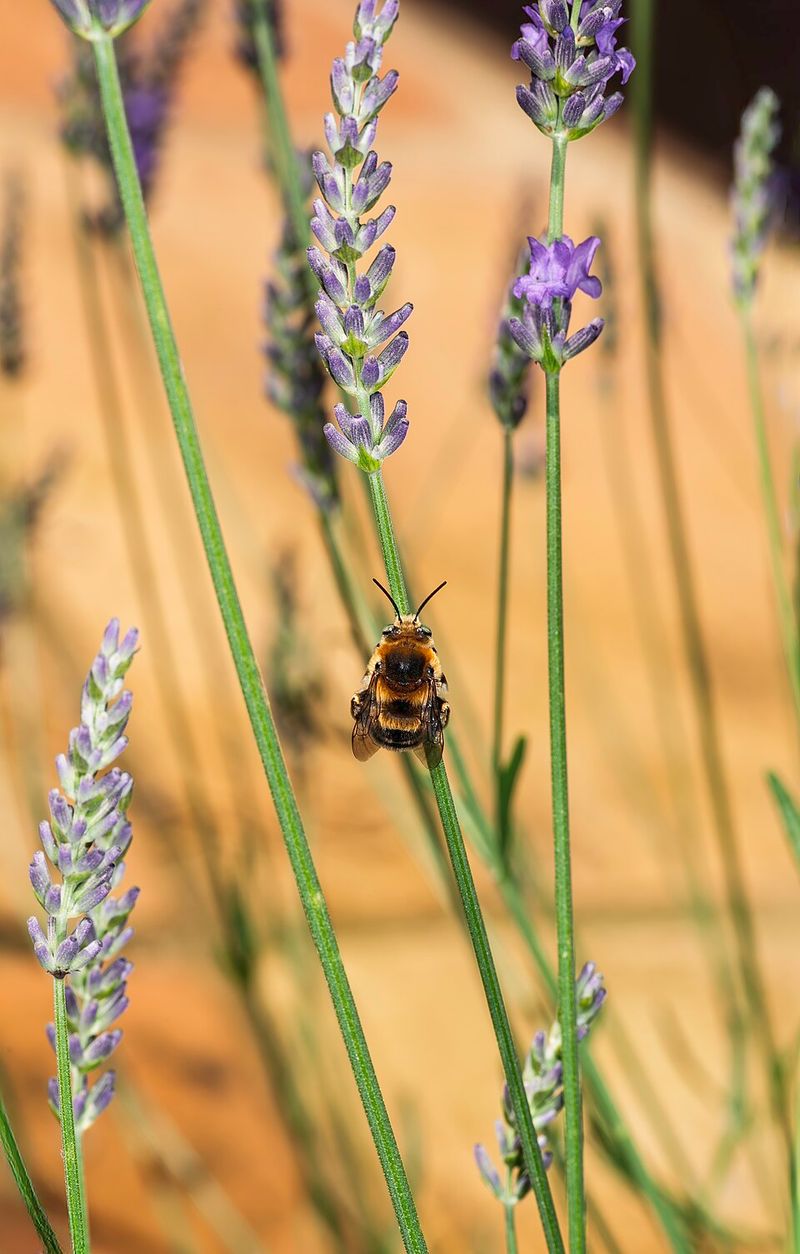
Fragrant foliage and soft purple bloom spikes can make a path or patio feel finished, but success depends more on drainage than on extra water. In Massachusetts, lavender often struggles in winter wetness and heavy soil rather than summer dryness.
Give it full sun, excellent drainage, and a spot where air moves freely.
Raised beds, gravelly slopes, and sandy soils are usually your best options. Water young plants until established, then reduce irrigation so roots do not sit in damp ground.
A light gravel mulch is often smarter than wood mulch because it keeps the crown drier.
Pruning lightly after flowering helps maintain a neat shape, but cutting into old woody stems can leave bare patches. If your site is especially cold or poorly drained, choose hardier English lavender types and avoid sheltered pockets where snowmelt lingers.
Near a walkway, the scent releases nicely when you brush past it.
Pair it with thyme, catmint, or yarrow for a border that looks cohesive and stays relatively low maintenance in heat. The flowers also attract bees while the foliage generally discourages deer and rabbits.
When the planting site is chosen carefully, this is one of the most satisfying low water plants you can grow.
Catmint
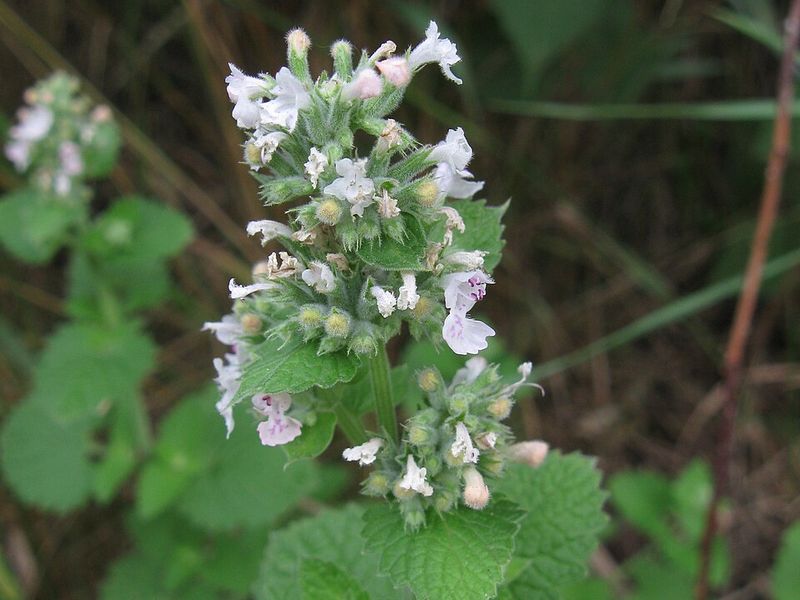
Soft mounds of gray green foliage can hold a border together for months, and the long bloom period is a major bonus. This easy perennial tolerates dry conditions once established, especially in sunny Massachusetts beds with decent drainage.
It is also forgiving enough for gardeners who do not want to fuss over perfect soil.
After the first big flush of flowers, a quick shearing often brings fresh growth and another round of bloom. That simple trim keeps plants compact and prevents the middle from looking tired by late summer.
Watering is most important during establishment, then only during extended drought or obvious stress.
Because the habit spills gently, it works beautifully along stone paths, retaining walls, and the front edge of mixed borders. Pairing it with roses, salvia, or yarrow gives you a classic look without creating a high water planting.
Bees seem to find it constantly, which adds movement and usefulness to the display.
Many varieties stay tidy, so choose one that fits your space instead of planning to battle oversized growth later. Deer and rabbits usually pass it by, thanks to the aromatic foliage.
If you want a plant that covers ground, softens hard edges, and survives dry summer weeks with little complaint, this one belongs on your list.
Yarrow
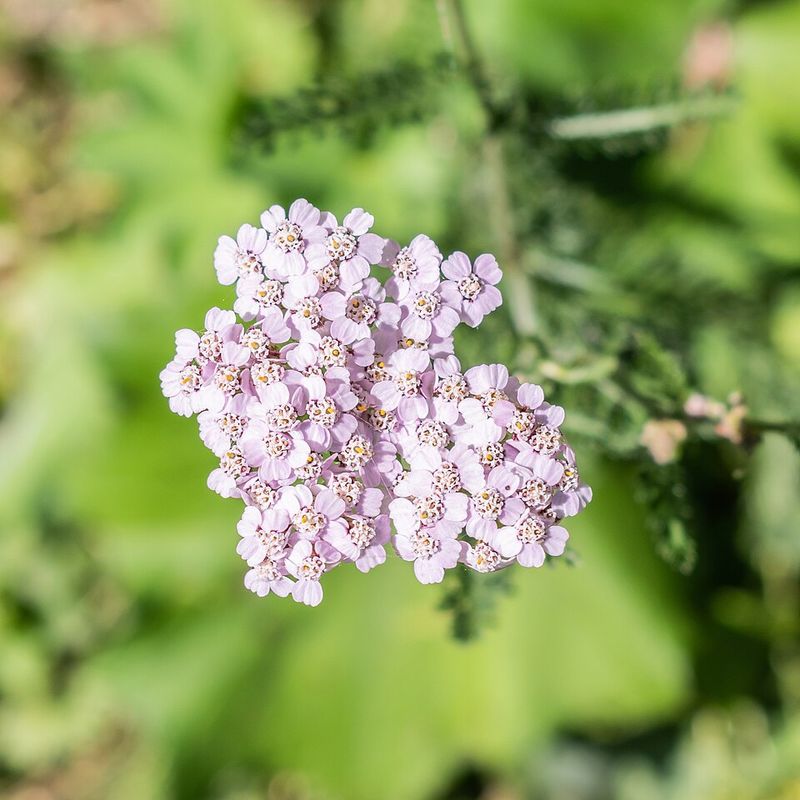
Flat flower clusters rising above ferny foliage give this perennial a practical, hardworking look that suits dry gardens well. It handles heat, wind, and sandy or average soils with very little complaint once the roots are established.
In Massachusetts, full sun helps it stay compact and flower heavily.
Too much fertilizer and too much water usually create floppy stems, so restraint is part of growing it well. If your soil is rich, mixing it with grasses and other sturdy perennials helps support the overall planting visually.
Water during the first season, then only when drought stretches long enough to stress nearby plants too.
Deadheading extends bloom and keeps the clumps tidier, although some gardeners leave a few flowers for a wilder look. The blooms are useful in bouquets, and pollinators appreciate them through much of summer.
Because the foliage stays fairly low, it also works well near the front of borders.
Every few years, dividing crowded clumps can improve vigor and prevent the center from thinning. Choose mildew resistant varieties if your garden has humid air and limited circulation.
For a Massachusetts planting that needs color, resilience, and less dependence on the hose, this is one of the easiest perennials to trust.
Coreopsis
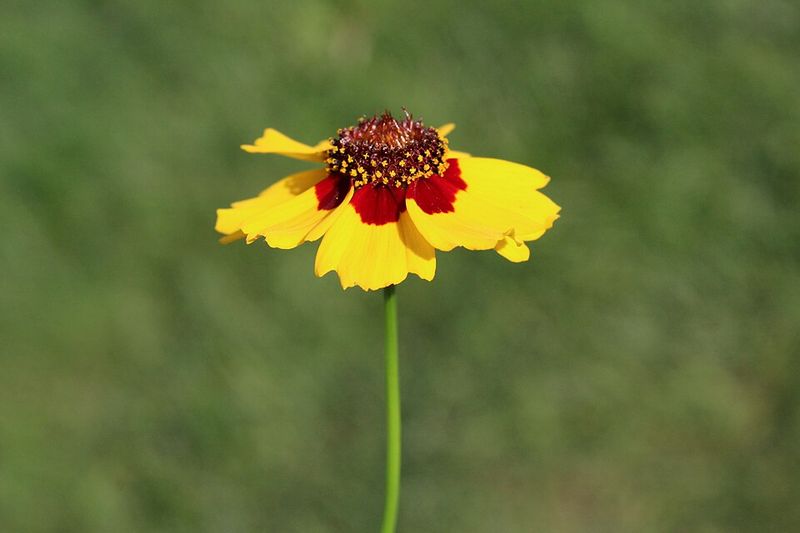
Sunny flowers can brighten a dry border for weeks, and this reliable perennial does not ask for much in return. Many coreopsis varieties bloom heavily through summer while tolerating lean soil and periodic drought once established.
For Massachusetts gardeners, that is a useful combination in hot, exposed spots.
Full sun is the key to strong flowering and a compact habit. Average garden soil works well as long as it drains reasonably well after heavy rain.
New plants appreciate consistent moisture early on, but mature clumps generally need supplemental water only during truly prolonged dry spells.
Deadheading spent blooms often encourages more flowers, especially on older varieties, though some newer selections keep going with less attention. The cheerful color pairs well with blue catmint, purple coneflowers, and ornamental grasses for a balanced look.
If you want a bed that reads bright from the street, this plant helps immediately.
Because some types are short lived, letting a few seedlings mature can keep the display going year after year. Others form dependable clumps that simply need occasional division.
If your goal is easy color that does not collapse the minute rain disappears from the forecast, coreopsis gives you plenty of payoff for very modest effort.
Seaside Goldenrod
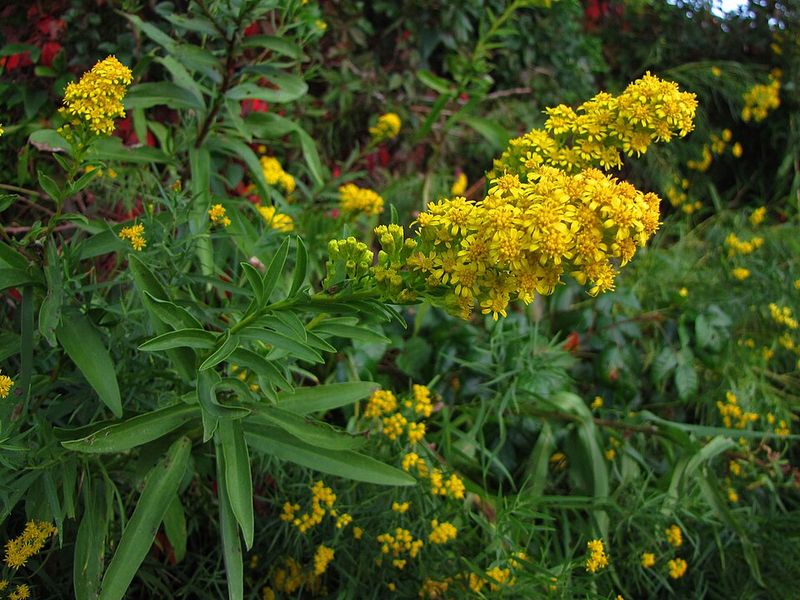
Golden late season flowers are especially valuable when summer has been dry and many beds already look tired. This native species is built for difficult conditions, including sandy soil, wind, salt spray, and limited moisture.
In Massachusetts, it is a standout choice for coastal gardens and other tough sunny sites.
Unlike the floppy goldenrod some people picture, this one stays more compact and garden friendly. It thrives in poor, sharply drained ground where fussier plants struggle, and it rarely needs extra water after establishment.
That makes it ideal for roadside plantings, beach town yards, and gravelly borders near driveways.
Pollinators flock to the bright blooms in late summer and early fall, providing an important food source when fewer flowers remain. Pair it with little bluestem, switchgrass, or sedum for a planting that handles heat and still feels full.
The bold color also mixes surprisingly well with silver foliage and blue flowering companions.
If you garden inland, it can still perform well as long as the site stays sunny and does not remain wet. Avoid overfeeding, since poor soil actually suits it better.
For gardeners who want a native plant with strong seasonal color and very low water demands, this one deserves far more attention.
Prairie Dropseed
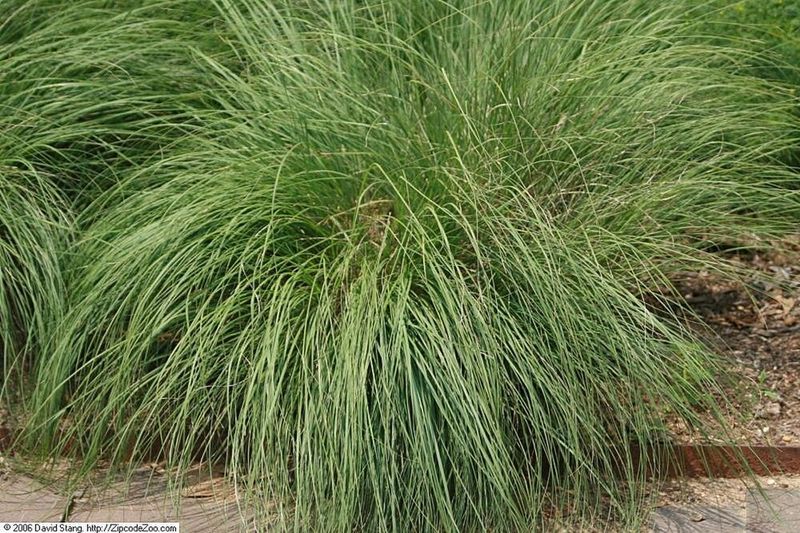
Graceful fountain shaped foliage can give a garden a refined look, and this native grass does it with remarkable drought tolerance. Once established, the dense clumps handle heat and dry spells without turning ragged or demanding constant care.
In Massachusetts, it performs best in full sun and well-drained soil.
The texture is finer than many ornamental grasses, which makes it useful in smaller spaces or more formal designs. You can repeat it along a walkway, around a mailbox bed, or through a mixed border where irrigation is limited.
Water regularly during the first season so roots can anchor deeply.
By late summer, delicate flower stalks add a soft haze above the foliage, followed by warm fall color. The rounded form stays attractive for months and gives structure even when neighboring flowers fade.
It combines especially well with coneflowers, yarrow, and black-eyed Susans in low water plantings.
Growth starts slowly, so patience helps during the first couple of years. Resist the urge to crowd it with aggressive neighbors before it fills in properly.
If you want a long lived, drought tolerant grass that looks elegant rather than coarse, this is one of the smartest native choices for Massachusetts gardens.
Creeping Thyme
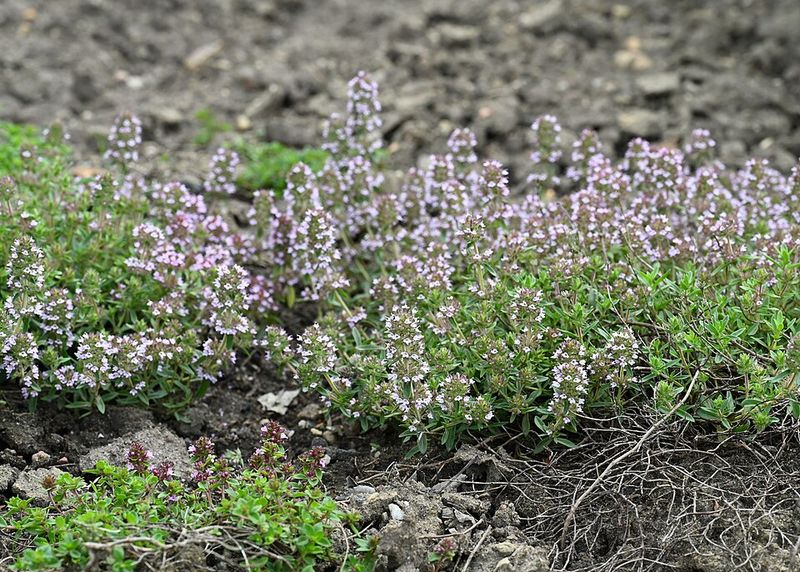
Low growing groundcovers can save you from watering bare soil all summer, and this aromatic favorite is one of the best for sunny dry spots. It spreads into a dense mat, tolerates lean soil, and handles reflected heat better than many traditional edging plants.
In Massachusetts, it works especially well between stones or along gravel paths.
Sharp drainage matters more than rich soil, so skip heavy compost and avoid places that stay wet in winter. Once rooted, it usually needs little extra water except during extreme drought or while establishing.
Full sun keeps the growth compact and encourages the small flowers to appear more generously.
Those blooms attract bees, while the foliage releases a pleasant scent when brushed or stepped on lightly. That makes it practical and sensory at the same time, especially near patios, stepping stones, and entry paths.
It can also soften the edge of raised beds where a taller plant would feel too bulky.
Occasional trimming after flowering helps maintain a neat shape and prevents woody patches from building up. If a section thins, small divisions are easy to tuck into open areas.
For gardeners who want living mulch, path-side color, and lower summer watering demands, creeping thyme earns its keep in a very small footprint.