
Why North Carolina Homeowners Are Turning Old Patios Into Garden Spaces
Follow us on Google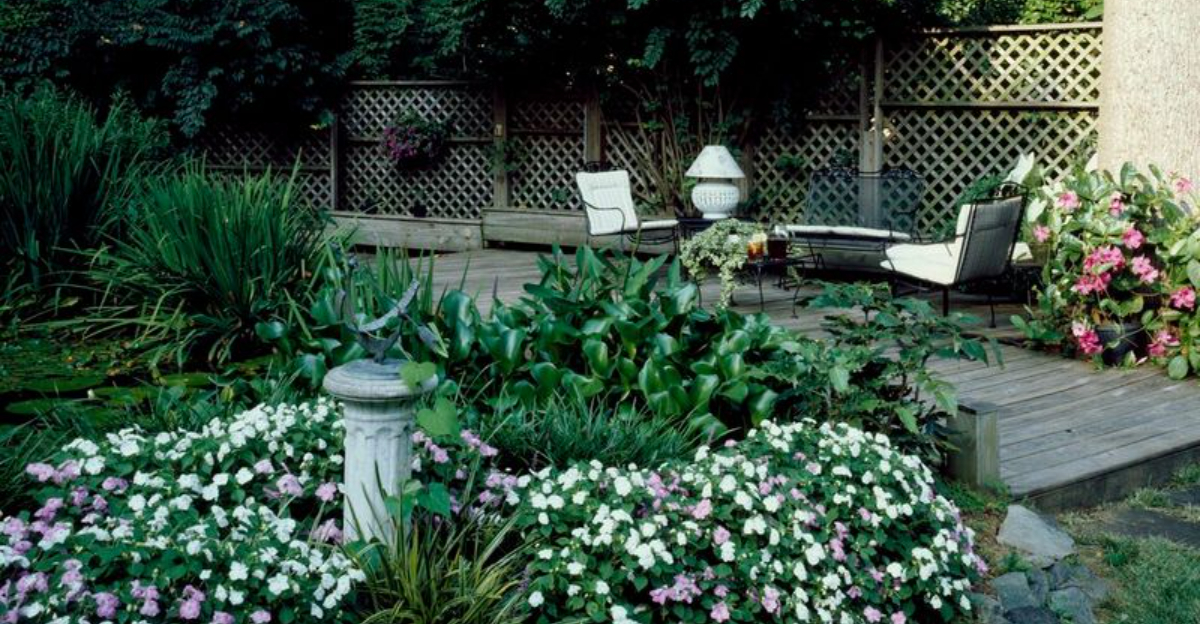
Across North Carolina, tired concrete patios are getting a second life as practical, beautiful garden spaces. Homeowners are realizing those aging slabs can do much more than hold faded furniture and collect pine straw.
A garden in that spot can cool the yard, soften the view, and make everyday outdoor time feel more useful. If your patio has been sitting there underused, the reasons behind this shift may sound very familiar.
Lower Maintenance Than Expected
A worn patio often looks like a chore, but many homeowners find the opposite happens after converting part of it into planting space. Cracked concrete stops demanding constant cleaning, pressure washing, and furniture rearranging when beds, containers, and gravel paths take over.
You get a space that looks intentional even when life gets busy.
North Carolina yards also collect pollen, leaves, and storm debris quickly, especially in spring and late summer. A garden absorbs that mess better than a bare slab because mulch, plants, and defined borders make the area feel tidy without needing perfection.
Instead of staring at stains and weeds sneaking through joints, you see texture, color, and seasonal movement.
Plenty of homeowners keep part of the hard surface for chairs or a grill, then soften the rest with planters and narrow beds. That mix feels manageable because you are not committing to a huge landscape overhaul all at once.
It is a practical middle ground that turns an eyesore into something useful.
For many families, the surprise is simple: the old patio stops feeling like wasted space and starts working with the yard instead of against it every day.
Better Drainage Solutions
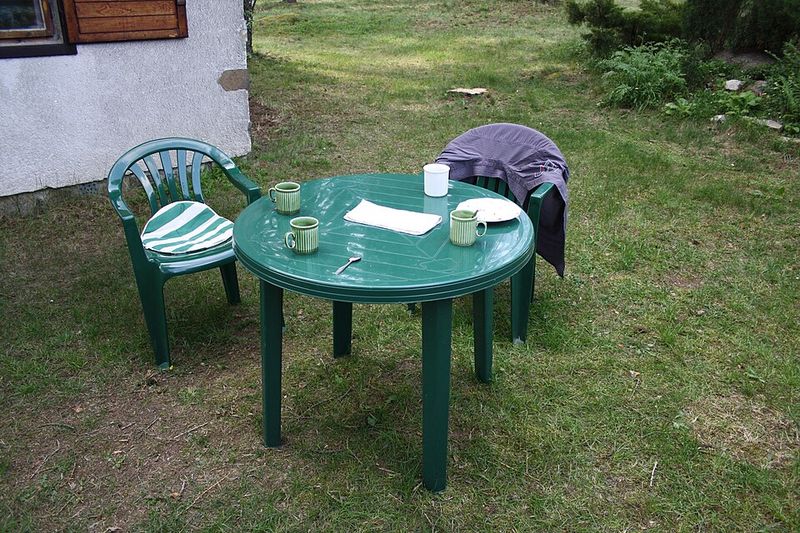
Heavy rain is part of life in North Carolina, and old patios often show their age by holding puddles for days. Once that area becomes a garden, homeowners can address drainage in ways that actually improve the whole yard.
Gravel trenches, raised beds, and water-loving plants help move moisture instead of trapping it.
That matters because standing water does more than look bad. It creates slippery surfaces, encourages mosquitoes, and sends runoff toward foundations, crawl spaces, or low spots near the house.
A garden layout gives you room to redirect water gently with soil grading, river rock, and beds that absorb overflow during summer storms.
You do not need a full excavation project to see results. Many people cut out sections of damaged concrete, keep the stable portions, and add planting zones where drainage has always been a problem.
The garden then solves something the patio never could, while still leaving room for practical outdoor use.
In a climate where one week brings drought and the next brings a downpour, that flexibility is a big reason old patios are becoming garden spaces across the state.
More Comfortable Summer Shade
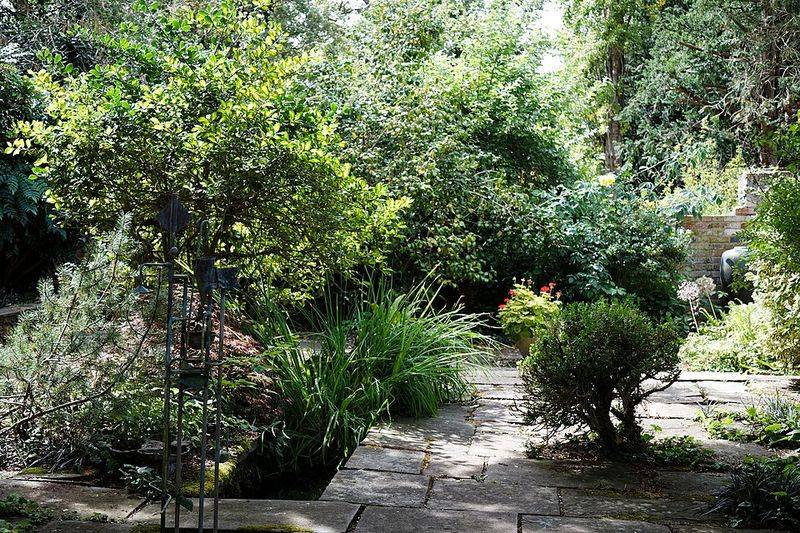
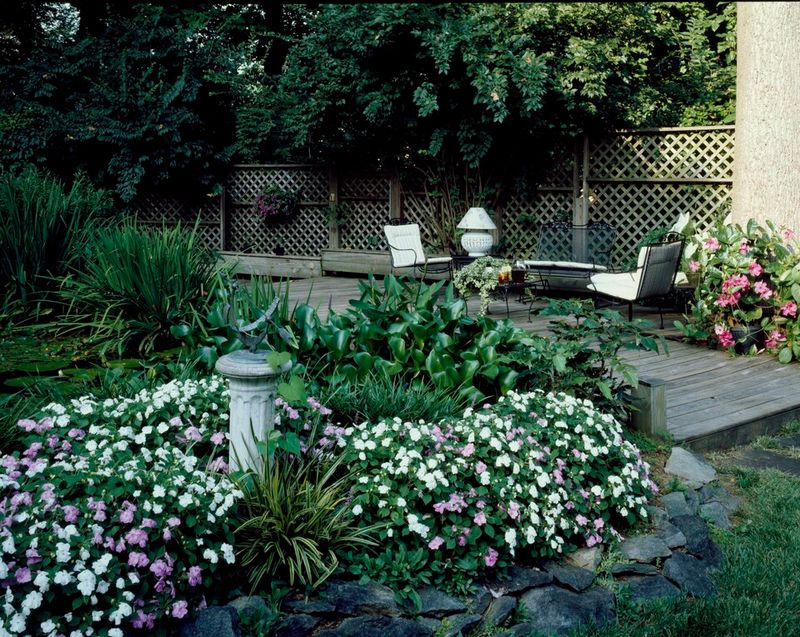
Summer heat can make an exposed patio feel unusable by midday, especially in many North Carolina backyards with reflected sun off concrete. Once homeowners add garden beds, trellises, and taller plantings, the area starts feeling cooler and more inviting.
Shade becomes layered instead of all or nothing.
That change is not just about comfort. Vining plants on a pergola, slim ornamental trees, and leafy shrubs can block glare, reduce surface heat, and make the space easier to enjoy for longer stretches.
You notice the difference when evening dinners last longer and kids actually want to sit outside instead of heading back indoors.
Garden conversions also allow better plant placement for local conditions. Morning sun, western exposure, and humid summer air all affect how hot a patio feels, so adding greenery lets you respond to the site instead of fighting it.
Even a small cluster of containers and vertical planting can soften the heat considerably.
For homeowners tired of stepping onto concrete that feels like a skillet, turning that patio into a garden zone is a sensible fix that also looks much better.
Fresh Herbs Near the Kitchen

A patio beside the house is often the most convenient place to grow food, which is why many homeowners are rethinking how that space is used. Instead of keeping a table nobody sits at, they turn the area into a compact herb and edible garden.
You can step outside and cut what dinner needs in seconds.
That convenience matters more than people expect. Basil, chives, parsley, mint, thyme, and rosemary all become easier to use when they are growing near the kitchen door instead of across the yard in a separate bed.
The garden starts supporting everyday routines, not just weekend projects.
North Carolina’s long growing season helps, too. With the right containers, raised beds, and afternoon shade where needed, homeowners can keep herbs productive for months and swap in cool-season greens when temperatures drop.
Even a small patio footprint can hold surprising variety if the layout is planned around access and sunlight.
There is also something satisfying about making an underused slab earn its place. A former patio that now supplies garnishes, tea herbs, and cooking staples feels more personal, practical, and rewarding than another patch of empty hardscape.
Smarter Use of Small Yards
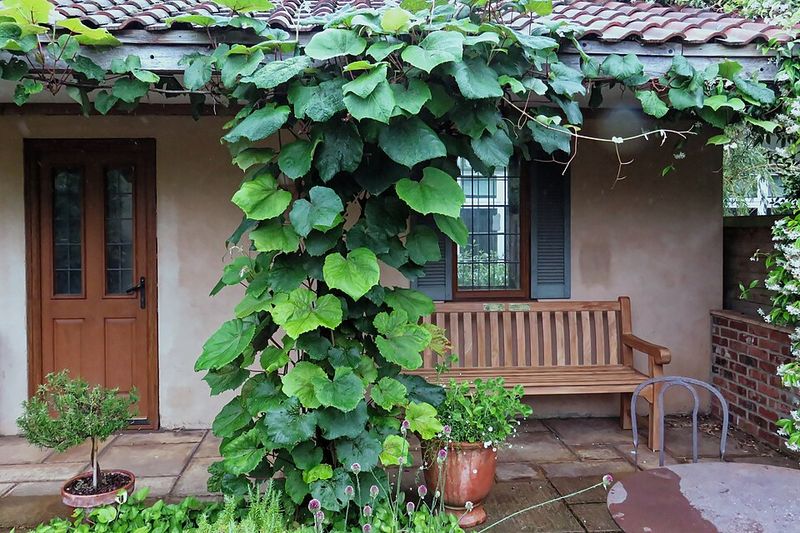
In many North Carolina neighborhoods, backyard space is limited, so every square foot needs to work harder. An oversized or outdated patio can take up valuable room without offering much daily value.
Turning that area into a garden helps homeowners get more function from the same footprint.
Planting beds around the patio edge, vertical trellises, and built-in planters create layers that make a small yard feel fuller without making it feel crowded. You can keep a seating nook, add color, grow herbs, and improve privacy all in one coordinated layout.
That is far more useful than a big blank slab with a few chairs.
This shift is especially appealing for townhomes, newer subdivisions, and homes with narrow rear lots. Garden conversions let people tailor the space to how they actually live, instead of accepting the standard builder patio as the final answer.
The result often feels more custom and more connected to the home.
When yard space is tight, homeowners tend to be intentional. Replacing part of an old patio with garden space is a smart way to make a small backyard feel richer, softer, and much more enjoyable.
Cooler Surfaces and Less Glare
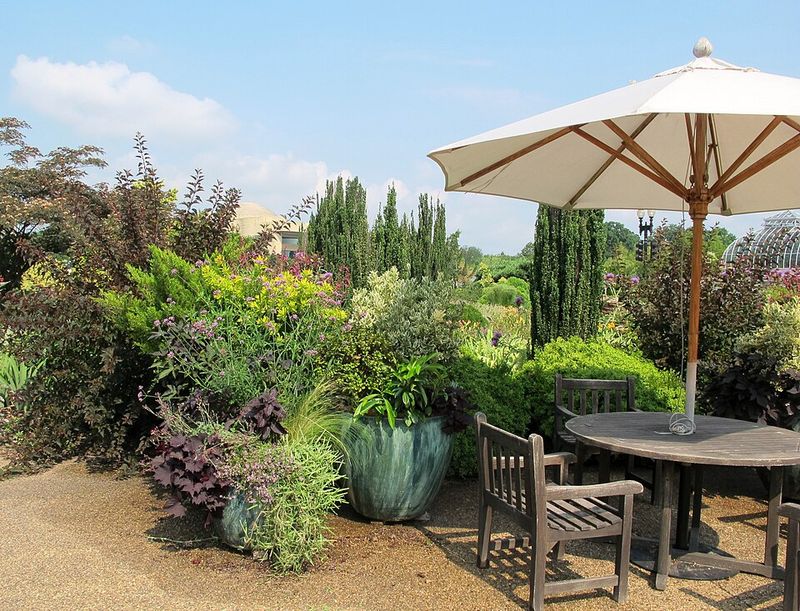
Concrete and pavers can hold a surprising amount of heat, especially during long North Carolina summers. Many homeowners notice that an old patio makes the backyard brighter, hotter, and less pleasant than it needs to be.
Garden space changes that by replacing reflective surface area with cooler materials and living plant cover.
Mulch, soil, groundcovers, and dense planting all help reduce the heat that radiates upward in late afternoon. That can make a real difference around doors, windows, and nearby rooms where sunlight bounces off the slab.
You may also find the yard feels calmer because greenery softens the harsh visual brightness.
This is one reason people often say a converted patio feels better before they even describe how it looks. The improvement is sensory as much as aesthetic, from cooler air near seating areas to less glare while grilling or watching kids play.
Small changes in surface materials can noticeably shift comfort.
For homeowners dealing with sun-heavy backyards, replacing part of an aging patio with planting beds is not just a style choice. It is a practical response to heat, exposure, and everyday outdoor comfort.
Better Curb Appeal in Backyards
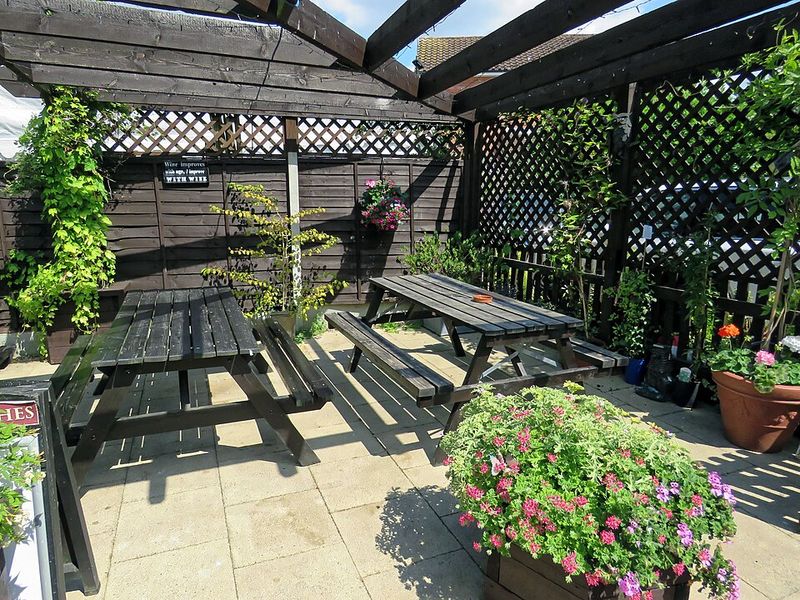
Some patios simply show their age in a way that drags down the whole backyard. Stains, cracks, faded finishes, and awkward shapes can make the space feel neglected even when the rest of the property is well kept.
A garden conversion gives homeowners a way to refresh the look without rebuilding everything from scratch.
Plants add depth, color, and softness that old concrete cannot. With layered beds, decorative edging, and a clear path through the space, the eye lands on attractive features instead of structural flaws.
You end up emphasizing beauty rather than asking guests to ignore what the patio used to look like.
This matters for resale, but it also matters for everyday pride in the property. A backyard that feels designed encourages people to use it more, maintain it better, and think of it as part of the home instead of leftover outdoor square footage.
Even simple updates can change that emotional response.
Across North Carolina, homeowners are recognizing that a tired patio does not have to stay the visual center of the yard. Turning it into garden space often creates a cleaner, warmer, and far more memorable outdoor setting.
More Inviting Entertaining Areas

An empty patio can feel exposed and awkward when friends come over, especially if it is larger than you need or surrounded by blank fencing. Once that space includes planting beds, containers, and a more defined layout, gatherings feel easier and more natural.
People tend to settle in when the setting feels warm instead of stark.
Garden elements create gentle boundaries that make an outdoor area function like a real room. A border of shrubs, a trellis with vines, or planters around a seating cluster can frame conversation without making the yard feel closed off.
That structure helps even casual get-togethers feel more comfortable.
Homeowners also like that garden conversions offer seasonal interest for guests. Spring blooms, summer herbs, fall texture, and evergreen structure give people something to notice and comment on, which makes the space feel alive.
It is easier to host outside when the setting already contributes to the experience.
Instead of buying more furniture to fix a patio that still feels flat, many families in North Carolina are changing the backdrop itself. A garden-centered layout often turns occasional outdoor use into a regular part of how the home is enjoyed.
Safer and Easier Outdoor Living
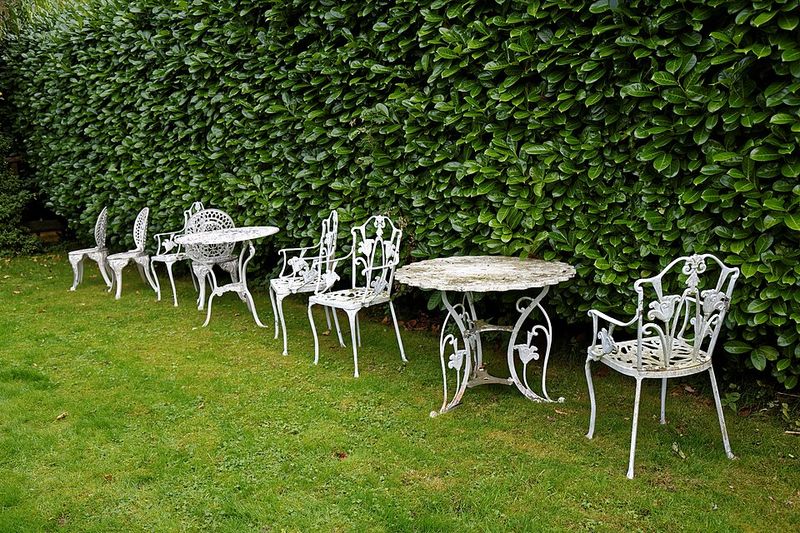
Cracked patios can become a tripping hazard long before they become completely unusable. For many homeowners, especially older adults, converting damaged sections into garden space is a practical way to reduce risk while making the yard more enjoyable.
The update can improve safety without making the backyard feel clinical.
Raised planters, wider walking paths, and stable seating areas are easier to navigate than uneven concrete with loose joints and awkward grade changes. A thoughtful garden layout also brings favorite plants closer to eye level, which makes outdoor time more comfortable for people who do not want to kneel or bend often.
Small design choices can have a big impact on daily use.
Families planning to stay in their homes longer are paying attention to these details. They want outdoor areas that remain inviting as needs change, and an old patio is often the right place to start improving access.
A mixed space with planting beds and a smaller, safer hard surface usually serves that goal better.
Across North Carolina, this shift is not only about style. It is also about creating backyards that feel easier to move through, easier to enjoy, and better suited to real life.